Aligning your designs with your client’s vision and expectations is crucial for the success of any interior design project. Here are steps you can take to ensure that your designs accurately reflect and meet your client’s needs:
1. Initial Consultation:
- Active Listening:
- Actively listen during the initial consultation to understand your client’s lifestyle, preferences, and specific requirements. This sets the foundation for a design that aligns with their vision.
- Define Goals and Objectives:
- Clearly define the goals and objectives of the project. Discuss the functionality, aesthetics, and any specific features or elements the client desires.
2. Create Detailed Design Briefs:
- Document Client Preferences:
- Document the client’s preferences, style, and any inspirational images they provide. Use this information to create a detailed design brief that serves as a reference throughout the project.
- Collect Visual References:
- Encourage clients to share visual references, such as images from magazines, Pinterest boards, or other sources. This helps you better understand their aesthetic preferences.
3. Mood Boards and Concept Presentations:
- Develop Mood Boards:
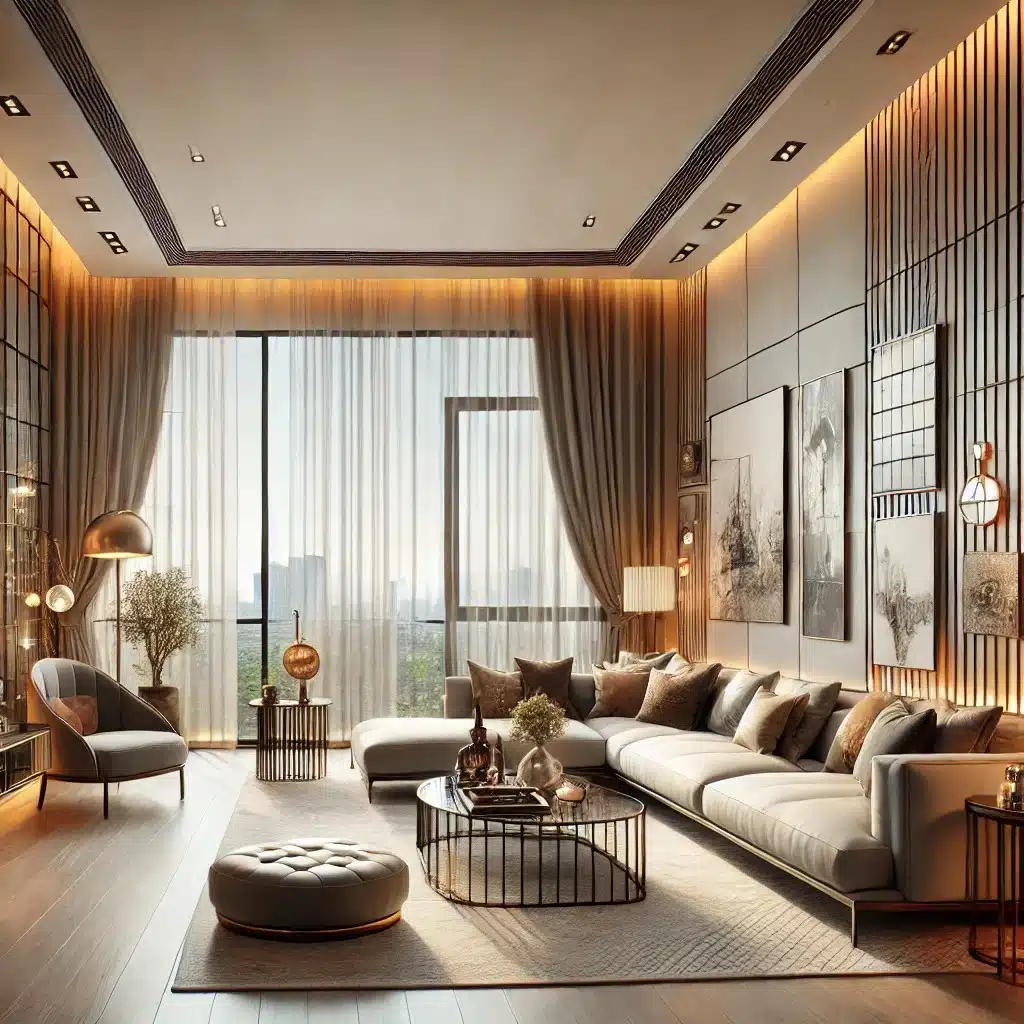
- Create mood boards that encapsulate the proposed design direction. Include color schemes, textures, and key design elements. Presenting visual concepts helps clients visualize the end result.
- Interactive Design Presentations:
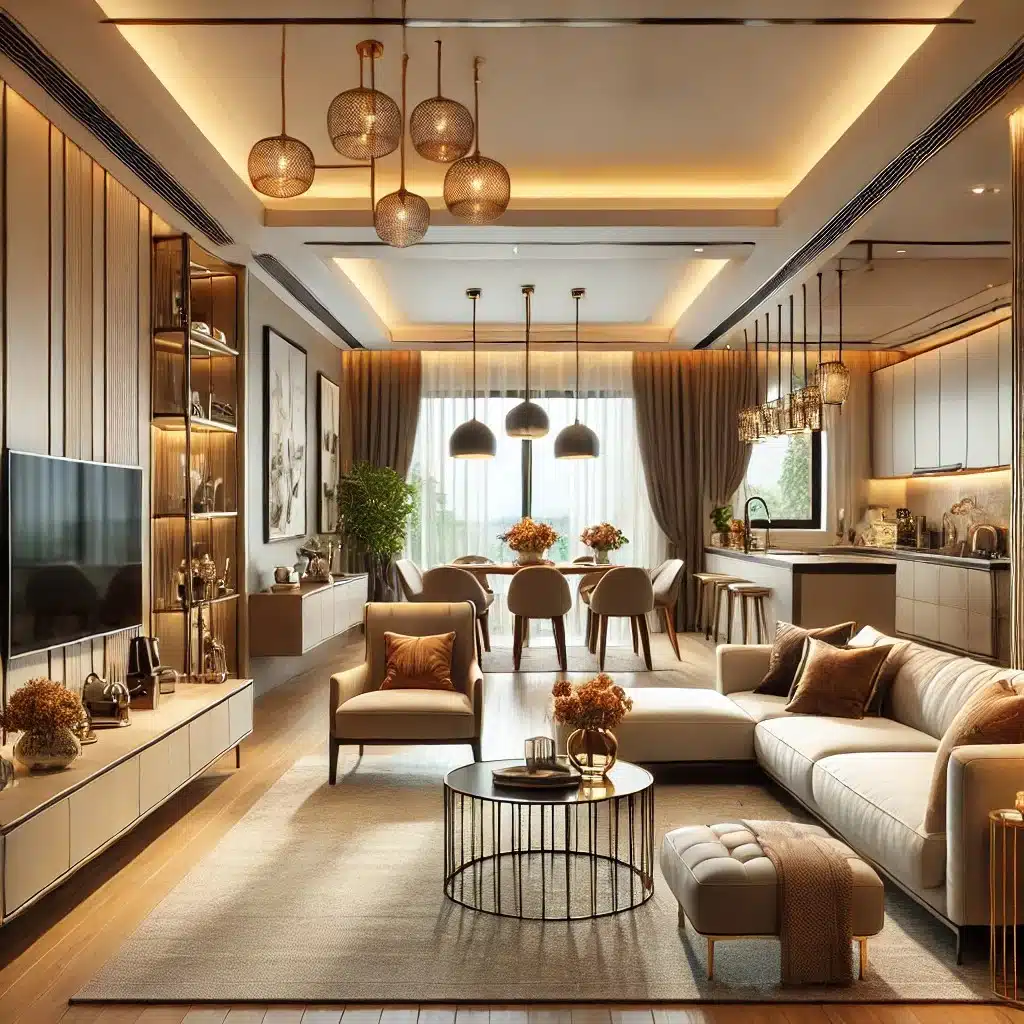
- Use interactive presentations to showcase design concepts. This could include 3D renderings, virtual reality tours, or other tools that provide a realistic preview of the proposed design.
4. Feedback and Iteration:
- Encourage Client Feedback:
- Actively seek client feedback at each stage of the design process. This ensures that any adjustments or modifications can be made before the final implementation.
- Incorporate Revisions:
- Be open to making revisions based on client feedback. Flexibility and a willingness to refine the design contribute to a collaborative and satisfying design process.
5. Detailed Design Proposals:
- Present Detailed Proposals:
- Provide comprehensive design proposals that outline materials, color palettes, furniture selections, and any other pertinent details. This ensures clarity and transparency in the design process.
- Discuss Budget and Timelines:
- Clearly discuss the budget and project timelines. Aligning expectations regarding costs and schedules is essential for a smooth and successful project.
6. Client Approval and Sign-Off:
- Formalize Approvals:
- Seek formal approval or sign-off from the client at key stages, especially before major purchases or implementations. This ensures that both parties are on the same page and minimizes the risk of misunderstandings.
7. Regular Communication:
- Maintain Open Lines of Communication:
- Foster open communication channels throughout the project. Regularly update clients on progress, discuss any challenges, and keep them informed about the next steps in the design process.
8. Final Walkthrough and Evaluation:
- Conduct Final Walkthroughs:
- Before project completion, conduct a final walkthrough with the client. This allows them to see the finished design and provides an opportunity to address any remaining concerns.
- Client Satisfaction Evaluation:
- Evaluate client satisfaction through formal feedback sessions or surveys. Understanding their level of satisfaction helps you continuously improve your design process.
9. Post-Completion Follow-Up:
- Post-Completion Support:
- Offer post-completion support to address any issues or adjustments that may arise after the project is finished. This demonstrates your commitment to client satisfaction even after the project concludes.
By incorporating these steps into your design process, you can enhance your ability to understand, interpret, and deliver designs that align seamlessly with your client’s vision and expectations.