Value-driven interior design focuses on maximizing the impact of your design choices while minimizing costs. Here are some strategies for achieving a stylish and functional interior on a budget:
- Define Your Priorities: Identify the key elements you want to prioritize in your space. Whether it’s comfort, functionality, or a specific aesthetic, having a clear vision will help you allocate your budget more effectively.
- Invest in Timeless Pieces: Spend more on timeless, high-quality furniture and fixtures. These pieces may cost more initially but can withstand changing trends and last longer, providing better long-term value.
- Multi-Functional Furniture: Choose furniture that serves multiple purposes. For example, a sofa bed, a dining table with storage, or ottomans that can double as storage containers. This not only saves space but also adds functionality.
- DIY and Upcycling: Get creative and consider do-it-yourself (DIY) projects or upcycling existing furniture. You can transform old pieces into something new and unique, adding character to your space without breaking the bank.
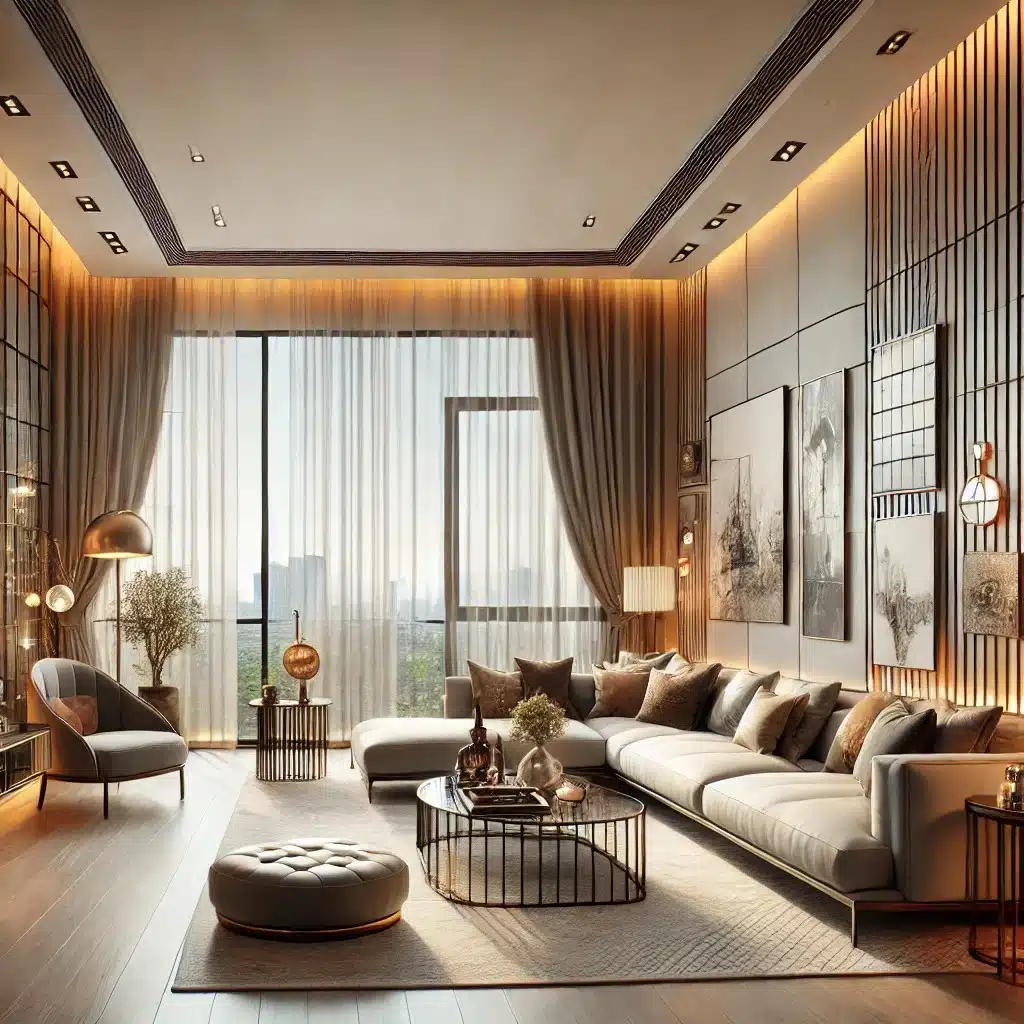
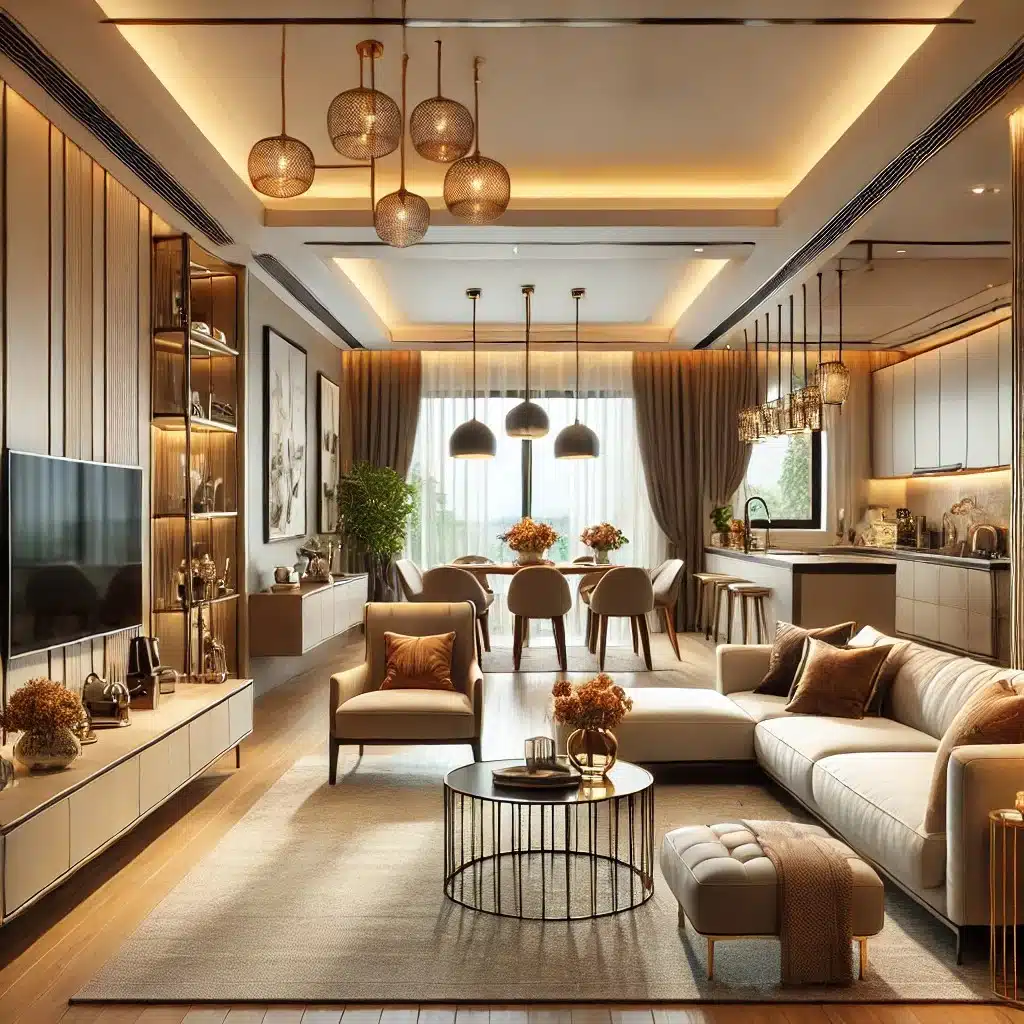
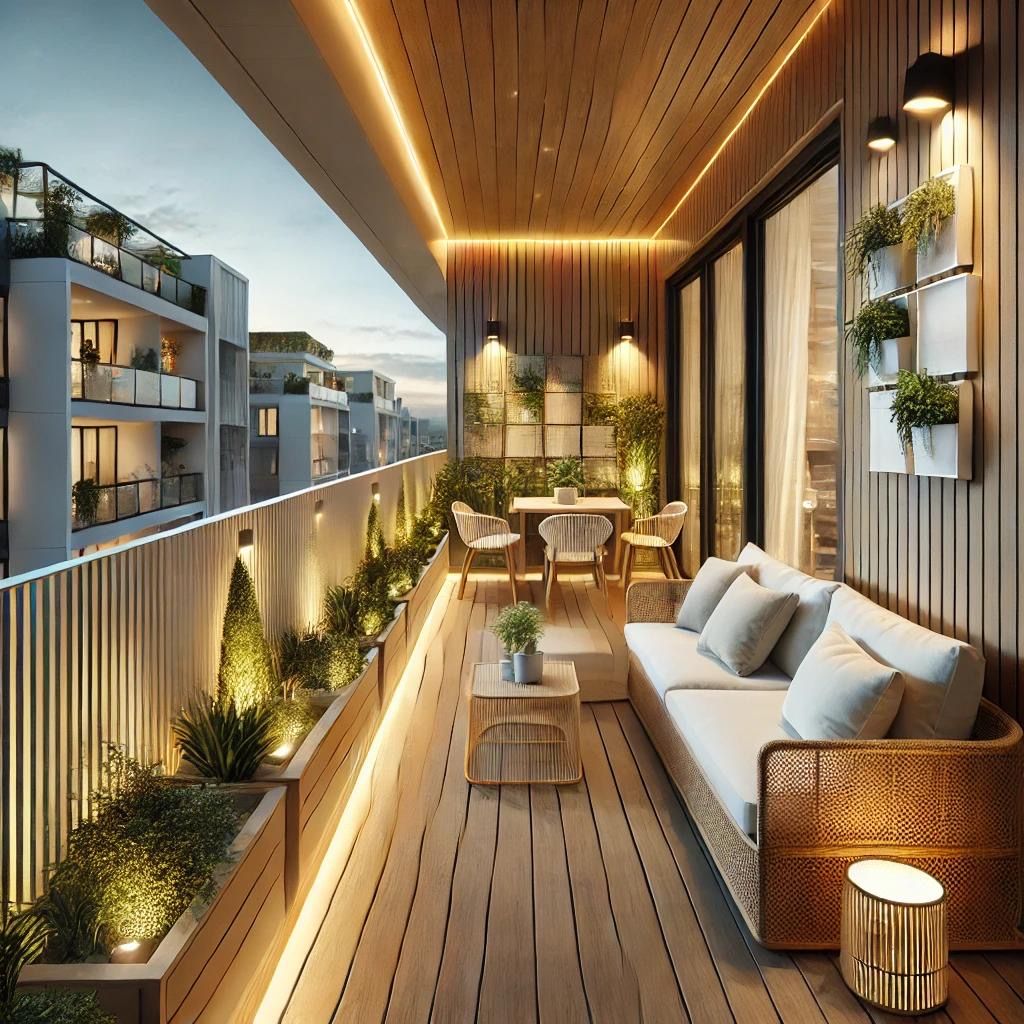
- Strategic Lighting: Lighting can significantly impact the ambiance of a room. Invest in quality lighting fixtures that enhance the overall design. Consider energy-efficient options to save on utility costs in the long run.
- Focus on Key Areas: Concentrate your budget on high-impact areas like the living room or kitchen, where you spend most of your time. Allocate fewer resources to less frequently used spaces.
- Use Paint Effectively: Painting is a cost-effective way to transform a space. Experiment with color to create visual interest. Accent walls or painted furniture can make a big impact without a large financial investment.
- Shop Secondhand: Explore thrift stores, consignment shops, or online marketplaces for pre-owned furniture and decor. You may find unique pieces at a fraction of the cost, contributing to a sustainable and budget-friendly design.
- Optimize Layout: Work with your designer to optimize the layout for efficiency and flow. A well-designed layout can make a space feel larger and more inviting without the need for extensive renovations.
- Budget-Friendly Materials: Look for affordable yet durable materials for flooring, countertops, and other surfaces. There are often budget-friendly alternatives that mimic the look of more expensive materials.
- Minimalism and Decluttering: Embrace a minimalist approach by decluttering and focusing on essential elements. This not only saves money but also creates a clean and stylish look.
- Smart Technology Integration: Integrate smart home technology strategically. While some systems can be an initial investment, they can contribute to energy efficiency and long-term savings on utility bills.
Remember that achieving value in interior design doesn’t mean sacrificing style or comfort. It’s about making thoughtful choices that align with your priorities and budget, creating a space that reflects your personality and meets your needs without unnecessary expenses.