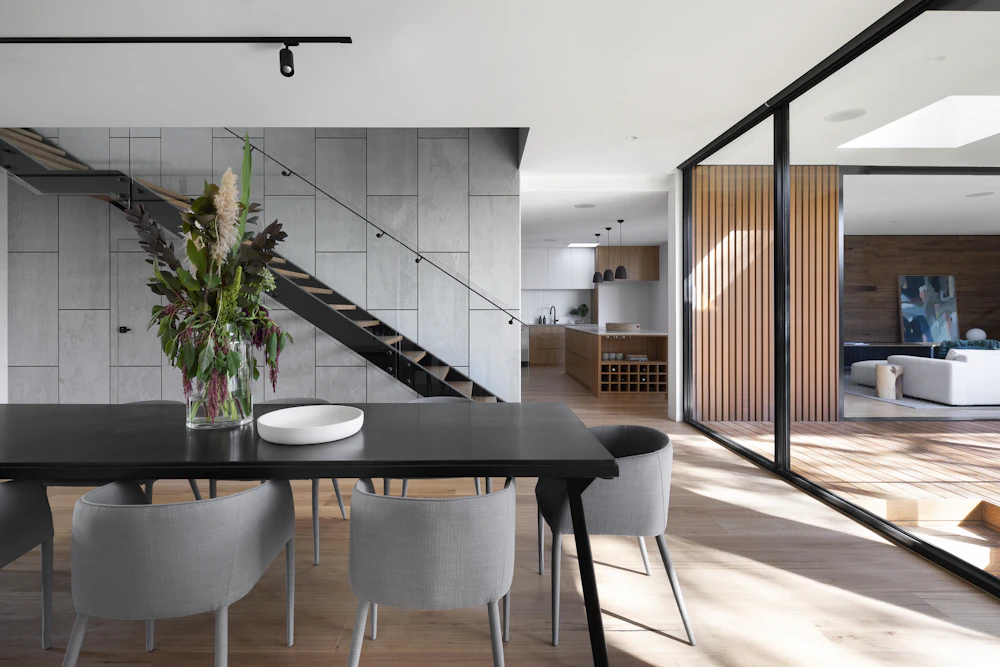
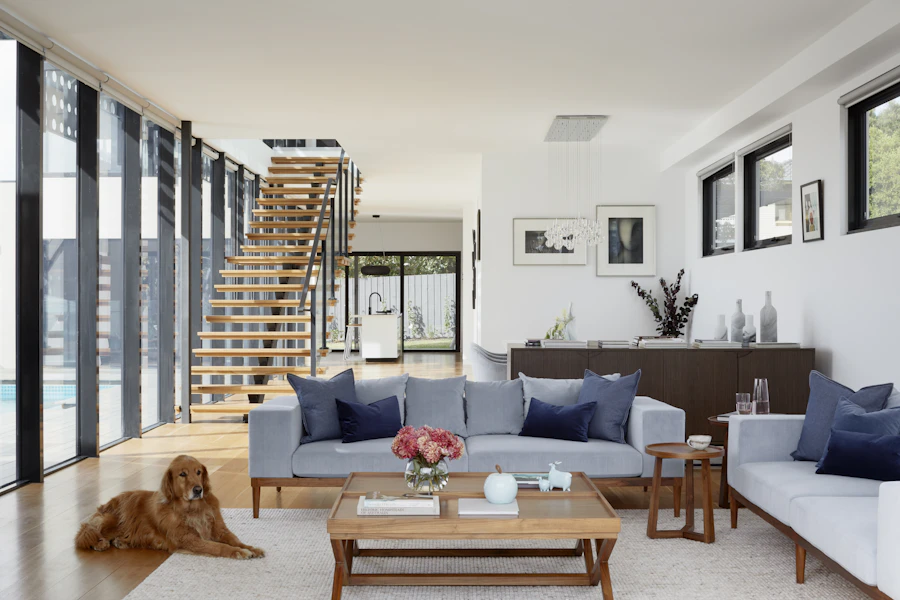
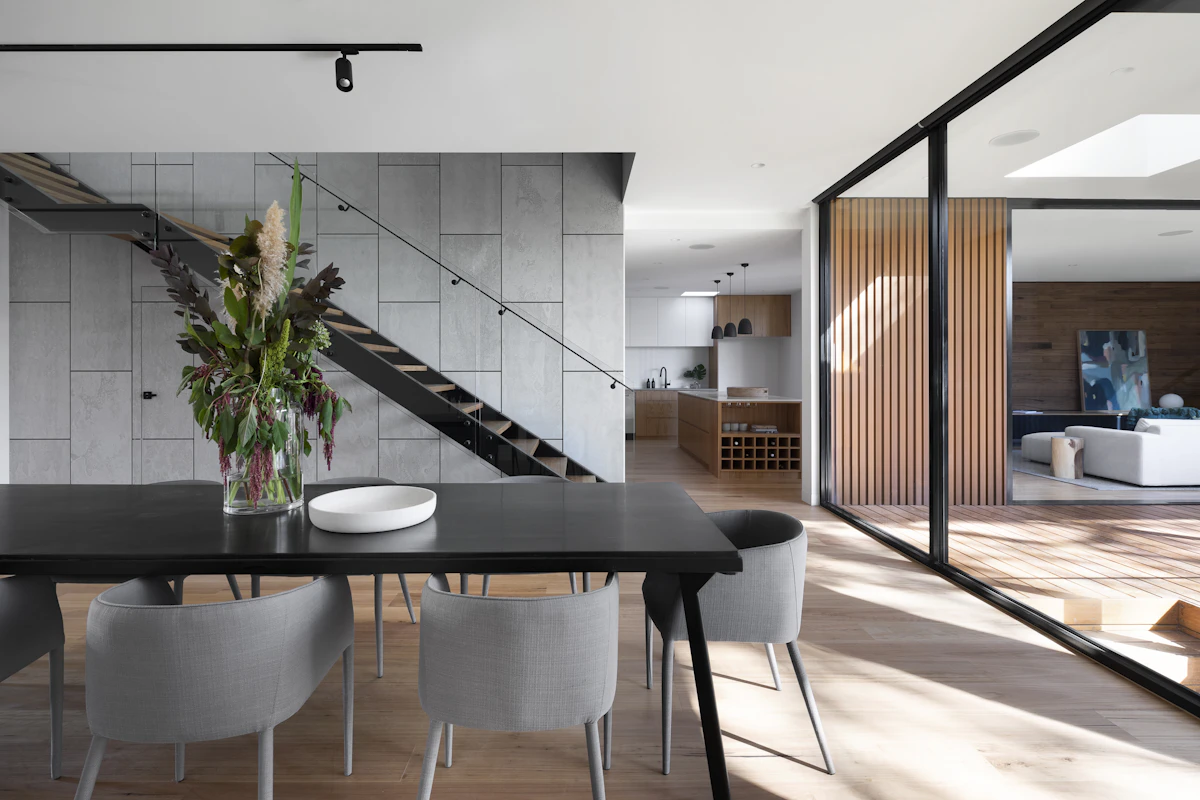
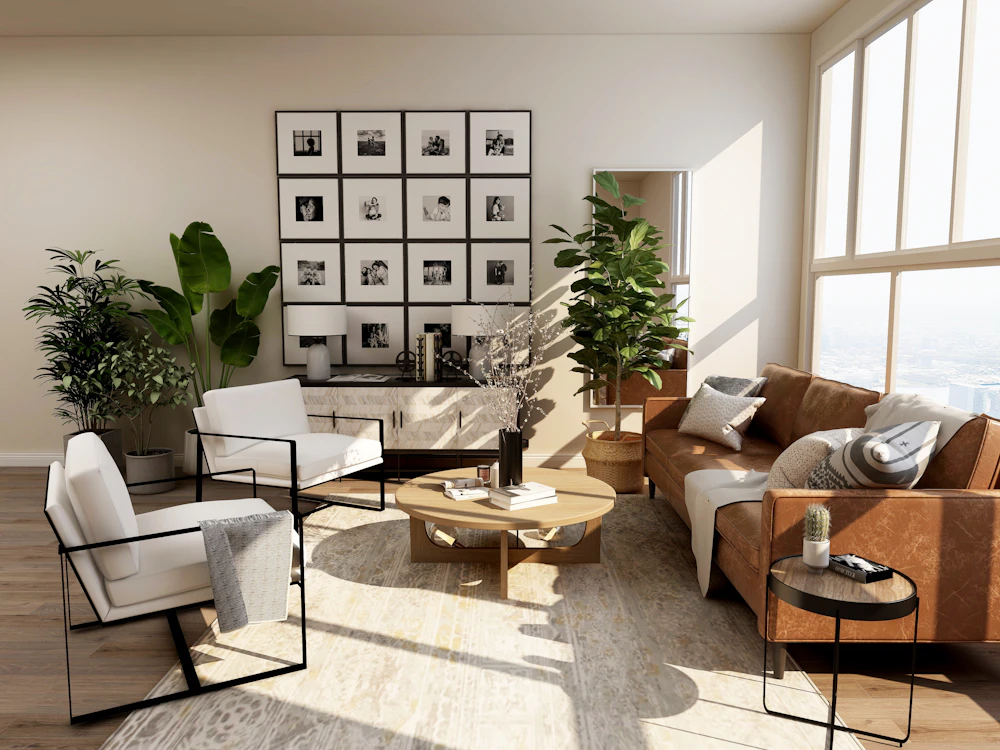
What skills do you need to study interior design?

What Skills Do You Need to Study Interior Design?
Learn the creative, technical and professional skills that can help you succeed as an interior design student — from space planning and colour theory to CAD, materials, communication and project management.
You should develop design thinking, space planning, visual awareness, material knowledge, technical drawing, digital design skills, problem-solving and professional communication.

You do not need every skill before you start studying.
One of the biggest misconceptions about interior design education is that students must already be excellent artists, designers or technical experts before enrolling.
In reality, education is where you develop many of those abilities. What matters at the beginning is curiosity, observation, willingness to practise and an interest in understanding how spaces work.
The existing Interior A to Z guidance similarly identifies creativity, attention to detail, spatial balance, communication, aesthetics, technical proficiency and financial/project management as important areas for aspiring designers. :contentReference[oaicite:0]{index=0}
How ready are your current skills?
This simple assessment is not an admission or professional aptitude test. It is designed to help you identify areas that may already be strengths and areas worth practising.
10 essential skills to develop while studying interior design.
A strong interior design education combines visual creativity, spatial thinking, technical knowledge and professional skills.
Creativity
Generate original concepts and find design solutions that balance visual appeal with the practical needs of a space.
Design Theory
Understand principles such as balance, proportion, rhythm, contrast, hierarchy, scale and visual composition.
Space Planning
Learn how furniture, circulation, storage, room functions and architectural features work together.
Colour Awareness
Develop an understanding of colour relationships, palettes, finishes, natural light and the atmosphere created by colour.
Material Knowledge
Understand materials, finishes, durability, maintenance, appearance, application and practical limitations.
Visual Communication
Learn to communicate design ideas through sketches, drawings, mood boards, layouts, presentations and 3D visuals.
Problem Solving
Develop practical solutions when a space has limited area, awkward dimensions, budget restrictions or technical constraints.
Attention to Detail
Small details in dimensions, materials, hardware, lighting, joinery and finishes can affect the quality of a finished interior.
Communication
Explain ideas clearly and listen to clients, contractors, suppliers and other professionals.
Project Thinking
Understand how design decisions connect with scope, quantities, budgets, timelines, procurement and execution.
Learn how an idea becomes a buildable interior.
Interior design education is not only about making attractive mood boards. Students also need to understand how designs are documented, visualized, specified and executed.
Practise floor plans, elevations, sections, dimensions, furniture layouts, reflected ceiling plans and design details.
Learn accurate 2D drafting and documentation for layouts and technical design communication.
Build three-dimensional models to study proportions, furniture, materials and spatial relationships.
Learn visualization techniques that communicate how a proposed interior may look before execution.
Study boards, laminates, veneers, stone, glass, fabrics, paints, hardware and other interior finishes.
Understand natural light, ambient lighting, task lighting, accent lighting, fixture positions and practical coordination.
Learn enough about carpentry, false ceilings, electrical work, flooring and other construction processes to coordinate designs.
Develop awareness of safety, accessibility, applicable regulations and the practical constraints that affect interior projects.
Interior design is both creative and technical.
A useful way to understand the profession is to separate the different skill groups you will develop during your education.
| Skill group | What you learn | Why it matters |
|---|---|---|
| Creative | Concept development, colour, texture, style and visual composition | Helps create coherent and attractive design concepts |
| Spatial | Layouts, circulation, zoning, furniture and storage | Makes spaces functional and comfortable |
| Technical | Drawing, CAD, 3D modelling and construction documentation | Helps communicate designs accurately for execution |
| Materials | Boards, finishes, fabrics, stone, glass, hardware and surfaces | Supports practical and informed specification decisions |
| Professional | Communication, presentation, teamwork and coordination | Helps move a design from concept to completed project |
| Management | Scope, quantities, budget, procurement and project coordination | Helps keep projects organized and financially realistic |
Design is about people as much as spaces.
Interior designers need to understand how people live and work. That makes communication and listening important parts of the profession.
- Active listening
- Client communication
- Presentation skills
- Teamwork
- Time management
- Negotiation
- Problem-solving
- Professional follow-up
Learn to think beyond the beautiful picture.
A design concept becomes useful when it can be translated into measurements, drawings, materials, quantities and execution.
- Measure spaces accurately
- Understand project requirements
- Prepare practical layouts
- Coordinate materials and finishes
- Consider electrical and lighting requirements
- Understand project budgets
- Coordinate vendors and contractors
- Review execution against the design
Skills you do not have to master before starting.
Students often delay starting because they believe they need professional-level skills on day one. Education exists to develop them.
Build your interior design skills step by step.
Instead of trying to learn everything at once, develop a structured foundation and gradually connect creative skills with technical execution.
Foundations
Learn design principles, colour theory, proportion, scale, composition and basic visual communication.
Space Planning
Practise room layouts, furniture placement, circulation, zoning and storage planning.
Technical Skills
Develop CAD, 3D visualization, technical drawings, materials, lighting and construction knowledge.
Portfolio
Turn your strongest academic and personal projects into a clear portfolio showing your design thinking.
The fastest way to improve is to design.
You can practise many important interior design skills without waiting for a professional project.
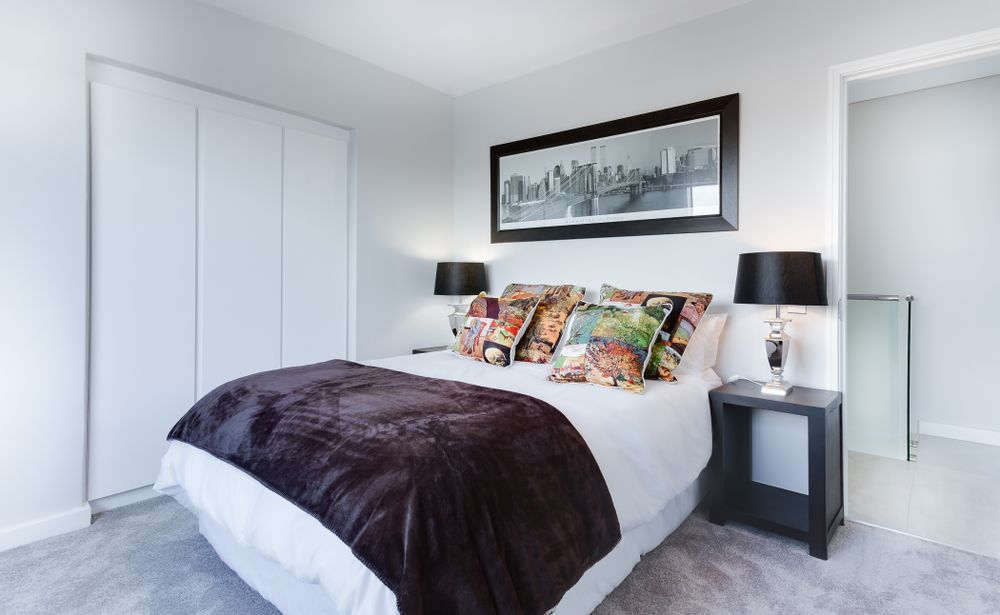
Redesign a Bedroom
Measure a bedroom and create two different furniture layouts with improved storage and circulation.
Create a Mood Board
Select a colour palette, materials, furniture and lighting for a specific design style.
Draw a Floor Plan
Practise turning measurements into a basic scaled floor plan and furniture layout.
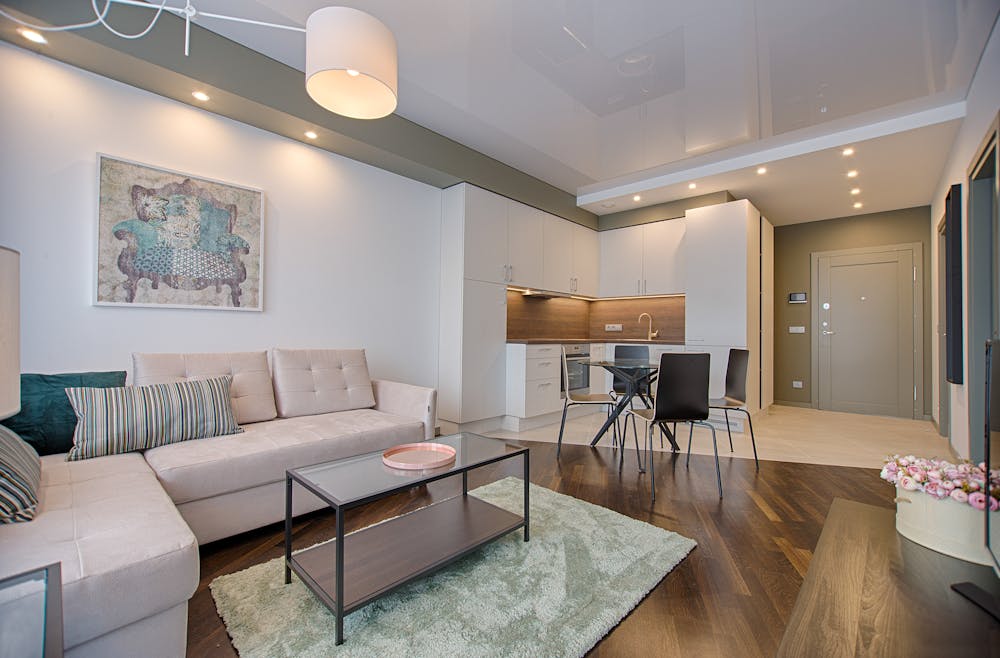
Design a Small Kitchen
Explore work zones, storage, appliances, materials, lighting and ergonomic movement.
Build a 3D Model
Create a simple room in 3D and experiment with furniture, finishes, lighting and proportions.
Prepare a Mini Portfolio
Document your concepts, sketches, layouts, material choices and final visuals as one small project.
Look at the curriculum, not just the course title.
When comparing interior design courses, check what you will actually learn and practise.
- Design fundamentals
- Space planning
- Technical drawing
- CAD and 3D software
- Materials and finishes
- Lighting
- Portfolio development
- Practical projects or internships
You can start without being an expert.
Interior A to Z’s course guidance notes that beginner-level interior design courses may be accessible without previous professional design experience, although eligibility varies by institution and course type. :contentReference[oaicite:1]{index=1}
Before enrolling, check the specific institute’s eligibility, curriculum, software training, project work, duration and fees.
Explore Course FeesExplore more Interior A to Z career resources.
Build a complete understanding of interior design education, skills, career planning and professional practice.
Key Skills Needed as an Interior Designer
Explore the creative, technical and interpersonal skills used in professional interior design.
Career SkillsLearn the Required Skills for an Interior Designer
Go deeper into technical proficiency, materials, project management and professional development.
Self AssessmentWill I Be Good at Interior Design?
Explore practical signs that interior design may match your interests and strengths.
PersonalityCan an Introvert Be an Interior Designer?
Learn why professional communication matters without requiring one particular personality type.
CareerMake a Career in Interior Designing
Explore education, skills, portfolio development and different career paths.
Core SkillSpace Planning
Understand furniture layouts, circulation, zoning, storage and practical planning.
What skills do you need to study interior design?
Answers to common questions students ask before beginning an interior design course.
What skills do you need to study interior design?
Important skills include creativity, design theory, spatial awareness, space planning, colour and material knowledge, technical drawing, CAD and 3D visualization, problem-solving, communication and project management.
Do I need to be good at drawing to study interior design?
Drawing and visual communication are useful, but they can be developed through practice. Modern interior design education also uses CAD, 3D modelling and digital visualization.
Is creativity important for interior design?
Yes. Creativity helps designers develop concepts, colour palettes, furniture arrangements and solutions to spatial problems. It works alongside technical and practical skills.
What technical skills are needed for interior design?
Technical skills can include drafting, space planning, CAD, 3D modelling, visualization, material knowledge, lighting coordination, measurements and construction awareness.
Do interior design students need to learn AutoCAD?
CAD is commonly useful for producing accurate layouts and technical drawings. The exact software taught varies by course and institution.
Is communication important in interior design?
Yes. Interior designers communicate with clients, contractors, suppliers and other professionals. Clear communication helps translate design ideas into practical decisions.
Can I study interior design if I have no previous experience?
Many beginner-level courses accept students without previous professional design experience, but eligibility varies by course and institution.
What is the most important skill for an interior design student?
There is no single skill that guarantees success. A combination of design thinking, spatial planning, technical ability, attention to detail, communication and willingness to learn is valuable.
You can develop the skills. Start with the ones that interest you most.
Learn the fundamentals, practise space planning, explore materials, develop software skills and build projects. Your abilities will grow through structured learning and repeated practice.
What skills do you need to study interior design? Read More »







 “`
“` “`
“` “`
“`