
Interior Design Course Fees in India
Thinking about studying interior design? Compare certificate, diploma, undergraduate and postgraduate interior design courses, their approximate fees, duration, eligibility and career opportunities.
How much does an interior design course cost in India?
There is no single national fee. Course cost varies substantially by qualification, institution, location, duration and whether the program is online, private or university-based.
This broad range reflects different course types and institutions rather than one standard course fee.
Learn how spaces are imagined, planned and built.
Interior design education combines creative thinking with technical knowledge. Depending on the course, students can learn space planning, materials, furniture, lighting, drafting, visualization and design presentation.
The right course depends on your career goal, education level, available time and budget.
Compare course options →
7 Types of Interior Design Courses in India
The best course depends on whether you want a short introduction, practical skills, a professional diploma, a bachelor’s degree or postgraduate study.
Certificate Course
Short programs designed to introduce students to specific interior design skills or software.
- Short duration
- Useful for beginners
- Online and offline options
Diploma in Interior Design
A practical route for students who want structured interior design training without committing to a full degree.
- Practical design skills
- Drafting and planning
- Often shorter than a degree
Advanced Diploma
More detailed professional training may cover advanced design development, materials and project presentation.
- Advanced skills
- More detailed projects
- Portfolio development
B.Des Interior Design
A full undergraduate design education with broader academic and professional training.
- Usually 3–4 years
- Design theory
- Studio projects
B.Sc. Interior Design
An undergraduate pathway combining academic study with interior design knowledge and practical projects.
- Usually 3–4 years
- Academic qualification
- Design projects
M.Des / M.Sc.
Postgraduate study for graduates seeking advanced design education and specialization.
- Usually around 2 years
- Advanced research
- Specialization opportunities
Online Interior Design
Flexible programs ranging from introductory learning to structured professional certificates.
- Flexible schedule
- Remote learning
- Software-focused options
Course fees vary significantly between institutions. The ranges above are planning references rather than guaranteed tuition prices. Always verify the latest fee structure directly with the institution.
Interior design education combines creativity with technical skill.
A professional course should help you move from an idea to a documented, presentable and practical interior design solution.

From concept to complete interior.
Learn to develop layouts, concepts, materials, furniture and visual presentations for real spaces.
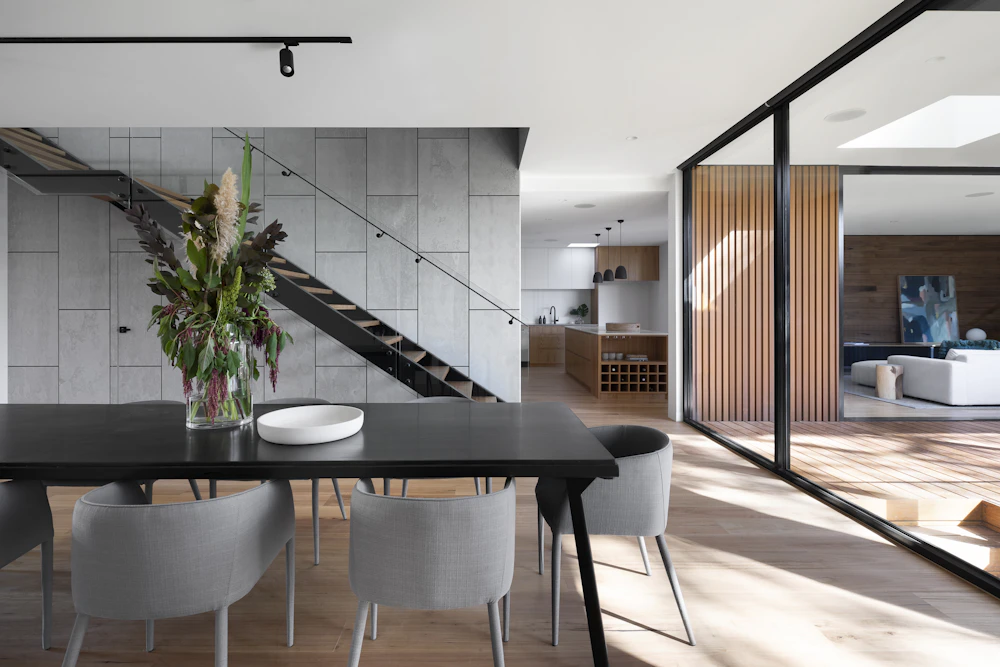
Build work that demonstrates your ability.
Projects, drawings and visual presentations can become important parts of an aspiring designer’s portfolio.
Interior Design Course Fees in India
Use this table as a starting point. Actual tuition depends on the institution, qualification, location, facilities and course structure.
| Course type | Typical duration | Broad fee range | Best suited for |
|---|---|---|---|
| Certificate | Weeks to 1 year | ₹5,000–₹1L+ | Beginners and skill-specific learning |
| Diploma | 1–2 years | ₹30,000–₹2.5L+ | Practical professional training |
| Advanced Diploma | 1–2 years | Institution specific | More advanced practical study |
| B.Des / B.Sc. | 3–4 years | ₹60,000–₹12L+ | Students seeking undergraduate education |
| M.Des / M.Sc. | Approximately 2 years | ₹60,000–₹8L+ | Graduates seeking advanced study |
| Online certificate | Flexible | Free–₹1L+ | Flexible and introductory learning |
Estimate Your Course Investment
Select the type of program you are considering and the approximate annual fee. The calculator estimates the overall tuition investment.
Use this for planning only. Institutions may charge additional admission, examination, studio, material, software, hostel or other fees.
What Can Interior Design Course Fees Include?
The exact inclusions differ between institutions. Review the prospectus and fee structure carefully before enrolling.
Eligibility, Duration & Course Level
After 10th or 12th
Students can explore certificate, diploma and undergraduate pathways, depending on the admission requirements of the institution.
- Certificate programs
- Diploma programs
- Foundation programs
- Undergraduate design programs after 12th
After Graduation
Graduates can consider postgraduate design programs or specialized professional certifications.
- M.Des / M.Sc. pathways
- Advanced certificates
- Specialized design courses
- Software and visualization training
What Can You Do After Studying Interior Design?
Interior design education can lead to different roles depending on your qualification, portfolio, practical skills and professional experience.
How to Choose the Right Interior Design Course
Do not compare courses only by tuition. Compare what you will actually learn and what the qualification enables you to do.
Learn More About the Interior Design Industry
If you are considering interior design as a career, these resources can help you understand the professional side of the industry.
Interior Design Course Fees in India — FAQ
Answers to common questions about course fees, duration, qualifications and career planning.
How much is the fee for an interior design course in India?
There is no single fee applicable to all interior design courses. Published course-fee information shows a broad range depending on whether the program is a certificate, diploma, undergraduate degree or postgraduate qualification. Some programs cost tens of thousands of rupees while longer private or specialized programs can cost several lakhs.
What is the average fee for a diploma in interior design?
Diploma fees vary significantly between institutions. A broad planning range can extend from around ₹30,000 to ₹2.5 lakh or more depending on duration, location, curriculum, facilities and institution.
How much does a B.Des in interior design cost in India?
B.Des fees vary considerably between universities and private institutions. A complete undergraduate program can range from relatively modest fees to several lakhs or more. Always check the institution’s current tuition and additional charges.
How long is an interior design course?
Duration depends on the qualification. Certificate programs can be completed in a short period, diplomas may take around one to two years, undergraduate programs commonly take around three to four years, and postgraduate programs are often around two years.
Can I study interior design after 12th?
Yes. Students completing 12th can explore diploma and undergraduate interior design programs, subject to the eligibility requirements of the institution.
Can I study interior design after graduation?
Yes. Graduates can consider postgraduate interior design programs as well as specialized professional certificates and skill-based courses.
Are online interior design courses cheaper?
Online programs can have lower tuition and fewer location-related costs than some physical programs, but pricing varies considerably. Compare curriculum, instructor support, projects, software training and certification rather than price alone.
Is an interior design degree necessary to become an interior designer?
The educational route depends on the type of work you want to pursue and the requirements of employers or clients. Formal degrees provide structured education, while diplomas, certificates, practical experience and strong portfolios can also be relevant to different career paths.
What software should an interior design student learn?
Depending on the institution and career direction, students may encounter CAD drafting, 3D modelling, rendering, presentation and graphic-design software. Check the actual syllabus rather than assuming every institution teaches the same tools.
Choose a course that builds skills, not just a certificate.
Compare curriculum, practical projects, portfolio development, software, faculty, facilities and total cost before enrolling.