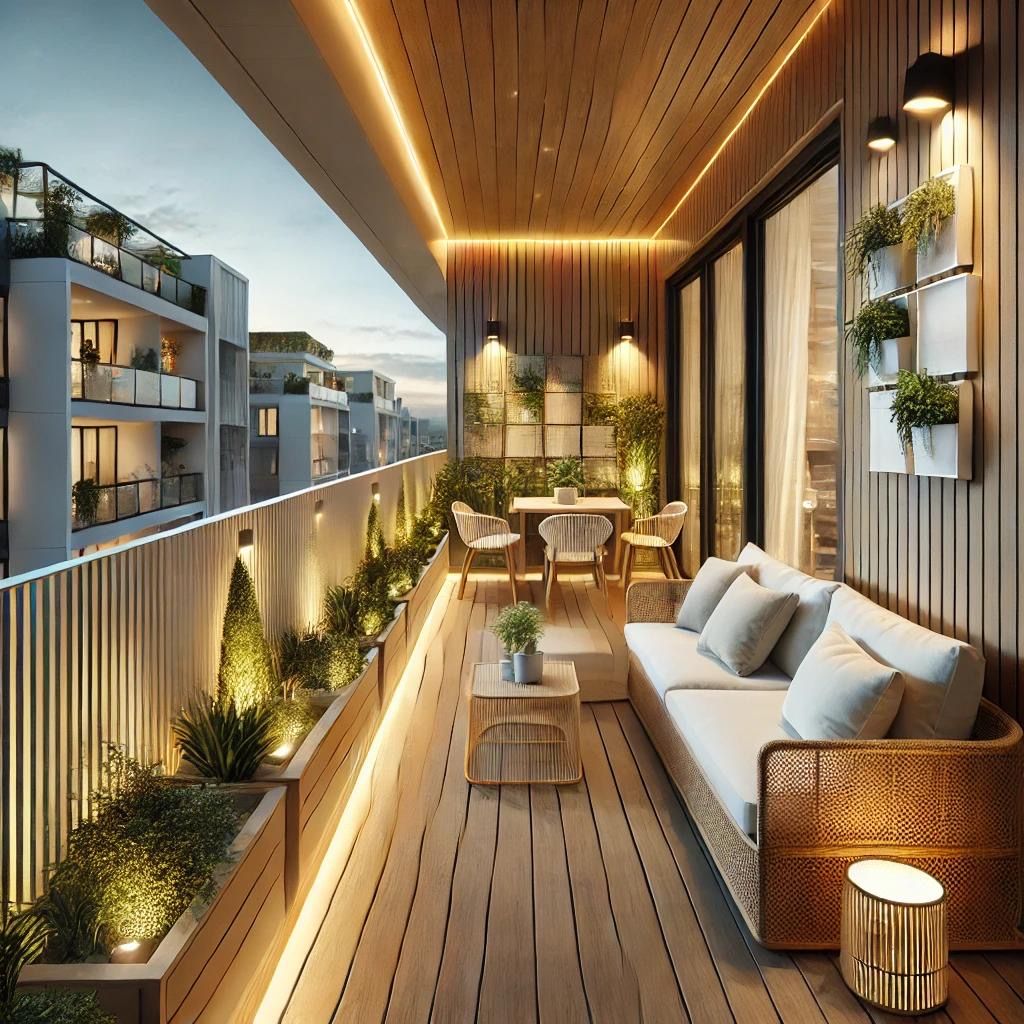
- Raffine Walls offers PVC louver panels in 24 mm and 50 mm thickness variants. (source: pvcwallspanel.com)
- These PVC louvers combine the benefit of airflow/ventilation with decorative panel aesthetics.
Features & Strengths
- Thickness Options (24 mm / 50 mm): Allows choice based on visual depth or structural needs.
- Material Advantage: Being PVC, they resist moisture, termites, and are easier to maintain than wood.
- Decorative & Functional Blend: Louvers provide ventilation or light diffusion while serving as design elements.
- Modular / Lightweight: Easier to install, cut, or retrofit compared to traditional louver materials.
Usage Ideas in Interiors & Architecture
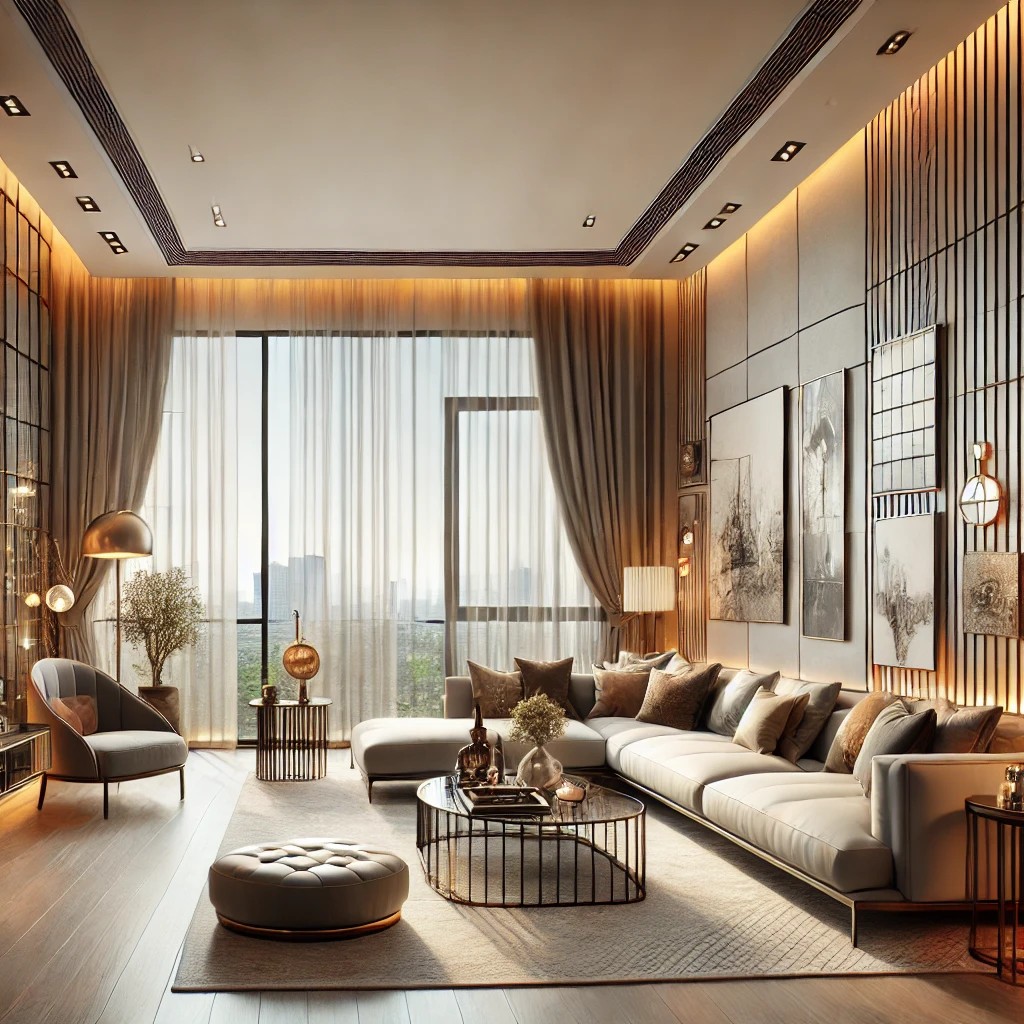
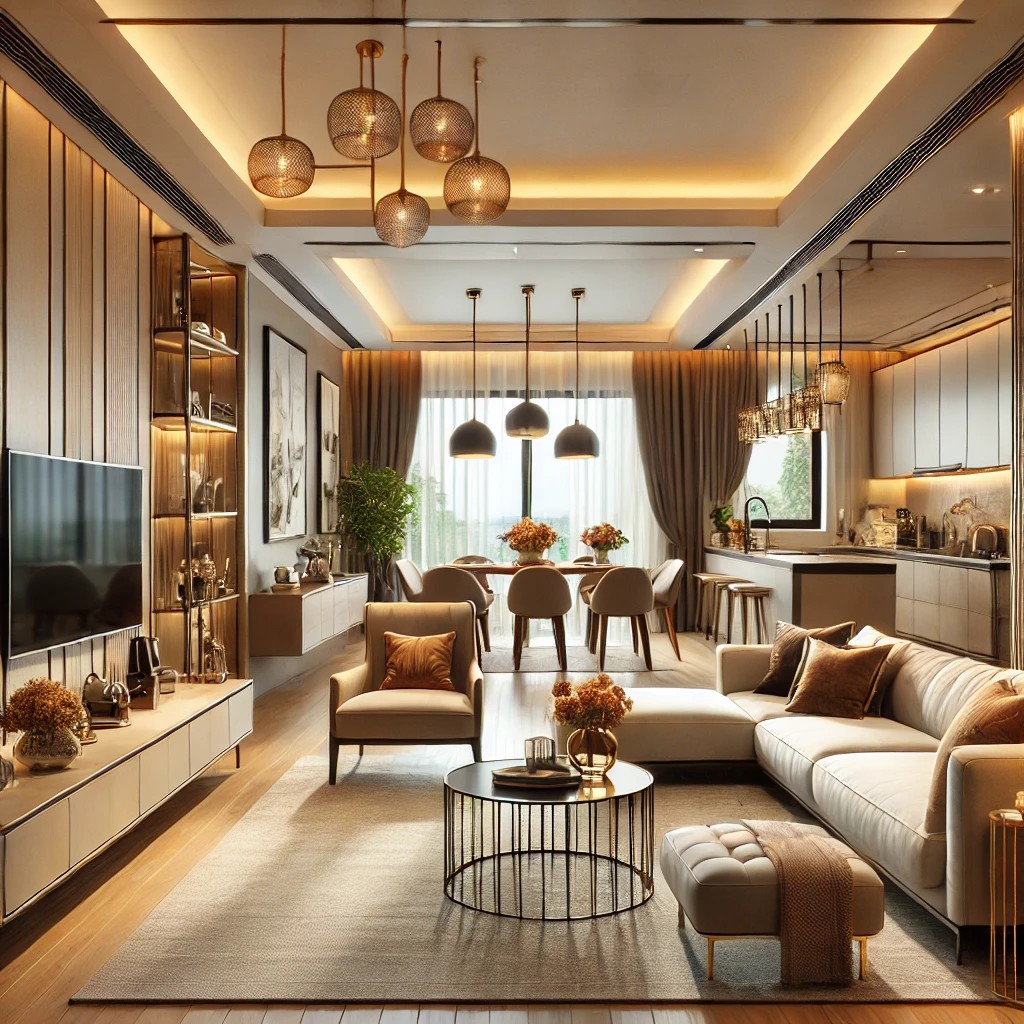
- Accent / Feature Walls: Use louver panels in living rooms, behind TVs, or as partition screens for visual interest.
- Ventilation Zones: In utility areas, bathrooms, or near windows, louvers help airflow while maintaining privacy.
- Ceilings & Overheads: Use louver panels for false ceilings to add texture and conceal services.
- Facade / External Walls: With PVC’s moisture resistance, these may be suitable for semi-outdoor zones or sheltered exteriors.
- Combine with Lighting: Use linear LED strips behind louvers to accent the grooves and shadows.
Considerations & Best Practices
- Ensure substrate alignment—louvers exaggerate wall unevenness.
- Plan joint and edge details carefully to avoid visible gaps or mismatches.
- For wet zones, seal panel edges and joints to prevent water intrusion behind the louvers.
- Evaluate structural support: 50 mm louvers, especially over wide spans, may require backing or stronger framing.
- Check for finish consistency, material quality, and thickness tolerance before large-scale purchase.