Online interior design services have become increasingly popular, offering a convenient and accessible way for individuals to enhance the aesthetics and functionality of their living spaces. Here are some aspects of online interior design:
1. Virtual Consultations:
- Communication: Interior designers conduct virtual consultations via video calls or phone calls to understand clients’ preferences, goals, and budget.
- Questionnaires: Clients may fill out detailed questionnaires to provide information about their style, needs, and requirements.
2. Digital Design Platforms:
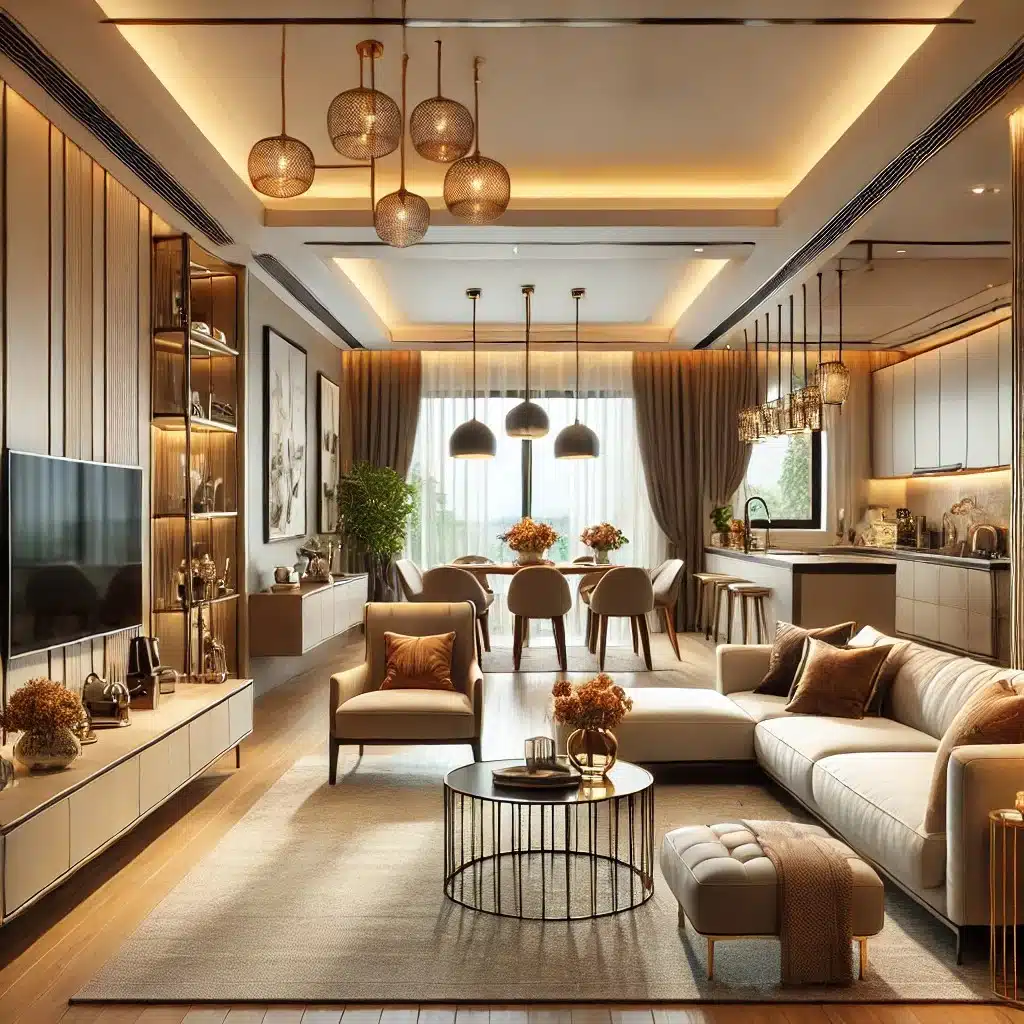
- Visualization Tools: Designers use digital tools and platforms to create mood boards, 3D renderings, and design concepts, allowing clients to visualize the proposed designs.
- Collaboration: Clients and designers can collaborate in real-time through online platforms, sharing ideas, feedback, and revisions.
3. E-Design Packages:
- Custom Packages: Design firms often offer various e-design packages, allowing clients to choose the level of service that fits their needs and budget.
- Room-Specific Services: E-design services may focus on specific rooms, such as kitchens, bedrooms, or living rooms.
4. Online Shopping Integration:
- Product Suggestions: Designers recommend furniture, decor, and accessories that align with the design concept.
- Shopping Lists: Clients receive curated shopping lists with links to purchase items directly online.
5. Budget-Friendly Options:
- Affordability: Online interior design can be more cost-effective compared to traditional in-person services.
- DIY Implementation: Clients may choose to implement the design themselves, saving on installation costs.
6. Remote Project Management:
- Project Timelines: Designers create project timelines, guiding clients on when and how to implement the design.
- Remote Support: Designers offer ongoing support and guidance throughout the implementation process.
7. Accessible Design for All:
- Geographical Flexibility: Online interior design breaks geographical barriers, allowing clients to work with designers regardless of their location.
- Diverse Clientele: E-design services cater to a diverse range of clients, including homeowners, renters, and businesses.
8. Technology Integration:
- Augmented Reality (AR): Some platforms offer AR features, allowing clients to virtually place furniture and decor items in their space before making purchases.
- Virtual Tours: Designers may provide virtual tours or walkthroughs of the proposed design.
9. Flexible Communication:
- Email and Messaging: Communication often occurs through email and messaging platforms, providing flexibility for clients and designers to exchange information.
- Scheduled Calls: Designers schedule calls or video meetings as needed for updates and consultations.
10. Educational Resources:
- Guides and Tutorials: Some e-design services offer guides and tutorials to help clients with DIY implementation.
- Design Tips: Designers may provide tips and educational content to enhance clients’ understanding of design principles.
Before choosing an online interior design service, individuals should research different platforms, read reviews, and understand the scope of services offered. It’s important to find a service that aligns with the client’s design preferences, budget, and level of involvement in the design process.