Mirroring the walls, also known as using mirrors as a decorative element, can be a strategic and visually appealing design choice. Here are some ideas and considerations for incorporating mirrors into your wall decor:
- Create Illusion of Space:
- Mirrors have the ability to make a room feel larger and more open. Placing mirrors on one or more walls can create the illusion of expanded space, especially in smaller rooms or apartments.
- Install Mirrored Accent Wall:
- Consider creating an accent wall with mirrored tiles or a large mirror panel. This can be an eye-catching focal point in a living room, bedroom, or dining area.
- Use Mirrored Furniture:
- Incorporate mirrored furniture, such as mirrored dressers, nightstands, or coffee tables. This not only adds reflective surfaces but also introduces a touch of glamour and sophistication.
- Mirror Panels or Tiles:
- Covering a section of a wall with mirror panels or tiles can create a sleek and modern look. Arrange the panels in a pattern or use them to accentuate architectural features.
- Mirror Wall Decals:
- Explore removable mirror wall decals or stickers. These can be applied in various patterns, adding a decorative touch without the permanence of traditional mirrors.
- Floor-to-Ceiling Mirrors:
- Install floor-to-ceiling mirrors for a dramatic effect. This is a classic choice in spaces like dressing rooms or bedrooms, where a full-length mirror is practical.
- Mirrored Backsplash:
- Consider using mirrored tiles as a backsplash in the kitchen or bathroom. This can add a reflective surface and make the space feel brighter.
- Frame Mirrors with Molding:
- Frame mirrors with decorative molding or trim to enhance their visual appeal. This creates a finished and cohesive look, especially if you’re using multiple mirrors together.
- Mirrored Wall Art:
- Incorporate mirrored wall art or sculptures. This can be an artistic way to add mirrors to your decor while also serving as a captivating focal point.
- Strategic Placement for Light Enhancement:
- Place mirrors opposite windows or light sources to maximize the reflection of natural or artificial light. This brightens the room and contributes to a more luminous atmosphere.
- Create a Gallery Wall with Mirrors:
- Design a gallery wall using an assortment of mirrors in different shapes and sizes. This eclectic arrangement can add visual interest and reflect your personal style.
- Mirrored Floating Shelves:
- Install mirrored floating shelves for both functionality and style. These shelves can display decorative items while incorporating reflective surfaces.
- Frameless Mirrors:
- Opt for frameless mirrors for a sleek and contemporary look. Frameless mirrors are versatile and can adapt to various design styles.
- Mix Mirrors with Other Materials:
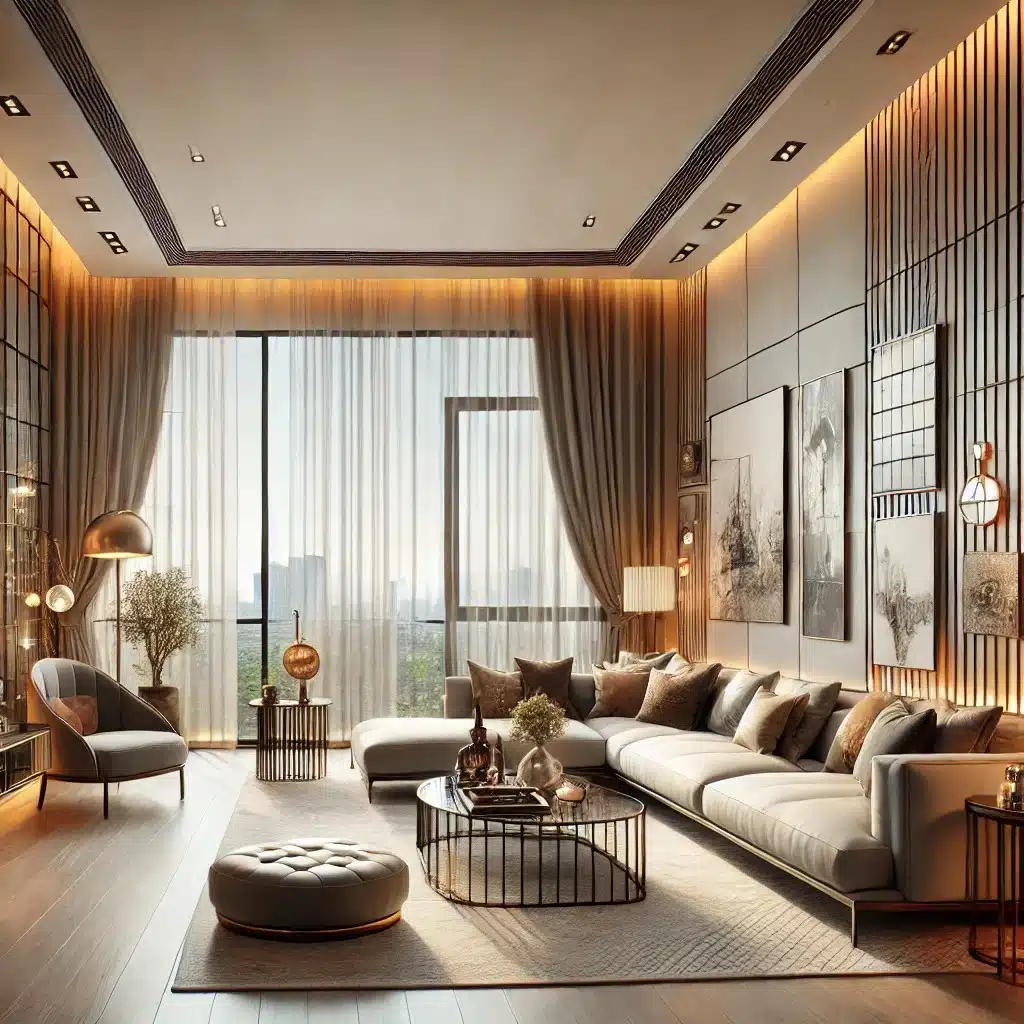
- Combine mirrors with other materials like wood, metal, or fabric to create a balanced and textured wall design.
- Custom Mirror Shapes:
- Consider custom mirror shapes or arrangements to fit specific spaces or architectural features. This adds a personalized touch to the design.
When using mirrors on the walls, it’s essential to strike a balance and avoid excessive use that might lead to an overwhelming or disorienting effect. Carefully plan the placement and size of mirrors to achieve the desired aesthetic and functional goals in your space.