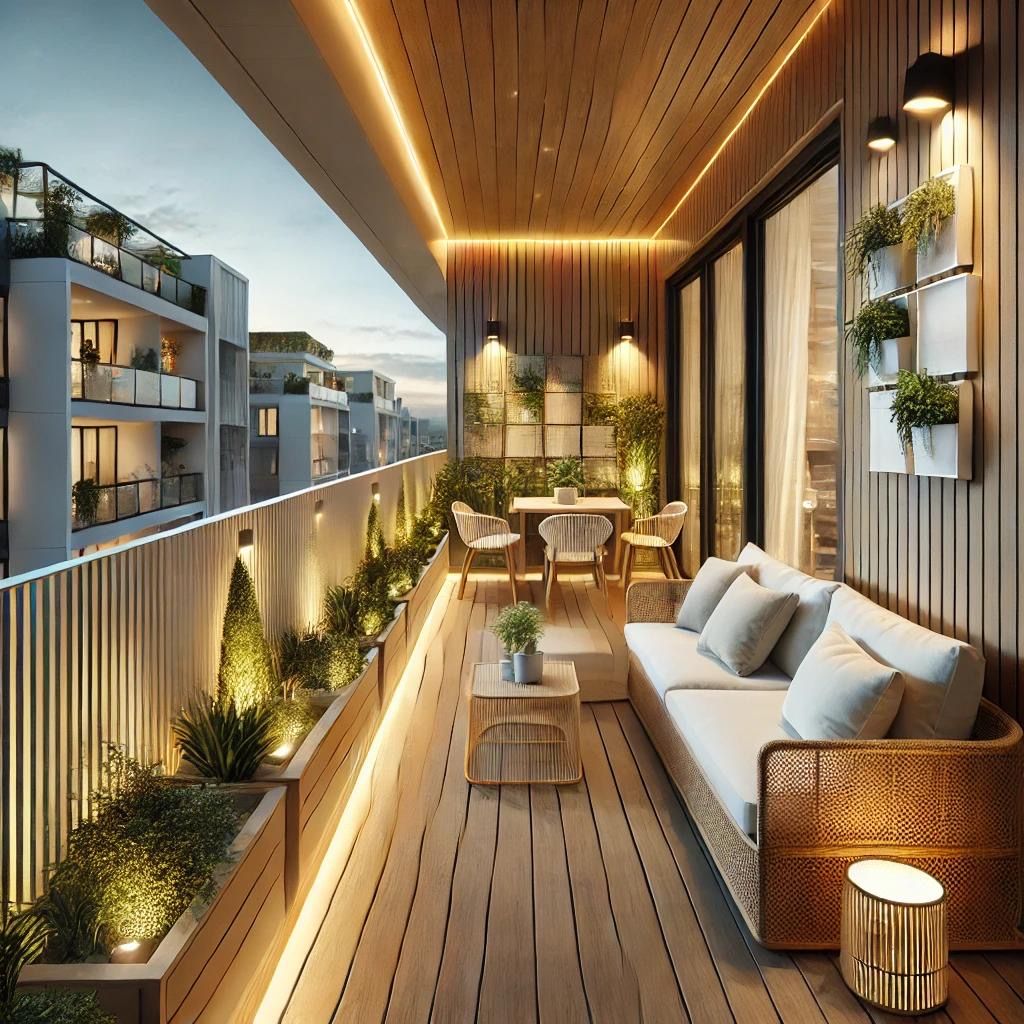
Interior design for wellness focuses on creating environments that promote physical health, mental well-being, and overall harmony. The concept is rooted in the idea that our surroundings can significantly impact our mood, stress levels, and general sense of wellness. Here are key principles and design elements for incorporating wellness into interior spaces:
- Natural Light:
- Benefits: Exposure to natural light has been linked to improved mood, productivity, and overall well-being.
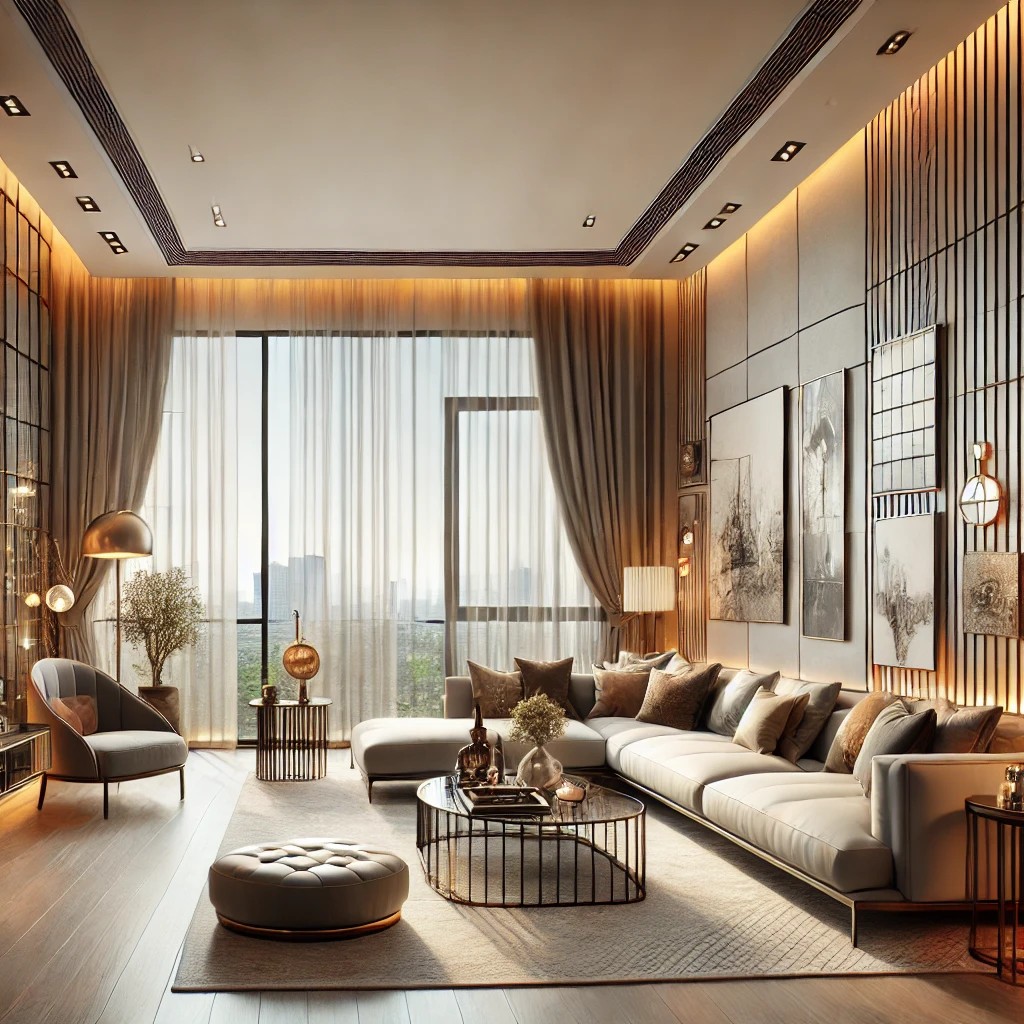
- Design Strategy: Maximize natural light by incorporating large windows, skylights, and light-colored curtains. Arrange furniture to allow for maximum light exposure.
- Biophilic Design:
- Benefits: Biophilic design connects people with nature, reducing stress and enhancing creativity.
- Design Strategy: Integrate natural elements such as plants, water features, natural materials (wood, stone), and views of nature into the interior.
- Indoor Air Quality:
- Benefits: Good air quality contributes to respiratory health and overall wellness.
- Design Strategy: Use low-VOC (volatile organic compound) paints and finishes, incorporate air-purifying plants, and ensure proper ventilation.
- Color Psychology:
- Benefits: Colors can influence mood and emotions.
- Design Strategy: Choose calming and soothing colors like blues, greens, and neutrals. Avoid overly bright or harsh colors in spaces intended for relaxation.
- Comfortable Furniture:
- Benefits: Ergonomically designed and comfortable furniture supports physical well-being.
- Design Strategy: Select furniture that promotes good posture and comfort. Consider ergonomic chairs, supportive mattresses, and soft furnishings.
- Noise Reduction:
- Benefits: Reduced noise levels contribute to a calm and peaceful atmosphere.
- Design Strategy: Use acoustic panels, rugs, curtains, and soft furnishings to absorb sound and minimize echoes.
- Mindful Spaces:
- Benefits: Designing spaces for mindfulness and relaxation promotes mental well-being.
- Design Strategy: Create dedicated areas for activities like meditation, yoga, or simply unwinding. Use soft lighting, comfortable seating, and natural elements.
- Clutter-Free Spaces:
- Benefits: A clutter-free environment reduces stress and promotes a sense of order.
- Design Strategy: Incorporate ample storage solutions, declutter regularly, and maintain a minimalist aesthetic.
- Well-Designed Workspaces:
- Benefits: A well-designed home office or workspace supports productivity and reduces stress.
- Design Strategy: Consider ergonomic furniture, good lighting, and a layout that promotes focus and organization.
- Personalization and Sentimental Items:
- Benefits: Personal touches and sentimental items can evoke positive emotions and a sense of connection.
- Design Strategy: Incorporate meaningful artwork, family photos, or cherished items into the decor.
- Aromatherapy:
- Benefits: Pleasant scents can have a positive impact on mood and relaxation.
- Design Strategy: Use essential oil diffusers, scented candles, or indoor plants with natural fragrances.
- Water Features:
- Benefits: The sound of water can have a calming effect, promoting relaxation.
- Design Strategy: Incorporate water features like indoor fountains or tabletop water elements.
- Flexible and Adaptable Spaces:
- Benefits: Spaces that can adapt to different activities support a variety of wellness practices.
- Design Strategy: Use modular furniture, movable partitions, and flexible layouts to accommodate different uses.
- Technology Balance:
- Benefits: A balance between technology use and screen-free time contributes to mental well-being.
- Design Strategy: Create tech-free zones or use technology in a way that enhances well-being, such as incorporating smart home features for comfort and convenience.
Incorporating these design principles creates environments that prioritize holistic well-being, making homes not only aesthetically pleasing but also supportive of physical and mental health.