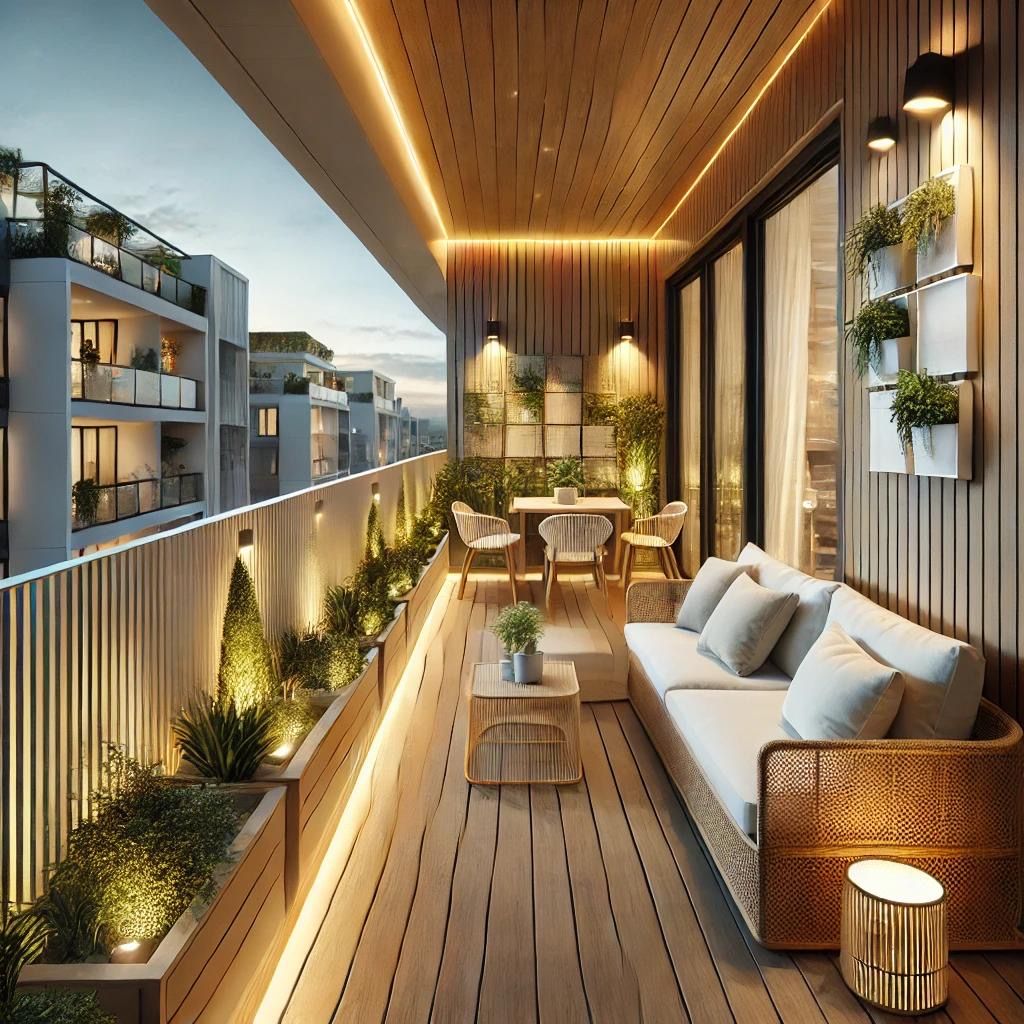
Planning the interior design of your apartment involves thoughtful consideration of various elements to create a cohesive and functional space. Here’s a step-by-step guide to help you plan your apartment’s interior design:
- Define Your Style:
- Identify your preferred interior design style. Whether it’s modern, traditional, minimalist, bohemian, or a blend of styles, knowing your preferences will guide your design decisions.
- Establish a Budget:
- Determine a realistic budget for your interior design project. This includes costs for furniture, decor, materials, and any professional services you may need.
- Assess the Space:
- Measure the dimensions of each room in your apartment. Consider the layout, architectural features, and existing elements that will influence your design choices.
- Create a Floor Plan:
- Develop a floor plan to visualize the arrangement of furniture and key elements. This will help you optimize the use of space and ensure a functional layout.
- Prioritize Functional Zones:
- Identify the primary functions of each space (living, dining, sleeping, working) and allocate areas accordingly. Prioritize comfort and functionality in each zone.
- Consider Traffic Flow:
- Plan for easy movement within the apartment. Ensure that there are clear pathways and that furniture arrangements don’t obstruct traffic flow.
- Select a Color Palette:
- Choose a color palette that reflects your style and creates a cohesive look throughout the apartment. Consider the psychological impact of colors on mood and atmosphere.
- Choose Furniture Wisely:
- Select furniture that suits the scale of your apartment. Opt for multi-functional pieces, such as a sofa bed or storage ottoman, to maximize space. Consider comfort and durability.
- Incorporate Storage Solutions:
- Plan for sufficient storage to keep your apartment organized. Use built-in shelves, cabinets, and furniture with hidden storage to maintain a clutter-free environment.
- Lighting Design:
- Plan for a variety of lighting sources to create ambiance and functionality. Include ambient, task, and accent lighting. Consider natural light and window treatments as well.
- Accessorize and Decorate:
- Choose decor items, artwork, and accessories that complement your design style. These finishing touches add personality and visual interest to your apartment.
- Balance and Proportion:
- Maintain balance and proportion in your design. Distribute visual weight evenly and avoid overcrowding or under-furnishing a space.
- Consider Traffic Flow:
- Plan for easy movement within the apartment. Ensure that there are clear pathways and that furniture arrangements don’t obstruct traffic flow.
- Personalize Your Space:
- Infuse your personality into the design with personal touches such as photos, artwork, and meaningful decor. Make your apartment feel like home.
- Review and Revise:
- Before finalizing your plan, review and revise as needed. Consider the functionality of each space and make adjustments to enhance the overall design.
- Seek Professional Advice:
- If needed, consult with interior designers or professionals for advice on layout, color choices, and furniture selection. They can provide expertise and insights that align with your vision.
- Execution:
- Once your plan is finalized, begin executing it step by step. Start with the foundational elements and gradually add layers of decor and furnishings.
Remember that the key to successful interior design is a balance between functionality and aesthetics. Take your time in the planning phase to ensure that your apartment not only looks good but also meets your practical needs and lifestyle preferences.