Planning an interior design project? One of the most crucial steps is setting a realistic budget to avoid overspending while achieving your dream space. Here’s a step-by-step guide to help you budget smartly and efficiently.
📌 Steps to Create a Realistic Interior Design Budget
1. Define Your Project Scope 📋
Before setting a budget, list down what you need:
✔ Full home renovation or specific rooms?
✔ Structural changes (walls, flooring) or just décor updates?
✔ Custom furniture, lighting, and accessories?
🔹 Pro Tip: Larger projects with major renovations will require a bigger budget, while simple makeovers can be done cost-effectively.
2. Research Interior Design Costs 📊
Understand the market rates for design services and materials:
| Category | Estimated Cost (INR) per sq. ft. |
|---|---|
| Basic Interiors | ₹800 – ₹1,500 |
| Mid-Range Design | ₹1,500 – ₹3,000 |
| Luxury Interiors | ₹3,000 – ₹6,000+ |
💡 Pro Tip: Get multiple quotes from designers and contractors to compare pricing.
3. Allocate Budget to Key Areas 💡
A good rule of thumb is to distribute your budget across different aspects of the project:
| Expense Category | Percentage of Budget |
|---|---|
| Interior Designer Fees | 10-15% |
| Furniture & Decor | 30-40% |
| Flooring & Paint | 10-15% |
| Lighting & Fixtures | 5-10% |
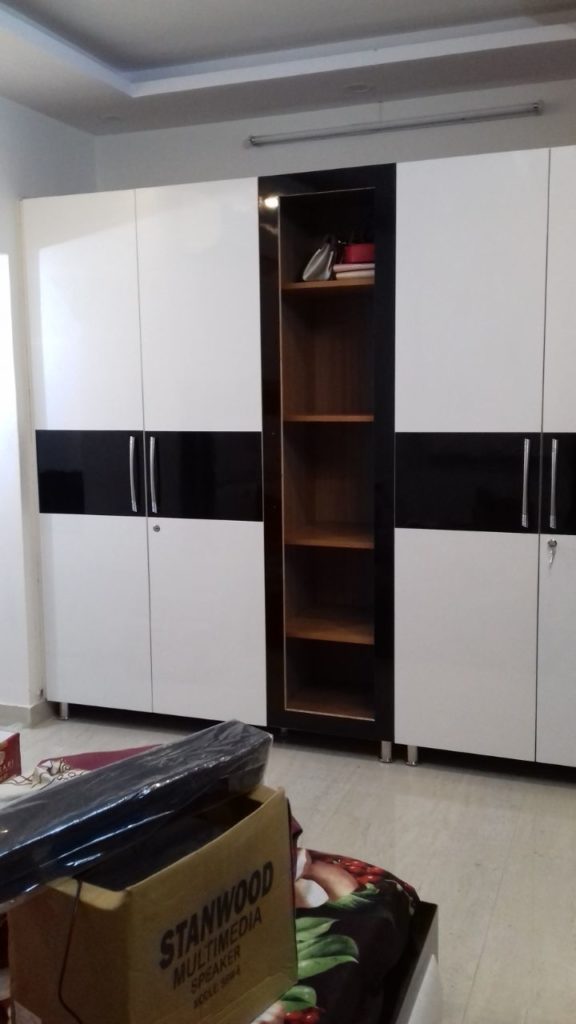
| Modular Kitchen & Wardrobes | 20-30% |
| Miscellaneous (Contingency) | 5-10% |
🔹 Pro Tip: Always keep 5-10% of your budget as a contingency fund for unexpected costs.
4. Choose Budget-Friendly Alternatives 🛋
Want luxury interiors without breaking the bank? Try these:
✔ Modular Furniture instead of custom-made pieces.
✔ Laminate or vinyl flooring instead of hardwood.
✔ Local artisan decor instead of imported luxury brands.
✔ LED lighting to save on electricity bills.
5. Prioritize Spending 🏡
Focus your budget on high-impact areas like:
✔ Living Room & Kitchen – These add the most resale value.
✔ Flooring & Paint – Easy upgrades that transform the space.
✔ Smart Storage Solutions – Maximize space efficiency.
💡 Pro Tip: Spend more on long-term investments (furniture, flooring) rather than purely decorative elements.
6. Track Your Expenses 📊
✔ Use budgeting apps like Google Sheets, Trello, or Excel.
✔ Regularly update costs to ensure you’re staying within budget.
✔ Get detailed invoices from vendors to avoid hidden charges.
📢 Final Thoughts
A well-planned interior design budget saves money and prevents costly mistakes. By researching costs, prioritizing key areas, and tracking expenses, you can achieve a stylish, functional home within your budget!
🔹 Need affordable interior design in Gurgaon, Noida, and Delhi NCR? Explore Interior A to Z for expert solutions!
💬 Have more questions? Drop them below! 👇