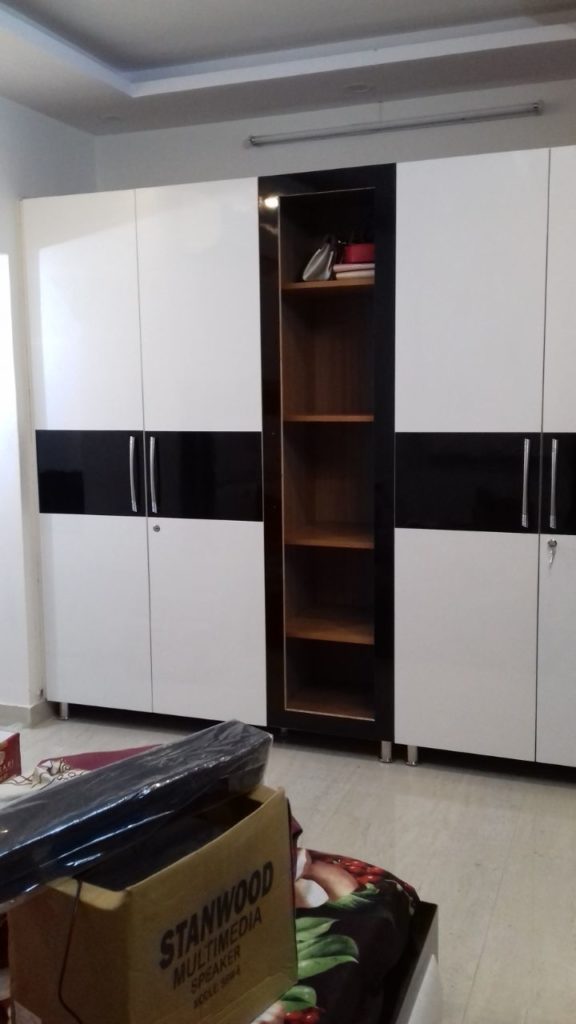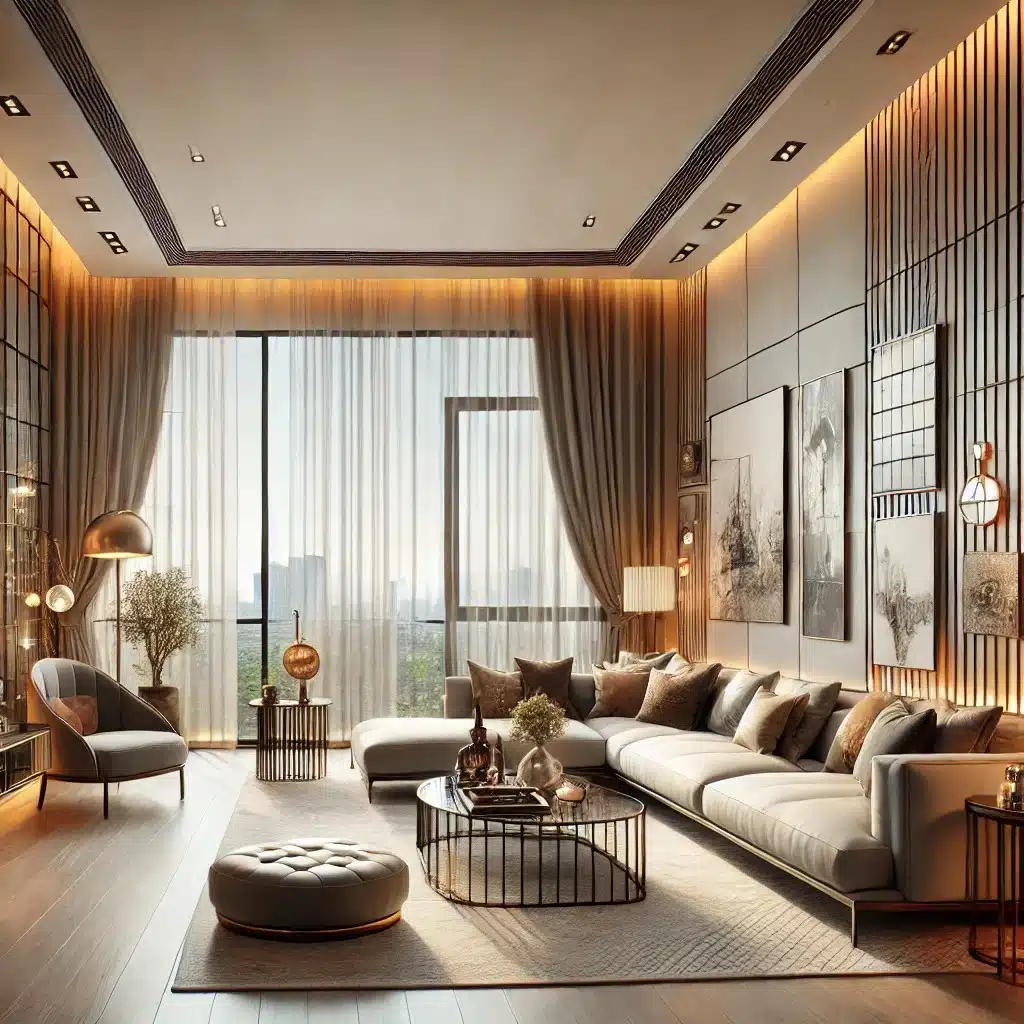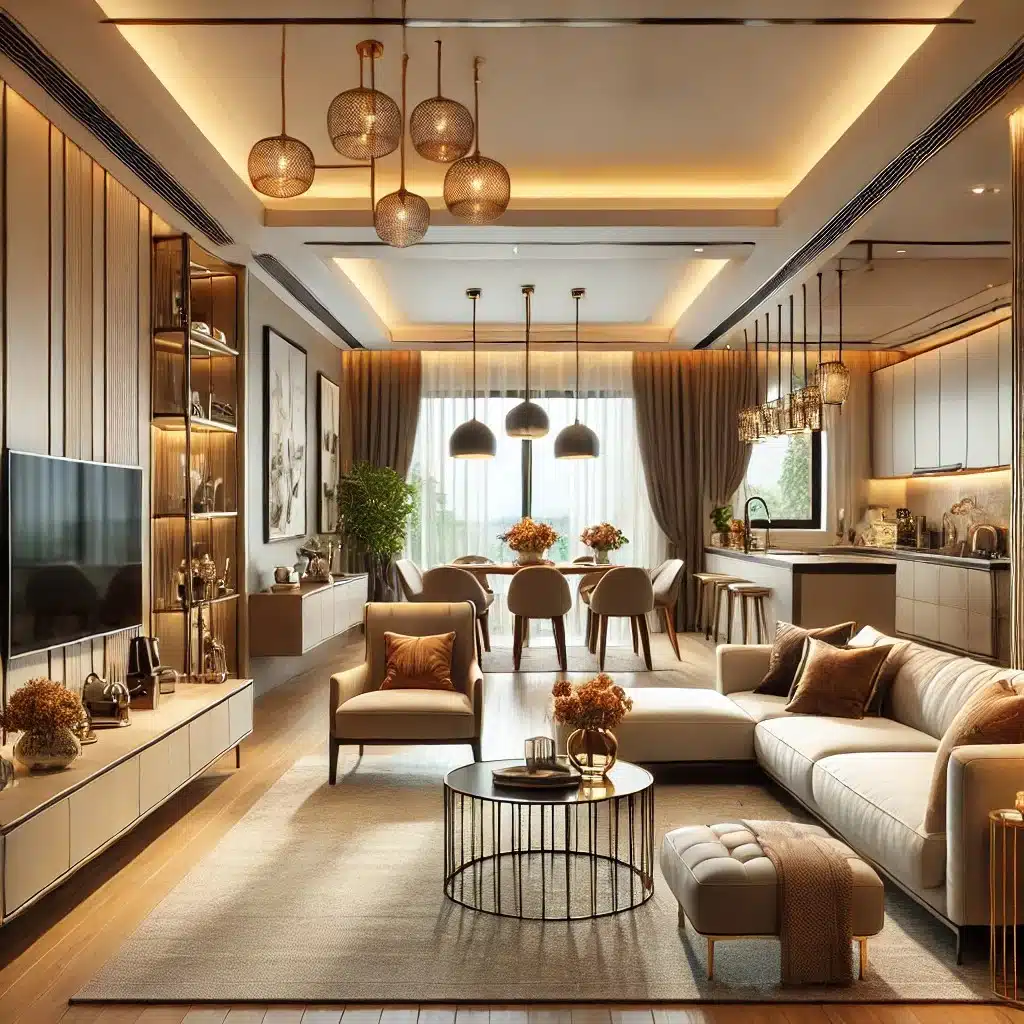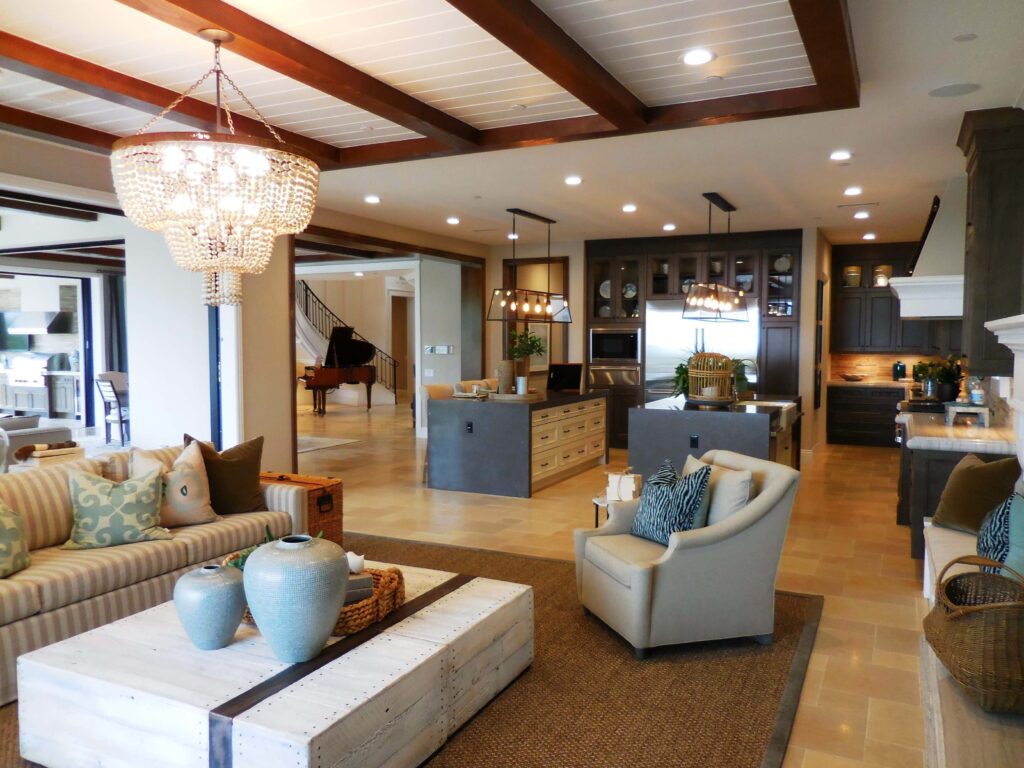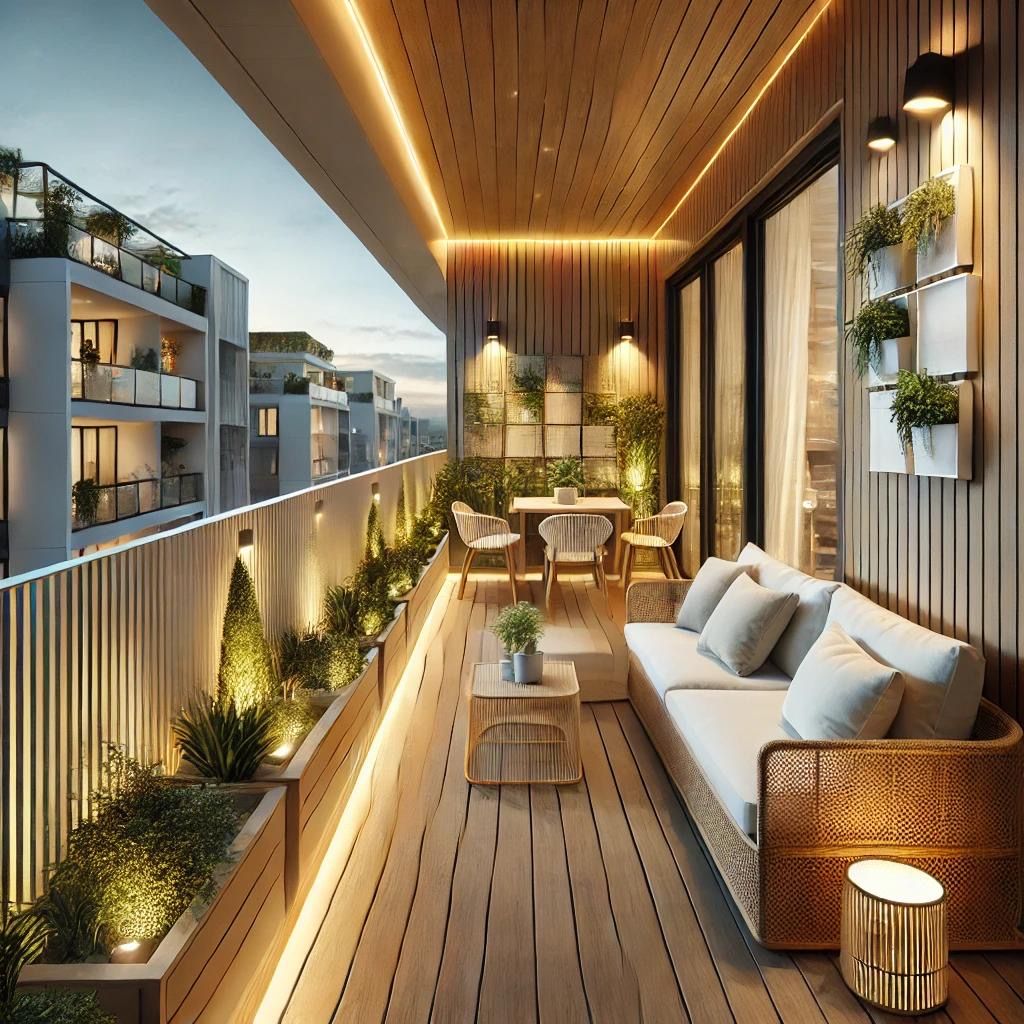
Home interior design encompasses the arrangement and decoration of the interior spaces within a residence. The goal is to create a functional, aesthetically pleasing, and harmonious environment that reflects the occupants’ preferences and lifestyle. Here are some popular home interior design styles and elements:
Interior Design Styles:
- Modern/Contemporary:
- Clean lines, minimalism, and open spaces.
- Neutral color palettes with pops of bold colors.
- Use of materials like glass, metal, and concrete.
- Traditional:
- Classic and timeless design elements.
- Rich colors, ornate furniture, and detailed moldings.
- Symmetry and balance in furniture arrangement.
- Transitional:
- A blend of traditional and modern styles.
- Neutral color schemes with accent colors.
- Comfortable yet sophisticated furnishings.
- Scandinavian:
- Light, airy, and functional design.
- Neutral colors, natural materials, and minimalistic furniture.
- Emphasis on natural light and simple decor.
- Industrial:
- Exposed brick, raw materials, and a utilitarian aesthetic.
- Metal accents, open spaces, and high ceilings.
- Incorporation of salvaged or repurposed items.
- Bohemian:
- Eclectic, colorful, and free-spirited.
- Mix of patterns, textures, and cultural elements.
- Layered and relaxed furnishings.
- Farmhouse:
- Rustic and cozy with a touch of vintage charm.
- Natural materials, distressed wood, and warm color schemes.
- Simple and functional furniture.
- Mid-Century Modern:
- Retro design from the mid-20th century.
- Clean lines, organic shapes, and functionality.
- Use of materials like molded plastic, plywood, and metal.
Interior Design Elements:
- Color Palette:
- Choose a color scheme that complements the overall theme.
- Consider the psychological impact of colors on mood.
- Furniture and Layout:
- Select furniture that suits the style and scale of the space.
- Plan the layout for optimal flow and functionality.
- Lighting:
- Incorporate a mix of ambient, task, and accent lighting.
- Experiment with different light fixtures for visual interest.
- Textures and Fabrics:
- Introduce a variety of textures through rugs, fabrics, and materials.
- Use textiles to add warmth and comfort.
- Art and Decor:
- Display artwork and decorative items that resonate with your style.
- Personalize the space with meaningful decor.
- Storage Solutions:
- Optimize storage to maintain a clutter-free environment.
- Consider built-in storage solutions for efficiency.
- Window Treatments:
- Choose window coverings that enhance natural light and provide privacy.
- Consider curtains, blinds, or shades based on the style.
- Plants and Greenery:
- Introduce indoor plants for a touch of nature.
- Consider low-maintenance plants for easy care.
Remember that the key to a successful home interior design is to create a space that reflects your personality, meets your functional needs, and provides a comfortable and visually appealing environment. It’s often helpful to work with a professional interior designer who can bring expertise and creativity to the project.