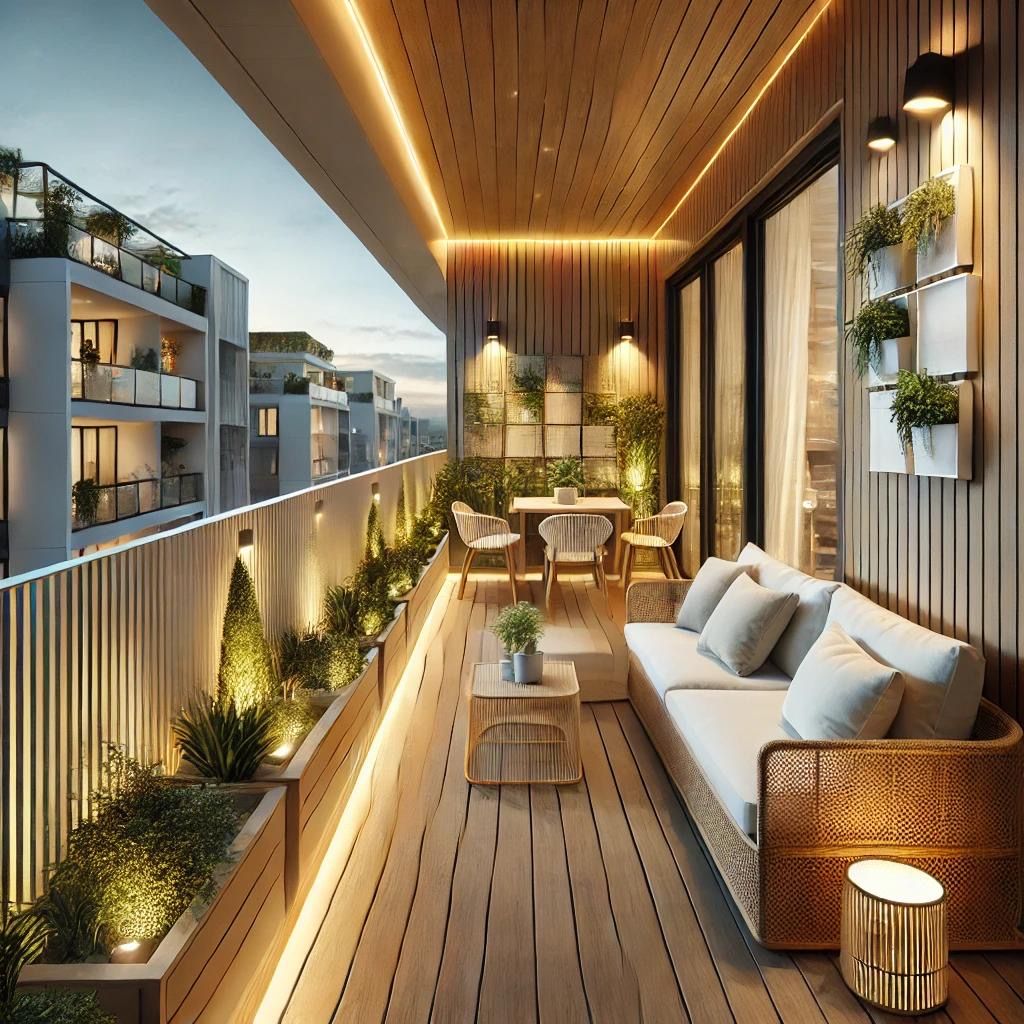
Designing the interior of your home involves creating a space that is both aesthetically pleasing and functional, reflecting your personal style and meeting your practical needs. Here are some general tips and ideas for home interior design:
- Define Your Style:
- Identify your preferred interior design style. Whether it’s modern, traditional, minimalist, eclectic, or a combination, understanding your style will guide your design decisions.
- Color Palette:
- Choose a cohesive color palette that flows throughout the home. Consider the mood and atmosphere you want each room to evoke.
- Use neutral colors as a base and add pops of color with accessories or accent walls.
- Furniture Selection:
- Invest in quality, comfortable furniture that suits the scale of your rooms.
- Mix and match furniture styles and materials for visual interest, but maintain a sense of cohesion.
- Layout and Flow:
- Consider the layout of each room to ensure a smooth flow and functionality.
- Arrange furniture to create conversation areas, and leave enough space for easy movement.
- Natural Light:
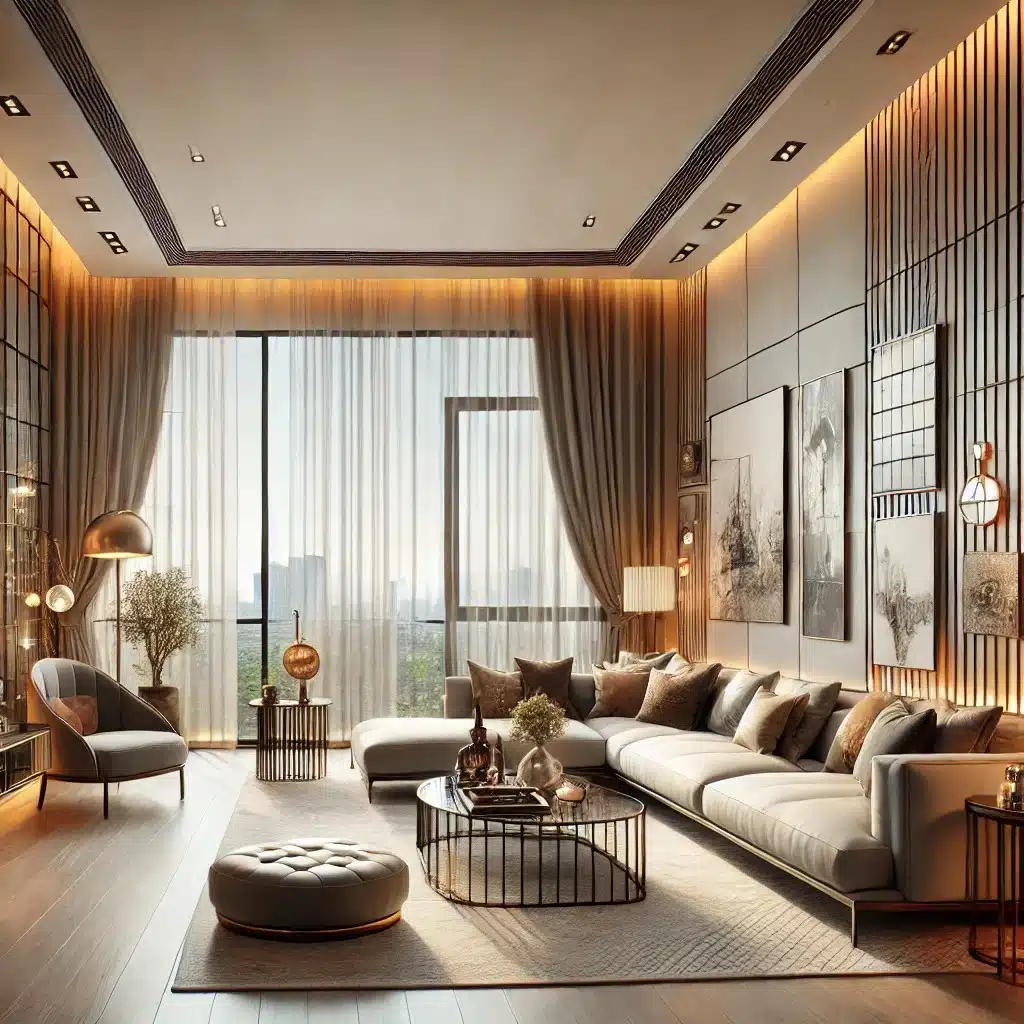
- Maximize natural light by using light and sheer window treatments.
- Position furniture to take advantage of natural light, and consider adding mirrors to reflect light and create a sense of space.
- Layered Lighting:
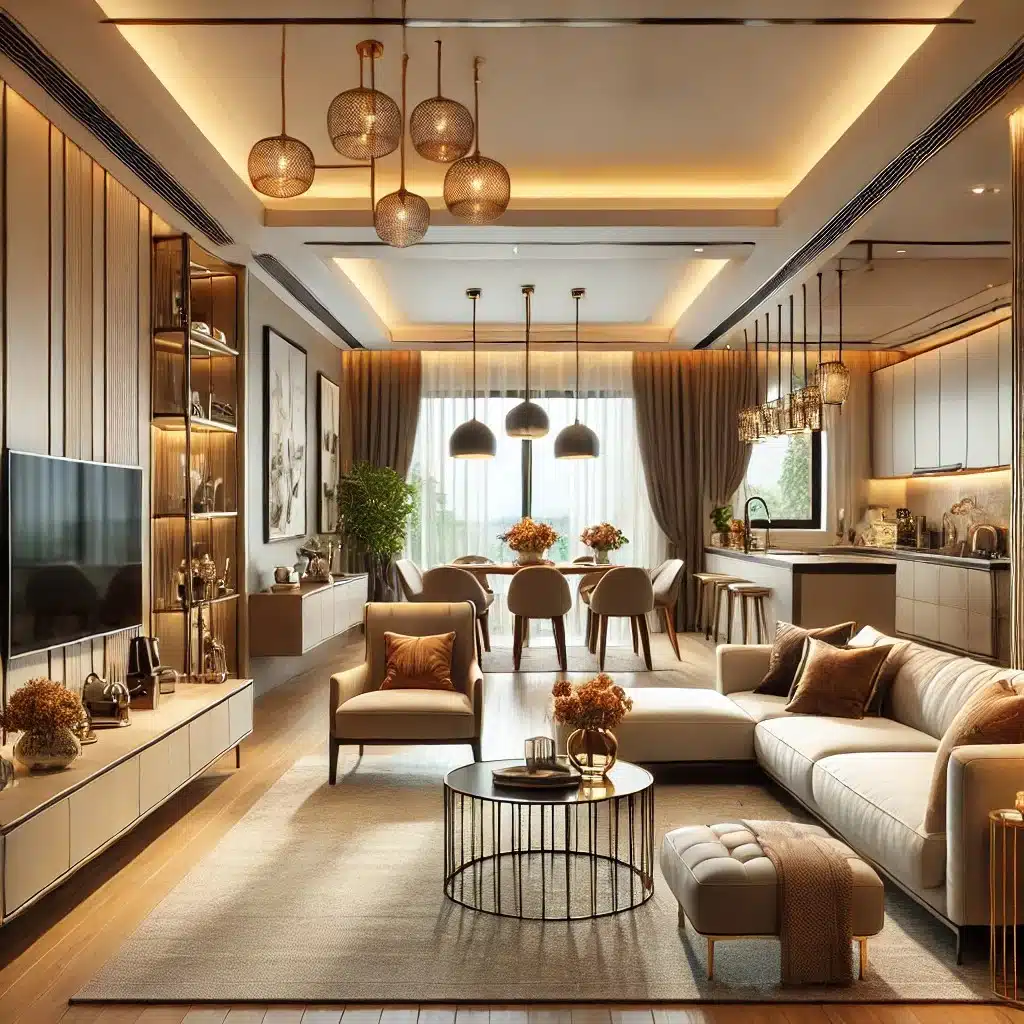
- Combine ambient, task, and accent lighting for a well-lit and inviting atmosphere.
- Use pendant lights, chandeliers, floor lamps, and table lamps strategically.
- Textures and Patterns:
- Introduce a variety of textures and patterns to add visual interest and depth.
- Use rugs, cushions, throws, and wall coverings to bring in different textures and patterns.
- Personalized Decor:
- Display personal items, artwork, and accessories that hold sentimental value.
- Incorporate items collected from travels or family heirlooms to add character.
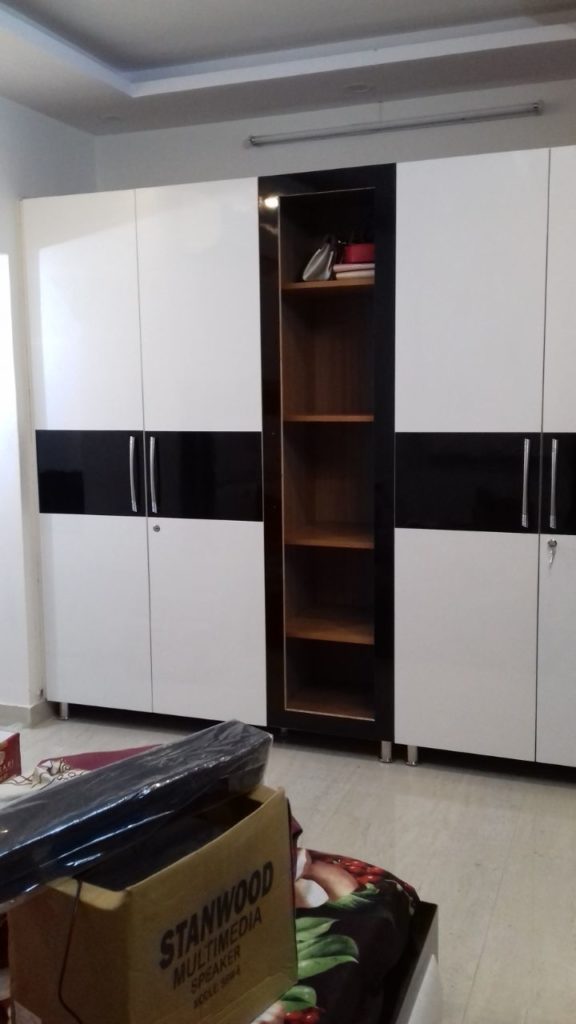
- Functional Storage:
- Prioritize storage solutions to keep the space organized and clutter-free.
- Consider built-in storage, shelving units, and furniture with hidden storage compartments.
- Accent Walls:
- Create focal points in rooms with accent walls. This can be achieved through paint, wallpaper, or textured materials.
- Choose a wall that naturally draws attention, such as the one behind a bed or sofa.
- Indoor Plants:
- Bring the outdoors in with indoor plants. They add a touch of nature and can improve air quality.
- Consider a mix of small and large plants placed strategically throughout the home.
- Smart Home Integration:
- Incorporate smart home technology for added convenience and energy efficiency.
- Install smart lighting, thermostats, and security systems that can be controlled remotely.
- Flexible Design:
- Design rooms with flexibility in mind. Choose furniture that can be easily rearranged or repurposed for different functions.
- Consider multifunctional furniture for small spaces.
- Artwork and Wall Decor:
- Showcase artwork and wall decor that enhances the aesthetic appeal of each room.
- Experiment with gallery walls, large statement pieces, or a curated collection of smaller artworks.
- Ceiling Design:
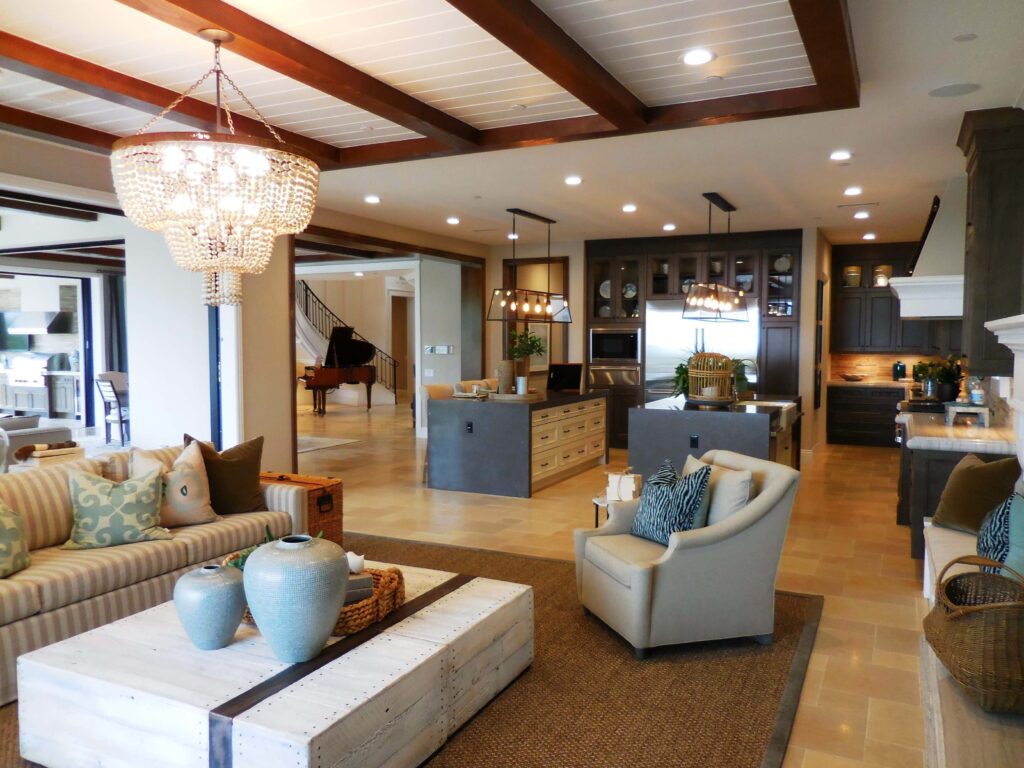
- Don’t forget about the ceiling. Consider unique ceiling designs, such as tray ceilings, exposed beams, or statement light fixtures.
- Cohesive Theme:
- Maintain a cohesive theme throughout the home while allowing each room to have its unique character.
- Consistent design elements create a harmonious flow from one room to another.
Remember that your home’s interior design should reflect your personality, lifestyle, and preferences. Take the time to plan and curate a space that feels comfortable, functional, and uniquely yours.