Related Interior Design Services
- Interior Designer in Kirti Nagar
- Interior Designer in Punjabi Bagh
- Interior Designer in Rajouri Garden Delhi
- Interior Designer in Patel Nagar Delhi
- Interior Designer in Janakpuri Delhi
- Interior Designer in Vikaspuri Delhi
- Wallpaper for Walls
- Interior Design Cost Delhi NCR
- Room Garden Design in Gurgaon
- DLF The Ultima Interiors Gurgaon
- Interior Designer in Rudrapur
- How to Choose Long-Lasting Furniture
- Living Room Interior Ideas
- Bedroom Interior Design Delhi
- Interior Designers in Chhattarpur
- Builder Floor Interior Design
- Office Interior Design Role
- Retail Interior Design Art & Science
- Restaurant Interior Design Ambiance
- Hotel Interior Design Impact
- Clinic Interior Design Importance
Understanding the Role of a Salon Interior Designer
A salon interior designer plays a vital role in creating an inviting and functional space for beauty services. These professionals are not just responsible for aesthetics; they create environments that enhance customer experiences while maximizing operational efficiency. From layout to color selection, their expertise shapes the ambiance that clients find appealing.
Key Elements of Salon Design
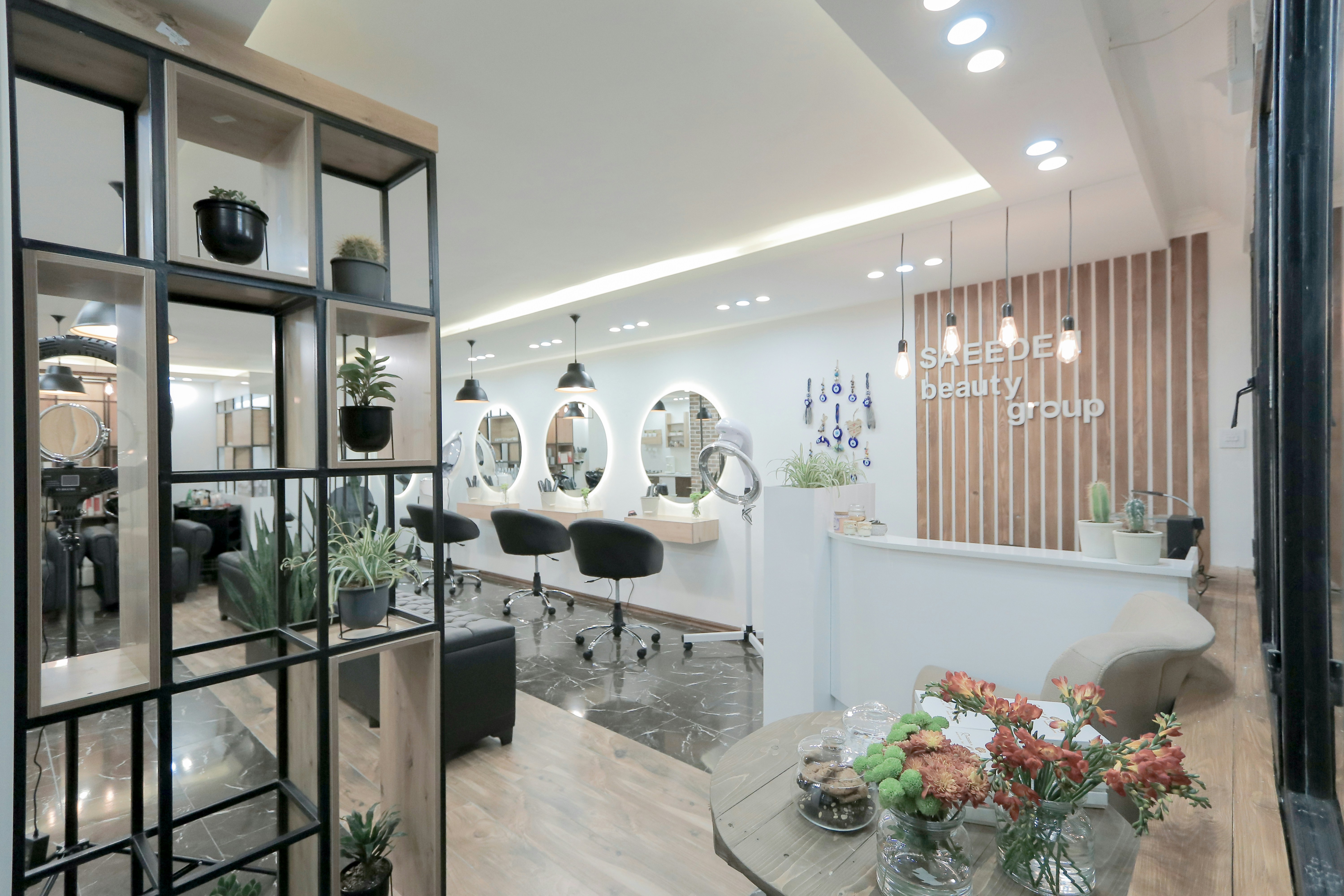
When designing a salon, several key elements must be considered. First, the layout is crucial. A well-planned space allows for smooth workflow, ensuring stylists can perform their services without unnecessary interruptions. Additionally, lighting is essential. The right lighting not only highlights the salon’s decor but also impacts the mood, making it pleasant for clients and staff alike. Finally, selecting durable and stylish furnishings contributes to both aesthetics and functionality.
Zoning for Beauty and Efficiency
Effective salon design requires distinct zoning to manage various services while maintaining a cohesive look:
- The Reception & Retail Zone: Creating a strong first impression and encouraging product sales through strategic shelving.
- Styling Stations: Ensuring adequate space between chairs for movement and privacy, with mirrors that enhance the sense of space.
- The Wash Area: Designing a tranquil, dimly lit zone for hair washing to provide a spa-like relaxation experience.
- Technical & Color Bar: A dedicated space for mixing colors that is functional for staff but visually interesting for clients.
Trends in Salon Interior Design
The salon industry is continually evolving, and interior design trends reflect these changes. Increasingly, salons are incorporating eco-friendly materials that appeal to environmentally conscious clients. Open-concept designs that foster interaction and community among clients are also gaining popularity. Furthermore, unique decor elements, such as art installations or themed areas, can differentiate a salon from competitors, enhancing its market appeal.
Conclusion
In summary, a skilled salon interior designer is integral to creating a compelling environment that attracts clients and fosters a welcoming atmosphere. By focusing on layout, lighting, and current trends, they orchestrate a space where beauty and functionality coexist seamlessly, ensuring long-term business success.