
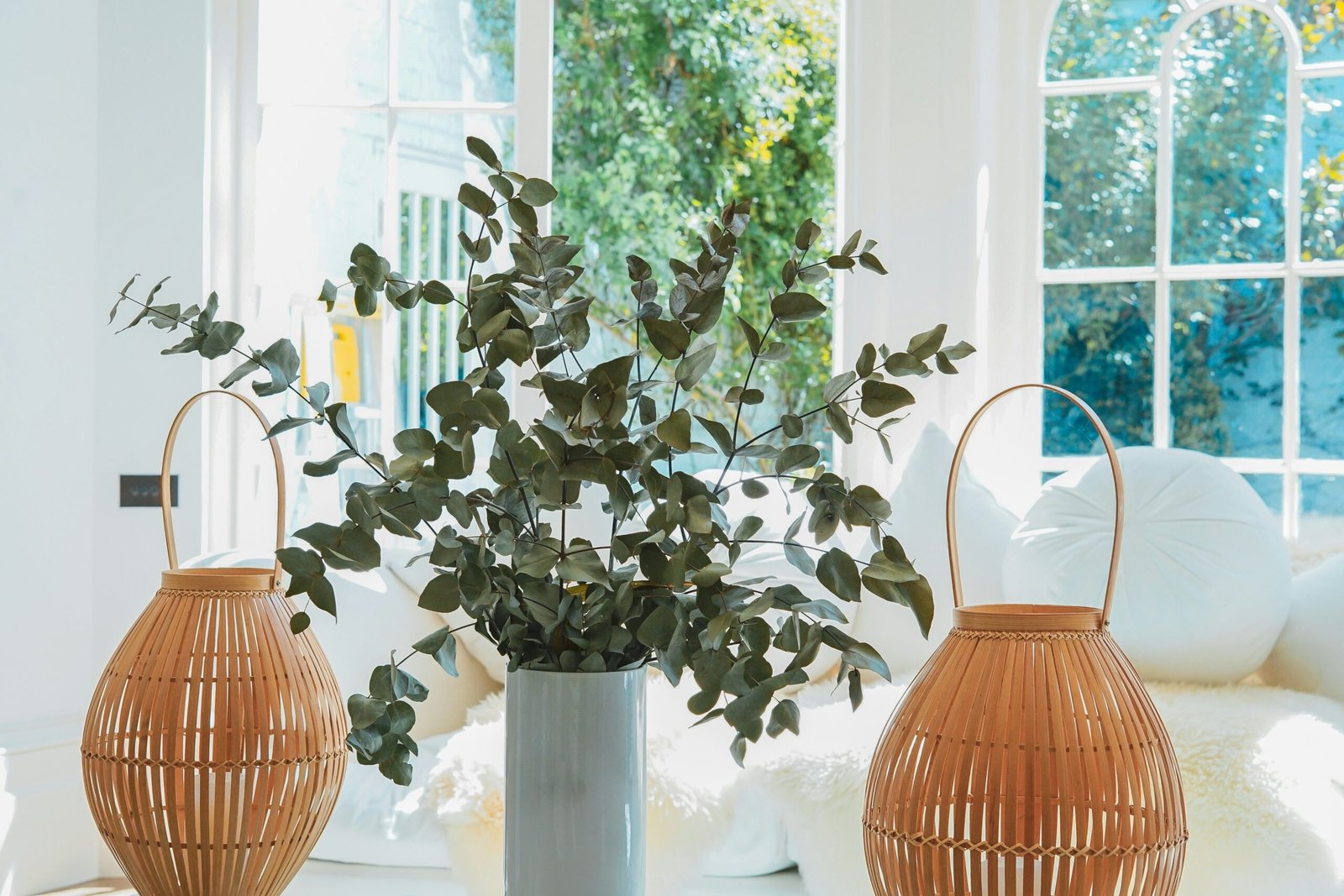
Understanding Home Style
Home style is a vital aspect of interior decoration that goes beyond mere aesthetics; it embodies personal identity and individual preferences. It refers to the distinctive manner in which a living space is designed and arranged, reflecting the tastes and lifestyles of the inhabitants. Factors contributing to a home’s style include personal preferences, cultural influences, and the practical requirements of everyday life. The interplay between these elements shapes a unique environment that enhances one’s quality of life.
Personal preferences play a crucial role in defining a home’s style. These preferences encompass a range of choices, from colors and materials to furniture and decorative items. For instance, an individual who favors minimalism may choose a clean and uncluttered space with neutral tones, while another person might gravitate toward vibrant colors and eclectic decorations. This selection contributes significantly to how inhabitants feel in their environments, underscoring the importance of aligning one’s living space with personal tastes.
Lifestyle also heavily influences home style. A family with children might prioritize functionality and durability in their decor, opting for resilient materials that withstand wear and tear. Conversely, a young professional may lean towards contemporary designs that reflect a fast-paced urban lifestyle. These choices not only satisfy practical needs but also create a space that resonates positively with daily activities and routines.
Cultural influences are another layer to consider when understanding home style. Architecture, traditions, and customs of a particular culture can inspire decorative choices and arrangement styles. In this way, home style becomes not just a personal statement but also a reflection of shared heritage and values. Ultimately, a thoughtfully curated home environment can significantly impact an individual’s mood and overall well-being, enhancing both the aesthetic and emotional qualities of the living space.
Exploring Different Home Styles
When it comes to home decoration, understanding various styles is essential for creating a space that truly reflects your personality and lifestyle. There are a multitude of home styles, each with unique characteristics, influences, and aesthetics. Below, we explore popular design trends, including modern, rustic, bohemian, industrial, Scandinavian, and coastal styles.
The modern style is known for its clean lines, minimalistic approach, and a focus on functionality. This style often incorporates a neutral color palette, accented by bold colors through accessories. Frequently used materials in modern design include glass, steel, and concrete, often showcased in open spaces that foster an uncluttered atmosphere.
In contrast, the rustic style boasts a warm and inviting ambiance, typically featuring wooden beams, reclaimed wood furniture, and earthy tones. Natural materials play a significant role, with stone, jute, and wool being common components. This style often emphasizes a connection with nature and embraces imperfect finishes that convey a sense of charm.
The bohemian style celebrates individuality, showcasing an eclectic mix of patterns, colors, and textures. Layered textiles, vibrant hues, and an assortment of global artifacts all contribute to the bohemian aesthetic. This style allows for an expressive and relaxed environment, where personal collections and travel souvenirs are integral to home decoration.
Industrial style, on the other hand, derives its character from urban architecture, featuring exposed brick, ductwork, and metal finishes. This style often utilizes a muted color palette, typically employing greys, blacks, and browns. Furnishings tend to be functional with a rugged appeal, making this design both stylish and practical.
Scandinavian style is synonymous with simplicity and functionality, emphasizing bright spaces, natural light, and minimalist decor. Light woods, white walls, and cozy textiles create an effortlessly chic environment, often enhanced by elements of nature, such as plants and natural fibers.
Coastal style draws inspiration from the beach, characterized by airy spaces, light colors, and nautical themes. Soft blues, whites, and sandy beiges complement furnishings made from driftwood, wicker, or linen, infusing homes with a tranquil atmosphere reminiscent of seaside living.
By exploring these distinct home styles, individuals can identify the elements that resonate with their aesthetic preferences, leading to a personalized and cohesive home decor approach.
Color Schemes and Their Impact
Color plays a pivotal role in home decoration, significantly influencing the psychology of spaces and the moods of their inhabitants. Each color carries its own emotional weight, and understanding these associations can guide homeowners in selecting hues that resonate with their desired ambiance. For example, warm colors like red, orange, and yellow are often associated with energy, warmth, and comfort, making them ideal for social areas such as living rooms and kitchens. Conversely, cool colors like blue and green evoke calmness and serenity, making them suitable for bedrooms or meditation spaces.
Beyond their inherent emotional associations, colors can also manipulate the perception of space. Lighter shades such as pastels and whites can create an illusion of openness and airiness, which is particularly beneficial in smaller rooms. On the other hand, darker hues can add depth and sophistication but may also make a space feel more enclosed. Therefore, when considering color schemes, it is crucial not just to ponder emotional impact but also spatial dynamics.
To choose the right color scheme for your home, begin by reflecting on your lifestyle and the emotions you wish to evoke within each space. For instance, if you seek a vibrant and energetic atmosphere for your home office, consider integrating brighter shades with occasional contrasting tones. Alternatively, if tranquility is your goal in a study or relaxation area, opt for softer, muted tones that promote calmness. Utilizing color swatches, experimenting with different combinations, and observing how they harmonize with your furnishings can further aid in your decision-making process.
Ultimately, the psychology of color in home decoration provides a powerful tool for expressing individuality and creating an environment that aligns with personal values and preferences. Take your time to explore various palettes that resonate with your unique style while being mindful of their emotional implications.
Furniture and Layout Essentials
Selecting the right furniture is a crucial component of home decoration, as it significantly impacts both aesthetics and functionality. When choosing furniture, it is essential to align pieces with your desired home style while considering the practicality they offer. For instance, in a modern home setting, clean lines and minimalist designs can create a sense of space and tranquility. Conversely, more ornate or vintage pieces may be more suitable for a traditional or eclectic environment. Understanding your home’s overall design theme will guide you in making selections that enhance visual coherence.
Functionality should remain a priority when selecting furniture. It is imperative to consider your lifestyle and needs. For families, durable materials and multifunctional furniture, such as storage ottomans or extendable dining tables, can make a significant difference. To maximize space in smaller homes or apartments, opting for compact furniture, such as slim sofas or foldable chairs, allows for flexibility in arranging items while maintaining comfort. Remember, the goal is to create a harmonious living environment that complements everyday activities.
An often-overlooked aspect of interior design is room layout. The arrangement of furniture can affect the flow and movement within a room, making it crucial for optimal functionality. Begin by establishing a focal point in each room, which can be a fireplace, a large window, or a piece of artwork. Arrange furniture in a way that encourages conversation and accessibility. For example, positioning sofas and chairs in a circle or U-shape fosters a welcoming atmosphere. Furthermore, ensure that pathways are clear by leaving enough space between furniture pieces, typically around 18 inches, to promote ease of movement. By thoughtfully selecting furniture and crafting intentional layouts, you can create spaces that inspire comfort and style in your home.
Incorporating Personal Touches
Personalizing a space is pivotal in transforming a mere house into a home that resonates with individual stories and memories. One of the profound ways to achieve this is through the incorporation of personal touches such as artwork, collectibles, and family heirlooms. These items not only add character but also serve as a canvas reflecting your journey, interests, and history. As you embark on this decorating adventure, consider the narratives that each piece conveys and how they contribute to the overall atmosphere of your space.
Artworks play a significant role in setting the tone of a room. Whether it’s a painting, a sculpture, or a photograph, the art you choose should evoke emotions or memories, inviting guests to engage in conversation and connect with your experiences. Curating a gallery wall can provide a striking visual showcase of your personality; consider using an eclectic mix of frames and art styles for a more dynamic look while maintaining a cohesive color palette to ensure harmony within the decor theme.
Collectibles, whether they are antiques, books, or travel souvenirs, can also enhance your home’s atmosphere. These items can serve as conversation starters while adding depth and texture to various rooms. When selecting collectibles, aim for those that resonate with you personally, as this will ensure that they enhance the authenticity of your space.
Balancing personal items with existing decor themes is crucial. Strive for a cohesive design by integrating your personal pieces thoughtfully. For instance, if your decor theme leans towards minimalism, choose a few standout personal items rather than overwhelming the space. Displaying them with intention will not only reflect your identity but also create a warm, welcoming environment. By carefully curating your personal touches within your decorating style, you can foster a unique atmosphere that truly feels like home.
The Role of Textures and Patterns
In the realm of home decoration, textures and patterns play a pivotal role in establishing a unique atmosphere within a living space. The juxtaposition of varying tactile elements can evoke different emotions and set the mood for a home. Whether opting for soft fabrics, smooth finishes, or rough surfaces, incorporating diverse textures can create visual interest and depth within any interior.
To effectively mix and match textures, it is essential to start by identifying the dominant style of the room. For example, a contemporary space might benefit from the inclusion of sleek, smooth materials such as glass or leather, while a rustic environment could garner warmth through the use of rough woods and soft textiles. Combining these textures thoughtfully can establish a balanced visual aesthetic. Layering is a key strategy: think plush cushions atop a leather sofa or a chunky knit throw draped over a polished armchair. This method not only enhances comfort but also enriches the overall decor.
Patterns, on the other hand, can invigorate a space with their dynamic qualities. Options abound from geometric designs that convey modernity to floral motifs that lend a sense of tranquility. When incorporating patterns, consider maintaining a cohesive color palette to unify the different elements. For instance, pairing a bold geometric print on a rug with smaller-scale floral curtains in complementary hues can add interest without overwhelming the space. Additionally, varying the scale of patterns—mixing large graphics with smaller, intricate designs—can contribute to a visually engaging environment.
Ultimately, the successful integration of textures and patterns within home decor invites individuality and style, allowing each space to tell its distinct story. By experimenting with different elements, homeowners can design interiors that not only reflect their personal tastes but also offer comfort and aesthetic appeal.
Lighting: Setting the Mood
Lighting plays a fundamental role in home decoration, influencing not only the aesthetic appeal of a space but also the overall mood and functionality. Understanding the different types of lighting—ambient, task, and accent—can significantly enhance your home’s atmosphere. Ambient lighting serves as the primary source of illumination, creating a comfortable level of brightness for general activities. This form of lighting can be achieved through ceiling fixtures, chandeliers, or even natural light from windows. Utilizing a combination of warm and cool light can create a soothing environment suitable for varied occasions.
Task lighting, on the other hand, is designed to provide focused illumination for specific functions, such as reading or cooking. This includes desk lamps, under-cabinet lights in kitchens, and wall-mounted fixtures in workspaces. Ensuring that task lighting is placed effectively can enhance not only functionality but also safety by minimizing shadows and enhancing visibility.
Accent lighting is used to highlight specific features within your home, such as artwork, architectural details, or other decorative elements. Spotlights and decorative tabletop lamps can draw attention to these focal points, creating visual interest within the room. A well-executed layered lighting approach that incorporates all three types can transform a space, making it both inviting and dynamic.
When selecting lighting fixtures, it is essential to identify styles that complement your home’s overall décor. From modern minimalist designs to vintage-inspired choices, the right fixtures can serve as statement pieces while also contributing to the intended ambiance. Additionally, maximizing natural light is crucial; consider using mirrors to reflect daylight or opting for sheer window treatments that allow light to flood in without compromising privacy.
Sustainable and Eco-Friendly Choices
As the awareness of environmental issues continues to grow, the importance of incorporating sustainable and eco-friendly choices in home decoration cannot be overstated. Adopting such practices not only contributes to the planet’s health but also creates a unique aesthetic that reflects one’s personal values. Achieving an eco-conscious home involves selecting materials, designs, and products that minimize environmental impact while maintaining style and functionality.
When considering materials, an array of sustainable options is available. Reclaimed wood, for instance, is an exemplary choice. This material not only decreases the demand for new lumber but also adds character and history to a space. Bamboo is another champion of sustainability, as it grows rapidly and requires minimal pesticide or fertilizer. For textiles, organic cotton and linen present remarkable alternatives, free from harmful chemicals and pesticides, ensuring a healthier environment.
In addition to choosing eco-friendly materials, it is essential to evaluate the practices surrounding home decoration. Opting for low-VOC (volatile organic compounds) paints and finishes significantly reduces harmful emissions. This simple choice contributes to better indoor air quality and safety. Furthermore, energy-efficient lighting, such as LED bulbs, can keep electricity consumption low while enhancing the overall illumination of a room.
DIY projects offer another route to sustainable home decoration. Repurposing old furniture not only saves money but also allows for creative expression. Upcycling is a popular trend that transforms discarded items into functional decor pieces, aligning with eco-friendly values. Additionally, incorporating indoor plants not only beautifies the space but also improves air quality, making them a stylish and healthy choice.
In conclusion, embracing sustainable and eco-friendly choices in home decoration facilitates a stylish environment that reflects personal values while being considerate of the planet. By selecting the right materials and practices, anyone can create a beautiful, mindfully decorated home. This mindful approach ultimately leads to a commitment towards a more sustainable future.
Keeping It Fresh: Seasonal Updates
One effective way to maintain a vibrant and welcoming home atmosphere is by embracing seasonal updates. As the seasons change, so can your decor, allowing for a refreshing transformation without the need for extensive renovations. Regularly updating your home style not only enhances its aesthetic appeal but also fosters a connection to the evolving natural world outside.
Begin by incorporating seasonal decorations that reflect the essence of each period. For instance, in autumn, consider displaying earthy tones and warm materials. Items such as decorative pumpkins, cinnamon-scented candles, and foliage arrangements can create a cozy vibe. Transitioning to winter, rich hues like deep reds and greens can invoke a festive spirit. Soft throws and seasonal wreaths can add warmth and comfort for family gatherings. In spring, vibrant florals and pastel colors can breathe new life, while summer might lean towards light fabrics and nautical themes to capture an airy feel.
Color updates are another excellent avenue for refreshing your home. This can entail replacing decorative pillows, switching out art pieces, or changing curtain fabrics to reflect the current season. These small modifications can make a significant impact and can often be executed with minimal effort and cost. Consider rotating these elements to align with the particular moods of each season, ensuring that your living space remains upbeat and engaging.
Lastly, rearranging furniture can produce an entirely new atmosphere, even with existing pieces. Strategic placement of furniture can facilitate better traffic flow and encourage interaction. Additionally, trying out different layouts can allow sunlight or scenic views to play a larger role in your interior style. By embracing these seasonal updates, your home will not only feel rejuvenated but also amplify your personal style, making it a true reflection of your evolving tastes.