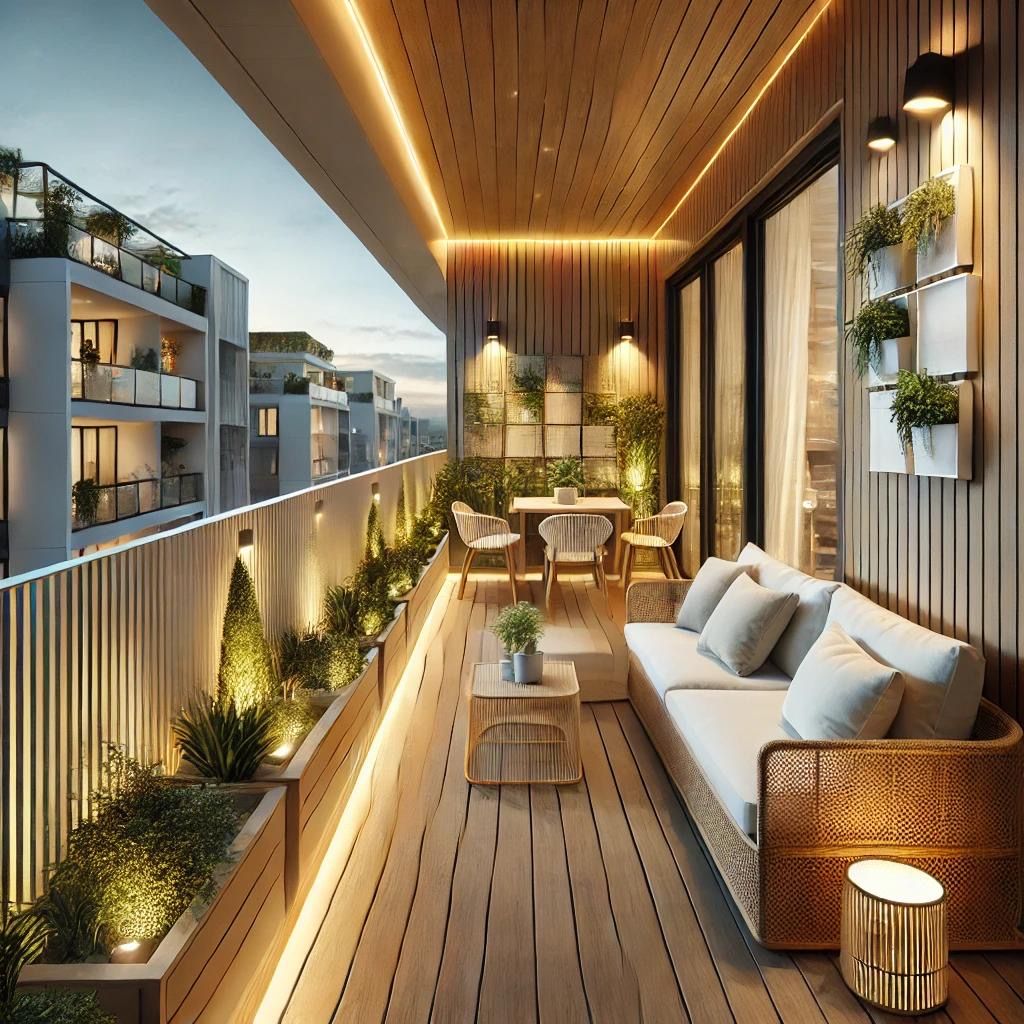
Bedroom interior design focuses on creating a calm, comfortable, and functional personal retreat. A well-designed bedroom supports rest, relaxation, and everyday routines while reflecting individual style.


Purpose of Bedroom Interior Design
The primary goal of bedroom interior design is to promote rest and well-being.
Key objectives:
- Create a relaxing and clutter-free environment
- Support good sleep and comfort
- Balance aesthetics with functionality
- Reflect personal taste without visual overload
A successful bedroom feels peaceful and intentional.
Layout and Space Planning
Good layout is the foundation of bedroom comfort.
Layout considerations:
- Position the bed as the main focal point
- Ensure clear movement around furniture
- Avoid overcrowding with excess pieces
- Use zoning for seating, dressing, or work areas if space allows
Thoughtful planning improves both comfort and flow.
Color Palette and Mood
Color strongly influences the bedroom atmosphere.
Popular choices:
- Soft neutrals for a calming effect
- Warm tones for a cosy, inviting feel
- Muted earthy or pastel shades for subtle character
Avoid overly bright or harsh colors that disrupt relaxation.
Furniture Selection
Bedroom furniture should prioritize comfort and proportion.
Essential furniture pieces:
- Bed with a well-designed headboard
- Bedside tables with functional storage
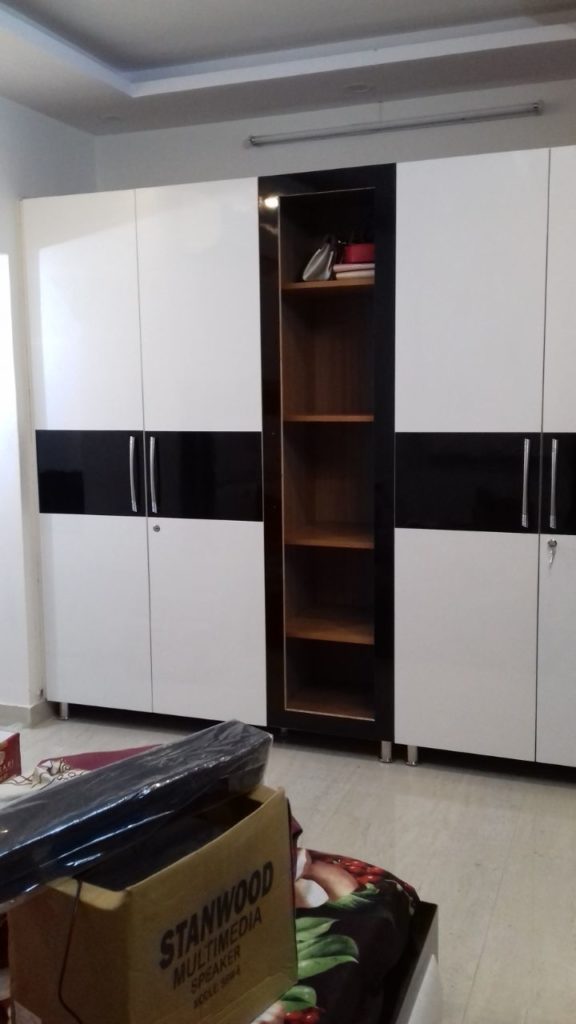
- Wardrobe or storage units suited to room size
- Optional seating such as a bench or small sofa
Clean-lined, well-scaled furniture keeps the room balanced.
Lighting Design
Lighting should support both function and relaxation.
Effective lighting layers:
- Ambient lighting for overall illumination
- Bedside or task lighting for reading
- Soft accent lighting for warmth
Warm lighting tones enhance comfort and restfulness.
Materials and Textures
Materials add warmth and sensory comfort.
Common choices:
- Natural wood for furniture
- Soft textiles like cotton, linen, and wool
- Upholstered elements for added comfort
- Matte finishes for visual softness
Layering textures prevents the bedroom from feeling flat.
Decor and Styling
Decor completes the bedroom without overwhelming it.
Styling tips:
- Minimal wall art or calming artwork
- Cushions and throws layered subtly
- Rugs for warmth underfoot
- Personal accents used sparingly
Less decor supports a more restful environment.
Summary
Bedroom interior design is about balance—comfort, calm, and functionality. By focusing on layout, color, lighting, materials, and thoughtful decor, the bedroom becomes a restful retreat that supports both sleep and daily living. Intentional design choices ensure the space feels timeless, personal, and truly relaxing.