
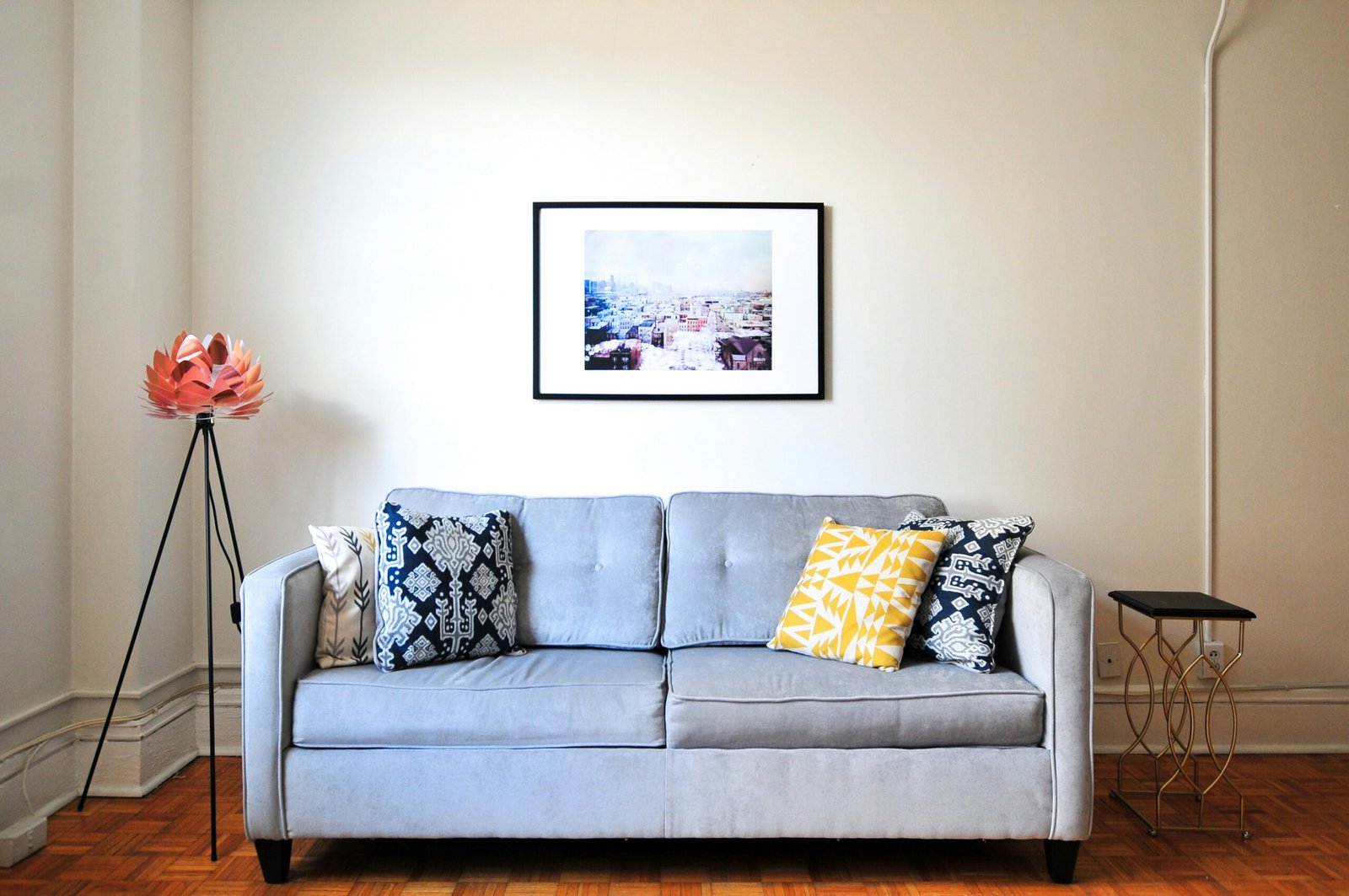
Introduction to Living Room Design
The living room is often regarded as the heart of the home, serving as a central gathering space for family and friends. Its design plays a crucial role in establishing the overall atmosphere and functionality of a residence. With a well-thought-out living room design, homeowners can create an inviting environment that reflects their style while accommodating the needs of various activities, from relaxation to entertainment.
Designing a living room goes beyond mere aesthetics; it involves carefully considering how people will interact within the space. Comfort is paramount in any living area, as it serves as a place for socializing, unwinding after a long day, and hosting guests. Incorporating comfortable seating, soft textiles, and appropriate lighting can significantly enhance the ambience. Additionally, the layout of the living room is essential in fostering conversation and interaction, encouraging a cohesive flow that connects the various elements of the space.
Furthermore, the choice of color and decor can significantly influence the mood of the room. Neutral tones generally promote a calm and serene environment, while vibrant colors can stimulate energy and creativity. Therefore, selecting the right color palette is a key aspect of living room design. This is complemented by the strategic selection of artwork, textiles, and decor items that resonate with the homeowner’s personality and preferences.
Ultimately, creating a well-designed living room that seamlessly blends comfort with style is essential for establishing a welcoming atmosphere in the home. It sets the tone not only for the room itself but also for the entire living experience within the residence. By understanding the significance of living room design and prioritizing its elements, homeowners can transform their spaces into beautiful, functional sanctuaries.
Understanding Your Style: Identifying Personal Preferences
Identifying your personal decorating style is a crucial step in transforming your living room into a space that truly reflects your personality and preferences. Start by assessing your current environment and determining what aspects resonate with you most. Consider the colors, patterns, and textures prevalent in your space, and gauge your emotional responses to each of these elements. This self-assessment can provide valuable insights into your innate style preferences, be it modern, rustic, bohemian, or classic.
Next, gather inspiration from various sources to help clarify your design choices. Exploring design magazines, websites, and social media platforms can expose you to different aesthetics and trends. Create a mood board by collecting images that captivate your attention, whether they depict furniture arrangements, color schemes, or decorative accessories. This visual representation will assist you in pinpointing recurring themes that align with your style and preferences.
Additionally, consider your lifestyle and functional needs when defining your decorating style. A modern aesthetic may suit an urban dweller who values minimalism, while a bohemian style might appeal to someone who enjoys eclectic elements and vibrant colors. Think about how you use your living room and what furniture and decor will enhance that experience. Ultimately, the goal is to create a harmonious blend of functionality and beauty that complements your lifestyle while reflecting your taste.
Finally, do not hesitate to experiment and evolve your approach as you explore different facets of your preferred styles. Personal preference can change over time, influenced by new inspirations or life circumstances. Embracing this fluidity will enable you to create a living room that is a true expression of who you are, making it a welcoming and enjoyable environment for you and your guests.
Color Schemes: Choosing the Right Palette
The significance of color schemes in living room design cannot be overstated. Colors profoundly influence mood and ambiance, creating an atmosphere that can either invite relaxation or inspire energy. Choosing the right palette is essential to ensuring that the space reflects your personality and fulfills its intended purpose.
Popular color schemes often revolve around traditional categories such as monochromatic, analogous, and complementary palettes. A monochromatic scheme employs different shades, tones, and tints of a single color, promoting cohesion while allowing for subtle variation. In contrast, an analogous color scheme uses colors that sit next to each other on the color wheel, creating a harmonious yet vibrant feel. Complementary palettes, which feature colors opposite each other on the wheel, can evoke a more dynamic atmosphere, offering a striking contrast that captures attention.
When selecting colors for your living room, it is essential to consider the psychological effects of different hues. Warm colors like red, yellow, and orange can stimulate conversation and create an energetic ambiance, while cool colors such as blue and green tend to promote relaxation and tranquility. A balanced approach that combines both warm and cool tones can yield a versatile environment suitable for various activities.
Another important consideration is the interplay of colors. To create a visually appealing design, experiment with complementary hues and accents. Incorporating bold colors can add visual intrigue and character to the room, while neutral tones can serve as a calming backdrop. This approach allows for versatility; accent pieces such as throw pillows or artwork can be easily changed without the need for an extensive redesign.
Ultimately, the key to selecting the right color scheme lies in experimentation. Test different options in small areas of your living room before committing to a full palette. Observing how natural light interacts with your chosen colors throughout the day can be particularly enlightening in determining the most suitable combination for your space.
Furniture Selection: Finding the Perfect Fit
Choosing the right furniture for your living room is essential in creating a comfortable and aesthetically pleasing space. The first step in this process is to consider the size and scale of the furniture in relation to the dimensions of the room. Oversized pieces may overwhelm a small area, while diminutive items can appear lost in a spacious setting. To ensure a comfortable arrangement, take accurate measurements of your living room and create a floor plan to visualize the potential layout.
Function is another critical factor in selecting furniture. Consider how you intend to use your living room: will it be a space for entertaining guests, enjoying family movie nights, or simply relaxing? Depending on your needs, you may prioritize comfortable seating, such as a sectional sofa or a couple of armchairs, complemented by furniture like a coffee table or side tables that serve practical purposes. Furthermore, the incorporation of multifunctional furniture can maximize space efficiency; for example, an ottoman that doubles as storage can be a clever addition.
Mixing and matching styles can greatly enhance the visual appeal of your living room. Instead of sticking to a single design aesthetic, consider blending various elements such as vintage, contemporary, and rustic styles to create a cohesive look that reflects your personality. Pay attention to proportions and colors to ensure harmony among different pieces. For instance, pairing a modern sofa with a classic coffee table can create an intriguing contrast that adds depth to the space.
Ultimately, when selecting furniture, prioritize comfort, functionality, and personal style. By considering the scale, function, and design, you can successfully curate a living room that is both practical and inviting, perfectly suited to your needs and tastes.
Maximizing Space: Clever Layout Hacks
Arranging furniture in a living room can significantly impact both aesthetics and functionality. When it comes to maximizing space, employing clever layout hacks is essential for creating an inviting atmosphere. One common method is to use a focal point. This can be a fireplace, a large window, or a prominent piece of artwork. Arranging your seating around this focal point promotes a natural flow and encourages socialization.
Traffic flow is a crucial consideration when designing your living room layout. Aim for clear pathways that allow ease of movement. A good rule of thumb is to ensure that there is at least 18 inches of space between seating pieces to enable comfortable interaction. Arrange furniture in a way that allows guests to circulate without obstructions, thus enhancing the room’s functionality.
Utilizing corner spaces creatively can also help maximize your living room. Rather than disregarding corners, consider placing a cozy reading nook or a compact seating arrangement. Corner sofas or sectional sofas can effectively make use of these areas, creating a more efficient layout while providing additional seating. Furthermore, furniture pieces that serve dual purposes, such as storage ottomans or coffee tables with shelves, can be strategically placed in these corners to optimize space.
Moreover, consider the scale of your furniture. Oversized pieces can overwhelm a small living room, making it feel cramped. Selecting appropriately sized furniture will allow for a more balanced environment. Light-colored furniture can also create an illusion of a larger space by reflecting light. Lastly, keeping a cohesive color palette and consistent design style throughout the room will contribute to a feeling of spaciousness.
By applying these layout hacks, you can transform your living room into a space that is not only functional but also reflects your personal style, making it a focal point of your home.
Accessorizing Your Living Room: Textiles and Decor
Accessorizing a living room is a vital step in transforming a space from ordinary to exceptional. The selection of textiles and decor elements plays an essential role in achieving a harmonious and inviting atmosphere. Textiles, such as curtains, rugs, and throw pillows, not only add comfort and warmth but also provide opportunities to incorporate patterns, colors, and textures that reflect personal style.
Curtains serve as an important accessory that can dramatically influence the overall mood of the room. Opting for sheer fabrics allows natural light to filter through while maintaining privacy, creating an airy feel. On the other hand, thicker drapes can add elegance and sophistication. It is advisable to choose colors that complement the existing palette of the living space; neutral tones provide a classic look, while bold colors can serve as focal points.
Rugs are another key element in accessorizing a living room. They define spaces, especially in open-plan designs, and can set the tone for the room’s atmosphere. Layering rugs can enhance depth and character, combining different textures and patterns to create visual interest. For example, placing a smaller, patterned rug over a larger solid-colored one adds dimension and showcases personal creativity.
Throw pillows provide an easy and affordable way to inject color and comfort into your living room. Varying the sizes, shapes, and patterns of the pillows not only creates a more visually appealing arrangement but also enables experimentation with styles. Including decorative elements, such as artwork and plants, further enriches the space. Hanging artwork at eye level can draw the eye and serve as conversation starters, while strategically placed plants enhance the living environment by adding a touch of nature.
By thoughtfully accessorizing with textiles and decor, a living room can evolve into a well-designed retreat that reflects the homeowners’ taste while offering comfort and functionality.
Lighting Solutions: Setting the Mood
Lighting plays a pivotal role in enhancing the ambiance of a living room, serving as a crucial element in the overall design. It is essential to carefully consider various lighting solutions, as they can significantly affect the mood and functionality of the space. When planning your living room lighting, it is beneficial to utilize a combination of ambient, task, and accent lighting to create a well-rounded and inviting environment.
Ambient lighting serves as the primary source of illumination in a living room. This type of lighting provides overall brightness and should be sufficient to allow for comfortable navigation through the space. Options for ambient lighting include chandeliers, ceiling-mounted fixtures, or recessed lighting. Selecting fixtures that harmonize with your interior design theme can bolster aesthetic appeal while ensuring that the space remains well-lit.
Task lighting, on the other hand, is designed to illuminate specific areas where activities like reading, playing games, or working may take place. This might include floor lamps next to seating areas or adjustable desk lamps on side tables. When selecting task lighting, it is essential to choose fixtures that offer both style and functionality, ensuring that they serve their purpose without overwhelming the overall design scheme.
Accent lighting adds character and depth to your living room by highlighting architectural features, artwork, or decorative elements. This can be achieved through wall sconces, picture lights, or LED strip lights. Incorporating accent lighting not only draws attention to focal points in the room but also helps to create visual interest and dimension.
In conclusion, a thoughtful blend of ambient, task, and accent lighting can transform your living room into a space that is not only visually appealing but also functional. By selecting fixtures that align with your design goals, you are sure to create an inviting atmosphere that enhances the overall living experience.
Incorporating Technology: Smart Living Room Ideas
The integration of technology into living room design has revolutionized how we interact with our living spaces. Smart home devices not only enhance comfort but also add convenience, making them an essential consideration when transforming your living room. From entertainment systems to climate control and smart lighting, the innovations available today can seamlessly blend with your decor while providing a multitude of benefits.
One of the primary advancements in living room technology is the entertainment system. Smart televisions, which often come equipped with streaming capabilities, have largely replaced traditional cable systems. These modern televisions can integrate with various applications, allowing users to access their favorite shows, movies, and even gaming platforms all from one device. Furthermore, surround sound systems and smart speakers can enhance audio experiences, creating an immersive environment that is perfect for movie nights or social gatherings.
Another critical aspect of smart living room ideas is smart lighting. With the possibility of controlling light intensity and colors remotely, smart bulbs offer both aesthetic flexibility and energy efficiency. By using a smartphone application or a voice assistant, homeowners can adjust lighting settings to create the perfect ambiance for different occasions, making their living rooms feel cozy during a quiet evening or vibrant during a party. Additionally, automated lighting systems can be programmed to turn on and off at specific times, improving energy savings.
Climate control is equally important for creating a comfortable living room environment. Smart thermostats enable users to manage heating and cooling systems effectively. These devices learn user preferences over time and can adjust the home’s temperature accordingly, leading to increased energy efficiency and cost savings. By incorporating technology, homeowners can achieve a more harmonious balance between comfort and energy use, ensuring that their living spaces are both pleasant and practical.
Final Touches: Personalizing Your Space
Personalizing your living room can elevate the overall aesthetic and ensure that the space truly reflects your individuality. One effective way to achieve this is by showcasing personal collections. Whether you collect vintage books, unique pottery, or quirky artwork, displaying these items prominently can not only spark conversation but also give your living room character. Arrange them thoughtfully on shelves, coffee tables, or even in shadow boxes to create visual interest and convey your personal story.
Another excellent strategy involves creating a gallery wall. This is an opportunity to curate a collection of art pieces, photographs, and meaningful quotes that resonate with you. By mixing frames of different sizes, shapes, and colors, you can achieve an eclectic look that embodies your personality while remaining visually appealing. Consider incorporating items that represent significant moments in your life, such as travel photos or artwork from local artists, thus creating a narrative that invites guests to peek into your experiences.
In addition, integrating family heirlooms or travel souvenirs into your decor can further enhance personalization. Items passed down through generations can serve as beautiful focal points, highlighting your family’s history and traditions. Travel souvenirs, such as handcrafted items from local artisans or unique trinkets collected during your adventures, can infuse character and uniqueness into your space. These objects not only tell a story but also remind you of cherished memories.
By thoughtfully adding these final touches, your living room can become a genuine reflection of who you are. The key lies in balancing decor while ensuring that the space remains functional and inviting. Ultimately, personalizing your living room allows you to create a sanctuary that feels both comfortable and uniquely yours.