Call WhatsApp

Author name: Interior A to Z - Luxury Interior Designers

Interior A to Z is a premier interior design firm specializing in luxury residential and commercial transformations across Gurgaon, Noida, and Delhi NCR. With over 15 years of expertise, we offer end-to-end solutions, from modular kitchens and minimalist bedrooms to complete home renovations. Our mission is to blend modern aesthetics with functional design. Book a Free Consultation at https://interioratoz.com/contact-us/ to start your dream project today.

INTERIOR DESIGNER FEES • INDIA • 2026 GUIDE

How Much Does an Interior Designer Charge in India?

Wondering how much an interior designer charges in India? Interior designer fees can vary significantly depending on the project size, location, design scope, experience, level of customization, materials and whether you hire the designer for design-only services or complete turnkey execution.

A practical starting point is that interior designers may charge through per-square-foot fees, percentage-based fees, fixed design fees, hourly/consultation fees or turnkey project pricing.

Get an Interior Design Estimate WhatsApp Consultation

How Much Does an Interior Designer Charge?

In India, an interior designer may charge approximately ₹50–₹500+ per sq. ft. for professional design services, depending on experience, project complexity, location and scope. For complete turnkey interiors, the overall project budget can be considerably higher because it includes materials, manufacturing, labour, installation, project management and other execution costs.

Some designers instead charge around 5%–15% of the total project value, while others use fixed packages or hourly consultation fees. There is therefore no single standard interior designer fee in India.

For an accurate quotation, ask the designer to clearly separate design fees, execution costs, materials, taxes and exclusions.

Interior Designer Fee Structure in India

Interior designers generally use one of several pricing models. Understanding these models makes it easier to compare quotations from different designers without comparing unlike services.

Per Square Foot

₹50–₹500+ / sq. ft.

A design fee is calculated according to the project’s area. This method is common when the scope of design work is clearly defined.

Best for: apartments, homes and defined design packages.

Percentage Model

5%–15%+

The designer charges a percentage of the total project or execution value. The percentage may vary according to project complexity.

Best for: larger or highly customized projects.

Fixed Design Fee

₹25,000–₹5L+

A fixed amount is agreed for a defined package of drawings, concepts, material selection, 3D views and design consultation.

Best for: clients who want predictable professional fees.

Hourly Consultation

₹1,000–₹5,000+

The designer charges for consultation time rather than managing the complete project.

Best for: colour, layout, furniture or renovation advice.

Turnkey Pricing

Project-Based

Design, procurement, manufacturing, installation and project management may be combined into one overall project quotation.

Best for: homeowners wanting one team to manage execution.

Design + Execution

Custom Quote

The designer provides professional design services and coordinates implementation, contractors, materials and installation.

Best for: complete home interiors.
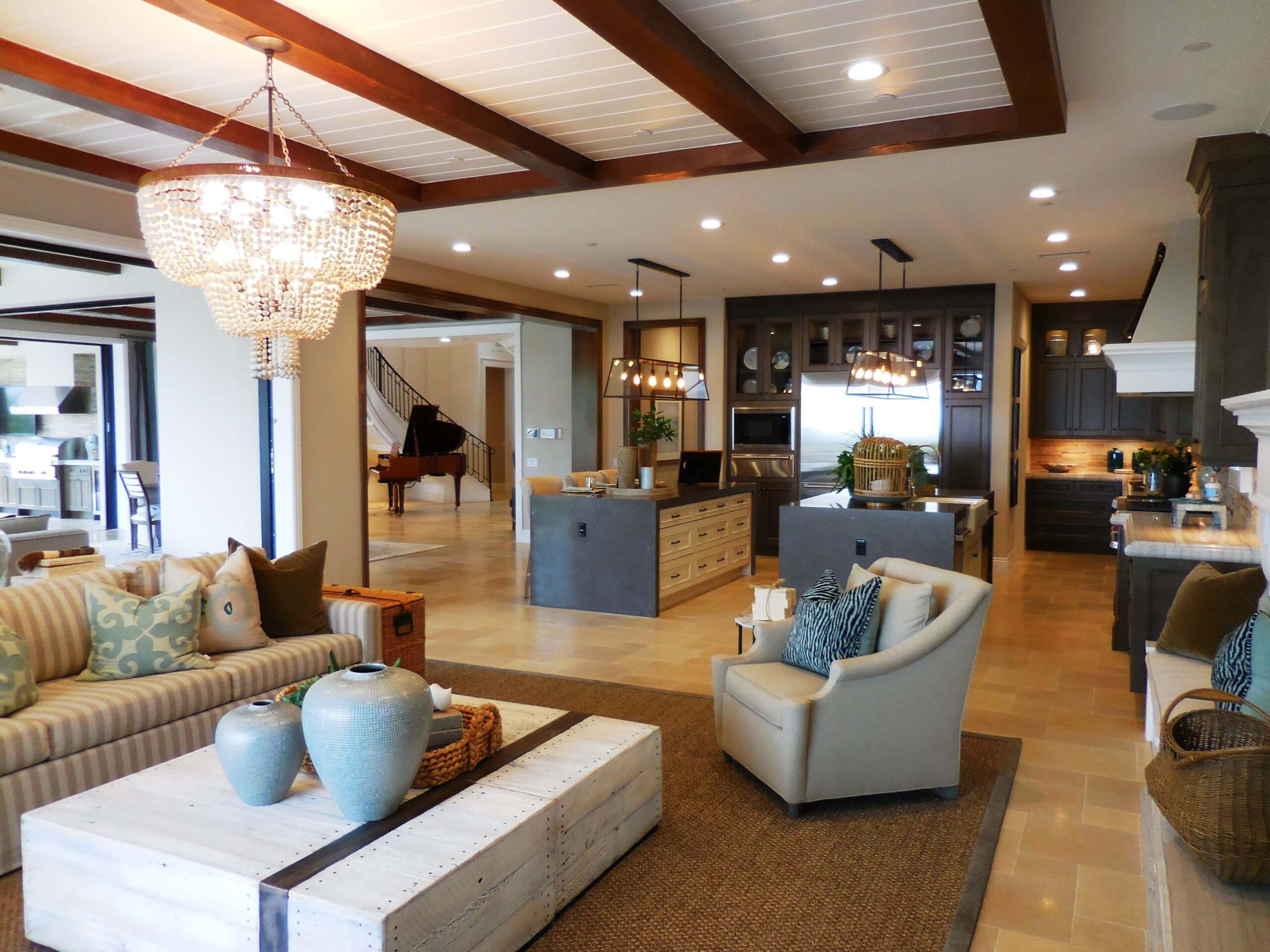
Interior designer working on home interior design in India

What Does an Interior Designer Fee Include?

A professional interior design fee can cover considerably more than simply choosing colours and furniture. Depending on the package, services may include:

  • Initial consultation
  • Site measurements
  • Space planning
  • Furniture layouts
  • Concept development
  • Material and finish selection
  • 2D drawings
  • 3D visualization
  • Lighting planning
  • Modular kitchen design
  • Wardrobe design
  • Custom furniture design
  • Vendor coordination
  • Site supervision
  • Project management

Interior Designer Charges by Service

The following table provides an indicative planning range. Actual fees vary by city, designer experience, project size and deliverables.

ServiceIndicative FeeWhat May Be Included
Consultation₹1,000–₹5,000+Professional advice, layout and initial recommendations
Design Only₹50–₹500+ / sq. ft.Planning, drawings, materials and design development
3D Design₹5,000–₹50,000+3D views and visual representation of selected spaces
Fixed Design Package₹25,000–₹5 lakh+Defined set of drawings, concepts and design deliverables
Project Management5%–15%+Vendor coordination, supervision and project administration
Turnkey InteriorProject-basedDesign, materials, manufacturing, installation and execution

How Much Does an Interior Designer Charge for a 1BHK, 2BHK or 3BHK?

BHK-based pricing is useful for creating a rough budget, but the actual interior designer fee depends on the home’s carpet area and the scope of design work.

1BHK Interior Design

₹25,000–₹1.5L+

Design fees can vary according to the number of rooms, drawings, 3D visualizations and customization required.

2BHK Interior Design

₹40,000–₹2.5L+

A larger design scope generally requires more drawings, furniture planning, kitchen and wardrobe detailing.

3BHK Interior Design

₹60,000–₹4L+

Larger homes may require more detailed space planning, material schedules, custom furniture and site coordination.

How Much Does an Interior Designer Charge in Gurgaon?

Interior designer charges in Gurgaon can vary widely because the market includes apartments, builder floors, luxury high-rise residences, independent homes and villas.

For design-only work, a per-square-foot or fixed-fee model may be used. For complete home interiors, the designer may provide a turnkey quotation covering design, materials, fabrication and installation.

Budget Home

₹50–₹150 / sq. ft.

Suitable for straightforward design requirements with standard finishes and limited customization.

Premium Home

₹150–₹350 / sq. ft.

Suitable for detailed space planning, better visualization and customized interior solutions.

Luxury Design

₹350–₹500+ / sq. ft.

Suitable for highly customized residences requiring detailed design, premium finishes and extensive coordination.

Interior Designer Charges in Delhi NCR

Interior designer fees in Delhi, Gurgaon, Noida and Delhi NCR can differ according to the designer’s experience, project complexity, property type and the amount of execution management involved.

LocationTypical Design ApproachCommon Pricing Model
DelhiResidential and renovation projectsFixed fee / sq. ft. / percentage
GurgaonPremium apartments, villas and builder floorsSq. ft. / percentage / turnkey
NoidaApartment and residential interiorsFixed fee / sq. ft. / turnkey
Delhi NCRResidential and commercial projectsProject-specific quotation

Does an Experienced Interior Designer Charge More?

Often, yes. An experienced designer may charge more because the fee can reflect professional expertise, design development, project coordination, vendor relationships, documentation and the ability to solve problems during execution.

However, the highest fee is not automatically the best choice. Compare the designer’s portfolio, deliverables, materials, execution process, communication and contract terms alongside the fee.

  • Portfolio quality and relevance
  • Experience with similar properties
  • Clarity of design deliverables
  • Material and hardware specifications
  • Execution management
  • Site supervision
  • Warranty and after-sales support
  • Payment schedule

What Factors Affect Interior Designer Charges?

Home Size

A larger property usually requires more planning, drawings, furniture design and coordination.

Design Complexity

Custom furniture, curved elements, architectural details and complex lighting increase design effort.

Material Quality

Premium finishes and specialized materials can increase the total project value and therefore percentage-based fees.

Location

Designer fees and execution costs can differ between metropolitan areas, tier-2 cities and smaller towns.

Project Scope

Design-only services cost less than a package that includes procurement, site supervision and complete execution management.

Timeline

Fast-track projects may require additional coordination and resources, depending on the designer and scope.

Calculate an Indicative Interior Design Fee

Enter your approximate home area and select an indicative design fee rate. This calculator is for budgeting only and does not constitute a quotation. Home Area (sq. ft.) Design Fee Rate Budget — ₹75/sq. ft. Standard — ₹150/sq. ft. Premium — ₹250/sq. ft. Luxury — ₹400/sq. ft.

Indicative Design Fee: ₹1,80,000

This estimate covers only the selected design-fee rate. Execution, materials, labour, furniture and other services may be additional.

How to Compare Interior Designer Fees

Do not compare interior designers only by their headline price. A lower fee may represent fewer drawings, limited site visits or no execution management, while a higher fee may include a much broader service.

  • Ask for a written scope of work.
  • Confirm the number of design concepts.
  • Confirm the number of 3D views.
  • Ask whether site measurements are included.
  • Confirm the number of site visits.
  • Check whether material selection is included.
  • Ask whether vendor coordination is included.
  • Confirm project management charges.
  • Check whether GST is included.
  • Ask what happens if you request design changes.
  • Confirm the payment schedule.
  • Get exclusions in writing.

Interior Designer Fee vs Turnkey Interior Cost

One of the most common sources of confusion is treating a designer’s professional fee as the same thing as the total cost of interiors. They are different.

Professional Design Fee

Usually pays for design expertise, drawings, concepts, material selection, visualizations and agreed consultation or supervision services.

Execution Cost

Includes materials, carpentry, manufacturing, labour, transportation, installation and other project expenses.

Turnkey Cost

May combine design, procurement, manufacturing, installation, project management and other execution components into one project quotation.

7 Questions to Ask Before Paying an Interior Designer

  1. What exactly is included in your design fee?
  2. How many design revisions are included?
  3. Are 2D drawings and 3D views included?
  4. How many site visits are included?
  5. Are materials and hardware specified by brand and grade?
  6. Are execution and project management charges separate?
  7. What costs are excluded from the quotation?

Need Help Estimating Your Interior Designer Fee?

Share your location, home size, BHK and the type of service you need. Interior A to Z can help you understand the difference between design-only, design-plus-execution and turnkey interior pricing. Request Consultation Talk on WhatsApp

Frequently Asked Questions About Interior Designer Charges

How much does an interior designer charge in India?

Interior designers in India may charge approximately ₹50–₹500+ per sq. ft. for design services, depending on experience, project complexity, location and scope. Some designers instead charge a fixed fee, percentage or hourly consultation fee. What percentage does an interior designer charge?

A percentage-based interior designer fee may commonly fall around 5%–15%+ of the project value, depending on the service and complexity. The exact percentage should be agreed in the contract. Is interior design charged per square foot?

Yes. Many designers use a per-square-foot design fee. Indicative rates can range from approximately ₹50 to ₹500+ per sq. ft., although actual rates vary considerably by designer and scope. How much does an interior designer charge for a 2BHK?

A 2BHK design-only project may cost approximately ₹40,000–₹2.5 lakh+, depending on area, drawings, 3D views, customization and professional experience. Execution costs are generally separate unless a turnkey package is quoted. How much does an interior designer charge for a 3BHK?

A 3BHK design-only project may cost approximately ₹60,000–₹4 lakh+, depending on the size and scope. A complete turnkey interior project will cost considerably more because materials and execution are included. Do interior designers charge for consultation?

Some designers offer an initial consultation free of charge, while others charge an hourly or fixed consultation fee. Always confirm this before booking a meeting. Is an interior designer fee separate from the cost of materials?

Often, yes. Design fees and execution/material costs may be billed separately. Turnkey packages can combine several costs into one quotation, so the scope should be checked carefully. Are interior designer fees negotiable in India?

Fees may be negotiable depending on the project size, scope, timeline and services required. It is generally better to negotiate the scope and deliverables rather than simply asking for a lower professional fee. How much does an interior designer charge in Gurgaon?

Gurgaon interior designer charges vary by project. Design-only fees may be quoted per square foot, as a percentage or as a fixed fee, while complete turnkey interiors are normally priced according to the project’s full scope and specifications. What is included in an interior designer’s fee?

Depending on the package, the fee may include consultation, measurements, space planning, drawings, 3D visualization, material selection, furniture design, lighting planning, site visits and project coordination.

Final Thoughts: Understand the Fee Before You Sign

So, how much does an interior designer charge in India? There is no universal fee. A designer may charge per square foot, as a percentage of the project, through a fixed package, hourly consultation or as part of a turnkey interior contract.

For a fair comparison, look beyond the number. Check exactly what you are receiving for the fee, including drawings, 3D designs, revisions, material specifications, site visits, project management and execution support.

For homeowners in Gurgaon, Noida, Delhi and Delhi NCR, getting an itemized quotation is particularly useful because project specifications and execution requirements can vary substantially from one home to another.

The right interior designer fee is one that is transparent, clearly defined and matched to the quality and scope of professional service you need.

INTERIOR DESIGNER FEES • INDIA • 2026 GUIDE Read More »

HOME INTERIOR COST GUIDE • INDIA & DELHI NCR

How Much Do Home Interiors Cost?

Planning a new home interior and wondering how much it will cost? The total home interior cost depends on the size of your property, material quality, number of rooms, modular kitchen, wardrobes, custom furniture, lighting, false ceiling and level of customization.

For a practical starting point, complete residential interiors can range from roughly ₹800 to ₹4,500+ per sq. ft. depending on scope and finish level. Premium Gurgaon projects can go higher when bespoke furniture, luxury materials and smart-home features are included.

Get a Home Interior Estimate WhatsApp for Consultation

How Much Do Home Interiors Cost in India?

For a broad budgeting estimate, a complete home interior project can cost approximately ₹800–₹4,500+ per sq. ft., depending on the quality of materials, customization and scope of work. Interior A to Z’s published cost guides use different ranges for basic, standard, premium and luxury interiors, reflecting how significantly specifications affect the final price. :contentReference[oaicite:0]{index=0}

For example, a 1,000 sq. ft. home at ₹1,500 per sq. ft. would have an indicative interior budget of around ₹15 lakh, while the same area at ₹3,000 per sq. ft. would be around ₹30 lakh. These are budgeting examples, not fixed quotations.

The most important point is that carpet area, scope and material specifications should be confirmed before comparing quotations.

Home Interior Cost Per Square Foot

The easiest way to create an initial home interior budget is to multiply your usable project area by an indicative cost per square foot. However, the rate should always be read together with the scope of work.

Basic Interiors

₹800–₹1,500 / sq. ft.

Suitable for homeowners looking for essential modular furniture, standard finishes and practical design solutions.

  • Standard laminates
  • Basic modular kitchen
  • Essential wardrobes
  • Simple false ceiling
  • Functional lighting

Mid-Range Interiors

₹1,500–₹3,000 / sq. ft.

A balance between aesthetics, customization, durability and budget.

  • Better-quality finishes
  • Customized wardrobes
  • Improved kitchen hardware
  • Designer lighting
  • Customized furniture

Premium & Luxury

₹3,000–₹4,500+ / sq. ft.

For highly customized homes using premium materials, bespoke furniture and advanced design details.

  • Premium finishes
  • Bespoke furniture
  • Luxury kitchens
  • High-end lighting
  • Smart-home integration
Modern home interior design cost guide

What Is Included in Home Interior Cost?

A home interior quotation can include very different things depending on the designer and project scope. Always ask for an itemized scope before comparing prices.

  • Space planning and design
  • Modular kitchen
  • Wardrobes and storage
  • TV unit and living-room furniture
  • Bedroom furniture
  • False ceiling
  • Electrical and lighting work
  • Painting and wall finishes
  • Carpentry and installation
  • Project management and supervision

How Much Does Home Interior Cost by BHK?

BHK-based estimates are useful for initial planning, but actual pricing depends on carpet area, the number of wardrobes, kitchen size, furniture, materials and the amount of customization.

Home TypeIndicative BudgetTypical Scope
1 BHK₹3–8 lakh+Kitchen, wardrobe, living area and essential furniture
2 BHK₹5–14 lakh+Kitchen, wardrobes, bedrooms, living room and selected furniture
3 BHK₹8–20 lakh+Complete home interiors with broader furniture and customization
4 BHK₹15–30 lakh+Larger-scale interiors with premium customization
Villa / Luxury Home₹20 lakh–₹50 lakh+Bespoke interiors, premium finishes and extensive customization

Published Interior A to Z cost guides show broad ranges for 1BHK–4BHK homes, and the company’s Gurgaon-specific guides similarly emphasize that project scope and materials can substantially change the final price. :contentReference[oaicite:1]{index=1}

What Makes Home Interior Costs Increase?

Modular Kitchen

Kitchen size, layout, cabinet material, shutters, hardware, accessories and countertop selection all influence the final cost. Typical published ranges can vary from approximately ₹1.2 lakh to ₹7 lakh+ depending on location and specification.

Wardrobes

Wardrobe cost depends on dimensions, internal storage, shutters, hardware, finish and whether the design is standard or highly customized. Sliding mechanisms, premium hardware and special finishes can increase the cost substantially.

Furniture

Sofas, beds, dining tables, study units, side tables and custom furniture can represent a significant part of a complete home interior budget. Custom-built furniture generally costs more than standardized furniture.

False Ceiling & Lighting

False ceiling design, electrical points, cove lighting, spotlights, decorative fixtures and smart controls influence the budget. Complex ceiling details require more labour and electrical planning.

Materials & Finishes

Laminate, acrylic, veneer, PU, glass, stone, marble and premium hardware can have very different price points. Material specification should be written clearly in the quotation.

Customization

Curved furniture, fluted panels, bespoke storage, designer walls and architectural details require additional design and fabrication work. More customization usually means more labour, fabrication and installation.

Estimate Your Home Interior Cost

Use this simple calculator for a preliminary budget. It multiplies your area by a selected indicative rate. Your actual quotation can differ based on the project scope and specifications. Home Area (sq. ft.) Interior Level Basic — ₹1,200/sq. ft. Mid-Range — ₹2,200/sq. ft. Premium — ₹3,500/sq. ft. Luxury — ₹5,000/sq. ft.

Estimated Budget: ₹22,00,000

This is an indicative planning figure only. A detailed quotation requires your property’s area, requirements, materials and scope of work.

How Much Do Home Interiors Cost in Gurgaon?

Gurgaon generally has a wide range of residential interior budgets because the market includes standard apartments, premium high-rise residences, builder floors, independent houses and luxury villas.

Current Interior A to Z guides place broad Gurgaon full-interior pricing around ₹1,200–₹5,000 per sq. ft. in one published guide, while another 2026 guide gives approximately ₹1,500–₹4,500+ depending on the specification. These differences demonstrate why a fixed “Gurgaon rate” should not be treated as a universal quotation. :contentReference[oaicite:2]{index=2}

Budget Gurgaon Home

₹6–12 lakh+

Suitable for a practical apartment interior with essential modular furniture and standard finishes.

Premium Gurgaon Home

₹12–25 lakh+

More customization, better finishes, upgraded hardware and customized furniture.

Luxury Gurgaon Home

₹25–50 lakh+

Bespoke furniture, premium materials, luxury finishes and smart-home features can push budgets significantly higher.

Home Interior Cost in Delhi, Noida and Delhi NCR

Interior costs also vary across Delhi NCR. Published Interior A to Z guidance gives broad ranges for Delhi, Noida and Gurgaon, with Gurgaon often positioned toward the premium end for high-specification residences. :contentReference[oaicite:3]{index=3}

LocationBasicMid-RangePremium / Luxury
Delhi₹1,200–₹1,800/sq. ft.₹1,800–₹3,000/sq. ft.₹3,000–₹5,000+
Noida₹1,200–₹2,000/sq. ft.₹2,000–₹3,500/sq. ft.₹3,500–₹6,000+
Gurgaon₹1,500–₹2,500/sq. ft.₹2,500–₹4,000/sq. ft.₹4,000–₹8,000+

Do Interior Designers Charge Separately?

Sometimes. Interior designers can use several pricing models. Some quotes combine design and execution, while others separate the professional design fee from construction, materials and furniture.

  • Per-square-foot design fee
  • Fixed or lump-sum design fee
  • Percentage of the total project cost
  • Consultation or hourly fee
  • Turnkey pricing covering design and execution

Published Gurgaon guidance shows design-only fees can vary considerably, with some designers charging approximately ₹50–₹500+ per sq. ft. depending on complexity and reputation. :contentReference[oaicite:4]{index=4}

Hidden Costs to Check Before Starting Home Interiors

A low initial quotation does not always mean a lower final project cost. Ask whether the following items are included or excluded.

  • GST and applicable taxes
  • Transportation
  • Installation charges
  • Electrical modifications
  • Plumbing changes
  • Civil work
  • Demolition
  • Hardware upgrades
  • Appliances
  • Decorative lighting
  • Curtains and blinds
  • Loose furniture
  • Site protection and debris removal
  • Changes after design approval

How to Reduce Home Interior Costs Without Making Your Home Look Cheap

Prioritize High-Use Areas

Spend more on the kitchen, wardrobes, bed and other frequently used elements where durability matters most.

Limit Excess Customization

Use standard dimensions wherever possible and reserve bespoke work for important visual or functional features.

Choose Materials Carefully

A well-selected laminate, veneer or engineered finish can create a high-quality appearance without requiring luxury materials everywhere.

How to Get an Accurate Home Interior Cost Estimate

  1. Measure or confirm the carpet area of your home.
  2. List the rooms and spaces you want to design.
  3. Decide whether you need design-only or turnkey execution.
  4. List required wardrobes, kitchen units and furniture.
  5. Select your preferred finish level.
  6. Request an itemized quotation.
  7. Confirm material brands, grades and hardware.
  8. Check what is excluded from the quotation.
  9. Confirm taxes, payment schedule and project timeline.
  10. Approve the final scope in writing before execution.

Want a More Accurate Home Interior Cost?

Share your home size, BHK, location and preferred finish level with Interior A to Z. A project-specific discussion is more useful than relying on a generic per-square-foot estimate. Request Interior Consultation Get Cost Guidance

Frequently Asked Questions About Home Interior Cost

How much do home interiors cost?

Complete home interiors can broadly range from about ₹800 to ₹4,500+ per sq. ft. depending on the property, materials, customization and scope. Luxury projects can exceed these ranges. A detailed quotation is required for an accurate price. How much does a 2BHK home interior cost?

A 2BHK home can range from approximately ₹5 lakh to ₹14 lakh or more depending on area, materials, kitchen, wardrobes, furniture and finish level. Premium projects can cost substantially more. How much does a 3BHK home interior cost?

A 3BHK interior project can start around ₹8 lakh and go beyond ₹20 lakh depending on the size, specification and customization required. What is the average interior cost per square foot?

A practical planning range is approximately ₹800–₹1,500 per sq. ft. for basic interiors, ₹1,500–₹3,000 for mid-range interiors and ₹3,000–₹4,500+ for premium interiors. Gurgaon and luxury projects can have higher rates. Does home interior cost include furniture?

It depends on the quotation. Some turnkey packages include selected furniture, while others focus mainly on fixed furniture such as kitchens and wardrobes. Always confirm the scope in writing. Does the interior cost include modular kitchen and wardrobes?

They may be included in a complete interior package, but this should never be assumed. Ask for separate kitchen and wardrobe specifications in the quotation. Why are two interior quotations for the same home so different?

Different quotations may use different board materials, laminates, hardware, finishes, furniture specifications, electrical scope, labour, installation standards and levels of customization. Is interior design charged separately from execution?

It can be. Designers may charge a separate design fee, use a percentage model, quote a fixed fee or combine design and execution into a turnkey package. How can I reduce my home interior budget?

Prioritize essential areas, reduce unnecessary customization, compare materials, use standard dimensions where practical and request an itemized quotation before approving the project. How much do home interiors cost in Gurgaon?

Gurgaon home interior budgets vary widely. Published 2026 Interior A to Z guides show broad pricing from approximately ₹1,200–₹5,000 per sq. ft., with the final price depending on materials, customization and project scope. :contentReference[oaicite:5]{index=5}

Final Thoughts: Plan Your Home Interior Budget First

So, how much do home interiors cost? There is no single price that applies to every home. The final budget is shaped by the size of your property, material quality, kitchen and wardrobe requirements, furniture, lighting, customization and execution scope.

For an initial budget, use a per-square-foot range. For a real project, move to an itemized quotation that clearly identifies materials, quantities, labour, installation, taxes and exclusions.

Whether your project is in Gurgaon, Noida, Delhi or wider Delhi NCR, comparing the complete scope rather than just the headline price can help you avoid unexpected costs.

A realistic interior budget is not simply the lowest number. It is a clearly defined scope that delivers the quality, functionality and finish you expect.

HOME INTERIOR COST GUIDE • INDIA & DELHI NCR Read More »

Understanding the Costs of Budget Home Interior Design

Introduction to Budget Home Interiors

Transforming your home into a stylish space doesn’t have to break the bank. When planning a budget home interior, understanding costs is crucial. This article will explore the key components that influence interior design expenses and provide insights into keeping your project economical.

Key Expenses in Home Interior Design

Several factors determine the overall cost of a budget home interior. Firstly, furniture selections play a significant role. Opting for second-hand items or budget retailers can significantly reduce expenses. Additionally, consider the cost of materials for walls, flooring, and decor. Paint, wallpaper, and flooring materials can vary greatly in price, so researching affordable options is advisable.

Tips for Budget-Friendly Interior Design

To manage costs effectively, set a clear budget before starting any project. Prioritize the areas you want to enhance most, like the living room or kitchen. Make use of DIY projects; simple tasks such as painting or crafting decor can save money while personalizing your space. Finally, remember to shop sales and clearance items, as they can be a gold mine for finding quality pieces at a fraction of the original price.

Understanding the Costs of Budget Home Interior Design Read More »

HOME INTERIOR DESIGNER • GURGAON

Who Is the Best Home Interior Designer in Gurgaon?

Finding the best home interior designer in Gurgaon depends on more than online ratings. The right designer should understand your space, lifestyle, budget, storage requirements, preferred style and expectations for execution.

Whether you own an apartment, builder floor, villa or independent house in Gurgaon, a good interior designer should combine creative design with practical planning, quality materials and reliable project execution.

Get Interior Consultation WhatsApp Us

So, Who Is the Best Home Interior Designer in Gurgaon?

There is no single objectively “best” interior designer for every Gurgaon home. The best choice depends on the project’s requirements, design style, budget, scope, timeline and desired level of involvement.

For homeowners considering Interior A to Z, the company offers interior design services covering Gurgaon and the wider Delhi NCR market, including residential planning, modular kitchens, wardrobes, furniture, lighting and complete interior solutions.

The strongest way to choose is to compare portfolio quality, experience, scope of service, material specifications, project management, pricing transparency and after-sales support.

Why Choosing the Right Home Interior Designer in Gurgaon Matters

Gurgaon has a wide range of apartments, builder floors, villas and independent homes. Each type of property presents different interior challenges.

A successful interior design project needs to balance appearance with everyday functionality. Storage, circulation, lighting, kitchen workflow, electrical planning and furniture proportions can have as much impact as the decorative style.

01

Space Planning

A professional designer can organize furniture, circulation, storage and functional zones before execution begins.

02

Material Selection

The right materials should balance appearance, durability, maintenance and budget rather than being selected only for their visual appeal.

03

Execution

Design is only part of the project. Site coordination, carpentry, electrical work, painting and finishing determine the final result.

Best home interior designer in Gurgaon

INTERIOR A TO Z • GURGAON

Interior A to Z for Gurgaon Home Interiors

Interior A to Z provides interior design and related services for homes across Gurgaon and Delhi NCR.

The focus is on creating interiors that combine design aesthetics with practical requirements such as storage, furniture planning, modular kitchens, wardrobes and room-by-room functionality.

Services Can Include

  • Complete home interior design
  • Apartment interior design
  • Builder-floor interiors
  • Villa interior design
  • Modular kitchen design
  • Wardrobe and storage planning
  • Living room interiors
  • Bedroom interiors
  • False ceiling and lighting concepts
  • Furniture and carpentry solutions

Explore Interior Designer Services in Gurgaon →

What Makes a Home Interior Designer the Best Choice?

Instead of choosing a designer only because a website uses the word “best,” evaluate the actual factors that affect your project.

01

Relevant Portfolio

Look for completed projects similar to your home, property type, budget and preferred design style.

02

Clear Communication

The designer should clearly explain layouts, materials, costs, timelines and changes before execution.

03

Transparent Pricing

A detailed quotation should identify major materials, services, quantities, scope and exclusions.

04

Practical Design

Good interiors should look attractive while remaining comfortable and easy to use every day.

05

Site Management

Execution quality depends heavily on supervision, coordination and attention to finishing details.

06

After-Sales Support

Ask about installation support, defect resolution, warranty terms and post-handover assistance.

How to Compare Home Interior Designers in Gurgaon

Gurgaon has many established interior design companies and independent studios. Current local listings include firms such as :contentReference[oaicite:2]{index=2}, :contentReference[oaicite:3]{index=3}, :contentReference[oaicite:4]{index=4}, :contentReference[oaicite:5]{index=5} and :contentReference[oaicite:6]{index=6}, among others. Local directories show that Gurgaon has a competitive interior-design market, so comparison is important. :contentReference[oaicite:7]{index=7}

FactorWhat to CheckWhy It Matters
PortfolioCompleted homes similar to yoursShows whether the designer understands your requirements
ExperienceRelevant residential project experienceHelps with practical planning and execution
Design ProcessConcept, drawings, 3D views and revisionsReduces misunderstandings before work begins
QuotationDetailed scope and material specificationsMakes cost comparison easier
ExecutionSite supervision and project managementInfluences final quality and timeline
MaterialsBrands, grades and specificationsAffects durability and long-term maintenance
ReviewsRecent independent customer feedbackProvides evidence of client experience
SupportWarranty and post-handover serviceImportant after project completion

How Much Does Home Interior Design Cost in Gurgaon?

The cost of a home interior project in Gurgaon can vary substantially depending on the size of the property, materials, customization, furniture, modular kitchen, wardrobes, electrical work, false ceiling, lighting and overall scope.

Instead of selecting a designer purely on the lowest quotation, compare what is actually included in each proposal.

  • Design and consultation fees
  • Modular kitchen scope
  • Wardrobes and storage
  • Carpentry and furniture
  • Electrical modifications
  • False ceiling and lighting
  • Painting and wall finishes
  • Hardware and accessories
  • Installation and labour
  • Transportation and site-related costs
  • Warranty and after-sales support

10 Questions to Ask Before Hiring a Home Interior Designer in Gurgaon

  1. Can you show me completed projects similar to my home?
  2. What is included in the quotation?
  3. Which materials and brands will be used?
  4. How many design revisions are included?
  5. Who will supervise the site?
  6. What is the expected project timeline?
  7. How are changes handled after the quotation is approved?
  8. What payment schedule do you follow?
  9. What warranty or post-handover support is provided?
  10. Can you provide a written scope of work?

Home Interior Design Services Across Gurgaon

Homeowners across Gurgaon can require different solutions depending on the property and neighbourhood. Interior planning can be tailored for areas such as Golf Course Road, Golf Course Extension Road, Sohna Road, New Gurgaon, DLF areas, Dwarka Expressway and major residential sectors.

Golf Course Road

Premium apartment and luxury home interiors with emphasis on refined materials, storage and sophisticated detailing.

Sohna Road

Modern apartment interiors, modular kitchens, wardrobes and complete home solutions for growing families.

Dwarka Expressway

Contemporary interiors for new apartments, including practical space planning and customized storage.

New Gurgaon

Functional modern interiors designed around family requirements, storage and everyday comfort.

DLF Gurgaon

Elegant residential interiors combining modern functionality with personalized furniture and finishes.

Sector 57 & Surrounding Areas

Complete residential interior solutions for apartments, builder floors and independent homes.

Red Flags When Choosing an Interior Designer in Gurgaon

  • A quotation that does not clearly specify materials.
  • Pressure to make an immediate payment without reviewing the scope.
  • Unrealistically low prices with no explanation of exclusions.
  • No written timeline or project responsibilities.
  • No clear process for design revisions.
  • Portfolio images that cannot be verified as actual completed projects.
  • Poor communication before the project even begins.
  • No clear warranty or post-handover support.

Looking for the Best Home Interior Designer in Gurgaon?

Start with a detailed discussion about your home, requirements, preferred style and budget. Interior A to Z can help you explore practical interior solutions for apartments, builder floors, villas and independent homes in Gurgaon. Request a Consultation Chat on WhatsApp

Frequently Asked Questions

Who is the best home interior designer in Gurgaon?

There is no universally best designer for every project. The right home interior designer depends on your property, design style, budget, scope, timeline and execution requirements. Interior A to Z is one option homeowners can consider when comparing residential interior design services in Gurgaon. Which is the best interior design company in Gurgaon?

The best company depends on the homeowner’s requirements. Compare portfolio, materials, pricing, project management, customer feedback, timelines, warranty and after-sales support before choosing. How do I find a good home interior designer in Gurgaon?

Shortlist designers with relevant residential portfolios, request detailed quotations, verify materials and scope, check recent reviews and discuss project timelines and site supervision before signing a contract. What should I look for in a Gurgaon interior designer?

Look for strong residential experience, practical space planning, transparent pricing, quality materials, reliable execution, clear communication and appropriate post-handover support. Is Interior A to Z available for Gurgaon home interiors?

Interior A to Z provides interior design-related services for Gurgaon and Delhi NCR. Homeowners can contact the company to discuss their property, requirements and project scope. How much does a home interior designer charge in Gurgaon?

Pricing varies according to property size, design scope, materials, customization and execution requirements. Requesting an itemized quotation is the best way to understand the actual project cost. Can an interior designer handle the complete home project?

Depending on the company and contract, complete home interior services can include design, modular kitchen, wardrobes, furniture, electrical work, lighting, false ceiling, painting, carpentry and installation. Should I choose the cheapest interior designer?

Not necessarily. A very low quotation may exclude important materials, installation or services. Compare the complete scope and specifications rather than comparing only the final price.

Final Verdict: Choosing the Best Home Interior Designer in Gurgaon

The best home interior designer in Gurgaon is not necessarily the company with the biggest advertising budget or the lowest quotation. It is the designer or firm that can understand your requirements and deliver a well-planned, functional and visually cohesive home within an agreed scope.

Before making your decision, compare portfolios, materials, quotations, timelines, execution processes, reviews and after-sales support.

For homeowners considering Interior A to Z, the next step is to discuss the property and project requirements directly and determine whether the services, design approach and budget are a suitable match.

A beautiful home starts with good planning. The best designer is the one whose planning, design and execution approach fits your home.

HOME INTERIOR DESIGNER • GURGAON Read More »

Exploring the Most Popular Interior Design Styles

INTERIOR DESIGN GUIDE • DELHI NCR

Exploring the Most Popular Interior Design Styles: 12 Beautiful Ideas for Modern Homes

Choosing an interior design style is one of the most important decisions when creating a home. The right style influences colors, furniture, materials, lighting, layouts and the overall personality of your space.

From modern and contemporary interiors to Scandinavian, rustic, industrial, Japandi, traditional and luxury styles, this guide explains the most popular interior design styles and how to choose the right one for your home.

12 Popular Interior Styles
Modern Contemporary Living
Timeless Design Inspiration
Delhi NCR Interior Design Services

What Are the Most Popular Interior Design Styles?

Some of the most popular interior design styles include modern, contemporary, minimalist, Scandinavian, rustic, industrial, traditional, transitional, mid-century modern, Japandi, bohemian and luxury interior design.

Each style has a different visual language. The best choice depends on your home’s architecture, available space, lifestyle, maintenance preferences and personal taste.

Understanding Interior Design Styles

Interior design style is more than choosing a particular color or furniture collection. It is the overall visual and functional language of a room.

A well-designed interior combines architecture, furniture, lighting, materials, color, texture and accessories into a cohesive environment.

Understanding different interior design styles makes it easier to identify what you like and communicate your vision to an interior designer.

For homeowners in Delhi NCR, Gurgaon and Noida, a clear design direction can also make decisions about modular kitchens, wardrobes, living rooms, bedrooms, lighting and storage much easier.

Popular interior design styles for modern homes

12 Most Popular Interior Design Styles

Modern interior design style with clean lines
01

Modern Interior Design

Modern design emphasizes clean lines, practical layouts, simple forms and carefully selected materials. Neutral colors are often combined with wood, glass, metal and soft textures.

Explore Modern Style →
Contemporary interior design style
02

Contemporary Style

Contemporary interiors focus on what feels current, combining refined materials, comfortable furniture, clean architecture and sophisticated color palettes.

Explore Contemporary Style →
Minimalist interior design style
03

Minimalist Style

Minimalism reduces visual clutter and focuses on functionality, simplicity, open space and quality rather than excessive decoration.

Explore Minimalist Style →
Scandinavian interior design style
04

Scandinavian Style

Scandinavian interiors combine simplicity, natural materials, light colors, comfortable furniture and practical functionality.

Explore Scandinavian Style →
Rustic interior design style with natural materials
05

Rustic Style

Rustic interiors use natural materials, earthy colors, visible textures and warm details to create a comfortable connection with nature.

Explore Rustic Style →
Industrial interior design style
06

Industrial Style

Industrial design combines exposed textures, metal, wood, concrete-inspired finishes and functional furniture.

Explore Industrial Style →
Traditional interior design style
07

Traditional Style

Traditional interiors often feature symmetry, rich materials, classic furniture, detailed finishes and elegant decorative elements.

Explore Traditional Style →
Transitional interior design style
08

Transitional Style

Transitional design combines traditional elegance with contemporary simplicity for a balanced and adaptable interior.

Explore Transitional Style →
Mid century modern interior design
09

Mid-Century Modern

Mid-century modern design uses organic shapes, functional furniture, tapered legs, expressive colors and a strong connection between form and function.

Explore Mid-Century Style →
Japandi interior design style
10

Japandi Style

Japandi combines Japanese simplicity with Scandinavian warmth, emphasizing natural materials, calm colors and purposeful furniture.

Explore Japandi Style →
Bohemian interior design style
11

Bohemian Style

Bohemian interiors embrace creativity, layered textiles, plants, artwork, patterns and collected objects.

Explore Bohemian Style →
Luxury interior design style
12

Luxury Interior Design

Luxury interiors focus on proportion, craftsmanship, premium materials, layered lighting and sophisticated detailing.

Explore Luxury Style →
Modern home interior design
STYLE 01 • MODERN

Modern Interior Design: Clean, Functional and Elegant

Modern interior design remains one of the most versatile choices for urban homes. It focuses on clean lines, functional layouts and a restrained approach to decoration.

Common elements include neutral colors, wood, glass, metal, streamlined furniture and integrated storage.

Best For

  • Modern apartments
  • Urban family homes
  • Open-plan living spaces
  • Homeowners who prefer clean aesthetics

Contemporary Interior Design

Contemporary design reflects the current moment. Unlike a fixed historical style, it evolves with changing materials, colors, technology and lifestyles.

Contemporary interiors often combine comfortable furniture with clean architecture, refined finishes, statement lighting and carefully controlled color palettes.

Key Features

  • Clean architectural lines
  • Comfortable modern furniture
  • Neutral foundations
  • Statement artwork
  • Modern lighting
  • Selective use of texture
Contemporary home interior design

Minimalist Interior Design

Minimalism is based on the principle of creating more visual calm through less unnecessary clutter. Furniture, lighting and materials are selected carefully rather than used in large quantities.

A successful minimalist home does not have to feel empty. Warm wood, textured fabrics, soft lighting and artwork can make the space comfortable while maintaining a clean visual language.

STYLE 04 • SCANDINAVIAN

Scandinavian Interior Design

Scandinavian design is known for simplicity, practicality and comfort. Light colors and natural materials help create an airy environment.

This style works particularly well when the goal is to create a home that feels calm, bright and uncluttered.

  • Light wood
  • Soft neutral colors
  • Simple furniture
  • Natural textures
  • Functional storage
  • Comfortable textiles
Scandinavian style home interior

Rustic Interior Design: Warm and Natural

Rustic design creates warmth through natural materials and visible texture. Wood, stone, earthy colors and handcrafted details are commonly associated with this style.

Modern rustic interiors can combine traditional natural elements with contemporary furniture to create a comfortable but refined result.

Industrial Interior Design

Industrial interiors draw inspiration from warehouses, workshops and converted urban spaces. The style celebrates structural materials and functional details.

01

Metal

Metal frames, fixtures and furniture can provide an industrial character.

02

Wood

Warm wood helps soften harder industrial surfaces.

03

Concrete-Inspired Finishes

Concrete-look surfaces can create an urban architectural atmosphere.

Traditional Interior Design

Traditional interiors are associated with symmetry, classic furniture, elegant materials and detailed craftsmanship.

In Indian homes, traditional design can also incorporate cultural elements, artwork, handcrafted details and rich materials while maintaining modern functionality.

Elegant traditional interior design

Transitional Interior Design: The Best of Two Worlds

Transitional design bridges traditional and contemporary interiors. It is a good option for homeowners who want elegance without an overly formal appearance.

Neutral colors, balanced furniture arrangements, classic details and modern lighting can work together to create a sophisticated but comfortable home.

Mid-century modern interior design
STYLE 09 • MID-CENTURY MODERN

Mid-Century Modern: Timeless and Distinctive

Mid-century modern design continues to attract homeowners because of its combination of functionality and distinctive visual character.

Organic shapes, tapered furniture legs, warm wood, graphic patterns and carefully selected accent colors are common features.

Japandi Interior Design: Calm, Simple and Natural

Japandi combines the restrained simplicity associated with Japanese aesthetics and the warmth and practicality associated with Scandinavian design.

The style works particularly well for homeowners who want a calm, uncluttered environment with natural materials and subtle textures.

  • Natural wood
  • Soft neutral colors
  • Low visual clutter
  • Functional furniture
  • Natural textures
  • Plants and greenery

Bohemian Interior Design: Creative and Personal

Bohemian design is less about strict rules and more about self-expression. Layered textiles, plants, artwork, collected objects, patterns and varied textures can create a highly personal interior.

The key to making a bohemian room feel intentional is to create visual connection through a consistent color story and balanced composition.

STYLE 12 • LUXURY

Luxury Interior Design

Luxury interior design is not simply about expensive materials. True luxury is created through proportion, craftsmanship, comfort, detail and thoughtful space planning.

Premium stone, wood, metal, fabrics, custom furniture, architectural lighting and carefully selected artwork can create a sophisticated environment.

Luxury Design Priorities

  • Excellent space planning
  • Premium or carefully selected materials
  • Custom storage
  • Layered lighting
  • High-quality furniture
  • Consistent detailing
Luxury interior design for modern homes

How to Choose the Right Interior Design Style for Your Home

Choosing a style should begin with your lifestyle rather than a trend. Consider how you use your home, what you need to store, how much maintenance you prefer and what type of atmosphere you want to create.

  • Look at the architecture and natural character of your home.
  • Identify colors and materials you naturally prefer.
  • Consider your family’s lifestyle.
  • Think about maintenance requirements.
  • Consider the size and natural lighting of each room.
  • Create a realistic interior design budget.
  • Select furniture according to comfort and function.
  • Use Pinterest or mood boards to identify recurring design preferences.
  • Choose one primary style and use complementary elements rather than mixing too many unrelated styles.

Popular Interior Design Styles Compared

StyleKey CharacteristicsBest For
ModernClean lines, simplicity, practical layoutsUrban modern homes
ContemporaryCurrent materials, refined forms, flexible aestheticsModern apartments
MinimalistClutter-free, restrained, functionalSmall and calm interiors
ScandinavianLight, warm, practical, naturalBright family homes
RusticWood, stone, earthy colorsWarm natural interiors
IndustrialMetal, wood, urban texturesContemporary urban spaces
TraditionalClassic details, symmetry, rich materialsElegant formal homes
TransitionalTraditional + contemporaryBalanced interiors
Mid-Century ModernOrganic forms, wood, iconic furnitureDesign-focused homes
JapandiMinimal, natural, calmRelaxed modern homes
BohemianLayered, artistic, eclecticCreative personalities
LuxuryPremium finishes, craftsmanship, detailingHigh-end residences

Popular Interior Design Styles for Homes in Delhi NCR

Homes in Delhi NCR, Gurgaon and Noida can benefit from styles that combine visual appeal with practical storage, durable materials and efficient space planning.

GURGAON

Interior Design Styles for Gurgaon Homes

Modern, contemporary, luxury, minimalist and transitional interiors can work particularly well in modern Gurgaon apartments and independent homes.

Explore Interior Design in Gurgaon →
NOIDA

Interior Design Styles for Noida Homes

Modern, Scandinavian, minimalist and contemporary styles can provide efficient layouts and practical storage for many Noida apartments.

Explore Interior Design in Noida →
DELHI NCR

Interior Design Styles in Delhi

Delhi homeowners can combine contemporary planning with traditional, transitional, luxury or modern details depending on the home’s architecture and lifestyle.

Explore Delhi Interior Design →

Can You Mix Different Interior Design Styles?

Yes. Mixing styles can produce a highly personal home when there is a clear visual connection between the different elements.

For example, modern furniture can be combined with traditional artwork, Scandinavian-inspired wood tones or carefully selected Indian decorative elements.

Use These Rules When Mixing Styles

  • Choose one dominant style.
  • Use a consistent color palette.
  • Repeat materials or finishes across rooms.
  • Maintain similar proportions between furniture pieces.
  • Use statement pieces selectively.
  • Avoid introducing too many unrelated patterns.

Which Interior Design Style Is Right for Your Home?

Interior A to Z helps homeowners across Delhi NCR, Gurgaon and Noida turn their preferred design style into a practical, personalized interior with space planning, modular kitchens, wardrobes, lighting and complete execution.

Book Interior Consultation Talk to a Designer

Explore More Interior Design Guides

01

Exploring Timeless Interior Design Styles

Discover design styles and principles that can remain attractive beyond short-lived trends.

Read the Guide →
02

Current Trends in Interior Design

Explore modern interior trends including warm minimalism, natural materials, smart homes and flexible spaces.

Read the Guide →
03

Future of Interior Design

Explore the technologies, sustainability ideas and lifestyle changes shaping the future of interior design.

Read the Guide →

Frequently Asked Questions About Interior Design Styles

What are the most popular interior design styles?

Popular interior design styles include modern, contemporary, minimalist, Scandinavian, rustic, industrial, traditional, transitional, mid-century modern, Japandi, bohemian and luxury interior design.

Which interior design style is best for a modern home?

Modern, contemporary, minimalist, Scandinavian and Japandi styles can all work well in modern homes. The right choice depends on the architecture, layout, lifestyle and preferred atmosphere.

What is the difference between modern and contemporary interior design?

Modern design generally refers to a defined design movement associated with clean lines and functional forms, while contemporary design describes what is current and can evolve as design preferences change.

Is minimalist interior design suitable for small homes?

Yes. Minimalist design can work especially well in compact homes because it prioritizes functionality, organized storage and reduced visual clutter.

Is rustic interior design suitable for apartments?

Yes. Rustic elements such as wood, natural textures and earthy colors can be adapted to apartments without making the entire interior traditionally rustic.

What is Japandi interior design?

Japandi combines Japanese-inspired simplicity with Scandinavian warmth and functionality. It commonly uses natural materials, calm colors, clean forms and minimal decoration.

What is the difference between luxury and modern interior design?

Modern design focuses primarily on clean forms, functionality and simplicity. Luxury design places greater emphasis on craftsmanship, proportion, premium finishes, detailing and a refined overall experience.

Can I combine traditional and modern interior design?

Yes. Transitional design is one approach that deliberately combines traditional elegance with contemporary simplicity.

Which interior design style is best for Gurgaon homes?

Modern, contemporary, minimalist and luxury styles can work well in many Gurgaon homes. However, the final choice should be based on the home’s architecture, family requirements, space and budget.

Which interior design style works well in Noida apartments?

Modern, minimalist, Scandinavian and contemporary styles can be practical for Noida apartments because they can combine clean layouts with efficient storage and multifunctional furniture.

How do I choose an interior design style?

Start by identifying the colors, furniture, materials and atmosphere you prefer. Then consider your home’s architecture, lifestyle, maintenance requirements and budget before selecting a primary style.

Final Thoughts: Choose a Style That Fits Your Life

The most popular interior design styles provide inspiration, but there is no single style that is perfect for every home.

Modern interiors can provide clean functionality. Scandinavian design can create warmth and simplicity. Rustic interiors can bring natural character. Industrial design can add an urban edge. Traditional interiors can create timeless elegance, while Japandi can provide a calm and understated atmosphere.

The best interior design style is the one that fits your architecture, lifestyle, budget and personal taste while remaining practical for everyday living.

For homeowners in Delhi NCR, Gurgaon and Noida, thoughtful space planning can transform a preferred design style into a cohesive home rather than simply reproducing a trend.

Choose a style for inspiration, then personalize it to make the space truly yours.

Understanding Interior Design Styles

Interior design is an art that focuses on enhancing the interior of a space to achieve a healthier and more aesthetically pleasing environment. There are numerous styles that have emerged over the years, each with its own distinct aesthetic and elements. Among them, some styles stand out for their popularity and versatility.

Modern Style: A Contemporary Favorite

One of the most popular interior design styles today is the modern style. Characterized by clean lines, minimalism, and a neutral color palette, modern design emphasizes simplicity and functionality. This style often incorporates materials such as glass, metal, and natural fibers, creating an elegant yet welcoming atmosphere.

Rustic Charm: Warm and Cozy Interiors

Another highly sought-after style is rustic design, which evokes warmth and comfort through the use of natural materials and earthy tones. Incorporating wooden beams, stone accents, and handmade furnishings, rustic style connects interior spaces with the beauty of nature. Homes designed in this style often combine vintage and modern elements, creating a unique, inviting ambiance.

Mid-Century Modern: A Timeless Trend

Adding to the mix, mid-century modern design remains a favorite. Featuring bold colors, organic shapes, and iconic furniture pieces, this style draws inspiration from the designs of the 1950s and 60s. Its nostalgic appeal coupled with timeless elegance makes mid-century modern a popular choice for both new constructions and renovations.

Exploring the Most Popular Interior Design Styles Read More »

Current Trends in Interior Design

Minimalism with a Personal Touch

In the ever-evolving world of interior design, minimalism continues to reign supreme. However, it is taking on a new dimension as homeowners increasingly seek to add personal flair to their spaces. This means incorporating unique art pieces, photographs, or handmade accessories while maintaining a clean, uncluttered environment. The balance of simplicity with a touch of personality is a key trend driving modern design.

Sustainable and Eco-Friendly Choices

Another significant trend in interior design is the shift towards sustainability. Designers and homeowners are prioritizing eco-friendly materials, such as reclaimed wood, recycled glass, and organic textiles. These choices not only convey a commitment to environmental responsibility but also add a unique character to spaces. Additionally, the use of plants and greenery is on the rise, as they not only enhance aesthetics but also improve indoor air quality.

Bold Colors and Textures

While neutral palettes have been popular for some time, there is a noticeable shift towards bolder colors and varied textures in interior design. Rich hues, such as deep greens, blues, and earthy tones, are making a comeback, particularly when used in accent pieces or feature walls. Additionally, the mix of different textures—think velvet cushions paired with sleek leather furniture—helps create a more dynamic and inviting ambiance.

Current Trends in Interior Design Read More »

Exploring the Future of Interior Design

FUTURE OF INTERIOR DESIGN • 2026 GUIDE

Exploring the Future of Interior Design: Trends, Technology & Smart Living

The future of interior design is moving toward smarter, more sustainable, personalized and technology-driven spaces. From intelligent homes and flexible layouts to natural materials, wellness-focused interiors and AI-assisted design, the way we create and experience spaces is changing.

Explore the major trends shaping the future of interior design and discover how homeowners in Delhi NCR, Gurgaon and Noida can prepare their spaces for the next generation of living.

10+ Future Design Trends
AI Design Technology
Smart Connected Homes
Eco Sustainable Materials

What Is the Future of Interior Design?

The future of interior design is likely to combine technology, sustainability, flexibility, personalization and wellness. Designers are increasingly considering how spaces can adapt to changing lifestyles while using smart technology, efficient lighting, durable materials and environmentally conscious solutions.

Rather than following one single visual style, future interiors will focus on creating spaces that are functional, adaptable, comfortable and personal to the people who use them.

How Interior Design Is Changing

Interior design has always responded to changes in technology, culture, architecture and lifestyle. Today, these changes are happening faster as people spend more time at home, use connected devices and become more aware of sustainability and wellness.

The future of interior design is therefore not simply about creating futuristic-looking rooms. It is about making spaces work better for the people who live and work in them.

The strongest future-focused interiors will combine visual appeal with practical performance.

Modern future-focused interior design with technology and contemporary furniture

10 Trends Shaping the Future of Interior Design

01

AI-Assisted Interior Design

Artificial intelligence can help designers explore concepts, generate visual references, compare styles and communicate ideas more efficiently. Human expertise remains essential for understanding real spaces, materials, budgets and client needs.

02

Smart Home Integration

Lighting, climate control, security, entertainment and other home systems are increasingly being connected. Interior design must accommodate technology without allowing it to dominate the visual character of the space.

03

Sustainable Interiors

Material choices are increasingly influenced by durability, responsible sourcing, maintenance and environmental considerations.

04

Wellness-Focused Spaces

Natural light, ventilation, greenery, comfortable furniture and calming environments are becoming increasingly important in residential interiors.

05

Flexible Rooms

Future homes need to adapt. A room may serve as a home office, guest room, study area or entertainment space at different times.

06

Personalized Interiors

Generic interiors are giving way to spaces that reflect the personality, habits, interests and lifestyle of their occupants.

07

Multifunctional Furniture

Furniture that combines storage, seating, work and other functions can help maximize space, particularly in urban homes.

08

Natural Materials

Wood, stone, textured surfaces, natural fabrics and handcrafted details can bring warmth and visual depth to technology-rich interiors.

09

Human-Centred Design

Future interior design will continue to prioritize comfort, accessibility, ergonomics and the actual experience of people using a space.

10

Immersive Design Visualization

Digital visualization tools can help clients understand spatial concepts before construction and make design decisions with greater confidence.

Interior designer using digital technology for future interior design planning
DESIGN + TECHNOLOGY

How AI Could Influence Interior Design

AI is becoming an increasingly useful tool for exploring design possibilities. It can assist with inspiration, mood exploration, image generation, visualization and early-stage concept development.

However, AI-generated ideas still need professional evaluation. Real-world design involves dimensions, structural constraints, materials, budgets, building conditions, electrical requirements and human behaviour.

The future is therefore likely to be less about replacing designers and more about giving designers better tools to explore and communicate ideas.

Smart Homes Will Change the Way Interiors Are Planned

Technology is becoming part of the built environment. Future interior designers need to consider technology early rather than adding it as an afterthought.

Smart FeatureInterior Design ConsiderationPotential Benefit
Smart LightingLighting positions, controls and fixture integrationFlexible ambience and convenience
Smart ClimateControls and equipment placementComfort and automation
Home EntertainmentScreen, speaker and cable planningCleaner and more integrated interiors
Security TechnologyCamera, sensor and access-point planningBetter integration with the home
Voice ControlDevice and electrical coordinationConvenient control

Sustainable Interior Design Will Become More Important

Sustainability is becoming a major consideration in the future of interior design. Instead of treating sustainability as a decorative trend, designers can consider the entire lifecycle of materials and products.

  • Choose durable materials where appropriate.
  • Consider materials with responsible sourcing and manufacturing practices.
  • Reduce unnecessary replacement and short-lived design trends.
  • Prioritize natural light and passive comfort where practical.
  • Consider energy-efficient lighting and appliances.
  • Select finishes that are appropriate for their intended use.
  • Design storage and furniture for long-term usability.
  • Consider maintenance and repair when selecting products.

Wellness Will Influence Future Homes

The future of interior design is increasingly concerned with how spaces make people feel and function.

Wellness-oriented interiors can incorporate natural light, ventilation, comfortable furniture, uncluttered layouts, greenery, appropriate lighting levels and materials that create a pleasant sensory environment.

The goal is not to create a particular aesthetic but to make everyday spaces more comfortable and supportive.

Wellness-focused contemporary home interior with natural materials

Flexible and Multifunctional Spaces

Urban homes often have to perform several functions within limited floor areas. This is encouraging designers to rethink traditional room boundaries.

Home Office + Guest Room

A well-planned room can accommodate a desk, storage and a comfortable guest sleeping arrangement.

Living + Work Zone

Compact homes can use furniture placement, partitions and lighting to separate activities without making the room feel smaller.

Kitchen + Social Space

Open-plan kitchen layouts can combine food preparation, dining, storage and social interaction.

Materials That Could Define Future Interiors

The future of interior design will not necessarily mean abandoning traditional materials. Instead, designers may combine familiar materials with improved manufacturing, technology and sustainable alternatives.

Natural Wood

Wood adds warmth and tactile character and can balance technology-heavy interiors.

Stone and Mineral Surfaces

Durable surfaces can provide visual longevity in kitchens, bathrooms and living spaces.

Natural Textiles

Textiles contribute comfort, acoustics and softness to modern interiors.

Recycled Materials

Recycled and reclaimed materials can offer distinctive character while supporting more resource-conscious design approaches.

Low-Maintenance Finishes

Future homes may increasingly prioritize surfaces that are practical and easy to maintain.

Smart Materials

Emerging material technologies may introduce new performance and functional possibilities into interior environments.

The Future Will Be More Personalized

One of the strongest directions in interior design is personalization. Homeowners increasingly want interiors that represent how they actually live rather than simply reproducing a showroom style.

  • Furniture designed around the user’s body and lifestyle.
  • Storage based on actual household habits.
  • Lighting scenes for different activities.
  • Personal collections and artwork integrated into the design.
  • Flexible spaces that change with family requirements.
  • Materials selected for lifestyle and maintenance needs.
  • Technology integrated according to genuine user requirements.

How Future Interior Design Projects May Work

01 • DISCOVER

Understand

Lifestyle, space, budget, technology and sustainability priorities.

02 • VISUALIZE

Explore

Use digital tools and design concepts to compare possibilities.

03 • DESIGN

Coordinate

Combine layout, materials, lighting, furniture and technology.

04 • IMPLEMENT

Build

Coordinate materials, contractors, technology and execution.

The Future of Interior Design in India

India’s rapidly changing cities are creating new opportunities for interior design. Apartments, builder floors, independent homes and compact urban residences increasingly require designs that balance space efficiency, comfort, technology and individual preferences.

In Delhi NCR, Gurgaon and Noida, future-ready interiors can be particularly useful where homeowners want to maximize available space while maintaining a clean, contemporary aesthetic.

GURGAON

Future-Ready Interiors in Gurgaon

Gurgaon homes can benefit from flexible layouts, smart storage, integrated technology and contemporary materials.

Explore Gurgaon Interior Design →
NOIDA

Modern Interiors in Noida

Noida residences can combine efficient space planning with smart home features, sustainable materials and personalized furniture.

Explore Noida Interior Design →
DELHI NCR

Future of Interior Design in Delhi NCR

Delhi NCR homeowners can explore practical, technology-enabled interiors designed around modern urban lifestyles.

Explore Delhi Interior Design →

How to Prepare Your Home for the Future

You do not need to install every new technology or follow every emerging trend. A future-ready interior should focus on decisions that remain useful over time.

  • Prioritize a strong and flexible space plan.
  • Invest in good-quality, durable furniture where it matters.
  • Plan sufficient electrical and technology points.
  • Use layered lighting rather than relying on one light source.
  • Create adaptable storage.
  • Choose materials based on lifestyle and maintenance.
  • Leave room for future technology upgrades.
  • Avoid excessive dependence on short-lived trends.
  • Personalize the interior around the people who use it.

Related Interior Design Guides

01

Current Trends in Interior Design Styles

Explore contemporary interior styles and the design directions influencing modern homes.

Read the Guide →
02

Exploring Timeless Interior Design Styles

Discover design approaches that can remain relevant beyond short-lived trends.

Read the Guide →
03

Understanding Gen Z Interior Design Trends

Learn how changing lifestyles and preferences are influencing interior design.

Read the Guide →

Ready to Create a Future-Ready Interior?

A future-ready home does not have to look futuristic. The best approach is to combine timeless design, practical planning, technology where useful and materials selected for long-term living.

Plan Your Interior Talk on WhatsApp

Frequently Asked Questions About the Future of Interior Design

What is the future of interior design?

The future of interior design is expected to focus on smarter technology, sustainable materials, flexible spaces, wellness, personalization and human-centred design. The emphasis is likely to remain on making spaces more useful and comfortable rather than simply making them look futuristic.

Will AI replace interior designers?

AI can assist with concept development, visualization and design exploration, but professional interior design also requires understanding real spaces, materials, budgets, construction constraints and human needs. AI is more likely to become an additional design tool than a complete replacement for professional expertise.

What are the biggest future interior design trends?

Major trends include smart homes, sustainable design, flexible layouts, wellness-focused interiors, multifunctional furniture, personalization, digital visualization and the integration of technology with natural materials.

Will sustainable interior design become more important?

Sustainability is likely to remain an important consideration as homeowners and designers pay greater attention to durability, material choices, maintenance, energy use and responsible resource consumption.

How will smart homes affect interior design?

Smart home systems can influence electrical planning, lighting, controls, security, entertainment and furniture placement. Integrating these requirements during design can produce a cleaner and more coordinated result.

What is a future-ready home interior?

A future-ready home is adaptable, functional and capable of accommodating changing technology and lifestyle requirements. It does not need to follow every trend; strong space planning and flexible infrastructure are often more valuable.

Is futuristic interior design suitable for Indian homes?

Yes. Future-focused design can be adapted to Indian homes by combining technology and contemporary planning with practical storage, comfortable furniture, appropriate materials and the needs of local lifestyles.

How can I make my home future-ready without spending too much?

Start with good space planning, flexible storage, layered lighting, sufficient electrical points and durable materials. Technology can then be added according to actual needs rather than installing every available smart feature.

What role will interior designers play in the future?

Interior designers will continue to coordinate aesthetics, functionality, materials and human needs while increasingly using digital tools and technology to visualize and manage design projects.

Final Thoughts: The Future of Interior Design

The future of interior design is not about replacing traditional design principles with technology. It is about combining the best of both.

Smart technology can improve convenience. Sustainable materials can support longer-lasting spaces. Flexible layouts can respond to changing lifestyles. Wellness-focused planning can improve everyday comfort. Personalization can make a home feel genuinely connected to the people who live there.

For homeowners in Gurgaon, Noida, Delhi and the wider Delhi NCR region, the best future-ready interior may therefore be one that is not overly futuristic at all. It should be adaptable, comfortable, efficient, personal and designed to remain useful for years to come.

The future of interior design belongs to spaces that work intelligently, look beautiful and serve real human needs.

Innovative Trends Shaping Interior Design

The future of interior design promises an exciting evolution shaped by technology, sustainability, and changing lifestyles. As we move forward, designers are expected to adopt innovative trends that not only enhance aesthetics but also contribute to environmental well-being. With an increasing focus on sustainability, eco-friendly materials and practices are becoming essential components of modern interior design.

The Impact of Technology on Living Spaces

Technology is revolutionizing the way we interact with our environments. Smart home systems, AI-driven design tools, and virtual reality are just a few innovations influencing the interior design landscape. Homeowners can now customize their spaces through digital visualization, making it easier to experiment with design choices without the usual guesswork. This technological integration allows for more efficient designs that cater to individual preferences.

Emphasizing Wellbeing and Functionality

The future will also place a strong emphasis on wellness and functionality in interior spaces. With changes in how we live and work, designs will reflect a desire for comfortable, multifunctional areas. Open layouts, flexible furniture, and biophilic design elements—incorporating nature within indoor settings—will enhance both physical and mental health. This transition acknowledges the importance of our environments in influencing well-being and productivity.

Exploring the Future of Interior Design Read More »

Understanding the Key Responsibilities of an Interior Designer

INTERIOR DESIGN GUIDE • PROFESSIONAL RESPONSIBILITIES

Understanding the Key Responsibilities of an Interior Designer

An interior designer does much more than select colours, furniture and decorative finishes. A professional interior designer helps transform a space through planning, design development, material selection, technical coordination, budgeting and project execution.

This guide explains the key responsibilities of an interior designer and what homeowners should expect before, during and after an interior design project.

10+ Core Responsibilities
5 Major Project Stages
360° Design Perspective
1 Coordinated Design Plan

What Does an Interior Designer Do?

An interior designer is responsible for helping plan and develop the interior environment of a property. Depending on the project scope, their responsibilities can include understanding client requirements, space planning, concept development, furniture and material selection, lighting and colour planning, drawings, budgeting, vendor coordination, site supervision and design quality control.

The exact scope varies between designers and projects, so homeowners should always clarify what services are included before appointing a professional.

What Is the Role of an Interior Designer?

The role of an interior designer is to create an interior environment that balances function, aesthetics, comfort, safety and practical requirements.

For a residential project, this may involve understanding how a family uses each room, planning storage, selecting finishes, developing a design direction and coordinating the various decisions required to complete the space.

The designer acts as a bridge between the client’s requirements and the finished interior.

Interior designer planning a residential interior design project

12 Key Responsibilities of an Interior Designer

The responsibilities of an interior designer can vary depending on whether the professional is providing design-only services or complete design and execution. However, the following areas are commonly important in a residential interior project.

01

Understanding Client Requirements

The first responsibility is to understand how the client wants to use the space. This includes lifestyle, family requirements, storage, preferred style, practical concerns and budget expectations.

02

Measuring and Assessing the Space

Accurate site measurements and an understanding of the existing conditions help establish a practical foundation for the design.

03

Space Planning

The designer determines how furniture, storage, circulation areas and other elements can be arranged to make the interior functional and comfortable.

04

Developing the Design Concept

The designer establishes the overall visual direction, which can include colour palettes, materials, furniture language, lighting ideas and architectural details.

05

Furniture and Storage Planning

Furniture dimensions and storage requirements should be coordinated with the available space and the client’s lifestyle.

06

Material and Finish Selection

Interior designers help select materials and finishes based on appearance, function, maintenance requirements, durability and budget.

07

Lighting and Electrical Planning

Lighting positions, fixture types, switches and electrical requirements need to work together with the furniture and overall design.

08

Design Drawings and Details

Depending on the scope, designers may prepare layouts, elevations, furniture details, ceiling plans, lighting plans and other drawings needed for execution.

09

Budget and Cost Coordination

A designer can help organize design decisions around the available budget and identify where investment should be prioritized.

10

Vendor and Contractor Coordination

Where execution is included, the designer may coordinate with carpenters, contractors, suppliers, fabricators and other project participants.

11

Site and Execution Coordination

The designer may review site progress and help ensure that execution follows the approved design, dimensions and material specifications.

12

Quality and Design Consistency

A professional designer should help maintain consistency between the agreed design concept and the completed interior.

Interior designer reviewing residential interior design plans
FROM IDEA TO EXECUTION

An Interior Designer Connects Many Decisions

Interior design is not a collection of unrelated choices. The layout affects furniture, furniture affects storage, storage affects circulation, and lighting affects both function and atmosphere.

One of the key responsibilities of an interior designer is therefore to coordinate these decisions into a coherent plan.

This coordination is especially valuable when a project includes multiple rooms, custom furniture, modular kitchens, wardrobes, false ceilings, lighting and decorative finishes.

Space Planning: One of the Most Important Responsibilities

Space planning determines how people move through and use a room. It is often one of the earliest design decisions and can influence almost every other part of the project.

Furniture Placement

Furniture should be positioned according to room dimensions, circulation, door openings and practical usage.

Storage Planning

Wardrobes, cabinets, shelves and other storage should be planned around actual household requirements.

Circulation

The layout should allow people to move comfortably between key areas without creating unnecessary obstructions.

Room Function

A bedroom, living room, kitchen and home office each require different planning approaches.

Design Concept and Visual Direction

Once the functional requirements are understood, the interior designer develops a visual direction for the project.

  • Define the preferred interior design style.
  • Develop an appropriate colour palette.
  • Select complementary materials and finishes.
  • Coordinate furniture forms and proportions.
  • Develop lighting concepts.
  • Create visual balance between rooms.
  • Consider the relationship between natural and artificial light.
  • Ensure the final concept remains practical for everyday use.

Material and Finish Selection

Material selection is another important responsibility of an interior designer. The correct material depends on its application, appearance, maintenance requirements, durability and budget.

AreaTypical ConsiderationsDesigner’s Role
Kitchen Moisture, cleaning, durability, storage and daily use. Help coordinate finishes, hardware, storage and overall design.
Wardrobes Storage capacity, internal organization, hardware and appearance. Plan layout, dimensions, finish and functionality.
Living Room Comfort, circulation, lighting and visual balance. Coordinate furniture, lighting, walls and decorative elements.
Bedroom Privacy, comfort, storage and lighting. Create a relaxing and practical environment.
Bathroom Moisture, cleaning, safety and material suitability. Help coordinate finishes and functional requirements.

Technical Responsibilities of an Interior Designer

Interior design combines aesthetics with practical planning. Depending on the project scope, technical responsibilities can include:

Detailed Layouts

Developing accurate furniture and space layouts for execution.

Electrical Coordination

Coordinating electrical points with furniture, appliances and lighting.

Ceiling Planning

Planning ceiling treatments, lighting positions and visual proportions.

Furniture Details

Preparing or coordinating dimensions and details for custom furniture.

Material Specifications

Identifying appropriate finishes and applications for different areas.

Site Coordination

Reviewing execution against the agreed design where site supervision is included in the service.

Budget Management and Cost Awareness

A responsible interior designer should understand that every project has financial boundaries. Good design does not necessarily mean using the most expensive materials everywhere.

Instead, the designer can help prioritize spending based on functionality, durability, aesthetics and the client’s preferences.

  • Clarify the approximate project budget early.
  • Separate essential requirements from optional upgrades.
  • Discuss material alternatives where appropriate.
  • Clarify designer fees and execution costs separately where applicable.
  • Discuss the treatment of changes and additional work.
  • Document important commercial decisions.
Interior designer discussing home renovation budget and design planning

Interior Design Responsibilities Across the Project Process

The role of an interior designer can change as the project progresses. Understanding the stages helps homeowners know what to expect.

01 • DISCOVERY

Brief

Understand the client’s needs, lifestyle, preferences and budget.

02 • DESIGN

Concept

Develop layouts, style direction, materials and design details.

03 • DEVELOPMENT

Documentation

Coordinate drawings, specifications, selections and execution information.

04 • EXECUTION

Coordination

Where included, coordinate site work, vendors and design implementation.

Client Communication Is a Core Responsibility

A successful interior design project depends on continuous communication. The client should understand what is being proposed and why particular decisions are being recommended.

  • Confirm the project brief before design development.
  • Explain important design recommendations.
  • Present material and finish options clearly.
  • Communicate changes that affect cost or timeline.
  • Document major approvals.
  • Clarify what is included within the agreed scope.
  • Communicate project progress during execution when applicable.

What an Interior Designer May Not Automatically Handle

One of the most important things homeowners should understand is that interior design services can vary considerably. Some designers provide design consultation only, while others provide complete design and execution services.

ServiceMay Be IncludedShould Be Confirmed
Concept DesignOftenScope and number of revisions
3D VisualizationsDepending on packageNumber of views and revisions
Working DrawingsDepending on scopeWhich drawings are included
Material SelectionOftenProcurement responsibility
Contractor CoordinationDepending on serviceExact responsibilities
Site SupervisionSome projectsFrequency and scope
ProcurementDepending on packageVendor and payment responsibility

Common Mistakes Homeowners Make When Hiring an Interior Designer

Choosing Only by Portfolio

A beautiful portfolio is useful, but communication, process, budget management and relevant experience also matter.

Not Defining the Scope

Always understand whether you are hiring for consultation, design, design documentation or complete execution.

Ignoring the Budget Discussion

Discuss financial expectations early so the proposed design direction is realistic.

Assuming Everything Is Included

Services such as site supervision, procurement and contractor coordination may depend on the agreement.

Not Asking About Revisions

Clarify how many design revisions are included and how additional revisions are handled.

Skipping Written Documentation

Important commercial and design decisions should be documented rather than left entirely to verbal conversations.

Interior Designer Responsibility Checklist

Before appointing an interior designer, use this checklist to clarify the expected scope.

  • Does the designer understand my lifestyle and functional requirements?
  • Will the designer prepare space plans?
  • Are 3D visualizations included?
  • Are working drawings included?
  • Will material and finish selections be provided?
  • Who coordinates contractors and vendors?
  • Who manages procurement?
  • Is site supervision included?
  • How are revisions handled?
  • How are additional changes priced?
  • What is the expected design timeline?
  • What happens after the design is approved?

Interior Designer Responsibilities in Delhi NCR, Gurgaon and Noida

For homeowners planning interiors in Delhi NCR, Gurgaon, Noida and surrounding areas, the responsibilities of an interior designer can extend beyond the design concept to practical site coordination and local project requirements.

Apartment interiors, builder floors, villas and independent homes can each present different planning and execution considerations. Discuss the exact scope with your designer before starting the project.

GURGAON

Interior Designer in Gurgaon

A Gurgaon interior project may involve apartment planning, modular kitchens, wardrobes, lighting, custom furniture and coordination with building requirements.

Explore Gurgaon Interior Design →
NOIDA

Interior Designer in Noida

For Noida homes, discuss layout planning, storage, materials, execution scope, site coordination and project timelines with your designer.

Explore Noida Interior Design →
DELHI NCR

Interior Designer in Delhi NCR

A clear design brief and defined responsibilities can help homeowners manage complex residential interior projects across Delhi NCR.

Explore Delhi Interior Design →

Related Interior Design Guides

01

Essential Qualities to Look for in an Interior Designer

Learn which professional qualities can help you evaluate and compare interior designers.

Read the Guide →
02

Selecting the Right Interior Designer for Your Space

A practical guide to comparing designers before making a hiring decision.

Read the Guide →
03

Important Questions to Ask Your Interior Designer

Prepare useful questions for your first interior design consultation.

Read the Questions →
04

Understanding Interior Designer Fee Structures

Understand the areas to clarify when discussing interior design fees.

Explore Fee Structures →

Planning Your Home Interior?

Before hiring an interior designer, understand exactly what you need and which responsibilities you expect the designer to handle. A clear scope can make the design and execution process easier to manage.

Request a Consultation WhatsApp Interior A to Z

Frequently Asked Questions About Interior Designer Responsibilities

What are the main responsibilities of an interior designer?

The main responsibilities can include understanding client requirements, space planning, developing the design concept, selecting materials and finishes, coordinating drawings, managing design decisions and, depending on the agreed scope, coordinating vendors, contractors and site execution.

Does an interior designer manage the entire project?

Not necessarily. Some designers provide consultation or design-only services, while others provide complete design and execution. The exact scope should be agreed upon before work begins.

Does an interior designer select materials?

Material and finish selection is commonly part of interior design services, but the exact level of assistance can vary. Confirm whether the designer will only recommend materials or also coordinate procurement.

Does an interior designer prepare drawings?

Depending on the project scope, an interior designer may prepare layouts, elevations, furniture details, ceiling plans, lighting plans and other documentation required for the project.

Does an interior designer handle contractors?

Some designers coordinate contractors and vendors as part of an execution service, while others provide design documents only. This responsibility should be clearly defined in the agreement.

Why is space planning important in interior design?

Space planning helps determine how furniture, storage and circulation can work together. Good planning can improve functionality and comfort before aesthetic details are finalized.

Should an interior designer help with the project budget?

A designer can help align design decisions with the client’s budget and prioritize requirements. However, the exact cost management service should be discussed as part of the project scope.

What should I clarify before hiring an interior designer?

Clarify the design scope, deliverables, drawings, revisions, fees, procurement, contractor coordination, site supervision, timeline and responsibilities of both the designer and client.

What does an interior designer do in Gurgaon or Noida?

The responsibilities can include space planning, design development, material selection, drawings and, where agreed, vendor and site coordination. The exact scope depends on the project and service package.

Final Thoughts: Understanding the Role of an Interior Designer

The responsibilities of an interior designer extend well beyond choosing decorative elements. A professional may contribute to the project from the initial brief through space planning, concept development, material selection, technical documentation and execution coordination.

The most important step for homeowners is to understand exactly what the designer will and will not handle. A clearly defined scope helps prevent misunderstandings and makes it easier to evaluate proposals from different professionals.

Whether you are planning a home interior in Gurgaon, Noida, Delhi or another part of Delhi NCR, consider the designer’s experience, communication, technical knowledge, design process and execution responsibilities before making your decision.

A good interior designer does not simply make a space look attractive. They help connect functionality, aesthetics, planning and execution into one coordinated interior design solution.

Introduction to Interior Design Responsibilities

Interior designers play a crucial role in shaping the aesthetics and functionality of indoor spaces. Their main responsibilities encompass more than just decoration; they are involved in creating environments that enhance the well-being of occupants. Here’s a closer look at the primary duties of an interior designer.

Concept Development and Planning

One of the principal responsibilities of an interior designer is to develop a concept for a space. This process begins with understanding the client’s needs and preferences, followed by creating a design plan that includes layouts, color schemes, and material selections. Interior designers must balance creativity with practicality, ensuring that the proposed designs are achievable within the available budget and timeline.

Collaboration with Other Professionals

Interior designers frequently collaborate with architects, contractors, and engineers to ensure that their designs are executed correctly. This teamwork is vital to maintain the integrity of the design through the construction phase. They must communicate effectively with various stakeholders and often facilitate discussions to resolve any issues that arise during the project.

Implementation and Oversight

Once the design is finalized, interior designers oversee the implementation. This includes sourcing furniture, decor items, and other necessary elements that align with the overall design vision. They are responsible for ensuring that everything is installed correctly and adheres to relevant building codes and safety regulations. Successful implementation requires exceptional organizational skills and attention to detail.

Conclusion

The responsibilities of an interior designer extend far beyond mere decoration; they require a comprehensive understanding of space planning, collaboration, and project management. By effectively managing these responsibilities, interior designers contribute to creating beautiful and functional spaces that enrich the lives of those who inhabit them.

Understanding the Key Responsibilities of an Interior Designer Read More »

Essential Qualities to Look for in an Interior Designer

INTERIOR DESIGN GUIDE • HIRING AN INTERIOR DESIGNER

Essential Qualities to Look for in an Interior Designer

Choosing an interior designer is about more than finding someone with beautiful project photographs. The right professional should understand your lifestyle, communicate clearly, manage design decisions and help turn your ideas into a practical, well-planned space.

Discover the essential qualities to evaluate before hiring an interior designer for your home, apartment, villa or renovation project.

10+ Qualities to Evaluate
4 Core Selection Areas
1 Clear Project Brief
100% Transparent Communication

What Makes a Good Interior Designer?

A good interior designer combines design creativity, technical understanding, communication, budget awareness, project planning and attention to detail. They should be able to listen to your requirements, explain design choices, work within agreed parameters and coordinate the project professionally.

A strong portfolio is useful, but it should not be the only factor in your decision. The designer’s process, transparency, experience and ability to understand your needs are equally important.

Why the Right Interior Designer Matters

Your interior designer can influence many decisions that affect how your home looks, functions and feels.

From space planning and storage to lighting, materials, furniture and colour selection, a residential interior project involves dozens of connected decisions.

A designer who understands your requirements can help bring these decisions together into a cohesive design instead of treating each room as a separate project.

That is why it is important to evaluate both creative ability and professional qualities before making a hiring decision.

Interior designer discussing residential interior design ideas with homeowner

12 Essential Qualities to Look for in an Interior Designer

Use these qualities as a practical framework when comparing interior designers. Not every designer will have the same style, but a professional relationship should be built on trust, clarity and an understanding of your project.

01

Strong Listening Skills

A good designer should listen before proposing solutions. They need to understand your lifestyle, family requirements, storage needs, preferences and practical concerns.

02

Creative Thinking

Creativity allows a designer to develop attractive solutions while adapting ideas to the actual size, layout and limitations of your property.

03

Relevant Experience

Look for experience relevant to your project type. Apartment interiors, villas, builder floors and commercial spaces can have very different requirements.

04

Clear Communication

Your designer should be able to explain design concepts, costs, timelines, materials and project decisions in language you can understand.

05

Budget Awareness

A professional designer should understand your budget priorities and help you distinguish between essential requirements and optional upgrades.

06

Technical Knowledge

Good interior design involves more than colours and furniture. Layouts, lighting, electrical requirements, materials, dimensions and construction details also matter.

07

Attention to Detail

Details such as hardware, edge profiles, lighting positions, storage accessibility and material transitions can have a major effect on the final result.

08

Problem-Solving Ability

Interior projects rarely proceed without changes. A good designer should be able to identify practical alternatives when unexpected problems occur.

09

Time Management

Design revisions, procurement, production and execution all require coordination. A structured approach can make the project easier to manage.

10

Material Knowledge

A designer should understand the practical characteristics of commonly used materials and help you select finishes appropriate for your lifestyle and budget.

11

Professional Transparency

Fees, scope, inclusions, exclusions, revisions and execution responsibilities should be discussed clearly before work begins.

12

Respect for Your Lifestyle

The best interior is not simply attractive. It should work for the people who actually live in the space.

Interior designer presenting design plans to homeowner
ONE OF THE MOST IMPORTANT QUALITIES

Communication Can Make or Break a Project

Even a talented designer can become difficult to work with if communication is unclear.

Before hiring, pay attention to how the designer handles your questions. Do they explain the reasoning behind recommendations? Do they respond within a reasonable timeframe? Are costs and scope explained clearly?

The consultation itself can provide useful information about how the future working relationship may feel.

How to Evaluate an Interior Designer’s Experience

Experience should be assessed in context rather than simply by counting the number of years someone has worked in the industry.

What to CheckWhy It MattersQuestions to Ask
Project Type Different property types have different planning and execution challenges. “Have you completed projects similar to mine?”
Project Scale A full-home project requires different coordination from a single-room project. “What size projects do you normally handle?”
Design Style The designer should be capable of adapting to your preferred aesthetic. “Can you work with my preferred style?”
Execution Experience Design and execution require different types of coordination. “Do you provide execution or coordinate contractors?”
Portfolio Relevance Relevant examples provide more useful information than unrelated projects. “Can I see projects similar to my requirements?”

What Good Communication Looks Like

  • The designer listens carefully to your requirements.
  • Questions about budget are handled professionally rather than avoided.
  • Design recommendations are explained clearly.
  • Changes and revisions are documented.
  • Important decisions are confirmed before implementation.
  • Project responsibilities are clearly defined.
  • Potential delays or problems are communicated promptly.
  • You know who your primary point of contact is.

Look for an Interior Designer Who Understands Your Budget

Budget is one of the most important areas to discuss before hiring an interior designer.

A designer should not simply present the most expensive materials or finishes. They should understand what matters most to you and help allocate resources accordingly.

A

Essential Requirements

Kitchen, wardrobes, storage, electrical work and other functional requirements should be prioritized according to your property and lifestyle.

B

Aesthetic Upgrades

Feature walls, decorative lighting, premium finishes and statement furniture can be evaluated after core requirements are understood.

C

Long-Term Value

A good designer should consider durability, maintenance and usability rather than focusing only on the appearance of a material.

D

Cost Transparency

Ask what is included, what is excluded and how additional work or changes will be handled.

Creativity Should Solve Problems, Not Just Create Beautiful Pictures

A strong portfolio can demonstrate a designer’s aesthetic ability, but creativity becomes more valuable when it solves real spatial problems.

For example, a compact bedroom may need wardrobe storage, a study area, lighting, circulation space and comfortable furniture. The designer’s job is to balance all of these requirements without making the room feel crowded.

Look for designers who can explain why a particular solution works, not just show you the final photograph.

Why Technical Knowledge Matters in Interior Design

Interior design is closely connected to practical execution. A beautiful concept may not work if dimensions, electrical points, material properties or construction requirements are ignored.

Space Planning

Furniture dimensions, circulation paths, door clearances and storage access should be considered before finalizing layouts.

Lighting

Ambient, task and accent lighting should be planned according to room use rather than added as an afterthought.

Electrical Planning

Sockets, switches, appliances, lighting and other electrical requirements should be coordinated with the design.

Material Selection

Materials should be selected for appearance, performance, maintenance and application—not appearance alone.

Interior Designer Red Flags to Watch For

A professional designer should be willing to discuss the project clearly before you commit. Be cautious if you notice repeated warning signs.

Unclear Pricing

If you cannot understand what the quoted fee covers, ask for clarification before proceeding.

No Clear Scope

The responsibilities of the designer, contractor, vendor or client should be clearly defined.

Pressure to Decide Immediately

A major home investment deserves time for reviewing the proposal, scope and commercial terms.

No Relevant Portfolio

If all examples are unrelated to your type of project, ask for relevant experience before making a decision.

Poor Communication

Repeatedly unanswered questions can become a bigger issue during execution.

Promises Without Details

Ask for realistic timelines, inclusions and responsibilities instead of relying only on verbal promises.

Interior Designer Hiring Checklist

Before selecting a designer, use this checklist to compare your shortlisted options.

  • I have reviewed relevant completed projects.
  • The designer understands my preferred design style.
  • The designer has asked about my lifestyle and functional requirements.
  • The project scope is clearly explained.
  • The fee structure is understandable.
  • The payment schedule is clearly documented.
  • Design revisions and approvals are explained.
  • Execution responsibilities are defined.
  • Material and procurement responsibilities are clear.
  • The expected project timeline is realistic.
  • I know who will communicate with me during the project.
  • I feel comfortable asking questions and discussing changes.

Simple Interior Designer Evaluation Scorecard

If you have shortlisted several designers, use a simple scoring system rather than making the decision based only on the first impression.

QualityLowGoodExcellent
Portfolio RelevanceFew relevant projectsSeveral relevant projectsStrong relevant portfolio
CommunicationUnclearGenerally clearConsistently clear
Budget UnderstandingLimitedReasonableVery transparent
Technical KnowledgeLimitedGoodStrong
CreativityBasicGoodHighly adaptable
Project PlanningUnclearDefinedHighly structured
Attention to DetailBasicGoodExcellent
Professional TransparencyLimitedGoodVery clear

Qualities to Look for in an Interior Designer in Delhi NCR

Homeowners searching for an interior designer in Gurgaon, Noida, Delhi, Ghaziabad and the wider Delhi NCR region should consider both design quality and local project experience.

Local knowledge can be useful when projects involve apartment rules, possession schedules, building restrictions, vendor coordination and site-specific execution requirements.

GURGAON

Interior Designer in Gurgaon

Compare portfolio quality, communication, project scope and execution experience before selecting an interior designer for your Gurgaon property.

Explore Gurgaon Interior Design →
NOIDA

Interior Designer in Noida

Look for a designer who can coordinate apartment layouts, storage, modular kitchens, wardrobes and practical execution.

Explore Noida Interior Design →
DELHI NCR

Interior Designer in Delhi NCR

Choose based on relevant experience, transparent communication, design quality and a clearly defined project process.

Explore Delhi Interior Design →

Related Interior Design Guides

01

Selecting the Right Interior Designer

Learn how to compare interior designers and choose a professional suitable for your space.

Read the Guide →
03

When to Look for an Interior Designer

Understand how project timing can affect the design and execution process.

Read the Timing Guide →

Looking for the Right Interior Designer?

A successful interior project starts with the right professional relationship. Discuss your property, design preferences, budget and project requirements before deciding on your interior designer.

Request a Consultation WhatsApp Interior A to Z

Frequently Asked Questions About Choosing an Interior Designer

What are the most important qualities of a good interior designer?

Important qualities include creativity, listening skills, relevant experience, communication, technical knowledge, budget awareness, attention to detail, problem-solving ability, time management and professional transparency.

How do I know if an interior designer is experienced?

Review projects relevant to your property type and scope. Ask about similar completed projects, the designer’s role, execution experience and how they handle challenges during a project.

Should I choose an interior designer based only on their portfolio?

No. A portfolio is important, but communication, technical knowledge, budget management, relevant experience and project process should also be considered.

Why is communication important when hiring an interior designer?

Interior projects involve many decisions and changes. Clear communication helps ensure that requirements, design decisions, costs, responsibilities and timelines are understood by everyone.

What should I ask an interior designer before hiring them?

Ask about their relevant experience, design process, fees, scope of work, number of revisions, execution responsibilities, procurement process, timeline and communication process.

How important is technical knowledge in interior design?

Technical knowledge is important because interior design involves space planning, dimensions, lighting, electrical requirements, materials, furniture and execution details in addition to aesthetics.

Should an interior designer work within my budget?

A professional designer should understand your budget and help prioritize requirements. Discuss the budget range and project scope before finalizing the engagement.

What are red flags when choosing an interior designer?

Common warning signs include unclear pricing, undefined scope, poor communication, pressure to make an immediate decision, lack of relevant portfolio examples and promises without clearly defined deliverables.

What qualities should I look for in an interior designer in Gurgaon or Noida?

Look for relevant residential experience, strong communication, technical knowledge, transparent pricing, project planning and the ability to understand local property and execution requirements.

Final Thoughts: Choose the Designer, Not Just the Design

The most attractive portfolio does not necessarily represent the best match for your project. A successful interior design relationship depends on much more than visual style.

Look for an interior designer who can understand your lifestyle, communicate clearly, manage practical constraints, respect your budget and explain the reasoning behind design decisions.

Whether you are planning a home interior in Gurgaon, Noida, Delhi or another part of Delhi NCR, take time to compare the designer’s experience, process, communication and transparency.

The right interior designer should not simply create a beautiful room. They should help create a space that is beautiful, functional and suitable for the way you actually live.

Choosing the right interior designer can significantly impact the aesthetics and functionality of your space. While many professionals may claim to be adept at design, there are specific qualities that set the best apart. Understanding these qualities will help you make an informed decision when selecting an interior designer.

Creative Vision

One of the most crucial qualities of a good interior designer is a strong creative vision. An exceptional designer possesses the ability to envision how different elements can cohesively come together to create a beautiful and functional space. This includes understanding color schemes, furniture arrangements, and spatial dynamics that enhance the overall feel of a room. They can take your preferences and transform them into a reality that reflects your style while also serving practical purposes.

Effective Communication Skills

Another key quality of a good interior designer is effective communication skills. The designer must be able to listen to your ideas and needs and articulate their concepts clearly. This collaborative dialogue is essential for ensuring that your vision aligns with their design strategy. A great designer should also provide updates and be open to feedback throughout the project, fostering a transparent relationship.

Attention to Detail

Lastly, attention to detail is vital in the work of an interior designer. A keen eye for detail ensures that every aspect of the design—from color matching to the selection of accessories—is meticulously managed. This quality contributes to the finishing touches that elevate a design from good to remarkable. Small details can have a significant impact on the overall outcome, making this quality indispensable for a successful interior design project.

Conclusion

In summary, when looking for a good interior designer, focus on those who exhibit strong creative vision, effective communication skills, and meticulous attention to detail. These qualities will not only streamline the design process but also result in a harmonious and well-executed space that meets your needs and preferences.

Essential Qualities to Look for in an Interior Designer Read More »

Timing Your Search: When to Look for an Interior Designer

INTERIOR DESIGN GUIDE • PLANNING YOUR PROJECT

Timing Your Search: When to Look for an Interior Designer

Wondering when to hire an interior designer for your home? The right timing can make your project more organized, reduce avoidable delays and give you more time to make important design decisions.

Learn when to start your search, what to prepare before contacting a designer and why early planning can make a difference.

Early Start Planning
3–6+ Months Can Help for Larger Projects
3 Core Factors: Scope, Budget, Timeline
1 Clear Project Plan

When Should You Start Looking for an Interior Designer?

For most major home projects, it is sensible to start looking for an interior designer before construction, renovation or installation begins. The earlier stages can involve layout planning, electrical requirements, storage, materials and other decisions that are easier to coordinate when the design team is involved early.

For a significant renovation or new home, beginning the search several months before the intended execution date can give you time to research designers, compare proposals, finalize the design and plan procurement.

Understanding the Right Time to Search

One of the most common mistakes homeowners make is waiting until they are ready to start physical work before searching for an interior designer.

By that point, important decisions about layouts, electrical points, plumbing, storage and finishes may already be fixed.

Starting earlier gives you an opportunity to discuss your requirements before these decisions become difficult or expensive to change.

Your ideal timing depends on the project’s size, complexity, property condition, budget and desired completion date.

Interior designer planning residential home interiors with a client

7 Signs It Is Time to Start Looking for an Interior Designer

01

You Have Purchased a New Home

If you have purchased an apartment, builder floor, villa or independent house, start researching designers before the possession or renovation stage whenever practical.

02

Possession Is Approaching

A possession date gives you a useful planning milestone. Starting the designer search beforehand can help you prepare for measurements, layouts, materials and execution.

03

You Are Planning a Major Renovation

Renovations can involve structural, electrical, plumbing, storage and finish decisions. Professional input can be valuable before work starts.

04

You Know Your Budget Range

Once you have a realistic budget range, you can start discussing scope and priorities with potential designers.

05

You Have a Target Move-In Date

A fixed move-in date makes planning more important because design, procurement and execution all require time.

06

You Need Custom Furniture

Custom wardrobes, kitchens, storage units and furniture require design development and production planning.

07

You Feel Overwhelmed by Decisions

If choosing layouts, colours, materials, lighting and furniture feels difficult, professional guidance can help organize the process.

+

You Want a Coordinated Design

If you want the kitchen, living room, bedrooms, lighting, wardrobes and finishes to work together, start the design process before purchasing individual elements.

When to Hire an Interior Designer: A Practical Timeline

There is no single deadline that works for every property. However, this general timeline can help you understand when to begin.

1

6+ Months Before Execution

This can be a comfortable starting point for larger homes, extensive renovations, villas or projects requiring substantial planning.

  • Research interior designers.
  • Review portfolios.
  • Define your priorities.
  • Establish a preliminary budget.
2

3–6 Months Before Execution

This is often a useful window for many residential interior projects. It gives you time to compare designers, develop concepts and organize procurement.

  • Meet shortlisted designers.
  • Discuss scope and fees.
  • Review layouts.
  • Finalize the broad design direction.
3

1–3 Months Before Execution

You can still hire a designer, but the schedule may need to move quickly, particularly if several rooms require detailed design and custom work.

  • Confirm project scope.
  • Prioritize essential areas.
  • Finalize key materials.
  • Coordinate execution dates carefully.
4

Less Than 1 Month Before Execution

A designer may still help, but expect limited flexibility. Some design, procurement and customization decisions may need to be accelerated.

If you are at this stage, clearly communicate your deadline and ask the designer what can realistically be completed.

Interior designer reviewing home layout and interior planning
EXPERT PLANNING TIP

Earlier Does Not Mean You Must Decide Everything Immediately

Starting your search early does not mean you need to finalize every material or furniture item on the first day.

Instead, early engagement gives you time to understand your options, refine your requirements and make decisions in a more organized sequence.

This is especially useful when your project involves custom furniture, modular kitchens, wardrobes, lighting, false ceilings or extensive renovation work.

8 Benefits of Looking for an Interior Designer Early

01

Better Space Planning

Early design input can help coordinate furniture, circulation, storage and room functions before work begins.

02

More Time to Compare

You have more time to review portfolios, proposals and design approaches rather than selecting someone under pressure.

03

Better Budget Planning

A clear design direction can make it easier to identify priorities and understand where your budget may be allocated.

04

Fewer Last-Minute Decisions

Decisions about layouts, finishes, storage and lighting can be made progressively rather than all at once.

05

Better Material Selection

You can compare finishes and materials based on aesthetics, maintenance, durability and budget.

06

Easier Coordination

Designers can coordinate multiple parts of a project instead of trying to correct disconnected decisions later.

07

More Design Flexibility

Early planning provides more opportunity to explore alternatives before execution begins.

08

Smoother Execution

A well-developed design and scope can make the transition from concept to execution more organized.

What Can Happen If You Start Looking Too Late?

Hiring an interior designer late does not automatically mean your project will fail. However, limited time can reduce your options and increase pressure on decisions.

Late-Stage SituationPotential ChallengeBetter Approach
Work Has Already Started Some layout and infrastructure decisions may already be fixed. Consult the designer before major irreversible work.
Move-In Date Is Very Close Procurement and custom work may become rushed. Prioritize essential areas and establish realistic milestones.
Materials Have Already Been Purchased The designer has less freedom to create a cohesive material palette. Share existing purchases during the first consultation.
Budget Is Not Defined Design decisions may be difficult to prioritize. Establish a realistic budget range before finalizing scope.

What to Prepare Before You Search for an Interior Designer

You do not need a finished design concept before contacting an interior designer. A few basic details can make the first discussion more productive.

  • Property type: apartment, villa, builder floor, office or other space.
  • Approximate property size or floor plan.
  • Number of rooms requiring interior design.
  • Approximate project budget.
  • Desired completion or move-in date.
  • Preferred design styles or reference images.
  • Storage requirements.
  • Modular kitchen requirements.
  • Wardrobe and custom furniture requirements.
  • Renovation or structural requirements.
  • Any apartment or building restrictions.
  • Your most important functional problems to solve.

When to Look for an Interior Designer in Delhi NCR

For homeowners in Delhi NCR, timing can be particularly important when a project involves apartment possession, renovation, custom furniture, modular kitchens or multiple vendors.

If you are planning a home interior project in Gurgaon, Noida, Delhi, Ghaziabad or nearby areas, begin your designer search early enough to compare options and understand the proposed scope before execution.

NOIDA

Interior Designer in Noida

Coordinate design, storage, kitchen, wardrobes and execution before your possession or renovation deadline.

Explore Noida Interior Design →

Interior Designer Search Timing Checklist

Use this quick checklist to decide whether you are ready to start your search.

  • I know what property I want to design.
  • I know which rooms require work.
  • I have a preliminary budget range.
  • I have an approximate timeline.
  • I have considered my lifestyle and storage requirements.
  • I have collected a few design references.
  • I know whether I need design-only or design-and-execution services.
  • I am ready to compare at least two or three suitable options.
  • I understand that custom furniture and material procurement need planning time.
  • I am prepared to discuss budget and priorities honestly.

More Interior Design Planning Guides

02

Questions to Ask Your Interior Designer

Prepare for your first consultation with practical questions about fees, process, experience and execution.

Read the First Meeting Guide →

Planning Your Home Interiors?

Starting early can give you more time to understand your options, organize your budget and coordinate the design before execution. Discuss your property, timeline and requirements with Interior A to Z.

Request a Consultation WhatsApp Interior A to Z

Frequently Asked Questions About When to Hire an Interior Designer

When should I start looking for an interior designer?

For a major residential project, start researching interior designers several months before the planned execution date. The exact timing depends on project size, complexity, budget and your desired completion date.

Is it better to hire an interior designer before possession?

In many cases, beginning the search before possession can give you more time to discuss layouts, budget, materials and execution planning. The appropriate timing depends on access to the property and project requirements.

Can I hire an interior designer at the last minute?

Yes, but the available design and execution time may be more limited. Tell the designer your deadline at the beginning and ask what can realistically be completed within that schedule.

How early should I hire an interior designer for a new home?

For a large new-home or extensive interior project, starting several months before execution can provide more time for design development, budgeting, material selection and procurement.

Should I decide my entire budget before meeting an interior designer?

You do not need an exact final figure, but having a realistic budget range is useful. It allows the designer to discuss priorities and possible project scope more effectively.

What if I have already started renovation work?

You can still consult an interior designer. However, explain what has already been completed and provide drawings, measurements and photographs so the designer can understand the remaining scope.

Why is early interior design planning important?

Early planning can provide more time for space planning, material selection, budgeting, design revisions, procurement and coordination before execution begins.

When should I look for an interior designer in Gurgaon or Noida?

Start the search before your desired execution or move-in date, particularly when your project includes a full-home interior, modular kitchen, wardrobes, custom furniture or extensive renovation.

Final Thoughts: The Best Time to Start Is Before You Feel Rushed

There is no universal date for hiring an interior designer. The right time depends on your property, project scope, budget and completion target. However, one principle is consistent: do not wait until every decision has already been made.

Starting your search early gives you more opportunity to compare designers, discuss your goals, develop a practical design, understand costs and organize execution.

For homeowners in Gurgaon, Noida, Delhi and the wider Delhi NCR region, early planning can be particularly useful when a project includes possession deadlines, custom furniture, modular kitchens, wardrobes or extensive renovation.

If you know your project scope, have a preliminary budget and have a target timeline, it is probably time to start researching your interior designer.

Understanding the Right Moment

Starting a new project in your home or office often raises the question of when to engage an interior designer. The timing of this decision can significantly impact the overall success and efficiency of your design objectives. It’s essential to recognize that securing a designer too late in the process can lead to setbacks, while starting the search too early might yield indecision and unfinished ideas.

Key Indicators to Start Your Search

One of the best times to look for an interior designer is when you have a clear vision of your project scope. This includes determining your goals, budget, and timeline. A well-defined vision allows the designer to tailor their expertise to meet your specific requirements. Also, if you’re planning a significant renovation or a new build, reaching out well in advance—ideally several months before you intend to start—is advisable.

Benefits of Early Engagement

Engaging an interior designer early in the process can streamline collaboration. They can assist with essential planning stages like space layout and material selection from the get-go. Additionally, if you wish to tackle complex projects requiring permits or architectural changes, having a designer on board early can help navigate potential challenges effectively. Ultimately, starting your search for an interior designer at the right time sets the foundation for a successful and harmonious design experience.

Timing Your Search: When to Look for an Interior Designer Read More »

Important Questions to Ask Your Interior Designer in Your First Meeting

INTERIOR DESIGN GUIDE • FIRST CONSULTATION

15 Important Questions to Ask Your Interior Designer in Your First Meeting

Your first meeting with an interior designer is more than an introduction. It is your opportunity to understand the designer’s experience, process, communication style, project scope and approach to your home.

Use these practical questions to prepare for your consultation and compare interior designers with greater confidence.

15 Questions to Ask
5 Key Areas to Check
1 Clear Consultation
100% Better Preparation

What Should You Ask an Interior Designer in the First Meeting?

The most useful questions cover relevant experience, design process, project scope, budget, fees, timelines, materials, execution, communication and what happens when project requirements change.

You should also use the meeting to explain your lifestyle, design preferences, property constraints and expectations. A productive consultation should help both you and the designer decide whether the project is a good fit.

Why the First Interior Design Meeting Matters

Choosing an interior designer is a significant decision because the designer may influence your home’s layout, materials, storage, lighting, furniture and overall visual direction.

The first consultation gives you a chance to understand how the designer thinks. It also allows the designer to understand what you actually need rather than simply creating a design based on photographs or trends.

A good meeting should leave you with greater clarity about the project—not more confusion.

Interior designer discussing home design requirements during a consultation

What to Prepare Before Meeting an Interior Designer

You do not need a complete design plan before the first meeting. However, having basic information ready can make the consultation substantially more useful.

01 • PROPERTY

Property Details

Keep the floor plan, approximate area, number of rooms and property type available if possible.

02 • INSPIRATION

Design References

Save a few examples of interiors, kitchens, bedrooms or living rooms that you genuinely like.

03 • BUDGET

Budget Range

Have a realistic working budget in mind, even if it is only an approximate range.

04 • LIFESTYLE

Daily Requirements

Think about storage, work-from-home needs, children, pets, entertaining and other everyday requirements.

05 • TIMELINE

Project Timeline

Tell the designer if you have a move-in date, possession date or renovation deadline.

06 • PRIORITIES

Must-Haves

Separate essential requirements from features that would simply be nice to include.

15 Important Questions to Ask Your Interior Designer

These questions are designed to help you evaluate both the designer and the proposed project process. You do not have to ask them in a rigid order; use them naturally during the conversation.

01

Have You Completed Projects Similar to Mine?

Ask about experience with the same type of property, approximate size, design style and scope. Relevant experience can be more useful than simply looking at the total number of years in business.

02

Can I See Examples of Similar Projects?

Look for examples that demonstrate practical space planning, storage, materials and detailing—not only highly styled photographs.

03

What Services Do You Provide?

Clarify whether the service covers concept development, layouts, 3D views, material selection, drawings, procurement, vendor coordination, site supervision or execution.

04

What Is Included in Your Design Fee?

Ask exactly what you receive for the design fee and whether there are limits on drawings, revisions, meetings or site visits.

05

How Do You Structure Your Fees?

Interior designers may use different fee arrangements. Ask how the fee is calculated, when payments are due and whether any services are billed separately.

06

How Do You Work With My Budget?

Explain your budget honestly and ask how the designer intends to prioritize materials, furniture, storage and other elements within it.

07

What Is Your Design Process?

Ask what normally happens after the first consultation—from site measurement and concept development through design approval and execution.

08

How Many Design Revisions Are Included?

Find out how revisions work and whether additional changes beyond the agreed scope carry an additional fee.

09

Who Will Manage My Project?

Ask who your main point of contact will be and who handles design coordination, site communication and vendor discussions.

10

How Do You Handle Materials and Vendors?

Ask how materials are selected, compared and approved and how vendors or contractors are coordinated.

11

How Often Will You Visit the Site?

If site execution is part of the service, clarify how site visits and supervision are handled.

12

What Timeline Should I Expect?

Discuss design development, approvals, procurement and execution. Avoid relying on a verbal completion promise without understanding the assumptions behind it.

13

What Happens If the Scope Changes?

Ask how additions, removals or design changes affect the budget, timeline and responsibilities.

14

How Will We Communicate During the Project?

Establish the preferred communication method and how frequently project updates are normally shared.

15

What Happens After I Approve the Proposal?

Ask what the next step is, what documentation you will receive, when work begins and what decisions you need to make before execution.

+

The Most Important Question

Ask: “What do you need to know about how my family lives before you can design this home properly?” The answer can reveal how deeply the designer approaches functional design.

Interior design consultation showing residential space planning and material discussion
EXPERT TIP • COMMUNICATION

Pay Attention to How the Designer Listens

The first meeting is not only about the answers you receive. It is also about the questions the designer asks you.

A thoughtful designer should want to understand your lifestyle, storage requirements, preferences, practical problems, budget and priorities before recommending solutions.

If every conversation focuses only on trends, photographs or selling a predetermined package, ask more questions before making a decision.

Questions About Interior Design Budget and Fees

Budget discussions should happen early. You do not need to know every material or product you will choose, but you should be comfortable discussing the overall financial boundaries of the project.

Ask AboutWhat You Should Clarify
Design Fee How is the design fee calculated and when is it payable?
Execution Cost Is execution included or quoted separately?
Materials Are material costs included in the estimate or handled separately?
Revisions Are additional revisions charged separately?
Site Visits Are site visits included in the design service?
Changes How are additions or scope changes priced?
Remember: A lower initial quote is not automatically a better value. Compare what is actually included in each proposal before making a decision.

Questions About the Interior Design Process

Understanding the workflow before hiring a designer can prevent misunderstandings later.

  • What happens immediately after the first consultation?
  • Will you conduct a site measurement?
  • How do you develop the initial concept?
  • Will I receive 2D layouts or technical drawings?
  • Are 3D visualizations included?
  • How are materials and finishes presented for approval?
  • How are design changes documented?
  • Who coordinates contractors and vendors?
  • How are site issues communicated?
  • What happens if a material becomes unavailable?
  • How are delays handled?
  • When is the final design considered approved?

8 Red Flags to Watch for During the First Meeting

The first consultation can reveal potential problems before you enter into a longer working relationship.

01. Unclear Scope

You cannot understand what services are included or excluded.

02. No Relevant Work

The portfolio does not contain projects remotely similar to your requirements.

03. Pressure to Commit

You are pushed to sign or pay before you understand the proposal.

04. Vague Pricing

Important assumptions or additional costs are not explained.

05. Poor Listening

The conversation focuses on selling a design package rather than understanding your home.

06. Unrealistic Promises

Guaranteed results, unusually short timelines or vague promises are offered without explaining the conditions.

07. No Written Process

Important project details are discussed verbally but not documented.

08. Communication Concerns

If communication is difficult before the project starts, consider whether the working relationship will suit you.

Questions to Ask an Interior Designer in Delhi NCR

If your project is in Delhi NCR, you may also want to discuss local site coordination, apartment rules, building access, vendor coordination, material availability and the practical requirements of your specific locality.

Whether your home is in Gurgaon, Noida, Delhi, Ghaziabad or another Delhi NCR location, the core selection process remains the same: compare relevant experience, process, scope, communication and value.

DELHI NCR

Interior Designer in Delhi NCR

Compare local experience with the designer’s overall portfolio, design process and project scope.

Explore Delhi Interior Design →

First Interior Designer Meeting Checklist

Save this checklist and use it during your consultation.

  • I have explained my property type and project scope.
  • I have discussed my preferred design direction.
  • I have shared my realistic budget range.
  • I have discussed my desired timeline.
  • I have asked about similar completed projects.
  • I understand the designer’s process.
  • I understand what is included in the design fee.
  • I understand what is excluded.
  • I know how revisions are handled.
  • I know who will manage communication.
  • I have asked about site visits and execution.
  • I know what happens after I approve the proposal.
  • I feel comfortable communicating with the designer.

More Interior Design Guides

03

Understanding Interior Designer Fees

Learn about common approaches to interior designer fee structures and what you should clarify before hiring.

Explore Designer Fee Structures →
04

Exploring Timeless Interior Design Styles

Explore design directions that can help you communicate your preferences during your first consultation.

Explore Timeless Design Styles →
IA

Interior A to Z

Interior A to Z provides practical interior design information for homeowners, covering space planning, design styles, materials, budgeting and residential interior design services across Delhi NCR and surrounding areas.

Learn More About Interior A to Z →

Ready for Your First Interior Design Consultation?

Prepare your questions, property details, inspiration images, budget range and priorities before the meeting. A well-prepared consultation can help you understand whether an interior designer is the right fit for your project.

Request a Consultation WhatsApp Interior A to Z

Frequently Asked Questions

What should I ask an interior designer in the first meeting?

Ask about relevant experience, portfolio examples, design process, services, fees, budget management, revisions, materials, site visits, timelines, communication and what happens after you approve the proposal.

Should I tell an interior designer my budget in the first meeting?

Yes. Sharing a realistic budget range can help the designer recommend an appropriate scope, materials and priorities.

Should I bring photos to my interior design consultation?

Yes. A small collection of reference images can help communicate your preferred colours, layouts, materials, furniture and overall design direction.

What documents should I take to an interior designer meeting?

If available, bring your floor plan, approximate measurements, builder drawings, possession information, photographs of the existing space and any relevant building requirements.

How do I know if an interior designer is right for me?

Look for relevant experience, a suitable portfolio, clear communication, a transparent process, an understandable scope of work and an approach that fits your priorities and budget.

How should I compare two interior designers?

Compare their relevant portfolio experience, design process, services, deliverables, fees, execution responsibilities, communication and expected timeline rather than comparing only the headline price.

What are the biggest red flags when hiring an interior designer?

Unclear scope, vague pricing, poor communication, pressure to commit immediately, lack of relevant portfolio work and important promises that are not documented are useful warning signs to investigate.

Is the first consultation with an interior designer important?

Yes. It gives both sides an opportunity to discuss requirements, expectations, budget, timeline and working methods before deciding whether to proceed.

Final Thoughts: Go Into Your First Meeting Prepared

The best first meeting is not necessarily the one where you receive the most impressive presentation. It is the meeting where you leave with a clear understanding of the designer, the proposed process, the project scope and the next steps.

Ask direct questions about experience, design services, fees, budget, materials, revisions, site coordination and timelines. At the same time, explain how you want your home to function and what matters most to you.

Whether you are planning an apartment, builder floor, villa or independent home in Gurgaon, Noida, Delhi or the wider Delhi NCR region, a well-prepared consultation can make the designer-selection process much easier.

The right interior designer should understand not only how you want your home to look, but also how you want it to work.

Opening the Conversation

Meeting with an interior designer for the first time can be both exciting and overwhelming. It’s essential to establish a clear line of communication to ensure that your vision is understood. To help you with this process, here are some important questions to ask during your initial meeting.

Experience and Portfolio

Begin by asking the designer about their experience in the industry. Inquire how long they have been working in interior design and request to see their portfolio. This will give you insights into their style and whether it aligns with your preferences. Asking about past projects can help you gauge their expertise and the types of challenges they can manage.

Design Process and Timeline

Understanding the designer’s process is crucial. Ask them to explain how they typically work with clients. Is there a structured timeline for the project? Knowing the expected duration and key milestones can help manage your own expectations and ensure that your project stays on track.

Budget and Cost Transparency

Finally, discussing budget is an important aspect of the meeting. Ask how they handle budgeting and whether they provide detailed estimates. It’s prudent to discuss how changes in scope might affect the overall cost. Ensuring transparency in financial matters is key to a successful designer-client relationship.

Important Questions to Ask Your Interior Designer in Your First Meeting Read More »

Selecting the Right Interior Designer for Your Space

INTERIOR DESIGN GUIDE • HOMEOWNERS

How to Select the Right Interior Designer for Your Space

Choosing an interior designer is more than comparing portfolios and prices. The right professional should understand your lifestyle, space, budget, priorities and expectations—and turn those requirements into a practical design.

Use this step-by-step guide to compare interior designers, ask the right questions, evaluate proposals and make a confident decision for your home.

01 Define Your Needs
02 Compare Portfolios
03 Check Scope & Budget
04 Choose With Confidence

What Should You Look for in an Interior Designer?

The right interior designer should have a relevant portfolio, clear communication, a design process that suits your project, transparent scope and fees, practical space-planning skills, and a professional approach to timelines and execution.

A good match is not necessarily the designer with the largest portfolio or the lowest quote. It is the professional who can deliver the type of project you need within the constraints that matter to you.

Start by Defining What You Actually Need

Before contacting an interior designer, write down what you want to achieve. This makes the initial consultation more productive and gives you a practical basis for comparing different professionals.

A designer working on a two-bedroom apartment may need a very different skill set from someone handling a large villa, builder floor, office or complete home renovation.

The more clearly you understand your own requirements, the easier it becomes to identify designers who are genuinely suitable for your project.

Interior designer planning a residential home interior

7 Things to Define Before Hiring an Interior Designer

01 • SPACE

Property Type

Identify whether you are designing an apartment, builder floor, villa, independent house, studio, office or another type of space.

02 • SCOPE

Design Scope

Decide whether you need a complete interior, selected rooms, modular kitchen, wardrobes, renovation or design consultation.

03 • STYLE

Preferred Style

Collect a few reference images to communicate whether you prefer modern, contemporary, minimalist, classic, Indian or eclectic interiors.

04 • BUDGET

Working Budget

Establish a realistic budget range before selecting materials, furniture and the overall scope of work.

05 • TIMELINE

Desired Timeline

Consider when you want design work to start and whether there is a specific move-in, handover or renovation deadline.

06 • LIFESTYLE

How You Live

Think about storage, children, pets, work-from-home needs, entertaining, accessibility and everyday routines.

07 • PRIORITIES

Your Must-Haves

Separate essential requirements from features that would simply be nice to have.

Residential interior design project showing furniture and material planning
STEP 01 • PORTFOLIO

Evaluate the Designer’s Portfolio Carefully

A portfolio can tell you a great deal about a designer, but look beyond attractive photographs. Your goal is to determine whether the designer has experience with spaces similar to yours.

Look for examples that demonstrate practical layouts, thoughtful storage, material coordination and attention to details—not simply visually impressive rooms.

What to Look for in an Interior Design Portfolio

  • Projects with a similar property type to yours.
  • Rooms with a comparable size or layout challenge.
  • Before-and-after examples where available.
  • Detailed photographs showing cabinetry, storage and finishes.
  • Evidence that the designer works across different design requirements rather than repeating one look.
  • Real project photography and clearly identified project details.
  • Designs that appear practical as well as visually appealing.

Check Relevant Experience, Not Just Years in Business

Experience matters, but the most useful experience is relevant to your project. A designer may have many years in the industry but limited experience with the type of home or scope you require.

During your consultation, ask about similar projects. For example, if you are planning a complete apartment interior, ask whether the designer has managed similar apartment projects from concept through execution.

EXPERIENCE

Similar Projects

Ask for examples of homes with similar size, layout and scope.

EXECUTION

Site Experience

Find out how the designer handles site coordination, vendors and execution.

DETAILS

Material Knowledge

Discuss materials, finishes, hardware, lighting and maintenance requirements.

Understand the Interior Designer’s Process

Every designer and studio may organize projects differently. Before committing, ask what happens after the initial consultation.

PHASE 01

Consultation

Requirements, lifestyle, property details, budget and initial design direction are discussed.

PHASE 02

Site Assessment

Measurements, existing conditions, architectural constraints and project requirements are reviewed.

PHASE 03

Concept & Planning

Space planning, mood boards, material direction and design concepts are developed.

PHASE 04

Design Development

Furniture, finishes, storage, lighting and other design details are refined.

PHASE 05

Budget & Scope

Materials, services, deliverables and project costs should be clearly discussed before execution.

PHASE 06

Execution

Site work, fabrication, installation, coordination and finishing are carried out according to the agreed scope.

15 Questions to Ask an Interior Designer Before Hiring

A consultation should be a two-way conversation. You are evaluating the designer, while the designer is also determining whether the project is a good fit.

  • Have you completed projects similar to mine?
  • Who will be responsible for my project?
  • Will I work directly with the designer?
  • What services are included?
  • What is not included?
  • How do you normally develop the initial design concept?
  • How many design revisions are included?
  • How are materials selected and approved?
  • Do you coordinate vendors and contractors?
  • How are site visits handled?
  • How is the project budget monitored?
  • What happens if the scope changes?
  • What is the expected project timeline?
  • How are payments and design fees structured?
  • What documentation will I receive before execution?

Compare Interior Designer Fees the Right Way

Price is important, but comparing only the final number can be misleading. Two proposals with different prices may include very different services, materials, supervision and deliverables.

First understand the scope. Then compare the costs associated with that scope.

CompareQuestions to Ask
Design Fee Is it fixed, percentage-based, hourly or another arrangement?
Design Deliverables Are layouts, drawings, 3D views, material selections and specifications included?
Execution Does the designer provide site coordination or only design services?
Materials Are material costs included separately?
Revisions How many design changes are included?
Additional Costs Are site visits, transportation, vendor coordination or other services charged separately?
Practical tip: Never select an interior designer solely because the initial quotation is the lowest. Compare the scope, quality, communication, deliverables and execution responsibilities behind the quotation.

Interior Designer Red Flags to Watch For

Most design projects involve significant time, money and coordination. Pay attention to warning signs during the selection stage rather than after the project has started.

Unclear Scope

You cannot determine exactly what services or deliverables are included in the proposal.

Unusually Vague Pricing

Important costs or assumptions are left unexplained.

Pressure to Decide Immediately

You are pushed to sign or pay before you have had enough time to understand the proposal.

No Relevant Portfolio

The designer cannot demonstrate work relevant to the type of space you are planning.

Poor Communication

Responses are consistently unclear, delayed or difficult to follow before the project has even begun.

Promises Without Documentation

Important commitments are made verbally but are not reflected in the proposal or agreement.

THE RIGHT FIT

Look for a Designer Who Listens

Interior design is collaborative. A designer should be able to explain recommendations clearly while also understanding that the home belongs to you.

Pay attention during the first consultation. Does the designer ask about how you live? Do they understand your priorities? Do they explain trade-offs rather than simply showing you a preferred style?

These interactions can be more revealing than a portfolio when determining whether the working relationship will be comfortable.

Interior designer discussing residential design ideas with a homeowner

Choosing an Interior Designer in Delhi NCR

If your project is in Delhi NCR, local experience can be useful because designers may need to coordinate site conditions, apartment specifications, local vendors, carpentry, modular solutions and project logistics.

However, location should not be the only selection criterion. Look for a combination of relevant experience, communication, design quality, execution capability and a clear understanding of your project’s requirements.

GURGAON

Interior Designer in Gurgaon

Compare designers experienced with apartments, builder floors, villas, modern homes and complete residential interiors.

Explore Interior Design in Gurgaon →
NOIDA

Interior Designer in Noida

For Noida homes, consider designers who understand apartment planning, storage, modular kitchens and space-efficient layouts.

Explore Interior Design in Noida →
DELHI NCR

Interior Designer in Delhi NCR

Compare portfolios and project approaches before choosing a professional for your Delhi NCR residence.

Explore Interior Design in Delhi →

Final Interior Designer Selection Checklist

Before making your final decision, review each designer against the same criteria. This reduces the chance of choosing based on one impressive photograph or one attractive quotation.

  • I have reviewed projects similar to mine.
  • I understand exactly what services are included.
  • I understand how the designer charges.
  • I have discussed my realistic budget.
  • I understand what is excluded from the quoted scope.
  • I know who will manage communication and site coordination.
  • I understand the expected timeline.
  • I have asked how design revisions are handled.
  • I feel comfortable communicating my preferences and concerns.
  • The designer’s process matches the way I want to manage my project.
  • Important commitments are documented before work begins.

Helpful Interior Design Resources

DESIGN STYLE

Explore Timeless Interior Design Styles

Learn how classic design principles can create a home that remains attractive as trends change.

Explore Timeless Design Styles →
MODERN DESIGN

Current Interior Design Styles

Explore contemporary interior design ideas before discussing your preferred direction with a designer.

Explore Current Design Styles →
IA

Interior A to Z — Interior Design Resource

Interior A to Z provides residential interior design information covering space planning, design styles, materials, budgeting and professional interior design services for homeowners in Delhi NCR and surrounding areas.

Learn More About Interior A to Z →

Looking for the Right Interior Designer for Your Home?

Start with your requirements, discuss your budget and compare the designer’s portfolio, process, communication style and scope of work. A good consultation can help you determine whether the professional is the right fit before you commit to the project.

Request a Consultation WhatsApp Interior A to Z

Frequently Asked Questions About Choosing an Interior Designer

How do I choose the right interior designer?

Start by defining your project requirements, preferred design direction, budget and timeline. Then compare designers based on relevant portfolio experience, process, communication, scope, fees and execution capabilities.

What should I look for in an interior designer’s portfolio?

Look for projects similar to yours in property type, scale and scope. Pay attention to space planning, storage, material selection, lighting, detailing and whether the work appears practical as well as visually appealing.

How many interior designers should I compare?

There is no fixed number. Comparing a small shortlist of genuinely relevant designers is generally more useful than contacting a large number of professionals without clearly defining your requirements.

Should I choose an interior designer based on price?

Price should be one consideration, not the only one. Compare the scope, deliverables, materials, supervision, communication, timeline and other responsibilities behind each proposal.

What questions should I ask an interior designer?

Ask about relevant projects, services, fees, revisions, materials, site coordination, timelines, communication, documentation and what happens if the project scope changes.

Should an interior designer visit the site?

For projects that involve detailed planning or execution, a site assessment can help the designer understand measurements, existing conditions, constraints and practical requirements.

What should be included in an interior design proposal?

The proposal should clearly explain the services, deliverables, scope, responsibilities, fees and other important project terms. The exact contents vary depending on the designer and project.

Is a local interior designer better?

Local experience can be useful for site coordination and understanding local project conditions, but location alone should not determine the choice. Relevant experience, communication, design quality and project fit are also important.

Final Thoughts: Choose the Designer, Not Just the Design

Selecting an interior designer is ultimately a decision about both design quality and working relationship. The portfolio may attract you, but the designer’s process, communication, experience and ability to work within your requirements will influence the actual project.

Begin with a clear understanding of your home and priorities. Shortlist designers who have relevant experience. Review their work carefully. Ask detailed questions about scope, fees and execution. Then choose the professional whose approach best matches your project.

Whether you are planning a home in Gurgaon, Noida, Delhi or another part of Delhi NCR, a thoughtful selection process can help you avoid unnecessary surprises and create a more organized interior design experience.

The right interior designer should not simply give you a beautiful room. They should help you create a space that works for the way you actually live.

Identifying Your Needs

Choosing a good interior designer begins with understanding your own needs and the nature of the project. Are you looking to redesign a single room or an entire home? Do you have a specific style in mind, such as modern, traditional, or eclectic? Recognizing your requirements will help you communicate effectively with potential designers.

Researching Potential Designers

Once you have a clear idea of what you’re looking for, it’s time to conduct thorough research. Look for designers who specialize in the areas relevant to your project. You can find designers through online platforms, social media, or referrals from friends and family. Always review their portfolios to evaluate their style and capability.

Interviewing Designers

After narrowing down your options, schedule interviews with the candidates. Prepare a list of questions to gauge their experience, process, and approach. Discuss your vision and ensure they comprehend what you want. A good designer should be not only creative and professional but also a good communicator who listens and collaborates with you.

In conclusion, selecting the right interior designer is crucial for achieving your desired aesthetic and functional goals. By identifying your needs, researching potential candidates, and conducting thorough interviews, you can find a designer who resonates with your vision.

Selecting the Right Interior Designer for Your Space Read More »

Exploring Timeless Interior Design Styles

INTERIOR DESIGN GUIDE • TIMELESS STYLE

Exploring Timeless Interior Design Styles That Never Go Out of Fashion

Timeless interior design is about creating a home that remains elegant, comfortable and relevant for years rather than following every short-lived decorating trend.

Explore classic, contemporary, transitional, minimalist, natural and Indian-inspired approaches—and learn how to combine lasting design principles with your own personality.

Timeless Design Principles
Functional Space Planning
Personal Design Direction
Delhi NCR Design Support

What Is Timeless Interior Design?

Timeless interior design uses balanced proportions, practical layouts, durable materials, restrained colour palettes and carefully selected furniture to create interiors that remain attractive as styles change.

The goal is not to make a room look old-fashioned. Instead, timeless design creates a strong foundation and introduces personality through artwork, textiles, lighting, accessories and selected contemporary details.

Why Timeless Interior Design Still Matters

Interior design trends change quickly. Colours become popular, furniture shapes evolve and new materials appear every year. Yet some interiors continue to look beautiful long after their original design date.

Their secret is usually not a particular trend. It is the use of good proportions, functional planning, appropriate scale, quality materials and a carefully controlled visual palette.

A timeless home can also be updated easily. Instead of replacing the entire interior every few years, homeowners can refresh artwork, cushions, rugs, curtains, lighting or accent furniture.

This makes timeless design particularly useful for homeowners who want a sophisticated interior without repeatedly redesigning their entire property.

Timeless modern home interior design in Delhi NCR

8 Timeless Interior Design Styles to Consider

Timeless does not mean that every home has to look the same. These styles provide different ways to achieve a lasting interior while allowing homeowners to express their individual preferences.

Classic timeless living room interior
STYLE 01

Classic Interior Design

Balanced furniture arrangements, elegant detailing, symmetrical composition and restrained colours create a refined interior with lasting appeal.

Timeless contemporary living room
STYLE 02

Contemporary Timeless

Clean architectural lines are combined with warm materials, comfortable furniture and subtle decorative elements.

Elegant neutral bedroom interior
STYLE 03

Transitional Style

Transitional design bridges traditional elegance and modern simplicity, making it versatile for long-term interiors.

Warm minimalist timeless interior
STYLE 04

Warm Minimalism

A restrained palette, clean forms and uncluttered spaces are softened with natural wood, textiles and warm lighting.

Natural materials timeless interior
STYLE 05

Natural & Organic

Wood, stone, linen, plants and earthy tones create interiors that feel connected to nature and remain visually welcoming.

Modern eclectic timeless interior
STYLE 06

Refined Eclectic

Different periods, textures and objects can coexist when colour, scale and proportion are carefully controlled.

Indian inspired timeless home interior
STYLE 07

Indian Contemporary

Indian craftsmanship, warm woods, textiles and artwork can be combined with modern planning for a distinctive home.

Quiet luxury timeless bedroom design
STYLE 08

Quiet Luxury

Quality materials, elegant proportions, restrained details and a calm palette create understated sophistication.

Elegant timeless interior design combining modern and classic elements
Timeless interiors balance proportion, comfort, natural materials, lighting and personal details instead of relying on short-lived trends.

10 Principles of Timeless Interior Design

A timeless interior is created through a series of design decisions. These principles can be applied whether you are designing a compact apartment, builder floor, villa or large family home.

01

Prioritize Function

A beautiful room should also support the way people actually live, work, relax and entertain.

02

Get the Proportions Right

Furniture should relate appropriately to the size of the room, ceiling height and surrounding architectural elements.

03

Choose a Calm Foundation

Neutral walls, flooring and major furniture provide flexibility for future changes.

04

Invest in Key Pieces

A well-made sofa, dining table, bed or wardrobe can provide a stronger foundation than numerous inexpensive decorative items.

05

Layer the Lighting

Combine general, task and accent lighting to create different moods throughout the day.

06

Add Texture

Wood, stone, fabric, rugs, curtains and artwork prevent neutral interiors from feeling flat.

07

Avoid Excessive Trends

Use fashionable details selectively, especially when they are expensive or difficult to replace.

08

Leave Breathing Space

Not every wall, shelf or corner needs decoration. Empty space can improve visual balance.

09

Include Personal Objects

Family photographs, books, artwork and meaningful objects make a timeless interior feel lived-in rather than staged.

10

Design for Change

Plan furniture layouts and storage so the home can adapt as family needs change.

Timeless Materials That Age Well

Materials have a major influence on how long an interior remains visually relevant. The right material is not necessarily the most expensive one; it should be appropriate to the room, maintenance requirements and lifestyle.

Natural wood and neutral materials in timeless interior design
MATERIAL GUIDE

Choose Materials for Beauty and Longevity

Natural-looking materials tend to remain versatile because they work with different furniture styles and colour palettes.

  • Natural and engineered wood finishes
  • Stone and stone-look surfaces
  • Cotton and linen textiles
  • Quality laminate and veneer finishes
  • Metal accents used in moderation
  • Durable upholstery suited to household use

Timeless Interior Design Colour Palette

A timeless colour scheme does not have to mean an entirely white or beige home. The objective is to create a flexible base that allows artwork, furniture and accent colours to change without requiring a complete redesign.

Warm Ivory
Sand
Walnut
Sage
Taupe
Charcoal
Practical approach: Use the most permanent elements—flooring, wardrobes, kitchen cabinetry and major furniture—in versatile colours. Introduce stronger colours through elements that can be changed more easily.

Timeless Interior Design Ideas for Every Room

LIVING ROOM

Create a Living Room That Ages Gracefully

Start with a comfortable sofa and a well-proportioned rug. Build the layout around conversation and movement rather than filling the room with furniture.

  • Choose comfortable, well-proportioned seating.
  • Use a rug large enough to connect the seating arrangement.
  • Add layered lighting.
  • Keep the TV unit visually simple.
  • Use artwork to add personality.
Timeless contemporary living room interior design
Timeless neutral bedroom interior design
BEDROOM

Design a Calm and Comfortable Bedroom

Bedrooms benefit from a quiet palette and a clear focus on comfort. A strong bed, practical storage and soft lighting create a foundation that can remain relevant for years.

  • Use warm neutral colours.
  • Choose a substantial headboard.
  • Plan adequate wardrobe storage.
  • Use bedside lighting instead of relying only on ceiling fixtures.
  • Introduce personality through textiles and artwork.
KITCHEN

Build a Kitchen Around Function First

Kitchens are expensive to change, so timeless planning is particularly valuable here. Prioritize storage, workflow, durable surfaces and a colour scheme that will remain flexible.

  • Keep cabinetry visually simple.
  • Prioritize practical storage.
  • Choose durable countertop materials.
  • Use hardware that can be updated.
  • Add decorative personality through lighting and accessories.
Timeless modern modular kitchen design

Timeless Design vs Trend-Driven Design

Design DecisionTimeless ApproachTrend-Driven Approach
ColourFlexible neutrals with selected accentsHeavy use of a current colour trend
FurnitureComfortable, proportionate and versatileHighly distinctive fashionable shapes
KitchenSimple cabinetry and durable finishesShort-lived decorative trends
LightingLayered and adaptableOne statement fixture as the main feature
DecorPersonal artwork and meaningful objectsMostly trend-based accessories
UpdatesSmall changes can refresh the roomMajor replacement may be required

Timeless Interior Design for Gurgaon, Noida and Delhi NCR

Timeless design works particularly well in Delhi NCR because homes range from compact apartments and high-rise residences to builder floors and independent houses. The design solution should respond to the property’s architecture rather than applying the same look everywhere.

GURGAON

Timeless Gurgaon Interiors

Contemporary planning, warm wood, practical storage, modular kitchens and understated luxury can create sophisticated Gurgaon residences without relying on short-lived trends.

Interior Designer in Gurgaon →
NOIDA

Timeless Noida Homes

Space-efficient layouts, multifunctional furniture, integrated storage and neutral foundations can work particularly well in Noida apartments and larger residences.

Interior Designer in Noida →
DELHI NCR

Timeless Delhi NCR Design

Classic proportions, contemporary materials and Indian artwork can be combined to create homes that feel modern while retaining a strong sense of identity.

Interior Designer in Delhi →

How to Make a Modern Home Look Timeless

01

Keep Permanent Elements Simple

Flooring, kitchen cabinetry and wardrobes should be selected with long-term use in mind.

02

Use Trends as Accents

Introduce fashionable colours and shapes through accessories, artwork, cushions and smaller furniture.

03

Avoid Overmatching

A home usually feels more natural when furniture, materials and finishes coordinate without being identical.

04

Design for Your Lifestyle

A timeless interior should remain useful as your routines and family requirements change.

Timeless Interior Design Checklist

Before finalizing an interior design project, use this checklist to test whether the design has enough long-term flexibility.

  • Is the furniture appropriately scaled for the room?
  • Does the layout support everyday movement and activities?
  • Are the main colours flexible enough for future updates?
  • Are expensive permanent finishes relatively timeless?
  • Is there sufficient storage?
  • Is the lighting layered rather than dependent on one fixture?
  • Does the room contain some personal character?
  • Can accessories and accent colours be changed without rebuilding the room?
  • Are materials appropriate for the household’s maintenance needs?
  • Does the finished design feel like your home rather than a showroom?

Continue Exploring Interior Design Ideas

IA

Interior A to Z — Interior Design Guide

This guide is created for homeowners researching interior design styles, space planning, materials and long-term design decisions. Interior A to Z focuses on practical residential interior design information for homeowners in Delhi NCR and surrounding areas.

Learn More About Interior A to Z →

Create a Home That Still Looks Beautiful Years From Now

Start with timeless planning, then add personality through materials, lighting, artwork, furniture and carefully selected contemporary details.

Request a Design Consultation WhatsApp Interior Designer

Frequently Asked Questions About Timeless Interior Design

What is timeless interior design?

Timeless interior design focuses on balanced proportions, practical layouts, versatile colours, durable materials and carefully selected furniture so the interior remains attractive and functional as trends change.

What interior design styles are considered timeless?

Classic, transitional, warm contemporary, minimalist, natural, refined eclectic and Indian contemporary interiors can all have timeless qualities when they are planned around good proportions, functionality and appropriate materials.

Is minimalist interior design timeless?

Minimalism can be timeless when it focuses on function, proportion, quality and simplicity rather than relying on a particular short-lived visual trend.

What colours work best for a timeless home?

Warm whites, ivory, beige, taupe, sand, soft brown, muted greens and other flexible neutral tones can provide a long-lasting foundation.

How do I make my interior design timeless?

Start with a functional layout, choose appropriately scaled furniture, use versatile colours and durable materials, layer lighting, avoid excessive trends and add personality through artwork and accessories.

Can timeless design still look modern?

Yes. Timeless design does not mean old-fashioned. A modern home can use contemporary furniture, clean architectural lines, smart storage and current technology while maintaining a flexible and long-lasting visual foundation.

Is timeless interior design suitable for apartments?

Yes. Timeless principles are particularly useful in apartments because practical layouts, multifunctional furniture and flexible finishes can help the home remain useful as needs change.

Can I combine timeless design with current trends?

Yes. A good strategy is to keep permanent and expensive elements relatively timeless while introducing current trends through artwork, lighting, textiles, accessories and accent furniture.

Final Thoughts: Timeless Design Is About More Than Trends

The most successful timeless interiors are not frozen in a particular decade. They evolve gradually because the underlying design decisions are strong enough to accommodate change.

Start with function. Get the proportions right. Select durable and versatile materials. Build a flexible colour palette. Then add the details that make the space personal.

Whether you are planning a home in Gurgaon, Noida, Delhi or another part of Delhi NCR, the same principle applies: design the permanent elements carefully and allow the smaller elements to evolve with your taste.

The result is a home that does not need to chase every new trend to remain beautiful.

Understanding Timelessness in Interior Design

Timeless interior design encapsulates styles that endure beyond fleeting trends, evoking a sense of elegance and comfort regardless of the era. Such designs often exhibit characteristics that appeal to a wide audience and can easily adapt to changing tastes over time.

Classic Elegance: The Foundation of Timeless Design

Among the plethora of design styles, classic elegance stands out as a quintessential approach. This style typically features symmetrical layouts, rich color palettes, and high-quality materials. It embraces furniture pieces that boast historical significance and craftsmanship, integrating them seamlessly into modern living spaces, thus maintaining a sense of sophistication.

Modern Minimalism: Merging Functionality with Style

Another example of a timeless approach is modern minimalism. This style emphasizes simplicity, clean lines, and uncluttered spaces. By focusing on essential elements, modern minimalism not only enhances the functionality of interiors but also creates a tranquil atmosphere. Neutral colors and natural textures often dominate this style, promoting an enduring aesthetic that resonates with many.

Conclusion: Blending Styles for Timeless Appeal

In essence, the most timeless interior design style might differ among individuals, but blending elements from various age-old designs often results in a space that feels both current and enduring. By incorporating classic elegance and modern minimalism, homeowners can create settings that remain appealing across generations.

Exploring Timeless Interior Design Styles Read More »

Current Trends in Interior Design Styles

Exploring Modern Interior Design Styles

Interior design continuously evolves, reflecting the latest trends and cultural changes. Currently, several styles are gaining popularity among homeowners and designers alike. Understanding these styles can provide inspiration for anyone looking to refresh their spaces.

Minimalism: The Art of Simplicity

Minimalism remains a favored choice in contemporary interior design. Characterized by clean lines, neutral colors, and functional furniture, this style promotes a sense of tranquility in any environment. It emphasizes the ‘less is more’ philosophy, allowing spaces to feel larger and more open. Minimalistic spaces often feature strategically placed artwork that adds character without overwhelming the design.

Bohemian Chic: Eclectic and Personal

On the opposite end of the spectrum, the Bohemian style thrives on creativity and individuality. This design approach showcases vibrant colors, layered textiles, and an array of accessories collected from travels and experiences. The Bohemian aesthetic encourages mixing patterns and textures, creating a warm and inviting atmosphere that tells a story unique to its inhabitants. Its popularity is rising as many seek to add personal touches to their homes.

In conclusion, the current popular interior design styles reflect diverse preferences, ranging from minimalism’s understated elegance to Bohemian’s expressive flair. By exploring these styles, homeowners can find the perfect balance that suits their tastes and functional needs.

Current Trends in Interior Design Styles Read More »

Understanding Gen Z Interior Design: Trends and Preferences

GEN Z INTERIOR DESIGN • 2026

Understanding Gen Z Interior Design Trends & Preferences

Discover how Gen Z is redefining modern interiors through sustainability, smart technology, personal expression, flexible spaces, bold styling and meaningful décor.

From compact Gurgaon apartments to modern Noida homes and creative Delhi NCR spaces, Gen Z interior design is moving beyond traditional rules and creating homes that feel personal, practical and future-ready.

500+ Projects Completed
15+ Years Design Experience
1200+ Happy Clients
Delhi NCR Gurgaon • Noida • Delhi

What Is Gen Z Interior Design?

Gen Z interior design is an approach that combines sustainability, smart technology, individuality, flexible furniture, expressive colours and personalized décor. Instead of following one strict style, Gen Z homeowners often mix influences to create spaces that reflect their personality and lifestyle.

The current Interior A to Z article identifies sustainability, technology and personal expression as three defining characteristics of Gen Z interiors. :contentReference[oaicite:1]{index=1}

Why Gen Z Interior Design Is Different

Gen Z is entering a housing market where flexibility, technology and individuality are increasingly important. Their interiors often need to perform multiple functions: sleeping, studying, working, relaxing, entertaining and creating content.

This makes Gen Z interior design less about matching an entire home to one traditional style and more about creating a flexible environment that can evolve.

Sustainability is also important. The existing Interior A to Z article highlights preferences for eco-friendly materials, recycled options and energy-efficient appliances. :contentReference[oaicite:2]{index=2}

Modern Gen Z bedroom interior design

6 Core Characteristics of Gen Z Interior Design

01

Sustainability

Eco-conscious materials, energy-efficient lighting, durable products and responsible purchasing can become important parts of the design.

02

Smart Technology

Smart lighting, connected devices, charging points and technology-friendly furniture can make interiors more practical.

03

Personal Expression

Gen Z interiors can combine colours, textures, artwork and furniture styles instead of following one rigid aesthetic.

04

Flexible Spaces

Multi-purpose furniture and adaptable layouts support work, study, relaxation and social activities within compact homes.

05

Visual Personality

Statement walls, artwork, decorative lighting and carefully selected objects can make a room feel distinctive.

06

Mix & Match

Contemporary, vintage, minimalist, industrial and playful influences can be combined to create a highly individual space.

Modern personalized home interior design Gurgaon
Gen Z interiors often combine functionality with personality, technology and flexible design.

The strongest Gen Z interior design ideas are not defined by a single colour or furniture trend. They are connected by a desire for flexibility, individuality, technology and conscious consumption.

Sustainable Gen Z Interior Design

Sustainability is one of the clearest themes associated with Gen Z interior preferences. The goal is not simply to make a home look natural; it is to make purchasing and material decisions more conscious.

Materials to Consider

  • Durable engineered wood products
  • Recycled or upcycled décor
  • Natural fabrics
  • Low-maintenance finishes
  • Long-lasting furniture
  • Energy-efficient lighting

Sustainable Design Habits

  • Buy fewer but better-quality pieces
  • Reuse existing furniture where possible
  • Choose energy-efficient appliances
  • Use natural daylight effectively
  • Repair or modify furniture before replacing it
  • Avoid unnecessary decorative waste

Smart Technology in Gen Z Home Interiors

Technology is becoming part of the interior architecture itself. Instead of treating smart devices as separate gadgets, a designer can integrate them into lighting, furniture, storage and workspace planning.

💡

Smart Lighting

Use adjustable lighting scenes for working, relaxing, entertaining and nighttime ambience.

🔌

Charging Zones

Plan convenient charging points beside beds, desks, sofas and kitchen work areas.

🏠

Smart Controls

Integrate practical controls for lights, curtains, appliances and other connected systems.

Personal Expression: The Heart of Gen Z Interiors

Gen Z interior design is strongly connected to individuality. Rather than creating a home that looks exactly like a showroom, the objective is to create a space that communicates something about the person living there.

Add Personality With

  • Gallery walls
  • Photography
  • Books and collections
  • Plants
  • Statement furniture
  • Decorative lighting
  • Vintage pieces
  • Textured fabrics

Avoid a Generic Interior

  • Do not copy one trend throughout the home.
  • Mix old and new pieces thoughtfully.
  • Choose objects with personal meaning.
  • Use colour intentionally.
  • Leave room for the design to evolve.
  • Prioritize comfort over appearance alone.

Gen Z Interior Design Colour Palette

There is no single Gen Z colour palette. A flexible approach combines neutral foundations with expressive accents, earthy tones or deeper statement colours.

Warm Brown
Earth Beige
Soft Sand
Sage Green
Charcoal
Design tip: Start with a neutral base and introduce stronger colours through artwork, cushions, rugs, furniture or one feature wall. This keeps the room flexible as tastes change.

Gen Z Interior Design Ideas for Every Room

🛋

Living Room

Combine a comfortable sofa with flexible seating, layered lighting, plants, artwork and practical media storage.

🛏

Bedroom

Focus on comfort, warm lighting, personalized décor, integrated charging and efficient wardrobe storage.

💻

Work & Study Area

Create an ergonomic workstation with storage, task lighting, cable management and a visually calming background.

🍳

Kitchen

Combine modular storage, efficient appliances, easy-to-clean surfaces and smart organization.

🌿

Balcony

Turn a small balcony into a flexible relaxation area using plants, compact furniture and atmospheric lighting.

🎨

Creative Corner

Create a dedicated zone for hobbies, art, music, reading, photography or other creative activities.

How Much Does Gen Z Interior Design Cost?

The budget depends more on the home’s scope and specifications than on the generation of the homeowner. Gen Z-friendly interiors can be designed at different investment levels by prioritizing functionality and choosing where customization matters most.

Smart Budget

₹8–15 Lakh*

Practical modular interiors, selected furniture, efficient storage and expressive décor.

Premium

₹15–30 Lakh*

More customization, better finishes, integrated lighting, furniture and smart-home features.

Luxury

₹30 Lakh+*

Bespoke interiors, premium materials, custom furniture and advanced technology.

*Indicative planning ranges only. Actual project costs depend on property size, materials, furniture, design scope, location, labour and execution requirements.

Gen Z Interior Design Checklist

  • Does the design reflect the homeowner’s personality?
  • Are the spaces flexible enough for changing needs?
  • Is technology integrated conveniently rather than visibly cluttered?
  • Are durable and responsible materials being considered?
  • Is there enough storage?
  • Does the lighting support different activities?
  • Are there dedicated work or study zones where needed?
  • Can décor be changed without renovating the entire room?
  • Does the budget prioritize functionality before unnecessary decoration?
  • Does the finished home feel personal rather than generic?

Gen Z Interior Design in Gurgaon, Noida & Delhi NCR

Urban homes across Delhi NCR often need to accommodate compact layouts, work-from-home requirements, storage challenges and increasingly technology-driven lifestyles. That makes flexible Gen Z interior design especially relevant for apartments and modern residences.

GURGAON

Modern Gurgaon Homes

Create premium yet practical interiors for apartments, builder floors and contemporary residences with smart storage and personalized design.

NOIDA

Flexible Noida Interiors

Optimize apartment layouts with multifunctional furniture, modular kitchens, work zones and efficient storage.

DELHI NCR

Personalized Delhi Homes

Combine modern functionality with personal style, smart organization and carefully selected materials.

Why Choose Interior A to Z for Gen Z Home Interiors?

01

Personalized Design

The design process focuses on how you actually use your home, rather than forcing your space into one predefined style.

02

Smart Planning

Storage, lighting, technology, furniture and circulation can be considered together from the beginning.

03

Complete Execution

Interior A to Z provides design and execution solutions across Gurgaon, Noida and Delhi NCR.

Ready to Create a Gen Z-Inspired Home?

Turn your ideas, lifestyle and personality into a modern interior designed around the way you actually live. Discuss your home, budget and preferred style with an Interior A to Z designer.

Book Free Consultation WhatsApp a Designer

Frequently Asked Questions About Gen Z Interior Design

What is Gen Z interior design?

Gen Z interior design focuses on sustainability, technology, personal expression, flexibility and a mix of styles. The objective is to create a home that feels functional, personalized and adaptable.

What are the biggest Gen Z interior design trends?

Major themes include sustainable materials, smart-home technology, multifunctional furniture, personalized décor, expressive styling, layered lighting and eclectic combinations.

Does Gen Z prefer minimalist interiors?

Some Gen Z homeowners prefer minimalism, but there is no universal Gen Z style. Personal expression means many people combine minimalist foundations with artwork, colour, vintage furniture and decorative objects.

Why is sustainability important in Gen Z interiors?

Sustainability can influence material selection, furniture purchasing, energy efficiency, durability and the decision to reuse existing pieces.

How does technology affect Gen Z home interiors?

Technology can influence lighting, charging, entertainment, appliances, workspaces, security and overall convenience. Good interior planning integrates these requirements early.

What colours work well for Gen Z interiors?

There is no fixed palette. Warm neutrals, earthy tones, sage green, charcoal and expressive accent colours can all work when balanced with the room’s natural light and overall design.

Can Gen Z interior design work in a small apartment?

Yes. Multifunctional furniture, vertical storage, flexible layouts, integrated lighting and carefully planned work zones can make small apartments highly functional.

Is Gen Z interior design expensive?

It does not have to be. The style can be adapted to different budgets by prioritizing functionality, choosing durable materials and adding personality through affordable décor.

Can an interior designer create a personalized Gen Z home?

Yes. A professional designer can translate lifestyle, technology requirements, preferred colours, storage needs and personal interests into a cohesive interior.

Final Thoughts on Gen Z Interior Design Trends

Gen Z interior design is ultimately about creating a home that is personal, flexible, sustainable and connected. It does not require following every trend. Instead, the strongest interiors select the ideas that genuinely improve everyday life.

Whether you are designing a first apartment, a bedroom, a rental, a work-from-home space or a complete home in Gurgaon, Noida or Delhi NCR, the same principle applies: design around the person first and the trend second.

Introduction to Gen Z Interior Design

Gen Z is shaping the future of interior design with unique preferences that blend sustainability, technology, and personal expression. As the youngest generation in the consumer market today, their influence is evident in how they choose to design their living spaces.

Key Characteristics of Gen Z Interior Design

One of the most notable aspects of Gen Z interior design is the focus on sustainability. This generation is keenly aware of environmental issues and prefers materials and products that are eco-friendly. From using recycled materials to selecting energy-efficient appliances, sustainability plays a crucial role in their design choices.

Another hallmark of Gen Z’s design style is the incorporation of technology. Smart home devices, interactive furniture, and innovative lighting solutions are common features in their interiors. This technological integration not only enhances functionality but also creates a futuristic vibe that aligns with their lifestyle.

Personal Expression and Diversity in Design

Gen Z emphasizes personal expression in their interior spaces. They are more likely to mix and match styles, colors, and textures to create a space that reflects their individuality. Unlike previous generations, who may have adhered to specific design trends, Gen Z is all about embracing diversity and experimentation in their decor.

In summary, Gen Z interior design is characterized by a strong focus on sustainability, technology, and personal expression. Understanding these aspects can help industry professionals cater to this generation’s evolving tastes and preferences, shaping the future of interior design.

Understanding Gen Z Interior Design: Trends and Preferences Read More »

Understanding a Typical Budget for Interior Design

Typical Interior Design Budget 2026 | Cost Guide for Delhi NCR, Gurgaon & Noida
Interior Design Budget Guide · 2026

What should a typical interior design budget look like?

A practical guide to planning the right investment for your home — from cost per square foot and BHK budgets to kitchens, wardrobes, furniture, designer fees and contingency.

GurgaonNoidaDelhi NCR2 BHK · 3 BHK · 4 BHK
Plan Your Interior Budget
₹800+Basic planning / sq. ft.
₹1,500–₹2,500Premium planning / sq. ft.
10–15%Suggested contingency
Modern home interior with sofa and warm neutral finishes
Quick answer

There is no single interior budget for every home.

The current Interior A to Z guide explains that the final investment depends on property size, location, materials, customization, furniture, design scope and execution requirements. As a planning benchmark, it places standard interiors around ₹800–₹1,500 per sq. ft., premium interiors around ₹1,500–₹2,500 and high-end turnkey work around ₹3,000–₹5,000+ per sq. ft. These are planning ranges, not fixed quotations.

01 · Quality level

Choose the finish level before choosing the number.

A useful budget starts with the specification you actually want. The same apartment can have very different costs depending on materials, furniture, hardware, lighting and customization.

Basic / Standard

₹800–₹1,500 / sq. ft.

Functional interiors with practical materials and limited customization.

  • Standard laminates
  • Functional storage
  • Basic false ceiling
  • Standard lighting

Premium / Mid-Range

₹1,500–₹2,500 / sq. ft.

Better finishes, improved hardware and more customized storage and furniture.

  • Better laminates or veneers
  • Customized storage
  • Improved lighting
  • Feature walls and detailing

High-End / Luxury

₹3,000–₹5,000+

Highly customized homes using premium materials, bespoke furniture and upgraded fittings.

  • Premium veneers and finishes
  • Custom furniture
  • Luxury lighting
  • Premium hardware

Per-square-foot figures are planning benchmarks. Always confirm whether the rate is based on carpet area, built-up area or another measurement basis and what the scope includes.

02 · Property type

Typical planning budgets by home size.

PropertyIndicative complete interior budgetTypical scope
1 BHK₹5–12 lakh+Kitchen, wardrobe, living area, bedroom and essential furniture
2 BHK₹10–25 lakh+Kitchen, wardrobes, living/dining, bedrooms and lighting
3 BHK₹15–40 lakh+Complete home interiors with greater customization
4 BHK₹20–50 lakh+Larger scope, premium furniture and customized interiors
Luxury Villa₹50 lakh to several crores+High-end materials, bespoke furniture and extensive execution

These are broad planning ranges from the current guide, not quotations. Scope and specification should be defined before using them for a project decision.

03 · Where the money goes

Build the budget category by category.

Instead of starting with one large total, divide the project into the elements that actually create the finished home.

  • Modular kitchen & storage: cabinetry, hardware, countertops and accessories.
  • Wardrobes & built-ins: quantity, internal configuration, shutters and hardware.
  • Loose furniture: sofas, beds, dining furniture, chairs and custom pieces.
  • Lighting & electrical: fixtures, wiring, switches and decorative lighting.
  • Wall finishes & décor: paint, wallpaper, panels, artwork and accessories.
  • Labour & installation: carpentry, civil work, electrical and site execution.
  • Contingency: a reserve for unexpected changes and site conditions.
Contemporary living room interior with furniture and layered lighting
04 · Designer fees

How interior designers may charge.

Fixed fee

A predetermined design fee for a clearly defined scope.

Useful when drawings, revisions and site visits are clearly documented.

Percentage model

A percentage of project cost may be charged depending on services.

The current guide notes that percentage fees can commonly fall around 10–20%, depending on the service.

Per square foot

A rate is multiplied by the area covered by the design scope.

Simple for initial comparisons, but exclusions and area measurement must be checked.

The fee structure should be understood separately from the execution budget so you know exactly what you are paying for.

Modern kitchen with cabinetry and countertop
05 · Cost drivers

10 factors that can move the final number.

  1. Home size and usable area
  2. Material quality and finish
  3. Level of customization
  4. Kitchen hardware, accessories and appliances
  5. Wardrobe quantity and internal storage
  6. Electrical work, lighting and smart-home requirements
  7. Civil, plumbing and structural changes
  8. Furniture selection and custom pieces
  9. Location, logistics and site conditions
  10. Timeline and accelerated procurement
06 · Delhi NCR

Budget differently for Gurgaon, Noida and Delhi.

Gurgaon / Gurugram

Premium apartments, builder floors and luxury residences can have higher material and customization expectations. Plan carefully for storage, finishes and professional execution.

Noida & Greater Noida

New apartments and residential developments offer a wide range of budgets. Modular kitchens, wardrobes and turnkey packages are common planning starting points.

Delhi

Projects range from practical apartments to independent homes and high-end residences. Renovation requirements can materially change the budget.

Across Delhi NCR, compare quotations using the same scope and specifications rather than choosing only the lowest headline amount.

07 · Simple calculation

Start with area × specification.

Total Interior Budget = Area in Sq. Ft. × Estimated Cost per Sq. Ft.
  1. Measure the carpet or usable area receiving interior work.
  2. Select a realistic quality level.
  3. Multiply the area by the approximate rate.
  4. Add separately excluded items, taxes and contingency where applicable.

Example from the current Interior A to Z budgeting guidance: a 1,000 sq. ft. home at ₹2,000 per sq. ft. gives an initial budget of approximately ₹20 lakh before separately excluded items, taxes or contingency.

Budget rule

Keep 10–15% aside.

The current guide recommends approximately 10–15% as a contingency reserve for unforeseen expenses.

Example: On a planned ₹15 lakh interior investment, that reserve would be approximately ₹1.5–₹2.25 lakh.

08 · Save intelligently

Reduce cost without making the home look unfinished.

Prioritize high-use areas

Spend carefully on kitchen carcass quality, hardware, countertops and practical storage.

Use cost-effective finishes

Selected laminates and manufactured finishes can create a polished look without premium material everywhere.

Choose standard sizes

Standard furniture and modular dimensions can reduce customization and installation complexity.

Phase the project

Complete essential rooms first and upgrade décor or secondary spaces later.

Compare itemized quotes

Compare quantities and specifications instead of comparing only the final total.

Avoid late changes

Changes after manufacturing begins can create additional labour, material and replacement costs.

09 · Before signing

Your quotation checklist.

Design scope

  • Floor plans
  • 3D views
  • Material selection
  • Revision count
  • Site visits

Execution scope

  • Carpentry
  • Electrical
  • Painting
  • Plumbing
  • Installation

Commercial terms

  • Total project cost
  • Taxes
  • Payment milestones
  • Exclusions
  • Change-order policy
  • Warranty terms
10 · Related guides

Continue planning your interior project.

FAQ

Typical interior design budget questions.

What is a typical budget for interior design?

A broad planning range in the current guide is approximately ₹800–₹1,500 per sq. ft. for standard interiors, ₹1,500–₹2,500 for premium interiors and ₹3,000–₹5,000+ for luxury turnkey projects. Actual costs depend on scope and specifications.

How much should I budget for a 2 BHK interior?

The current guide gives a broad planning range of about ₹10–₹25 lakh or more for a complete 2 BHK, depending on size, materials, kitchen, wardrobes, furniture and execution.

How much should I budget for a 3 BHK interior?

A broad planning range in the current guide is approximately ₹15–₹40 lakh or more. Premium specifications and extensive customization can increase the investment.

Is 10% of property value enough for interior design?

A percentage rule can be a rough starting point, but it is not universal. Build the budget from home size, desired quality, furniture requirements and actual project scope.

How much should I keep aside for unexpected costs?

The current guide recommends approximately 10–15% of the planned project budget as a contingency reserve.

How do I know whether an interior quotation is reasonable?

Ask for an itemized quotation and compare material specifications, quantities, labour, installation, taxes, exclusions, warranties and payment milestones across comparable proposals.

Does interior designer pricing include furniture?

Not necessarily. Some packages include selected furniture while others charge design fees separately from procurement. Confirm the exact scope in writing.

Is turnkey interior design more expensive?

Turnkey services may have a higher overall project price because they can include design, procurement, labour, project management, installation and coordination. Compare the complete scope rather than only the headline price.

Plan before you build

Turn a broad budget into a clear interior scope.

Share your home type, approximate area and desired finish level to start a more useful budget conversation.

Get a Budget Consultation

Introduction to Interior Design Budgeting

When embarking on an interior design project, one of the first considerations is establishing a budget. A typical budget for interior design can vary widely based on factors such as project scope, location, and desired outcome. Understanding the components of a design budget can help you plan effectively and avoid unexpected costs.

Key Factors Influencing Budget

Several key elements can influence the budget for an interior design project. These include the size of the space, the materials selected, and the complexity of the design. For example, redesigning a small apartment may require less investment compared to a luxury home renovation. Additionally, opting for high-end materials or hiring experienced professionals can significantly raise costs.

Typical Budget Ranges

As a general guideline, the average budget for interior design can range from $50 to $200 per square foot, depending on the level of detail and quality desired. Low-budget projects may focus on cosmetic updates, while more extensive renovations could easily exceed $300 per square foot. It’s vital to clearly outline your priorities to create a realistic financial plan that aligns with your vision.

Understanding a Typical Budget for Interior Design Read More »

Top Home Interior Designers in Gurgaon

GURGAON HOME INTERIORS • 2026 GUIDE

Top Home Interior Designers in Gurgaon for Stunning Homes

Looking for the top home interior designers in Gurgaon? Discover what to look for in a professional design team, the services they provide, popular design styles, budget considerations and how to choose the right interior designer for your Gurgaon home.

From elegant apartments and modern 2 BHK homes to luxury 3 BHK, 4 BHK residences, builder floors and villas, Gurgaon has a wide range of interior design requirements.

500+ Projects referenced by Interior A to Z
10+ Years of design experience
3D Design visualization
NCR Gurgaon • Delhi • Noida

Quick Answer: Who Are the Top Home Interior Designers in Gurgaon?

The best interior designer for your home is not necessarily the company with the biggest portfolio. The right choice depends on your budget, preferred style, project size, customization requirements, timeline and execution expectations.

Interior A to Z’s existing Gurgaon-focused research highlights a range of studios and service models, from turnkey and modular solutions to luxury and bespoke residential interiors. :contentReference[oaicite:1]{index=1}

Explore This Gurgaon Interior Design Guide
Top Designers How to Choose Services Design Styles Cost Gurgaon Areas Mistakes FAQ

Why Gurgaon Homeowners Hire Professional Interior Designers

Gurgaon, also known as Gurugram, has become one of Delhi NCR’s major residential and commercial hubs. The city has everything from compact apartments to premium high-rise residences, builder floors and luxury villas.

As homes become more customized, homeowners increasingly need more than furniture placement. A professional interior designer can coordinate space planning, storage, lighting, furniture, materials, colours, drawings and execution.

Interior A to Z’s Gurgaon material specifically identifies customized design, space utilization, material recommendations, project management, budgeting and turnkey execution among the benefits of working with professional interior design firms. :contentReference[oaicite:2]{index=2}

Top home interior designers in Gurgaon creating elegant modern home interiors
Modern residential interior design in Gurgaon with coordinated furniture, lighting, colours and space planning.

Top Home Interior Designers in Gurgaon to Consider

The following names represent examples found in Gurgaon-focused Interior A to Z research and current local business listings. This should be treated as a comparison starting point rather than a universal ranking: portfolios, pricing, availability and project fit should be verified directly before hiring. :contentReference[oaicite:3]{index=3}

02
TURNKEY & MODULAR

:contentReference[oaicite:6]{index=6}::contentReference[oaicite:7]{index=7}

A large interior design brand with a Gurgaon presence and an end-to-end approach to home interiors.

  • Modular interiors
  • Kitchen and wardrobe solutions
  • Turnkey home interiors
Best for: Homeowners looking for a structured branded interior solution.
03
RESIDENTIAL INTERIORS

:contentReference[oaicite:8]{index=8}::contentReference[oaicite:9]{index=9}

A residential interior design option in Sector 57, Gurgaon, useful for homeowners comparing local design providers.

  • Residential interiors
  • Home customization
  • Local project coordination
Best for: Personalized residential interior requirements.
04
ARCHITECTURE + INTERIORS

:contentReference[oaicite:10]{index=10}::contentReference[oaicite:11]{index=11}

A Gurgaon-based studio combining architecture and interior design, useful for projects where spatial planning and interiors need to work together.

  • Architecture
  • Interior design
  • Residential planning
Best for: Projects requiring broader architectural and interior coordination.
05
LUXURY INTERIORS

:contentReference[oaicite:12]{index=12}::contentReference[oaicite:13]{index=13}

A Gurgaon interior design firm positioned toward luxury-oriented residential interiors.

  • Luxury residential design
  • Premium aesthetics
  • Customized interiors
Best for: Homeowners exploring premium and luxury interior concepts.
06
LOCAL GURGAON STUDIO

:contentReference[oaicite:14]{index=14}::contentReference[oaicite:15]{index=15}

A Gurgaon-based interior designer with a local studio presence, suitable for homeowners comparing independent providers.

  • Home interiors
  • Space planning
  • Customized design solutions
Best for: Clients looking for a local design consultation.
07
FULL-SERVICE INTERIORS

:contentReference[oaicite:16]{index=16}::contentReference[oaicite:17]{index=17}

A Gurgaon studio offering architecture and interior design services, useful for integrated residential projects.

  • Architecture
  • Interior design
  • Residential project planning
Best for: Homeowners wanting design and architectural coordination.
08
PREMIUM HOME DESIGN

:contentReference[oaicite:18]{index=18}::contentReference[oaicite:19]{index=19}

A DLF Phase 2 Gurgaon practice combining architectural and interior design capabilities.

  • Architectural design
  • Interior design
  • Residential projects
Best for: Homeowners looking for architecture-led interior planning.
09
RESIDENTIAL + COMMERCIAL

:contentReference[oaicite:20]{index=20}::contentReference[oaicite:21]{index=21}

A Gurgaon-based design company offering home and commercial interior design services.

  • Home interiors
  • Commercial interiors
  • Customized design
Best for: Clients comparing residential and commercial design capabilities.
10
CONTEMPORARY DESIGN

:contentReference[oaicite:22]{index=22}::contentReference[oaicite:23]{index=23}

A New Gurugram interior design business that can be included in a local comparison when selecting a residential design provider.

  • Home interior design
  • Local execution
  • Residential solutions
Best for: Homeowners in New Gurgaon comparing nearby interior designers.

How to Choose the Best Home Interior Designer in Gurgaon

Rather than selecting a designer only because a website calls them “best”, compare the actual project fit. A good designer should understand your home, lifestyle, budget and expectations.

01

Check the Portfolio

Look for completed homes similar in size, style and budget to your own project.

02

Compare Scope

Check whether the quotation includes design, furniture, materials, execution and project management.

03

Ask for Specifications

Confirm brands, board thickness, hardware, finishes, countertops, electrical items and other important specifications.

04

Review Timelines

Ask for realistic design, manufacturing, installation and handover milestones.

05

Understand Payment Terms

Payment stages should correspond to clearly defined project milestones.

06

Visit Completed Projects

When possible, inspect workmanship and speak with previous clients before making a decision.

Home Interior Design Services in Gurgaon

A professional Gurgaon interior designer may provide a combination of design, procurement and execution services. The exact scope should always be confirmed in writing.

Living Room Interiors

  • TV unit design
  • Feature walls
  • Sofa and furniture planning
  • Lighting design
  • Storage solutions

Bedroom Interiors

  • Wardrobes
  • Bed back walls
  • Study units
  • Dressing units
  • Ambient lighting

Modular Kitchen

  • Kitchen layouts
  • Storage optimization
  • Hardware selection
  • Countertop planning
  • Appliance integration

Complete Turnkey Interiors

  • Design development
  • Material procurement
  • Carpentry
  • Electrical and lighting
  • Installation and handover
Modern modular kitchen designed by home interior designers in Gurgaon
A well-planned modular kitchen can combine storage, functionality, lighting and contemporary design.

Popular Home Interior Design Styles in Gurgaon

TIMELESS

Modern Contemporary

Clean lines, practical furniture, neutral colours and contemporary materials create a polished modern home.

MINIMAL

Modern Minimalist

A restrained palette, concealed storage and uncluttered layouts create a calm and spacious appearance.

LUXURY

Modern Luxury

Marble-inspired surfaces, premium lighting, veneers, metallic accents and custom furniture create an upscale atmosphere.

WARM

Scandinavian

Light colours, natural textures, functional furniture and simple detailing create warm and comfortable spaces.

How Much Does Home Interior Design Cost in Gurgaon?

There is no single fixed price for a Gurgaon home interior. The final investment depends on property size, design complexity, materials, furniture, customization and whether you choose design-only or turnkey execution.

Project TypeTypical Planning RangeMain Cost Drivers
1 BHK₹4–10 lakh+Kitchen, wardrobe, furniture, finishes
2 BHK₹7–15 lakh+Storage, kitchen, bedrooms, lighting
3 BHK₹9–25 lakh+Customization, furniture, materials, execution
4 BHK / Villa₹14 lakh+Luxury finishes, custom furniture and larger scope

These are broad planning ranges, not fixed quotations. Interior A to Z’s Gurgaon research similarly emphasizes that project size, materials, customization, designer experience and scope affect the final cost. :contentReference[oaicite:24]{index=24}

Best Areas in Gurgaon to Find Home Interior Designers

Interior designers serve homeowners across established Gurgaon neighbourhoods as well as newer residential developments. Availability and project suitability should be confirmed directly with each studio.

Golf Course Road

Popular for premium apartments, luxury residences and high-end contemporary interiors.

DLF Phase 1, 2, 3 & 4

A mix of established homes, builder floors and premium residential projects.

Sohna Road

A broad residential market with apartments and larger family homes.

Dwarka Expressway

New residential developments where complete home interiors and modular solutions are commonly required.

New Gurgaon

Rapidly developing residential areas with apartments and contemporary home interior requirements.

Manesar

Apartments, builder floors and independent residences requiring practical and customized design solutions.

8 Mistakes to Avoid When Hiring a Gurgaon Interior Designer

  • Choosing a designer only because they advertise the lowest price.
  • Comparing quotations without checking what is included.
  • Not confirming material brands and specifications.
  • Failing to define the number of design revisions.
  • Not discussing project timelines before signing.
  • Paying large amounts without clearly defined milestones.
  • Ignoring site supervision and installation responsibilities.
  • Making major design changes after manufacturing begins.
Modern luxury bedroom interior designed for a Gurgaon home
Bedroom interiors in Gurgaon can combine customized wardrobes, lighting, furniture and storage without compromising comfort.

Design-Only vs Turnkey Interior Designer in Gurgaon

FeatureDesign OnlyTurnkey
Space PlanningYesYes
2D DrawingsUsuallyYes
3D VisualisationPackage dependentUsually
Material ProcurementNo / OptionalYes
CarpentryNoYes
Site SupervisionLimited / ExtraUsually
InstallationNoYes

Frequently Asked Questions About Home Interior Designers in Gurgaon

Who are the top home interior designers in Gurgaon?

There is no single objective “top” designer for every homeowner. Gurgaon has a wide range of firms and studios specializing in modular, turnkey, luxury, architectural and customized interiors. The best choice depends on your project requirements and budget.

How do I choose an interior designer in Gurgaon?

Compare portfolios, project experience, material specifications, design fees, execution scope, timelines, warranties and client references before hiring.

What services do Gurgaon home interior designers provide?

Services can include space planning, 2D drawings, 3D visualization, modular kitchens, wardrobes, furniture, lighting, false ceilings, décor, procurement, site supervision and turnkey execution.

How much does a home interior designer charge in Gurgaon?

Charges vary according to scope. Designers may use per-square-foot, fixed-fee, percentage-based or consultation pricing. Complete turnkey interiors are priced separately from design-only services.

Is turnkey interior design better than hiring separate contractors?

Turnkey design can be more convenient because one team coordinates multiple stages of the project. However, compare the contract scope, specifications, timeline and total cost before choosing.

Do Gurgaon interior designers work in Delhi and Noida?

Many Delhi NCR designers serve multiple cities, but project coverage varies. Confirm whether the designer currently takes projects in your specific location.

What should be included in an interior design quotation?

The quotation should clearly identify design fees, furniture, materials, quantities, brands, hardware, installation, labour, transportation, taxes, exclusions, payment milestones and warranty terms.

Should I hire an independent designer or a large interior design company?

Both can work well. An independent designer may provide a more personalized process, while a larger company may provide structured processes and broader execution resources. Evaluate the actual team handling your project.

Final Verdict: Finding the Right Home Interior Designer in Gurgaon

The top home interior designers in Gurgaon are not defined only by beautiful photographs. A successful project combines thoughtful design, practical space planning, appropriate materials, transparent pricing and reliable execution.

Whether you are designing a new apartment on Dwarka Expressway, renovating a builder floor in DLF, furnishing a 3 BHK on Golf Course Road or creating a luxury villa near Sohna Road, start by defining your requirements and comparing qualified professionals.

The strongest shortlist should contain designers whose portfolio, design language, budget range, communication style and execution capabilities match your project.

Ready to Transform Your Gurgaon Home?

Explore professional home interior solutions for modern apartments, luxury residences, modular kitchens, wardrobes, bedrooms, living rooms and complete turnkey interiors across Gurgaon and Delhi NCR.

Get Interior Design Consultation Explore Gurgaon Interior Services

Understanding Home Interior Design

Home interior design is the art and science of enhancing the interior of a space to achieve a healthier and more aesthetically pleasing environment for those using the space. In a bustling city like Gurgaon, having a beautifully designed home can significantly improve quality of life, reflecting personal style while catering to functional needs.

Why Choosing the Right Designer Matters

In a city thriving on creativity and modernity, selecting an interior designer is crucial. A skilled designer not only brings creative ideas to life but also ensures that the space is optimized for comfort and efficiency. Having the best home interior designer in Gurgaon means making informed decisions that reflect your unique vision.

What to Look for in a Designer

When searching for the best home interior designer, consider their portfolio, design philosophy, and client testimonials. Review their past projects to gauge their style and versatility. Effective communication and understanding your requirements are also critical factors. These qualities help in transforming your dreams into reality, ensuring that the design represents you while maximizing utility.

Top Home Interior Designers in Gurgaon Read More »

Understanding the Cost of Hiring an Interior Designer in Gurgaon

GURGAON INTERIOR DESIGN COST GUIDE 2026

Understanding the Cost of Hiring an Interior Designer in Gurgaon

How much does it cost to hire an interior designer in Gurgaon? The answer depends on your home’s size, project scope, material quality, customization, designer experience and whether you choose design-only or complete turnkey execution.

This guide explains interior designer fees in Gurgaon, common pricing models, per-square-foot rates, 2 BHK and 3 BHK budgets, consultation charges, turnkey interiors and practical ways to control your project cost.

Quick Answer: Interior Designer Cost in Gurgaon

Interior designer charges in Gurgaon vary widely according to the scope. Design-only services can start around ₹50 per sq. ft. in some market examples, while complete interiors can reach ₹2,000+ per sq. ft. for premium specifications. Consultation may be charged separately, with the current Interior A to Z page stating approximately ₹1,500–₹5,000 for a basic consultation. :contentReference[oaicite:1]{index=1}

These are planning ranges, not guaranteed quotations. Your final price should always be based on an itemized scope and material specification.

Interior designer in Gurgaon creating modern luxury home interiors
Interior Design in Gurgaon: Professional planning can help coordinate space planning, furniture, lighting, materials and execution.

How Much Does an Interior Designer Cost in Gurgaon?

Gurgaon, also known as Gurugram, has a large market for residential interior design because of its apartments, builder floors, villas and premium housing developments.

The cost of hiring an interior designer is not determined by one fixed rate. A designer may charge for consultation, design drawings, project management, execution or a complete turnkey package.

The current Interior A to Z page identifies project size, design complexity, designer experience, customization and material selection as major factors influencing the final cost. :contentReference[oaicite:2]{index=2}

Design Consultation

₹1,500–₹5,000

Indicative consultation range mentioned by Interior A to Z.

Full Interiors

₹800–₹2,000+

Broad planning range for full interior work; premium projects may exceed it.

Important: Design fees and interior execution costs are not always the same thing. A quotation of ₹200 per sq. ft. for design should not be compared directly with a ₹1,500 per sq. ft. turnkey quotation because the scopes are completely different.

9 Factors That Affect Interior Designer Charges in Gurgaon

01

Home Size

Larger homes require more drawings, furniture, storage, materials, coordination and execution.

02

Project Scope

Design consultation is considerably different from complete turnkey interior execution.

03

Material Quality

Laminates, veneers, acrylic, PU finishes, stone and premium hardware can substantially change the budget.

04

Customization

Bespoke furniture, curved cabinetry and unusual detailing require additional design and manufacturing effort.

05

Design Complexity

False ceilings, wall panelling, architectural details and layered lighting increase the amount of work.

06

Designer Experience

Established professionals may charge more because of experience, portfolio, project management and service capability.

07

Property Type

Apartments, builder floors, villas and luxury residences can require different approaches and specifications.

08

Labour & Logistics

Gurgaon site conditions, transportation, labour and building requirements can affect the execution budget.

09

Furniture & Décor

Loose furniture, curtains, rugs, artwork, decorative lighting and accessories can increase the total investment.

Interior Designer Pricing Models in Gurgaon

Interior designers in Gurgaon commonly use several pricing structures. The best model depends on whether you need advice, design documentation or complete project execution. :contentReference[oaicite:3]{index=3}

1. Per Square Foot

The designer charges a defined rate based on the area covered by the design or execution scope.

Suitable for: Residential projects with clearly defined areas.

2. Fixed / Lump-Sum Fee

One agreed professional fee is charged for a specified list of design deliverables.

Suitable for: Design-only projects.

3. Percentage of Project Cost

The designer’s professional fee is calculated as a percentage of the overall project value.

Suitable for: Larger turnkey or premium projects.

4. Hourly Consultation

You pay for professional advice, planning or consultation time without necessarily hiring the designer for complete execution.

Suitable for: Small projects and homeowners managing execution themselves.

Interior Designer Cost Per Sq. Ft. in Gurgaon

Per-square-foot rates can be useful for initial budgeting, but the meaning of the rate must be clearly defined. Related Gurgaon pricing information from Interior A to Z separates design-only rates from complete interior execution. :contentReference[oaicite:4]{index=4}

Service / Finish LevelIndicative RangeTypical Scope
Design Only₹50–₹500+ / sq. ft.Planning, layouts, design and documentation
Basic Interiors₹800–₹1,500 / sq. ft.Standard materials and essential furniture
Mid-Range Interiors₹1,500–₹3,000 / sq. ft.Better finishes, customized storage and lighting
Premium Interiors₹3,000+ / sq. ft.Premium materials and greater customization

Gurgaon Interior Design Cost Calculation Example

Suppose you have a 1,200 sq. ft. apartment in Gurgaon and want mid-level finishes with complete execution.

Example Calculation
1,200 sq. ft. × ₹1,200 = ₹14,40,000

With a 10%–15% contingency, the planning budget becomes approximately ₹15.84 lakh–₹16.56 lakh.

This is an illustration rather than a fixed Gurgaon quotation. The actual rate can move considerably depending on material specifications, customization, furniture, civil work and the execution model. :contentReference[oaicite:5]{index=5}

Approximate Interior Design Cost for 1 BHK, 2 BHK, 3 BHK and 4 BHK in Gurgaon

Home TypeTypical AreaIndicative Planning Range
1 BHK500–700 sq. ft.₹4 lakh–₹10 lakh+
2 BHK600–900 sq. ft.₹7 lakh–₹15 lakh+
3 BHK1,000–1,500 sq. ft.₹9 lakh–₹25 lakh+
4 BHK2,000+ sq. ft.₹14 lakh–₹20 lakh+ and higher for luxury specifications

These figures should be treated as broad planning benchmarks. Current Interior A to Z Gurgaon content gives a 2 BHK range around ₹7–₹15 lakh, a 3 BHK range around ₹9–₹25 lakh+, and discusses approximately ₹14–₹20 lakh+ for a 4 BHK depending on finishes and scope. :contentReference[oaicite:6]{index=6}

Modern modular kitchen interior design in Gurgaon
Modular Kitchen in Gurgaon: Kitchen cabinetry, hardware, countertop, storage accessories and appliances can account for a substantial part of a home interior budget.

What Is Included When You Hire an Interior Designer?

Always ask for a written scope before signing. Depending on the package, professional interior design services may include some or all of the following.

Design & Planning

  • Space planning
  • Furniture layouts
  • 2D drawings
  • 3D visualizations
  • Material selection
  • Colour planning

Execution

  • Carpentry
  • Modular kitchen
  • Wardrobes
  • TV units
  • False ceiling
  • Painting and wall finishes

Services

  • Electrical planning
  • Lighting
  • Plumbing coordination
  • Site supervision
  • Vendor coordination
  • Installation

Furniture & Décor

  • Beds
  • Side tables
  • Sofas
  • Dining furniture
  • Curtains
  • Decorative accessories

Hidden Costs to Check Before Hiring an Interior Designer in Gurgaon

A low headline quotation does not necessarily mean a lower final project cost. The difference often comes from exclusions and specifications.

  • GST and applicable taxes
  • Transportation and delivery
  • Site measurement charges
  • Additional site visits
  • Extra design revisions
  • Structural modifications
  • Electrical upgrades
  • Plumbing modifications
  • Premium hardware upgrades
  • Loose furniture
  • Appliances
  • Curtains and blinds
  • Decorative lighting
  • Society or building permissions where applicable
Modern bedroom interior design by an interior designer in Gurgaon
Bedroom Interior Design: Wardrobes, beds, dressing units, lighting, storage and wall finishes should be clearly itemized in the quotation.

Is Hiring an Interior Designer in Gurgaon Worth the Cost?

The value of an interior designer is not limited to creating attractive 3D images. A professional can help coordinate space planning, materials, furniture, contractors, lighting and execution.

01

Better Space Planning

Professional layouts can improve circulation, storage and furniture placement.

02

Material Guidance

Designers can help compare finishes, hardware and materials based on budget and durability.

03

Project Coordination

A coordinated project can reduce the burden of managing multiple vendors and trades.

04

Budget Control

Defining scope and specifications early can reduce expensive changes during execution.

05

Design Consistency

A unified material, colour and lighting strategy creates a more cohesive home.

06

Time Management

Professional coordination can make the process more structured from design through installation.

10 Smart Ways to Reduce Interior Designer Costs in Gurgaon

  • Define the scope first: Decide which rooms and services are actually required.
  • Compare itemized quotations: Do not compare only the final project total.
  • Choose practical materials: Premium does not always mean necessary.
  • Use modular solutions: Standardized components can make costs more predictable.
  • Limit unnecessary structural changes: Civil modifications can quickly increase the budget.
  • Prioritize storage: Invest first in kitchens, wardrobes and essential storage.
  • Finalize materials early: Late upgrades and changes can increase project costs.
  • Keep a contingency: Maintain approximately 10%–15% for unforeseen requirements.
  • Ask about warranties: Compare not only prices but also post-installation support.
  • Get everything in writing: Scope, brands, quantities, timelines and exclusions should be documented.

Interior Designers Across Gurgaon and Gurugram

Interior design requirements can differ across Gurgaon because residential properties range from compact apartments to premium high-rise residences, builder floors and villas.

DLF & Golf Course Road

Premium apartments and luxury residences may require higher-end finishes, custom furniture and detailed lighting.

Sohna Road

A wide mix of apartments and residential developments creates different interior requirements and budget levels.

Dwarka Expressway

New residential developments often require complete home interior planning, modular kitchens and storage solutions.

Manesar & New Gurgaon

Apartments, builder floors and independent residences may require different combinations of modular and customized interiors.

Design-Only vs Turnkey Interior Design in Gurgaon

FeatureDesign OnlyTurnkey Interior
Space PlanningUsually IncludedIncluded
2D DrawingsUsually IncludedIncluded
3D DesignPackage DependentUsually Included
Material ProcurementUsually NoYes
CarpentryUsually NoYes
Site SupervisionLimited / ExtraUsually Included
InstallationNoYes
Project ManagementLimitedUsually Included

Frequently Asked Questions About Interior Designer Cost in Gurgaon

What is the average interior designer cost in Gurgaon?

There is no single average because pricing depends on scope. Design-only services may start from around ₹50 per sq. ft. in some market examples, while complete interiors can range from approximately ₹800 to ₹2,000+ per sq. ft. and premium projects can be higher. :contentReference[oaicite:7]{index=7}

How much does an interior designer consultation cost in Gurgaon?

The current Interior A to Z page states that a basic consultation may range from approximately ₹1,500 to ₹5,000. Actual consultation fees depend on the designer and scope. :contentReference[oaicite:8]{index=8}

How much does a 2 BHK interior cost in Gurgaon?

A broad planning range is approximately ₹7 lakh–₹15 lakh for a 600–800 sq. ft. 2 BHK, depending on finishes, furniture, customization and execution scope. :contentReference[oaicite:9]{index=9}

How much does a 3 BHK interior cost in Gurgaon?

A 3 BHK of approximately 1,000–1,500 sq. ft. may fall around ₹9 lakh–₹25 lakh+, with premium interiors potentially costing more. :contentReference[oaicite:10]{index=10}

Do interior designers in Gurgaon charge per square foot?

Yes. Per-square-foot pricing is one of the common models, although designers may also charge fixed fees, percentage-based fees or consultation fees. :contentReference[oaicite:11]{index=11}

Can I hire an interior designer only for design?

Yes. Design-only services can include space planning, drawings, material selection and 3D visualization while the client manages execution independently.

Is interior design more expensive in Gurgaon than other NCR cities?

Gurgaon can have higher costs because of premium housing demand, labour, logistics, branded materials and luxury project requirements. However, the actual difference depends on the individual project.

Is turnkey interior design worth it?

Turnkey interiors can be useful when homeowners want one team to coordinate design, procurement, manufacturing, installation and project execution. It can reduce the need to manage multiple vendors.

How can I avoid unexpected interior design costs?

Request an itemized quotation, confirm material brands and specifications, define exclusions, clarify taxes and transportation, establish payment milestones and keep a contingency budget.

What should I ask an interior designer before hiring them?

Ask about previous projects, scope of services, material specifications, fee structure, number of revisions, project timeline, supervision, warranty, payment schedule and what happens if the scope changes.

Final Guide: Choosing the Right Interior Designer in Gurgaon

The cost of hiring an interior designer in Gurgaon depends on much more than the designer’s fee. The project size, level of customization, materials, furniture, execution requirements and service model all influence the final investment.

Before hiring a designer, establish your budget, define your scope and compare itemized proposals. A professional quotation should make it clear what you are paying for and what is excluded.

Whether you are planning a 2 BHK apartment, 3 BHK home, luxury 4 BHK, builder floor or villa in Gurgaon, a detailed scope and realistic contingency will help you control your interior design cost.

Planning Your Gurgaon Home Interior?

Get professional guidance for complete home interiors, modular kitchens, wardrobes, living rooms, bedrooms, lighting and turnkey interior solutions across Gurgaon, Gurugram and Delhi NCR.

Get Free Consultation View Gurgaon Interior Services

Introduction to Interior Design Costs

When planning to enhance your living space, hiring an interior designer can significantly ease the process. However, understanding the costs associated with interior design services is crucial for budgeting. In Gurgaon, the pricing can vary based on several factors, which we will explore in detail.

Factors Influencing the Cost

Several elements impact how much you can expect to pay for an interior designer in Gurgaon. These include the designer’s experience, the complexity of the project, the size of the space, and the design style you desire. More experienced designers often charge higher fees due to their expertise and portfolio.

Moreover, if your project requires unique customizations or high-end materials, this will inflate the overall cost. A basic consultation may range from INR 1,500 to INR 5,000, while complete design services could escalate to INR 500 per square foot or more, depending on your preferences.

Budgeting for Interior Design in Gurgaon

When considering how much to allocate for an interior designer in Gurgaon, it’s essential to take into account the full scope of your project. This includes evaluation and design phases, any necessary construction work, and furnishings or decor. Always discuss a detailed proposal to comprehend what is included in the quoted fees. Setting a clear budget helps ensure transparency in the hiring process.

In summary, while hiring an interior designer may seem like a significant financial investment, the value they provide in creating a functional and aesthetically pleasing space is well worth the costs involved.

Understanding the Cost of Hiring an Interior Designer in Gurgaon Read More »

Hiring an Interior Designer for a Single Room: What You Need to Know

Hiring an Interior Designer for a Single Room: 21 Smart Tips for 2026
Single Room Interior Design SpecialistsDelhi · Gurgaon · Noida · Delhi NCR
SINGLE ROOM INTERIOR DESIGN

Hiring an Interior Designer for a Single Room: 21 Smart Tips for 2026

Hiring an interior designer for a single room can be a practical way to improve one important space without committing to a complete home renovation.

Whether you want to redesign a bedroom, living room, home office, kids’ room, dining area or another space, a professional designer can help with layout, colors, furniture, lighting, storage, materials and execution.

1 Room Project
2D/3D Design Planning
1:1 Personalized Planning
Delhi NCR Service Area
CAN YOU HIRE A DESIGNER FOR ONLY ONE ROOM?

Yes — A Designer Does Not Have to Redesign Your Entire Home

Many homeowners assume that interior designers only work on complete homes. That is not necessarily the case.

A professional can work on a single bedroom, living room, home office, children’s room, dining room, study area or other specific space.

A single-room project can be especially useful when you want professional planning but do not need a complete home makeover. The designer can focus the budget and expertise on the space that matters most.

Best approach: Clearly define the room, scope, budget and expected deliverables before hiring the designer.
  • Define exactly which room needs design
  • Set a realistic budget
  • Decide whether you need design only or execution too
  • Prepare measurements and photographs
  • Discuss your preferred style
  • Ask for a clear scope of work
QUICK ANSWER

Is It Worth Hiring an Interior Designer for One Room?

Yes, particularly when the room has layout challenges, custom furniture requirements, storage problems, lighting issues or when you want a coordinated professional result.

L

Better Layout

A designer can plan furniture placement around circulation, proportions, doors, windows and room usage.

C

Better Coordination

Colors, materials, furniture, lighting and décor can be planned as one cohesive design.

B

Budget Control

A defined scope makes it easier to identify priorities and avoid unnecessary purchases.

KEY BENEFITS

Benefits of Hiring an Interior Designer for a Single Room

A single-room designer can provide focused expertise without the commitment of a complete-home project.

01

Professional Space Planning

A designer studies the room dimensions and creates a layout that balances furniture, movement and functionality.

02

Better Furniture Selection

Furniture can be selected according to room size, lifestyle, style and practical requirements.

03

Coordinated Colors

Wall colors, fabrics, furniture and accessories can be combined into a consistent visual palette.

04

Lighting Planning

Ambient, task and accent lighting can be considered together instead of treating lighting as an afterthought.

05

Storage Solutions

A designer can identify unused areas and develop practical storage for wardrobes, shelves, cabinets or furniture.

06

Professional 3D Visualization

Where included in the package, 3D concepts can help you understand the proposed room before execution.

07

Material Guidance

Designers can help compare finishes, laminates, fabrics, hardware and other materials.

08

Execution Support

If execution is part of the contract, the designer or team can coordinate the implementation of the approved design.

09

Focused Budget

Instead of spreading money across the entire home, you can prioritize one room and complete it properly.

ONE ROOM PROJECTS

Which Rooms Can an Interior Designer Transform?

Single-room interior design is suitable for many residential spaces.

B

Bedroom Interior Design

Plan the bed, wardrobe, side tables, lighting, dressing area, colors and storage around comfort and personal style.

L

Living Room Interior Design

Create a better seating arrangement, TV unit, storage, lighting and decorative focal points.

K

Kids Room Interior Design

Combine sleeping, study, storage and play areas while keeping the design practical for changing needs.

O

Home Office Design

Plan a productive workspace with suitable desk placement, storage, lighting and cable management.

D

Dining Room Design

Improve table placement, lighting, storage and circulation around the dining area.

S

Study Room Design

Create a focused environment with practical furniture, shelving, lighting and organized storage.

G

Guest Room Design

Create a comfortable guest space with essential furniture, storage and a welcoming design.

T

Teenager’s Room

Balance study, relaxation, storage and personality while allowing the room to evolve.

P

Pooja Room

Plan a calm, functional and appropriately detailed spiritual space according to the home’s requirements.

SINGLE ROOM INTERIOR DESIGN COST

How Much Does It Cost to Hire an Interior Designer for One Room?

There is no single universal price for a single-room project. The final cost depends on room size, scope, materials, customization and whether execution is included.

Design Consultation

Consultation

Useful when you mainly need layout, color, furniture and professional design direction.

Design Only

Design Package

May include concept development, layouts, mood boards, material guidance and drawings.

Design + Execution

Turnkey Room

Suitable when you want the approved design implemented by a professional team.

Custom Interiors

Customized Scope

Costs increase when the project includes wardrobes, carpentry, false ceilings, electrical work or custom furniture.

Important: Do not compare quotations using price alone. Compare the scope, materials, drawings, site visits, supervision, execution responsibility, timelines, warranties and exclusions.
WHAT CHANGES THE PRICE?

9 Factors That Affect Single-Room Interior Design Cost

01

Room Size

Larger rooms generally require more furniture, materials and labor.

02

Design Complexity

Detailed concepts and custom solutions can increase the design scope.

03

Carpentry

Custom wardrobes, TV units, shelves and furniture affect the budget.

04

Materials

Premium laminates, veneers, fabrics, hardware and finishes can increase costs.

05

Lighting

New fixtures and electrical modifications add to the project scope.

06

False Ceiling

A new ceiling design may involve additional materials, electrical work and labor.

07

Furniture

Buying new beds, sofas, chairs or tables changes the overall budget.

08

Execution

Design-only and design-plus-execution projects have different costs.

09

Location

Project logistics and site conditions can affect the overall quotation.

HOW IT WORKS

Single Room Interior Design Process: From Idea to Completion

A clearly defined process makes a one-room project easier to manage.

01

Initial Consultation

Discuss your room, lifestyle, preferred style, requirements and approximate budget.

02

Site Assessment

Measurements, photographs and site conditions are reviewed.

03

Requirement Planning

Furniture, storage, lighting, colors and functionality are defined.

04

Concept Design

The designer develops the visual direction and layout.

05

Material Selection

Finishes, fabrics, laminates, hardware and other materials are finalized.

06

2D / 3D Design

Detailed drawings or visualizations are prepared where included in the scope.

07

Approval

The homeowner approves the design, scope, materials and commercial terms.

08

Execution

Approved work is manufactured, delivered and installed according to the project scope.

BEFORE YOU HIRE

21 Questions to Ask an Interior Designer for a Single Room

Ask These Questions

  • Have you completed similar single-room projects?
  • What is included in your design package?
  • Do you provide 2D drawings?
  • Do you provide 3D visualization?
  • How many design revisions are included?
  • Do you provide material specifications?
  • Do you handle execution?
  • Who supervises the work?
  • What is the expected timeline?
  • How is payment structured?
  • What is excluded from the quotation?

Clarify These Before Signing

  • Exact room dimensions
  • Furniture included or excluded
  • Carpentry specifications
  • Electrical work
  • False ceiling work
  • Painting scope
  • Delivery and installation
  • Site supervision
  • Transportation
  • Taxes and additional charges
  • Warranty and after-sales support
COMPARE YOUR OPTIONS

Design Only vs Design + Execution

Choose the service model according to how much involvement you want from the interior designer.

FeatureDesign OnlyDesign + Execution
Initial ConsultationUsually includedUsually included
Space PlanningYes, depending on packageYes
Color & Material GuidanceUsually includedUsually included
2D DrawingsPackage dependentUsually included where required
3D VisualizationPackage dependentPackage dependent
Furniture ProcurementMay be optionalMay be included
CarpentryNot executed by designerCan be included
Site SupervisionLimited or not includedCan be included
InstallationNoCan be included
DIY OR PROFESSIONAL?

Should You Hire a Designer or Do It Yourself?

The right choice depends on the complexity of your room and how much professional support you need.

DIY May Work If

  • You mainly need furniture rearrangement
  • The room has no major construction work
  • You enjoy selecting furniture and décor
  • You have enough time for research
  • Your storage requirements are simple
  • You are comfortable coordinating vendors

Hire a Designer If

  • The layout is difficult
  • You need custom furniture
  • Storage is a major problem
  • You need electrical changes
  • You want detailed 3D visualization
  • You need execution support
BEDROOM DESIGN

Hiring an Interior Designer for a Single Bedroom

A bedroom is one of the most common single-room projects. The design needs to balance comfort, storage, lighting and personal style.

A professional bedroom designer can coordinate the bed, wardrobe, dressing area, side tables, lighting, wall treatment, curtains and accessories.

  • Bed placement
  • Wardrobe planning
  • Dressing area
  • Bedside storage
  • Ambient lighting
  • Reading lights
  • Wall colors
  • Curtains and textiles
  • TV or media requirements
LIVING ROOM DESIGN

Hiring an Interior Designer for a Single Living Room

Living rooms require careful planning because they often serve multiple purposes: entertaining guests, watching television, relaxing and sometimes working.

The designer can create a layout around the primary focal point while balancing sofa placement, TV unit, storage, lighting, rugs, curtains and décor.

  • Conversation-friendly seating
  • TV unit planning
  • Storage design
  • Lighting layers
  • Wall treatments
  • Furniture proportions
  • Circulation planning
  • Decorative styling
LOCAL INTERIOR DESIGN

Single Room Interior Designer in Delhi NCR, Gurgaon & Noida

For homeowners in Delhi NCR, Gurgaon and Noida, choosing a designer familiar with local apartments, builder floors, vendors and execution conditions can make project coordination easier.

D

Delhi

Single-room interior design for apartments, builder floors, independent homes and South Delhi properties.

Explore Delhi Interior Design →
G

Gurgaon

Room interior design for apartments, high-rise homes, builder floors and residential communities across Gurgaon.

Explore Gurgaon Interior Design →
N

Noida

Single-room design solutions for Noida and Greater Noida apartments, including bedroom, living room and study spaces.

Explore Noida Interior Design →
PROTECT YOUR BUDGET

Red Flags When Hiring a Single Room Interior Designer

01

Unclear Scope

Avoid agreements that do not clearly explain what the designer will deliver.

02

No Written Quotation

Get costs, materials, quantities and exclusions documented.

03

Unrealistic Promises

Be cautious about guarantees that sound too good compared with the actual scope.

04

No Revision Policy

Clarify how many design revisions are included.

05

Unclear Materials

Ask for specifications rather than accepting generic terms such as “premium material.”

06

No Timeline

The expected design and execution timeline should be discussed before work starts.

SMART HIRING TIPS

12 Practical Tips for Hiring an Interior Designer for One Room

01

Define the Goal

Know what you want to improve before contacting designers.

02

Set a Budget

Share an approximate budget honestly during the first discussion.

03

Collect Inspiration

Save room images that represent your preferred style.

04

Measure the Room

Basic dimensions help designers understand the project faster.

05

Check Relevant Experience

Look for designers with experience in similar room types.

06

Compare Scope

Compare what each quotation actually includes.

07

Ask About Materials

Understand the specifications and brands where relevant.

08

Clarify Revisions

Know how design changes are handled.

09

Discuss Timeline

Ask when design and execution can realistically begin and finish.

10

Confirm Supervision

Understand who will be responsible for site coordination.

11

Read the Agreement

Review commercial terms and exclusions before signing.

12

Keep Communication Clear

Document important design and commercial decisions.

SINGLE ROOM INTERIOR DESIGN

Ready to Transform One Room?

Interior A to Z provides interior design and execution solutions for bedrooms, living rooms, home offices, kids’ rooms and other individual spaces across Delhi NCR, Gurgaon and Noida.

BOOK A CONSULTATION

Hire an Interior Designer for Your Single Room

Share your room type, location, approximate size and requirements to discuss the right design approach.

Request a Consultation

Tell us about the room you want to redesign.

Interior A to Z

Professional interior design and turnkey solutions for residential and commercial spaces across Delhi NCR.

Service Areas Delhi · Gurgaon · Noida · Greater Noida · Delhi NCR
Office 53, Ground Floor, Khasra No. 308, A-1147, Block A1, Chhatarpur, New Delhi, Delhi 110074
FREQUENTLY ASKED QUESTIONS

Hiring an Interior Designer for a Single Room FAQ

Answers to common questions about one-room interior design, pricing and the hiring process.

Can I hire an interior designer for just one room?

Yes. Interior designers can work on individual spaces such as bedrooms, living rooms, home offices, kids’ rooms, dining rooms and study areas. A single-room project allows you to focus the design budget on one priority space.

Is hiring an interior designer for one room worth it?

It can be worthwhile when you need professional space planning, custom furniture, storage solutions, coordinated materials, lighting design or execution support.

How much does a single-room interior designer cost?

There is no universal price. Cost depends on the room size, design scope, materials, furniture, customization and whether the project includes execution. Ask for a written quotation that clearly defines inclusions and exclusions.

Can an interior designer design only my bedroom?

Yes. A bedroom-only project can include bed placement, wardrobe design, dressing area, side tables, lighting, wall treatments, colors, curtains, storage and decorative elements.

Can I hire an interior designer for only my living room?

Yes. Living-room projects commonly include seating layouts, TV units, storage, lighting, wall treatments, furniture selection and decorative styling.

What is included in a one-room interior design package?

Packages vary. Depending on the designer, services can include consultation, site measurement, space planning, concept design, mood boards, material guidance, 2D drawings, 3D visualization and execution support.

Do interior designers provide 3D designs for one room?

Many designers offer 3D visualization as part of selected packages. Always confirm whether 3D views are included and how many revisions are allowed.

How many revisions should I ask for?

Ask the designer to specify the number of included revisions before the project begins. Additional revisions may be charged separately depending on the agreement.

Should I choose design-only or design plus execution?

Choose design-only if you are comfortable managing vendors and implementation yourself. Design plus execution is more suitable if you want the designer or team to coordinate the physical work.

How do I compare single-room interior design quotations?

Compare scope rather than only the total price. Check drawings, materials, furniture, carpentry, electrical work, installation, site supervision, taxes, timelines, warranties and exclusions.

Can I use my existing furniture?

Yes. A good single-room design can incorporate suitable existing furniture. Reusing pieces can also help control the project budget.

How long does a single-room interior project take?

The timeline depends on the scope. A consultation and design project can be much faster than a room requiring custom carpentry, electrical changes, painting and installation. Confirm the expected timeline before starting.

Should I hire a local interior designer?

For execution-heavy projects, local experience can be useful because the designer may be more familiar with site conditions, vendors, material availability and project logistics in the area.

Can an interior designer work with a small budget?

Yes. The designer can prioritize essential improvements, reuse suitable furniture and phase the work. Discuss your budget early so the design remains realistic.

What should I prepare before meeting the designer?

Prepare room photographs, approximate measurements, inspiration images, your preferred style, a list of existing furniture you want to keep and an approximate budget.

Understanding the Role of an Interior Designer

Interior designers are professionals skilled in creating functional and aesthetically pleasing spaces. They focus on aspects such as layout, color schemes, furniture selection, and overall design concepts. While many believe that interior designers are only needed for large renovations or complete home makeovers, they can also be incredibly beneficial for a single room project.

Benefits of Hiring an Interior Designer for One Room

Engaging an interior designer for just one room can elevate the design quality significantly. They offer expert knowledge on the latest trends, materials, and color palettes that can transform a space. Additionally, designers often have access to exclusive resources and products not typically available to the public, which can bring a unique touch to your room.

Considerations Before Hiring

Before deciding to hire an interior designer, consider your budget and the specific goals for the room. Clear communication about your needs and preferences is crucial. Ensure you discuss the scope of work and how the designer can best serve your vision for the space. This may include consultations, mood boards, and even 3D renderings that show how the final design will look.

Hiring an Interior Designer for a Single Room: What You Need to Know Read More »

Creative Ways to Design a Room for Free

Design a Room for Free: 25 Creative Ideas That Actually Work
Free Room Design Ideas & DIY InspirationDelhi · Gurgaon · Noida · Delhi NCR
FREE ROOM DESIGN GUIDE

Design a Room for Free: 25 Creative Ideas That Actually Work

You do not always need new furniture, expensive décor or a professional makeover to transform a room. With thoughtful rearrangement, decluttering, repurposing and DIY creativity, you can create a completely different atmosphere using what you already have.

This guide explains how to design a room for free, step by step, while making the most of your existing furniture, natural light, plants, artwork and everyday household items.

25 Free Room Design Ideas
₹0 Starting Investment
DIY Creative Projects
3 Core Design Principles
START WITH WHAT YOU HAVE

How to Design a Room for Free

The easiest way to design a room for free is to stop thinking about what you need to buy and start looking at what you already own.

Furniture can be moved. Artwork can be repositioned. Books can be grouped by color or size. Plants can be propagated. Existing fabrics can be rearranged. Even removing unnecessary objects can make a room feel completely new.

Before spending anything, understand the room’s dimensions, natural light, circulation and focal points. A basic floor plan or hand-drawn sketch can help you test different layouts before moving heavy furniture.

  • Measure the room before changing the layout
  • Identify the main focal point
  • Observe natural light throughout the day
  • Remove furniture that blocks circulation
  • Reuse existing furniture creatively
  • Declutter before adding anything new
QUICK ANSWER

Can You Really Design a Room for Free?

Yes. A room can be redesigned without buying anything by changing its layout, editing clutter, reusing existing objects, improving lighting, adding natural elements and creating simple DIY décor.

The free room design formula: Declutter → Rearrange → Repurpose → Refresh → Style → Review.
25 CREATIVE IDEAS

25 Ways to Design a Room for Free

Try these ideas before spending money on furniture, décor or professional design services.

01

Rearrange the Furniture

Move the sofa, chairs, bed or table into a new configuration. A different layout can completely change how a room feels.

02

Declutter the Room

Remove objects that no longer serve a purpose. Empty space is also an important part of interior design.

03

Create a Focal Point

Choose an existing artwork, window, bookshelf or furniture piece as the visual focus of the room.

04

Move Artwork

Try existing pictures or artwork on a different wall or rearrange several pieces into a new gallery arrangement.

05

Rearrange Books

Organize books horizontally, vertically or by color to create a more intentional bookshelf.

06

Use Existing Textiles

Swap cushions, throws, rugs and curtains between rooms when their colors and sizes work together.

07

Move Plants

Relocate existing plants to brighten corners, shelves or empty areas.

08

Propagate Plants

Many plants can be propagated from cuttings. Use containers you already have as temporary planters.

09

Clean the Windows

Clean windows and mirrors to improve the amount of light reflected around the room.

10

Change the Lighting Arrangement

Move existing lamps and light sources to improve ambient and task lighting.

11

Repurpose Old Crates

Wooden crates can become temporary shelving, side tables or storage when safely prepared.

12

Reuse a Suitcase

A vintage suitcase can become a decorative side table or storage element.

13

Refresh Furniture

Clean, polish or rearrange an old furniture piece before deciding that it needs to be replaced.

14

Create a Memory Wall

Use existing photographs, postcards, drawings or printed memories to create a personal display.

15

Style a Shelf

Group objects in odd numbers and vary their height to create a more balanced arrangement.

16

Use a Tray

An existing tray can organize candles, books, plants or everyday objects into a deliberate composition.

17

Change the Room’s Symmetry

Try symmetrical furniture arrangements for a formal appearance or asymmetry for a more relaxed look.

18

Open Up the Windows

Remove heavy objects near windows and allow more daylight into the room.

19

Rotate Decorative Objects

Move accessories from one room to another rather than buying new décor.

20

Make a DIY Wall Display

Use recycled paper, old magazines, fabric remnants or children’s artwork to create inexpensive visual interest.

21

Use a Chair as a Side Table

An attractive spare chair can temporarily hold books, plants or decorative objects.

22

Rearrange the Bed

Changing the bed orientation can alter the entire bedroom layout when the room allows it.

23

Create a Reading Corner

Use an existing chair, lamp and small table to create a functional reading area.

24

Use Color Grouping

Group existing objects with similar tones to make the room look more cohesive.

25

Photograph the Room

Take photos from several angles. A photograph often reveals clutter and layout problems that are difficult to notice while standing inside the room.

SPACE PLANNING

Understand Your Space Before You Rearrange It

Good interior design begins with understanding the room. Before moving furniture, observe how people enter, move through and use the space.

Identify doors, windows, electrical points, radiators, wardrobes and other fixed elements. These constraints determine where larger furniture can realistically go.

Also observe the natural light. A room with strong daylight may need a different furniture and color strategy from a darker room.

  • Measure length and width
  • Mark doors and windows
  • Identify fixed furniture
  • Observe daylight direction
  • Maintain comfortable circulation
  • Keep important views open
ROOM-BY-ROOM IDEAS

Free Room Design Ideas for Different Spaces

The same principles can be adapted to bedrooms, living rooms, home offices, dining spaces and balconies.

RoomFree Design ActionWhat It Improves
Living RoomRearrange seating around a focal pointConversation, circulation and visual balance
BedroomReposition the bed and remove unnecessary furnitureComfort and usable floor area
Study RoomMove the desk closer to natural lightDaylight and productivity
Dining RoomClear unnecessary objects from the dining areaSpace and visual simplicity
BalconyRearrange plants and existing seatingRelaxation and greenery
Kids RoomRotate toys and organize existing storageOrder and usable space
USE WHAT YOU HAVE

How to Make Existing Furniture Look New

You do not necessarily need new furniture to create a new interior. Changing context and arrangement can make familiar pieces feel different.

01

Move the Sofa

Try floating the sofa instead of keeping it against a wall when the room allows it.

02

Rotate Chairs

Create a conversation zone by facing chairs toward one another rather than toward the television.

03

Change the Bed Position

Experiment with the bed location while maintaining comfortable circulation and access.

04

Reposition Tables

Move side tables and coffee tables to improve circulation and balance.

05

Mix Furniture From Other Rooms

A spare chair, stool or small table may work better in another room.

06

Create Zones

Use furniture placement to visually divide sleeping, working, reading and relaxing areas.

DIY ROOM MAKEOVER

Free DIY Room Design Projects

DIY projects are especially useful when you want to add personality without purchasing expensive decorative products.

01

Recycled Wall Art

Turn old magazines, packaging, paper or fabric scraps into simple wall compositions.

02

Furniture Refresh

Clean and polish wooden furniture or update small pieces when you already have suitable materials at home.

03

DIY Photo Display

Create a personal photo arrangement using pictures you already own.

04

Fabric Reuse

Unused fabric can become cushion covers, table runners or simple decorative panels.

05

Book Styling

Stack books at different heights to create visual layers on tables and shelves.

06

Natural Décor

Use branches, leaves, stones or other safe natural materials to introduce organic texture.

DESIGN PRINCIPLES

Three Rules for a Free Room Makeover

Do More of This

  • Keep the room visually simple
  • Use existing furniture creatively
  • Improve circulation
  • Highlight natural light
  • Group objects intentionally
  • Create a clear focal point
  • Use plants and natural textures
  • Experiment before buying

Avoid This

  • Moving furniture without measuring
  • Keeping unnecessary clutter
  • Blocking windows
  • Filling every empty wall
  • Buying décor before editing the room
  • Using too many unrelated colors
  • Creating unsafe DIY installations
  • Copying a design that does not suit the room
FREE ROOM DESIGN PROCESS

A 7-Step Room Makeover Without Spending Money

Follow the sequence rather than changing everything at once.

01

Photograph

Take photos of the room from each corner before making changes.

02

Declutter

Remove everything that is unused, broken or visually distracting.

03

Measure

Record room dimensions and the size of major furniture.

04

Rearrange

Try at least two or three furniture layouts.

05

Repurpose

Give existing objects a new function or location.

06

Style

Group artwork, books, plants and accessories into intentional compositions.

07

Review

Live with the new arrangement before deciding whether anything actually needs to be purchased.

SMALL ROOM DESIGN

How to Design a Small Room for Free

Small rooms benefit particularly from free design techniques because clutter and poor furniture placement can make the space feel much smaller.

Start by removing anything that is not necessary. Then place the largest furniture pieces first and maintain a clear path through the room.

  • Remove unnecessary furniture
  • Keep windows visually clear
  • Use existing mirrors strategically
  • Choose one clear focal point
  • Keep surfaces organized
  • Use vertical storage you already have
  • Avoid blocking circulation
NATURAL DECOR

Use Nature to Design a Room for Free

Natural elements can add color, texture and life without requiring expensive decorative products.

P

Existing Plants

Move houseplants into visually empty corners or use them to soften hard furniture lines.

L

Natural Light

Arrange furniture to make better use of daylight rather than relying exclusively on artificial lighting.

W

Wood

Existing wooden furniture, boxes or shelves can introduce warmth and natural texture.

G

Greenery

Propagate suitable plants and use safe containers already available at home.

S

Natural Objects

Safe stones, branches and dried leaves can be used as temporary decorative elements.

A

Air and Space

Sometimes the best natural design improvement is simply removing objects and allowing the room to breathe.

DELHI NCR ROOM DESIGN

Free Room Design Ideas for Delhi, Gurgaon and Noida Homes

The same free interior design principles work across apartments, builder floors and independent homes in Delhi NCR.

D

Delhi

Delhi homes can benefit from decluttering, better circulation, natural-light optimization and creative reuse of existing furniture.

Delhi Interior Design →
G

Gurgaon

In Gurgaon apartments and builder floors, try rearranging furniture and optimizing storage before investing in new interiors.

Gurgaon Interior Design →
N

Noida

Noida and Greater Noida homes can benefit from flexible furniture layouts, multipurpose spaces and simple DIY decorative updates.

Greater Noida Interior Design →
WHEN TO HIRE A PROFESSIONAL

When Free Room Design Ideas Are Not Enough

A free room makeover can work very well when you are rearranging existing furniture and making simple decorative changes.

Professional interior design becomes more useful when the project involves structural changes, extensive carpentry, electrical modifications, plumbing, modular kitchens, wardrobes, space planning or a complete home renovation.

  • Structural changes
  • Complex electrical work
  • Plumbing changes
  • Modular kitchen planning
  • Custom wardrobes
  • Complete home interiors
  • Detailed 2D and 3D planning
FROM FREE IDEAS TO PROFESSIONAL DESIGN

Need More Than a Free Room Makeover?

If rearranging and DIY ideas are not enough for your project, Interior A to Z provides interior design and execution services for homes across Delhi NCR, Gurgaon and Noida.

INTERIOR DESIGN CONSULTATION

Take Your Room Design to the Next Level

If your room needs professional planning, share your requirements and property details.

Request a Consultation

Get guidance on room layout, furniture, colors, lighting, storage and interior execution.

Interior A to Z

Interior design and execution solutions for residential and commercial spaces across Delhi NCR.

Service Areas Delhi · Gurgaon · Noida · Greater Noida · Delhi NCR
Office 53, Ground Floor, Khasra No. 308, A-1147, Block A1, Chhatarpur, New Delhi, Delhi 110074
FREQUENTLY ASKED QUESTIONS

Design a Room for Free FAQ

Common questions about free room design, DIY makeovers and using existing furniture.

How can I design a room for free?

You can design a room for free by rearranging furniture, decluttering, reusing existing décor, changing artwork arrangements, improving natural light, moving plants and creating simple DIY decorations from materials you already have.

Can I redesign my room without buying anything?

Yes. Start by removing unnecessary objects and experimenting with furniture layouts. Then reuse textiles, artwork, books, plants and accessories in new arrangements.

What is the easiest free room makeover idea?

Rearranging furniture and removing clutter are usually the easiest starting points because they can immediately change the visual balance and functionality of a room without requiring new purchases.

How do I make my room look better without spending money?

Declutter the room, clean surfaces and windows, rearrange furniture, improve the lighting arrangement, organize shelves, move plants and create a clear focal point.

How can I decorate my room for free?

Use photographs, books, plants, existing artwork, fabrics, safe natural objects and household items. Rearrange these elements into intentional groups rather than displaying everything at once.

How can I design a small room for free?

Remove unnecessary furniture, maintain clear circulation, maximize natural light, use existing mirrors strategically and keep surfaces visually organized.

Can I use DIY projects for free room design?

Yes. Recycled wall art, furniture refreshes, photo displays, fabric reuse and plant propagation can all contribute to a room makeover when suitable materials are already available.

How can I rearrange furniture to improve a room?

Start with the largest furniture pieces, identify the main focal point and maintain comfortable circulation. Try multiple layouts and photograph each one before deciding.

How can I make my bedroom look better for free?

Declutter bedside surfaces, rearrange the bed if practical, rotate artwork and textiles, organize clothing and improve the placement of existing lighting.

How can I make my living room look expensive without spending money?

Use fewer but better-arranged objects, create a clear focal point, improve furniture spacing, organize books and accessories, and use symmetry or intentional asymmetry.

Can plants help with free room design?

Yes. Existing plants can add color, texture and natural character. Moving plants between locations or propagating suitable plants can create new arrangements without purchasing new décor.

Should I hire an interior designer if free ideas are not enough?

For larger projects involving kitchens, wardrobes, carpentry, electrical work, plumbing, structural changes or complete home interiors, professional planning can help prevent costly mistakes and improve functionality.

Can a room be professionally designed on a limited budget?

Yes. A professional designer can help prioritize essential work, reuse suitable furniture, simplify the design and select materials according to the available budget.

Understanding Your Space

When embarking on the journey of designing a room without spending a dime, it’s essential to first understand the space you are working with. Take a good look at the layout, dimensions, and natural lighting factors. Sketching out a basic floor plan can help you visualize changes without committing to any costs.

Use What You Have

One of the most effective strategies for creating a fantastic room design for free is to utilize what you currently own. Rearranging furniture can create a fresh look with minimal effort. Experiment with different arrangements to see what enhances the space. You may also want to repurpose items: for example, old crates can become stylish shelves, or a vintage suitcase can serve as a unique side table.

Incorporate Nature and DIY Projects

Adding natural elements can bring life to your room without the need for financial investment. Consider bringing in plants, which can often be propagated from existing ones. If you’re feeling crafty, DIY decor projects can be a fulfilling way to personalize your space. For instance, painting old furniture, creating wall art from recycled materials, or even making cushion covers can all be accomplished on a budget.

In summary, designing a room for free is all about creativity and resourcefulness. With a little imagination and effort, you can transform your living space into something remarkably personalized and aesthetically pleasing.

Creative Ways to Design a Room for Free Read More »

Effective Strategies to Cut Interior Design Costs

Cut Interior Design Costs: 21 Smart Ways to Save Money
Smart Interior Design Cost-Saving GuideDelhi · Gurgaon · Noida · Delhi NCR
INTERIOR DESIGN COST SAVING GUIDE

Cut Interior Design Costs: 21 Smart Ways to Save Money

A beautiful home interior does not necessarily require an unlimited budget. The key is to spend more on the elements that matter most and reduce unnecessary expenses elsewhere.

From better space planning and material selection to DIY updates and focused professional consultation, these strategies can help homeowners create attractive, functional interiors without uncontrolled spending.

21 Cost-Saving Strategies
5 Major Budget Areas
DIY Where Practical
3D Plan Before Execution
SMART PLANNING

Why Interior Design Costs Increase So Quickly

Interior design costs are rarely determined by one item. The final amount can be influenced by furniture, carpentry, materials, lighting, electrical work, false ceilings, decorative finishes, appliances, labour and design fees.

Poor planning can increase costs even further. Changes after execution begins, incorrect measurements, unnecessary customization and buying materials without a clear plan can create avoidable expenses.

The most effective way to cut interior design costs is therefore not simply choosing the cheapest material. It is creating a clear scope, prioritizing requirements and spending intentionally.

  • Set the budget before finalizing the design
  • Separate essential work from decorative upgrades
  • Compare materials based on value, not only price
  • Avoid unnecessary structural changes
  • Plan storage according to actual needs
  • Finalize drawings before execution
QUICK ANSWER

How Can You Cut Interior Design Costs?

The simplest approach is to control scope before controlling materials. Decide what must be built, what can be purchased, what can be reused and where professional expertise is actually required.

The most effective cost-saving formula: Plan accurately → prioritize essentials → compare materials → avoid unnecessary customization → finalize drawings → control changes during execution.
21 PRACTICAL STRATEGIES

Effective Strategies to Cut Interior Design Costs

Use these strategies individually or combine several of them for a more controlled home interior budget.

01

Set a Realistic Budget First

Decide your maximum investment before selecting finishes, furniture and custom features. Keep a contingency amount for unexpected work.

02

Prioritize Essential Spaces

Complete high-priority rooms first. You do not need to execute every room at the same level simultaneously.

03

Avoid Unnecessary Structural Changes

Moving walls, plumbing and electrical points can increase costs considerably. Modify only what improves functionality.

04

Reuse Good Existing Furniture

Do not replace furniture simply because you are renovating. Good-quality pieces can often be refinished or integrated.

05

Choose Standard Sizes

Standard cabinet, furniture and fixture dimensions can reduce customization and fabrication requirements.

06

Reduce Excessive Custom Carpentry

Custom carpentry should solve a real functional problem. Avoid adding built-ins simply for decoration.

07

Compare Material Options

Ask for multiple material options with different price, durability and maintenance characteristics.

08

Use High-Impact Finishes Selectively

Premium finishes can be used as accents instead of covering every surface.

09

Plan Lighting Carefully

A well-designed lighting plan can improve the appearance of a room without requiring expensive decorative elements.

10

Do Simple DIY Work

Painting, styling, artwork installation and some decorative updates can be handled yourself when safe and practical.

11

Shop During Sales

Time furniture and accessory purchases around clearance sales, seasonal promotions and reliable online offers.

12

Compare Multiple Vendors

Compare quotations based on specifications, material grade, hardware and warranty rather than the headline price alone.

13

Use a Phased Approach

Complete essential carpentry and infrastructure first and add decorative upgrades later when the budget permits.

14

Minimize Design Changes

Changes after fabrication or installation begins can create waste, rework and additional labour charges.

15

Use Professional Consultation

If you can manage execution yourself, a focused design consultation may provide expertise at a lower overall cost.

16

Invest in Long-Life Items

Do not compromise excessively on products that are difficult or expensive to replace.

17

Control Decorative Purchases

Accessories, cushions, artwork and décor can accumulate into a large expense. Buy them gradually.

18

Optimize Storage

Design storage around actual possessions instead of creating large cabinets that remain partially unused.

19

Plan Before Buying

Do not purchase furniture or materials before confirming dimensions, style and layout.

20

Keep the Design Cohesive

A simple, consistent design often looks more premium than a room filled with unrelated expensive elements.

21

Track Every Expense

Maintain a running budget covering design, materials, fabrication, transportation, labour and installation.

BUDGET CONTROL

Create an Interior Design Budget That Actually Works

A written budget makes it easier to identify where money is being spent and where savings are possible.

Budget CategoryControl StrategyCommon Cost ProblemBetter Approach
DesignChoose the right service levelPaying for services you do not needConsider consultation or design-only services when suitable.
CarpentryReduce unnecessary custom workToo many built-insPrioritize functional storage.
MaterialsCompare specificationsChoosing premium materials everywhereUse premium finishes selectively.
FurnitureReuse and compareReplacing usable furnitureRetain good pieces and upgrade strategically.
LightingPlan before installationToo many decorative fixturesCombine ambient, task and accent lighting.
DécorPurchase graduallySmall purchases accumulatingSet a separate décor budget.
ExecutionFinalize drawings earlyRework caused by changesApprove details before fabrication.
SPEND SMART

Where Should You Spend More?

Cutting costs does not mean choosing the cheapest option everywhere. Some components influence safety, durability, comfort and long-term maintenance.

  • Good-quality kitchen hardware
  • Reliable electrical components
  • Water-resistant bathroom materials
  • Durable wardrobe hardware
  • Comfortable mattress and seating
  • Appropriate lighting for work areas
  • Professional technical planning when required
SMART SAVINGS

What to Save On and What Not to Save On

The goal is value optimization, not simply reducing every quotation line.

Good Places to Save

  • Unnecessary decorative wall treatments
  • Excessive custom furniture
  • Duplicate storage
  • Overly complex false ceilings
  • Unnecessary room renovations
  • Decorative accessories bought too early
  • Replacing furniture that is still useful
  • Premium finishes used on every surface

Poor Places to Save

  • Electrical safety and quality
  • Waterproofing
  • Structural safety
  • Essential plumbing work
  • Critical hardware
  • Professional technical drawings when required
  • Installation quality
  • Products that are difficult to replace
DIY COST SAVINGS

Which Interior Design Tasks Can You Do Yourself?

DIY work can reduce labour costs, but only when the task is safe and does not affect technical systems.

1

Painting

Simple painting projects can be handled by homeowners with proper preparation and suitable tools.

2

Styling

Arrange cushions, accessories, artwork and decorative objects yourself after the main installation is complete.

3

Furniture Refresh

Consider cleaning, polishing, reupholstering or refinishing existing furniture before replacing it.

4

Organization

Decluttering and organizing your belongings can reduce the amount of storage furniture you need.

5

Shopping Research

Compare products, dimensions and prices before asking a designer or contractor to purchase them.

6

Design Research

Collect inspiration and prepare a room-by-room requirement list before the design consultation.

PROFESSIONAL GUIDANCE

Consultation vs Full-Service Interior Design

A full-service interior design project can include concept development, drawings, material selection, procurement, fabrication and site supervision.

However, not every homeowner needs every service. If you are comfortable managing shopping and basic execution, a focused consultation can provide professional guidance while allowing you to handle selected tasks yourself.

  • Space planning advice
  • Furniture placement guidance
  • Color palette recommendations
  • Material selection advice
  • Lighting suggestions
  • Budget prioritization
  • Design review before execution
PHASED INTERIORS

How to Reduce Interior Cost With a Phased Approach

You do not necessarily need to complete every design element on day one.

01

Phase One

Complete electrical, plumbing, flooring, essential carpentry and other infrastructure.

02

Phase Two

Install essential kitchen, wardrobes, beds and living room furniture.

03

Phase Three

Add lighting upgrades, artwork, soft furnishings and decorative elements.

04

Phase Four

Upgrade selected premium elements when your budget allows.

MATERIAL SELECTION

How Material Choices Can Cut Interior Design Costs

Materials can have a major influence on the final interior budget. Compare performance and appearance rather than automatically choosing the most expensive option.

L

Laminate

A practical choice for many cabinetry applications when you want a wide range of colors and textures without premium surface costs.

W

Wood Finishes

Use wood textures strategically as accents rather than covering every surface with expensive finishes.

P

Painted Walls

A carefully selected paint color can transform a room without the cost of extensive wall cladding.

T

Selective Tiles

Use feature tiles only where they create visual impact and keep supporting surfaces simpler.

G

Glass

Use glass strategically for visual openness instead of adding it to every cabinet or partition.

M

Mixed Materials

Combining economical base materials with a few premium accents can create a balanced appearance.

SMALL HOME SAVINGS

Cost-Saving Interior Design Ideas for 1 BHK and 2 BHK Homes

Smaller homes benefit from careful space planning because every unnecessary piece of furniture or cabinetry consumes valuable space as well as budget.

01

Use Multi-Functional Furniture

Choose furniture that performs more than one function where appropriate.

02

Prioritize Storage

Invest in storage that solves a real organization problem instead of filling every wall with cabinets.

03

Keep Finishes Simple

A consistent palette can make compact spaces appear more organized and spacious.

04

Use Mirrors Strategically

Well-positioned mirrors can enhance the sense of space without extensive structural work.

05

Limit Decorative Carpentry

Avoid spending heavily on features that do not improve storage or everyday functionality.

06

Choose the Right Furniture Scale

Correctly proportioned furniture reduces clutter and can eliminate the need for later replacements.

DELHI NCR COST CONTROL

Cut Interior Design Costs in Delhi, Gurgaon and Noida

Interior budgets can vary significantly according to property size, specifications, materials, access, labour requirements and project scope. Local planning is therefore important.

D

Delhi

For Delhi homes, assess the existing condition of the property before deciding how much renovation is actually required.

Delhi Interior Design →
G

Gurgaon

For Gurgaon apartments and builder floors, prioritize storage, modular kitchens, wardrobes and efficient layouts.

Gurgaon Interior Design →
N

Noida

For Noida and Greater Noida apartments, accurate measurements and careful modular planning can help avoid unnecessary work.

Greater Noida Interior Design →
AVOIDABLE EXPENSES

7 Mistakes That Can Increase Interior Design Costs

Many budget overruns happen because decisions are made after execution has already started.

01

Starting Without a Budget

Without a budget, design decisions can gradually become more expensive than originally intended.

02

Changing the Design Midway

Late changes can result in wasted materials and additional labour.

03

Choosing Only by Price

The cheapest quotation may not provide the best value, durability or specifications.

04

Over-Customizing Everything

Custom work can be valuable, but excessive customization quickly increases fabrication costs.

05

Ignoring Measurements

Incorrect dimensions can lead to furniture returns, modifications and fabrication waste.

06

Buying Before Planning

A sofa, bed or cabinet that looks good online may not fit your actual room.

07

Skipping Quality Checks

Poor execution can create repair costs that exceed the initial savings.

LOW-COST DESIGN PROCESS

A Simple 8-Step Process to Control Your Interior Budget

01

Measure

Record room dimensions, doors, windows and services.

02

Define Needs

Separate essential requirements from optional upgrades.

03

Set Budget

Create a maximum project budget with contingency.

04

Plan Layout

Finalize furniture and circulation before buying.

05

Compare

Compare materials, vendors and service options.

06

Finalize

Approve drawings, materials, colors and specifications.

07

Execute

Follow the approved scope and control changes.

08

Review

Track actual expenses against the original budget.

BUDGET-FRIENDLY INTERIOR DESIGN

Want to Reduce Cost Without Compromising the Design?

Share your property size, location, rooms and approximate budget. Professional planning can help identify where to spend, where to simplify and which design decisions should be finalized before execution.

INTERIOR DESIGN CONSULTATION

Plan a Cost-Effective Home Interior

Tell us about your property and budget priorities.

Request a Consultation

Get guidance on space planning, materials, budget priorities and interior execution.

Interior A to Z

Interior design and execution solutions for residential and commercial spaces across Delhi NCR.

Service Areas Delhi · Gurgaon · Noida · Greater Noida · Delhi NCR
Office 53, Ground Floor, Khasra No. 308, A-1147, Block A1, Chhatarpur, New Delhi, Delhi 110074
FREQUENTLY ASKED QUESTIONS

Cut Interior Design Costs FAQ

Answers to common questions about affordable and budget-conscious home interiors.

How can I cut interior design costs?

You can cut interior design costs by establishing a realistic budget, prioritizing essential work, reducing unnecessary customization, comparing materials and vendors, reusing suitable furniture, avoiding late design changes and using professional consultation selectively.

What is the cheapest way to do home interior design?

The most economical approach is usually to keep the scope focused, retain usable furniture, select practical materials, reduce unnecessary custom carpentry and complete decorative upgrades gradually. The right solution depends on the property and the required level of execution.

Can I reduce interior design costs without compromising quality?

Yes. Cost reduction should focus on eliminating unnecessary work rather than automatically selecting low-quality materials. Prioritize durability, safety and functionality for essential components and use premium finishes selectively.

Is hiring an interior designer expensive?

The cost depends on the type of service, property size, design scope and execution requirements. Some homeowners may need full-service design, while others may benefit from a focused consultation or design-only service.

Can DIY work reduce interior design costs?

Yes. Simple tasks such as painting, styling, organization and some furniture refresh work can reduce labour costs when done safely and correctly. Electrical, structural, plumbing and other technical work should be handled appropriately.

Should I choose the cheapest interior design quotation?

Not necessarily. Compare quotations based on materials, specifications, hardware, design scope, execution quality, warranty and what is included. A lower initial quotation may not represent lower total cost.

How can I reduce modular kitchen costs?

You can control modular kitchen costs by optimizing the layout, using standard cabinet dimensions where suitable, reducing unnecessary accessories, comparing hardware options and prioritizing storage that you actually need.

How can I reduce wardrobe design costs?

Use the wardrobe according to actual storage requirements, avoid unnecessary decorative finishes and choose practical internal layouts. Standard dimensions can also reduce fabrication complexity where appropriate.

Can I design my home in phases to save money?

Yes. You can prioritize essential infrastructure and functional furniture first and add decorative elements or premium upgrades later. A phased plan should still account for future requirements so later work does not cause unnecessary rework.

How can homeowners in Gurgaon reduce interior design costs?

Gurgaon homeowners can start with accurate measurements, prioritize functional storage and modular requirements, compare specifications and avoid unnecessary customization. The final budget should be based on the property’s actual scope rather than a generic per-square-foot assumption.

How can homeowners in Noida reduce interior design costs?

Noida homeowners can control costs by planning furniture and storage carefully, comparing materials and vendors, finalizing designs before fabrication and avoiding unnecessary changes during execution.

How can I reduce interior design costs in Delhi NCR?

Start with a clear scope and budget, compare service options, reuse suitable furniture, select materials based on value and finalize the design before execution. Local site conditions and project requirements should be considered before estimating the final cost.

Is a consultation cheaper than full-service interior design?

A consultation can cost less than a complete design-and- execution service because the homeowner may handle selected implementation tasks. Whether it is suitable depends on the complexity of the project and the homeowner’s ability to manage execution.

Understanding the Basics of Interior Design

Interior design is an essential aspect of creating a comfortable and aesthetically pleasing environment in any space. However, the costs associated with professional interior design can be daunting. Thankfully, there are numerous strategies to help reduce the expenses involved in achieving your dream interior.

Maximizing Your Budget with Smart Planning

The first step in reducing costs is to establish a clear budget and stick to it. Begin by assessing your needs and desires for the space. Prioritize which elements are most important to you. For example, if furniture is a major focus, allocate more of your budget there. This will help you avoid overspending on items that may not be essential.

DIY Approaches and Alternative Sourcing

Another effective way to cut costs is to utilize DIY projects. Simple updates like painting walls, refinishing furniture, or creating your own art can save significant amounts of money. Additionally, consider sourcing materials and furnishings from thrift stores, clearance sales, or online marketplaces, which often provide excellent deals on unique pieces.

Consultation vs. Full-Service Design

If you’re considering hiring a designer, think about opting for a consultation instead of full-service design. During a consultation, a designer can provide valuable advice while allowing you to execute the implementation yourself. This can greatly minimize costs while still giving you access to professional insights.

Effective Strategies to Cut Interior Design Costs Read More »

Scroll to Top