Interior A to Z is a leading Interior Designers firm in Gurgaon and Delhi NCR. We are well know interior designers in Gurgaon and Delhi NCR. As an interior designer in Delhi NCR we are working from last 15 years.
Maximizing Space: Modular Wardrobe Design for Small Bedrooms
Maximizing Space: Modular Wardrobe Design for Small Bedrooms
Discover modular wardrobe design ideas for small bedrooms with sliding wardrobes, smart storage layouts, luxury closet solutions, and modern space-saving concepts for apartments and compact homes.
Why Modular Wardrobes Are Perfect for Small Bedrooms
Modular wardrobe design for small bedrooms helps maximize storage space while maintaining elegant aesthetics, smart organization, and modern functionality for apartments and urban homes.
Sliding Door Wardrobes
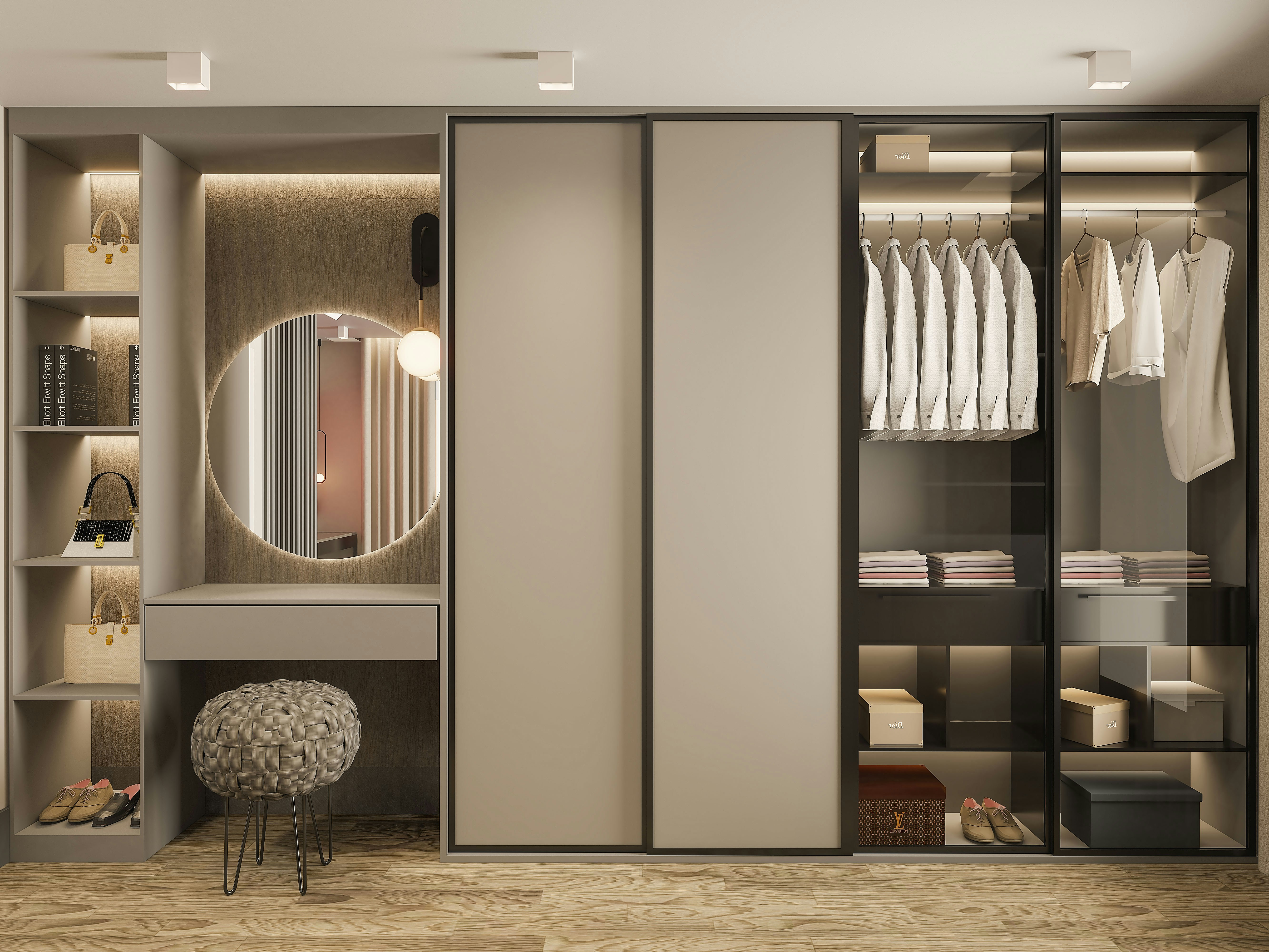
Sliding wardrobe designs save floor space and create a clean, modern look for compact bedrooms and apartments.
Explore elegant modular wardrobe inspiration for small bedrooms, apartments, and luxury homes in Gurgaon, Noida, and Delhi NCR.
Modular Wardrobe Design Cost for Small Bedrooms
The cost of modular wardrobe design depends on size, finish, storage customization, materials, and accessories.
Wardrobe Type
Estimated Cost Range
Sliding Door Wardrobe
₹80,000 – ₹3 Lakhs
Floor-to-Ceiling Wardrobe
₹1.5 Lakhs – ₹5 Lakhs
Luxury Modular Wardrobe
₹2 Lakhs – ₹8 Lakhs
Custom Walk-In Wardrobe
₹5 Lakhs – ₹15 Lakhs
Upgrade Your Bedroom with Smart Modular Wardrobes
Interior A to Z offers customized modular wardrobe design for small bedrooms with luxury finishes, intelligent storage layouts, and elegant modern interiors across Gurgaon, Noida, and Delhi NCR.
In small bedrooms, every inch of space matters. Modular wardrobe design offers a smart solution, providing customizable storage options that cater to individual needs. This approach not only optimizes space but also enhances the room’s overall aesthetic. The flexibility of modular systems allows homeowners to mix and match components according to their preferences, ensuring a perfect fit.
Benefits of Modular Wardrobes
One of the primary benefits of modular wardrobes is their adaptability. They can be tailored to any room size, making them ideal for compact living spaces. With various configurations available, you can maximize vertical space by incorporating shelves, hanging rods, and drawers that suit your lifestyle. Additionally, modular designs often come in a range of finishes and colors, allowing you to seamlessly integrate your wardrobe with existing décor.
Choosing the Right Components
When selecting elements for your modular wardrobe, consider what items you need to store. Pairing open shelving for shoes and accessories with closed cabinets for clothing maintains both accessibility and tidiness. Don’t forget to include features like mirrors and integrated lighting, which add functionality and create an illusion of spaciousness. Investing in high-quality materials will ensure durability and ease of use.
In conclusion, modular wardrobe design presents a practical and stylish option for small bedrooms. By understanding your storage needs and selecting the right components, you can create a space that is both organized and inviting.
Innovative Smart Home Interior Design Ideas for 2026
Innovative Smart Home Interior Design Ideas for 2026
Explore innovative smart home interior design ideas for 2026 with intelligent automation, luxury lighting systems, smart modular kitchens, voice-controlled technology, and elegant modern interiors for apartments and villas.
Why Smart Home Interior Design Is Trending in 2026
Smart home interior design ideas for 2026 combine luxury aesthetics with advanced technology, intelligent automation, energy efficiency, and seamless modern living experiences.
Smart Living Room Interiors
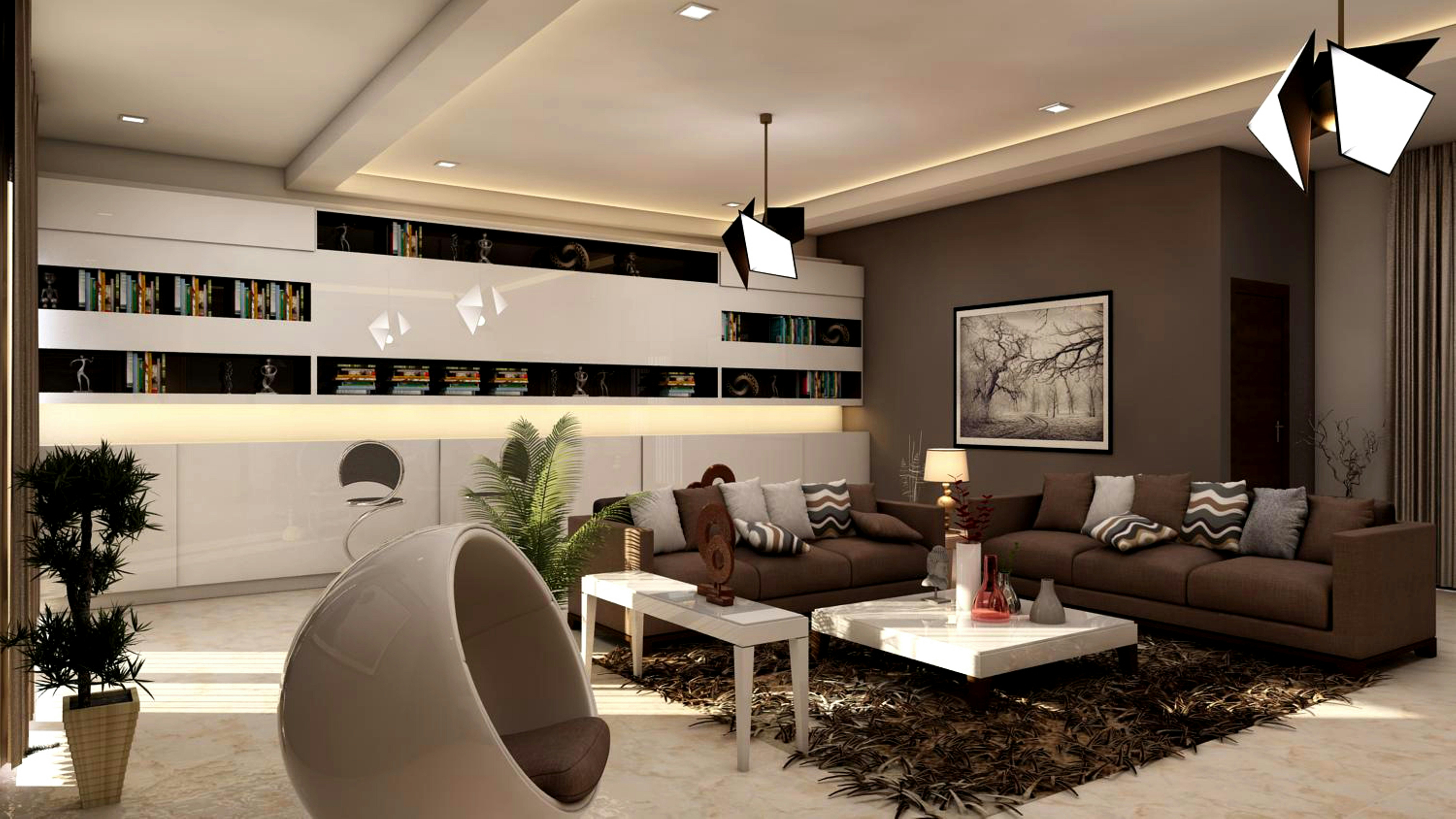
Luxury smart living rooms with voice-controlled lighting, automated curtains, ambient mood systems, and premium entertainment setups.
Modern smart home interiors focus on comfort, automation, sustainability, and luxury aesthetics while improving daily living experiences for homeowners.
Explore innovative smart home interior inspiration for luxury apartments, villas, and modern homes in Gurgaon, Noida, and Delhi NCR.
Estimated Smart Home Interior Design Cost in 2026
The cost of smart home interiors depends on automation level, smart devices, customization, premium finishes, and property size.
Smart Interior Component
Estimated Cost Range
Smart Living Room Setup
₹2 Lakhs – ₹8 Lakhs
Smart Modular Kitchen
₹5 Lakhs – ₹18 Lakhs
Smart Lighting Automation
₹1 Lakh – ₹5 Lakhs
Complete Smart Home Interior
₹15 Lakhs – ₹60 Lakhs
Upgrade Your Home with Smart Luxury Interior Design
Interior A to Z offers innovative smart home interior design ideas for 2026 with intelligent automation, luxury aesthetics, modern layouts, and turnkey execution services across Gurgaon, Noida, and Delhi NCR.
As we approach 2026, the world of smart home interior design is evolving rapidly. Homeowners are seeking innovative solutions that combine style with technology. Embracing smart home features can enhance comfort, convenience, and overall aesthetics in your living space.
Smart Furniture Choices
One of the leading trends in 2026 is the integration of smart furniture into home design. This includes pieces like smart sofas that adjust to your preferences or coffee tables with embedded charging pads. Such choices not only add a modern touch but also promote functionality in compact spaces. Look for furniture that incorporates technology seamlessly, ensuring that your home stays stylish and efficient.
Eco-Friendly Smart Features
Incorporating eco-friendly smart appliances is another compelling idea for your interior design. Energy-efficient lighting systems and smart thermostats can dramatically reduce energy consumption. Moreover, sensors that optimize natural light usage during the day contribute to a sustainable environment. These elements not only enhance design but support a greener lifestyle.
Creating Connected Spaces
Designing connected spaces is essential for a smart home in 2026. Think about how different areas of your home can interact with each other through smart technology. For instance, a smart kitchen can communicate with your living room to adjust lighting or music according to your activities. This interconnectedness can foster a sense of harmony and modern living.
Luxury Home Renovation Ideas for Delhi Apartments | Modern Interior Upgrades
Luxury Home Renovation Ideas for Delhi Apartments
Discover luxury home renovation ideas for Delhi apartments with elegant living rooms, premium modular kitchens, luxury bedrooms, smart storage concepts, and modern apartment transformation solutions.
Why Luxury Apartment Renovation Is Trending in Delhi NCR
Luxury home renovation ideas for Delhi apartments focus on improving aesthetics, comfort, functionality, and property value with premium interior upgrades and customized modern designs.
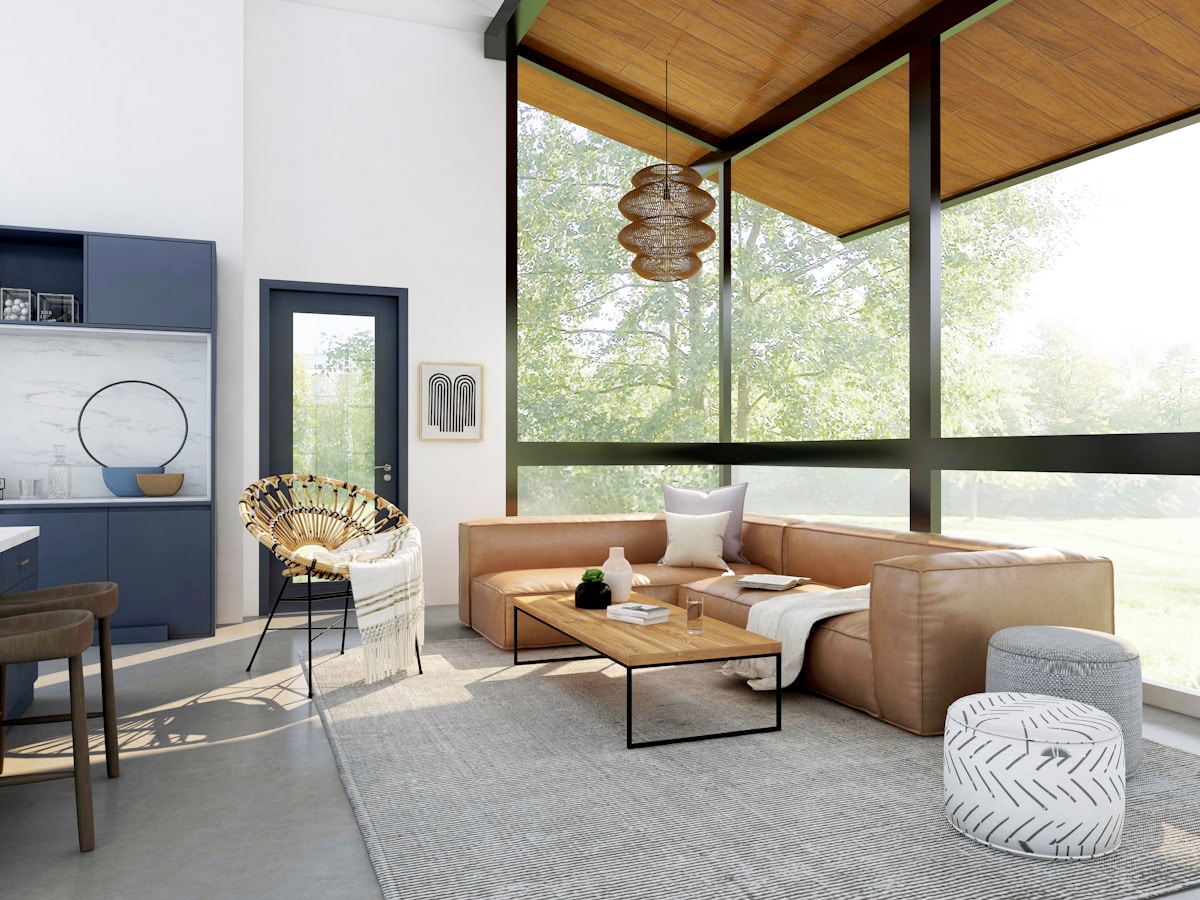
Luxury Living Room Renovation
Modern living room renovation ideas with premium furniture, designer lighting, wall panels, and elegant décor concepts.
Best Luxury Home Renovation Ideas for Delhi Apartments
Luxury apartment renovation projects combine modern functionality with elegant aesthetics to create sophisticated living environments for urban homeowners.
Explore elegant renovation inspiration for luxury apartments and modern homes in Delhi NCR, Gurgaon, and Noida.
Luxury Apartment Renovation Cost in Delhi NCR
The cost of luxury apartment renovation depends on apartment size, material selection, customization level, and renovation scope.
Renovation Type
Estimated Cost Range
Luxury Living Room Renovation
₹2 Lakhs – ₹8 Lakhs
Premium Modular Kitchen Renovation
₹4 Lakhs – ₹15 Lakhs
Luxury Bedroom Renovation
₹2 Lakhs – ₹7 Lakhs
Complete Luxury Apartment Renovation
₹12 Lakhs – ₹40 Lakhs
Transform Your Delhi Apartment with Luxury Renovation Ideas
Interior A to Z offers customized luxury apartment renovation services with elegant interiors, premium materials, modern layouts, and turnkey execution across Delhi NCR, Gurgaon, and Noida.
Renovating your Delhi apartment can be an exciting venture, especially when you consider luxury home renovation ideas that elevate both style and functionality. Whether you’re looking to create a lavish retreat or a sophisticated living space, there are several strategies you can employ to achieve an opulent atmosphere.
Innovative Design Concepts
One of the best luxury home renovation ideas involves incorporating modern design concepts into your apartment. Open floor plans, high ceilings, and large windows invite natural light and create an airy ambiance. Consider using glass partitions to separate spaces without compromising on light. Additionally, using premium materials like marble and hardwood will enhance the luxurious feel of your home.
Personalized Luxury Elements
When brainstorming luxury home renovation ideas, don’t forget to infuse your personal style into the renovations. Custom furnishings—like built-in storage solutions or handcrafted cabinetry—add a unique touch to your living spaces. Moreover, select high-end appliances and fixtures for your kitchen and bathroom to foster both elegance and practicality. Attention to detail, such as luxurious textiles for cushions and curtains, makes a remarkable difference in finishing touches.
Choosing a cohesive color palette is also essential. Stick to neutral tones for a sophisticated backdrop, accented by bold colors or patterns in your décor. Remember, the goal is to create a harmonious environment that resonates with your lifestyle while embodying luxury.
Exploring Turnkey Luxury Interior Solutions in Delhi NCR
Exploring Turnkey Luxury Interior Solutions in Delhi NCR
Discover premium turnkey luxury interior solutions in Delhi NCR with customized home interiors, modular kitchens, elegant living rooms, luxury bedrooms, and smart home concepts for modern apartments and villas.
Why Turnkey Luxury Interior Solutions Are Trending in Delhi NCR
Turnkey luxury interior solutions in Delhi NCR provide complete interior execution services including design, planning, furniture, décor, lighting, modular installations, and project management for hassle-free luxury home transformations.
Luxury Living Room Interiors
Elegant turnkey living room interiors featuring premium furniture, modern layouts, ambient lighting, and sophisticated décor concepts.
Benefits of Turnkey Luxury Interior Solutions in Delhi NCR
Professional turnkey interior solutions help homeowners create premium living spaces with seamless project execution, personalized designs, and luxury aesthetics.
Explore premium turnkey luxury interior inspiration for apartments, villas, and modern homes in Delhi NCR, Gurgaon, and Noida.
Turnkey Luxury Interior Design Cost in Delhi NCR
The cost of turnkey luxury interiors depends on property size, customization level, premium materials, and project scope.
Interior Type
Estimated Cost Range
Luxury 2BHK Interior
₹8 Lakhs – ₹18 Lakhs
Luxury 3BHK Interior
₹15 Lakhs – ₹35 Lakhs
Luxury Villa Interior
₹35 Lakhs – ₹1 Crore+
Premium Modular Kitchen
₹5 Lakhs – ₹15 Lakhs
Transform Your Home with Turnkey Luxury Interior Solutions
Interior A to Z offers customized turnkey luxury interior solutions in Delhi NCR with elegant interiors, premium furniture, smart layouts, and complete execution services across Gurgaon, Noida, and Delhi NCR.
Turnkey luxury interior solutions represent a comprehensive approach to interior design, offering a complete package that encompasses every aspect of creating a luxurious living or working space. Unlike traditional interior design methods, which may involve piecemeal services and a select number of contractors, turnkey solutions provide a streamlined and cohesive process. This is particularly beneficial for affluent clients in the bustling Delhi NCR region, where there is a growing demand for high-end residential and commercial establishments.
The essence of turnkey luxury interior solutions lies in their all-inclusive nature. Clients are presented with a ready-to-use space wherein every detail, from consultations to final installations, is handled by a single entity. This minimizes the need for the client to coordinate between different service providers, thus saving time, effort, and often, the frustration that can accompany more traditional design approaches. In addition, this model tends to result in a more harmonized aesthetic, as the same team oversees the entire project, ensuring consistency in style and quality.
Furthermore, as the Delhi NCR area continues to thrive economically, businesses and homeowners alike are seeking interior solutions that are not only functional but also emblematic of luxury. Turnkey services cater specifically to these needs by offering customized interiors that reflect personal style, taste, and the latest design trends. With a focus on efficiency and luxury, these solutions are indeed becoming a preferred choice among discerning clients who wish to elevate their spaces effortlessly.
The Growing Demand for Luxury Interiors in Delhi NCR
The demand for luxury interior solutions in Delhi NCR has witnessed a significant surge in recent years. Several factors contribute to this growing interest, including rapid urbanization, increasing disposable incomes, and shifting lifestyle preferences among the region’s inhabitants. People are increasingly seeking homes that not only provide comfort but also reflect their personal style and social status.
Urbanization plays a pivotal role in this trend, with many individuals relocating to Delhi NCR from other parts of the country in search of better employment opportunities and living standards. This influx of new residents, alongside the rise of high-end property developments, has led to a corresponding increase in demand for luxurious interiors that cater to discerning tastes. The metropolitan area’s emerging skyline is dotted with upscale residential complexes and commercial establishments, emphasizing a lifestyle that prioritizes aesthetics and sophistication.
Moreover, the rising disposable incomes in the region empower residents to invest in luxury interiors. With the growth of the information technology and service sectors in Delhi NCR, salaries have increased, allowing more individuals to allocate funds toward creating lavish living environments. This financial capability is being matched by a growing interest in contemporary design and high-quality materials, which are often hallmarks of luxury interior solutions.
Changing lifestyle preferences also significantly influence this market. There is a noticeable shift towards more individualized and experiential living spaces. Consumers prioritize customization, demanding interior designs that reflect their unique personalities and preferences. Architects and designers are responding by offering tailored solutions that incorporate not only luxury materials but also smart home technologies, enhancing both functionality and aesthetics.
Overall, the increasing demand for luxury interiors in Delhi NCR is driven by a complex interplay of urbanization, economic growth, and evolving consumer preferences. This trend signals a promising future for businesses offering turnkey luxury interior solutions in the region.
Key Benefits of Turnkey Solutions
Opting for turnkey luxury interior solutions presents several key advantages that enhance the overall experience for clients. One of the primary benefits is time efficiency. With a turnkey option, clients can expect a streamlined process from design to execution, significantly reducing the time required to reach completion. Unlike traditional methods, where clients must coordinate multiple contractors and suppliers, a turnkey service consolidates these responsibilities under one provider, leading to quicker turnaround times.
Furthermore, turnkey solutions significantly alleviate the stress often associated with interior design projects. Clients are spared the complexities of managing multiple teams, schedules, and resources. Instead, they can enjoy a hassle-free experience as the turnkey provider handles all the intricate details of design, construction, and implementation. This level of convenience translates to a more pleasant journey, ultimately allowing clients to focus on the enjoyment of their new spaces.
Streamlined communication is another vital benefit of turnkey luxury interior solutions. Clients have a single point of contact, which simplifies the flow of information and clarifies expectations. This direct line minimizes the chances of miscommunication and misunderstandings that can arise when dealing with various parties. As a result, clients can routinely check in on progress without navigating a web of contacts.
Additionally, cohesive design execution is more attainable with turnkey solutions. Since all elements are designed and executed by one team, clients benefit from a unified aesthetic and quality throughout the project. Importantly, there are financial implications to consider as well. Turnkey options often provide cost-saving opportunities by reducing overhead costs associated with project management and ensuring that materials are sourced efficiently. All these benefits combined make turnkey luxury interior solutions an appealing option for clients looking to elevate their living spaces in Delhi NCR.
Components of Turnkey Interior Solutions
Turnkey luxury interior solutions offer a comprehensive approach to interior design, ensuring that every aspect of a project is seamlessly integrated for the benefit of the client. The key components that constitute these solutions include design, procurement, installation, and project management. Each of these components plays a vital role in creating an elevated living or working space tailored to the client’s specific needs.
The design phase is the foundation of any turnkey project. Here, interior designers collaborate with clients to understand their vision and requirements, translating these into detailed plans and aesthetics that align with current trends and personal preferences. This phase often involves the selection of color palettes, materials, furniture, and layouts, ensuring each element complements the overall design philosophy.
Following the design, the procurement process takes center stage. This involves sourcing high-quality materials and furnishings that match the design specifications. It is essential for the turnkey provider to have established relationships with trusted suppliers, ensuring that all components are readily available and within budget. Efficient procurement minimizes delays, helping maintain the timeline of the project.
Next is the installation phase, where the real transformation occurs. Skilled professionals are brought in to implement the design, ensuring that every detail is executed to perfection. This includes everything from structural modifications to the final placement of decorative items. A well-managed installation not only enhances the aesthetic appeal but also assures the functionality of the space.
Lastly, project management ties all components together. A dedicated project manager oversees the entire process, coordinating between designers, contractors, and suppliers. This ensures timely completion and adherence to the budget, enabling a smooth and harmonious experience for the client. By efficiently managing each component of turnkey luxury interior solutions, clients can enjoy their beautifully crafted spaces without the hassle of dealing with multiple service providers.
Popular Design Trends in Luxury Interiors
In the ever-evolving landscape of luxury interiors in Delhi NCR, several design trends have emerged as defining characteristics of contemporary living. A significant trend that has gained popularity is minimalism. This style emphasizes simplicity, clean lines, and an uncluttered aesthetic, allowing for a serene atmosphere that reflects sophistication. Neutral color palettes paired with strategic splashes of color through art or accents often characterize minimalist interiors, enhancing openness and light.
Contrasting with minimalism, the maximalist approach is also making waves in luxury designs. Maximalism celebrates abundance, using rich textures, vibrant colors, and various patterns to create eclectic and personalized spaces. This trend invites homeowners to showcase their individuality, often incorporating vintage items and bespoke furnishings to craft a unique narrative within their interiors. Creative layering of materials, such as combining velvet with metals and woods, is a hallmark of this bold style.
Contemporary design remains another favored choice among luxury interior enthusiasts. By integrating the latest technological advancements with innovative design elements, contemporary interiors often feature open layouts, sleek surfaces, and a blend of comfort and functionality. Popular materials such as glass, steel, and polished concrete allow for an impressive yet inviting space, establishing a seamless connection between the indoor and outdoor environments.
Traditional styles continue to hold their charm, characterized by elegance and intricate details. Many luxury interiors utilize classic design elements, such as ornate moldings, antique furniture, and rich color schemes, reflecting historical influences. Color palettes often lean toward deep hues such as burgundy and navy combined with warm woods, fostering a sense of grandeur and timelessness.
As homeowners increasingly personalize their spaces, understanding these popular design trends in luxury interiors is essential for creating harmonious and stylish environments that resonate with their preferences and lifestyles.
Choosing the Right Turnkey Interior Solution Provider
When venturing into the realm of luxury interiors, selecting the right turnkey interior solution provider is crucial. These professionals will not only design your space but also manage all aspects of the project, ensuring a seamless transformation. To make an informed decision, the initial step involves evaluating the provider’s portfolio. Review previous projects to gauge their design style and flexibility, noting whether it aligns with your personal taste. A diverse portfolio can indicate the provider’s adaptability to various client preferences.
Moreover, checking client testimonials can offer valuable insights into the provider’s reliability and quality of service. Reading feedback from past clients enables you to understand the experiences others have had, which can significantly influence your decision. Look for testimonials that specifically mention the provider’s professionalism, adherence to timelines, and overall satisfaction with the finished project.
Understanding the range of services offered is another key factor. A comprehensive turnkey solution may include design, material selection, project management, and post-completion support. Ensure that the provider you choose encompasses all these elements, as it can save you time and effort throughout the project. Detailed discussions about what is included in their service package will help clarify expectations.
Finally, the importance of personal rapport cannot be understated. Establishing a connection with the provider can lead to better communication and understanding of your vision. Schedule initial meetings to assess their responsiveness and willingness to listen to your ideas. Building a good working relationship can contribute significantly to a successful project outcome. By taking these factors into account, you can effectively choose a turnkey interior solution provider that aligns with your project goals, ensuring your luxury interior space is realized beautifully.
Case Studies of Successful Projects in Delhi NCR
In the realm of luxury interior design, turnkey solutions offer a comprehensive approach that integrates all aspects of a project from conceptualization to execution. This section delves into several notable case studies in Delhi NCR that exemplify the effectiveness and appeal of turnkey luxury interior solutions.
One remarkable project involved transforming a sprawling villa in Gurugram. The client sought an elegant yet functional space that would cater to both family gatherings and formal events. The design process commenced with extensive consultations to understand the client’s vision and preferences, followed by the creation of detailed design plans. Despite facing the challenge of tight deadlines, the team implemented innovative project management strategies, ensuring timely completion. The final outcome was a harmonious blend of opulence and comfort, featuring bespoke furniture and an exquisite color palette that reflected the client’s personality.
Another significant example comes from a high-end apartment in Noida. The client wanted a modern aesthetic that embodied sophistication and luxury. The design team conducted a thorough site analysis, identifying potential challenges such as spatial limitations. Utilizing cutting-edge technologies in space planning, they devised a solution that maximized both usability and style. The project featured a seamless integration of smart home technology, which not only enhanced convenience but also added an edge of contemporary flair. Upon completion, the apartment showcased an inviting ambiance, with custom cabinetry and high-end finishes elevating the overall look.
Both projects not only highlight the adaptability and creativity inherent in turnkey luxury interior solutions but also reflect the need for skilled professionals who can navigate challenges while fulfilling client expectations. These case studies serve as a testament to the transformative power of effective interior design in the luxury sector, particularly within the dynamic regions of Delhi NCR.
Sustainability in Luxury Interior Design
The concept of sustainability is increasingly becoming a cornerstone in the practice of luxury interior design. As global awareness around environmental issues intensifies, clients expect their spaces to not only reflect their personal aesthetic but also align with eco-friendly principles. Turnkey solution providers in Delhi NCR are embracing this shift by employing sustainable design strategies that prioritize both luxury and environmental responsibility.
One primary approach among these providers is the utilization of eco-friendly materials. This may include sourcing products made from reclaimed, renewable, or recycled materials, which significantly reduces the ecological footprint of each project. Paints, finishes, and textiles are now frequently selected for their low volatile organic compound (VOC) content, thereby improving indoor air quality and minimizing harmful emissions. Moreover, luxury designers often seek certifications such as LEED (Leadership in Energy and Environmental Design) to ensure that their offerings meet high sustainability standards.
In addition to materials, sustainable design principles often extend to the way spaces are planned and utilized. Turnkey interior designers now incorporate energy-efficient lighting and appliances, as well as innovative solutions that optimize natural light and ventilation. These practices not only enhance the comfort of the space but also lead to long-term energy savings, reflecting a comprehensive commitment to both luxury and sustainability.
Furthermore, biophilic design, which emphasizes the connection between nature and indoor environments, is gaining traction. Elements such as living walls, indoor gardens, or the inclusion of large windows to bring in natural vistas not only beautify a space but also support mental well-being. This holistic approach to luxury interior design is indeed a manifestation of a growing societal expectation; clients are increasingly looking to invest in homes that represent their values, including a commitment to sustainability.
Conclusion: The Future of Turnkey Luxury Interiors in Delhi NCR
The landscape of turnkey luxury interiors in Delhi NCR is rapidly evolving, influenced by a variety of emerging trends and consumer preferences. As the region experiences a growing demand for bespoke design solutions, the turnkey model offers an appealing blend of convenience and unmatched quality. The shift towards customization reflects the changing lifestyle aspirations of homeowners who are increasingly prioritizing personal expression within their living spaces.
Technological advancements are playing a significant role in shaping the future of luxury interiors. Innovations such as 3D visualization and augmented reality are enhancing the design experience, enabling clients to engage with concepts before implementation. These technologies allow for a seamless integration of aesthetic preference and functional design, ensuring that the final product meets the exact needs of the customer.
Moreover, sustainability is becoming an essential consideration in luxury interior projects. As awareness of environmental issues grows, consumers are seeking sustainable materials and practices in their interior designs. This shift is pushing designers and turnkey solution providers to adopt eco-friendly methods, thus merging luxury with sustainability. The incorporation of local artisans and materials not only supports regional economies but also adds a unique touch to luxury interiors.
In conclusion, the future of turnkey luxury interiors in Delhi NCR appears promising. As consumer preferences continue to evolve, driven by a desire for individuality, sustainability, and technology-driven solutions, the turnkey model will likely adapt and thrive. Stakeholders in the industry must remain vigilant, embracing new trends and innovations to cater to the discerning tastes of a modern clientele. The capacity to deliver luxurious yet functional spaces will dictate success in this dynamic and competitive market.
Exploring Bespoke Interior Design Services in Gurgaon for Luxury Homes
Exploring Bespoke Interior Design Services in Gurgaon
Discover bespoke interior design services in Gurgaon with customized luxury interiors, premium furniture, elegant living rooms, modular kitchens, and smart home concepts for modern apartments and villas.
Why Bespoke Interior Design Services Are Trending in Gurgaon
Bespoke interior design services in Gurgaon focus on personalized interiors that reflect individual lifestyles, premium aesthetics, and modern functionality for luxury homes and apartments.
Customized Living Room Interiors
Luxury living room interiors designed with elegant furniture, premium wall textures, ambient lighting, and bespoke décor concepts.
Benefits of Bespoke Interior Design Services in Gurgaon
Professional bespoke interior design services help homeowners create elegant and personalized living spaces with premium aesthetics, functionality, and smart planning.
Customized interior concepts tailored to lifestyle
Explore elegant bespoke interior inspiration for luxury apartments, villas, and modern homes in Gurgaon, Noida, and Delhi NCR.
Transform Your Home with Bespoke Interior Design Services
Interior A to Z offers customized bespoke interior design services in Gurgaon with luxury interiors, premium décor, elegant furniture, and turnkey execution solutions across Gurgaon, Noida, and Delhi NCR.
Bespoke interior design represents a tailored approach to creating living and working environments that reflect the unique preferences and lifestyles of individual clients. Unlike conventional interior design, which often relies on standardized elements and templates, bespoke design emphasizes personalization and custom solutions. This method starts with in-depth consultations that encourage open dialogue between the designer and the client, allowing for a rich exchange of ideas and requirements.
In a bespoke interior design process, every detail is meticulously crafted to ensure that the space not only meets practical needs but also embodies the personality of its inhabitants. This intricacy involves selecting materials, colors, furniture, and decor that resonate with the client’s vision. The designer often collaborates closely with craftsmen and artisans to create unique pieces that cannot be found in retail markets, thereby elevating the design experience to one that is truly one-of-a-kind.
Furthermore, this bespoke approach diverges significantly from traditional designs by prioritizing client involvement throughout the project lifecycle. Clients are encouraged to participate actively in decisions, ensuring the finished space authentically reflects their aesthetics and functional preferences. This collaboration often leads to a deeper emotional connection with the space, making it not just a visual representation but also a haven that captures the essence of the client’s lifestyle.
Ultimately, bespoke interior design is about creating spaces that are seamlessly integrated into the lives of the individuals who inhabit them, offering a harmonious blend of beauty and utility. In an increasingly homogenous world, bespoke design stands as a testament to individuality, emphasizing that no two spaces—and no two clients—are alike.
The Rise of Bespoke Interior Design in Gurgaon
In recent years, the city of Gurgaon has witnessed a significant surge in the demand for bespoke interior design services. This trend can be attributed to several interrelated factors that reflect the evolving preferences of residents and the dynamic changes within the real estate market.
Firstly, the rapid growth of the real estate sector in Gurgaon has paved the way for new residential projects, catering primarily to a more affluent demographic. With numerous luxury apartments and gated communities emerging, homeowners are increasingly seeking unique and personalized spaces that not only enhance their lifestyle but also represent their individuality. The customization offered by bespoke interior design allows these residents to tailor their living environments to suit their tastes, ensuring that the aesthetics reflect modern design trends while embedding a sense of personal identity.
Secondly, the influx of affluent residents into Gurgaon, many of whom come from diverse cultural backgrounds, has contributed to the heightened interest in bespoke interior design. These individuals often possess a sophisticated appreciation for aesthetics and practicality, driving demand for interior design solutions that transcend conventional offerings. Consequently, designers in Gurgaon are now faced with the challenge of creating spaces that harmoniously blend functionality with distinctive design elements that resonate with the homeowner’s personal style.
Moreover, the desire for personalized living spaces reflects a broader trend towards individualism within society. As people increasingly seek to express themselves through their homes, bespoke interior design services provide an ideal solution for creating environments that are both stylish and functional. This shift towards customization is not merely a passing trend; rather, it signifies a deeper cultural movement where the creation of unique spaces is celebrated. In light of these developments, the rise of bespoke interior design in Gurgaon is expected to continue, adapting to the evolving needs of its residents.
Benefits of Choosing Bespoke Interior Design Services
Opting for bespoke interior design services provides a multitude of advantages that cater specifically to individual needs and preferences. Unlike mass-produced designs, bespoke solutions are customized to reflect the unique style and requirements of each client. This personalized approach ensures that every aspect, from layout to color schemes, is tailored to create a harmonious living or working space.
One significant benefit of bespoke interior design lies in the quality of materials used. Professionals in this field prioritize high-quality materials that are not only aesthetically pleasing but also durable and sustainable. This commitment to quality results in spaces that not only look exceptional but also stand the test of time, thereby reducing the need for frequent renovations and replacements.
Furthermore, skilled craftsmanship is a hallmark of bespoke interior design services. Designers often collaborate with talented artisans who possess specialized skills. This collaboration leads to the creation of unique furniture pieces and decorative elements that cannot be replicated through mass production. As a result, clients receive truly one-of-a-kind designs that can significantly enhance the overall ambiance of their spaces.
In addition to aesthetic appeal, bespoke designs can also increase property value. When a property features custom design elements and high-quality finishes, it attracts higher offers and potential buyers in the real estate market. This investment in personalized design pays dividends, making it a valuable choice for homeowners looking to enhance their properties.
Moreover, bespoke interior designs meticulously balance functionality and aesthetics. Professionals take into account not just how a space looks, but also how it will be used daily. The result is an environment that not only meets visual standards but is also practical and comfortable, improving the overall quality of life for those who inhabit it.
Key Features of Bespoke Interior Design Services
Bespoke interior design services stand out for their unique, tailored approach, prioritizing the client’s individual needs and preferences. One of the foundational elements of these services is the emphasis on detailed client consultations. Designers engage in in-depth discussions with clients to fully understand their vision, functional requirements, and lifestyle. This initial dialogue ensures that the design concept aligns perfectly with the client’s expectations, setting the stage for a highly personalized experience.
Another hallmark feature of bespoke interior design is the creation of custom furniture and decor. Unlike standard offerings from mass market retailers, bespoke services deliver specially crafted pieces that fit the residential or commercial space uniquely and aesthetically. This customization extends to selecting materials, colors, and finishes, further enhancing the individuality of the project. These distinctive elements contribute to the overall atmosphere and functionality of the environment, promoting the ideal balance of style and comfort.
Attention to architectural details also plays a crucial role in bespoke interior design. Designers delve into the intricate aspects of the space, ensuring that every feature—from moldings to lighting fixtures—harmonizes with the overall design intent. This meticulous focus on detail not only elevates the visual appeal but also maximizes the potential for a cohesive and inviting environment.
Finally, the iterative design process is an essential characteristic of bespoke services. Throughout the project, client feedback is actively sought and incorporated, allowing for continuous adjustments that reflect the evolving vision. This collaborative approach fosters a dynamic relationship between the client and designer, ultimately leading to a finished product that authentically represents the client’s desires and needs.
Popular Styles in Bespoke Interior Design
In Gurgaon, the realm of bespoke interior design encompasses a myriad of styles, reflecting the diverse tastes of its residents and the unique character of each space. Among the most prevalent styles are contemporary, minimalist, industrial, and traditional aesthetics. Each of these styles brings distinct elements that cater to varying preferences, yet they often intertwine to create unique living environments.
Contemporary interior design is characterized by its clean lines, neutral color palettes, and the incorporation of natural light. It emphasizes a balance between aesthetics and functionality, often utilizing modern materials such as glass and steel. This style is perfect for homeowners seeking a sophisticated yet inviting atmosphere.
Minimalist design, closely associated with contemporary aesthetics, focuses on simplicity and clutter-free surroundings. Using a more restrained approach, minimalist interiors prioritize essential elements while eliminating superfluous ornamentation. As a result, spaces feel open and airy, promoting a sense of calm and tranquility.
On the other hand, industrial design draws inspiration from warehouses and factories, showcasing raw materials such as exposed brick, metal, and wood. This style celebrates authenticity and character, introducing an edgy vibe often sought after by urban dwellers. The fusion of vintage elements with modern touches creates a striking visual contrast that resonates well with many clients.
Traditional aesthetics, steeped in historical influences, incorporate rich wood finishes, ornate details, and a warm color palette. This approach appeals to those who appreciate timeless elegance and comfort, often resulting in spaces that feel both inviting and refined.
The versatility of bespoke interior designers in Gurgaon enables them to skillfully blend these styles, catering to individual tastes and preferences. By doing so, they deliver custom solutions that not only enhance functionality but also reflect the unique personalities and lifestyles of their clients.
The Process of Working with a Bespoke Interior Designer
Engaging a bespoke interior designer involves a well-structured workflow designed to ensure that clients’ visions are translated into tangible designs. The first step in this process is the initial consultation, where the designer meets with the client to discuss their needs, preferences, and lifestyle. This phase is crucial, as it sets the foundation for the entire project and allows the designer to gain insights into the client’s aesthetic sensibilities. Questions about functionality, spatial planning, and inspiration sources also arise during this meeting.
Following the initial consultation, the designer enters the conceptual design stage. Here, the designer develops preliminary concepts that incorporate the client’s preferences and ideas. Mood boards, sketches, and 3D renderings may be provided, offering a clear visual representation of the proposed designs. This stage emphasizes collaboration; feedback is essential to refine concepts and ensure alignment with the client’s vision.
Once the conceptual design is approved, the next phase involves material selection. The designer guides the client through a range of options for upholstery, flooring, finishes, and fixtures that complement the design theme. This process is vital, as it defines the tactile and aesthetic qualities of the space. The designer’s expertise helps ensure that all materials are not only visually appealing but also practical and sustainable.
With materials finalized, the execution phase commences. The interior designer manages the project, coordinating with contractors and vendors to bring the design to life. This phase involves careful monitoring of timelines and budgets, ensuring that the project progresses smoothly while maintaining open lines of communication with the client.
Finally, the project culminates in the final touches, where the designer adds the last decorative elements that elevate the space. This may include artwork, plants, and accessories that contribute to the functionality and aesthetic of the design. Overall, the bespoke interior design process is characterized by a commitment to collaboration and communication, ensuring that the client’s unique vision is fully realized.
Finding the Right Bespoke Interior Designer in Gurgaon
Selecting an appropriate bespoke interior designer in Gurgaon is a significant step towards achieving a personalized living space. The first factor to consider is the designer’s portfolio. A portfolio showcases the style, creativity, and competence of the designer. Review their previous projects to assess if they possess the ability to interpret distinct tastes and preferences, which is critical for bespoke interior design.
Next, client reviews serve as valuable insights into a designer’s reliability and professionalism. Searching for testimonials and feedback can reveal previous client experiences, shedding light on how well designers meet expectations regarding deadlines, budget management, and overall customer satisfaction. Look for designers who not only possess technical skill but also maintain a strong relationship with their clients throughout the design process.
The design approach of the interior designer is also crucial. Different designers may employ various methodologies, from traditional to modern aesthetics. It is vital to choose a designer whose approach resonates with your vision, ensuring a harmonious outcome. This alignment of design philosophy can significantly enhance the creative process.
Moreover, it’s essential to gauge how well you establish rapport with your selected designer. A positive and open communication channel can facilitate a smoother workflow and ultimately result in a design that truly reflects your personality and lifestyle. A designer who understands your vision can provide tailored solutions, ensuring the final output exceeds your expectations.
In conclusion, finding the right bespoke interior designer in Gurgaon requires thorough evaluation of their portfolio, consideration of client reviews, alignment with design approaches, and establishing a good rapport. Taking these aspects into account will assist you in making an informed decision that leads to a successful interior transformation.
Budgeting for Bespoke Interior Design Projects
When embarking on a bespoke interior design project, effective budgeting is critical to ensuring a seamless transformation of your space. Establishing a realistic budget involves a comprehensive understanding of the various elements that influence cost and the potential value it can bring. One of the primary considerations is the scope of work involved in the design. This includes factors such as the size of the area to be redesigned, the complexity of the design, and whether structural changes are required. Each of these elements can significantly affect the overall cost of the project.
Another key aspect to consider is the quality and type of materials used. Opting for premium finishes or sustainable materials can elevate the design but also comes with a higher price tag. It is essential to evaluate what aspects are most important to you—be it aesthetics, durability, or eco-friendliness—and balance these preferences against your budget to achieve the best possible outcome without financial strain.
Labor costs can also vary widely based on the expertise of the interior designers and contractors involved. Hiring established professionals may incur higher fees, yet their experience can lead to a smoother process and a more refined final product. Therefore, consider allocating a portion of your budget for professional costs, as skilled designers can often provide innovative solutions that enhance both functionality and style.
Finally, it is important to recognize the return on investment (ROI) associated with well-executed bespoke interior design projects. A thoughtfully designed space can significantly improve property value, enhance functionality, and enrich the overall living experience. By approaching your budgeting process with diligence and a clear understanding of your priorities, you can ensure that your bespoke interior design project is not only aesthetically pleasing but also financially sound.
Conclusion: Why Invest in Bespoke Interior Design?
Investing in bespoke interior design services offers a unique opportunity to create spaces that are not only visually appealing but also tailored to meet individual needs and preferences. In an era where personalization is paramount, bespoke design stands out by enabling homeowners and businesses to transform their environments into reflections of their personalities and lifestyles. The customization inherent in bespoke interior design ensures that every element, from color schemes to furniture choices, complements the client’s vision and enhances the overall ambiance of the space.
Moreover, a well-designed environment contributes to functionality and comfort. Bespoke services consider the specific requirements of the occupants, ensuring optimal use of space, better organization, and strategic placement of elements. Such thoughtful planning can significantly improve daily activities, making spaces more accommodating and enjoyable for everyone who uses them.
Furthermore, the impact of bespoke interior design extends beyond mere aesthetics. A professionally designed environment can significantly increase the value of a property. Whether it is a residential home or a commercial space, clients who invest in bespoke design often see substantial returns on their investment. A beautifully executed design not only attracts potential buyers or tenants but can also command higher market prices, solidifying the financial benefits of engaging with bespoke design services.
In conclusion, the importance of bespoke interior design cannot be understated. It marries functionality with artistry, creating environments that are as practical as they are appealing. By choosing bespoke interior design services, individuals invest in their quality of life and enhance the value of their properties. This investment ultimately leads to enriched living experiences and greater satisfaction with one’s environment.
When it comes to designing a contemporary luxury living room, the goal is to strike the perfect balance between elegance, comfort, and style. Modern luxury living spaces often feature clean lines and sophisticated color palettes. To see how these elements fit into the broader landscape, explore our Top 5 Interior Design Trends for 2026.
Choosing the Right Color Scheme
A key aspect of luxury interiors is selecting a cohesive color scheme. Neutral tones provide a serene environment, but understanding the investment required is equally important—check our Delhi NCR Interior Design Cost Guide 2026 for detailed pricing. For those looking to extend this luxury to the heart of the home, see our 2026 kitchen trends.
Incorporating Textures and Patterns
Textures play a crucial role in enhancing the appeal of luxury living room interiors. Combining plush velvet, sleek leather, and textured rugs adds depth. To perfectly highlight these textures, the right lighting is essential—discover our lighting ideas for 2026 to complete your sophisticated aesthetic.
Luxury Bedroom Interior Design for Apartments | Modern Bedroom Ideas
Luxury Bedroom Interior Design for Apartments
Explore elegant luxury bedroom interior design ideas with premium furniture, customized wardrobes, ambient lighting, modern décor, and sophisticated apartment bedroom concepts for homes in Gurgaon, Noida, and Delhi NCR.
Luxury bedroom interior design for apartments focuses on comfort, elegance, functionality, and premium aesthetics to create relaxing and stylish living spaces for modern urban homes.
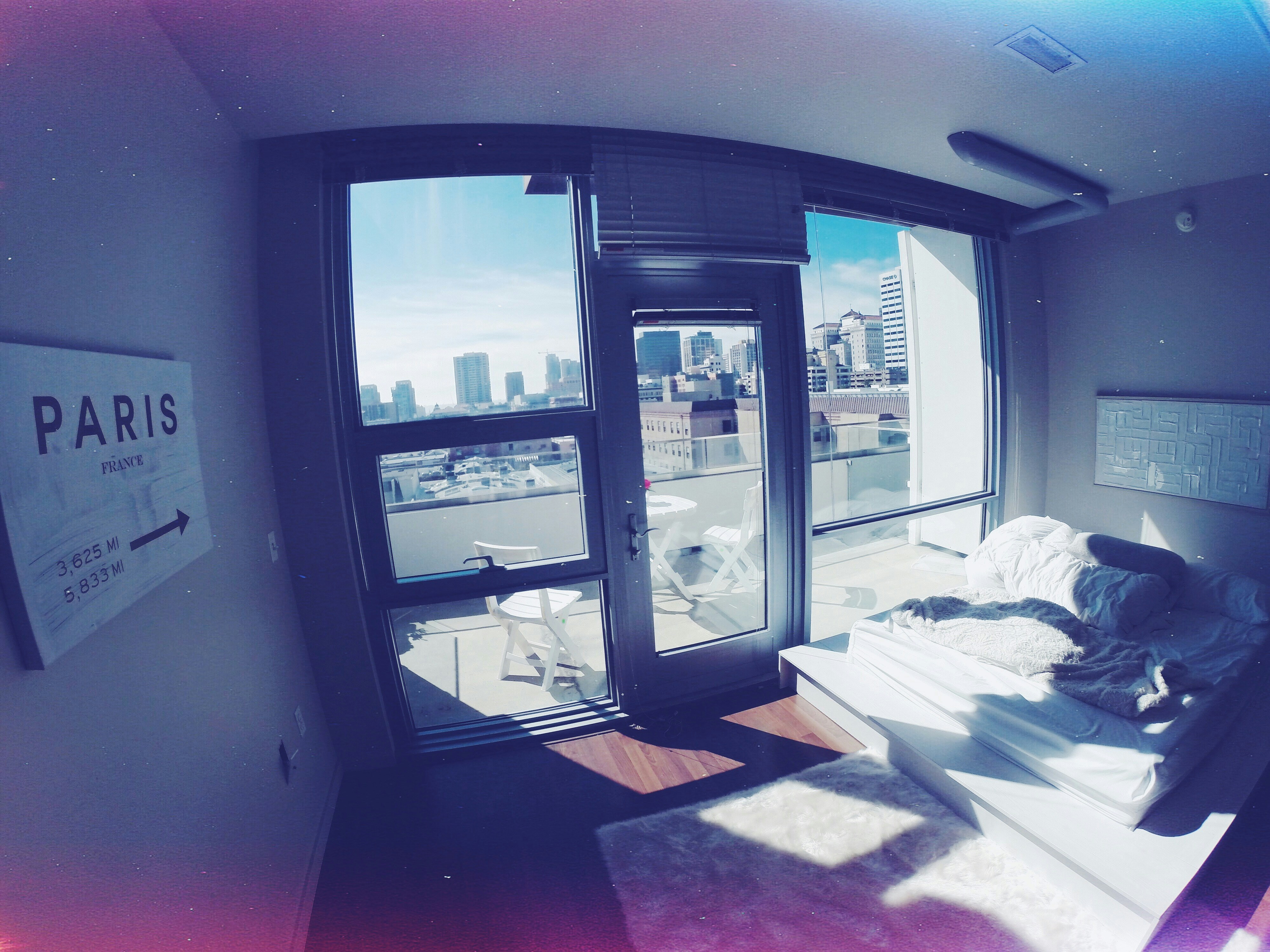
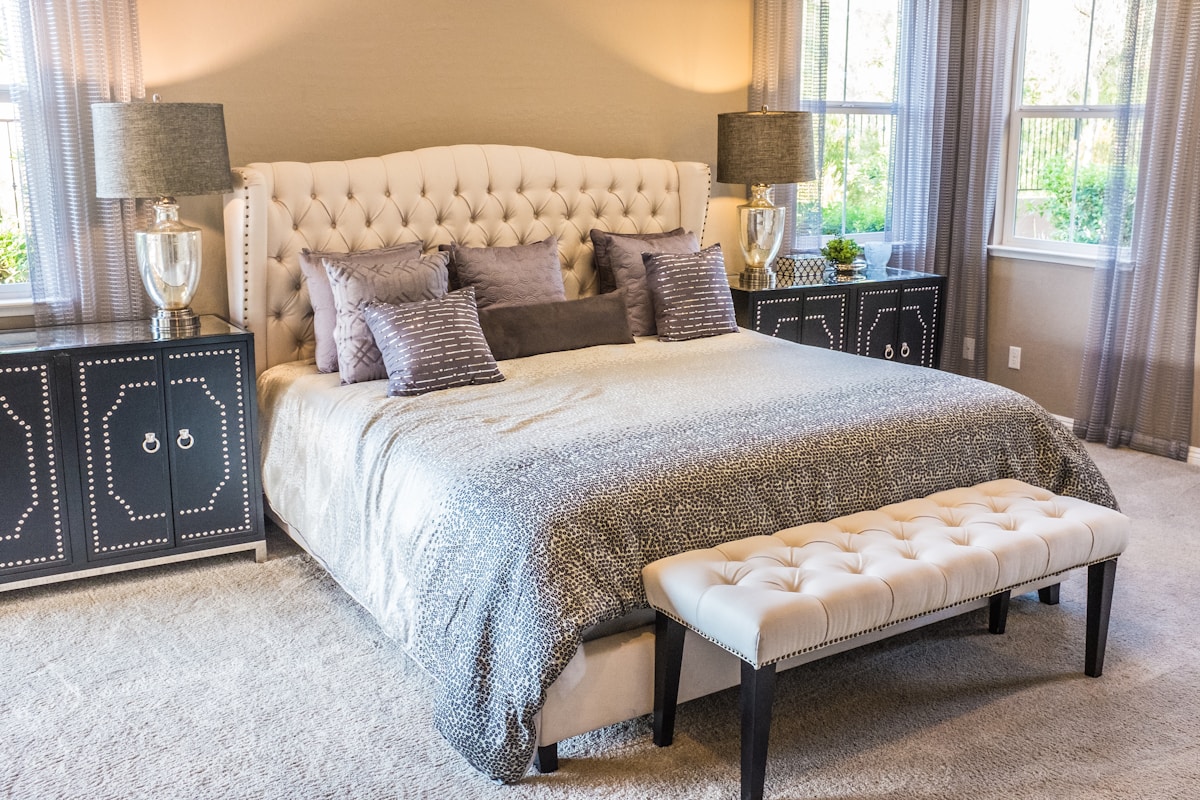
Modern Luxury Bedrooms
Elegant bedroom interiors with premium furniture, designer lighting, textured walls, and customized décor concepts.
Explore premium bedroom interior inspiration for luxury apartments and modern homes in Gurgaon, Noida, and Delhi NCR.
Luxury Bedroom Interior Design Cost
The cost of luxury bedroom interiors depends on customization level, premium materials, furniture selection, and design complexity.
Bedroom Interior Type
Estimated Cost Range
Luxury Master Bedroom
₹3 Lakhs – ₹10 Lakhs
Premium Wardrobe Design
₹1.5 Lakhs – ₹6 Lakhs
Luxury False Ceiling Design
₹80,000 – ₹3 Lakhs
Customized Bedroom Furniture
₹2 Lakhs – ₹8 Lakhs
Transform Your Apartment Bedroom with Luxury Interiors
Interior A to Z offers customized luxury bedroom interior design for apartments with premium furniture, elegant lighting, modern wardrobes, and turnkey execution services across Gurgaon, Noida, and Delhi NCR.
Luxury bedroom design transcends mere aesthetics; it encapsulates a lifestyle that prioritizes comfort, sophistication, and individuality within the confines of apartment living. In a space where every square foot counts, transforming a bedroom into a luxury retreat involves a meticulous combination of elements that reflect both opulence and functionality. The essence of luxury in bedroom design can be captured through the use of high-quality materials. Rich fabrics such as silk, velvet, and fine cotton, paired with solid hardwood or polished stone finishes, immediately evoke a sense of refinement and warmth.
Thoughtful layout plays a crucial role in luxury bedroom design, emphasizing both open spaces and intimate corners. A well-structured design ensures that each element serves a purpose while contributing to the overall ambiance of tranquility. Placing furniture thoughtfully allows for easy movement and accessible storage, which is vital in apartment settings where space may be limited. Additionally, considering the placement of natural light through large windows or skylights enhances the ambiance, allowing natural elements to mingle with luxurious materials.
Attention to detail further elevates the perception of luxury. This includes the selection of decorative accents—like unique lighting fixtures, artisanal artworks, or personalized accessories—that speak to the occupant’s style and preferences. Each piece should harmonize with the overall design, creating a cohesive and inviting retreat. Personal style should not be compromised in pursuit of luxury; rather, it should be embraced within the framework of luxurious elements. Comfort is paramount, ensuring that the bedroom remains a welcoming sanctuary, irrespective of its elegant design. Striking a balance between luxury and personal comfort is what defines an exceptional bedroom experience in apartment living.
Key Elements of Luxury Bedroom Design
When it comes to creating a luxury bedroom interior design, several key elements come into play. Firstly, furniture selection is paramount. Choosing high-quality pieces crafted from premium materials not only elevates aesthetics but also ensures durability. Consider investing in a statement bed with a plush headboard, elegant nightstands, and a stylish dresser. These furniture items serve as focal points, enhancing the overall lavish atmosphere of the space.
Color schemes significantly influence the mood and ambiance of a bedroom. Opting for a neutral palette enriched with soft shades can create a calming environment, while bold accents in jewel tones can add depth and sophistication without overwhelming the senses. The right combination allows for a versatile design that can balance comfort and elegance seamlessly.
Textiles play a vital role in refining the luxury experience. Soft bedding, rich curtains, and plush rugs contribute to a sense of opulence. Choose high-thread-count sheets for added comfort and focus on layering different textures to achieve visual interest. Incorporating silk, velvet, and cashmere can elevate the space further while inviting tactile enjoyment.
Lighting is essential in establishing a luxurious atmosphere. Consider a combination of ambient, task, and accent lighting to create a well-rounded scheme. A stunning chandelier or elegant pendant light can serve as a striking centerpiece. Additionally, strategically placed lamps and wall sconces provide both functionality and an added touch of sophistication.
Finally, accessories such as artwork, decorative cushions, and mirrors can significantly enhance the luxury feel of a bedroom. Thoughtfully curated decor can reflect personal style while maintaining a cohesive design vision. By integrating these essential components, one can craft a luxurious bedroom that exemplifies comfort and refined elegance.
Choosing the Right Color Palette
The choice of color palette in a luxury bedroom is more than just an aesthetic decision; it profoundly affects the overall mood and ambiance of the space. Understanding the psychology of color can aid in creating an atmosphere that promotes relaxation and indulgence. For instance, shades of blue are known for their calming effects, making them an excellent choice for creating a tranquil retreat. On the other hand, warmer hues like gold, soft browns, and creams convey a sense of warmth and coziness, which is essential in luxurious interior design.
When selecting a color palette, it’s crucial to consider how different colors interact with each other. A harmonious blend of bold and soft tones can create a visually interesting yet soothing environment. For example, a deep navy blue accent wall can add sophistication and depth, while soft white or beige furnishings can lighten the overall appearance, ensuring balance. It’s advisable to limit the intense colors used to a few focal points, such as an accent wall or decorative elements, to prevent overwhelming the space.
Creating a luxury feel often involves using a color palette that incorporates rich, jewel tones such as emerald green or royal purple. These colors can evoke a sense of opulence and elegance. However, to maintain a serene atmosphere, they should be strategically paired with lighter shades. This approach allows for a dynamic aesthetic while ensuring that the space remains inviting. Incorporating metallic accents, such as gold or silver, can further enhance the luxurious appeal of the color scheme. Ultimately, the right color palette plays a vital role in transforming a bedroom into a sanctuary of comfort and luxury.
Furniture Selection for Luxury Bedrooms
When it comes to luxury bedroom interior design, the selection of furniture plays a pivotal role in creating an opulent atmosphere. Each piece of furniture should not only serve a functional purpose but also complement the overall aesthetic of the space. The key elements of a luxurious bedroom typically include the bed, nightstands, dressers, and seating.
The centerpiece of any bedroom is undoubtedly the bed. Opt for a high-quality bed frame made from solid wood or upholstered in rich fabrics such as velvet or leather. Luxury beds often feature intricate craftsmanship, such as tufting or ornate carvings, enhancing the room’s elegance. Additionally, a well-chosen mattress is crucial, as a comfortable sleep experience is paramount. Investing in a premium mattress can significantly elevate the overall quality of rest, contributing to a luxurious ambiance.
Nightstands are another essential component that should not be overlooked. Selecting nightstands with a sophisticated design, whether modern or traditional, adds an extra layer of style. Consider nightstands that incorporate quality materials like marble, lacquered finishes, or polished metals to enhance the luxurious feel. Matching or complementary designs with the bed create a harmonious look in the bedroom.
Dressers not only provide practical storage solutions but also serve as decorative pieces. A luxury dresser might feature unique hardware, a sleek silhouette, or a beautiful finish that reflects high craftsmanship. The choice of color and texture should align with the overarching décor, ensuring the dresser acts as a visual focal point.
Lastly, seating options such as a plush armchair or an elegant chaise lounge add both comfort and sophistication to the room. These furniture pieces should be selected for their quality, aesthetic appeal, and functionality, contributing to a luxurious atmosphere. By prioritizing quality craftsmanship and timeless designs, the selection of furniture can transform a standard bedroom into an elegant retreat, embodying the essence of luxury living.
Incorporating Textiles and Fabrics
Textiles and fabrics play a pivotal role in establishing the luxurious atmosphere of a bedroom. The careful selection of these elements can significantly elevate the aesthetic and comfort of the space. When designing a luxury bedroom, one must consider not only the visual appeal of fabrics but also their tactile qualities. The interplay of textures can greatly enhance the overall ambiance, creating a sophisticated yet inviting environment.
Starting with bedding, opting for high-thread-count sheets, opulent duvet covers, and plush pillows can transform a simple bed into the focal point of the room. Fabrics such as silk, linen, and cotton can offer varying degrees of comfort and elegance, allowing homeowners to customize their sleeping experience. Layering different textures, like a chunky knit throw atop smooth silk bedding, can add depth and warmth, making the space feel cozier.
Curtains also contribute significantly to the luxury bedroom design. Choosing heavy drapes or sheer fabric panels can enhance the room’s style while providing privacy and light control. For a classic touch, velvet or brocade curtains can impart a sense of grandeur, while lighter fabrics can foster an airy, tranquil effect. The color and pattern of the curtain fabric should harmonize with other design elements to unify the room’s aesthetic.
Area rugs are another critical component of bedroom textiles. A well-chosen rug can anchor the space, offering both warmth underfoot and a visual contrast to flooring materials. Wool, silk, or even a plush shag can provide comfort and luxe appeal. Furthermore, upholstery on furniture such as chairs and headboards should complement the overall theme, marrying style with comfort. Choices in fabric treatment and pattern can promote a cohesive design narrative.
In conclusion, incorporating textiles and fabrics into luxury bedroom design not only adds aesthetic value but also enhances comfort and user experience. By carefully selecting bedding, curtains, area rugs, and upholstery, one can create a refined sanctuary that embodies sophistication and coziness.
Lighting a Luxurious Bedroom
The significance of lighting in a luxurious bedroom cannot be overstated, as it plays a crucial role in establishing both ambiance and functionality. A well-planned lighting design can elevate the aesthetic appeal of the space while providing adequate illumination for various activities. In luxury apartment interiors, it is essential to integrate different types of lighting, specifically ambient, task, and accent lighting, to achieve a harmonious environment.
Ambient lighting serves as the primary source of light within the bedroom. It should be soft yet sufficient to illuminate the entire room. Options include chandeliers, pendant lights, or recessed lighting that can be dimmed for flexibility. The ability to adjust brightness not only enhances the mood but also contributes to the overall comfort of the bedroom. Choosing fixtures with warm light tones can create a cozy and inviting atmosphere, essential for relaxation.
Task lighting is another vital component, designed specifically for activities such as reading, writing, or dressing. Bedside lamps with adjustable arms or stylish sconces can provide focused light in areas where it is needed most. These fixtures should complement the bedroom’s design while adding a functional element. Consider installing a dimmer switch for task lighting to ensure the glare is minimal, thus promoting a tranquil environment.
Lastly, accent lighting allows for highlighting specific features, such as artwork, architectural details, or decorative elements within the bedroom. Wall-mounted picture lights, track lighting, or LED strips can be employed to draw attention to these focal points without overwhelming the space. Thoughtfully positioned accent lights not only add depth and dimension to the design but also enrich the overall luxurious feel of the bedroom.
Incorporating these lighting strategies will significantly enhance the luxurious ambiance of a bedroom in an apartment, ensuring both elegance and practicality are achieved in the space.
Designing for Space Efficiency in Apartments
Designing a luxury bedroom in an apartment can present unique challenges, primarily due to limited square footage. Effective space management is crucial for ensuring that the bedroom remains functional, stylish, and comfortable. In this context, a few innovative design ideas and space-saving solutions can significantly enhance the overall experience.
One effective strategy is to utilize multifunctional furniture, which serves more than one purpose. For instance, consider a bed with built-in storage drawers or a Murphy bed that can be folded away when not in use. These solutions can help maximize floor space, allowing for a more open and airy feel in the room. Additionally, incorporating a desk that doubles as a nightstand can keep essential items close at hand while also saving precious space.
Vertical space can be harnessed to create a brighter and more organized environment. Wall-mounted shelves are an excellent option, providing storage for books and personal decor, thus freeing up floor space. Opting for tall dressers instead of wider, shorter ones can also make the most of available verticality. Furthermore, selecting lighter-colored decor and furnishings can enhance the perception of space, giving the illusion of a larger room.
To ensure that the space feels luxurious without being overcrowded, it is essential to maintain a balance between style and practicality. Using curtains instead of doors for closets, for instance, can add an element of elegance while allowing flexibility. Additionally, creating a cohesive color palette will help unify the space, making it appear more expansive and sophisticated.
In essence, the key to successfully designing a luxury bedroom in an apartment lies in judiciously choosing furniture and decorative elements that both maximize functionality and enhance the aesthetic appeal of the space.
Personal Touches and Accessories
Creating a luxurious bedroom interior design requires more than just choosing the right color palette and high-end furniture; it necessitates the infusion of personal touches that make the space feel uniquely yours. A well-designed bedroom reflects the inhabitant’s personality and preferences, which can be achieved through thoughtful accessories and decor elements.
Artwork plays a crucial role in personalizing a bedroom. Selecting pieces that resonate with an individual’s taste can transform a space, making it feel more welcoming and unique. Whether it is a striking contemporary painting, a serene landscape, or a collection of framed family photographs, artwork adds depth and character. Each piece should be strategically placed to serve as both a focal point and a complement to the overall design theme.
Textiles and soft furnishings are also vital in reflecting personal style while enhancing comfort. Luxury bedding, including sumptuous duvets and plush pillows, can create an inviting atmosphere. Additionally, custom-made curtains or elegant drapes not only provide practicality but can also serve as an expression of personal taste. Opting for fabrics that are both high quality and visually appealing will elevate the bedroom’s aesthetic.
Accessorizing with unique items can also infuse individuality into the design. Decorative items such as sculptures, vases, or handmade crafts can add layers of interest. Incorporating bookshelves with an array of curated books allows for both functional use and a showcase of personal interests. Furthermore, plants or fresh flowers add a touch of nature, enhancing both elegance and serenity.
Ultimately, integrating personal touches into the bedroom design generates a luxurious feel that goes beyond material value. The accessories and elements chosen should tell a story, weaving a narrative that articulates the homeowner’s journey, passions, and aesthetics, resulting in a truly unique sanctuary.
Maintaining a Luxury Bedroom Aesthetic
To preserve the luxury aesthetic of a bedroom over time, regular upkeep of furnishings and decor is essential. High-end materials such as silk, velvet, and fine wood should be cared for properly to avoid wear. For instance, consider using specific cleaning products designed for luxury fabrics and finishes. Regular dusting and vacuuming help maintain the appearance and longevity of your investment pieces, ensuring they continue to elevate the overall ambiance of the space.
Updating decor periodically is another effective strategy to maintain a luxurious feel. Trends in interior design evolve, and introducing new colors or styles can reinvigorate the bedroom without a full renovation. This may involve swapping out throw pillows, adding a contemporary piece of art, or changing up the bedding. Opting for seasonal decor updates not only keeps the bedroom feeling fresh but also allows you to express your evolving tastes.
Furthermore, repurposing items or making strategic changes to the layout can provide a much-needed refresh. For example, rearranging furniture can dramatically alter the flow and energy of a room, creating a new perspective on your luxury bedroom. Additionally, consider incorporating multifunctional pieces, such as ottomans with storage, to enhance both functionality and style. This not only optimizes space but can also serve as a focal point in your aesthetic vision.
As personal tastes change, being adaptable in your luxury bedroom design is crucial. Embrace new trends, but stay true to the core elements that define your space. Incorporating timeless pieces alongside trends can result in a balanced aesthetic. Ultimately, maintaining a luxury bedroom is about cultivating an environment that reflects your personality while ensuring it remains inviting and sophisticated.
15 High-End Modular Kitchen Design Ideas for Luxury Modern Homes
High-End Modular Kitchen Design Ideas
Discover elegant modular kitchen design ideas with luxury finishes, smart storage solutions, island kitchens, premium materials, and modern layouts for luxury homes in Gurgaon, Noida, and Delhi NCR.
High-end modular kitchen design ideas combine aesthetics, smart functionality, luxury finishes, and space optimization to create sophisticated modern cooking spaces for premium homes.
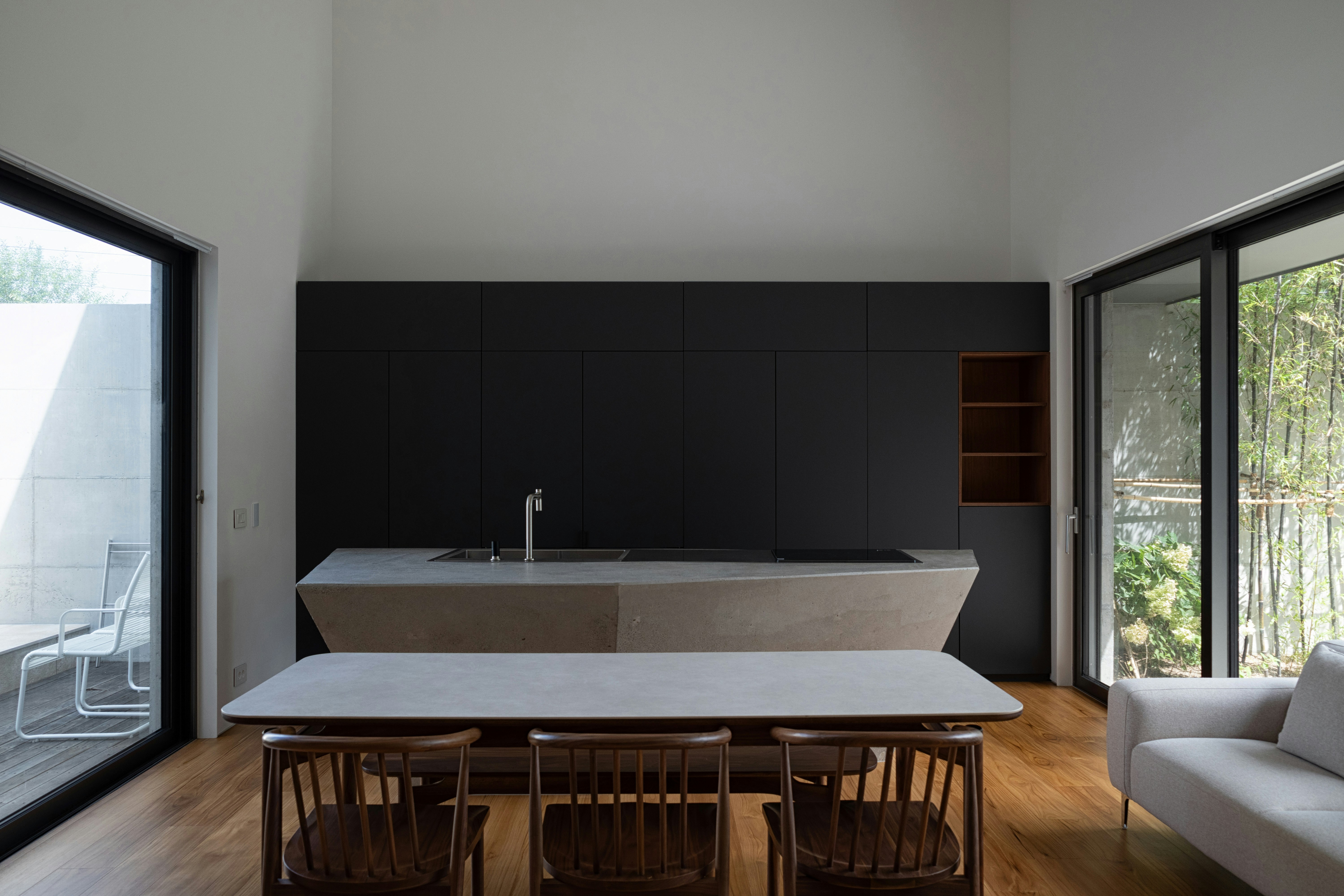
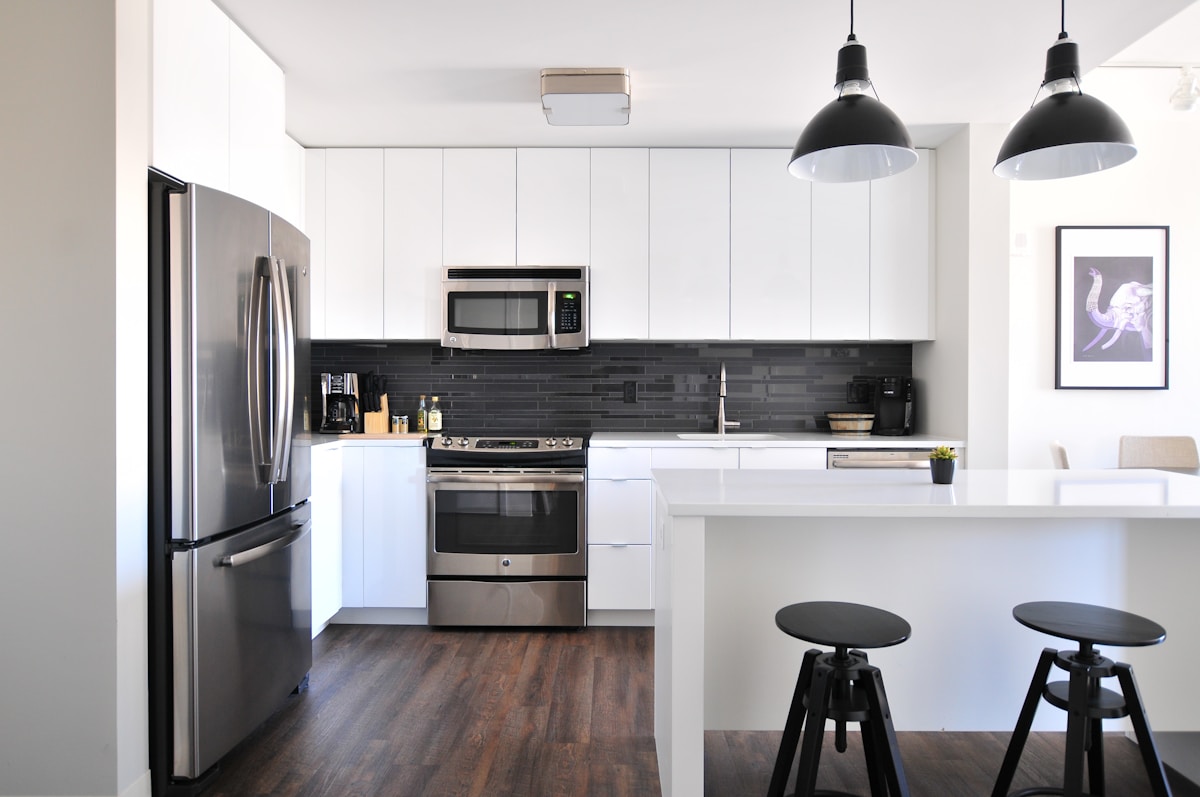
Luxury Island Kitchens
Modern island kitchens with elegant countertops, premium cabinetry, and smart layouts for luxury homes.
Luxury modular kitchens are designed to improve functionality, aesthetics, and comfort while creating premium cooking experiences for modern homeowners.
Explore premium modular kitchen inspiration for luxury apartments, villas, and modern homes.
High-End Modular Kitchen Design Cost
The cost of luxury modular kitchens depends on kitchen size, premium materials, hardware quality, appliances, and customization level.
Kitchen Type
Estimated Cost Range
Luxury Straight Kitchen
₹3 Lakhs – ₹7 Lakhs
L-Shaped Modular Kitchen
₹5 Lakhs – ₹10 Lakhs
Luxury Island Kitchen
₹8 Lakhs – ₹20 Lakhs
Premium U-Shaped Kitchen
₹7 Lakhs – ₹15 Lakhs
Transform Your Kitchen with Luxury Modular Designs
Interior A to Z offers customized high-end modular kitchen design ideas with elegant layouts, premium finishes, smart storage, and turnkey execution services across Gurgaon, Noida, and Delhi NCR.
High-end modular kitchens represent a contemporary approach to kitchen design, emphasizing both functionality and aesthetics. These kitchens are specially designed using prefabricated modules, which come in various shapes and sizes, allowing for an efficient and personalized layout. One of the distinguishing features of high-end modular kitchens is their extensive customization options. Homeowners can select materials, finishes, colors, and textures that reflect their personal style and complement their home decor.
Materials play a critical role in defining the quality and luxury of high-end modular kitchens. Premium options include solid wood, high-quality laminates, stainless steel, and durable stone surfaces such as granite and quartz. These materials not only enhance the visual appeal but also ensure longevity and easy maintenance, which are essential traits for any kitchen. The thoughtful assembly of elements ensures that each component, from cabinetry to countertops, harmoniously blends while providing maximum utility.
Another significant advantage of high-end modular kitchens is their improved functionality. The modular design promotes the efficient use of available space, allowing homeowners to maximize their kitchen’s potential. Features such as pull-out cabinets, efficient storage solutions, and intelligent appliance placement ensure that every inch of the kitchen serves a purpose. This design ethos enables the creation of seamless work zones, whether for cooking, dining, or entertaining, adapting to the dynamic needs of modern living.
Ultimately, high-end modular kitchens are more than just practical spaces; they embody a lifestyle choice where quality, personalization, and innovative design converge. This evolution in kitchen design not only caters to essential cooking needs but also addresses the aesthetic expectations of contemporary home environments, making them increasingly popular among discerning homeowners.
Key Design Elements of High-End Modular Kitchens
High-end modular kitchens are distinguished by several critical design elements that enhance both their aesthetic appeal and functional efficiency. The choice of cabinetry plays a pivotal role in defining the overall style of the kitchen. Modern modular kitchen designs commonly use sleek, high-gloss finishes or natural wood textures that resonate with contemporary trends. Custom cabinetry solutions allow homeowners to optimize storage while adding a personalized touch that aligns with their taste.
Countertop materials also significantly influence the perceived quality of a modular kitchen. Premium options such as quartz, granite, and marble not only provide durability but also elevate the kitchen’s sophistication. Each material offers distinct advantages; for instance, quartz is known for its non-porous nature, making it resistant to stains, while natural stone provides a unique, luxurious finish that attracts attention.
Lighting is another vital element that should not be overlooked. A high-end modular kitchen often incorporates a mix of task, ambient, and accent lighting. Pendant lights above an island can serve as stylish focal points while providing necessary illumination for cooking. Additionally, under-cabinet lighting enhances functionality by brightening workspace areas, thus ensuring safety and ease during meal prep.
Integrating smart appliances into a modular kitchen layout not only modernizes the space but also improves the cooking experience. Features such as voice-activated controls, smart refrigerators, and high-efficiency ovens streamline kitchen tasks and promote energy conservation. This technological integration aligns with contemporary lifestyle choices, further emphasizing efficiency.
Finally, an ergonomic layout is crucial for maximizing accessibility and comfort. Thoughtful kitchen design considers the relationship between different work zones—prep, cooking, and cleaning—ensuring seamless movement and reducing unnecessary strain. By incorporating these design elements, a high-end modular kitchen can provide an elegant yet practical space tailored to the needs of its users.
Inspiring High-End Modular Kitchen Ideas
When it comes to high-end modular kitchens, the design possibilities are virtually limitless. A modular kitchen offers the flexibility to tailor the space to individual tastes and needs, making it an ideal choice for homeowners seeking a blend of style and functionality. One popular design trend is the incorporation of open shelving paired with sleek cabinetry, which not only enhances accessibility but also adds a touch of modern elegance to the kitchen. Complementing these features with rich dark woods or soft pastels can create a stunning contrast that draws the eye.
For those who appreciate a contemporary aesthetic, minimalistic designs with clean lines and a monochromatic palette, such as black and white, can evoke a sophisticated atmosphere. Innovative storage solutions, such as pull-out pantries and integrated appliances, keep the space organized and clutter-free, allowing homeowners to maximize functionality without sacrificing style. Lighting also plays a crucial role; pendant lights in unique shapes can serve as both practical fixtures and striking focal points.
Another trend gaining popularity embraces the warmth of classic design, featuring natural materials such as marble or granite for countertops combined with rustic wood finishes. Such combinations not only exude timeless elegance but also provide durable surfaces that withstand the test of time. Additionally, incorporating smart home technology into high-end modular kitchens enhances convenience, with options such as voice-activated appliances and smart lighting systems ensuring that both style and practicality are at the forefront.
In summary, high-end modular kitchen designs cater to a wide array of preferences, from sleek modernism to classic charm. By integrating unique layouts, striking color schemes, and innovative storage solutions, homeowners can create spaces that reflect their individual creativity while enjoying the versatility that modular kitchens offer.
Tips for Designing Your High-End Modular Kitchen
When embarking on the journey of designing a high-end modular kitchen, there are several crucial factors to consider. First and foremost, establishing a realistic budget is essential. High-end designs often require significant investment, and understanding your financial parameters will guide the choice of materials, appliances, and contractors.
Next, layout planning plays a critical role in ensuring both functionality and aesthetic appeal. A well-designed kitchen should allow for ease of movement and accessibility. Consider the work triangle concept, which emphasizes a functional flow between the stove, sink, and refrigerator. Depending on your available space, you can explore various layout options such as U-shaped, L-shaped, or galley kitchens, all tailored to maximize efficiency.
Choosing the right materials is another pivotal aspect in the design process. High-quality materials not only enhance the kitchen’s visual appeal but also its durability. Opt for surfaces such as granite or quartz for countertops and premium cabinetry that offers both style and storage capabilities. Soft-close drawers and innovative storage solutions can elevate the kitchen experience while maintaining a sleek look.
Collaboration with experienced designers or contractors can also significantly influence the successful execution of your kitchen design. Professionals can provide valuable insights on trends, optimal layouts, and innovative materials, ensuring that the final outcome aligns with your vision. Additionally, they can help anticipate any potential challenges that may arise during the renovation process.
Ultimately, the key to a successful high-end modular kitchen design lies in harmonizing style and functionality. By thoughtfully considering your budget, planning your layout, selecting high-quality materials, and working closely with professionals, you can create a stunning space that serves both your culinary needs and personal preferences.
Luxury Premium Villa Interior Designers in Delhi NCR | Modern Villa Interiors
Luxury Premium Villa Interior Designers in Delhi NCR
Transform your villa with elegant luxury interiors, premium furniture, modular kitchens, designer lighting, and customized modern living spaces in Delhi NCR, Gurgaon, and Noida.
Why Luxury Villa Interiors Are Trending in Delhi NCR
Luxury premium villa interior designers in Delhi NCR create sophisticated living environments using elegant décor concepts, smart layouts, premium materials, and customized furniture solutions for modern villa living.
Luxury Living Room Interiors
Modern villa living room interiors featuring elegant furniture, premium textures, designer lighting, and sophisticated décor concepts.
Explore elegant villa interior inspiration for premium homes in Delhi NCR, Gurgaon, and Noida.
Luxury Villa Interior Design Cost in Delhi NCR
The cost of luxury villa interiors depends on villa size, customization level, premium materials, imported finishes, and design complexity.
Interior Type
Estimated Cost Range
Luxury Villa Interior
₹35 Lakhs – ₹1 Crore+
Luxury Modular Kitchen
₹5 Lakhs – ₹15 Lakhs
Luxury False Ceiling Design
₹3 Lakhs – ₹12 Lakhs
Custom Wardrobe Design
₹2 Lakhs – ₹10 Lakhs
Transform Your Villa with Luxury Interior Design
Interior A to Z offers customized luxury villa interior design solutions across Delhi NCR, Gurgaon, and Noida with elegant concepts, premium craftsmanship, and turnkey execution services.
Villa interior design represents a unique branch of residential design, distinguished by the grandeur and spatial dynamics that these homes often embody. Unlike traditional apartments or smaller homes, villas are typically expansive, offering ample room for creative expression and luxurious living. The essence of villa design lies in its capacity to blend comfort, functionality, and sophistication, thus creating environments that cater to both aesthetic appeal and daily practicality.
One of the defining characteristics of villa interior design is its emphasis on personalized style. Homeowners often seek to reflect their personal tastes and lifestyle choices within their living spaces. This not only enhances the luxurious feel of the villa but also ensures that the interiors resonate with their inhabitants on a deeper level. This approach also allows for versatile design elements that can range from classical to contemporary, accommodating a diverse array of preferences.
Functionality plays a crucial role in the design process as well. Villas typically feature multiple living areas, including lounges, dining rooms, and even outdoor spaces. Each area must be thoughtfully designed, ensuring that it not only serves its intended purpose but also integrates seamlessly with the overall aesthetic of the villa. The use of high-quality materials and design elements is essential in achieving this goal, contributing to both durability and the luxury experience.
By focusing on these critical aspects—personal style, comfort, and functionality—villa interior design can create truly remarkable spaces that enhance the living experience. As we delve deeper into the art of villa design in Delhi NCR, we will explore how professional interior designers leverage these components to bring out the inherent beauty and luxury of such distinctive residences.
Importance of Hiring Professional Interior Designers
When it comes to designing a premium villa, the choice of employing a professional interior designer is a pivotal decision that can significantly influence both aesthetics and functionality. Interior designers possess a wealth of knowledge, experience, and creativity that are essential to transforming a vision into reality. Their expertise ensures that every inch of the space is utilized efficiently, creating a harmonious balance between functionality and design.
One of the primary advantages of engaging a professional interior designer is their ability to enhance the aesthetic appeal of a villa. These professionals are well-versed in incorporating the latest design trends while selecting colors, materials, and furnishings that resonate with the homeowner’s personal style. They can create a cohesive look that emphasizes elegance and luxury, ultimately elevating the overall ambiance of the living space.
Furthermore, professional interior designers are adept at maximizing space, especially in premium villas where the layout can be intricate. Their experience enables them to devise innovative solutions that not only utilize space effectively but also provide a sense of openness and comfort. Whether it’s selecting multi-functional furniture or strategically placing mirrors to create an illusion of space, these designers can make a significant difference.
Another key benefit is their ability to navigate complex design projects. From coordinating with contractors to sourcing materials, a professional ensures that every detail is executed seamlessly. This results in a well-managed timeline and adherence to budget constraints, relieving homeowners of the stress associated with managing a renovation or construction project.
In conclusion, hiring a professional interior designer for a premium villa is an investment that pays dividends. Their expertise not only enhances the aesthetic appeal and functionality of the space but also allows homeowners to enjoy a stress-free design process that aligns with their personal tastes and preferences.
Key Trends in Villa Interior Design in Delhi NCR
The realm of villa interior design in Delhi NCR is evolving, reflecting deep-seated cultural influences while also embracing modern aesthetics. Among the most significant trends, a notable shift towards minimalism has emerged, characterized by clean lines, uncluttered spaces, and a focus on functionality. This trend resonates with luxury homeowners seeking to create serene and inviting environments that promote relaxation and peace.
Color palettes in contemporary villa interiors often feature neutral tones, which serve as a perfect backdrop for accent pieces. Shades such as soft whites, earthy greens, and muted greys are popular choices that allow homeowners to incorporate vibrant furnishings or artwork without overwhelming the space. Additionally, incorporating natural materials like wood and stone is an ongoing trend. These elements not only enhance the aesthetic appeal but also bring in a sense of warmth and timelessness.
Another prevalent trend is the fusion of indoor and outdoor living. Luxury villa designs now often incorporate expansive glass doors that open up to outdoor terraces or gardens, crafting a seamless transition between the two environments. This design approach is complemented by the use of biophilic designs, which emphasize natural light and incorporate elements such as plants within the interiors. By doing so, homeowners can enhance their living spaces while also improving their well-being.
The rise of smart home technology is also noteworthy in current villa designs. Integrating smart systems for lighting, climate control, and security aligns with the luxury lifestyle, offering convenience and enhancing the overall living experience. This incorporation of technology is not just about modernizing a space; it also contributes to energy efficiency and sustainable living practices.
In summary, the interior design of villas in Delhi NCR is characterized by minimalism, neutral color palettes, the incorporation of natural materials, a blend of indoor and outdoor spaces, and the latest smart home technologies. Understanding these trends can help luxury homeowners make informed decisions in curating exquisite interiors for their villas.
Popular Design Styles for Villas
The interior design of luxury villas is a reflection of personal taste and lifestyle. Various design styles can be employed to achieve this luxury aesthetic, each with its unique characteristics and appeal. Four popular design styles for premium villa interiors include contemporary, traditional, modern, and eclectic.
Contemporary design is characterized by clean lines, open spaces, and a seamless blend of functionality and aesthetics. This style often incorporates natural materials and neutral color palettes, providing a calming environment suitable for luxury villas. It offers flexibility, allowing for personal touches while maintaining a streamlined appearance. This makes it a popular choice for modern villa interiors.
In contrast, traditional design evokes a sense of history and elegance. This style often features rich colors, intricate details, and classical furniture pieces. Elements such as crown molding, wainscoting, and antique accessories are commonly integrated into traditional villa interiors, creating a warm and inviting atmosphere. Its timeless appeal ensures that a traditional design remains relevant, even as trends evolve.
Modern design, while often confused with contemporary, focuses on minimalism and simplicity. It shines through the use of vibrant colors and innovative materials that prioritize space and light. Modern villa interiors often emphasize geometric shapes and multifunctional furniture, making them an excellent choice for upscale living where space is at a premium.
Finally, eclectic design combines elements from various styles to create a unique and personalized space. This approach encourages homeowners to express their personality through a mix of textures, colors, and cultural influences. When implemented thoughtfully, eclectic design can transform a luxury villa into a vibrant showcase of creativity and art.
The Process of Villa Interior Design
The interior design process for villas is a comprehensive and meticulous journey that begins with initial consultations. During this stage, designers engage with clients to understand their vision, lifestyle, and requirements. Effective communication is paramount as it helps set the foundation for the entire project. Designers typically take notes, ask probing questions, and even conduct site visits to gather insights into the client’s preferences and the villa’s existing features.
Following the consultations, the next phase involves developing a conceptual design. Designers create mood boards and initial sketches that reflect the aesthetic and functional elements tailored to the client’s lifestyle. This stage often includes discussions around themes, color palettes, and styles that resonate with the client’s taste. Feedback from the client is sought to refine the design and ensure alignment before moving into material selection.
Material selection is a critical part of the villa interior design process. Here, interior designers curate a range of materials, finishes, and furnishings that embody the conceptual design while considering durability, sustainability, and budgetary constraints. Collaboration with suppliers and artisans becomes necessary to ensure high-quality materials are procured, enhancing the space’s luxury appeal.
Once the materials are selected, implementation begins. This stage involves coordinating various contractors, overseeing the construction, and ensuring that every detail is executed according to the design plan. It is essential that the designer remains proactive during this phase to troubleshoot any issues that may arise and maintain the project timeline.
As the implementation nears completion, final touches are added. This includes the arrangement of furniture, décor, and art pieces that create an inviting atmosphere. Interior designers often return to the villa for a final inspection, making any necessary adjustments. This thorough and sequential process ensures that the final outcome aligns seamlessly with the initial vision, resulting in a luxurious and coherent living space.
Case Studies of Successful Villa Projects
In the realm of luxury villa interior design in Delhi NCR, several projects have stood out due to their unique challenges and innovative solutions. One compelling example is the expansive design project of a modern villa in Gurgaon. The homeowners sought to create an environment that reflected their contemporary style while ensuring comfort for family gatherings. The interior designer faced the challenge of balancing sleek, modern aesthetics with functional family spaces. The result was a seamless flow between the living areas and outdoor spaces, achieved through the use of large glass sliding doors and harmonious color palettes.
Another noteworthy case is the renovation of a traditional villa in Noida, which required the careful blending of classic elements with modern comforts. The design team confronted the challenge of updating the decor while maintaining the home’s historical charm. They incorporated contemporary furniture and lighting fixtures while preserving original details such as moldings and hardwood flooring. The strategic placement of mirrors enhanced the spaces, contributing to a sophisticated yet inviting ambiance.
An additional case study involves a luxury villa project in Faridabad that focused on sustainable design. The client aimed for an eco-friendly interior that utilized materials with a minimal environmental impact. The designers chose reclaimed wood and recycled materials for furnishings, and integrated energy-efficient lighting systems. This endeavor not only tackled the challenge of sustainability but also showcased the potential for style within eco-conscious decisions.
Through these case studies, it is evident that successful villa projects require a thoughtful approach to design, addressing various challenges such as client preferences, functionality, and sustainable practices. The achievement of balance between aesthetics and practicality significantly enhances the overall living experience within these luxurious homes in Delhi NCR.
Budgeting for Luxury Villa Interior Design
When embarking on a luxury villa interior design project, effective budgeting is crucial to ensure your vision aligns with financial reality. The costs associated with premium interior design can vary significantly based on a multitude of factors, including design services, materials, furnishings, and labor. To navigate this financial landscape successfully, it is essential to outline a comprehensive budget that accommodates these elements.
Start by identifying the scope of your interior design project, which will influence initial costs. Hiring a professional villa interior designer is often one of the most significant expenses. Design fees can range widely, depending on the designer’s experience and reputation. It is advisable to allocate a specific percentage of your total budget to design services, generally between 10% to 20% of the overall cost.
Next, consider materials and furnishings. High-quality materials are vital for creating a luxury feel in your villa, and they can significantly impact your budget. Opt for durable and timeless products such as natural stone, solid wood, or high-end textiles, which not only enhance aesthetic appeal but also ensure longevity. Allocate a substantial portion of your budget—approximately 40% to 50%—to these materials and furnishings, as they are key to achieving the desired luxurious effect.
Labor costs are another critical component. Skilled tradespeople, such as carpenters, electricians, and painters, contribute to the overall quality of the project. Hiring experienced professionals is an investment that can lead to superior results, so ensure to include about 20% to 30% of your budget for labor.
Finally, it is essential to leave room in your budget for unexpected expenses, which can arise during the design process. A contingency budget of about 10% is advisable to manage any unforeseen challenges while bringing your luxury villa interior design to life.
Choosing the Right Interior Designer for Your Villa
When embarking on a villa project, selecting the right interior designer is one of the most critical decisions that homeowners face. An effective collaboration with an interior designer can dramatically transform a villa into a luxurious oasis, reflecting personal taste and elevating the overall ambiance. Here are several guidelines to help you make this essential choice.
The first step in the selection process involves assessing the portfolios of potential designers. A well-curated portfolio provides insight into the designer’s style and expertise. Review their past projects to determine if their aesthetic aligns with your vision. Look for versatility in design themes and the ability to incorporate innovative ideas, which are crucial for luxury villa interiors.
Next, checking references is paramount. Speak to previous clients about their experiences with the designer. Inquire about aspects such as communication, adherence to timelines, and budget management. This feedback is vital for understanding how the designer interacts and collaborates with clients throughout a project.
Understanding design philosophies is another critical element. Each designer has their own creative approach and methodology, which can influence project outcomes. A designer’s philosophy should resonate with your vision for your villa. It’s important to have a dialogue that ensures collaboration and shared aspirations, avoiding potential conflicts later in the design process.
Lastly, align your vision with the designer’s expertise. Discuss your specific needs, lifestyle requirements, and aesthetic preferences candidly. This alignment is essential for a successful partnership, wherein the designer can translate your ideas into practical, luxurious designs that enhance the character of your villa.
Conclusion and Final Thoughts
Investing in high-quality interior design is essential for those seeking to enhance their premium villas in Delhi NCR. Interior design goes beyond mere aesthetics; it plays a crucial role in creating spaces that are not only visually appealing but also functional and reflective of the owner’s personality. A well-designed villa creates a harmonious environment that maximizes comfort while showcasing elegance, ensuring that every square foot is utilized efficiently.
Professional interior designers bring specialized knowledge and expertise that are vital in realizing a luxurious living experience. They understand the nuances of design, from color theories to material selection, enabling them to craft spaces that stand out. Furthermore, they can offer insights on current design trends and innovative solutions that elevate the overall ambiance of a villa. By collaborating with skilled designers, homeowners can achieve bespoke living spaces tailored to their specific needs and preferences.
Furthermore, investing in professional design services can significantly increase the value of a property. Luxurious, well-planned interiors appeal to potential buyers or renters, creating a competitive edge in the real estate market. This importance of interior design cannot be understated; it is an investment that pays dividends not just in personal satisfaction but in financial returns as well. In conclusion, engaging premium villa interior designers is an investment worth making, ensuring that your living space is both a sanctuary and a statement of your lifestyle.
Modern Luxury Apartment Interior Design in Noida | Premium Interior Ideas
Modern Luxury Apartment Interior Design in Noida
Discover elegant luxury apartment interiors in Noida with premium living rooms, modular kitchens, stylish bedrooms, smart home solutions, and sophisticated décor concepts.
Why Luxury Apartment Interiors Are Trending in Noida
Modern luxury apartment interior design in Noida combines aesthetics, functionality, and smart living solutions to create elegant urban homes for modern lifestyles.
Luxury Living Room Designs
Premium living room interiors featuring elegant furniture, designer lighting, and sophisticated décor concepts.
Explore premium apartment interior inspiration for modern homes in Noida and Delhi NCR.
Luxury Apartment Interior Design Cost in Noida
The cost of luxury apartment interiors depends on apartment size, customization level, premium materials, and design complexity.
Interior Type
Estimated Cost Range
Luxury 2BHK Apartment
₹8 Lakhs – ₹15 Lakhs
Luxury 3BHK Apartment
₹15 Lakhs – ₹30 Lakhs
Premium Modular Kitchen
₹3 Lakhs – ₹10 Lakhs
Luxury False Ceiling Design
₹2 Lakhs – ₹8 Lakhs
Transform Your Apartment with Luxury Interiors
Interior A to Z offers premium luxury apartment interior design solutions in Noida, Gurgaon, and Delhi NCR with elegant concepts, modern layouts, and turnkey execution.
Modern luxury interior design represents a sophisticated fusion of aesthetics and practicality, tailored to meet the expectations of contemporary living. Central to this design philosophy is minimalism, which promotes a clutter-free aesthetic that emphasizes space and light. In modern luxury settings, less truly becomes more; the absence of unnecessary decorations places an increased focus on the quality of materials and the artistry of each piece.
Functionality is another cornerstone of modern luxury design. Each element is thoughtfully curated to serve a purpose, ensuring that spaces not only look impeccable but also function seamlessly in daily life. From multifunctional furniture to open floor plans, every aspect is designed to enhance convenience and comfort. This approach allows residents to enjoy both elegance and practicality, making their living spaces a true sanctuary.
High-quality materials are a hallmark of modern luxury design. Whether it’s the use of natural woods, rich textiles, or polished stone surfaces, these high-end materials contribute to an overall impression of sophistication and durability. Designers often select finishes that not only look exquisite but also age gracefully, ensuring that the interiors remain timeless and appealing over the years.
Furthermore, modern luxury embraces comfort through thoughtful layout and design choices, creating inviting spaces that encourage relaxation and social interaction. Personalization is emphasized, allowing residents to infuse their individuality into the design through curated décor and color palettes that resonate with their personal style. Reflecting the latest trends, modern luxury interior design effortlessly combines comfort, beauty, and innovation, establishing a unique narrative that speaks to the tastes of today’s discerning homeowners.
Trends in Noida’s Apartment Interiors
Noida, a burgeoning metropolitan area in India, has witnessed a significant evolution in the interior design trends of luxury apartments. Currently, the market embraces a fusion of contemporary elegance and traditional influences, catering to the diverse tastes of its residents. One noteworthy trend is the emphasis on minimalism, characterized by clean lines and uncluttered spaces. This approach not only enhances the aesthetic appeal but also promotes a sense of tranquility amidst the bustling urban lifestyle.
Color palettes in these luxury interiors are shifting towards muted and earthy tones, particularly soft greys, beiges, and sophisticated whites. These shades offer versatility and create a soothing environment, ideal for relaxation after a hectic day. In contrast, bold accent colors are often introduced through carefully chosen decor items, allowing residents to personalize their spaces while adhering to modern design sensibilities.
Moreover, the incorporation of sustainable materials is gaining traction. Interior designers in Noida are increasingly opting for eco-friendly options, such as bamboo, reclaimed wood, and non-toxic paints, aligning with global sustainability efforts. This trend not only appeals to environmentally conscious consumers but also adds a unique touch to the interiors.
Technological advancements are also shaping the landscape of modern apartment interiors. The integration of smart home technologies has become an essential aspect, where automation enhances convenience and energy efficiency. Features like smart lighting, temperature control, and state-of-the-art security systems are now commonplace in luxury homes, reflecting a lifestyle that values both comfort and innovation.
In conclusion, Noida’s luxury apartment interiors are a dynamic blend of minimalism, sustainable practices, and technological integration. These trends reflect the preferences of a sophisticated demographic, making Noida a notable player in the realm of modern interior design.
Incorporating Sustainability in Luxury Interiors
As the urban landscape of Noida continues to evolve, the integration of sustainability in luxury apartment interior design has garnered significant attention among homeowners and designers alike. Modern luxury no longer revolves solely around opulence but increasingly emphasizes eco-friendly practices that contribute to a more sustainable future. This approach not only enhances the aesthetics of living spaces but also promotes environmental responsibility.
One of the primary avenues for incorporating sustainability is through the selection of eco-friendly materials. Designers are opting for sustainably sourced woods, recycled metals, and low-VOC paints, which dramatically reduce the ecological footprint of luxurious interiors. These materials not only contribute to the health of indoor environments but also align with the ethical values of homeowners seeking to make a positive impact. For instance, reclaimed wood can be used for flooring and cabinetry, adding a unique character while promoting sustainable practices.
Energy-efficient solutions are another crucial aspect of sustainable luxury interiors. Implementing smart home technologies, such as energy-efficient lighting, temperature control systems, and high-performance appliances, not only reduces energy consumption but also enhances the overall experience of luxury living. This integration of technology is particularly prevalent in Noida, where developers are increasingly adopting green building standards that prioritize energy efficiency without compromising on style.
Furthermore, the use of renewable energy sources, such as solar panels, has gained traction in luxury apartment developments in Noida. This not only decreases utility costs but also empowers residents to contribute to a greener planet. Sustainable design practices are becoming a hallmark of luxury apartment living, ensuring that elegance and environmental consciousness coexist harmoniously.
Designing a luxury apartment in Noida requires a thoughtful approach that marries aesthetic appeal with functionality. The key to crafting modern luxury interiors lies in the careful selection of furniture. Opt for pieces that not only elevate the visual appeal of the space but also provide comfort. Invest in high-quality sofas with elegant upholstery and complementary accent chairs that invite relaxation.
Space optimization is another crucial aspect when designing luxury apartments. Open floor plans are popular but can feel disconnected without proper zoning. Use area rugs to delineate spaces within large rooms, ensuring each section serves its purpose while maintaining an airy feel. Additionally, built-in furniture can seamlessly integrate functionality without compromising on style, especially in smaller areas where every inch counts.
The choice of materials significantly influences the overall ambience of luxury interiors. Embrace natural elements such as wood, stone, and glass to create a timeless aesthetic. For instance, a sleek granite countertop can add both elegance and durability to a kitchen space. When selecting finishes and fixtures, consider their longevity and maintenance; opt for premium materials that can withstand the test of time and daily wear.
Lastly, accessorizing plays a pivotal role in achieving a cohesive and upscale look. Art and decor should reflect personal style while enhancing the overall design narrative. Consider statement pieces, like large canvas paintings or sculptural installations, which can serve as focal points in a room. Incorporating plants can introduce a touch of nature, breathing life into the space. Accessories should not overwhelm; instead, they should complement the design, contributing to a balanced and sophisticated atmosphere.
Best Interior Designer Near You • Gurgaon • Noida • Delhi NCR
Finding the Best Interior Designer Near You
Finding the best interior designer near you can feel overwhelming at first. Every portfolio looks polished, every company promises premium results, and every project appears perfect online. The real difference often comes down to planning, communication, execution quality, and understanding how people actually live inside a home.
Beautiful interiors are not created by furniture alone. Great spaces solve everyday problems. They improve movement, create practical storage, support routines, and make homes easier to live in.
Across Gurgaon, Noida, and Delhi NCR, homeowners increasingly prefer personalized interiors designed around lifestyle requirements instead of short-term design trends.
Experienced designers often begin by understanding how a family uses a space before recommending layouts, finishes, or furniture selections.
Interior Design Inspiration
Living Room Design
Layouts designed for comfort and everyday movement
Kitchen Planning
Smart storage and practical functionality
Bedroom Design
Warm interiors designed around daily routines
7 Practical Ways To Find The Right Interior Designer
Interior designers play a crucial role in shaping the environments in which we live and work, often being the driving force behind the functionality and aesthetic appeal of a space. Their primary responsibilities encompass a variety of tasks that begin with thorough space planning. This involves evaluating the dimensions and layout of a room to ensure that furniture and fixtures are arranged in a way that maximizes usability while adhering to the principles of flow and movement.
Another significant aspect of an interior designer’s job is selecting color schemes that enhance the overall ambiance. Color selection is not merely about personal preference; it involves understanding how different hues affect mood and perception. Designers often draw on psychological principles, ensuring that the colors chosen resonate well with the intended purpose of the space, whether it’s an office aiming for productivity or a home designed for relaxation.
Additionally, interior designers must stay abreast of current design trends, incorporating elements that are both contemporary and timeless. Their expertise extends to choosing materials, furnishings, and accessories that align with these trends while ensuring that they meet the practical needs of their clients. The designer’s eye for detail also ensures that every component harmoniously fits together, creating a cohesive look.
Their work goes beyond mere aesthetics; they also implement effective design solutions that optimize comfort and functionality. By collaborating with architects, contractors, and vendors, interior designers ensure that all aspects of a project are executed to the highest standards. This multifaceted role highlights the importance of their expertise in crafting spaces that are not only beautiful but also serve the specific needs of their inhabitants, providing a lasting impact on the daily experiences of users.
Why You Need an Interior Designer
Hiring an interior designer can greatly enhance your home or business space, presenting numerous benefits that extend beyond aesthetic appeal. One of the primary advantages is the significant time savings they provide. Interior designers possess industry knowledge and experience that enables them to efficiently manage the design process, reducing the hours that you, as a client, would need to invest in planning, sourcing materials, and executing the project. They streamline the workflow, ensuring that renovations or decorations are completed timely and within budget.
Moreover, interior designers have access to a range of industry resources, which can bring both functional and economic benefits to your project. They often have relationships with suppliers, contractors, and other professionals that can potentially lower costs and enhance quality. This access can lead to exclusive deals on furniture, fixtures, and materials, ultimately saving you money. Additionally, their understanding of current trends and market prices ensures that your investment is both smart and strategic.
Another compelling reason to hire an interior designer is their capability to translate your vision into reality. Many individuals may have a general idea of what they want their space to look like but struggle with implementation. A skilled interior designer can bridge this gap by providing creative solutions and expert guidance tailored to your preferences and lifestyle. They are adept at balancing aesthetics with functionality, ensuring that every element of your design not only looks good but also meets practical needs. This expertise is particularly valuable in complex projects, such as renovating an older building or designing a challenging layout.
In certain scenarios, such as designing spaces for large families, incorporating accessibility features for those with disabilities, or creating effective workspaces for business operations, the expertise of an interior designer becomes indispensable. Their insights can greatly influence the outcome, ensuring that the final design exceeds expectations and enhances the overall functionality of the space.
How to Choose the Right Interior Designer
Choosing the right interior designer is essential for ensuring that your space reflects your personal style and meets your functional needs. The first step in this process is to assess the designer’s experience. Look for someone who has substantial experience in the field, especially in projects similar to yours. This experience often translates into a better understanding of potential challenges and design solutions that can enhance your space effectively.
Next, consider the designer’s style. Interior design is highly subjective, and you will want a professional whose design aesthetic aligns with your taste. Review their portfolio to gauge previous work, paying attention to the cohesion and flow of their designs. Observe the types of projects they have completed, whether it’s residential, commercial, contemporary, traditional, or eclectic. Getting a sense of their range will help you understand if they can adapt their style according to your preferences.
Conducting a thorough interview with potential candidates is a critical step in finding the right fit. Prepare a list of questions that cover essential topics such as their design process, project timelines, budget management, and how they handle client feedback. It is also beneficial to inquire about how they source materials, work with contractors, and navigate any challenges during the project cycle. Asking these questions will not only help you gauge their expertise but also reveal how they communicate and collaborate with clients.
Finally, consider arranging an initial consultation. This informal meeting provides an opportunity to assess rapport and communication styles, both of which are vital for a successful collaborative relationship. A designer who listens and understands your vision, while also offering insightful suggestions, is likely the right choice for your project.
Top Qualities to Look for in an Interior Designer
When seeking the perfect interior designer to bring your vision to life, it is vital to consider several key qualities that define excellence in the field. First and foremost, creativity stands as a cornerstone of effective interior design. An exceptional designer must possess the ability to think outside the box, transforming unique ideas into aesthetically pleasing spaces that reflect the client’s personality and preferences. Creativity allows them to adapt solutions for various challenges, ensuring innovative layouts and color schemes that enhance the overall ambiance.
Effective communication skills are another essential trait of a successful interior designer. Establishing open lines of communication fosters collaboration between the designer and the client, enabling the designer to fully understand the client’s needs and aspirations. A designer who articulates their ideas clearly and listens attentively to feedback can streamline the design process, leading to more satisfying results. This quality also facilitates constructive collaboration with contractors and suppliers, ensuring all parties are aligned on the project goals.
Additionally, attention to detail is crucial for creating a cohesive and polished finished product. A meticulous designer closely monitors all aspects of the design, from floor plans and furnishings to color coordination and fixtures. Their keen eye for detail can significantly influence the overall success of the project, as overlooked elements can diminish the design’s effectiveness.
Finally, strong project management abilities are vital for any interior designer. A talented designer must be capable of juggling numerous tasks, managing budgets, and adhering to timelines. Masterful project management ensures that all elements of the design come together seamlessly, ultimately leading to a successful outcome that meets or exceeds client expectations.
Understanding Different Interior Design Styles
Choosing an interior designer begins with an understanding of various design styles, each with distinct characteristics and aesthetics that cater to different preferences and lifestyles. Among these styles, modern, contemporary, minimalist, traditional, and industrial are particularly popular.
Modern design is characterized by clean lines, functional furniture, and a monochromatic color palette. Its roots in the early to mid-20th century emphasize simplicity and a decluttered space, making it ideal for those who prefer a sleek and orderly environment.
Contemporary design, often confused with modern, encompasses current trends and styles. Unlike modern design, contemporary can include a mix of bold colors and varied textures, adapting to current fashions while emphasizing unique and artistic elements.
The minimalist style strips down design to its essential elements, focusing on simplicity and functional furniture. This approach often uses neutral colors and an abundance of space, which creates a calming atmosphere. Minimalism is perfect for individuals seeking tranquility in their living spaces.
In contrast, traditional design draws inspiration from the past, reflecting classic elements and timeless furniture. This style uses rich colors, ornate details, and a variety of textures, aiming to create a warm and inviting atmosphere reminiscent of historical elegance.
Lastly, industrial design takes cues from warehouses and urban spaces, featuring raw materials like exposed brick, metal beams, and concrete floors. This style often combines rustic elements with a modern edge, appealing to those who appreciate a trendy yet utilitarian aesthetic.
Understanding these diverse interior design styles allows you to better communicate your vision to a designer. Each style carries unique qualities and associations, so identifying which resonates with you is crucial in finding the best interior designer who can bring your ideas to life.
Preparing for Your Initial Meeting with a Designer
Meeting an interior designer for the first time is an important step in achieving your design goals. To ensure this initial meeting is productive, thorough preparation is key. One of the first steps involves gathering inspiration to share with your designer. Consider creating a mood board or a Pinterest board where you can compile images, colors, and styles that resonate with your vision. This visual reference will help articulate your preferences clearly and efficiently.
Another crucial aspect to consider is the budget for your interior design project. It’s advisable to outline a clear budget range that you are comfortable with before the meeting. This will allow the designer to present options that align with your financial considerations, maximizing the potential for tailored suggestions. Transparency about what you can spend helps in avoiding any unrealistic expectations and streamlines the process.
In addition to aesthetic preferences and budget, outlining your needs and expectations is vital. Reflect on how you want to utilize the space and what specific functionalities it should serve. For example, are you looking to create a cozy living area for family gatherings, or a professional workspace? By clearly communicating these elements, you give the designer a better understanding of your requirements.
Furthermore, prepare a list of questions you may want to ask the designer during the meeting. Inquiring about their design process, experience, and how they manage timelines can help you gauge their suitability for your project. With all this preparation, you will set a positive tone for a productive collaboration, fostering a shared vision for your space.
Budgeting for Interior Design Services
When embarking on an interior design project, budgeting is a critical first step that can significantly influence the overall outcome. Various factors affect interior design costs, including the designer’s fee structure, the materials used, and the scope of the project. Understanding these elements can help clients allocate their budget more effectively and avoid unanticipated expenses.
Interior designers typically charge either hourly rates or flat fees. Hourly rates can vary widely based on the designer’s experience, location, and project complexity, generally ranging from $50 to $200 per hour. Conversely, flat fees are often based on the total cost of the project and may include a predetermined scope of work. It’s essential for clients to evaluate which pricing structure aligns with their financial plans, as each has its merits depending on the project’s size and requirements.
In addition to designer fees, the choice of materials can significantly impact the budget. High-end materials, custom furnishings, or unique finishes often come with a premium price tag. Hence, clients should identify the desired style and quality of materials early in the planning process to ensure these choices align with their budget constraints. Furthermore, additional costs related to hiring contractors for installation or construction should also be considered.
Establishing a realistic budget involves assessing your financial capacity while also factoring in potential design fees and material costs. A good practice is to communicate the defined budget to your designer, allowing them to tailor their suggestions and solutions to meet your financial parameters. By maintaining an open dialogue about financial limitations from the onset, clients can facilitate a more productive collaboration with their interior designer to achieve a result that is both aesthetically pleasing and financially viable.
How Online Reviews and References Can Help You Decide
In today’s digital age, online reviews and references play a crucial role in the decision-making process when selecting an interior designer. Before engaging any professional, it is advisable to delve into their online reputation by examining customer feedback and testimonials. These reviews often highlight the strengths and weaknesses of a designer, providing potential clients with comprehensive insights into their work ethic, design style, and overall service quality.
When interpreting this feedback, focus on patterns rather than isolated comments. A few negative reviews among predominantly positive feedback may simply indicate that a project did not align with the client’s expectations, while consistent patterns of criticism might warrant further scrutiny. Pay attention to specific comments regarding communication skills, adherence to deadlines, and responsiveness, as these elements can significantly impact your experience working with the designer.
Moreover, references are equally invaluable. Asking for references allows you to connect directly with previous clients, offering them the opportunity to share their firsthand experiences. Inquire about their satisfaction with the design results, the collaboration process, and whether the project was completed within the budget and timeframe. This firsthand knowledge enhances your understanding of the designer’s capabilities and can directly influence your decision.
Beyond online feedback, examining a designer’s portfolio of past projects can also guide your choice. Analyzing the range and quality of their completed work will help you determine if their aesthetic aligns with your vision. Look for variations in style, adaptability, and whether or not they have experience with projects similar to yours. By thoroughly assessing online reviews, references, and previous work, you can make a well-informed decision that is aligned with your interior design goals.
Transforming Your Space: What to Expect
The journey of transforming your space with the guidance of an interior designer typically begins with an initial consultation. During this essential first meeting, the designer will seek to understand your vision, preferences, and functional requirements for the space. This is an opportunity to discuss styles, color schemes, and any specific needs you may have. The interior designer will also explain their process and the various services they offer, setting the stage for an effective partnership.
Following the consultation, the design development phase begins. Here, the designer will create a concept that aligns with your expectations while considering practical aspects. This might involve producing mood boards, sketches, or 3D renderings. The focus during this stage is on collaboration; feedback is crucial as the designer refines the vision into a comprehensive plan. Timelines for this phase can vary, depending on the complexity of the project and the number of revisions needed.
Once the final design is approved, the implementation phase commences. This is where your vision starts to come to life. The designer will coordinate with various contractors and sources materials, all while keeping you informed of the progress. Regular communication is vital during this stage, as it ensures that any issues are addressed promptly and that work remains on schedule.
Throughout the project, expect site visits, which allow the designer to monitor the quality of work and make adjustments as necessary. This hands-on oversight is crucial for maintaining the integrity of the design and ensuring that the end result meets your expectations. As the project nears completion, final touches will be added, and the interior designer will conduct a walkthrough to ensure that everything is to your satisfaction.
Best Interior Designer in Delhi NCR • Gurgaon • Noida • Delhi
10 Powerful Ways to Find the Best Interior Designer in Delhi NCR
Finding the right interior designer in Delhi NCR can feel confusing at first. Portfolios may look similar, promises often sound alike, and every company claims expertise. The real difference usually appears in planning, communication, project execution, and understanding how people actually live.
Beautiful interiors are not created by furniture and colors alone. Successful projects solve practical problems. They improve movement, create storage, support routines, and make homes feel comfortable long after the project finishes.
Across Gurgaon, Noida, and Delhi NCR, homeowners increasingly prefer personalized spaces designed around lifestyle rather than temporary trends.
The strongest interior projects usually begin with understanding how a family uses the space every day.
Interior Design Inspiration
Living Room Design
Layouts designed around comfort and functionality
Kitchen Design Ideas
Storage and functionality working together
Bedroom Design Inspiration
Warm and personalized spaces
10 Powerful Ways To Find The Best Interior Designer
Before starting your search for an interior designer, it’s crucial to understand your design preferences. Explore different interior styles through magazines, online platforms, and social media. Knowing your individual taste will help narrow down your options and find a designer who aligns with your vision.
Ask for Recommendations
One of the most effective ways to find a top interior designer in Delhi NCR is through word-of-mouth. Talk to friends, family, or colleagues who have recently renovated their spaces. Their experiences can lead you to reputable designers who are known for their work.
Check Online Portfolios
Once you have a list of potential designers, check their online portfolios. Look for a designer whose portfolio showcases a variety of projects that resonate with your aesthetic. This will give you insights into their style, creativity, and expertise in different types of spaces.
Read Client Reviews
Client reviews and testimonials can offer valuable insights into how an interior designer works. Check platforms like Houzz or Google to find reviews from previous clients. Look for consistent positive feedback about communication, timeliness, and overall satisfaction with the completed projects.
Schedule Consultations
Once you have shortlisted a few designers, schedule consultations. This will allow you to discuss your ideas, ask questions, and gauge their understanding of your needs. Pay attention to their communication style and professionalism during these initial meetings.
Inquire About Budget and Fees
Budget is a significant factor when hiring an interior designer. During your consultations, be transparent about your budget constraints and inquire about their fee structure. Some designers work on an hourly rate, while others may charge a flat fee. Understanding these elements will help you avoid any surprises later on.
Check Qualifications and Experience
It’s essential to consider the qualifications and experience of potential designers. Look for designers who have relevant education and certifications. Experience in projects similar to yours can also be an advantage as they may have established relationships with vendors and contractors.
Evaluate the Designer’s Network
A well-connected interior designer can add value to your project. Their network of contractors, artisans, and suppliers can facilitate smoother project execution. Ask about their connections and whether they have preferred vendors they regularly work with.
Trust Your Instincts
Finally, trust your instincts. The relationship you have with your designer is crucial for a successful project. Choose someone you feel comfortable with and confident in. A positive working relationship will lead to clearer communication and a more enjoyable design experience.
Review Post-Project Support
After completing the project, some designers offer post-project support, which can be beneficial if adjustments are needed. Discuss with potential designers about their post-project policies to ensure ongoing assistance if required.
Top Interior Designers Near Me • Gurgaon • Delhi NCR
Top Interior Designers Near Me: 7 Expert Tips for Gurgaon
Finding the right interior designer is about more than selecting beautiful images from a portfolio. The best projects combine practical planning, smart layouts, functionality, and designs that support everyday living.
Many homeowners begin by comparing design styles online. While visual inspiration helps, successful projects usually depend on communication, execution quality, project planning, and understanding lifestyle needs.
Across Gurgaon, Noida, and Delhi NCR, homeowners increasingly look for interior solutions that create comfortable, practical, and personalized spaces.
Great interiors should improve routines and daily experiences rather than simply creating attractive photographs.
Interior Design Inspiration
Living Room Design
Layouts focused on comfort and movement
Kitchen Design Ideas
Storage and functionality combined
Bedroom Interior Concepts
Comfort and personalized styling
7 Expert Tips Before Hiring Interior Designers
1. Review Completed Projects
Real projects reveal execution quality.
2. Ask About Project Management
Understand how execution will happen.
3. Discuss Storage Needs
Space planning often matters more than decoration.
Interior designers play a pivotal role in transforming spaces into functional and aesthetically pleasing environments. They possess a unique blend of artistic vision and technical skill, allowing them to create designs that reflect the client’s preferences while adhering to practical requirements. The responsibilities of an interior designer encompass several stages of a project, beginning with a thorough consultation with the client to understand their needs, lifestyle, and budget.
During the initial phase, designers conduct detailed assessments of the space, taking into account the existing architecture and layout. This analysis is crucial to determine how best to optimize the space, ensuring that it serves its intended purpose effectively. Following the assessment, interior designers develop concept designs, which may include sketches, mood boards, and digital renderings to help clients visualize the final outcome.
Once the design is approved, the implementation phase begins. Here, interior designers coordinate various aspects of the project, such as selecting materials, colors, furnishings, and fixtures. They often manage relationships with contractors, vendors, and tradespeople, ensuring that the project stays on schedule and within budget. Their expertise not only includes aesthetics but also knowledge of building codes, safety regulations, and accessibility standards, which are crucial for compliant and safe designs.
It is essential to distinguish between interior designers and interior decorators, as the two roles are often conflated. While decorators focus primarily on the surface aspects of a space, such as furnishings and color schemes, interior designers are trained professionals with formal education in design principles and architectural elements. This comprehensive training equips them with the ability to create cohesive and functional interiors that go beyond mere decoration, ultimately enriching the user’s experience.
Why Hire a Local Interior Designer?
Choosing to hire a local interior designer in Gurgaon presents numerous advantages that are crucial for achieving a successful design project. One of the primary benefits is the designer’s intimate knowledge of the local market. They are generally well-acquainted with the latest design trends that resonate within the community, which can significantly influence the aesthetic and functional aspects of a space. This locality advantage allows them to provide insights that might be overlooked by designers unfamiliar with the region.
Moreover, cultural sensitivities play a pivotal role in interior design. Gurgaon is known for its diverse population and varying architectural styles that reflect the rich cultural tapestry of the area. A local interior designer is likely to understand and respect these nuances, ensuring that the design choices resonate with the cultural context of the clients. This understanding fosters a design that not only looks appealing but feels authentic and relatable to the inhabitants.
Practical accessibility is another critical factor that underscores the importance of hiring a local professional. When collaborating with a designer situated nearby, regular site visits and face-to-face meetings become more feasible. This proximity facilitates clearer communication and often leads to more effective troubleshooting during the design process. Furthermore, the ability to quickly address any issues that arise can significantly enhance project timelines and overall satisfaction.
Therefore, hiring an interior designer from Gurgaon is not merely a convenience; it is a strategic choice that ensures the alignment of your project’s vision with local insights, cultural integrity, and practical efficiency. Making such a choice can result in a more harmonious living space that authentically reflects the values and lifestyle of its occupants.
How to Identify Your Interior Design Style
Identifying your interior design style is an essential first step in creating a space that reflects your personality and lifestyle. Interior design encompasses a variety of styles, each with its unique features and characteristics. The foremost step is to gather inspiration. Utilize platforms such as Pinterest, Instagram, or design magazines to collect images that resonate with you. Look for common themes in the images you save. This will help you pinpoint which styles attract you the most.
There are several prominent interior design styles to explore, including modern, traditional, contemporary, rustic, and eclectic. Modern design typically emphasizes minimalism, clean lines, and a neutral color palette, while traditional design often includes rich wood tones, intricate patterns, and a warm color scheme. On the other hand, eclectic design combines elements from different styles to create a unique aesthetic. Each style has its distinct elements; understanding these will aid you in narrowing down your preferences.
Beyond visual inspiration, it’s also crucial to consider functionality and comfort in your design ethos. Reflect on how you live in your space. If you prefer a casual and relaxed atmosphere, a rustic or bohemian style may suit your needs. Alternatively, if order and simplicity are paramount, modern or minimalist styles might be more appropriate. Additionally, think about the materials and colors that appeal to you; they can significantly influence the overall ambiance of your home.
Lastly, don’t hesitate to ask for feedback from friends or family, as they might offer insights into styles that resonate with you. By synthesizing visual inspiration, personal comfort, and feedback from loved ones, you can effectively identify your unique interior design style, setting a solid foundation before engaging an interior designer in Gurgaon.
Questions to Ask Potential Interior Designers
Choosing the right interior designer is a significant decision that can greatly influence the success of your project. Engaging in detailed discussions during the interview process is essential to ensure that your vision aligns with the designer’s approach. Here are some pertinent questions to consider when interviewing potential interior designers:
1. What is your design philosophy? Understanding the designer’s approach to creating spaces can offer insight into how they may interpret your ideas. A clear design philosophy helps ascertain whether their style resonates with your vision.
2. Can you share your recent projects? Asking for previous work examples, particularly those similar in scope to your project, can provide a beneficial perspective on the designer’s capabilities. It is also useful to ascertain their aesthetic and functional design strengths.
3. What is your design process? Knowing the steps they take when working on a project—from concept development to final implementation—can help set expectations. It will define how to collaborate effectively and ensure that milestones are met.
4. How do you handle budgeting? Discussing budgeting practices is crucial for project success. A reputable interior designer should be transparent about how they manage costs, and they should be able to work within your financial limits while still delivering quality results.
5. What is the typical timeline for completion? Understanding the expected project duration will help you plan accordingly. It is important to know how the designer schedules their work and how they manage overlapping projects.
6. Are you familiar with local regulations? Interior designers working in Gurgaon should be knowledgeable about local building codes and regulations. This knowledge is vital, especially if your project may involve structural changes or specific compliance issues.
7. How do you communicate with clients? Regular communication is key to a successful collaboration. Establishing how often you will have updates or meetings can help you maintain engagement throughout the project.
Reviewing Portfolios and References
When searching for top interior designers near you, one of the most crucial steps is to thoroughly review their portfolios. A well-curated portfolio serves as a visual representation of a designer’s style, creativity, and expertise. Look for diversity in the projects showcased, as this indicates the designer’s ability to adapt to varying client needs, tastes, and spaces. Pay attention to the coherence and aesthetics of the designs, as they should align with your personal preferences and the vision you have for your own project.
While examining portfolios, also consider the types of projects the designer has previously completed. This includes residential, commercial, or specialized spaces. Assessing whether their style is consistent across different projects can provide insight into their skill level and reliability. If available, take note of any published works or features in magazines and online platforms, which can further validate the designer’s reputation within the industry.
Checking references is another vital step in the selection process. Engaging with past clients can offer valuable perspectives on a designer’s work ethic, communication skills, and ability to deliver results on time and within budget. Ask specific questions regarding the challenges faced during the project and how the designer addressed them. Feedback from former clients not only highlights a designer’s strengths but also reveals any potential red flags that may influence your decision.
Ultimately, a strong portfolio paired with positive client references can greatly enhance your trust in a designer’s capabilities. By investing time in reviewing these aspects, you can make a more informed choice and ensure your interior design project is in capable hands.
Budgeting for Your Interior Design Project
When planning an interior design project, effective budgeting is a crucial first step. Understanding the costs involved and setting a clear financial plan allows you and the designer to make informed decisions that align with your aesthetic goals and lifestyle needs. To start, consider all components that will affect your overall budget, including materials, labor, furnishings, and any necessary renovations.
Begin by outlining a budget range that you feel comfortable with. This figure should reflect not only the overall expenses but also account for unexpected costs that may arise during the design process. Communicating your budget transparently with your interior designer is essential, as it enables them to create a design plan that is financially feasible. Designers can identify materials and products that fit within your budget while maximizing aesthetic appeal.
Common costs associated with interior design projects include fees for the designer’s services, procurement of furniture, and installation costs. Depending on the complexity and scale of your project, fees could be charged as a flat rate, hourly, or as a percentage of the total budget. Additionally, it is crucial to prioritize spending based on what elements matter most to you. For instance, if high-quality flooring is your priority, allocate a larger portion of your budget accordingly and consider more cost-effective options for accessories and decor.
Another effective strategy is to explore various avenues for sourcing materials. While some elements may be best purchased from high-end retailers, others might be available at a more budget-friendly price through local suppliers or online marketplaces. By combining different sources, you can achieve a unique look without overspending.
Ultimately, setting a well-defined budget is key to a successful interior design project. It allows for creativity within constraints and helps to foster a collaborative relationship between you and your designer, ensuring that you achieve the desired results in a cost-effective manner.
Effective communication and collaboration are pivotal in the realm of interior design, particularly when navigating the intricate process of turning your vision into reality. Engaging with an interior designer requires openness and clarity; hence, it is essential to convey your ideas and preferences articulately. Begin by discussing your style preferences, functional requirements, and budget constraints. This foundational dialogue enables the designer to craft a solution that resonates with your taste while adhering to practical considerations.
Providing structured feedback throughout the design process is equally important. As the project evolves, share your thoughts on conceptual drafts, material selections, and layout ideas. Constructive feedback not only aids the designer in refining the vision but also establishes a collaborative environment where both parties feel engaged. This feedback loop fosters mutual understanding and ensures that any adjustments are promptly addressed, enhancing the overall satisfaction with the project outcome.
Another critical aspect is to utilize visual references when discussing design elements. Images from magazines, websites, or even personal photos can significantly clarify your expectations. Furthermore, ensure that the designer articulates the rationale behind their recommendations. This commitment to transparency can bridge any gaps that may exist and foster a stronger partnership throughout the design journey.
Regular check-ins can also enhance communication, allowing both the designer and client to stay aligned. Scheduling periodic reviews of the project status can minimize misunderstandings and reinforce confidence in the collaborative endeavor. Ultimately, effective communication and collaboration lead to a successful result, reflecting your individuality while leveraging the expertise of an interior designer. This synergy is what elevates standard designs to extraordinary spaces tailored to your unique needs.
Trends in Interior Design for Gurgaon
The interior design landscape in Gurgaon is rapidly evolving, reflecting the city’s dynamic culture and modern lifestyle. A notable trend is the increasing use of local materials. Designers are incorporating elements like stone, wood, and textiles sourced from the surrounding region. This choice not only supports local artisans but also adds a unique organic touch to residential and commercial spaces. For instance, the rustic elegance of reclaimed wood can create warmth in an urban setting, contrasting beautifully with contemporary architecture.
Color palettes are also shifting, with designers gravitating towards earthy tones complemented by bold accents. Shades of terracotta, deep greens, and muted blues are popular, offering a balance between sophistication and tranquility. Such colors resonate with the natural beauty of the area and promote a sense of serenity within homes. Additionally, the use of pastel hues is on the rise, providing a refreshing, airy feel that aligns with modern minimalistic aesthetics.
Another significant trend is the emphasis on sustainability. Interior designers in Gurgaon are increasingly adopting eco-friendly practices. This includes using sustainable materials and energy-efficient designs that not only minimize the environmental impact but also lower utility costs for homeowners. Biophilic design is gaining traction, where nature is integrated into interior spaces through living walls, green rooftops, and ample natural light. This trend enhances the emotional value and enhances residents’ well-being by establishing a deeper connection with nature.
Smart home technology is increasingly becoming a standard feature in contemporary interior design. Designers are incorporating automated systems for lighting, climate control, and security, allowing for greater convenience and energy efficiency. These innovations cater to the modern lifestyle, attracting tech-savvy clientele looking for both functionality and elegance.
Finding the Right Interior Designer for Your Project
Choosing the right interior designer for your project in Gurgaon can significantly impact the final outcome of your space. To facilitate an efficient hiring process, it is essential to utilize various resources and strategies. A notable first step is to explore online platforms and directories specifically designed to connect clients with interior designers. Websites such as Houzz, Thumbtack, and local business directories often showcase portfolios, client reviews, and contact information, helping you narrow down suitable candidates.
Furthermore, leveraging personal connections can be a valuable tactic. Seeking recommendations from friends, family, or colleagues who have previously collaborated with interior designers can lead to trustworthy suggestions. In many cases, firsthand accounts of their experiences can offer insights into the designer’s work ethic, communication skills, and overall quality of service.
Community forums and local social media groups can also serve as excellent resources. Engaging with local residents and asking for their recommendations can provide you with unique options that may not be widely advertised. The perspective gained from individuals within your community can also lead you to designers who understand the specific architectural styles and cultural nuances prevalent in Gurgaon.
After compiling a list of potential candidates, the next step is to conduct interviews. Prepare a set of questions regarding their design philosophy, experience with similar projects, and approach to client collaboration. This will help you gauge whether they align with your vision and expectations.
Finally, it is advisable to check each designer’s credentials, licenses, and insurance before making a selection. Doing so ensures that you are partnering with a qualified professional who is well-versed in relevant industry standards. By following these actionable steps, you can streamline the process of finding and hiring the right interior designer for your project in Gurgaon.
Best Top Interior Designer Near Me • Gurgaon • Noida • Delhi NCR
Best Top Interior Designer Near Me: 15 Proven Secrets for Stunning Interiors
Finding the right interior designer is not only about choosing attractive designs. Great interiors come from understanding daily routines, practical needs, lifestyle preferences, and thoughtful planning that supports how people actually live.
Homeowners often start by reviewing portfolios and social media inspiration. Images are helpful, but successful projects usually depend on communication, planning, execution quality, and understanding real lifestyle needs.
Across Gurgaon, Noida, and Delhi NCR, homeowners increasingly choose personalized interior services that combine design expertise with practical functionality.
Beautiful spaces should feel comfortable long after project completion. The strongest interiors improve routines rather than simply looking impressive.
Interior designers are pivotal in creating spaces that are both visually appealing and functionally efficient. Their role transcends aesthetic enhancement; they analyze and fulfill the unique needs of clients, ensuring that every element within a space serves a specific purpose while aligning with the overall design vision. One fundamental aspect of an interior designer’s work is space planning. This involves the strategic use of available space to maximize functionality while maintaining an appealing visual flow. They consider factors such as traffic patterns, spatial relationships, and user needs when arranging furniture and other elements.
Color selection is another critical responsibility. An interior designer employs color theory to evoke desired emotions and set the tone within a space. The choice of hues can significantly affect a room’s mood, perceived size, and even temperature. As such, interior designers are skilled in selecting palettes that align with their client’s preferences while also considering factors like lighting and the intended use of the space.
Material sourcing is equally important in the interior design process. Designers have extensive knowledge of various materials, textiles, and furnishings, allowing them to choose options that not only enhance the design but also meet practical needs, such as durability and maintenance. By fostering relationships with suppliers and manufacturers, they can ensure high-quality results within budget constraints.
Perhaps one of their most significant talents is personalizing designs to cater to individual client tastes. Effective communication with clients helps designers understand their vision, lifestyle, and functional requirements. This collaborative process culminates in designs that resonate with the client’s identity, ultimately transforming their spaces into reflections of their style. Thus, the role of an interior designer is both multifaceted and crucial in realizing dream interiors.
Qualities to Look for in an Interior Designer
Finding the right interior designer is crucial for transforming spaces into stunning environments that reflect personal style and functionality. One of the foremost qualities to seek in an interior designer is creativity. This attribute allows designers to propose innovative ideas and solutions tailored to the unique aspects of a client’s vision. A creative designer can envision possibilities beyond conventional designs, infusing personal taste and contemporary trends seamlessly.
Another essential quality is strong communication skills. An adept interior designer must be able to articulate their ideas clearly and effectively. This involves not only sharing their vision but also listening to and understanding client preferences. Good communication ensures that both parties are aligned throughout the design process, fostering a collaborative environment that enhances the final outcome.
Additionally, attention to detail is paramount in interior design. A good designer is meticulous, ensuring that every element—from furniture selection to color schemes—coheres harmoniously with the overall theme. This keen eye for detail can significantly impact the aesthetics and functionality of a space, creating an inviting atmosphere that captures both beauty and practicality.
Furthermore, an effective interior designer must possess the ability to interpret client wishes accurately. Understanding the client’s lifestyle, needs, and preferences is crucial in delivering results that truly resonate. They should be able to translate these insights into actionable designs, ensuring that the final space not only looks great but also works well for its occupants.
In conclusion, when searching for an interior designer, consider their creativity, communication skills, attention to detail, and ability to understand and interpret your vision. These qualities are foundational for creating stunning interiors that stand the test of time.
The Importance of a Client-Designer Relationship
Establishing a strong relationship between a client and their interior designer is crucial for achieving a successful design outcome. This collaborative partnership significantly impacts the overall efficiency of the project and the satisfaction of the client. A positive client-designer relationship fosters open communication, trust, and a clear understanding of the client’s needs and preferences, which ultimately leads to stunning interiors tailored to individual tastes.
Effective communication is foundational in any client-designer relationship. Designers must encourage clients to articulate their vision, expectations, and concerns. This not only allows the designer to better understand the client’s aesthetic and functionality desires but also demonstrates that their input is valued. Regular updates and feedback throughout the design process can further enhance this dialogue, ensuring that the project remains aligned with the client’s goals.
Moreover, building trust is essential for a successful partnership. Clients should feel confident in their designer’s expertise and experience, which can be developed through transparency and honesty. Designers who are forthcoming about their ideas, budgets, and timelines establish credibility and fortify the client’s trust in their capabilities. When clients feel assured, they are more likely to allow designers to fully express their creativity, leading to more innovative and impactful design solutions.
In addition to communication and trust, it is beneficial for both parties to remain flexible and open-minded. A willingness to adapt to changing circumstances can improve the design process. For example, if a client’s preferences evolve during the course of the project, an interior designer who is receptive to these changes can ultimately deliver results that resonate more deeply with the client.
In conclusion, cultivating a robust client-designer relationship characterized by effective communication, trust, and adaptability is fundamental to producing exceptional and personalized interior designs. By prioritizing these elements, both clients and designers can work together harmoniously to bring their vision to life.
Exploring Design Styles: Finding Your Aesthetic
When embarking on a journey to transform your living space, one of the primary steps is to identify your personal interior design style. Interior design is not merely about aesthetics; it encapsulates functionality, emotional resonance, and lifestyle compatibility. Various styles have evolved over time, each reflecting different eras, cultures, and philosophies. Understanding these styles can significantly influence your selection of an interior designer who aligns with your vision.
Contemporary design is characterized by a focus on simplicity and clean lines. It embodies a sense of openness and utilizes neutral colors alongside bold accents to create striking contrasts. This style encourages innovative use of materials and textures, making it exceptionally suitable for those who appreciate modernity and minimalism.
In contrast, traditional interior design invokes a sense of history and elegance. With rich fabrics, ornate furnishings, and warm color palettes, this style is perfect for individuals who value classic beauty and cohesive harmony in their spaces. Identifying with traditional design may lead you to seek designers who specialize in curating timeless interiors.
Minimalism is another prominent style that emphasizes the ‘less is more’ philosophy. It prioritizes functionality and simplicity, shedding excess and clutter for a more spacious feel. If your preference aligns with a minimalist lifestyle, selecting an interior designer adept in creating open, airy environments can help manifest your ideal space.
Lastly, industrial design draws inspiration from warehouse aesthetics, featuring raw materials, exposed structures, and an overall edgy ambiance. This style suits those who enjoy a rugged yet stylish approach to interiors. When searching for an interior designer, ensuring they have experience with industrial elements is crucial.
Finding your aesthetic among these various styles will not only streamline the design process but will also enable you to collaborate effectively with your chosen interior designer, ensuring that your space embodies your vision and personality.
Setting a Budget: How Much Should You Spend on Interior Design?
Establishing a realistic budget is one of the most critical steps when embarking on an interior design project. The amount you decide to spend can significantly impact the overall outcome and execution of the design. Therefore, it is essential to contemplate your specific goals, preferences, and financial capabilities before engaging an interior designer.
Firstly, assess the scale of your interior design project. Are you looking to redesign a single room, such as a living room or kitchen, or is the goal to renovate an entire home? The scope of the project will determine the potential costs, hence requiring a comprehensive evaluation of your desired changes. Identifying priorities can also facilitate narrowing down areas that require more financial resources versus those that can be approached inexpensively.
Secondly, evaluate what you can realistically afford. Taking a close look at your finances can guide you to define a suitable budget. Consider not only the cost of materials and furnishings but also designer fees, labor costs, and any unforeseen expenses that may arise. A commonly advised approach is to allocate about 15% of your property value towards a redesign, allowing flexibility without compromising quality.
By effectively communicating these budget constraints to your interior designer, you pave the way for a productive collaboration. Be transparent about your financial limits during the initial consultation to allow the designer to propose solutions that align with your budgetary guidelines. This open exchange will guide the designer in selecting appropriate materials, colors, and furnishings that fit both your aesthetic preferences and financial realities.
Ultimately, having a well-defined budget will not only enhance the efficiency of the design process but also deliver stunning interiors that are both beautiful and financially manageable.
Researching Potential Interior Designers Near You
Finding the right interior designer is crucial for creating a space that reflects your style while meeting functional needs. The process begins with thorough research on potential interior designers in your area. Online search engines serve as a primary resource. Utilize keywords such as “interior designers near me” or “local interior designers” to generate a list of professionals in your vicinity. Consider visiting designers’ websites to gauge their portfolios and design aesthetics, which can give you an indication of whether their style aligns with your vision.
Once you have a shortlist of candidates, it is essential to examine reviews and testimonials from past clients. Websites such as Yelp, Houzz, or Google Reviews can provide insights into their reputation and customer satisfaction levels. Pay attention to feedback regarding the designer’s communication, adherence to deadlines, and overall project management. Such insights can be instrumental in understanding how a designer navigates different projects.
Additionally, tapping into local networks can yield invaluable recommendations. Ask friends, family, or colleagues if they have had positive experiences with interior designers. Furthermore, social media platforms, such as Facebook and Instagram, can offer a glimpse into designers’ recent projects and client interactions. Join local home improvement groups to get personalized recommendations based on firsthand experiences.
Ultimately, the selection process should involve reaching out to prospective interior designers. Prepare a list of questions that address your specific needs, including budgeting, timelines, and design approach. This interaction not only helps you assess their communication skills but also allows you to gauge their enthusiasm for your project. By following these steps, you will be well-equipped to find an interior designer who can bring your vision to life and enhance your living space.
The Design Process: What to Expect
Engaging with a top interior designer involves a multi-step design process, ensuring the transformation of your space is both systematic and tailored to your needs. Initially, an initial consultation is conducted, where the designer discusses your vision, budget, and timeline. During this meeting, you can articulate your desires and preferences, allowing the designer to gain a comprehensive understanding of your style.
Following the consultation, the designer typically performs a site assessment. This step involves evaluating the existing conditions of your space, taking detailed measurements, and identifying any constraints or opportunities. The insights gathered here are invaluable for crafting a design that harmonizes with the architectural features of the environment.
After gathering the necessary information, the designer moves to the concept development stage. This involves creating initial design concepts that reflect your needs and aesthetic aspirations. You can expect mood boards, color palettes, and furniture layouts during this phase. Feedback from you is crucial, as it allows adjustments to be made before finalizing the design.
Once the concept is approved, the designer will produce detailed design documentation. This includes technical drawings, specifications, and materials selection, preparing for the implementation phase. Adherence to timelines begins to take shape here, ensuring you are kept informed of progress.
The implementation phase follows, where the actual transformation of your space occurs. The designer coordinates contractors, suppliers, and vendors, guaranteeing a seamless execution of the vision. Regular updates are provided, alleviating concerns and maintaining communication.
Finally, a thorough walkthrough ensues, showcasing the completed design. This step involves discussing any final touches, ensuring that every detail aligns with your expectations. By following this structured process, you can anticipate a rewarding journey towards achieving stunning interiors tailored to your lifestyle.
Common Mistakes to Avoid When Hiring an Interior Designer
Choosing the right interior designer is a crucial step toward achieving stunning interiors that reflect your personal style and preferences. However, many clients encounter frequent pitfalls during this process that can hinder their success. One significant mistake is the lack of clarity regarding one’s personal aesthetic. Many individuals may not have a defined style or may be unsure of what they truly desire, leading to miscommunication with potential designers. Before approaching a designer, it is wise to gather inspiration from various sources, such as magazines, websites, and social media platforms, to formulate a clearer vision of the desired outcome.
Another common error is not being upfront about budget constraints. Many clients hesitate to disclose their financial limits, fearing it may limit the designer’s creativity or lead to more conservative choices. However, transparency is essential. Open discussions about budget enable the designer to allocate resources efficiently and propose feasible solutions that align with your financial expectations. This collaboration sets the foundation for a successful design project that remains financially manageable.
Furthermore, failing to check references is a mistake that can lead to unsatisfactory results. When hiring an interior designer, it is vital to thoroughly investigate their previous work and speak to former clients. Reviewing portfolios and requesting testimonials provides insight into the designer’s capabilities and compatibility with your vision. Do not shy away from asking specific questions regarding project timelines, communication styles, and overall satisfaction with the completed work. By avoiding these common pitfalls—lack of clarity on personal style, not being upfront about the budget, and neglecting to check references—clients can greatly enhance their chances of collaborating with an interior designer who will transform their space into a stunning reflection of their tastes.
Interior design is more than just aesthetics; it is about creating functional and inviting spaces that resonate with the inhabitants. Numerous success stories validate the impact of skilled interior designers on transforming ordinary rooms into extraordinary retreats. One notable example is the transformation of a cramped urban apartment into a spacious, airy living space. The interior designer reimagined the layout, eliminated unnecessary walls, and used a cohesive color palette that enhanced natural light. The addition of multi-functional furniture allowed the homeowner to optimize the space, resulting in an inviting environment that seamlessly catered to both relaxation and productivity.
Another inspiring story involves a suburban home where the owners sought to revitalize their outdated living room. The designer incorporated modern design principles while respecting the home’s original character. By introducing a bold accent wall and selecting contemporary furnishings, the transformation was both dramatic and refreshing. The redesign effectively established a balance between style and comfort, making the living room the central gathering place for family and friends.
A notable transformation on a larger scale involved a commercial office space that had a reputation for being dull and uninspiring. The interior designer took on the challenge of converting it into a vibrant and stimulating work environment. Thoughtful choices such as ergonomic furniture, vibrant artwork, and collaborative spaces fostered creativity and increased productivity. Following the renovation, employees reported improved morale and engagement, showcasing how impactful interior design can elevate a workspace.
These success stories illustrate how working with a skilled designer can revamp spaces completely, turning them into not only visually appealing areas but also functional ones. Interior designers possess the expertise to understand the unique needs of each client, creatively blending style with utility. In the realm of interior design, it is evident that transformative stories abound, serving as inspiration for those considering their own home makeovers.
Top Interior Designers Near Me • Gurgaon • Noida • Delhi NCR
Top Interior Designers Near Me: The Ultimate Guide for Gurgaon and Noida
Searching for top interior designers near me usually starts with one question: who can turn ideas into a home that actually works for daily life? The right designer does more than choose colors and furniture. Good design improves routines, creates better storage, and makes spaces feel natural to live in.
Many homeowners focus only on style portfolios. In real projects, planning, communication, execution quality, and practical thinking matter just as much.
Across Gurgaon, Noida, and Delhi NCR, complete interior solutions increasingly combine design planning, modular systems, customized furniture, and turnkey execution under one process. :contentReference[oaicite:0]{index=0}
The strongest projects usually happen when designers understand how people live inside their homes rather than following trends alone.
Interior Design Inspiration
Living Room Design
Thoughtful layouts and comfortable spaces
Kitchen Design Solutions
Storage and functionality combined
Bedroom Interior Ideas
Comfort-focused and personalized designs
5 Things to Check Before Hiring Interior Designers
Review Previous Projects
Real completed work often reveals more than design concepts.
Understand Execution Process
Ask who handles contractors, materials, and project supervision.
Discuss Budgets Early
Clear conversations help avoid unexpected costs later.
Check Customization Options
Furniture and storage should fit actual requirements.
Interior design serves as a pivotal element in shaping environments, both personal and professional. Defined broadly, it involves the planning, design, and execution of interior spaces to enhance their functionality, aesthetics, and overall user experience. The significance of interior design transcends mere decoration; it encompasses an intricate understanding of spatial dynamics, user behavior, and aesthetic sensibility.
In urban settings such as Gurgaon and Noida, the impact of quality interior design becomes even more pronounced due to the unique challenges posed by high-density living and working environments. An aesthetically pleasing and well-organized space not only improves the overall ambiance but also enhances productivity and well-being. For instance, a thoughtfully designed office can positively affect employee morale and efficiency, while a welcoming home environment can provide a sense of comfort and peace amidst the hustle and bustle of city life.
Hiring a professional interior designer offers numerous advantages. They bring expertise in current design trends, materials, and spatial planning, ensuring that every corner of a space is utilized effectively. Moreover, engaging a designer can help clients navigate challenges such as budget constraints, timeline pressures, and compliance with local regulations. In cities that continue to evolve rapidly, like Gurgaon and Noida, a professional can provide insights into sustainable practices and innovative designs that reflect the character of the locality while catering to individual preferences.
In conclusion, the role of interior design extends beyond aesthetics. It plays a crucial role in enhancing functionality and comfort, particularly in bustling urban landscapes. By leveraging the expertise of professional interior designers, individuals and businesses alike can achieve spaces that are not only beautiful but also tailored to meet their unique needs.
Factors to Consider When Choosing an Interior Designer
Selecting the right interior designer is a crucial step in ensuring that your vision and functional needs are met in any interior space. One of the primary factors to consider is the experience of the designer. Typically, more experienced designers have a diverse portfolio, showcasing their ability to handle various styles, from modern to traditional. It is advisable to examine their previous projects, as this will help you gauge their expertise and range. Additionally, experience often correlates with problem-solving abilities, allowing the designer to efficiently manage challenges that may arise during the project.
The design style of an interior designer should resonate with your preferences. Each designer has a unique approach and aesthetic, which can greatly influence the outcome of your space. Conduct thorough research to find a designer whose style aligns with your vision. This alignment is crucial for productive collaboration and achieving the desired result.
Budget is another significant consideration when selecting an interior designer. Clearly outline your budget ahead of time, as this will help narrow down your options. Effective designers will respect your financial constraints, providing services that cater to your needs without compromising quality. It is essential to discuss all financial aspects, including project scope and timeline, at the beginning to avoid misunderstandings later.
Client testimonials serve as valuable insights into a designer’s working style and reliability. Reading reviews and feedback from past clients can provide an approximate picture of what to expect. Additionally, understanding project scope and timelines is crucial when engaging an interior designer. This clarity will facilitate better planning and allow both parties to set realistic expectations for deliverables and timeframes.
Top Interior Designers in Gurgaon
Gurgaon, a thriving hub of modern architecture, boasts some of the most esteemed interior designers in the country. These professionals are known for their innovative designs and impeccable attention to detail, catering to a diverse clientele. Below is a curated list of leading interior designers based in Gurgaon, each with their unique specialties and signature styles.
1. Design Atelier Design Atelier is renowned for its contemporary aesthetic blended with sustainable practices. Their portfolio showcases a range of residential and commercial projects that emphasize functionality without compromising on style. Notable works include the luxurious interiors of high-end apartments and boutique offices in the heart of Gurgaon.
2. Arch. D. K. Das With over a decade of experience, Arch. D. K. Das specializes in adaptive reuse projects, transforming old spaces into modern marvels. His unique approach combines historical elements with modern comfort, as evident in projects like the revival of a historic villa into a contemporary home, attracting both admiration and intrigue.
3. The Interior Company Founded by a team of passionate designers, The Interior Company focuses on personalized design solutions tailored to individual client needs. They excel in providing end-to-end services, from conceptualization to execution, creating seamless experiences. Their portfolio includes stylish apartment designs and upscale retail spaces, showcasing adaptability and creativity.
4. B.Design B.Design is celebrated for its minimalistic approach, emphasizing clean lines and subtle elegance. Their projects often incorporate elements of nature, creating holistic living spaces that breathe. They have notably transformed various residences and commercial properties in Gurgaon, attracting clients who value understated luxury.
5. Space Design Associates Space Design Associates is synonymous with innovative contemporary design. They are especially noted for their expertise in commercial interiors, creating vibrant workspaces that promote productivity and collaboration. Their award-winning designs can be seen in some of Gurgaon’s leading corporate offices.
Each of these designers brings a distinct vision to their projects, ensuring that the interiors not only meet aesthetic standards but also reflect the identities of their clients. Whether you seek traditional elegance or modern minimalism, the interior designers of Gurgaon are equipped to bring your vision to life, making them invaluable resources in the competitive landscape of interior design.
Top Interior Designers in Noida
Noida, known for its modern buildings and forward-thinking architecture, is home to some of the most talented interior designers in the country. These professionals combine functionality with aesthetics to transform spaces into personalized sanctuaries. This section explores notable interior designers based in Noida, emphasizing their unique design philosophies, services offered, and notable projects.
One prominent name is Aarav Interiors, renowned for its contemporary style that seamlessly integrates modern minimalism with luxurious materials. Their portfolio includes residential homes and corporate offices where they emphasize open spaces and light. Clients appreciate their ability to tailor designs according to individual needs, ensuring each project feels singularly unique.
Another exceptional designer, Design Deconstruct, focuses on sustainable and eco-friendly design practices. Their work often highlights natural materials and energy-efficient solutions, appealing to environmentally conscious customers. Their recent project, a boutique restaurant in Noida, showcases an innovative approach to repurposing materials while maintaining aesthetic harmony.
SpaceCraft Designs stands out for its eclectic mix of global styles, blending elements from various cultures into cohesive designs. This firm’s extensive experience in both residential and commercial projects allows them to create versatile spaces that reflect the client’s personality while meeting functional requirements. Their residential designs often feature bold colors and textures, making them both inviting and visually striking.
Lastly, Interio Elements specializes in combining traditional Indian design elements with modern sensibilities. Their work is characterized by the use of handcrafted furniture and traditional craftsmanship. This approach not only supports local artisans but also creates spaces that resonate with cultural warmth and uniqueness.
Choosing the right interior designer in Noida can significantly impact the aesthetic and functional aspects of your space. The designers highlighted here represent the best the local market offers, each bringing their distinctive touch to the table. With a range of styles and services available, you can find a designer who perfectly aligns with your vision for your space.
Comparison of Services Offered
The selection of an interior designer is a crucial step in any renovation or design project, especially in bustling regions like Gurgaon and Noida. These cities boast a range of interior designers with varied service offerings that cater to both residential and commercial spaces. Understanding these services is essential for determining which designer aligns best with your specific project needs.
In Gurgaon and Noida, many interior designers specialize in residential projects, focusing on creating personalized living spaces that reflect their clients’ tastes and lifestyles. These designers often provide an array of services, including space planning, color consultation, and custom furniture design. They typically aim to deliver a harmonious environment that enhances the functionality and aesthetic appeal of a home.
On the other hand, commercial interior design services offered in these areas are tailored to meet the distinct requirements of businesses. This often includes designing office layouts, retail spaces, and hospitality venues. The emphasis here is on creating environments that not only enhance brand identity but also maximize operational efficiency. Designers in this sector may provide services such as corporate branding integration, ergonomic workspace solutions, and compliance with safety regulations.
Moreover, many interior designers in both Gurgaon and Noida extend their offerings to include comprehensive consultation services. This might involve initial project assessments, detailed budget planning, and on-site management throughout the execution phase. Some firms go a step further by providing customized packages according to the unique needs of clients.
Ultimately, selecting the right interior designer hinges on understanding the specific services they provide and how those align with your project goals, whether residential or commercial in nature. It’s advisable to assess multiple designers to ensure that your choice effectively meets your design ambitions and practical requirements.
Pricing and Budgeting for Interior Design Projects
When considering an interior design project in Gurgaon and Noida, understanding the pricing structure is essential for effective budgeting. Typically, the cost of hiring an interior designer can vary significantly based on factors like project scope, designer experience, and style preferences. On average, homeowners can expect to pay anywhere from INR 500 to INR 3000 per square foot, depending on the complexity and quality of materials involved.
Several factors influence the pricing of interior design services. One primary consideration is the designer’s expertise and reputation. High-profile designers with an established portfolio may charge premiums for their services, while emerging designers may offer more budget-friendly options. Additionally, the scope of the project—whether it is a minor residential revamp or a complete commercial overhaul—will also impact overall costs.
To establish a realistic budget, it is advisable to first assess the overall financial capacity. Determine a price range that you can comfortably afford, keeping in mind that unexpected expenses may arise during the project. Preparing a detailed list of requirements and priorities will assist in communicating your vision to the designer, ensuring that both parties are aligned on expectations.
When discussing budget constraints with potential designers, transparency is key. Be open about your financial limits while also showing willingness to explore options that meet aesthetic goals without exceeding your budget. Experienced designers usually have experience working within various budget constraints and can provide creative solutions to achieve the desired results without compromising on quality, making it easier to navigate cost-effective strategies while working on your interior space.
Client Testimonials and Case Studies
Understanding the impact of interior design services on client satisfaction and project outcomes is essential for anyone considering a renovation or new build. In Gurgaon and Noida, numerous interior designers have transformed spaces into stunning representations of their clients’ visions. This section will highlight real testimonials and detailed case studies that offer insight into various successful design projects undertaken in these cities.
One notable case involves a family residing in Gurgaon who sought to revamp their living space to better accommodate their growing needs. After consultation with a leading local designer, the project not only achieved aesthetic upgrades but also improved functionality. The family reported, “The designer took the time to understand our lifestyle and preferences. The new layout and color scheme made our home feel inviting and spacious. We truly appreciate the attention to detail that turned our vision into reality.” This testimony underscores the importance of a client-focused approach in understanding unique requirements for personalized designs.
In another instance, a startup office in Noida engaged a prominent designer to enhance their workspace environment. The objective was to foster creativity and collaboration among team members. The designer utilized open spaces, modern furnishings, and vibrant colors to invigorate the atmosphere. A team member stated, “The transformation has been incredible. It’s not just an office anymore; it’s a collaborative hub that energizes us daily.” This statement illustrates the profound influence of thoughtful interior design on workplace morale and productivity.
These examples not only highlight the successful implementation of various design principles but also demonstrate the significant role of effective communication between clients and designers. By prioritizing client testimonies and before-and-after case studies, potential customers can gain valuable insights into the practical benefits of engaging with top interior designers in Gurgaon and Noida.
Trends in Interior Design for Gurgaon and Noida
In recent years, the landscape of interior design in Gurgaon and Noida has undergone significant changes, reflecting the evolving preferences of homeowners and businesses alike. One prominent trend is the shift towards minimalist aesthetics, characterized by clean lines, neutral color palettes, and functional furniture. Such designs prioritize open spaces that foster a sense of tranquility and avoid clutter, which resonates well with the fast-paced lifestyle of urban dwellers.
Another noteworthy trend is the integration of sustainable practices within interior design. Increasing awareness about environmental issues has led designers to incorporate eco-friendly materials and energy-efficient technologies into their projects. This might include the use of reclaimed wood, low-VOC paints, and smart home systems that optimize energy consumption. As consumers become more environmentally conscious, the demand for sustainable solutions continues to rise, influencing the design choices made by both homeowners and professional designers.
Furthermore, technology integration has become a core component of modern interior design. From smart lighting systems to integrated multimedia setups, technology enhances not only the functionality but also the aesthetic appeal of living and working spaces. Designers are increasingly leveraging new gadgetry and automation to create spaces that are not only visually appealing but also convenient and adaptable to the needs of their occupants.
Lastly, the demand for personalized designs has soared. Clients seek interiors that reflect their individuality and lifestyle, which encourages designers to explore varied influences and cultural elements when conceptualizing spaces. This trend fosters creativity and allows for unique solutions tailored to the specific desires and activities of the homeowners.
Conclusion and Next Steps
As we draw to a close on this guide regarding top interior designers in Gurgaon and Noida, several key points emerge that can significantly influence your design journey. Initially, it is essential to acknowledge that selecting the right interior designer is a crucial decision that can impact the aesthetic and functionality of your space. Throughout this guide, we have highlighted various design professionals, their areas of expertise, and the services they offer, enabling you to make a more informed choice.
Before reaching out to a designer, consider what specific needs you intend to address. This might encompass design styles, spatial requirements, budget constraints, and timelines. Each client’s vision is unique; therefore, articulating your preferences can aid in establishing a rapport with your chosen designer. Moreover, it is advisable to review portfolios and client testimonials to ensure alignment in design philosophy and past successful projects.
In addition to the style and expertise of the designers, we encourage you to take into account other factors such as communication, project management skills, and flexibility in accommodating your ideas. Especially in vibrant markets like Gurgaon and Noida, the availability and reach of designers can be quite expansive, thus providing a plethora of options for you to choose from.
Now that you have a better understanding of the interior design landscape in your area, it is time to take the next steps. Schedule consultations, engage in discussions about your visions and expectations, and evaluate which designer resonates best with your aspirations. Engaging in this proactive approach will pave the way for creating beautiful and functional spaces that reflect your personality and lifestyle. We wish you the best in your interior design endeavors!
Turnkey interior projects represent a holistic approach within the realm of interior design. These projects provide a complete package to clients, allowing them to move into a fully finished space without further interventions. To see how this approach aligns with upcoming styles, explore our Top 5 Interior Design Trends for 2026.
Key Components and Costs
The significance of turnkey solutions lies in their all-inclusive nature, covering design, procurement, and installation. For those planning a project in the capital region, budgeting is a critical first step—refer to our Delhi NCR Interior Design Cost Guide 2026. If your project includes a focus on culinary spaces, don’t miss the latest 2026 kitchen trends.
Benefits of Opting for Turnkey Solutions
Choosing turnkey interior projects offers benefits like time efficiency and cost-effectiveness. expert management ensures high-quality workmanship and a cohesive aesthetic. To perfectly highlight your new interiors, the right lighting is essential—discover our lighting ideas for 2026 to complete your move-in-ready sanctuary.
Simple Living Room Decorating Ideas: Transform Your Space
Creating a beautiful living room doesn’t require a massive budget. With these simple living room decorating ideas, you can refresh your home in Gurgaon, Noida, or Delhi NCR effectively and affordably.
Quick Decorating Tips for Delhi NCR Homes
In busy urban areas like Noida and Gurgaon, maximizing space and light is key. Start by decluttering and using light-colored wallpapers to create an airy feel. Adding indoor plants and mirrors can also make a small living room feel much larger.
If you’re worried about expenses, checking the latest interior design cost Delhi NCR can help you plan your makeover without surprises.
Furniture and Layout
Rearranging your existing furniture is the simplest way to change the room’s flow. Consider modular furniture solutions that offer flexibility. For those looking for expert guidance, consulting professional interior designers near you can provide tailored layouts that fit your specific lifestyle.
Premium Home Interiors • Gurgaon • Noida • Delhi NCR
Transforming Spaces: The Allure of Premium Home Interiors
Premium home interiors are not only about luxury finishes. The most memorable spaces combine comfort, thoughtful planning, quality materials, and personal details that improve everyday living.
Premium home interiors can be defined as spaces that epitomize luxury and sophistication, often characterized by the use of high-quality materials and innovative design solutions. Unlike standard design practices, which may prioritize cost-efficiency and functionality, premium interiors focus on creating a unique, tailored environment that reflects the tastes and lifestyles of the occupants.
One of the hallmark features of premium home interiors is the meticulous selection of materials. This may include the use of rare wood finishes, high-grade stone, or luxury textiles that not only enhance the aesthetics but also provide an unparalleled tactile experience. The craftsmanship involved in these spaces is often bespoke, ensuring that each element—from cabinetry to lighting—is crafted with precision and care. Such attention to detail contributes to an overall sense of exclusivity.
Furthermore, innovative design plays a crucial role in differentiating premium interiors. This encompasses creative layouts and unique architectural elements that foster a harmonious flow throughout the space. Lighting design, for example, is an integral aspect of premium home interiors, as it not only serves a functional purpose but also enhances the ambiance, setting the tone for various areas within the home.
In addition to quality materials and innovative designs, premium home interiors prioritize comfort and functionality. A luxurious space should not only look aesthetically appealing but also be livable and conducive to the occupants’ daily activities. The integration of smart-home technologies, ergonomic furniture, and creative storage solutions exemplifies how comfort can coexist with elegance.
Ultimately, premium home interiors are a testament to the fusion of artistry and functionality, creating spaces that are not only visually stunning but also resonate with the essence of the individuals who inhabit them.
Key Elements of Premium Home Interior Design
Creating a premium home interior requires careful consideration of several key elements that contribute to an overall sense of luxury and comfort. One of the most significant components is the selection of quality furnishings. Premium interior design emphasizes pieces that are not only aesthetically pleasing but also built to last. Investing in high-quality furniture ensures that your space will maintain its charm and functionality over time, leading to a more sustainable design approach.
In addition to the furnishings, the choice of elite materials plays a pivotal role in defining a premium space. Materials such as marble, hardwood, and premium textiles elevate the feel of any room. Marble countertops and hardwood floors resonate with elegance, while luxurious fabrics such as silk or cashmere can enhance the overall comfort and visual appeal of upholstery. Utilizing these materials assists in achieving a cohesive, sophisticated look that reflects meticulous attention to detail.
Furthermore, integrating cutting-edge technology has become increasingly essential in modern interior design. Smart home features can significantly enhance convenience and energy efficiency, allowing homeowners to manage lighting, temperature, and security with ease. This fusion of style and technology results in spaces that are not only beautiful but also functional in today’s fast-paced world.
Lastly, a cohesive color scheme is vital in tying all elements together within your interior design. Selecting complementary colors that blend harmoniously can create a tranquil atmosphere. Neutrals often serve as a foundation, allowing for accent colors to shine through. Thoughtful combinations can evoke the desired mood, whether it be serene, vibrant, or sophisticated.
By focusing on these key elements—quality furnishings, elite materials, cutting-edge technology, and cohesive color schemes—homeowners can truly transform their spaces into luxurious havens.
Current Trends in Premium Interior Design
The realm of premium interior design continuously evolves, influenced by changing lifestyles, technological advancements, and a heightened awareness of environmental sustainability. One of the prevailing trends in luxury interiors is minimalism, where the focus is on creating spacious, uncluttered environments. This approach emphasizes functionality without compromising on style, allowing homeowners to experience both comfort and sophistication. By utilizing a neutral color palette and selecting high-quality materials, minimalist designs create tranquil spaces ideal for relaxation.
Another significant trend is biophilic design, which seeks to connect residents with nature. This concept entails incorporating natural elements, such as plants, natural light, and organic materials, into interior spaces. This trend not only enhances aesthetic appeal but also contributes to the well-being of inhabitants. Homeowners are increasingly drawn to homes that boast large windows, indoor gardens, and sustainable building materials, all of which foster a deeper connection to the environment.
Sustainability is more than just a trend; it is becoming essential in the premium interior design sector. Environmentally-friendly materials and energy-efficient appliances are now common in luxury homes, reflecting a growing commitment to reducing environmental impact. Designers are creatively utilizing reclaimed wood, recycled materials, and eco-friendly fabrics, ensuring that elegant spaces do not come at the cost of the planet’s health.
To stay ahead in the competitive landscape of premium interior design, homeowners and designers alike must remain informed about these evolving trends. Engaging with contemporary design forums, attending industry showcases, and collaborating with skilled professionals are all effective strategies to ensure that premium spaces remain stylish, functional, and aligned with modern expectations.
Incorporating Art and Accessories
In the realm of premium home interiors, art and accessories play a significant role in elevating the overall aesthetic and luxurious feel of a space. Thoughtfully curated artworks, sculptures, and carefully selected decorative items contribute not only to the visual appeal of a home but also reflect the homeowners’ personal style and preferences. This transformation can lead to an environment that feels unique and lived-in, setting it apart from more conventional interiors.
When integrating art into the decor, it is essential to consider the balance and harmony of the entire space. One approach involves selecting pieces that resonate emotionally or intellectually with the homeowner. This might include paintings from local artists, striking sculptures, or even personal photographs framed elegantly. Each item should complement the room’s existing design elements, including color palettes, furniture styles, and overall layout.
Accessories further enhance the luxurious feel of a home. Items like bespoke vases, designer cushions, and artisanal lighting fixtures can infuse personality into otherwise standard settings. It is advisable to curate a collection that is not overwhelming; instead, aim for a few standout pieces that can serve as conversation starters. A well-placed sculpture or a striking piece of abstract art can serve as focal points that draw the eye and spark interest.
Furthermore, layering textures and materials through accessories creates depth and dimension within the space. For instance, mixing metals, woods, and textiles can enrich the visual landscape, making it more inviting and luxurious. Ultimately, the incorporation of art and accessories in premium interiors should feel intentional and curated, resulting in a sophisticated environment that echoes the homeowner’s distinctive personality and tastes.
The Importance of Lighting
Lighting is a fundamental component of premium home interiors, as it has the power to influence the atmosphere and functionality of each space. It can transform an ordinary room into an extraordinary one, shaping the perception of colors, textures, and overall design. Understanding the different types of lighting is essential for maximizing the aesthetic and practical aspects of interior design.
Ambient lighting serves as the foundation of a room’s illumination, providing the general brightness necessary for everyday activities. This type of lighting is typically achieved through ceiling fixtures, recessed lights, or wall sconces. By effectively distributing light throughout the space, ambient lighting creates a welcoming atmosphere, ensuring that all areas are adequately lit without overwhelming glare. Choosing the right color temperature can also enhance this effect, with warmer tones creating a cozy feel and cooler tones lending a more modern touch.
In contrast, task lighting is finely focused illumination aimed at specific activities within a space, such as reading, cooking, or working. Examples include desk lamps, under-cabinet lighting, and pendant lights over kitchen islands. Integrating task lighting into the overall design can improve functionality while adding a layer of sophistication. The strategic placement of task lighting not only enhances visibility but also allows homeowners to focus on particular areas without detracting from the overall aesthetic.
Finally, accent lighting serves to highlight architectural features, artwork, or decorative elements within a room. Spotlights, picture lights, and uplighting are common examples that draw attention to focal points, adding depth and interest to the design. Through careful consideration of accent lighting, homeowners can create visual contrast and enhance the beauty of their interiors.
Ultimately, the harmonious combination of ambient, task, and accent lighting is crucial for crafting a cohesive and inviting environment in premium home interiors. By understanding how to layer these different types of lighting effectively, residents can manipulate the mood of their spaces and elevate their overall design principles.
Color Psychology in Luxury Design
Color psychology plays a pivotal role in the realm of interior design, particularly when aiming to create luxurious and sophisticated environments. The choice of colors in any space can significantly influence mood, emotions, and overall perception. By understanding the implications of various colors, homeowners and designers can harness their power to evoke specific feelings and establish distinct atmospheres that align with personal and lifestyle preferences.
For instance, shades of blue are often associated with tranquility and serenity, making them an excellent choice for spaces intended for relaxation, such as bedrooms and lounges. Pale pastels tend to create an inviting and soothing ambiance, while bolder hues like navy can add a touch of elegance and depth. On the other hand, warm colors such as reds and oranges stimulate energy and enthusiasm, making them suitable for vibrant social settings like dining areas.
The use of neutral colors, including grays, beiges, and whites, offers versatility and sophistication, allowing other design elements to stand out. These shades provide a backdrop that enhances natural light, promoting a sense of spaciousness and calm. Each color, beyond its aesthetic appeal, carries psychological attributes; for example, green is linked with nature and rejuvenation, which can bring a fresh atmosphere to interiors.
Incorporating color theory into the design process also involves considering the interplay of light and space. Luxurious interiors often utilize a strategic combination of colors to create focal points and delineate areas within an open concept. By aligning color choices with functionalities, such as choosing rich tones for intimate areas while employing lighter shades for communal spaces, one can achieve a cohesive and harmonious design.
Ultimately, understanding color psychology is essential for creating premium interiors that resonate with inhabitants and guests alike. Thoughtfully selected palettes can transform ordinary spaces into extraordinary sanctuaries of luxury and comfort, aligning design choices with emotional experiences.
Working with Interior Designers
Engaging the services of a professional interior designer can significantly enhance the quality of your home interiors. By leveraging their expertise, you can transform your living space into a premium environment that reflects your personal style and meets your functional needs. One of the primary benefits of hiring an interior designer is their ability to provide a comprehensive vision for the space, integrating aesthetics with practicality.
To find a suitable designer, begin by researching local professionals who specialize in premium home interiors. You can explore portfolios, read client reviews, and seek recommendations from friends or family. It’s advisable to shortlist a few designers to assess their fit with your vision and values. Once you have identified potential candidates, arrange initial consultations, which often include discussions about your ideas, preferences, and budget.
Upon selecting a designer, establishing clear communication is key to a successful collaboration. Start by articulating your preferences, such as color schemes, styles, and any favorite materials. Providing visual references, like photographs or mood boards, can be immensely helpful in conveying your desired aesthetic. Additionally, discussing your budget early in the process allows the designer to propose realistic options that align with your financial parameters.
Throughout the project, maintain an open dialogue with your designer to ensure that your needs are met and adjustments can be made as necessary. Regular check-ins will facilitate the decision-making process and help avert misunderstandings. Ultimately, working with an interior designer can streamline the design process and foster the realization of your dream space, resulting in an interior that is both beautiful and functional.
Budgeting for Premium Interiors
When embarking on a premium home interior project, effective budgeting is essential to ensure the desired look can be achieved without straining financial resources. To start, it is crucial to establish a clear understanding of potential costs associated with high-end interior design. This understanding can help in making informed decisions during the planning phase.
Among the various elements that contribute to the overall budget, materials and finishes play a significant role. Investing in quality materials such as hardwood flooring, stone countertops, and custom cabinetry can elevate the aesthetic appeal of your home. It is advisable to allocate a portion of your budget specifically for high-quality materials, as they not only enhance the interior but also provide long-term value.
Additionally, prioritizing specific areas of your home is vital. Focus on rooms that receive the most traffic or are central to daily life, such as the kitchen and living area. Devoting the majority of your budget to these spaces can create a cohesive and luxurious experience while enabling a balance in remaining areas of the home.
To attain a luxurious appearance without overspending, consider the strategic use of decor and furnishings. While premium items may be a significant expense, blending a few high-end pieces with more affordable accessories can produce an upscale look. Moreover, DIY projects can introduce a unique touch to your interior, allowing you to harness creativity while saving on labor costs.
Ultimately, a successful budgeting strategy for premium interiors lies in balancing quality with cost efficiency. By carefully assessing costs, prioritizing key areas, and creatively blending high-end items with affordable choices, you can transform your living space into a luxurious haven without compromising your financial limits.
Conclusion: Creating Your Dream Space
In the realm of interior design, transforming spaces into premium home interiors is an enriching journey that goes beyond mere aesthetics. As explored throughout this blog post, the essence of premium home interiors lies not only in the opulent features, but also in the ability to craft an environment that reflects individual tastes and enhances everyday comfort. Every detail, from the selection of materials to the arrangement of furniture, plays a crucial role in defining the atmosphere of a home.
By prioritizing quality over quantity, homeowners can curate their spaces with elements that resonate with their personal style and lifestyle needs. Investing in premium interiors is about more than just achieving luxury; it encompasses creating a warm, inviting atmosphere that fosters well-being and personal expression. Thoughtful choices in color schemes, textures, and furnishings can transform ordinary spaces into unique havens that embody sophistication while remaining welcoming.
Furthermore, as we’ve discussed, integrating versatile design principles allows for adaptability in spaces to suit evolving preferences. This adaptability ensures that premium interiors remain functional and inviting, regardless of changing trends. Encouragement is granted for readers to take the insights shared in this article to inspire their own design endeavors, making calculated decisions that resonate with their unique vision.
Ultimately, creating your dream space is an intricate process that beckons attention to detail and a passion for aesthetics. By embracing the ideals of premium home interiors, individuals can achieve a balance of comfort and luxury within their environments. As you embark on this transformative journey, remember that your home should serve as a canvas for your personal expression, providing a reflection of who you are while offering a sanctuary for daily life.
Modern Interior Solutions • Gurgaon • Noida • Delhi NCR
Exploring Modern Interior Solutions for Your Home
A well-designed home is not only about appearance. The most successful interiors improve daily routines, create comfort, and make every square foot work better for the people living there.
After working with homeowners across different projects, one thing becomes clear. Beautiful spaces are rarely created through furniture alone.
Good design starts with understanding how a family actually lives. Morning routines, storage habits, work schedules, entertaining guests, and movement patterns all influence interior planning decisions.
Across Gurgaon, Noida, and Delhi NCR, homeowners increasingly look for spaces that feel organized, practical, and comfortable instead of overly styled interiors.
Modern Interior Design Inspiration
Open Living Concepts
Layouts designed around comfort and movement
Smart Kitchen Planning
Functional layouts with better organization
Comfort Focused Bedrooms
Warm materials and personalized spaces
Practical Modern Interior Solutions
Smart Space Planning
Thoughtful layouts improve movement and create balance.
Flexible Rooms
Spaces can support work, study, relaxation, and family activities.
Built-In Storage
Integrated storage reduces clutter and keeps rooms organized.
Layered Lighting
Combining task lighting and ambient lighting improves comfort.
Natural Materials
Wood textures and softer finishes add warmth.
Personal Design Details
Homes feel more inviting when interiors reflect personality.
Transforming Spaces with Modern Interior Solutions
Modern interior solutions focus on creating functional, aesthetically pleasing spaces that reflect contemporary lifestyles. With an emphasis on minimalism, innovative design, and sustainable materials, these approaches can transform any home into a stylish haven.
Embracing Minimalism in Home Design
One of the core philosophies of modern interior solutions is minimalism. This design style advocates for decluttering and using fewer elements, allowing for an open and airy feel. By incorporating neutral colors, clean lines, and multifunctional furniture, homeowners can achieve a serene environment that promotes relaxation and efficiency.
Incorporating Smart Technology
In addition to aesthetic aspects, modern interior solutions often integrate smart technology to enhance comfort and convenience. Features such as automated lighting, smart thermostats, and voice-controlled devices not only make daily living easier but also contribute to an energy-efficient home. With technology at their fingertips, homeowners can enjoy advanced functionalities while maintaining a contemporary feel.
In conclusion, the utilization of modern interior solutions can significantly enhance your living space. By focusing on minimalistic design, embracing sustainable materials, and integrating smart technology, you can create an inviting home that reflects your personal style and meets the demands of modern life.
The Art of Custom Furniture Design: Creating Unique Pieces That Reflect Your Style
Furniture should feel like it belongs in your home rather than simply filling empty corners. Custom furniture design creates pieces that fit your space, daily routine, and personal style in a way ready-made furniture often cannot.
After working on different residential projects, one thing becomes obvious. Furniture decisions influence how people experience a room every day.
A coffee table may block movement. A wardrobe may leave unused corners. A sofa may dominate the room even though it looked perfect in the showroom.
Custom furniture solves those practical problems because pieces are created around actual dimensions and lifestyle needs.
Across Gurgaon, Noida, and Delhi NCR, homeowners increasingly prefer furniture designed around their space rather than trying to force standard sizes into unique layouts.
Custom Furniture Design Inspiration
Living Room Furniture
Designed for comfort and room flow
Bedroom Furniture Ideas
Personalized layouts and storage solutions
Bespoke Design Pieces
Unique materials and handcrafted details
Benefits of Custom Furniture Design
Perfect Fit
Custom dimensions reduce awkward gaps and wasted space.
Built Around Daily Life
Furniture should support routines and habits naturally.
Smarter Storage
Hidden compartments and multifunctional ideas improve usability.
Personal Style
Colors, materials, and finishes can reflect personality.
Better Room Flow
Thoughtful sizing improves movement and comfort.
Long-Term Value
Quality materials and craftsmanship often last longer.
Things to Consider Before Ordering Custom Furniture
Custom furniture design is an art that marries creativity with functionality, allowing individuals to create unique pieces that resonate with their personal style. Unlike mass-produced furniture, which often adheres to one-size-fits-all principles, custom furniture is tailored to meet specific needs and preferences. This process opens up a world of possibilities, ensuring that every piece is imbued with a unique character and reflects the homeowner’s aesthetics.
The concept of custom furniture design encompasses a wide range of options, from the selection of materials and finishes to the dimensions and structural elements. This level of personalization is pivotal, as it allows homeowners to create spaces that are not only visually appealing but also harmonious with their lifestyle. By working with skilled craftsmen and designers, clients can seek out various styles, including modern, traditional, or eclectic, which are not readily available in commercially produced lines.
One of the primary benefits of opting for custom furniture is the superior quality craftsmanship involved in each piece. Artisans often focus on meticulous attention to detail, using premium materials that enhance durability and longevity. This contrasts sharply with mass-produced furniture, which may compromise on quality for the sake of affordability. Furthermore, custom designs enable consumers to avoid the assembly-line pitfalls often seen in commercial goods, leading to unique, statement-making pieces that are exclusive to their homes. Another advantage lies in the opportunity for better space utilization, as custom pieces can be designed specifically to fit into unconventional areas or multi-functional spaces.
Ultimately, custom furniture design offers a bespoke experience that not only fulfills practical needs but also elevates interior spaces, underscoring the individuality of the homeowner. As the demand for personalized living environments grows, the importance of custom furniture is increasingly recognized, paving the way for unique expressions of style and craftsmanship.
The Process of Designing Custom Furniture
The journey of creating custom furniture is an intricate process that involves multiple stages, each contributing to the final piece’s unique character. It begins with an initial consultation between the client and the designer, where ideas are exchanged, and an understanding of the client’s vision is established. This stage is crucial as it sets the foundation for the entire project, allowing the designer to grasp the client’s style preferences, functional needs, and budget considerations.
Following the consultation, the designer will gather inspiration and begin the conceptualization phase. This involves sketching various design options based on the discussed themes and requirements. At this point, the client may be presented with some preliminary sketches, which serve as a blueprint for further development. Feedback during this stage is essential, as it allows adjustments to be made before embarking on more detailed design work.
Once a final design is approved, the focus shifts to material selection. Choosing the right materials is vital, as they not only affect the piece’s aesthetics but also its durability and functionality. Clients typically work closely with designers to select wood types, fabrics, finishes, and any other elements that will define their custom furniture. This collaborative effort ensures that every component aligns with the established vision.
Finally, the production phase commences, where skilled craftsmen bring the design to life. This stage often involves a combination of traditional woodworking techniques and modern technology to ensure precision and quality. Throughout the production process, designers may remain in contact with the craftsmen to monitor progress, address any issues, and ensure that the final piece meets the expected standards.
Identifying Your Style and Needs
Before delving into the realm of custom furniture design, it is imperative to take a step back and evaluate your personal style and practical necessities. Understanding your aesthetic preferences along with the functional requirements of your space is the foundation of creating unique pieces that harmoniously blend with your environment. To begin this exploration, consider the overall atmosphere that you wish to cultivate in your home. Are you drawn to modern minimalism, traditional elegance, or perhaps a rustic charm? Identifying these elements will help you articulate a design vision that resonates with you.
Next, assess the space where the custom furniture will reside. Take into account the dimensions of your room, existing color schemes, and how different pieces might interact within the space. This includes understanding the flow of movement, especially in high-traffic areas, and ensuring that new furniture will not disrupt these dynamics. Visualizing how each piece will function can guide you in selecting materials, styles, and sizes that enhance the space’s overall aesthetic and utility.
Documentation is a practical approach during this phase. Collect images from design magazines, websites, or social media platforms that showcase styles you admire. Create a mood board that reflects your preferences and can serve as a visual reference throughout the design process. Additionally, consider your lifestyle requirements; for instance, if you have children or pets, durability may take precedence over delicate design. By thoughtfully identifying your style and needs, you set the stage for creating custom furniture that is not only visually stunning but also perfectly tailored to your life.
Material Selection in Custom Furniture
The choice of materials in custom furniture design is fundamental to achieving both aesthetic appeal and functional integrity. A wide range of materials can be employed, each contributing unique characteristics to the final piece. Wood, for instance, remains a classic choice and is highly regarded for its versatility and durability. Various wood types, such as oak, maple, and walnut, offer distinct visual textures and finishes, allowing for bespoke designs that align with individual style preferences.
In addition to wood, upholstery fabrics play a significant role in custom furniture. The selection of fabric can enhance the overall aesthetic and comfort of the piece. Durable options like canvas, leather, and synthetic fibers are commonly utilized for their resilience and ease of care. In contrast, soft, natural textiles elevate comfort but may require more maintenance. When selecting fabrics, considerations such as use, climate, and potential wear should guide the decision-making process.
Metals are also increasingly popular in custom furniture design, frequently used in conjunction with wood or as standalone elements. Materials such as stainless steel and brass not only add structural support but also inject a modern feel to the design. The interplay of different materials can create stunning contrasts and enhance the visual narrative of the furniture piece.
Ultimately, the significance of material choice in custom furniture extends beyond aesthetics; it influences the durability and functionality of the design. A thoughtfully chosen combination of materials can ensure that the furniture remains not only visually appealing but also withstands the test of time, providing both beauty and practicality in daily use. Custom furniture is an investment, and understanding the various materials available is essential for designing pieces that truly reflect one’s personal style.
Understanding Ergonomics in Custom Furniture Design
When it comes to custom furniture design, one of the most critical aspects to consider is ergonomics. Ergonomics is the study of how people interact with their environment, and in the context of furniture design, it focuses on creating pieces that enhance comfort and usability. A well-designed piece of furniture can significantly improve the user’s experience, whether in a home office, living room, or any other space.
Incorporating ergonomic principles ensures that the furniture not only fits the aesthetic preferences of the client but also promotes a healthy posture and minimizes the risk of discomfort or injury. For instance, when designing a chair, factors such as seat height, back support, and armrest positioning must be tailored to the user’s specific requirements. This individualized approach leads to a piece that provides better support, encouraging longer periods of use without fatigue.
Moreover, custom furniture can be designed to accommodate various body types and sizes, which is often overlooked in mass-produced items. By taking into account the user’s dimensions and how they will use the furniture, designers can create solutions that properly align with the user’s natural movements. For example, desks at adjustable heights can make it easier to switch between sitting and standing, thus promoting an active work lifestyle.
Another critical consideration in choosing materials is their interaction with ergonomic design. Soft yet supportive cushions on chairs, for instance, can improve comfort while balancing firmness and malleability. Custom furniture design can also integrate elements that support the user’s well-being, such as built-in lumbar supports or features that enhance convenience and functionality.
In conclusion, understanding ergonomics in custom furniture design is vital in creating unique pieces that not only reflect a personal style but also enrich the overall well-being of the user. By focusing on ergonomic principles during the design process, one can ensure that the custom furniture serves its purpose effectively and comfortably.
Sustainability and Eco-Friendly Options
As the awareness around environmental issues continues to rise, the demand for sustainable and eco-friendly options in custom furniture design becomes increasingly significant. Consumers are seeking furniture pieces that not only reflect their personal style but also demonstrate a commitment to the planet. Incorporating sustainability into the design process involves selecting materials that are sustainable, renewable, and sourced responsibly.
One of the most popular eco-friendly materials is reclaimed wood. This resourceful option involves repurposing wood from old buildings, furniture, or other structures, thereby minimizing waste and reducing the need for newly sourced timber. Reclaimed wood varies in character, providing unique textures and patterns that can enhance the aesthetic appeal of custom furniture, making it both stylish and sustainable.
In addition to reclaimed wood, bamboo is rapidly gaining traction as a sustainable material due to its rapid growth and minimal resource requirements. Bamboo is a highly renewable resource that can be harvested every three to five years without causing harm to the environment. Its strength and versatility make it an excellent choice for furniture production, allowing for both innovative designs and durable constructions.
Moreover, eco-friendly furniture designers are increasingly turning to natural finishes, such as water-based stains and non-toxic sealants, which reduce harmful chemical emissions while also being safer for indoor air quality. The integration of organic textiles, like hemp, linen, or organic cotton, creates furniture that aligns with environmentally conscious living without compromising on comfort.
Choosing sustainable options not only plays a role in minimizing environmental impact but also supports local economies through the use of regional materials and craftsmanship. Eco-friendly custom furniture design portrays a clear understanding of responsible consumption and reflects a dedication to both style and sustainability, paving the way for a future that values the health of our planet.
Budgeting for Custom Furniture Projects
Budgeting for custom furniture projects is a crucial step that can ensure you achieve the desired balance between quality and cost. Understanding the various factors that influence pricing is essential in order to create unique pieces that reflect your style while remaining financially sensible. Custom furniture can vary widely in cost depending on materials, craftsmanship, design complexity, and size. Typically, the selection of high-quality hardwoods or specialty materials will increase the overall price. Similarly, intricate designs often require more labor and time, which directly influences the project’s cost.
Before initiating your custom furniture design journey, it is advisable to set a clear budget. This budget should encompass not only the cost of materials and labor but also potential additional costs such as shipping, assembly, and finishing. Having a comprehensive understanding of your financial parameters will help you communicate effectively with your designer or craftsman.
In addition to determining your budget, prioritizing your must-have features is essential. Whether it is a specific design element or type of material, knowing what is imperative for your satisfaction will allow for better decision-making during the project. It is beneficial to remain flexible; if certain features exceed your budget, consider alternatives that can still achieve your aesthetic goals without compromising quality.
Furthermore, researching various custom furniture designers can also help you gauge different pricing structures. Some may offer package deals or lower rates for simpler designs, which can help stretch your budget further. Ultimately, finding a balance between quality and budget constraints is essential for achieving custom furniture that not only meets your expectations but also reflects your personal style.
Case Studies: Successful Custom Furniture Projects
Custom furniture design serves as a unique canvas for both artisans and clients to express individual preferences and styles, contributing to the creation of extraordinary pieces. One exemplary case involves a family seeking a custom dining table that could seat 12 people while also fitting their contemporary home design. Collaborating closely with the designer, they opted for a sleek, rectangular table crafted from reclaimed wood, which not only fulfilled their functional needs but also reinforced their commitment to sustainability. The result was an elegant centerpiece that harmonized with their aesthetic and sparked conversations among guests.
Another compelling project involved a couple who wanted bespoke cabinetry for their home office. They sought to maximize storage while maintaining an inviting atmosphere. The designer proposed a blend of open shelving and closed storage units featuring a custom finish to match the existing décor. This approach not only catered to their organizational needs but also enhanced the workspace’s overall look, all while reflecting the couple’s style preferences. The blend of function and aesthetic results boasts both beauty and efficiency.
Additionally, a notable instance of custom furniture design can be found in the creation of a unique armchair for a retired artist. This individual desired a piece that would evoke memories of their travels while providing comfort. The designer sourced fabrics from various locations around the globe and combined them into a cohesive design. As a result, the armchair became a narrative vault of experiences, prompting stories whenever the artist’s friends visited. This project illustrates the emotional connection and storytelling potential inherent in custom designed furniture.
Through these case studies, it becomes evident that successful custom furniture projects transcend mere functionality; they are a blend of personal expression, creativity, and collaboration between client and designer. These experiences not only fulfill practical needs but also encapsulate cherished memories and individual styles, underscoring the true art of custom furniture design.
Conclusion: The Lasting Impact of Custom Furniture
Investing in custom furniture design not only provides unique pieces that meet personal preferences but also enhances the overall aesthetic of a living space. Custom furniture allows homeowners to reflect their individual style and taste, ensuring that their environment feels tailored to their specific needs. Unlike mass-produced options, custom pieces are crafted with attention to detail and often utilize high-quality materials that contribute to longevity and durability.
Furthermore, the functionality of a space can significantly improve through the careful consideration available in custom designs. Homeowners can create furniture solutions that are suited to their unique living arrangements and day-to-day activities. This thoughtful integration of design and utility means that each piece serves a purpose while also contributing to the character of the environment.
Beyond aesthetics and usefulness, custom furniture can also be a statement piece, potentially becoming the focal point of any room. The ability to choose elements such as size, color, and specific materials further enriches the personalization experience, allowing for a cohesive theme throughout the home. As such, custom furniture not only serves to furnish a living space but also to infuse it with personality and warmth.
Ultimately, considering custom furniture design enables homeowners to create spaces that resonate with their values and lifestyle. By ensuring that each piece is uniquely tailored, the result is an environment that is not only beautiful but also functional and reflective of the inhabitant’s identity. This investment, therefore, represents much more than just furniture; it encapsulates comfort and livability, fostering an enduring connection with one’s surroundings.