room design

Creating a Captivating Modern Room Design

Creating a Captivating Modern Room Design

Understanding Modern Room Design

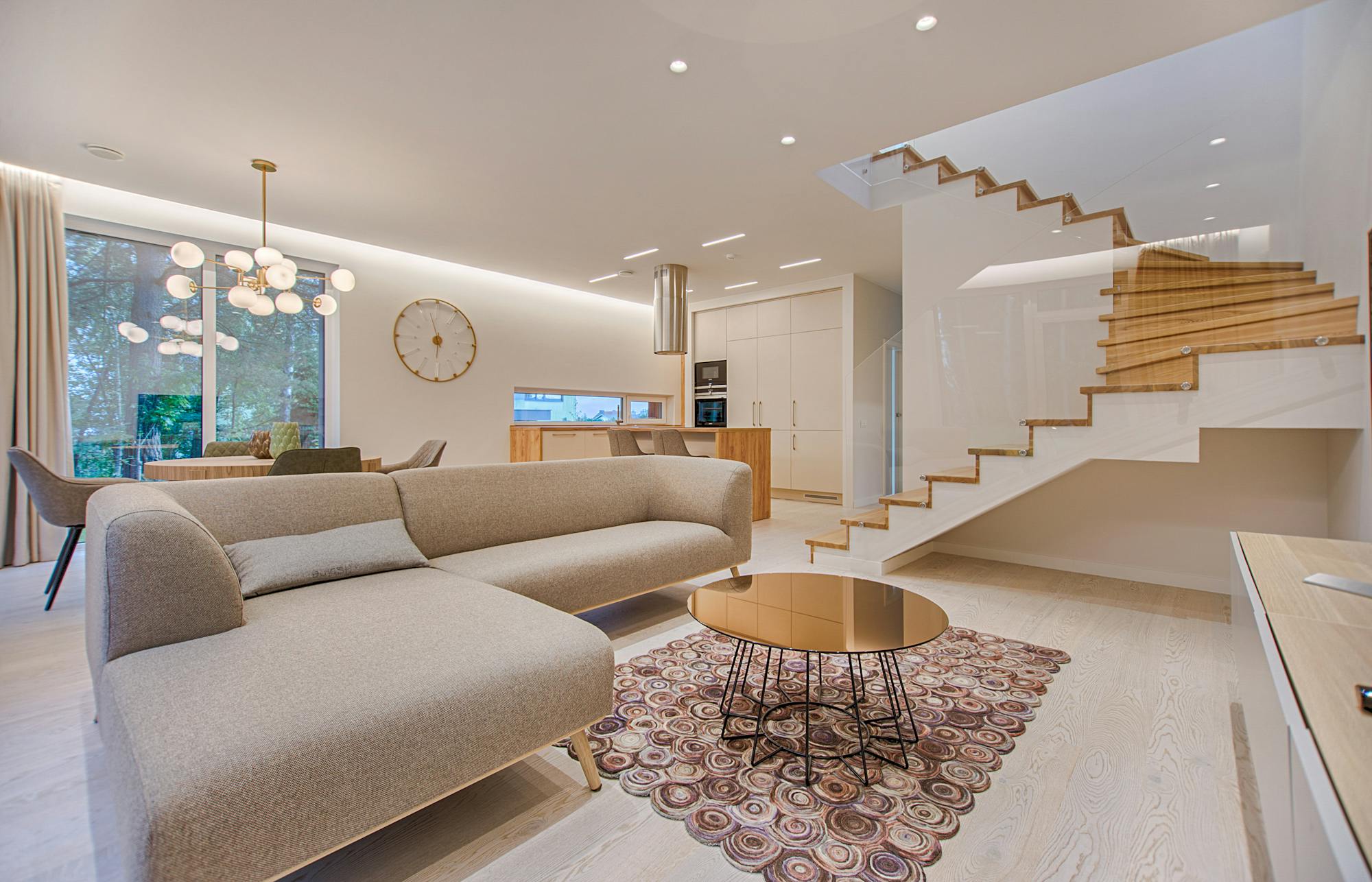
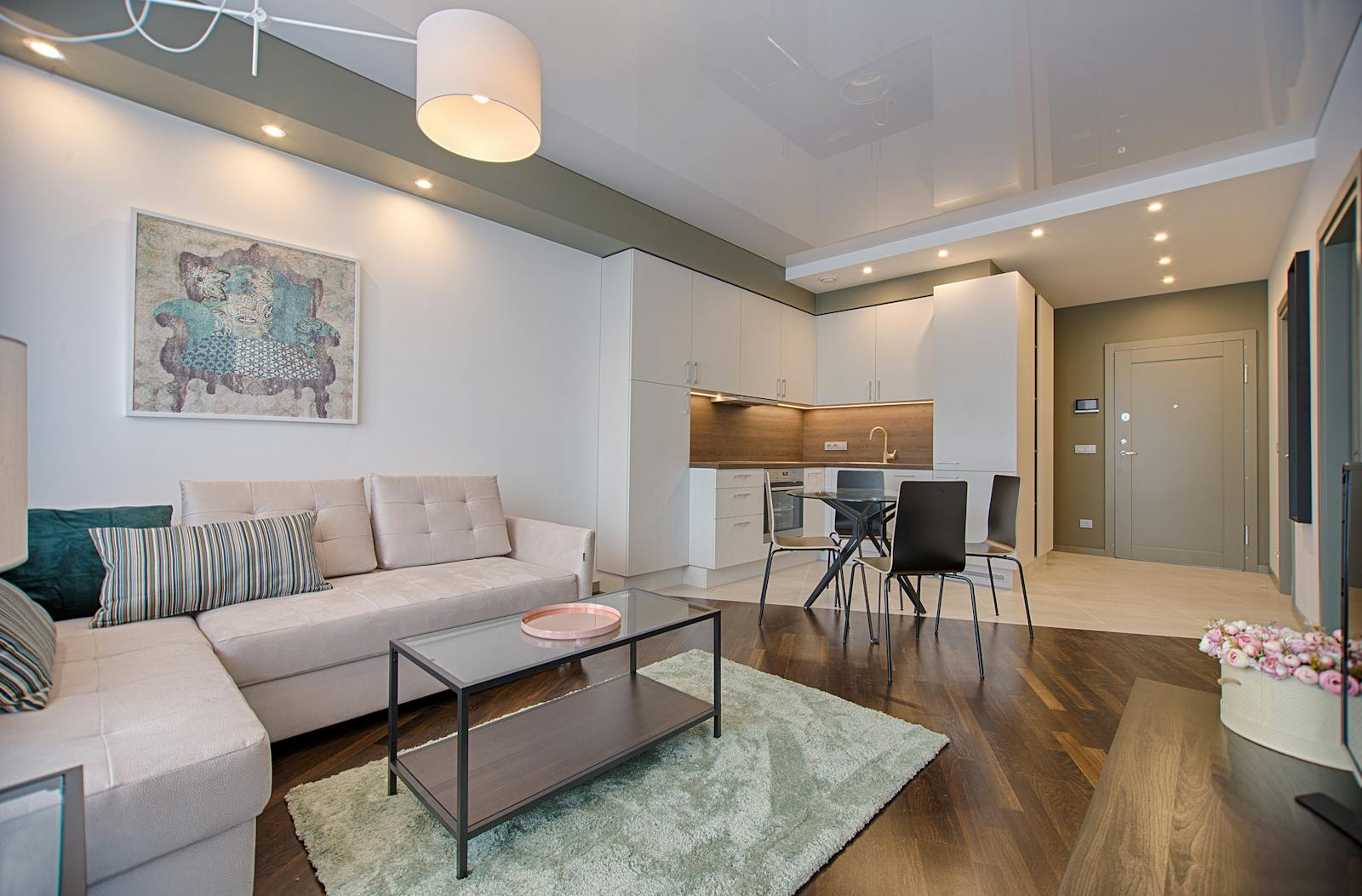
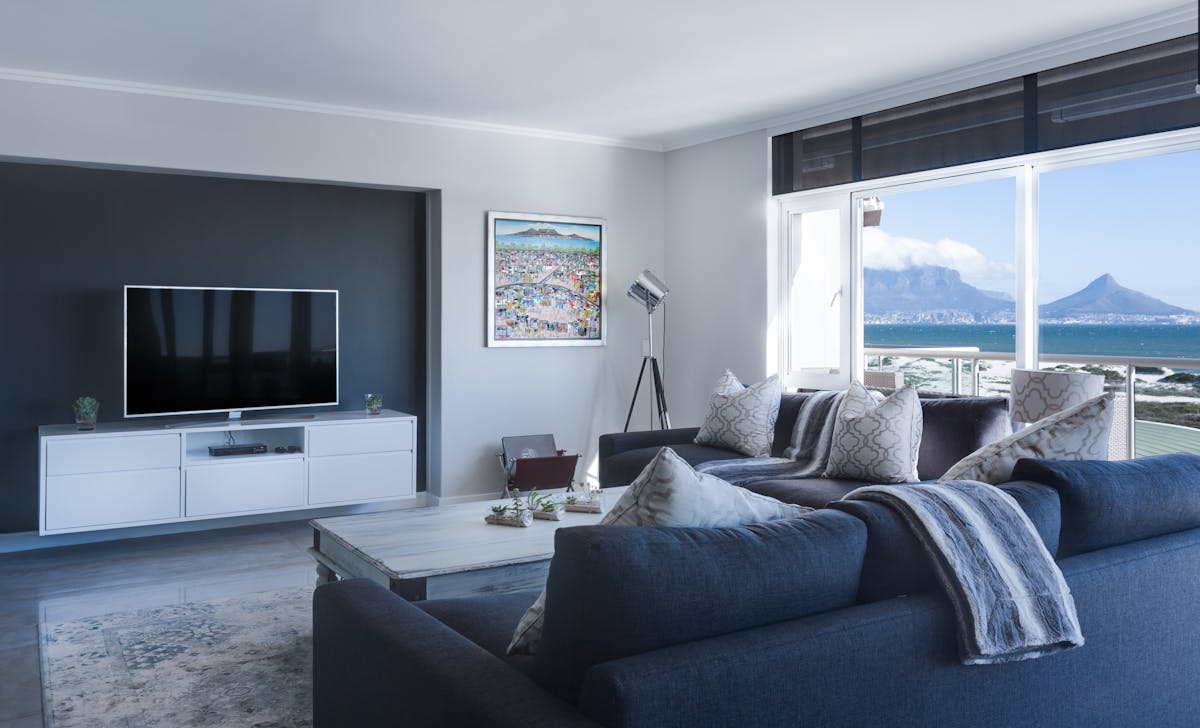
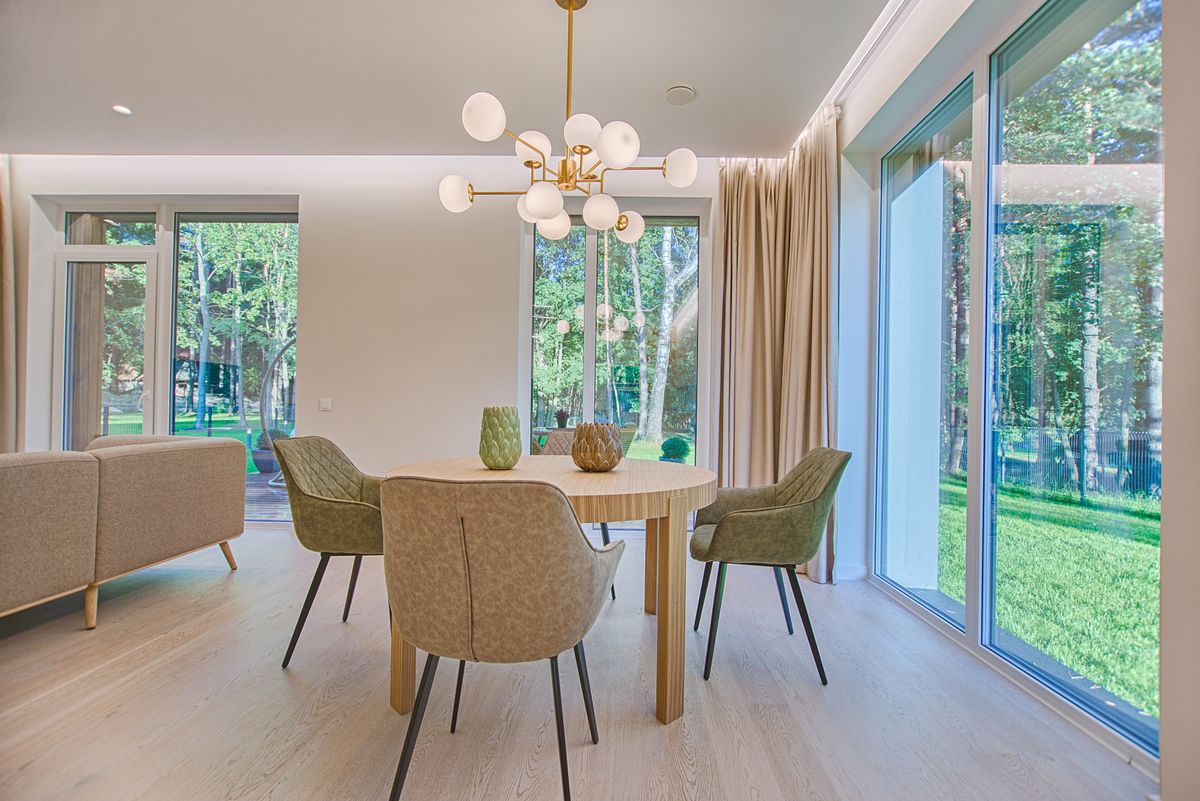
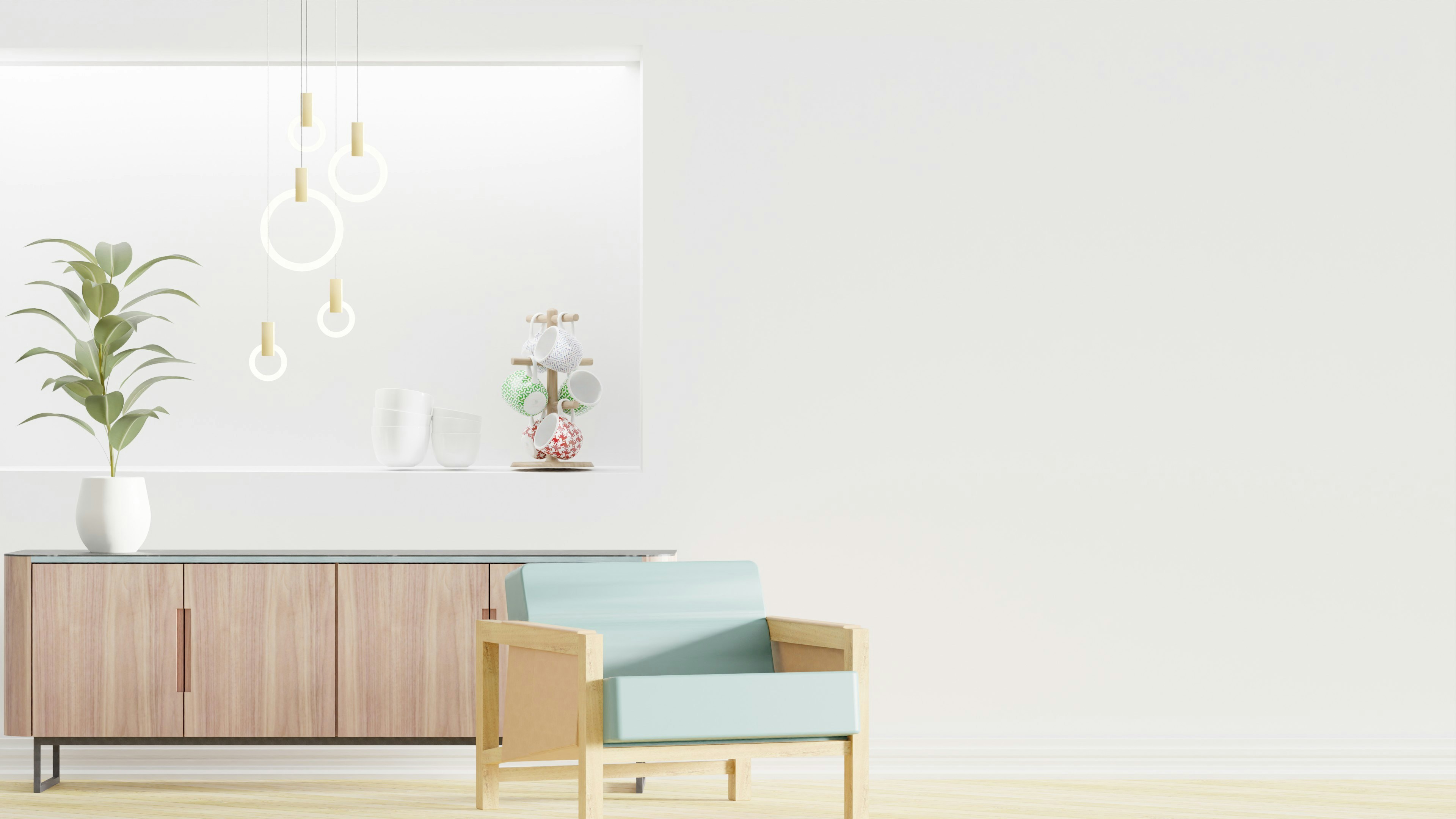
Modern room design is characterized by its clean lines, open spaces, and minimalistic style. This design aesthetic emphasizes functionality and simplicity, promoting an uncluttered Environment. By integrating modern design elements into your space, you can create an atmosphere that is both inviting and sophisticated.

Key Features of Modern Room Design

When considering modern room design, focus on the color palette, which typically features neutral tones complemented by bold accents. Furnishings are usually low-profile and made of natural materials like wood or metal, contributing to a fresh and airy feel. Additionally, incorporating natural light is essential; large windows or skylights can enhance the openness of your room, making it appear larger and more vibrant.

Tips for Implementing Modern Design

To effectively implement a modern room design, start by decluttering your space. Remove unnecessary items and keep only those that serve a purpose or bring you joy. Next, choose furniture that aligns with modern aesthetics; look for pieces that combine form and function without overwhelming the space. Finally, access your room’s lighting and furnishings to ensure they harmonize with the overall design theme. By following these guidelines, you can successfully transform your space into a stunning representation of modern room design.

Creating a Captivating Modern Room Design Read More Β»

Creating the Perfect Drawing Room: Design Tips and Ideas

Creating the Perfect Drawing Room: Design Tips and Ideas

Understanding Drawing Room Design

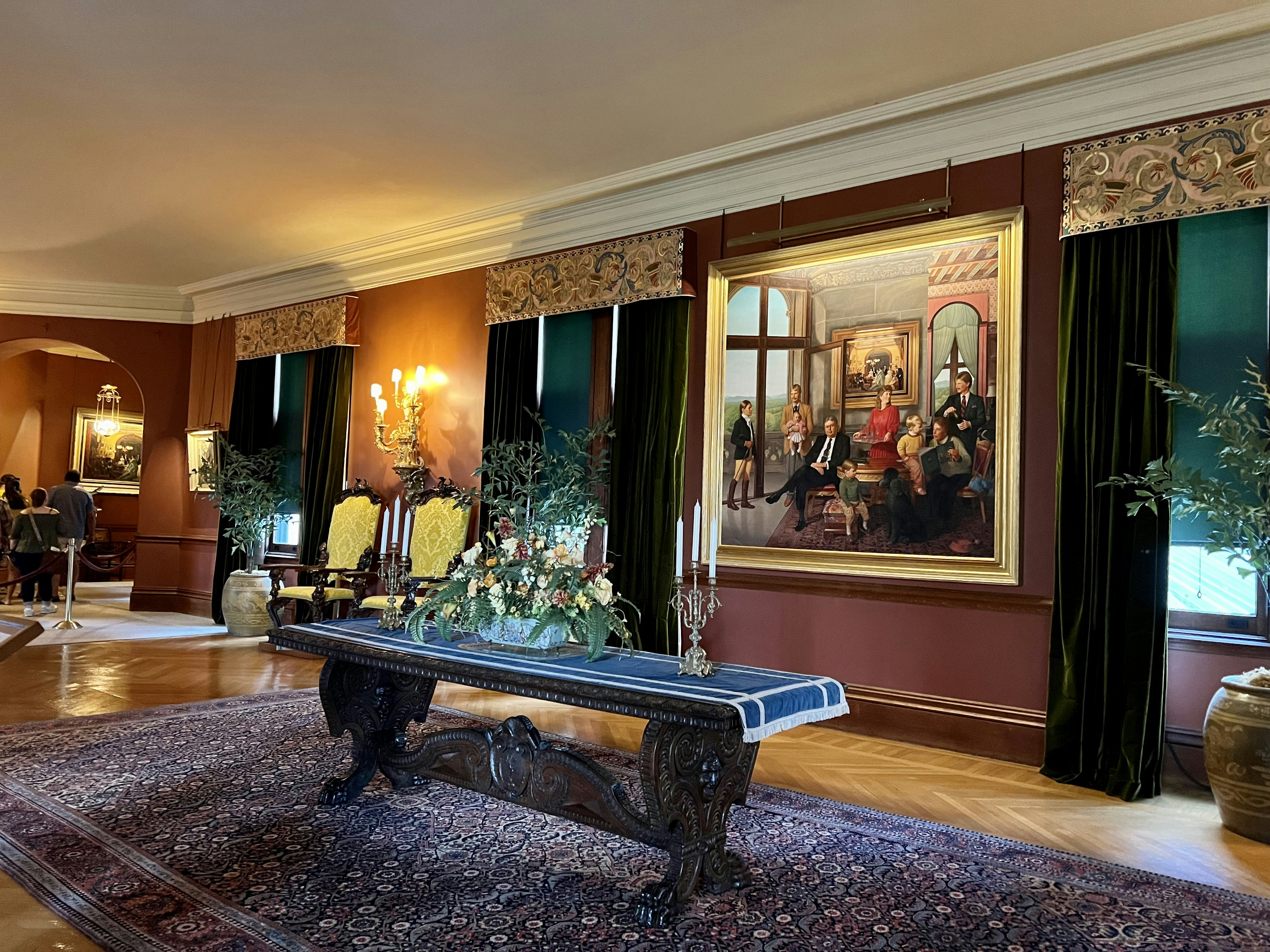
The drawing room is often considered the heart of the home, a place where family and friends gather to relax and enjoy each other’s company. When it comes to drawing room design, it’s essential to strike a balance between comfort and aesthetics. Consider your personal style and how you want the space to feel when designing this important area.

Key Elements of a Beautiful Drawing Room

In any drawing room design, several key elements contribute to the overall ambiance. Start with comfortable seating options. Sofas and armchairs should invite guests to sit and chat for hours. Additionally, consider the layout of the room; an open configuration encourages social interaction, while a more enclosed setting may provide an intimate atmosphere.

Lighting is another critical component. Incorporate natural light through windows, and blend it with various light fixtures to enhance the room’s warmth during the evening. Decorative elements such as art pieces and plants can also play a significant role in bringing character to the space.

Color Schemes and Materials

When planning your drawing room design, the choice of colors and materials can transform the environment. Neutral tones create a serene backdrop, ideal for layering texture through textiles and decorative objects. However, don’t shy away from bold accents; they can inject personality and vibrancy into the space.

Ultimately, your drawing room should reflect your taste while being a welcoming haven for guests. Experiment with combinations of colors, materials, and layouts to create a drawing room that is not only stylish but also comfortable and inviting.

Creating the Perfect Drawing Room: Design Tips and Ideas Read More Β»

Transform Your Space: Inspiring Sitting Room Design Ideas

Transform Your Space: Inspiring Sitting Room Design Ideas

Understanding the Essence of Sitting Room Design

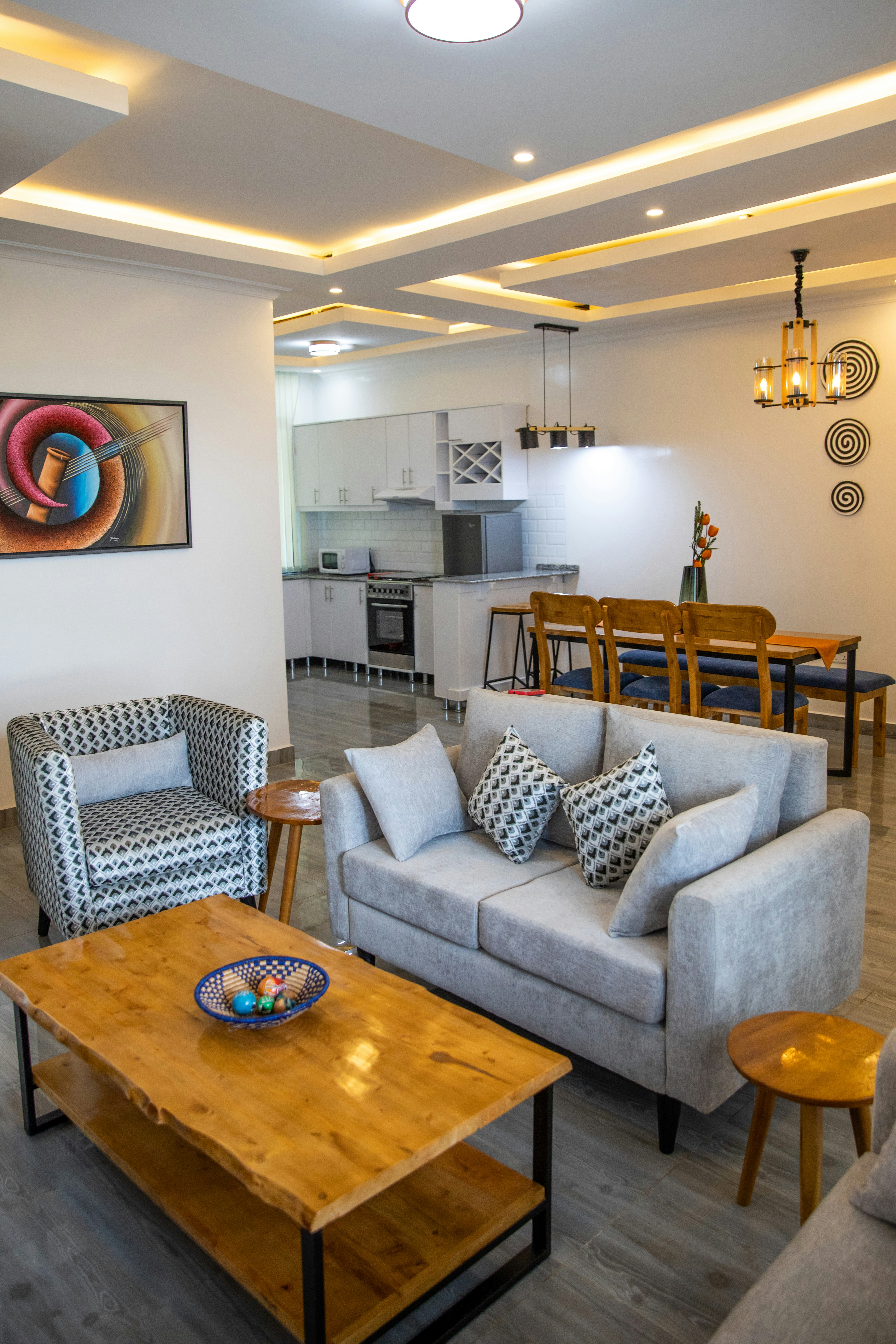
The sitting room, often regarded as the heart of a home, reflects personal taste while providing a comfortable space for relaxation and socialization. When considering sitting room design, it’s important to blend functionality with aesthetic appeal. This space needs to accommodate different activities, from leisurely reading to entertaining guests, making thoughtful design essential.

Key Elements to Consider in Your Sitting Room

First, evaluate the layout. A well-planned layout allows for an effortless flow of movement and interaction. Consider different seating arrangements that encourage conversation. Sofas paired with chairs or an inviting sectional can create a cozy atmosphere.

Next is lighting. Natural light should be maximized whenever possible, complemented by stylish light fixtures and ambient options for evening relaxation. Don’t forget about color palettes; soothing hues often work best in a sitting room, as they promote serenity.

Adding Personal Touches to Your Design

To complete your sitting room design, accessorize with personal items that reflect your tastes. Artwork, family photos, or custom decor can make the space truly yours. Additionally, incorporating elements like textiles and throws adds warmth and comfort.

In conclusion, a well-thought-out sitting room design harmonizes style and comfort, ensuring that the space resonates with your lifestyle. By focusing on layout, lighting, color, and personalization, you can create a sitting room that embodies both functionality and beauty, making it a cherished part of your home.

Transform Your Space: Inspiring Sitting Room Design Ideas Read More Β»

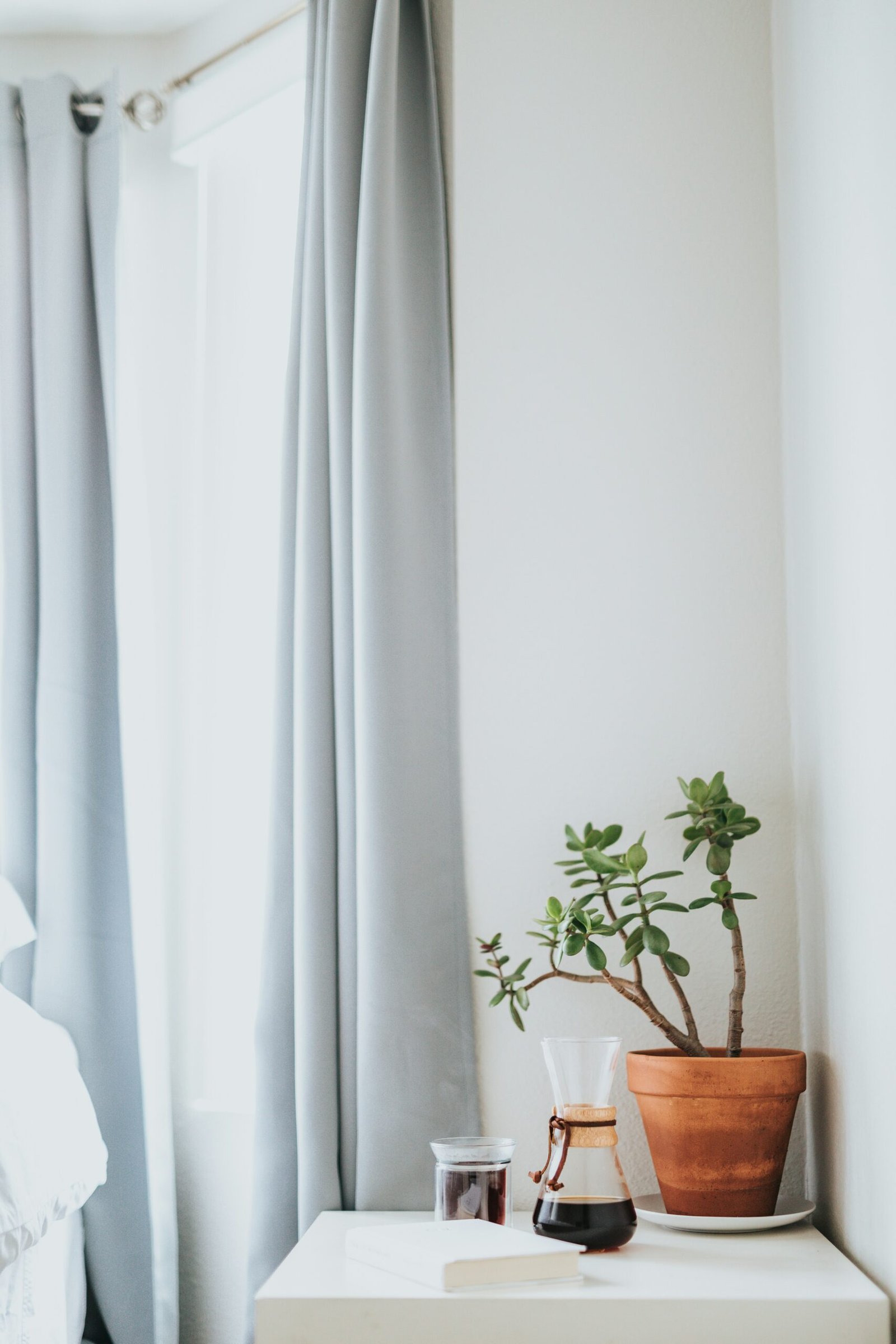
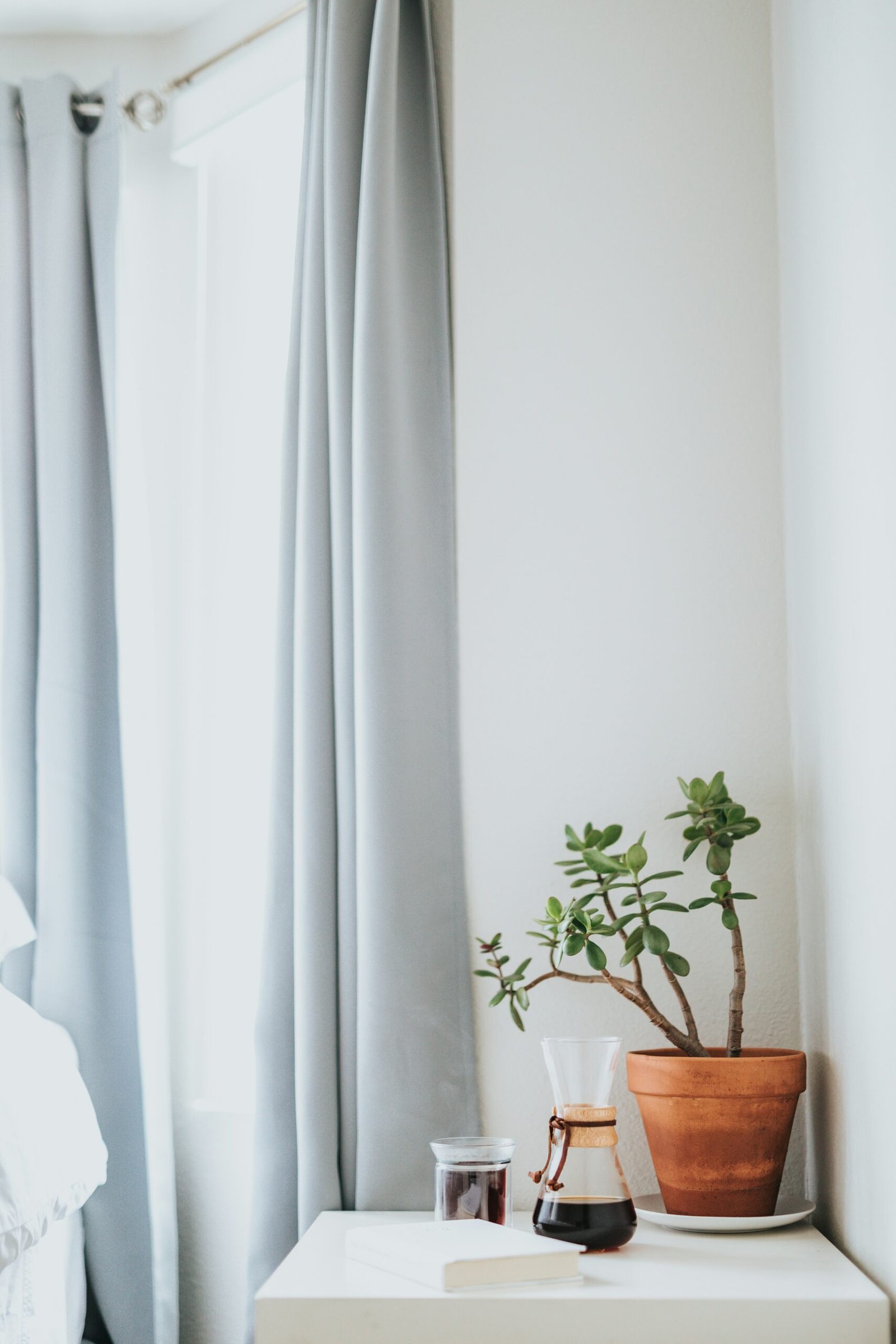
brown pot with green leafed plant on top of white wooden side table

A Guide to Designing Your Room Yourself

brown pot with green leafed plant on top of white wooden side table

Understanding Your Space

Before you begin designing your room, it’s essential to evaluate your available space. Take measurements of the room to understand its dimensions and consider any architectural features such as windows and doors. Recognizing the size of your room will help you make informed decisions about furniture placement and overall layout.

Establishing a Design Style

Your personal style plays a significant role in how you design your room. Consider what colors, textures, and themes resonate with you. Are you drawn to minimalist aesthetics, or do you prefer a more eclectic arrangement? Research different design styles such as modern, bohemian, or industrial to find inspiration that aligns with your preferences.

Choosing Furniture and Decor

Once you’ve established a style, it’s time to select furniture and decor elements. Choose pieces that not only fit your aesthetic vision but also function well in the space. Think about storage solutions to keep your room organized without sacrificing style. Accessorizing with plants, artwork, or textiles can also enhance the overall look and bring warmth to your design.

The key to designing your room yourself is to have fun and allow your personality to shine through. With careful planning and consideration, you can create a comfortable and stylish space that reflects who you are.

Designing your room yourself can be a fun and rewarding project. Here’s a step-by-step guide to help you transform your space into a place that reflects your personality and style:

Step 1: Define Your Style and Inspiration

  • Find Inspiration: Browse through Pinterest, Instagram, home decor magazines, or websites for inspiration. Save images of rooms that appeal to you.
  • Identify Your Style: Decide on a style or theme you like, such as modern, bohemian, minimalist, industrial, or traditional. You can also mix elements from different styles for a unique look.

Step 2: Set a Budget

  • Determine How Much You Can Spend: Establish a budget to avoid overspending. Prioritize spending on key items like a bed, a desk, or lighting.
  • Plan for DIY Projects: If you’re on a tight budget, look for things you can do yourself, like painting walls, reupholstering furniture, or creating wall art.

Step 3: Assess Your Room’s Layout and Functionality

  • Measure Your Space: Measure the dimensions of the room, including the height, width, and length. Make note of windows, doors, and any architectural features.
  • Decide on the Room’s Functionality: Determine how you’ll use the room. Is it a bedroom, a study, a lounge, or a multi-functional space? Plan the layout accordingly.

Step 4: Choose a Color Scheme

  • Select a Base Color: Choose a primary color for the walls or main furniture. Neutral colors like white, grey, beige, or soft pastels can serve as a great base.
  • Add Accent Colors: Pick one or two accent colors to add depth. Use them for smaller items like throw pillows, curtains, or decor pieces.

Step 5: Plan Your Furniture Arrangement

  • Identify Key Pieces: Choose essential furniture pieces, such as a bed, desk, or dresser. Make sure they fit comfortably within the space.
  • Optimize Layout: Arrange furniture to maximize the flow of the room. For example, place the bed against a wall, leaving enough space to walk around. Avoid blocking windows or doors.

Step 6: Add Textiles for Comfort

  • Choose Quality Bedding: Invest in comfortable bedding with layers like throw blankets and decorative pillows for a cozy look.
  • Use Rugs to Define Areas: If your room has different functional areas (e.g., a sleeping area and a reading nook), use rugs to separate them visually.
  • Incorporate Curtains or Blinds: Choose curtains that complement the room’s color scheme. Floor-length curtains can make the room appear taller.

Step 7: Incorporate Lighting

  • Layer Your Lighting: Use a combination of ambient (overhead lighting), task (desk lamp, reading light), and accent lighting (fairy lights, candles) to create a warm and inviting atmosphere.
  • Upgrade Light Fixtures: If possible, replace basic light fixtures with something more stylish, like a pendant light or a unique floor lamp.

Step 8: Decorate Walls Thoughtfully

  • Add Art or Wall Decor: Hang paintings, posters, or framed photos. You can create a gallery wall with different frames and art pieces.
  • Consider a Feature Wall: Paint one wall in a bold color, add wallpaper, or use peel-and-stick wall decals to create a focal point.
  • Use Shelves: Install wall shelves for books, plants, or decorative objects. This can add both functionality and style to your room.

Step 9: Accessorize with Personal Touches

  • Display Personal Items: Incorporate items that reflect your interests, like travel souvenirs, musical instruments, or collectibles.
  • Add Plants: Use houseplants to bring life and color to the space. Low-maintenance plants like succulents, pothos, or snake plants work well.
  • Incorporate Decorative Objects: Add decorative objects like candles, vases, or sculptures. Use trays to organize smaller items on dressers or nightstands.

Step 10: Organize and Declutter

  • Keep the Room Tidy: A clean, clutter-free space feels more inviting. Use storage solutions like baskets, bins, or under-bed organizers.
  • Create Storage Zones: Group similar items together (e.g., books, clothes, accessories) and store them in designated areas.

Step 11: Use DIY Projects to Add Unique Touches

  • DIY Wall Art: Create your own paintings or framed prints. You can use stencils, abstract techniques, or even fabric-covered boards.
  • Repaint Old Furniture: Give old furniture a fresh coat of paint to match your new color scheme.
  • Upcycle Decor Items: Transform everyday items into decor. For example, use mason jars as candle holders or turn a ladder into a bookshelf.

Step 12: Pay Attention to Scent

  • Add a Room Diffuser or Scented Candles: Choose a pleasant fragrance to add a finishing touch to your space. Scents like lavender, vanilla, or eucalyptus create a calming atmosphere.

Final Tips:

  • Start with Big Changes: Focus on the most significant changes (furniture arrangement, wall color) first before moving on to smaller details.
  • Take Your Time: Redesigning a room doesn’t have to be done all at once. Start with essential items and gradually add decor.
  • Mix High and Low: Combine budget-friendly items with one or two high-quality pieces to give the room a polished look.

By following these steps, you can design a room that looks stylish, reflects your personality, and meets your needs without hiring a professional interior designer.

Home Interior Design Transform Your Living Space with Expert Ideas

How to Evaluate Your Space Before Designing a Room

Before you begin designing your room, the most important step is to evaluate your available space. Understanding the dimensions, layout, and architectural features ensures that your design decisions are practical, stylish, and functional. Without this step, even the most beautiful furniture or dΓ©cor can feel misplaced or overwhelming.


Step 1: Take Accurate Measurements

Start by measuring the length, width, and height of the room. Don’t forget:

  • Windows and Doors: Note their placement and opening swing.
  • Wall Niches or Columns: Include architectural features in your plan.
  • Ceiling Height: Helps in deciding lighting fixtures or storage units.

Step 2: Analyze the Natural Light

  • Check how much daylight the room receives.
  • North-facing rooms may need warmer lighting schemes.
  • Large windows allow flexibility with lighter furniture and color palettes.

Step 3: Identify Functional Needs

Ask yourself:

  • Is this room for relaxation, work, or entertainment?
  • How many people will use it daily?
  • Do you need more storage or seating?

Step 4: Consider Traffic Flow

  • Ensure there’s enough walking space between furniture.
  • Avoid blocking windows and doorways.
  • Maintain clear circulation paths for comfort and accessibility.

Step 5: Plan Furniture Placement

Once you know your room size, you can:

  • Scale furniture proportionately (avoid oversized pieces in small rooms).
  • Place larger items like beds, sofas, or wardrobes first.
  • Add accent pieces like chairs, tables, or dΓ©cor afterward.

Step 6: Visualize with Layout Tools

Use online design tools or 3D renders to test different layouts before making purchases. This helps avoid costly mistakes and ensures balance between style and function.


Recap

Evaluating your space is the foundation of successful interior design. By measuring dimensions, analyzing light, and considering movement and function, you can create a layout that is both practical and beautiful.

Call to Action:
Ready to start designing? Consult expert interior designers in Delhi NCR to help plan your space with accurate layouts, furniture placement, and customized dΓ©cor ideas.

A Guide to Designing Your Room Yourself Read More Β»

a living room filled with furniture and a large window

The First Step in Designing a Room

Introduction

Designing a room can be an exciting and fulfilling project. Whether you are revamping an existing space or starting from scratch, proper planning is essential to create a room that is both functional and aesthetically pleasing. In this article, we will explore the first step in designing a room and provide valuable insights to help you get started.

Understanding Your Goals and Needs

The first step in designing a room is to understand your goals and needs for the space. Ask yourself some fundamental questions to clarify your vision and purpose for the room. Are you looking to create a cozy and intimate atmosphere or a bright and airy space? Will the room be used for relaxation, work, or socializing? Determining the primary function of the room will guide your design decisions and ensure that the final result aligns with your objectives.

Gathering Inspiration

Once you have a clear understanding of your goals and needs, it’s time to gather inspiration. Explore various sources such as interior design magazines, websites, social media platforms, and even nature to find ideas that resonate with you. Create a mood board or a digital folder to collect images, colors, textures, and patterns that appeal to your aesthetic sense. This process will help you develop a cohesive vision for the room and serve as a reference point throughout the design process.

Assessing the Space

Before diving into the design phase, it is crucial to assess the space you are working with. Take accurate measurements of the room, including the dimensions of the walls, windows, doors, and any architectural features. Consider the orientation of the room and the natural light it receives at different times of the day. Understanding the limitations and possibilities of the space will enable you to make informed design choices and maximize its potential.

Creating a Layout

With a clear vision, inspiration, and knowledge of the space, it’s time to create a layout for the room. Start by determining the focal point of the room, such as a fireplace, a statement piece of furniture, or a breathtaking view. Arrange the furniture and other elements around this focal point to create a functional and visually pleasing layout. Keep in mind the traffic flow and ensure there is enough space for movement. Experiment with different arrangements and consider the scale and proportion of each item to achieve balance and harmony.

Choosing a Color Scheme

Color plays a pivotal role in room design as it sets the overall mood and ambiance. Consider the emotions and feelings you want to evoke in the room. Warm colors like red, orange, and yellow create a cozy and energetic atmosphere, while cool colors like blue, green, and purple promote calmness and relaxation. Explore different color combinations and choose a palette that complements your style and the function of the room. Remember to consider the lighting conditions in the space, as colors can appear different under various lighting sources.

Selecting Furniture and Accessories

Once you have a layout and color scheme in place, it’s time to select furniture and accessories that align with your design vision. Consider the style, comfort, and durability of the furniture pieces, ensuring they fit within the scale of the room. Pay attention to the materials, textures, and finishes to create visual interest and add depth to the space. Accessories such as rugs, curtains, artwork, and lighting fixtures can enhance the overall design and add a personal touch to the room.

Conclusion

Designing a room is a creative and rewarding process that starts with a solid foundation. By understanding your goals and needs, gathering inspiration, assessing the space, creating a layout, choosing a color scheme, and selecting furniture and accessories, you can create a room that reflects your unique style and meets your functional requirements. Remember to enjoy the journey and embrace the opportunity to bring your vision to life. Happy designing!

The First Step in Designing a Room Read More Β»

Scroll to Top