Minimalist kitchen interior design focuses on simplicity, functionality, and a sense of calm. By reducing visual clutter and choosing only purposeful features, you can create a kitchen that feels spacious, organized, and easy to maintain without sacrificing warmth or personality.
What Is Minimalist Kitchen Interior Design?
A minimalist kitchen uses a restrained color palette, clean lines, practical storage, and carefully selected materials. The goal is not to make the room feel empty, but to ensure that every cabinet, appliance, surface, and decorative detail has a clear purpose.
Key Features of a Minimalist Kitchen
1. Clean, Simple Cabinetry
Flat-panel cabinets create a smooth, uninterrupted look. Handleless doors, integrated pulls, or slim hardware can make the kitchen feel more streamlined. Choose a consistent finish across the main cabinetry for a calm and cohesive appearance.
2. A Limited Color Palette
White, warm beige, light gray, taupe, and soft black work well in minimalist kitchens. A monochromatic scheme can make the room appear larger, while natural wood accents add warmth. Use contrast sparingly so the design remains visually peaceful.
3. Smart Hidden Storage
Clutter is the biggest distraction in a minimalist kitchen. Use deep drawers, pull-out pantry units, corner organizers, and internal cabinet fittings to keep cookware and appliances accessible but out of sight. Store frequently used items close to the relevant work zone.
4. Quality Over Quantity
Minimalist design benefits from durable, well-chosen materials. Consider quartz or porcelain countertops, large-format flooring, understated backsplash tiles, and natural timber details. Fewer high-quality finishes often create a more refined result than many competing materials.
Minimalist Kitchen Layout Ideas
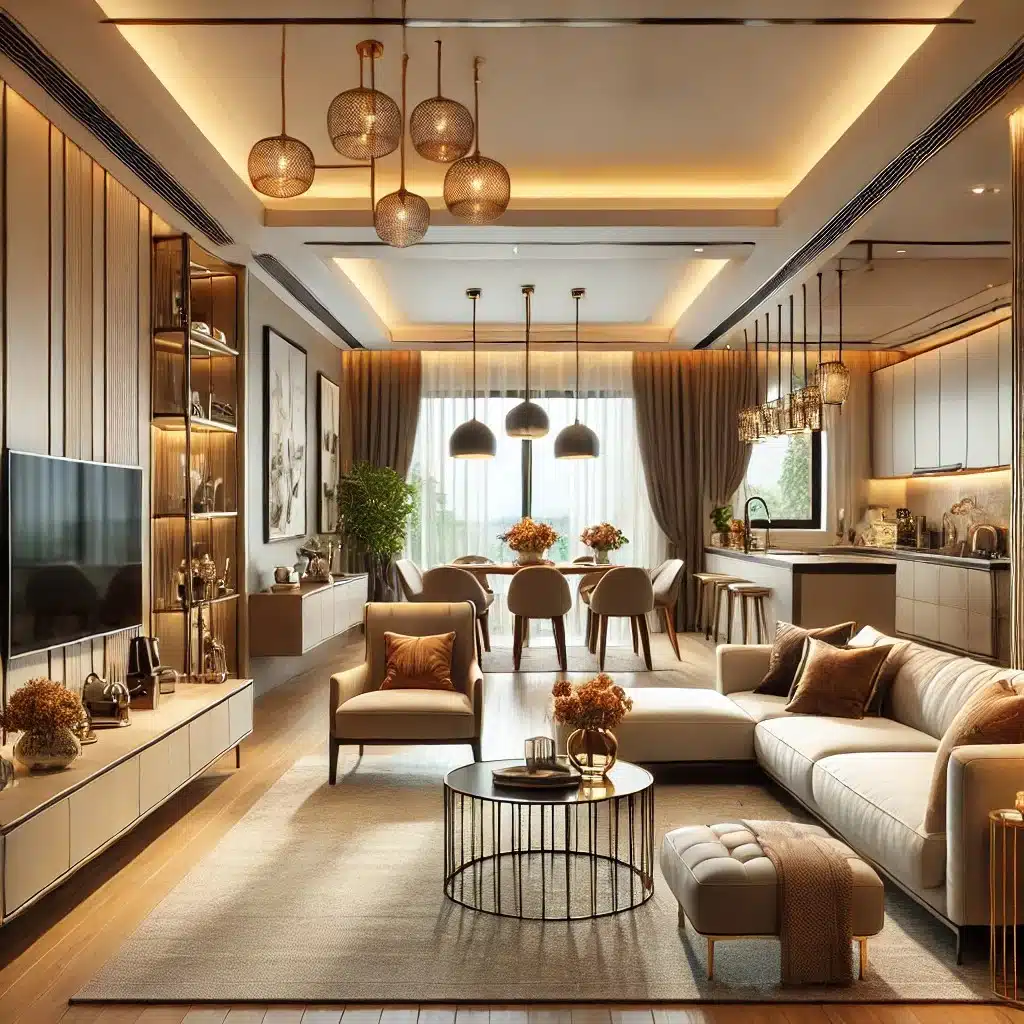
Efficient planning is essential. Arrange the refrigerator, sink, and cooking area so movement between them is comfortable. In a small kitchen, a single-wall or galley layout can maximize available space. In a larger room, a simple island can provide preparation space, storage, and seating without overwhelming the design.
How to Design a Minimalist Kitchen Island
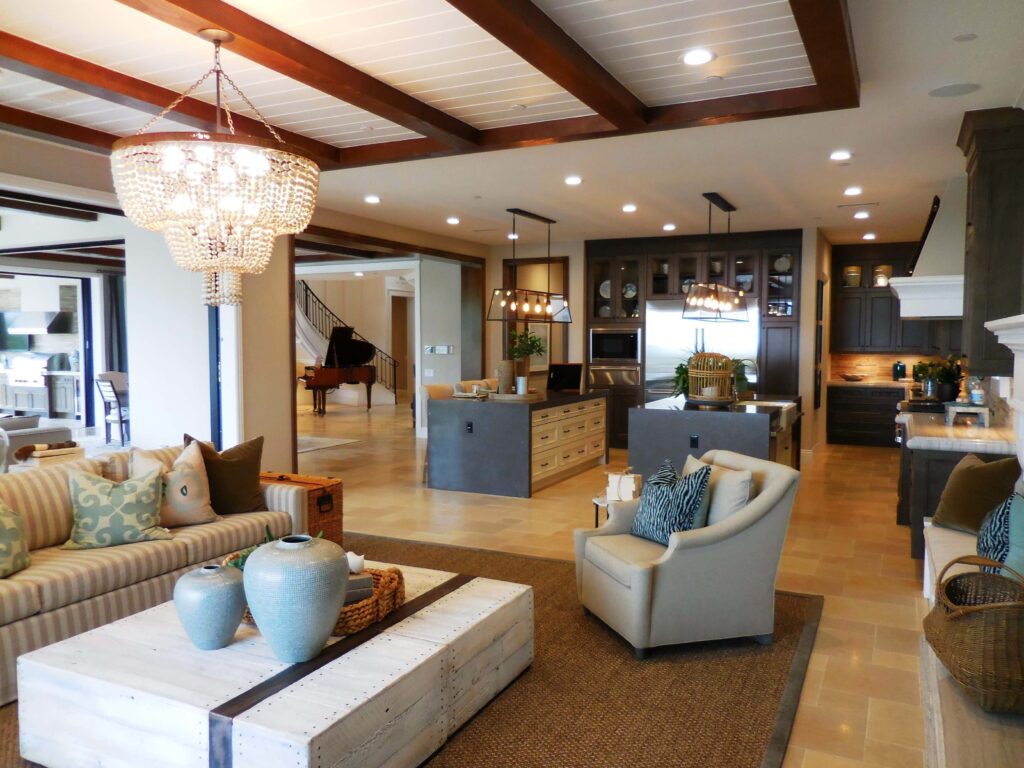
Keep the island visually simple with a clean countertop, discreet storage, and minimal decoration. Waterfall-edge counters, matching cabinetry, and integrated appliances can create a seamless appearance. If you need seating, choose stools with simple silhouettes and neutral upholstery.
Lighting for a Minimalist Kitchen
Layered lighting keeps a minimalist kitchen practical and inviting. Use recessed or flush ceiling lights for ambient illumination, under-cabinet lighting for food preparation, and one understated pendant or linear fixture above the island. Warm-white lighting can soften pale surfaces and prevent the room from feeling clinical.
Minimalist Kitchen Storage Solutions
- Use full-height cabinets to maximize vertical storage.
- Install drawer organizers for utensils and kitchen tools.
- Choose pull-out shelves for pantry goods and small appliances.
- Use appliance garages to hide items that are not used every day.
- Add internal cabinet lighting for easier access.
- Keep countertops limited to essential items.
Adding Warmth Without Adding Clutter
A minimalist kitchen can still feel personal and welcoming. Introduce warmth through wood, natural stone, woven stools, indoor plants, textured fabrics, or handmade ceramics. Display a small number of meaningful objects and leave enough open space for the room to breathe.
Common Minimalist Kitchen Design Mistakes
A minimalist kitchen can become impractical if storage is insufficient or if the design relies on too many stark, cold surfaces. Plan cabinets around your daily habits, include adequate task lighting, and combine smooth finishes with natural textures. Minimalism should simplify everyday life rather than make essential items difficult to reach.
Final Tips for a Minimalist Kitchen
Start by identifying what you use most and design storage around those items. Choose a small group of coordinated finishes, conceal unnecessary visual elements, and prioritize an efficient layout. With thoughtful planning, minimalist kitchen interior design can create a timeless, organized space that feels both beautiful and comfortable.