The Role of an Interior Designer in Creating Functional Spaces
The role of an interior designer in creating functional spaces extends beyond decoration. Interior designers combine creativity, technical knowledge, planning, and human-centered design to transform homes into environments that support comfort, productivity, and daily living.
Updated: May 2026 | 8 min read
Table of Contents
- Why Functional Design Matters
- Space Planning
- Human Behavior & Design
- Lighting Systems
- Materials & Textures
- Storage Solutions
- Delhi NCR Trends
- FAQs
Quick Answer: What Does an Interior Designer Actually Do?
Interior designers improve the way spaces function by planning layouts, optimizing movement, designing storage, selecting materials, improving lighting, and balancing aesthetics with usability.
- Space planning
- Furniture arrangement
- Lighting optimization
- Storage design
- Material selection
- Comfort enhancement
- Traffic flow planning
- Visual harmony
Why Functional Interior Design Matters
A beautiful room that lacks comfort or usability often fails in everyday life. Functional interior design creates spaces that support movement, improve efficiency, and align with the habits of occupants. Successful interiors are designed around real-world use rather than appearance alone.
Explore: Complete Interior Design Guide
1. Space Planning and Layout Optimization
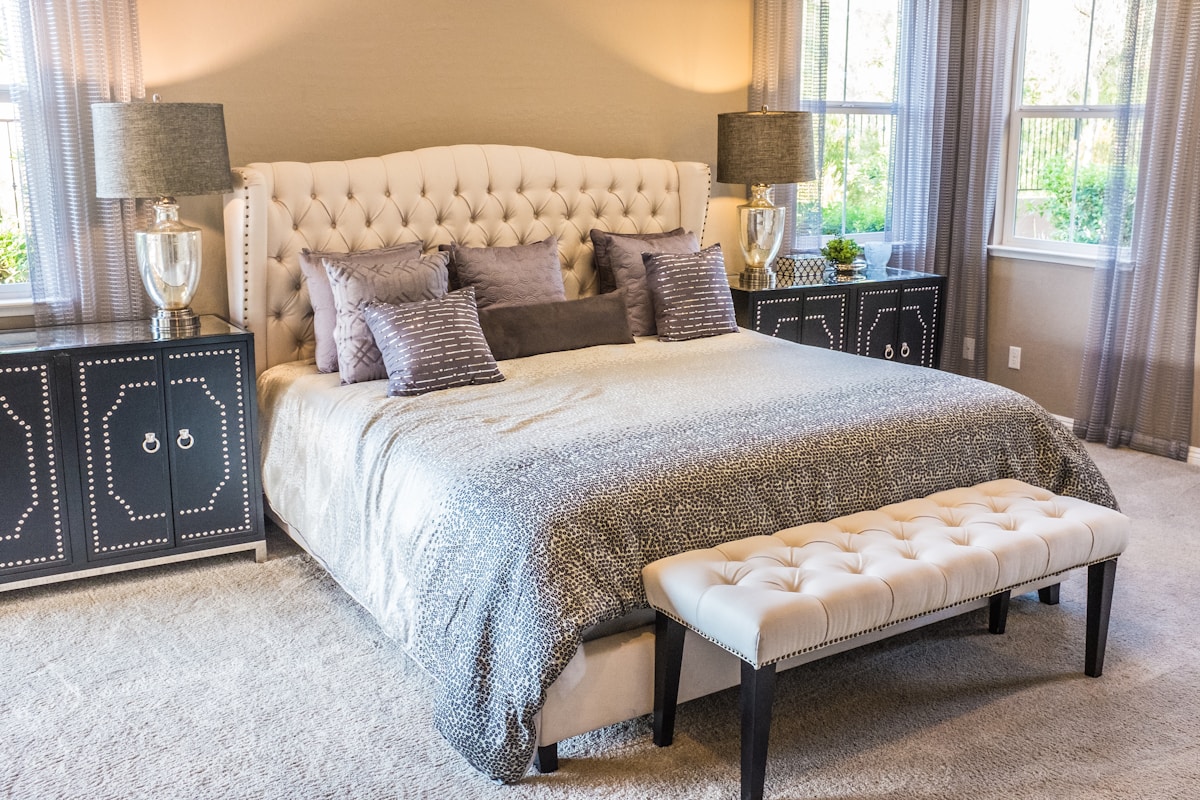
Space planning forms the foundation of every successful project. Interior designers evaluate room dimensions and determine how people naturally move through a space.
Measure Dimensions
Create accurate room proportions
Traffic Flow
Improve circulation pathways
Furniture Placement
Create balanced layouts
Accessibility
Design practical movement
Related: Small Space Interior Design Ideas
2. Understanding Human Behavior
Professional designers observe how families live, work, and relax before designing spaces. User-centered interiors create environments tailored to actual needs.
- Daily routines
- Family interaction
- Work-from-home requirements
- Lifestyle preferences
- Entertainment habits
3. Lighting Design Systems
Lighting affects comfort, productivity, and mood. Professional interiors combine multiple layers of illumination.
Ambient
Overall room brightness
Task
Activity-based lighting
Accent
Highlight visual features
4. Materials and Texture Selection
Materials impact durability and visual experience. Layered textures create depth and comfort.
- Natural wood finishes
- Stone surfaces
- Metal accents
- Soft fabrics
- Glass details
- Textured walls
5. Designing Smart Storage Solutions
Interior designers maximize functionality by integrating hidden storage and multipurpose furniture.
Explore: Modular Kitchen Design Ideas
Trending Interior Design Ideas Across Gurgaon, Noida & Delhi NCR
- Luxury minimalism
- Biophilic interiors
- Smart storage systems
- Home office layouts
- Warm earth tones
- Sustainable materials
- Custom furniture solutions
Explore Local Resources:
Trusted Design Resources
Frequently Asked Questions
What is the main role of an interior designer?
Interior designers improve both appearance and functionality through planning, layout optimization, material selection, and design strategy.
How do interior designers create functional spaces?
They analyze user behavior, improve movement patterns, and create practical design solutions.
Why is space planning important?
Space planning improves comfort, organization, and room usability.
Create Smarter, More Functional Interiors
Discover design ideas, interior inspiration, and expert strategies for transforming homes across Gurgaon, Noida, and Delhi NCR. Explore Interior A to Z