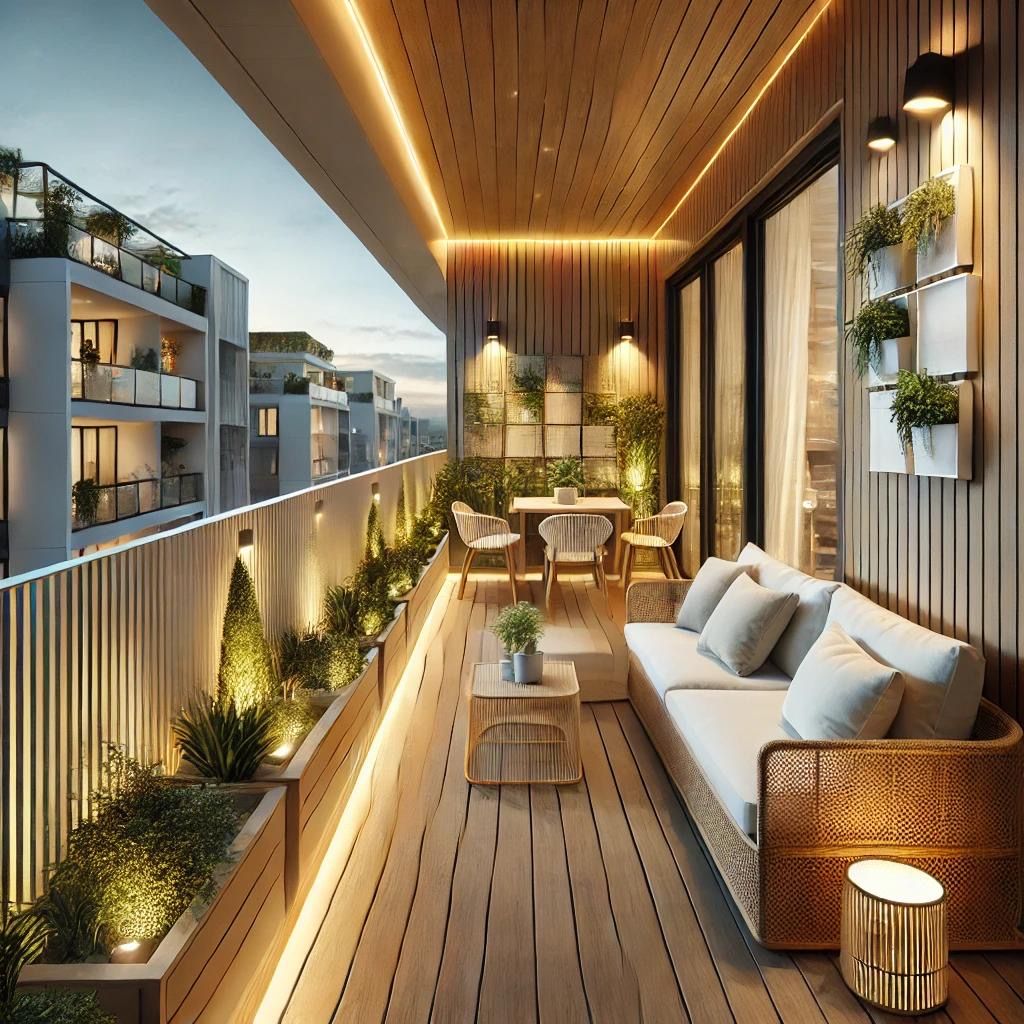
Home interior design shapes how a house feels, functions, and supports daily life. A strong home interior is not only visually appealing but also organized, comfortable, and practical. It balances color, lighting, materials, and layout to create harmony.
Across Gurgaon, Noida, and the wider Delhi NCR region, homeowners increasingly prioritize home interiors that maximize space, light, and flexibility while maintaining timeless style.
This guide explains the essential principles that define a well-designed home interior.
What Is Home Interior Design?
Home interior design is the structured planning and styling of indoor residential spaces. It blends architecture with decoration to improve usability and atmosphere.
The discipline draws influence from modern design movements like Bauhaus, where clarity, craftsmanship, and function became central values.
A complete home interior includes:
- Spatial planning
- Furniture layout
- Lighting design
- Color coordination
- Material selection
- Decorative styling
Interior design goes beyond appearance. It shapes how people live inside a space.
Core Principles of a Strong Home Interior

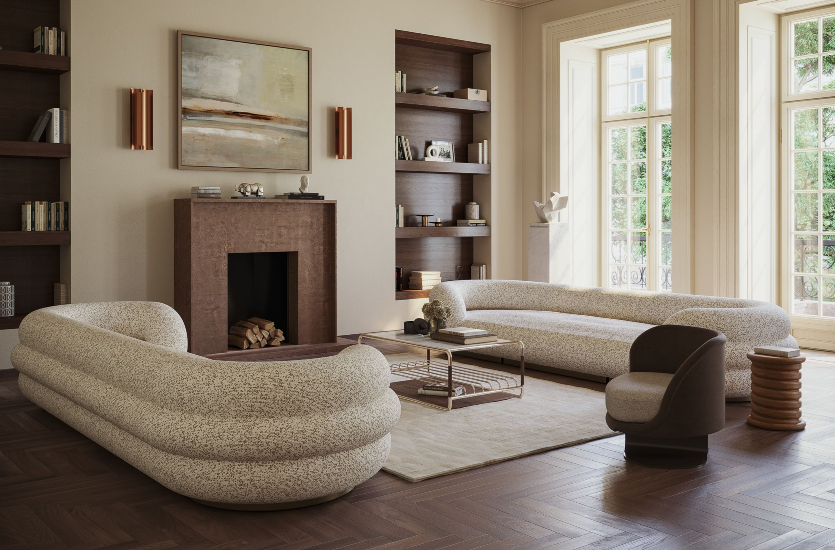

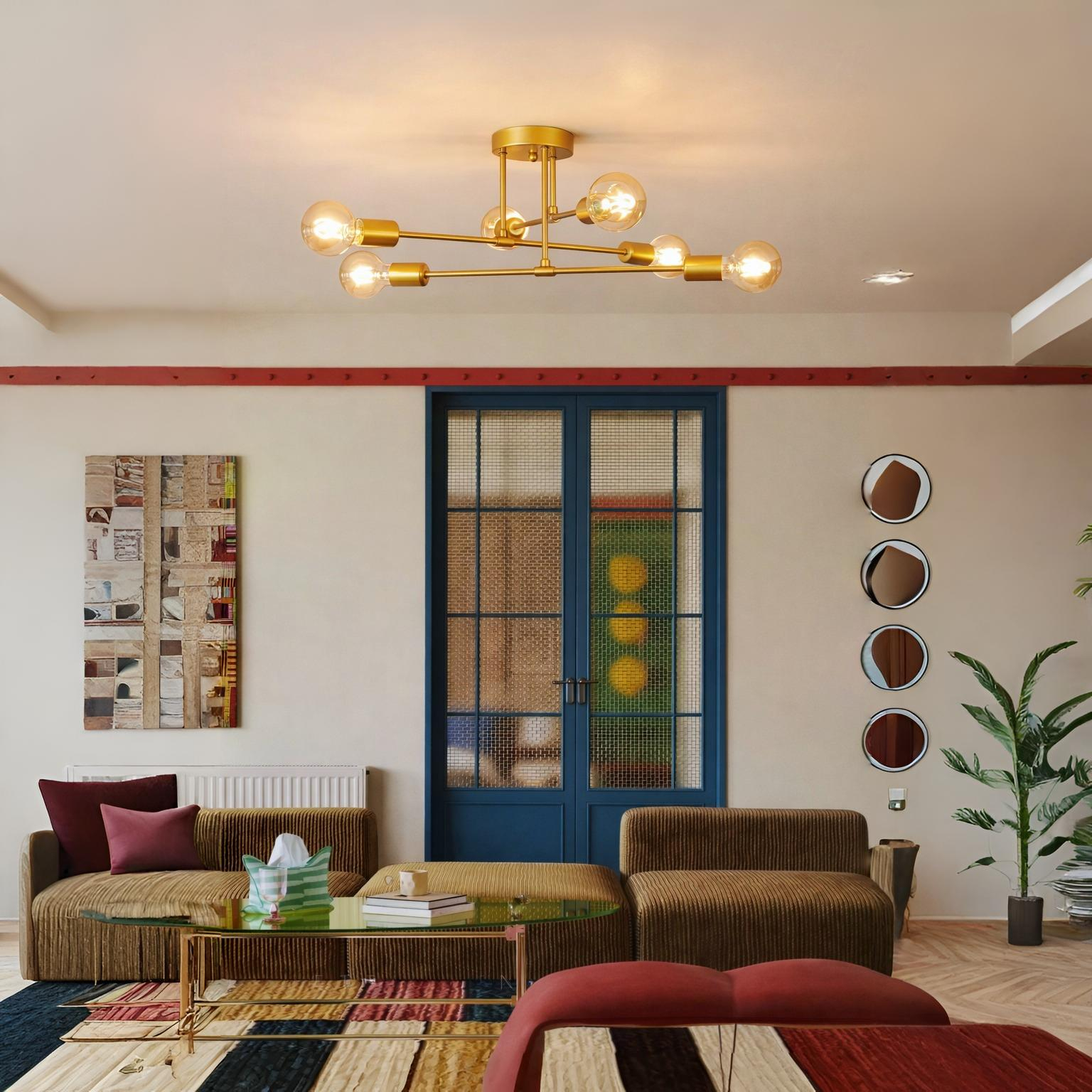
Professional home interiors follow foundational visual rules.
Balance
Furniture and decor should distribute visual weight evenly.
Functionality
Every element should serve a purpose.
Proportion
Objects must match the scale of the room.
Contrast
Mixing textures prevents flat, lifeless spaces.
Unity
All rooms should connect through a consistent theme.
Color Strategy in Home Interiors
Color defines mood and perception.
Effective approaches include:
- Neutral base for flexibility
- Accent colors through textiles
- Warm tones for comfort
- Cool tones for calm environments
- Earth palettes for natural warmth
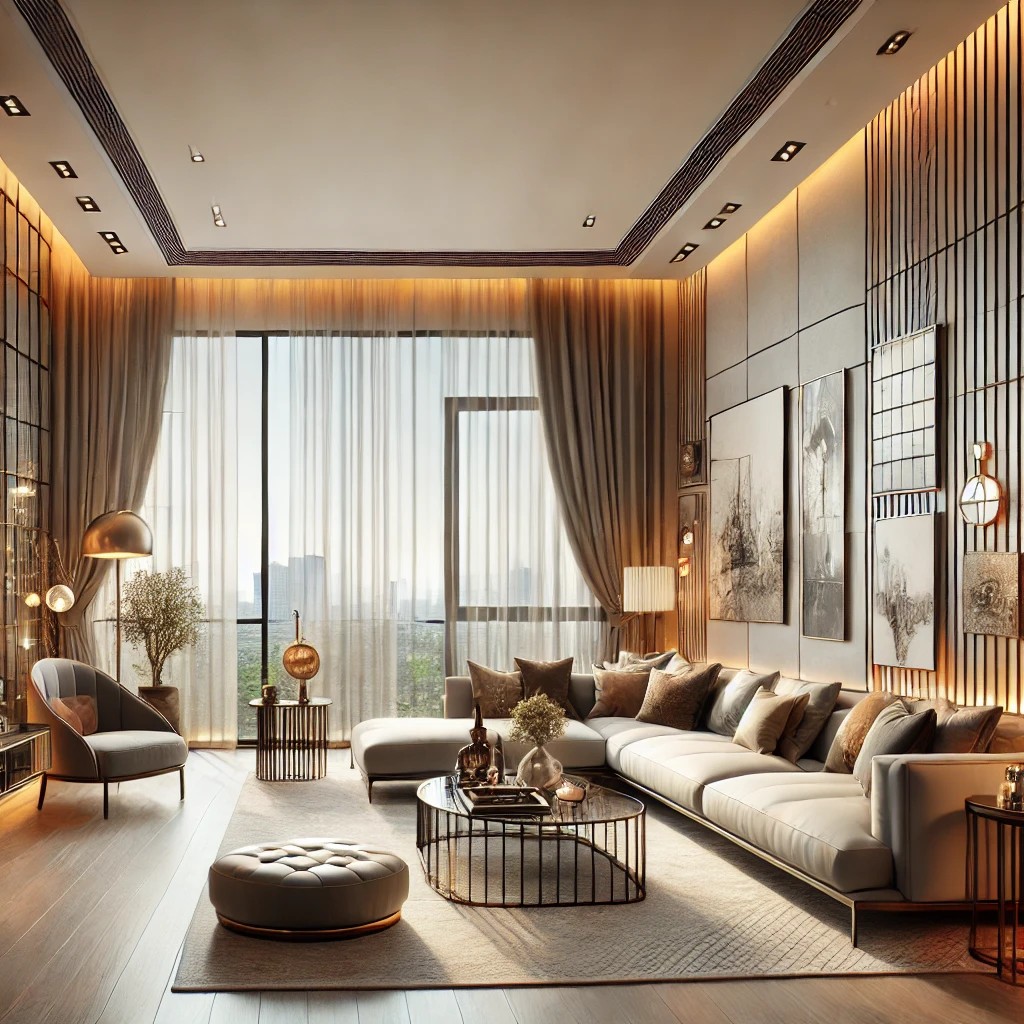
Neutral palettes remain popular in Delhi NCR homes because they enhance natural light and make rooms appear larger.
Furniture Planning for Home Interiors
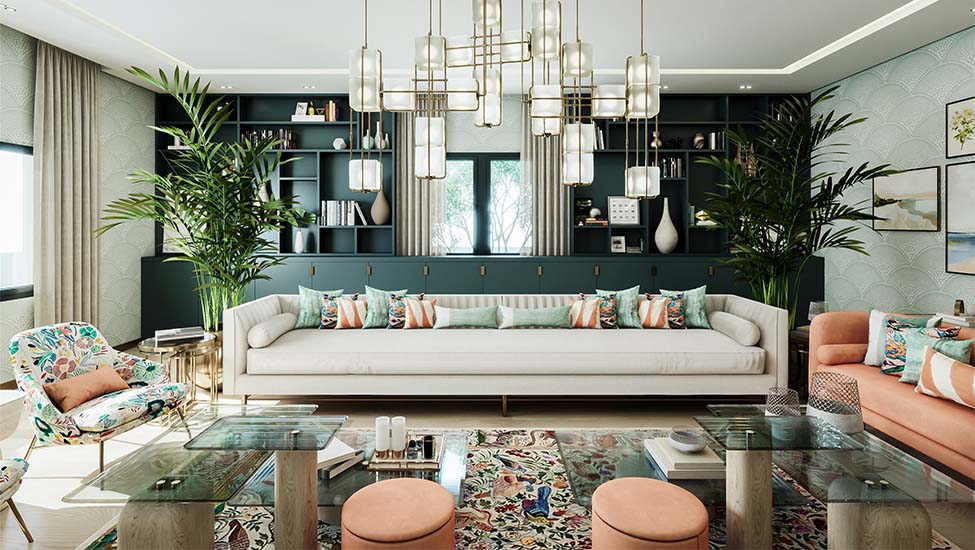

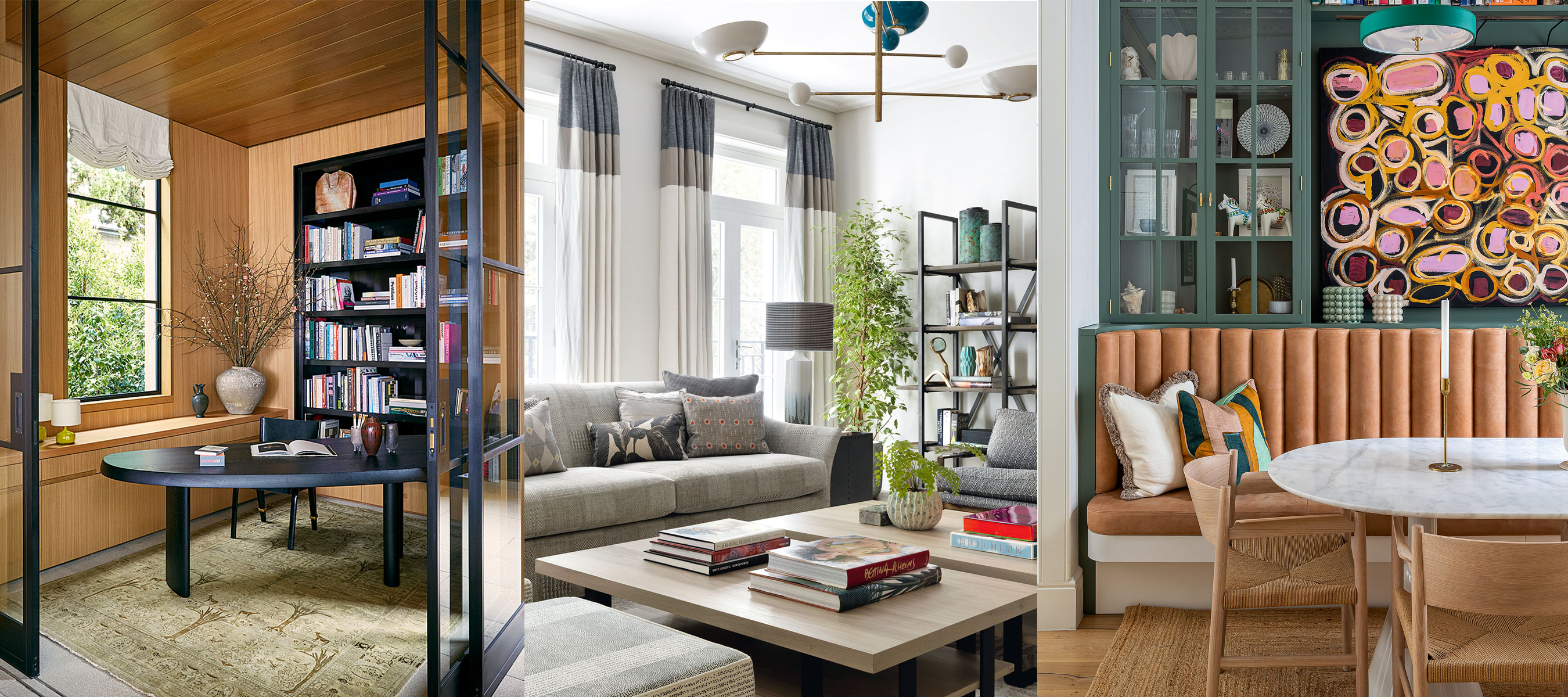
Furniture layout determines flow and usability.
Key planning strategies:
- Maintain clear walking paths
- Create conversation zones
- Use multi-functional furniture
- Float furniture instead of pushing everything to walls
- Integrate hidden storage
Architectural thinkers like Le Corbusier emphasized that interiors must support movement and behavior.
Lighting in Home Interiors
Lighting is structural and emotional.
A layered lighting plan includes:
- Ambient lighting for general visibility
- Task lighting for function
- Accent lighting for mood
- Natural daylight optimization
Proper lighting adds depth and prevents harsh shadows.
Materials and Texture
Material contrast defines modern homes.
Common combinations:
- Wood and metal
- Stone and fabric
- Matte and gloss surfaces
- Glass and concrete
Texture adds warmth without clutter.
Layout Types for Modern Home Interiors


Layout planning adapts to lifestyle needs.
Popular formats include:
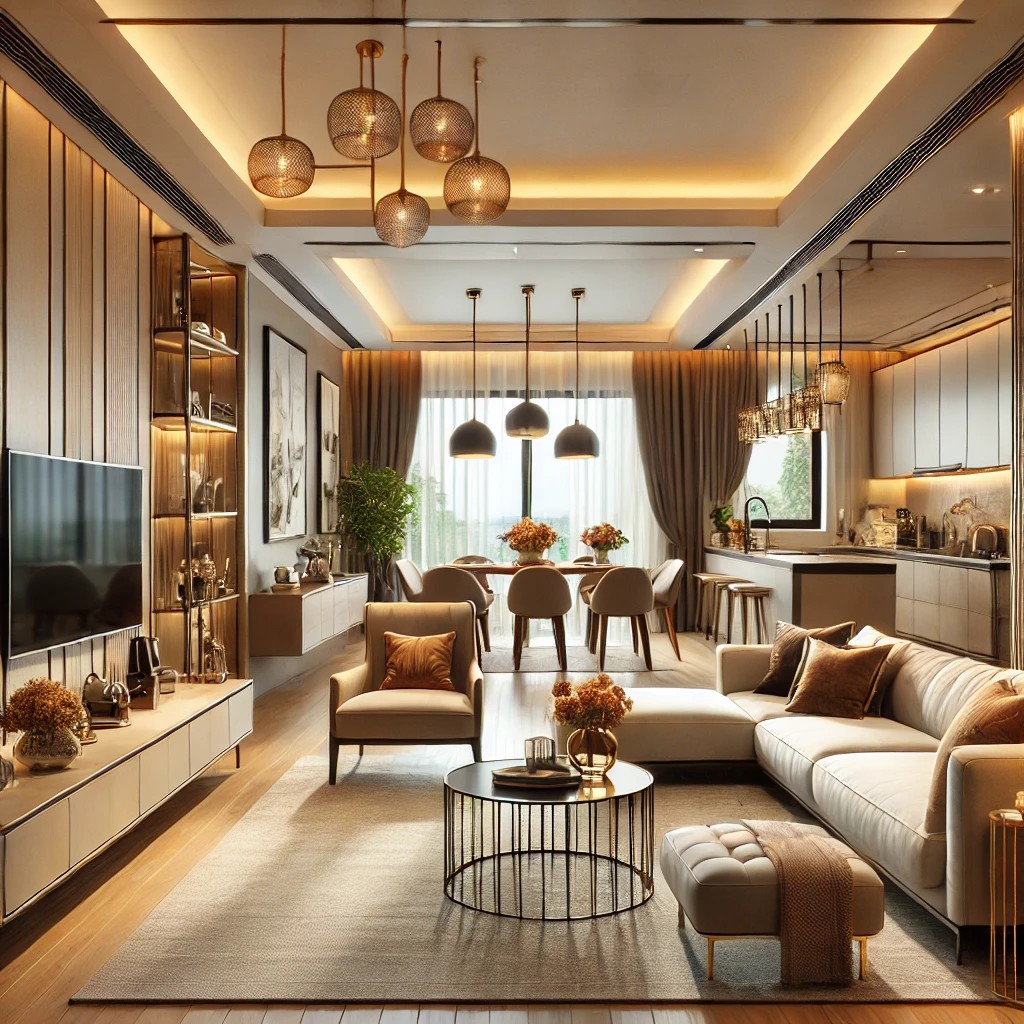
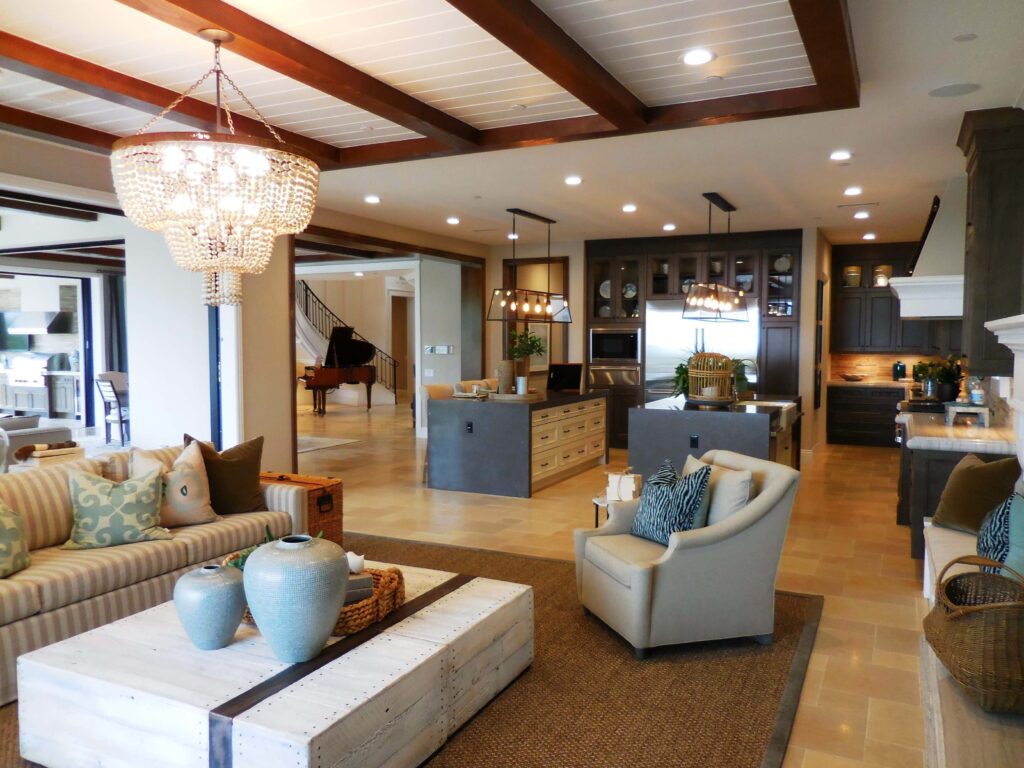
- Open-plan living and dining
- Zoned compact apartments
- Multi-use rooms
- Seamless room transitions
Open layouts work especially well in urban homes where space efficiency matters.
Benefits of a Well-Designed Home Interior
Strong interior design offers measurable advantages:
- Improved daily comfort
- Better space utilization
- Increased property value
- Enhanced lighting and airflow
- Reduced clutter
- Long-term durability
A good home interior is an investment in quality of life.
Summary
Home interior design organizes space, color, materials, and light into environments that support real living. Whether designing a compact Noida apartment or a large Gurgaon residence, the principles remain constant: clarity, proportion, and functionality.
Well-designed interiors are not trend-driven. They create spaces that remain comfortable, efficient, and visually strong for years.