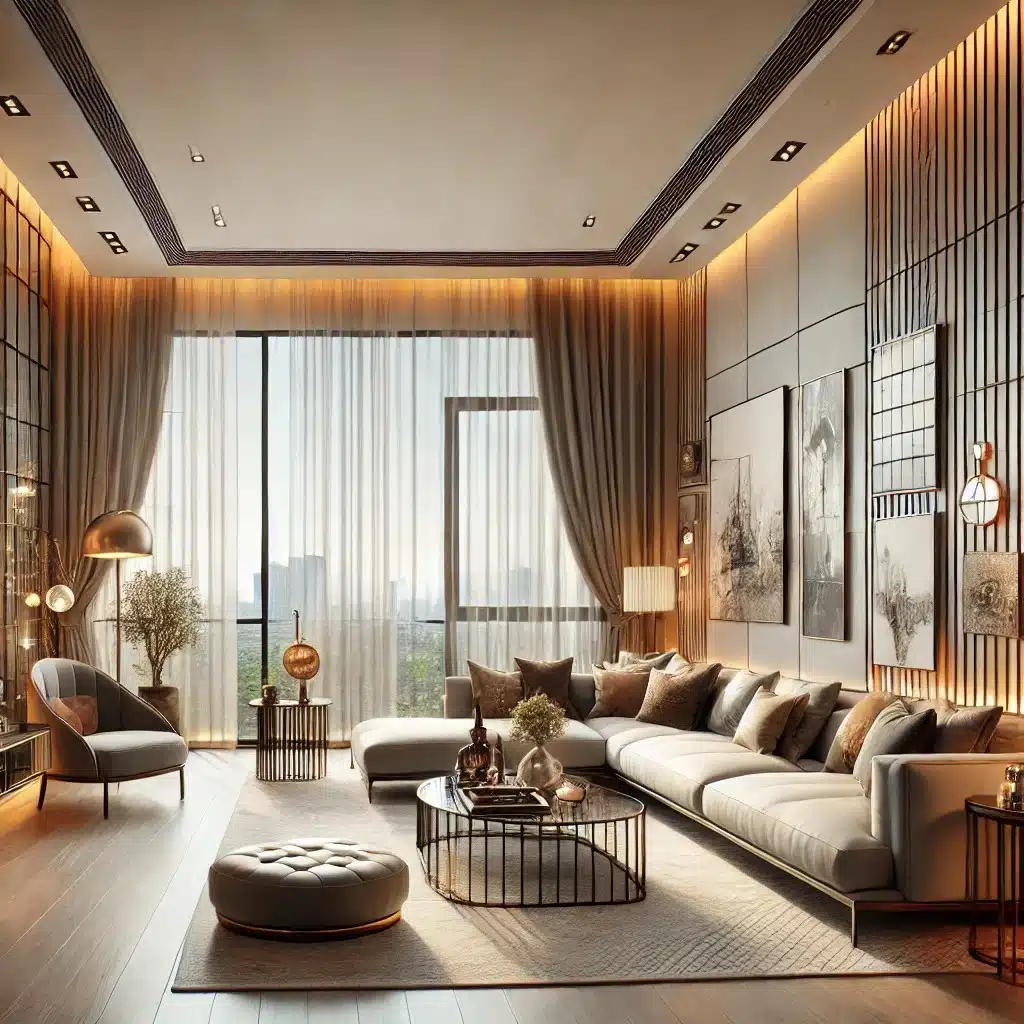
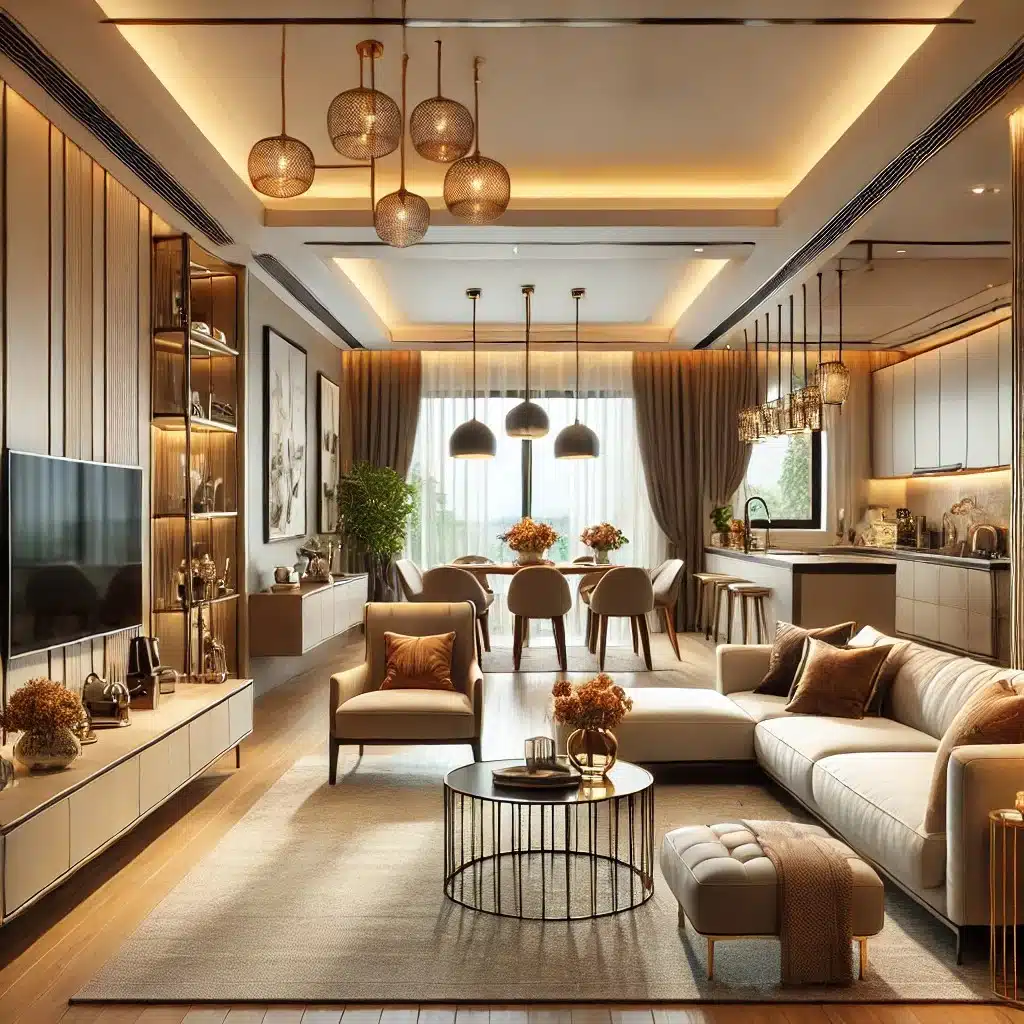
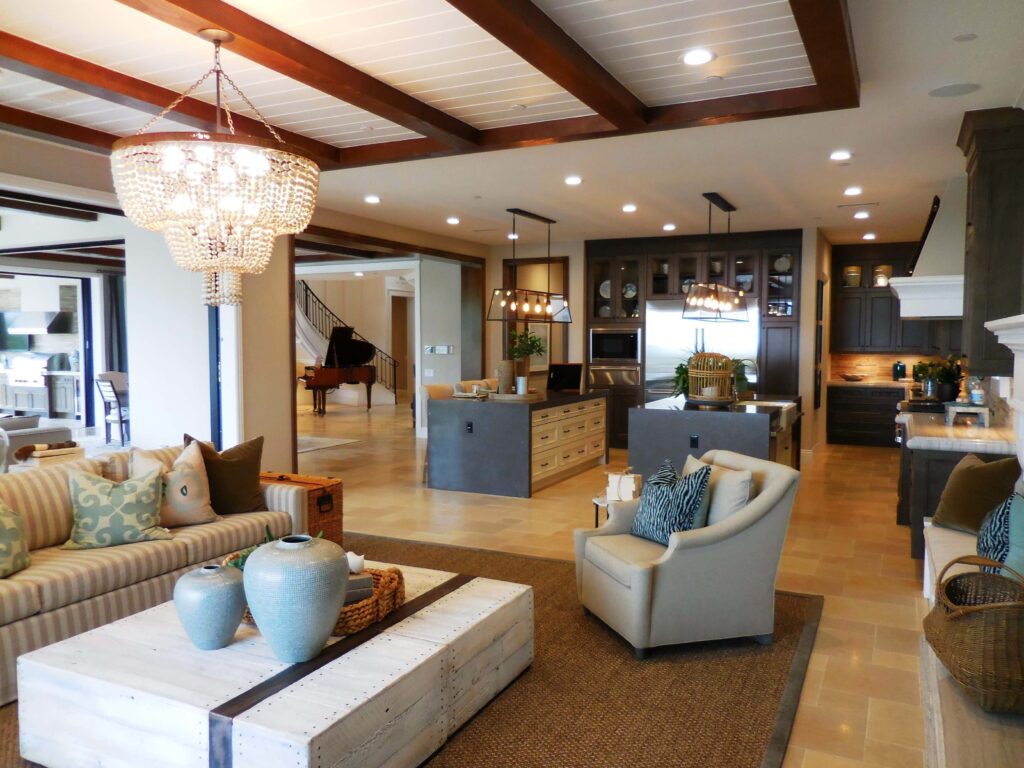
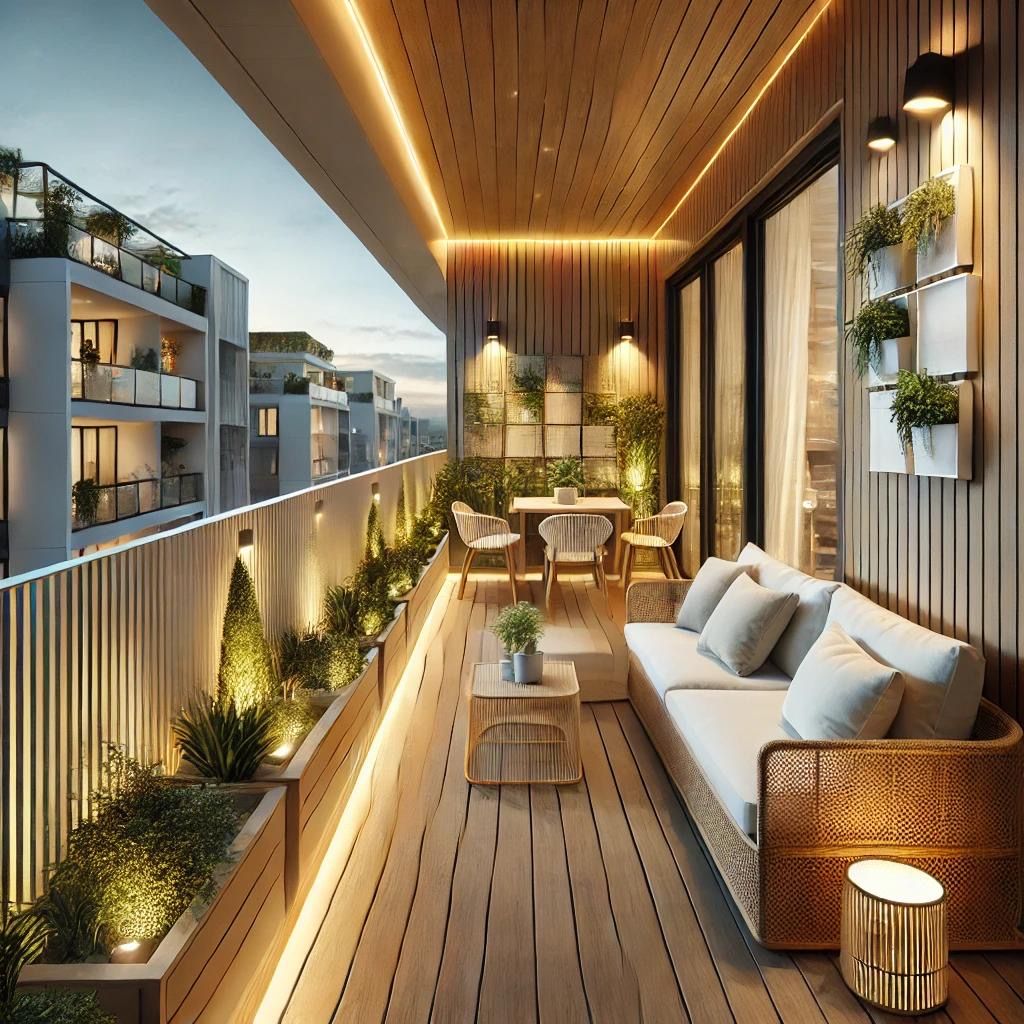
Sustainable home decor focuses on creating interiors that are environmentally responsible, durable, and aesthetically timeless. It prioritizes conscious material choices, ethical sourcing, and long-term functionality without compromising on style.


What Is Sustainable Home Decor
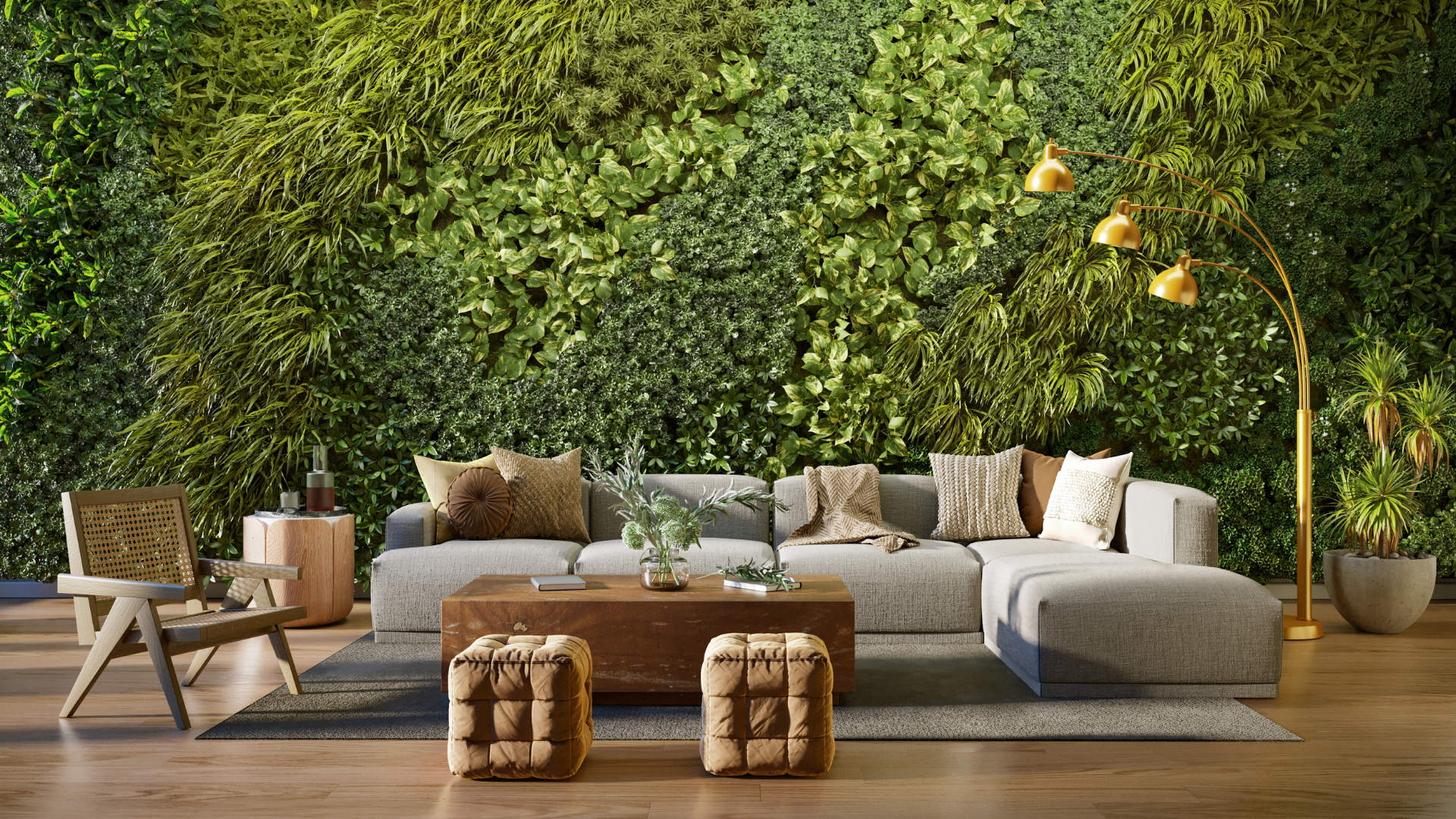
Sustainable home decor is the practice of designing and styling interiors using materials and products that minimize environmental impact while promoting healthier living spaces.
Core principles:
- Reduced environmental footprint
- Responsible material sourcing
- Longevity over short-lived trends
- Healthier indoor environments
It supports both environmental well-being and mindful living.
Key Materials Used in Sustainable Home Decor
Material selection is the foundation of sustainable interiors.
Common sustainable materials:
- Natural wood from responsibly managed sources
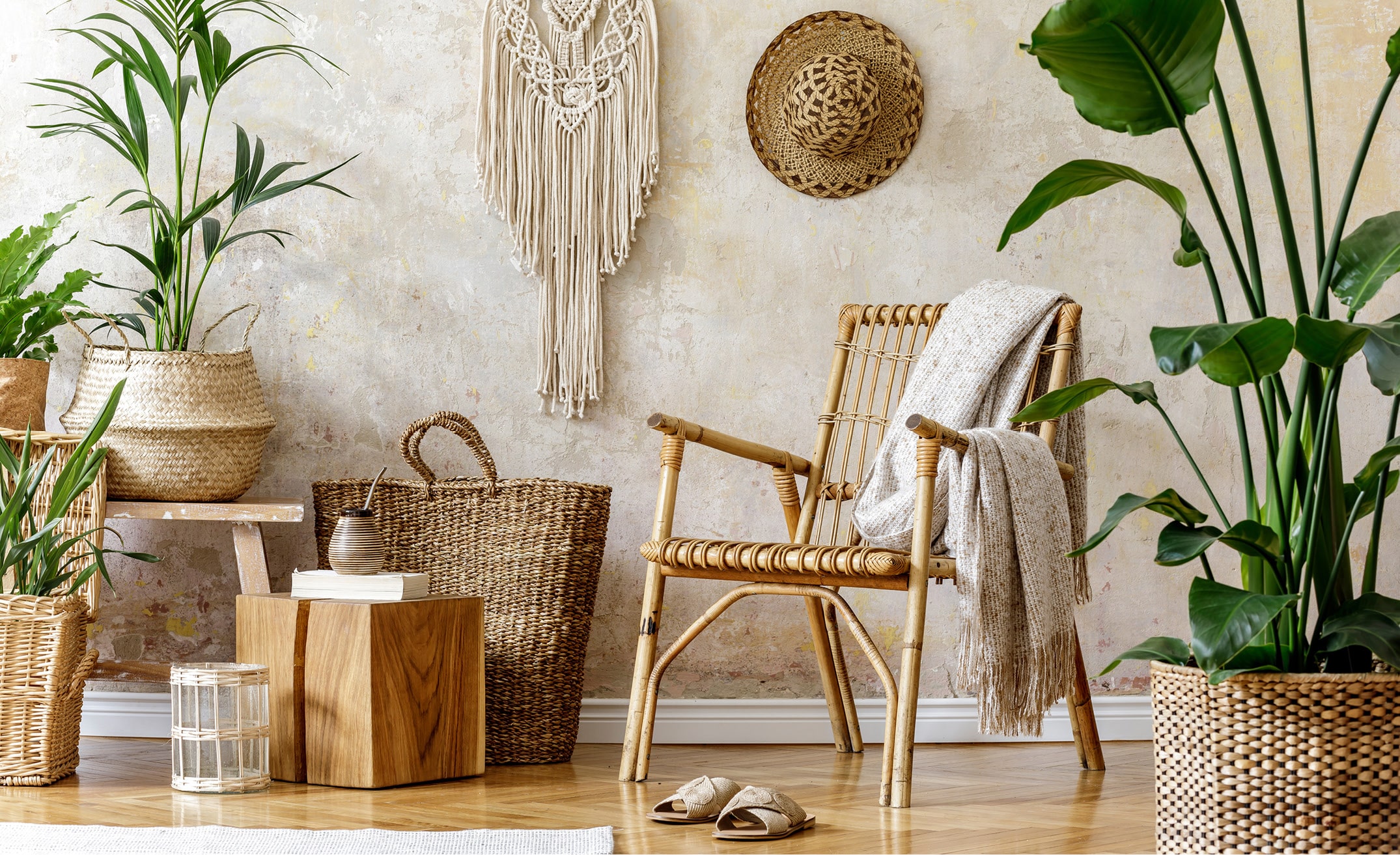
- Bamboo, cork, and rattan
- Organic cotton, linen, and wool
- Recycled metal, glass, and reclaimed wood
These materials are durable, renewable, and often biodegradable.
Eco-Friendly Furniture Choices
Furniture plays a major role in sustainable home decor.
Key considerations:
- Solid wood or reclaimed wood furniture
- Modular and multifunctional designs
- Minimal use of synthetic finishes
- Locally crafted or ethically produced pieces
Well-made furniture reduces waste by lasting longer and adapting to changing needs.
Sustainable Color Palettes and Finishes
Color and finish choices impact both aesthetics and indoor air quality.
Preferred options:
- Low-VOC or zero-VOC paints
- Natural finishes like oil, wax, or water-based coatings
- Earthy, neutral color palettes inspired by nature
These choices create calm interiors while supporting healthier air quality.
Decor and Accessories with Purpose
Decor items should be meaningful and intentional.
Sustainable decor ideas:
- Handmade or artisanal pieces
- Vintage and upcycled accessories
- Minimal, functional décor over excess styling
- Natural textures such as ceramics, stone, and woven fibers
This approach reduces clutter and promotes conscious consumption.
Lighting and Energy Efficiency
Lighting is a key component of sustainable home decor.
Best practices:
- Maximize natural daylight
- Use energy-efficient LED lighting
- Choose timeless light fixtures over trend-driven designs
Efficient lighting lowers energy consumption while enhancing ambiance.
Summary
Sustainable home decor blends environmental responsibility with thoughtful design. By choosing natural materials, durable furniture, eco-friendly finishes, and purposeful décor, interiors become healthier, timeless, and environmentally conscious. This approach supports long-term living while creating homes that feel balanced, warm, and intentionally designed.