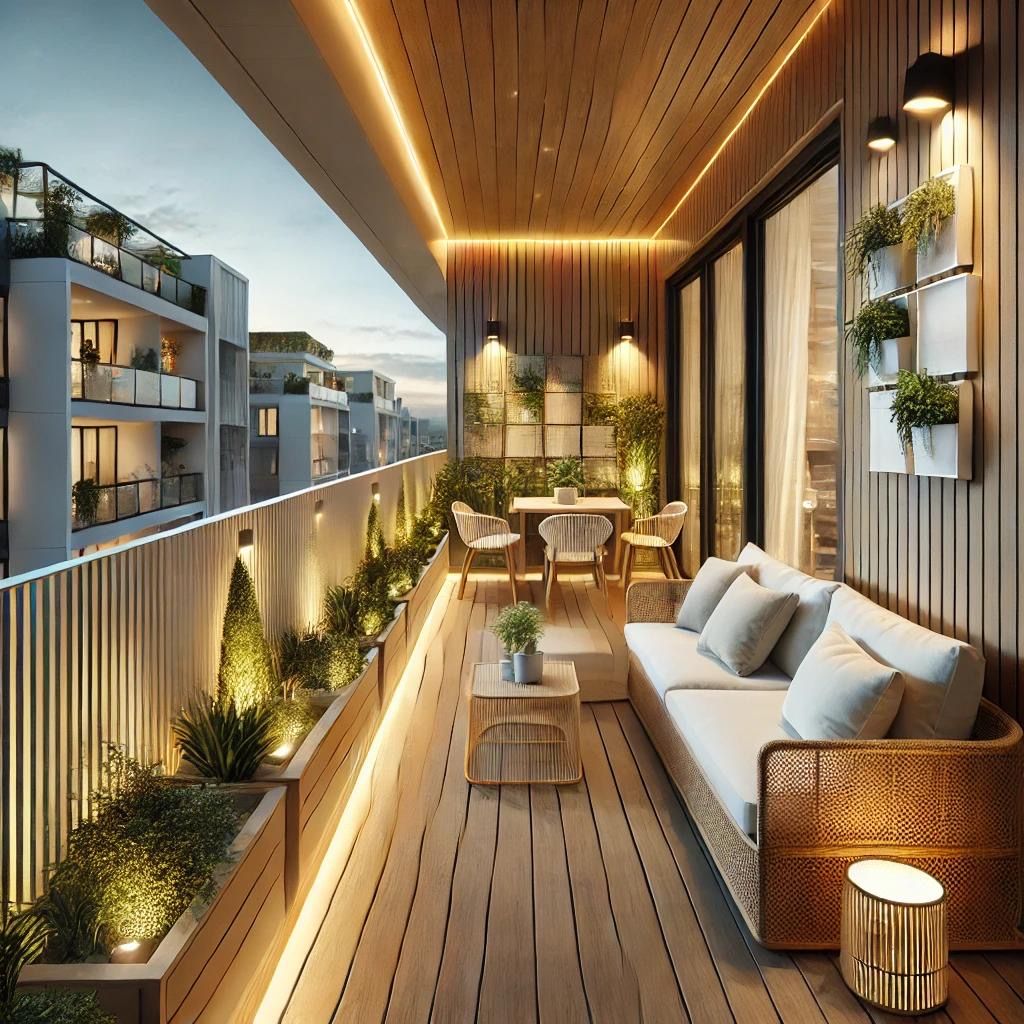
When you’re working with a tight budget but still want a pleasing interior, knowing the low budget interior design cost helps you plan smart. This guide shows you realistic costs, cost drivers, examples, and tips to maximize value.
What “Low Budget” Means in Interior Design
- Minimal structural changes (no major civil work)
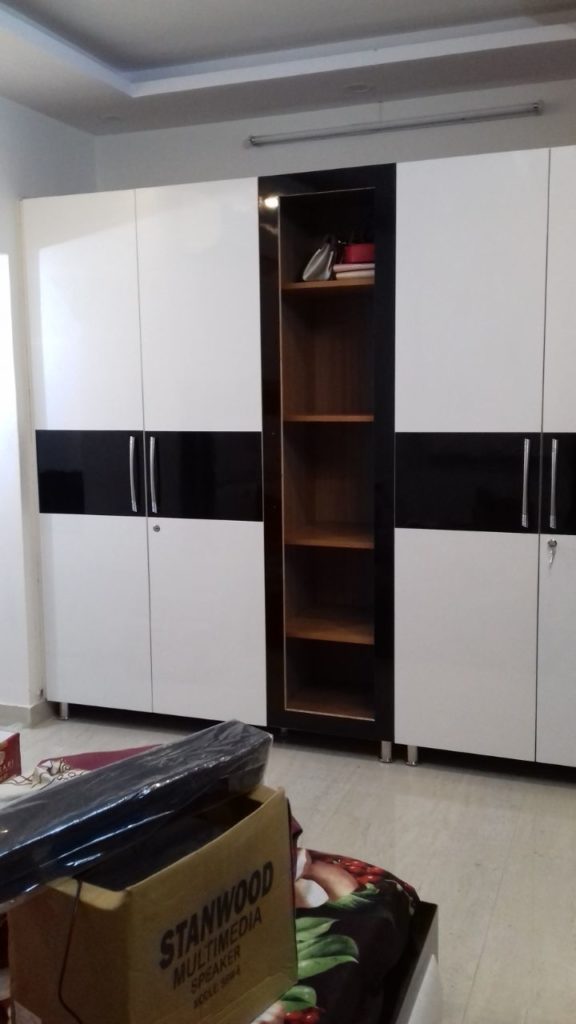
- Modular or semi-modular furniture rather than fully bespoke
- Use of standard finishes (laminate, engineered wood, basic tiles)
- Focus first on vital areas (kitchen, wardrobes, living)
- Phased décor and furnishing
- Efficient space planning and layout
Price Benchmarks for Low Budget Interiors
| Tier | Approx Rate / Cost | Scope |
|---|---|---|
| Design / styling only | ₹50 – ₹500 per sq ft | Layouts, mood boards, basic consultancy |
| Basic full interior | ₹800 – ₹1,500 per sq ft | Modular units, standard finishes, limited customization |
| Affordable mid | ₹1,500 – ₹2,500 per sq ft | Better materials, more finishing touches |
Examples & sources:
- DesignCafé: many interiors fall between ₹3 lakh to ₹7 lakh depending on size and scope.
- NearMe Interiors: boutique / premium interiors charge ₹2,000 to ₹6,000+ per sq ft—but the lower bound segments show where “low budget” sits.
- The Architects Diary: design / styling packages can start from ₹50 to ₹500 per sq ft.
Example Estimate
Suppose you have a 1,000 sq ft flat and want a low budget, functional interior:
- Pick a rate: ₹1,200 per sq ft (basic full interior)
- Total = 1,000 × 1,200 = ₹12,00,000
- Add a buffer of 10 % = ₹13,20,000
If you go ultra-basic or design-only, using ₹800 per sq ft or less, cost might be ~ ₹8 lakh for the same space.
Cost Drivers Even in Low Budget Projects
- Choice of finishes & materials
- Extent of customization required
- Quality of furniture hardware & fittings
- Number of rooms / components you’re including
- Complexity: lighting, false ceiling, wall panels
- Logistics, labor, transport costs
- Designer’s overhead and supervision
Tips to Make Interiors Affordable
- Opt for modular furniture wherever possible
- Use laminates, painted MDF instead of veneers or exotic wood
- Avoid heavy structural changes
- Implement décor and accessories in phases
- Get multiple quotes and cost breakdowns
- Limit premium / decorative elements at first
- Use local suppliers to reduce transport cost