Sensor Lights
1. Motion Sensor Lights
- Description: Lights that turn on automatically when movement is detected.
- Uses: Wardrobes, corridors, bathrooms, staircases.
- Pros: Hands-free, energy-saving.
- Cons: Needs proper placement to avoid false triggers.
2. Touch / Proximity Sensor Lights
- Description: Activate with a simple touch or hand wave near the sensor.
- Uses: Mirrors, wardrobes, dressing tables.
- Pros: Sleek, modern, hygienic (no switches).
- Cons: Slightly more expensive than regular lights.
3. Day/Night Sensor Lights
- Description: Automatically adjust brightness based on ambient light.
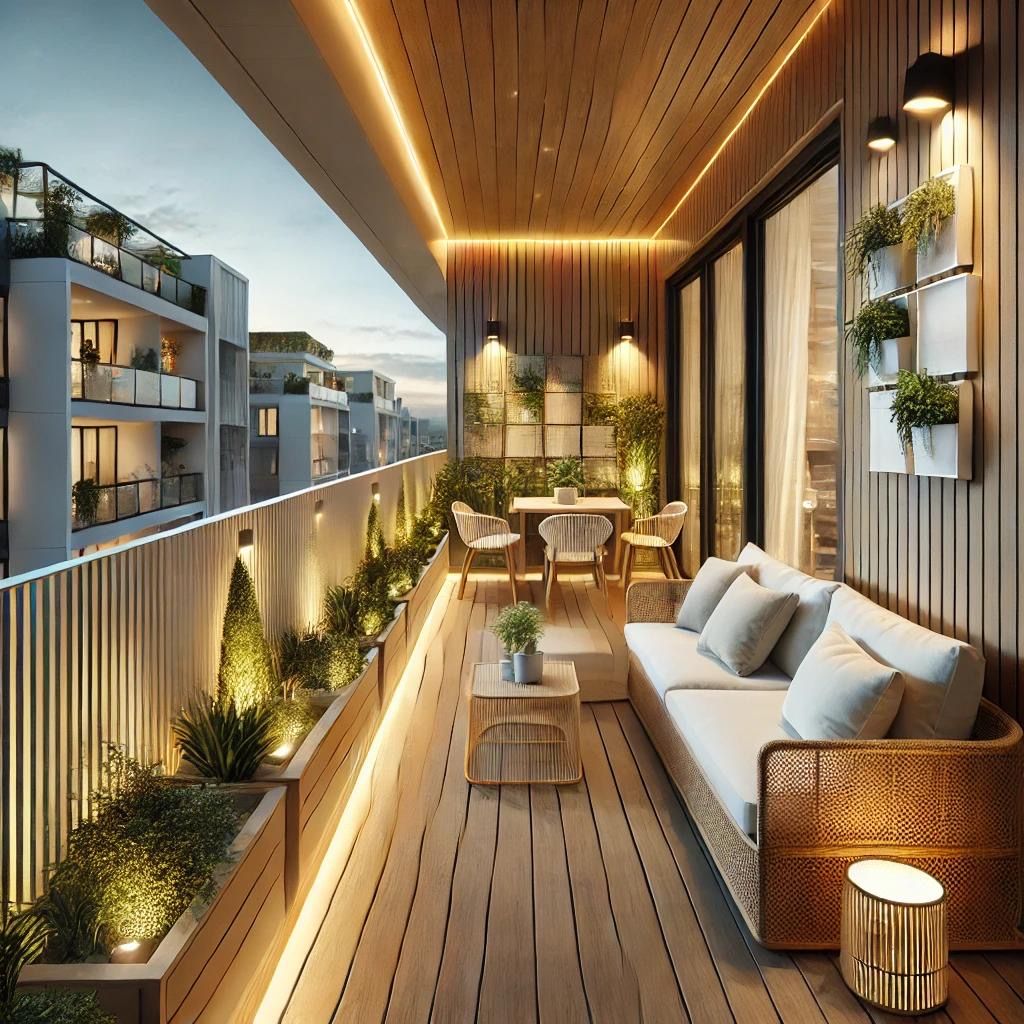
- Uses: Outdoor areas, balconies, garden lighting.
- Pros: Saves energy, low maintenance.
- Cons: Less control compared to smart systems.
Under-Cabinet Lights
1. LED Strip Lights
- Description: Flexible LED strips installed under kitchen or study cabinets.
- Pros: Affordable, slim, versatile.
- Best Fit: Kitchen counters, wardrobes, study tables.
2. Puck Lights
- Description: Small round LED lights, either surface-mounted or recessed.
- Pros: Focused light, decorative accent.
- Best Fit: Kitchen shelves, display cabinets.
3. Linear LED Profiles
- Description: Aluminium channels with LED strips + diffusers for a seamless finish.
- Pros: Even light distribution, premium look, longer life.
- Best Fit: Modular kitchens, wardrobes, luxury interiors.
📌 Design Tip:
- Use motion sensor lights in wardrobes and bathrooms.
- Use LED strips for budget kitchens and linear profiles for premium under-cabinet lighting.
- For mirrors and dressers, go with touch sensor lights.