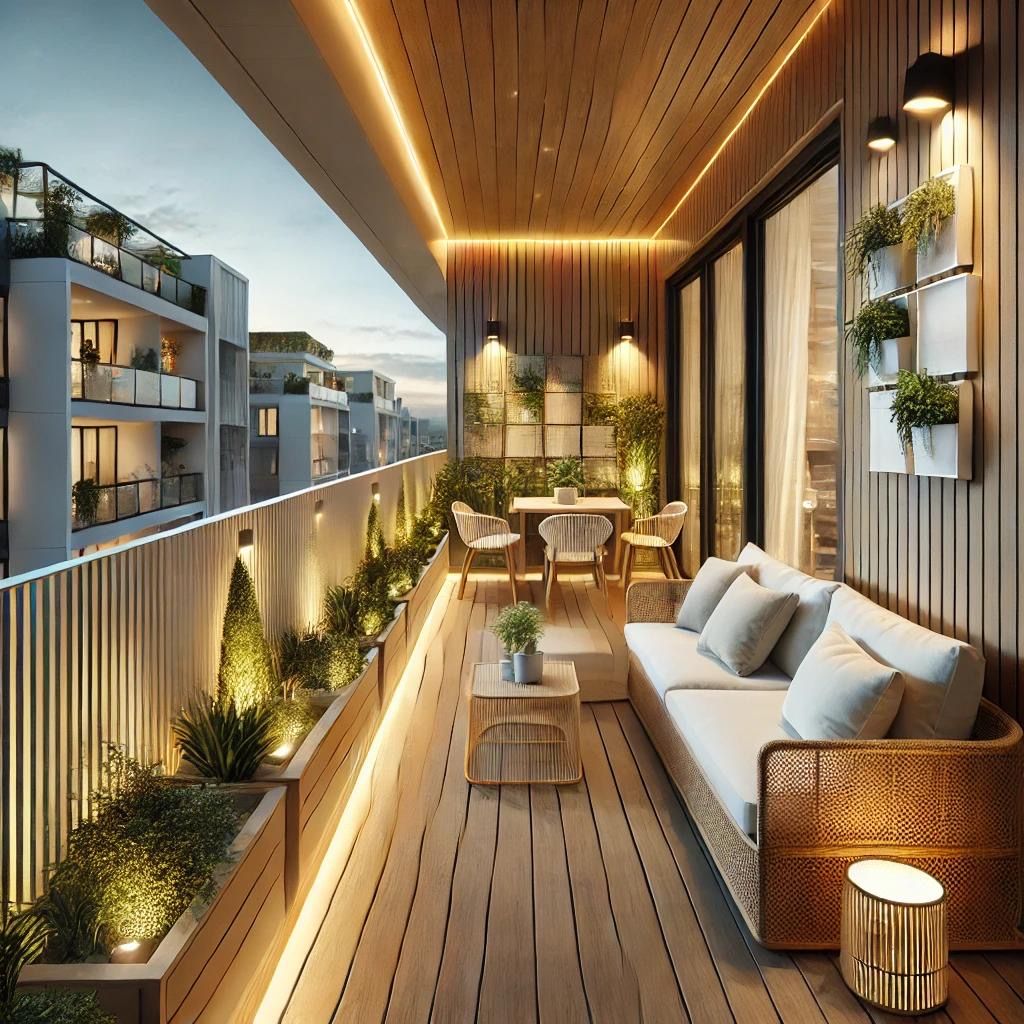
- Louverwala (Innov8 Enterprises) markets louver panels made from materials like wood, charcoal finishes, and PVC. (louverwala.com)
- Their product line includes panels that combine aesthetic louvers/slats with decorative surface options suitable for interior and façade use.
Key Features & Strengths
- Material Variety: Offers wood, charcoal (dark finishes), and PVC options, giving flexibility in design aesthetics.
- Decorative Louvers: Panels likely include slatted or grooved surfaces to play with light, depth, and airflow.
- Customizable Finishes: Ability to mix materials and textures based on the look (natural wood effect, contrast surfaces, etc.).
- Versatility: Their panel offerings are suitable for walls, partitions, façades, or feature elements.
Application Ideas in Interiors & Architecture
- Use wood louver panels when you want a natural wood texture for accent walls or partitions.
- Use PVC louver panels in moisture-prone areas (bathrooms, kitchens, balconies) because of better water resistance.
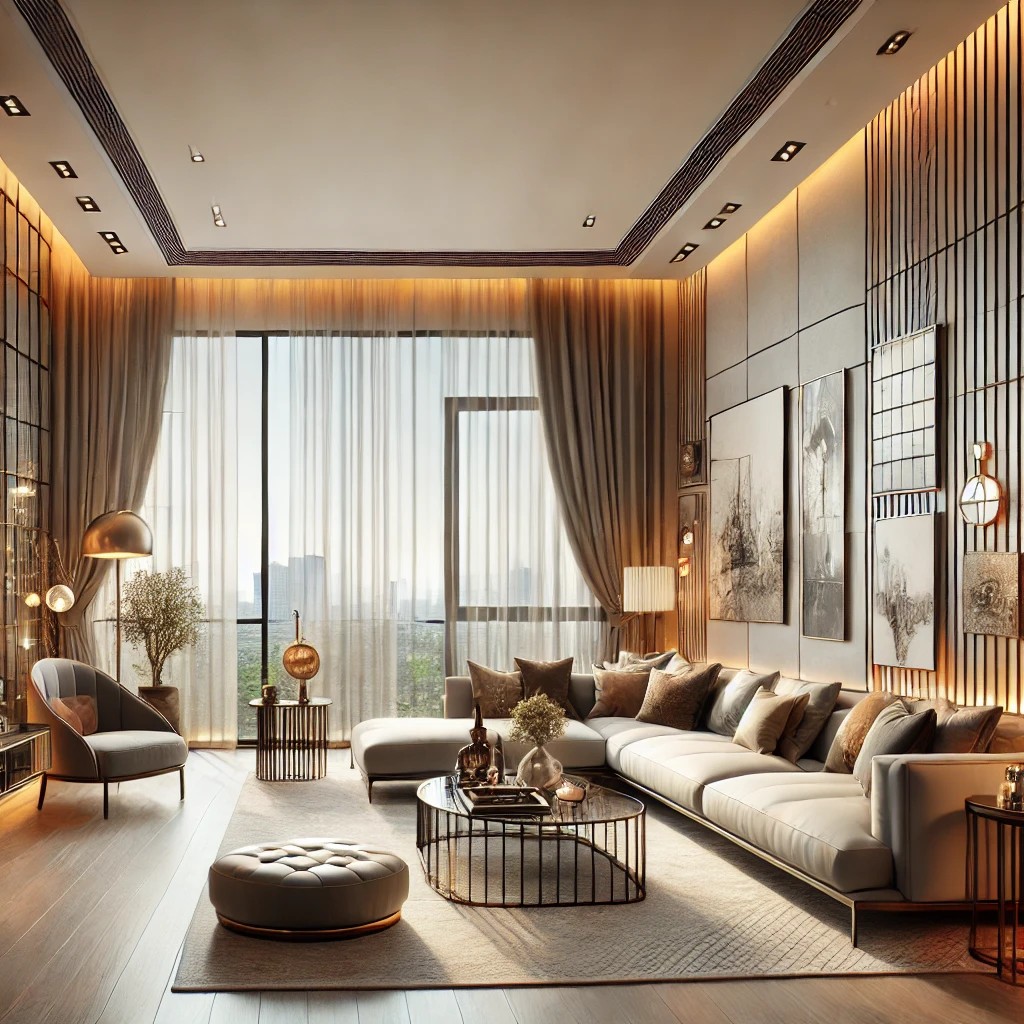
- Use charcoal / dark louvers to create contrast or dramatic wall effects in modern interiors.
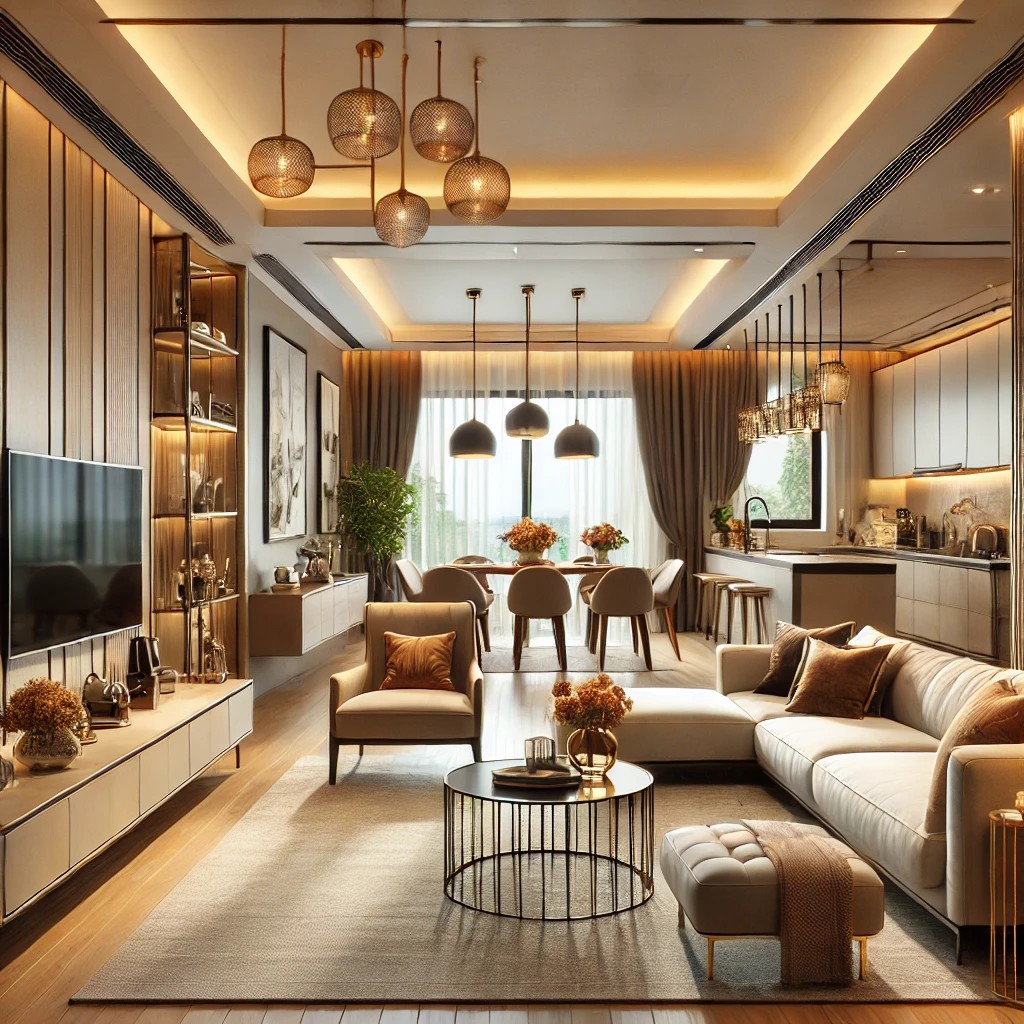
- Combine louver panels with ambient or directional lighting to highlight shadows and depth of slats.
- Use panels in façade or exterior soffits (where allowed) to give a modern-screened look to vents, HVAC zones, or shaded areas.
Practical Tips & Best Practices
- Ensure the substrate is flat and true before fixing louver panels—any irregularity shows through slats.
- Plan for edge trims, joint alignments, and transitions carefully to avoid visual disjoints.
- In wet or semi-exposed zones, seal edges and ensure panels can be accessible for maintenance.
- Determine spacing, angle, and depth of louvers based on sightlines, ventilation, and lighting conditions.
- Use compatible fixing hardware and back supports to prevent warping or sagging over time.