Freelance Interior Designer Work from Home: A Complete Guide

Interior Design Career Guide · 2026

Freelance Interior Designer Work From Home: Complete 2026 Guide

Learn how to work as a freelance interior designer from home, what services you can offer remotely, which tools you need, how to find clients, how to price design work and how to build a professional home-based interior design workflow.

Quick answer: Yes, many interior design tasks can be performed from a home office. Concept development, space planning, mood boards, drawings, 3D visualization, material research, client presentations and quotations can be handled remotely. However, physical site measurements, execution supervision, material inspection and contractor coordination may require visits to the project location.

What Is a Work-From-Home Interior Designer?

A work-from-home interior designer operates an interior design practice primarily from a home office instead of maintaining a conventional commercial studio. The designer can communicate with clients digitally, prepare drawings, develop concepts and coordinate parts of a project remotely.

Working from home does not mean that every part of an interior project can be completed remotely. Residential design is a combination of creative, technical and physical work. The more execution responsibility a designer accepts, the more important site visits and local coordination become.

The practical model: Keep design development, documentation, communication and administration remote where possible, while scheduling physical site work only when the project requires it.

Interior Design Services You Can Provide From Home

A freelance designer does not necessarily need a physical studio to provide many professional design deliverables.

Space Planning

Develop furniture layouts, circulation plans, zoning and functional room arrangements using measurements and floor plans.

2D Drawings

Prepare layouts, furniture plans, ceiling concepts, electrical plans and other drawings within your agreed scope.

3D Visualization

Create visual concepts that help clients understand furniture, materials, colours, lighting and spatial relationships.

Mood Boards

Combine colours, textures, furniture references and finishes into a clear visual direction for each room.

Material Selection

Research and recommend suitable materials, finishes, hardware and fixtures according to the design and budget.

Client Presentations

Present concepts, drawings, material choices and revisions through online meetings and digital documents.

Other possible freelance services

  • Kitchen design
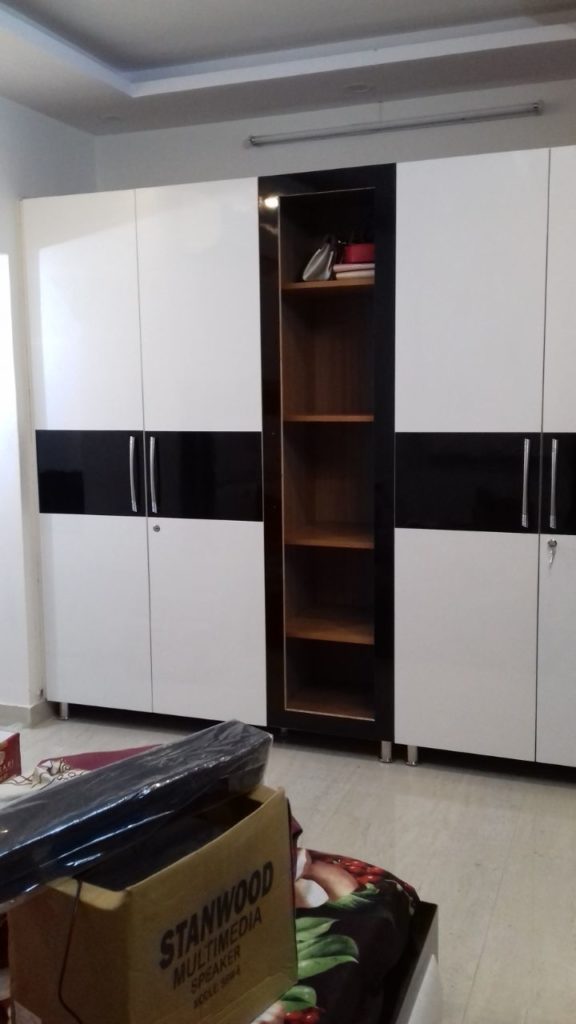
  • Wardrobe design
  • Furniture design
  • Colour consultation
  • Lighting concepts
  • Home styling
  • Renovation planning
  • Design documentation
  • Vendor research
  • Online interior consultations

How to Set Up a Home Office for Interior Design

A professional home office does not have to be large. It needs to support accurate design work, client communication and organized project management.

RequirementWhy It Matters
Reliable computerNeeded for CAD, 3D visualization, rendering, presentations and project files.
Large or additional displayMakes drawings, references and design software easier to work with.
Reliable internetSupports video meetings, cloud files, client communication and online collaboration.
Desk and ergonomic chairUseful for long periods of drawing, modelling and documentation.
Cloud storage and backupProtects project files and makes collaboration easier.
Video meeting setupCamera, microphone and suitable lighting improve remote client presentations.
Sample storageUseful if you keep physical laminate, fabric, tile, hardware or finish samples.

Tools and Software for Freelance Interior Designers

The exact software stack depends on the designer’s workflow, project type and preferred methods. The objective is to produce accurate drawings, understandable presentations and organized project documentation.

CAD / Drawing Software

Used for floor plans, furniture layouts, elevations and technical documentation.

3D Design Software

Used to develop three-dimensional interior concepts and communicate design intent.

Rendering Tools

Used to produce more realistic visualizations when clients need a clearer understanding of the proposed space.

Presentation Tools

Useful for mood boards, concept presentations, material schedules and client proposals.

Project Management

Helps organize tasks, deadlines, revisions, client approvals and project communication.

Cloud Storage

Keeps drawings, renders, specifications and approved files organized and accessible.

How a Work-From-Home Interior Design Workflow Works

Client Enquiry

Collect the property type, approximate area, location, requirements, preferred style and expected budget.

Initial Consultation

Discuss the project through phone or video meeting and establish whether the project is suitable for remote design.

Site Information

Obtain an accurate floor plan, measurements, photographs, videos or arrange a site visit when required.

Concept Development

Develop layouts, design direction, mood boards, materials and agreed visual concepts.

Client Review

Present the design online, collect consolidated feedback and make the revisions included in the agreed scope.

Final Documentation

Deliver approved drawings, specifications, schedules and other agreed design documents.

Execution Support

If included, provide vendor coordination, remote support or scheduled site supervision according to the project agreement.

How to Price Freelance Interior Design Work From Home

Freelance interior designers can use different pricing models. The right model depends on the service being offered and how clearly the scope can be defined.

Pricing ModelSuitable ForImportant Consideration
Per square footResidential design projects with a measurable areaClearly define which design deliverables are included.
Fixed project feeClearly defined rooms or design packagesLimit the number of revisions and define the final deliverables.
Hourly consultationAdvice, design reviews and short consultationsSet the consultation duration and what the client receives.
Percentage-based feeProjects involving broader professional involvementDefine the project value and exactly what the percentage covers.
Example: If a designer agrees to a ₹150 per sq ft design fee for a 1,000 sq ft project, the professional design fee would be ₹1,50,000. This is only an example of the calculation; actual freelance fees depend on scope, experience, deliverables and project requirements.

For more information about different interior design fee models, see the Interior A to Z interior design fee guide .

How to Find Clients as a Freelance Interior Designer

A home-based interior design business depends on trust. Prospective clients need to understand your design ability, communication process, scope and professional standards before they commit.

Portfolio Website

Show completed projects, floor plans, before-and-after examples, concepts and clearly explained services.

Social Media

Share design concepts, project progress, material knowledge, practical tips and completed work consistently.

Referrals

Previous clients, contractors, architects, real-estate professionals and other industry contacts can become valuable referral sources.

Local Networking

Even when design work is performed at home, relationships with local contractors, vendors and homeowners can generate projects.

Online Consultations

Offer clearly defined remote consultations for clients who need advice before committing to a larger design project.

Useful Content

Publish practical content about layouts, materials, budgets, renovations and interior planning to demonstrate expertise.

How to Build a Freelance Interior Design Portfolio

A portfolio should demonstrate how you solve design problems, not simply display attractive photographs.

  • Show the original problem or requirement.
  • Include floor plans where appropriate.
  • Show design development from concept to final proposal.
  • Explain material and furniture decisions.
  • Include before-and-after images for renovation projects.
  • Show different room types and design styles.
  • Clearly identify conceptual work versus completed projects.
  • Get permission before publishing client property photographs.
Do not fabricate a portfolio. If a project is a concept, 3D visualization or academic exercise, label it clearly. A professional portfolio should accurately represent your work.

What Interior Design Work Still Requires Site Visits?

A remote workflow can reduce unnecessary travel, but some tasks are inherently physical.

TaskCan It Be Remote?When a Site Visit Is Important
Initial consultationUsually yesWhen the property has unusual constraints or measurements are unavailable.
Space planningOften yesWhen accurate measurements or existing-condition information is uncertain.
3D designYesAccurate dimensions and site information are still required.
Material selectionOften yesPhysical samples may be useful when colour, texture or finish accuracy matters.
Construction supervisionPartlyPhysical inspection is important for workmanship and site coordination.
Final inspectionUsually not ideal remotelyPhysical inspection can identify defects, unfinished items and installation issues.

Systems a Home-Based Interior Designer Should Have

Working from home becomes much easier when every project follows a repeatable system rather than relying on informal messages and memory.

  • Standard client enquiry form
  • Written design brief
  • Quotation template
  • Scope-of-work document
  • Revision policy
  • Payment schedule
  • Project folder structure
  • Material and finish schedule
  • Drawing approval process
  • Site-visit reporting system
  • Final handover checklist
Professional rule: Put the scope, deliverables, revision limits, payment terms and responsibilities in writing before substantial design work begins.

Common Mistakes Freelance Interior Designers Should Avoid

Unclear Scope

Vague promises such as “complete design” can create disagreements about drawings, revisions and site visits.

Too Many Revisions

Unlimited revisions can consume time without a corresponding increase in the project fee.

Weak Documentation

Poorly organized drawings and specifications can create problems during execution.

Underpricing

A very low fee can make it difficult to provide adequate design time, documentation and client support.

Ignoring Site Conditions

A beautiful design can fail if actual dimensions, services or structural limitations are not considered.

Poor Communication

Remote work requires clear communication, scheduled reviews and written approvals to keep the project moving.

90-Day Plan to Start Freelance Interior Design From Home

PeriodPriorityActions
Days 1–30FoundationDefine services, choose your target client, organize your workspace, establish pricing and prepare basic contracts/templates.
Days 31–60Portfolio & VisibilityBuild or improve your portfolio, publish useful design content and create a consistent presentation for prospective clients.
Days 61–90Client AcquisitionBuild referral relationships, promote consultations, contact potential clients and refine your workflow from early projects.

Is Freelance Interior Design From Home Right for You?

A home-based freelance model can work well for designers who are comfortable with independent work, client communication, design software, self-promotion and project administration.

It is less suitable if you expect every project to be completely remote. Interior design is connected to physical spaces, and execution-heavy projects can require regular local involvement.

It can suit you if you enjoy:

  • Independent design work
  • Flexible project structures
  • Direct client relationships
  • Digital design and visualization
  • Building your own portfolio and brand
  • Managing your own schedule and business operations

Learn More About Interior Design Services

If you are researching interior design as a professional service, explore the broader Interior A to Z interior design services page for residential interiors, modular kitchens, space planning, visualization and related services.

Build a Professional Home-Based Interior Design Workflow

Start with a clearly defined service, a focused portfolio, transparent pricing and a written scope of work. Use remote tools for design and communication while keeping site visits for tasks that genuinely require physical inspection.

Frequently Asked Questions

Can an interior designer work from home?
Yes. Many interior design activities can be performed from a home office, including space planning, drawings, 3D visualization, mood boards, material research, client presentations and project documentation. Physical site work may still require visits.
How can I become a freelance interior designer from home?
Start by developing your interior design skills, selecting the services you will offer, building a credible portfolio, setting up a professional workspace, establishing pricing and creating a clear process for client enquiries, design, revisions, approvals and payments.
What interior design services can be done remotely?
Space planning, 2D drawings, 3D concepts, mood boards, colour planning, material research, furniture concepts, design consultations and many client presentations can be handled remotely when accurate project information is available.
Does a freelance interior designer need to visit the site?
Not for every task. Remote design is possible for many stages, but site measurements, physical inspections, material checks, construction supervision and final inspections can require site visits depending on the project scope.
How do freelance interior designers charge clients?
Common models include per-square-foot fees, fixed project fees, hourly consultations and percentage-based fees. The designer should clearly define the deliverables, revision limits, site visits and other services included in the fee.
Can I run an interior design business entirely online?
Some design services can be operated almost entirely online, especially consultations, concepts and design documentation. A business that also manages physical execution will normally need local vendors, contractors or site visits.
What should a freelance interior designer include in a contract?
The agreement should clearly identify the project scope, deliverables, number of revisions, payment schedule, timeline, site visits, responsibilities, exclusions, additional work and the process for approving changes.
How do freelance interior designers find clients?
Common approaches include referrals, portfolio websites, social media, local networking, relationships with contractors and architects, online consultations and useful educational content that demonstrates design expertise.

Leave a Comment

Your email address will not be published. Required fields are marked *

Scroll to Top