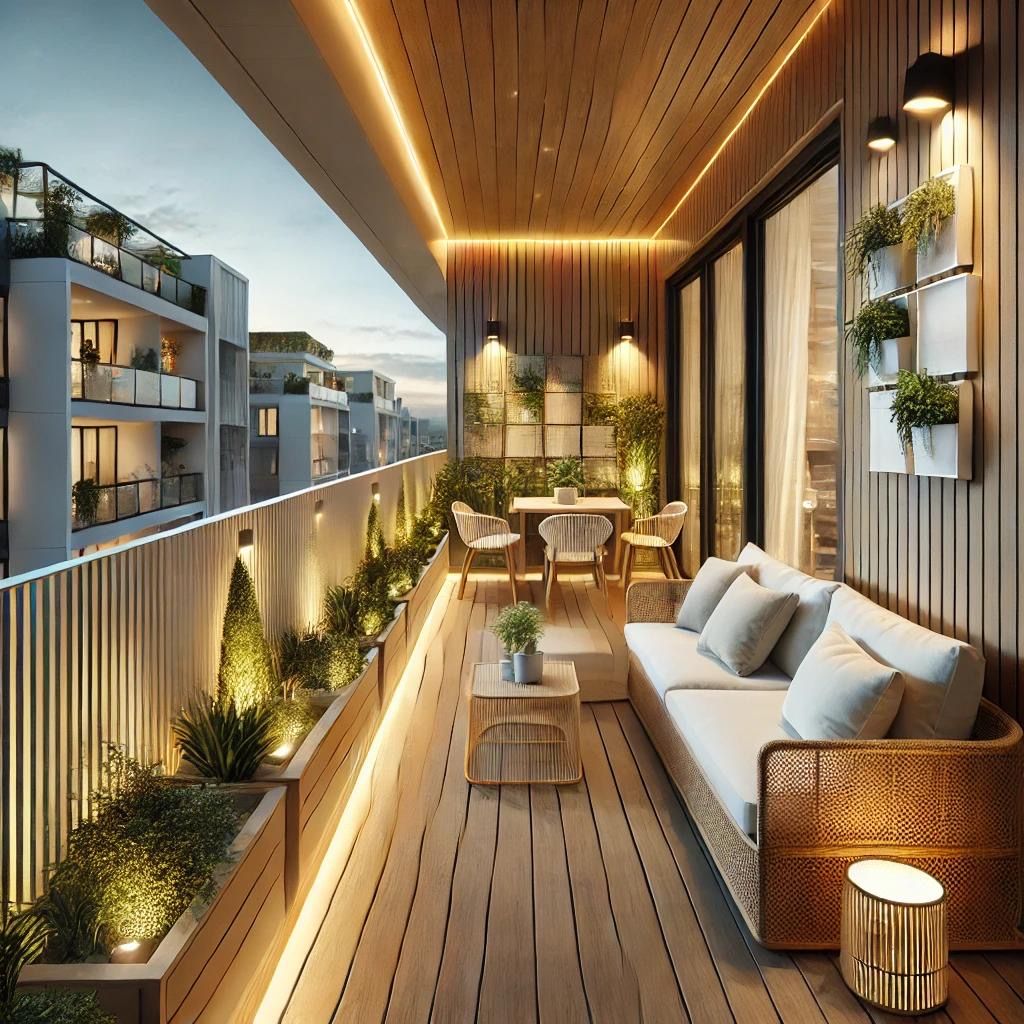
Creating harmony in home design involves a delicate balance of aesthetics, functionality, and a personalized touch. Here’s how the professional designer’s touch contributes to achieving a harmonious living space:
- Holistic Vision:
- Professional designers approach home design with a holistic vision, considering every aspect of the space. This comprehensive view ensures that each element contributes to a unified and harmonious whole.
- Aesthetic Cohesion:
- Design professionals excel in achieving aesthetic cohesion throughout your home. Their trained eye for color, texture, and proportion ensures that each room complements the others, creating a visually pleasing and harmonious environment.
- Functional Integration:
- Harmony in home design goes beyond looks; it encompasses functionality. Designers strategically plan the layout of spaces, ensuring that each area serves its intended purpose and contributes to the overall flow of the home.
- Personalized Expression:
- The professional designer’s touch involves understanding your unique style and preferences. They infuse a personalized expression into the design, creating a home that reflects your personality and feels distinctly yours.
- Spatial Balance:
- Achieving harmony requires balancing spatial elements. Designers consider the distribution of furniture, lighting, and other components to ensure a sense of equilibrium and comfort in each room.
- Flow and Circulation:
- Design professionals pay attention to the flow and circulation within your home. They strategically plan the arrangement of furniture and create pathways that promote a seamless and harmonious movement throughout the space.
- Attention to Detail:
- The professional designer’s touch is characterized by meticulous attention to detail. Every accessory, color choice, and decorative element is carefully considered to contribute to the overall harmony of the design.
- Texture and Material Harmony:
- Harmony extends to the choice of materials and textures. Designers skillfully integrate various materials, ensuring that they harmonize in terms of both aesthetics and functionality, creating a cohesive and visually appealing environment.
- Contrast and Balance:
- Achieving harmony often involves a delicate balance of contrast. Design professionals understand how to incorporate contrast in color, texture, and design elements to create visual interest without sacrificing overall harmony.
- Timeless Elegance:
- Professional designers have a keen sense of timeless elegance. They avoid design trends that may quickly become outdated, opting for elements that stand the test of time and contribute to the enduring harmony of your home.
- Efficient Space Utilization:
- Harmonious design includes making the most of available space. Designers excel in efficient space utilization, ensuring that every nook and cranny is purposefully utilized without compromising the overall sense of balance.
- Client Collaboration:
- The professional designer’s touch is collaborative. They work closely with clients, seeking input and feedback throughout the design process to ensure that the final result harmoniously aligns with the homeowner’s vision and lifestyle.
In summary, achieving home design harmony is an art form, and the professional designer’s touch is the masterstroke. It involves a holistic approach, a focus on aesthetics and functionality, and a personalized expression that collectively transforms a house into a harmonious and inviting home.