What makes good interior design?
What Makes Good Interior Design? 10 Powerful Principles
Good interior design is more than beautiful furniture or fashionable colours. It brings together function, space planning, proportion, lighting, materials, storage, comfort and personal style so a space looks good and works well every day.
The foundation of good interior design is function before decoration. A successful interior should support how people move, live, work, relax and store belongings, while also creating a cohesive and attractive visual environment.
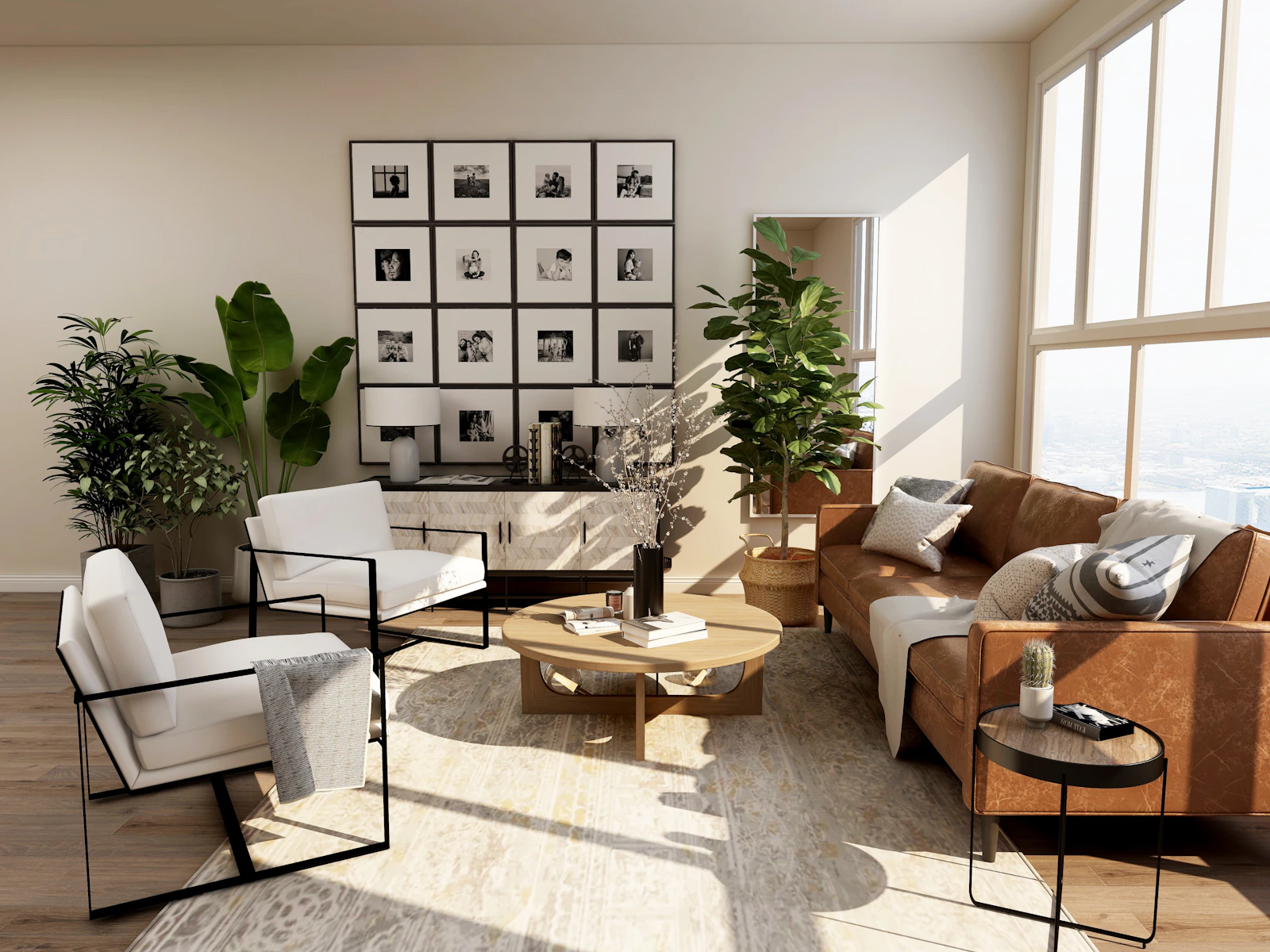
Good Interior Design Should Look Beautiful and Work Beautifully
A room can look impressive in a photograph and still be uncomfortable to live in. Poor circulation, insufficient storage, oversized furniture or badly planned lighting can reduce the quality of the space every day.
Good interior design connects visual decisions with practical requirements. The result should feel intentional rather than simply decorated.
10 Things That Make Interior Design Good
These principles work across apartments, independent homes, villas and other residential interiors. They can also be adapted to offices and commercial spaces.
Function Comes First
Design the room around what people actually do there. Seating, storage, movement, work areas and daily routines should be resolved before decorative details.
Smart Space Planning
Furniture, circulation, doors, windows, storage and activity zones should work together. Every part of the available space should have a clear purpose.
Good Proportion & Scale
Furniture and architectural elements should relate to the size of the room and to one another. Correct scale can make a room feel balanced instead of crowded.
Layered Lighting
Combine general, task and accent lighting where appropriate. Natural daylight, glare, switch positions and room activities should also influence the lighting plan.
Thoughtful Materials
Materials should suit the application, maintenance requirements, durability, budget and visual direction of the room.
Useful Storage
Good storage reduces visual clutter and improves everyday use. Plan wardrobes, kitchen cabinets, shelves and concealed storage according to actual requirements.
Comfort
Comfortable furniture, appropriate lighting, clear movement, privacy, ventilation and suitable materials all contribute to how a room feels.
Visual Harmony
Colours, textures, furniture, lighting and architectural elements should relate to each other so the home feels like one considered design rather than unrelated rooms.
Personal Character
A good interior should reflect the people who use it through artwork, objects, colours, furniture and meaningful details.
Long-Term Practicality
Consider maintenance, durability, changing family needs and everyday usability rather than designing only for the first impression.
Why Function Is More Important Than Decoration
Decoration can make a room attractive, but functionality determines whether the room remains enjoyable to use after the photographs are taken.
- Furniture allows comfortable movement.
- Storage is accessible and sufficient.
- Lighting supports different activities.
- Kitchen and work areas follow practical workflows.
- Electrical points are planned before final finishes.
- Materials match the level of use and maintenance required.
- The design works with the actual architecture.
Good Design Balances Function and Aesthetics
Function and aesthetics should not compete. The strongest interiors use practical planning as the foundation and then use colour, materials, furniture and details to create character.
| Weak Approach | Better Approach |
|---|---|
| Choose furniture first and make it fit later. | Measure the room and establish the layout before selecting furniture. |
| Add decorative lighting without considering activities. | Layer ambient, task and accent lighting according to room use. |
| Use storage only after the room is designed. | Plan storage with furniture and circulation from the beginning. |
| Copy a trend exactly. | Adapt trends to lifestyle, architecture and personal preference. |
| Select materials only for appearance. | Consider appearance, durability, maintenance and budget together. |
What Does Good Interior Design Look Like in Each Room?
Every room has a different purpose. Good design adapts the principles of functionality, comfort and visual harmony to that purpose.
Prioritize seating, conversation, TV viewing, circulation, storage, natural light and layered lighting before decorative styling.
Plan comfortable bed access, wardrobe operation, bedside storage, privacy, blackout requirements and appropriate task lighting.
Organize storage, preparation, cooking, cleaning, appliances, worktop space, ventilation and lighting into an efficient workflow.
Consider desk size, ergonomics, daylight, glare, cable management, storage and acoustic privacy.
Allow comfortable seating and movement while coordinating the dining table, lighting, storage and connection to nearby spaces.
Combine flexible furniture, study requirements, storage, safety-conscious planning and durable finishes.
How to Tell Whether a Room Has Good Interior Design
Stand in the room and evaluate it as a user rather than only looking at it as a photograph.
Ask whether the furniture is comfortable, movement is easy, storage is sufficient, lighting works at different times of day and the materials are appropriate for everyday use.
Good Design Checklist
- Can people move comfortably?
- Is important storage easy to access?
- Does the lighting suit different activities?
- Are furniture sizes appropriate?
- Do colours and materials work together?
- Does the space reflect its occupants?
- Will the design remain practical over time?
What Can Make Interior Design Look Bad?
Too Much Furniture
Filling every available area can make even a large room feel cramped and reduce comfortable circulation.
Poor Lighting
A single light source may create glare, shadows and an uninspiring atmosphere.
Trend Over Function
A fashionable idea can still be unsuitable when it compromises storage, comfort or everyday usability.
Wrong Scale
Furniture that is too large or too small can disturb the visual balance and practical use of a room.
Random Materials
Too many unrelated finishes, colours and textures can make the home feel visually disconnected.
Ignoring Maintenance
Beautiful finishes are not necessarily practical for every household, room or level of daily use.
Build Good Interior Design From the Ground Up
Space Planning
Learn how furniture, storage, circulation and room functions can be organized before detailed design begins.
Interior Design Concept
Understand how colour, materials, furniture, lighting and storage can follow one coherent design direction.
Interior Design Methodology
See how requirements, planning, materials, visualization and execution can be connected into one process.
What Makes Good Interior Design?
What makes good interior design?
Good interior design balances functionality, comfort, aesthetics and practical requirements. It uses space planning, appropriate furniture, lighting, materials, storage and personal details to create a cohesive space.
What is the most important part of good interior design?
Functionality and space planning provide the foundation. The layout should support movement, furniture placement, storage and everyday activities before decorative decisions are finalized.
Does good interior design have to be expensive?
No. Good interior design depends more on planning, proportion, functionality, material selection and consistency than on using expensive products everywhere.
How does lighting improve interior design?
Good lighting combines appropriate ambient, task and accent lighting while considering natural daylight, glare, switch locations and the visual effect of materials and colours.
Why is storage important in interior design?
Well-planned storage reduces clutter and makes rooms easier to use. Wardrobes, kitchen cabinets, shelves and concealed storage should be planned around actual household requirements.
Design a Home That Works Beautifully
Good interior design starts with understanding the people, property and practical requirements. Once the foundation is right, colours, materials, furniture and décor can create the visual character of the home.