

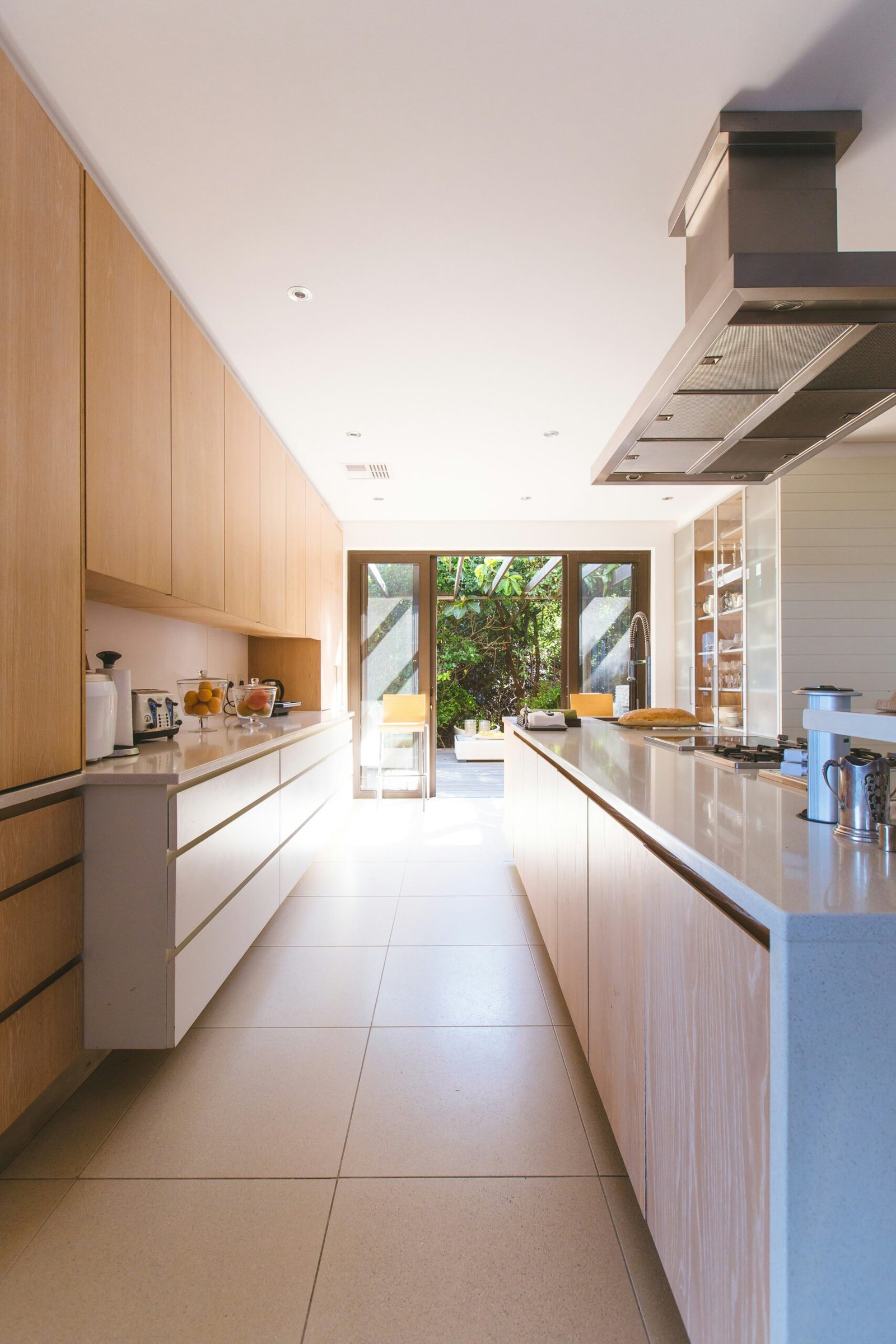
What is Modular Kitchen Design?
Modular kitchen design refers to a contemporary approach to kitchen construction that emphasizes flexibility, customization, and efficiency. This innovative design concept utilizes pre-manufactured units, known as modules, which can be assembled in various configurations to fit the specific dimensions and layout of the space available. Each module typically includes cabinets, countertops, and appliances, allowing homeowners to create a cohesive and functional kitchen setup tailored to their individual preferences.
The evolution of kitchen designs has significantly influenced the rise of modular kitchens. Traditionally, kitchens were often built as fixed structures with limited adaptability. However, with advancements in technology and materials, the concept of modularity gained traction, leading to greater freedom in design. The modern homeowner’s desire for functionality combined with aesthetic appeal has propelled modular kitchens into popularity. They offer an effective solution for maximizing space in urban environments, where square footage often comes at a premium.
One of the key characteristics of modular kitchen design is the ease of customization. Homeowners can select from a wide range of materials, finishes, and layouts to suit their tastes and practical needs. Additionally, modular kitchens can be reconfigured or expanded over time, making them a versatile option for families that may experience changing needs. This adaptability is further enhanced by the variety of accessories and smart technologies that can be integrated into these designs, ensuring that the kitchen remains efficient and relevant over time.
In conclusion, modular kitchen design represents a significant shift in how kitchens are conceptualized and built. By combining pre-manufactured units with customization options, this design style offers a harmonious balance of practicality and aesthetics, catering to the modern homeowner’s preferences and lifestyles.
Advantages of Choosing a Modular Kitchen
Opting for a modular kitchen comes with a myriad of advantages that cater to modern lifestyle demands. One of the primary benefits is space optimization. Modular kitchens are designed to utilize every inch of available space efficiently, making them an excellent choice for both small and large homes. The modular design allows for vertical storage solutions, ensuring that even the most compact kitchens can house essential appliances and utensils without feeling cramped.
Cost efficiency is another notable advantage of modular kitchens. The prefabricated nature of modular components often results in reduced labor costs during installation. Additionally, because these kitchens minimize the need for elaborate custom cabinetry and heavy renovations, homeowners can achieve a sophisticated look at a fraction of the cost compared to traditional kitchen setups. This financial accessibility allows a wider audience to invest in quality kitchen designs that are both functional and aesthetically pleasing.
Ease of installation further distinguishes modular kitchens from conventional designs. As the components are manufactured off-site and simply assembled on location, the installation process is significantly quicker. This reduction in time not only lessens the disruption to your home life but also means that the kitchen can be operational in a shorter time frame.
Customization stands out as a critical advantage of modular kitchens. Homeowners can adapt these kitchens to meet their individual needs, preferences, and lifestyle changes. Whether it’s adding a new module for kitchenware, accommodating the latest appliances, or simply incorporating personal design elements, modular kitchens offer the flexibility that many modern households require. Furthermore, as technology continues to evolve, modular kitchens can be easily upgraded to integrate new innovations, ensuring long-term relevance and utility.
Popular Design Styles for Modular Kitchens
Modular kitchens are renowned for their versatility and efficiency, allowing homeowners to choose from a variety of design styles that suit their aesthetic preferences and functional needs. Each style possesses its unique characteristics, making it essential to understand how these elements can be seamlessly integrated into modular kitchen layouts.
The contemporary style is favored for its sleek lines and minimalistic aesthetic. It typically features high-gloss cabinets, open shelving, and a monochromatic color palette that emphasizes light and space. Contemporary modular kitchens often incorporate innovative materials like glass and metal, complemented by modern appliances that enhance functionality. This design is ideal for creating a sophisticated and uncluttered cooking environment.
In contrast, the traditional style evokes a warmth and charm reminiscent of classic design principles. This style often includes ornate details, rich wood tones, and intricate moldings. Modular kitchens designed in a traditional manner might incorporate raised-panel cabinets, detailed backsplashes, and rustic elements, resulting in a cozy yet refined atmosphere.
The minimalist approach to modular kitchen design prioritizes simplicity and functionality. This style is characterized by clean lines, neutral colors, and a lack of unnecessary embellishments. Minimalist modular kitchens utilize clever storage solutions to maintain an organized space while maximizing utility. This design is particularly appealing to those seeking a serene and cohesive environment.
Alternatively, rustic kitchen designs imbue spaces with a sense of warmth and earthiness. By employing natural materials such as reclaimed wood and stone, rustic modular kitchens create a timeless appeal. Elements like farmhouse sinks and open shelving enhance the inviting quality of this style, making it perfect for those who appreciate a homely feel.
Lastly, the industrial style offers a raw, edgy aesthetic that combines urban influences with functional design. This approach often features exposed brick walls, metal accents, and utilitarian furniture. Modular kitchens in the industrial style effectively utilize open spaces and often incorporate stainless steel appliances, reinforcing the industrial theme. By blending various textures and materials, this style evokes a unique charm that appeals to modern sensibilities.
Materials Used in Modular Kitchen Design
In the realm of modular kitchen design, the selection of materials plays a pivotal role in determining both the functionality and aesthetic appeal of the space. Among the most commonly used materials are wood, plywood, particleboard, and laminate, each offering distinct advantages and disadvantages.
Wood is often considered a premium choice for modular kitchens due to its natural beauty and durability. Different types of wood, such as hardwood and softwood, provide varying levels of strength and resilience. While solid wood cabinets can lend an air of sophistication, they may require regular maintenance to preserve their finish and prevent warping due to moisture. This factor can influence the longevity of the cabinetry.
Plywood is another popular material, recognized for its strength and resistance to deformities. Composed of multiple layers of wood veneer glued together, it offers superior durability compared to solid wood. Additionally, plywood is less susceptible to water damage, making it an excellent choice for kitchen environments. However, the quality of plywood can vary significantly, and lower-grade options may not provide the same level of performance.
Particleboard, often considered a budget-friendly alternative, consists of wood particles bonded together with resin. While it is lightweight and can be coated with decorative veneers, its susceptibility to moisture and damage from impacts may limit its lifespan. Careful selection is essential if longevity is a priority.
Laminate, frequently used as a finishing layer, provides an array of design choices and is easy to clean. It combines aesthetic versatility with affordability, although it may chip or scratch more easily than solid surfaces. Based on these characteristics, the choice of materials for a modular kitchen not only influences its durability but also its visual flair, impacting the overall ambiance of the cooking space.
Planning Your Modular Kitchen Layout
Planning the layout of a modular kitchen is a critical step that significantly influences both usability and aesthetics. The design must accommodate the kitchen workflow and promote efficiency, ensuring that the essential task zones—cooking, cleaning, and storage—are strategically positioned. By considering these zones, one can create a layout that enhances functionality and convenience.
Common layout designs include U-shaped, L-shaped, and galley kitchens. A U-shaped layout is ideal for larger spaces as it offers ample counter space and storage while allowing for easy movement. This design forms a ‘U’ shape with cabinets and appliances on three adjoining walls, facilitating an efficient work triangle. In contrast, the L-shaped kitchen is suitable for smaller areas, featuring two adjoining walls that create an open and airy feel. This design is versatile, allowing for various layouts and personalized adjustments. The galley kitchen, characterized by parallel counters, optimizes workflow and is perfect for compact spaces, ensuring that everything is within reach.
Assessing the available space is crucial in selecting the most suitable design. Begin by measuring the kitchen dimensions, identifying door openings, windows, and utility connections, as these elements affect layout possibilities. It’s also beneficial to visualize how the kitchen will be used, considering factors such as the number of people who cook regularly and any shared access needed with adjacent rooms.
Incorporating ergonomic principles into the design is essential for comfort and efficiency. Adjusting countertop heights to suit the primary users, ensuring that storage is accessible without excessive bending or stretching, and arranging appliances to minimize excessive movement can significantly enhance the overall experience. By thoughtfully planning the modular kitchen layout, one can achieve a space that balances style and functionality effectively.
Incorporating Smart Technology into Modular Kitchens
The evolution of technology has paved the way for the integration of smart appliances and systems into modular kitchen design, enhancing both functionality and convenience. With the rise of the Internet of Things (IoT), homeowners can now enjoy a seamless blend of style and advanced technology. Smart refrigerators, for instance, are on the forefront of this change, offering features such as touch screens, grocery inventory management, and even the ability to create shopping lists directly from the appliance. This innovative approach not only saves time but also helps maintain an organized kitchen space.
Automated lighting systems are another component that elevates the modern modular kitchen experience. These systems can be programmed to adjust the intensity and color of lights based on the time of day or the activities being conducted. For example, bright lights can be utilized during meal preparation to ensure visibility, while softer lighting can enhance the ambiance during dinner gatherings. The ability to control lighting through smartphone apps further adds to the convenience, allowing adjustments from anywhere in the home.
Intelligent cooking devices also play a vital role in modernizing kitchen experiences. Smart ovens and cooktops can be controlled remotely, enabling users to preheat appliances before arriving home or to monitor cooking progress via their smartphones. Moreover, many of these devices come equipped with built-in recipes and cooking assistance, offering step-by-step guidance for various meals, thereby simplifying the cooking process for both novice and experienced chefs.
The integration of smart technology into modular kitchens contributes significantly to a more connected and efficient lifestyle. By allowing users to control and monitor their appliances and systems remotely, these advancements not only streamline daily routines but also enhance energy efficiency. Embracing smart technology in kitchen design reflects a commitment to a contemporary, comfortable home environment that resonates with the needs of modern living.
Color Schemes and Finishes for Modular Kitchens
The selection of color schemes and finishes is paramount in defining the visual appeal of modular kitchens. A thoughtfully curated palette not only enhances aesthetics but also influences the overall ambiance of the space. Popular trends highlight the effectiveness of neutral tones combined with bold accents to create a sophisticated yet inviting atmosphere. For instance, shades such as soft greys, whites, and beiges can serve as a versatile backdrop, allowing homeowners to incorporate pops of color through decorative elements or functional items such as kitchen utensils and appliances.
When considering color combinations, contrasting hues can add depth and character to the modular kitchen design. A widely embraced approach is to pair darker cabinetry with lighter countertops, creating a striking visual balance. Additionally, integrating textures can complement this color scheme; for example, matte finishes can impart a contemporary feel, while glossy surfaces reflect light and amplify brightness, making the kitchen appear more spacious.
Cabinetry, countertops, and backsplashes should work in unison to establish a cohesive kitchen environment. Opt for a consistent theme by harmonizing the finishes across these elements. A matte-finish cabinetry can be beautifully complemented by a polished marble countertop, while a glossy tile backsplash introduces an element of sophistication. When choosing the backsplash, consider materials like subway tiles or mosaic designs that not only enhance the kitchen’s visual interest but also make cleaning effortless.
In expressing personal style through color schemes and finishes, it is essential to maintain a balance that reflects functionality and design. The right combination of hues and textures can transform a modular kitchen into a personalized space that caters to the homeowners’ preferences, ensuring both beauty and utility coalesce effectively.
Budgeting for Your Modular Kitchen Project
Creating a budget for a modular kitchen project is an essential aspect that involves careful planning and consideration of various factors. The overall cost can fluctuate based on several elements, including materials, components, design complexity, and labor expenses. Understanding these factors is crucial for accurately estimating the investment required for your new kitchen.
First and foremost, the choice of materials significantly impacts the budget. High-quality materials, such as hardwood or stone countertops, may elevate the final cost but can provide durability and an aesthetically pleasing finish. On the other hand, opting for laminate or more affordable materials might reduce costs but could affect longevity. It is advisable to assess your lifestyle, cooking habits, and long-term needs to make informed material choices that balance cost and functionality.
Additionally, the various components of a modular kitchen—such as cabinets, appliances, and fixtures—play a significant role in budgeting. Prioritizing essential features, such as storage solutions and energy-efficient appliances, can ensure that your kitchen remains both functional and stylish without overspending. When drafting your budget, it is wise to allocate a portion of your funds to these critical elements while setting aside some funds for optional enhancements or upgrades.
Another important consideration is the potential for savings during future renovations or repairs. Investing in quality components now can lead to reduced maintenance costs and the need for less frequent replacements, offering financial benefits in the long run. To ensure effective fund allocation, it may help to create a detailed list of must-haves versus nice-to-haves, enabling you to make more informed decisions regarding your modular kitchen design.
In conclusion, budgeting for your modular kitchen project requires careful thought and deliberation. By comprehensively understanding the factors affecting costs and strategically prioritizing your expenses, you can create a functional, stylish kitchen that aligns with your financial capabilities and long-term goals.
Maintenance and Care Tips for Modular Kitchens
Maintaining a modular kitchen is essential to ensuring its longevity and functionality. Modular kitchens are designed to be both stylish and practical, but regular upkeep is necessary to protect your investment and keep the space looking its best. Here are some practical maintenance tips for managing your modular kitchen efficiently.
Firstly, establish a routine cleaning schedule. A simple daily wipe-down of surfaces can prevent the buildup of grime and stains. Use a microfiber cloth with a pH-neutral cleaner to gently clean countertops, cabinets, and appliances. Avoid abrasive materials that may scratch surfaces, particularly those made of glass or high-gloss finishes, which are common in modern modular kitchen designs.
Taking care of specific materials is equally crucial. For instance, if your kitchen features wooden cabinets, ensure you treat them with appropriate wood cleaners or oils to preserve their luster. Regularly tighten hinges and screws to maintain functionality, as frequent use can lead to wear and tear. In the case of laminate surfaces, be cautious of hot pots or pans, as extreme temperatures can cause warping or discoloration.
Furthermore, it is vital to pay attention to the appliances integrated into your modular kitchen. Follow the manufacturer’s guidelines for cleaning and maintenance, which may include descaling water dispensers or regularly disinfecting the interior of ovens and microwaves. Regularly inspect plumbing connections for leaks and ensure that drainage systems are free from blockages, which can become a significant issue over time.
In conclusion, a well-maintained modular kitchen not only enhances aesthetic appeal but also supports superior functionality. By adhering to regular cleaning routines, caring for specific materials, and monitoring appliance performance, homeowners can significantly extend the life of their modular kitchen. Employing these practices ensures that your kitchen remains a valuable part of your home for years to come.