
Understanding Your Cafe’s Theme
Defining a clear theme for your cafe is essential, as it serves as the foundation upon which all design elements are built. A well-chosen theme can evoke specific feelings and experiences, drawing customers in and encouraging them to return. Some popular themes include rustic, modern, vintage, and industrial, each influencing various aspects of design, from color palettes to furniture selection and overall ambiance.
For instance, a rustic theme often incorporates natural materials such as wood and stone, with earthy tones and warm lighting that create a cozy atmosphere. In contrast, a modern theme embraces clean lines, minimalism, and a more subdued color palette, creating an airy and contemporary space. Vintage themes transport customers to a different era, often utilizing antique furniture and retro decor, which fosters a sense of nostalgia. The industrial theme, on the other hand, draws inspiration from factories and warehouses, featuring raw materials like metal and exposed brick that add a unique character to the environment.
When selecting a theme for your cafe, it is crucial to align it with your brand identity. This alignment ensures consistency across all elements, from menu offerings to service style, creating a unified experience for your patrons. For example, if your brand identity reflects a casual, laid-back vibe, a vintage or rustic theme might resonate well. Conversely, if your brand aims to attract a trendy, urban clientele, a modern or industrial theme may be more appropriate.
To effectively implement your chosen theme, consider incorporating corresponding color schemes, decor items, and furniture choices that complement the overall ambiance you aim to achieve. By crafting a cohesive and inviting atmosphere, you can significantly enhance your cafe’s appeal and make a lasting impression on customers.
Optimizing Space Layout for Functionality
When designing a café, effective space planning is crucial to ensure optimal functionality. The layout directly influences customer flow, seating arrangements, and the organization of service areas, such as the counter and kitchen. A well-thought-out design can significantly enhance the overall experience, not just for patrons but for staff as well.
First, understanding customer flow is vital. The café layout should facilitate easy movement for customers as they enter, order, and find seating. Placing the counter near the entrance can streamline the ordering process. Additionally, creating designated pathways to the seating areas helps avoid congestion during busy hours. Utilizing signage to guide patrons can further enhance effective flow.
Seating arrangements should also be carefully considered. A mix of seating options, such as small tables for individuals and larger communal tables for groups, can accommodate different customer needs and promote social interaction. Flexibility should be prioritized, allowing for quick rearrangements to adapt the café layout to events or peak times. For instance, movable furniture can be an asset, enabling the café to shift its capacity based on current demand.
The placement of service areas plays a pivotal role as well. The kitchen should be strategically located to allow efficient service to both front-of-house and back-of-house staff. This minimizes delays and ensures that food and drink are served promptly. Incorporating an open kitchen concept can also provide transparency, engaging customers and enhancing their experience.
Aesthetic qualities should not be overlooked in practical layout planning. The ambiance contributes significantly to the overall allure of a café. Integrating decorative elements that complement the functional design can create a harmonious environment. Successful layouts frequently exemplify a balance of aesthetic appeal and practicality, ultimately leading to enhanced customer satisfaction and staff efficiency.
Choosing the Right Color Palette
Color plays a pivotal role in defining the mood and atmosphere of any café. It not only impacts the aesthetic appeal but also influences customer emotions and behaviors. Research has shown that certain colors evoke specific feelings, making it essential to choose a color palette that resonates with the theme and intended ambiance of your café. For instance, warm colors like red and orange can stimulate appetite and encourage social interaction, while cool colors such as blue and green tend to create a calming effect, perfect for relaxation.
When selecting a color scheme, consider popular palettes that align with current design trends. A neutral base can serve as a versatile backdrop, allowing for the incorporation of bolder accents that reflect your café’s identity. Shades of gray or beige, paired with pops of vibrant colors, can strike a balance between sophistication and energy. Additionally, using colors inspired by nature—such as earthy greens or soft browns—can promote a sense of tranquility, appealing to patrons seeking a cozy atmosphere.
Strategic use of color can also play a role in branding and inviting attention to key areas within your café. For instance, utilize a signature color in your logo and apply it to furniture or décor elements, reinforcing brand recognition. Moreover, creating focal points with accent walls or unique art pieces in standout colors can draw patrons’ eyes and enhance their overall experience. Thoughtfully chosen colors will not only elevate the aesthetic value of your café but can also foster an emotional connection with your customers, making them more likely to return.
Selecting Furniture That Tells a Story
In the realm of interior design, particularly within the context of a cafe, selecting furniture that resonates with the establishment’s narrative is crucial. Each piece of furniture contributes not only to the aesthetic appeal but also to the overall atmosphere and experience of your customers. The right combination of materials and shapes can evoke emotions, inspire conversations, and create memorable moments for patrons.
When choosing materials, wood often lends a warm and inviting feel, while metal can introduce a sleek, modern edge. Upholstered pieces provide comfort, essential for encouraging guests to linger. Materials such as reclaimed wood or vintage fabrics can evoke a sense of nostalgia, enriching the storytelling aspect of your cafe’s interior. The shapes of your furniture can also convey specific themes; for instance, rounded tables promote intimacy, while square or rectangular tables can foster a more communal dining experience.
In navigating the balance between comfort and style, it is vital to consider the ergonomics of the furniture. Patrons should feel at ease as they sip coffee or enjoy a meal. This means opting for chairs that encourage relaxation without sacrificing a stylish exterior. Vintage or custom pieces often add a unique touch that sets your cafe apart. They can serve as conversation starters, with their distinct histories or handcrafted details enriching your cafe’s overall narrative.
Arranging furniture strategically can create inviting areas that invite social interactions. Cozy corners with plush seating and soft lighting can encourage patrons to engage in conversation, while communal tables promote a sense of community. By thoughtfully selecting and arranging your furniture, you can create an environment that enhances the storytelling aspect of your cafe, fostering an enjoyable atmosphere for all visitors.
Lighting as a Design Element
Lighting serves as a vital component in shaping the ambiance and overall experience of any café. By carefully selecting and layering various types of lighting, café owners can establish a warm, inviting atmosphere that attracts customers and encourages them to linger. Three fundamental types of lighting should be considered: ambient, task, and accent lighting. Ambient lighting provides the general illumination required in a space, setting the foundational mood. This is commonly achieved through ceiling-mounted fixtures or wall sconces and should be soft yet sufficient to ensure comfort.
Task lighting, on the other hand, focuses on areas where patrons or staff require more illumination for specific activities like reading menus or preparing food. This can be achieved using pendant lights over tables or bright under-counter lighting in service areas. By effectively incorporating task lighting, café owners can enhance functionality without detracting from the overall aesthetic.
Accent lighting complements the ambient and task options by drawing attention to particular design elements, such as artwork, shelves, or unique architectural features. Spotlights or track lighting can create dramatic effects, adding depth and interest to different areas of the café.
In addition to these light types, leveraging natural light can significantly improve the café’s atmosphere. Large windows or skylights not only reduce energy costs but also foster a more pleasant environment during the day. Strategically placing mirrors can further enhance natural light’s effect, making the space appear larger and brighter.
When selecting lighting fixtures, it is crucial to ensure they align with the café’s theme. Rustic cafés may benefit from vintage-style lamps while modern establishments can opt for sleek, contemporary designs. Creating focal points through smart lighting choices will elevate the overall design, making the café a more inviting place for customers, ultimately fostering lasting memories and repeat visits.
Incorporating Art and Decor
Art and decor play a significant role in shaping the overall aesthetic and ambiance of a cafe. A carefully curated environment not only attracts customers but also deepens their experience, making visits memorable. One effective approach to enhance the decor of your cafe is by showcasing local artists or themed artwork that aligns with your cafe’s identity. This strategy fosters a connection between the business and the community while promoting regional talent, thus providing patrons with a sense of place and belonging.
Plants are another essential element in cafe decor that can elevate the atmosphere. Incorporating greenery adds a breath of fresh air, literally and figuratively. Indoor plants can improve air quality, create a relaxed ambiance, and add vibrancy to the space. Consider using a mix of large plants as anchor points and smaller ones on tables to create layers within the decor, enhancing visual interest.
Murals are a powerful form of artistic expression that can serve as a captivating focal point. A well-executed mural that reflects your cafe’s theme or vision can encourage conversations among customers and become a popular backdrop for social media photography. Alternatively, utilizing chalkboard art or dynamic wall decals allows for easy updates to your decor, keeping the environment fresh while inviting seasonal or event-specific themes.
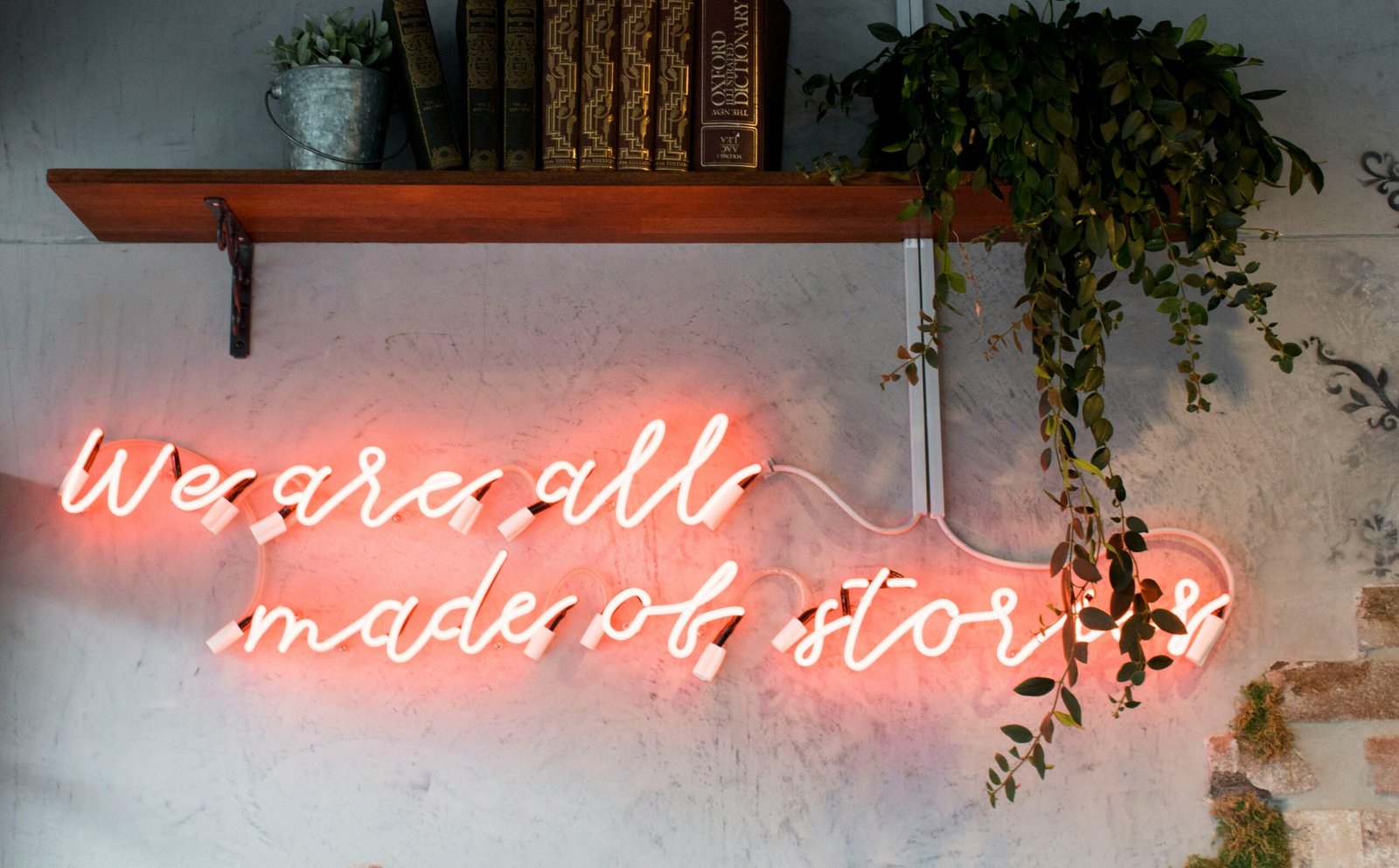
Signage should also not be overlooked; it provides functional benefits while contributing to the overall aesthetic. Unique, artful signage can help convey your cafe’s personality and help draw foot traffic. Additionally, decorative elements such as vintage furniture, artisanal tableware, and handmade ornaments add character, cultivate warmth, and invite familiarity, which are crucial in ensuring an engaging customer experience.
Creating Outdoor Spaces for an Expanded Experience
Outdoor spaces in cafes serve as an extension of the indoor environment, providing patrons with an opportunity to enjoy their meals in a refreshing setting. The incorporation of outdoor seating not only enhances the aesthetic appeal of a cafe but also caters to the growing demand for al fresco dining experiences. By carefully planning patio layouts, cafe owners can optimize their space to accommodate guests comfortably while maintaining a welcoming atmosphere.
When it comes to outdoor furniture choices, selecting durable and weather-resistant materials is essential. Tables and chairs made from materials such as teak, aluminum, or resin wicker can withstand various weather conditions, making them ideal for outdoor dining. Additionally, furniture that is easy to rearrange allows for flexibility in accommodating different group sizes and events. Consideration should also be given to the style of the furniture to ensure it complements the overall theme of the cafe, creating a cohesive experience for visitors.
Plants play a crucial role in enhancing the outdoor ambiance. Incorporating greenery, such as potted plants, hanging baskets, and vertical gardens, can create a more inviting atmosphere. Not only do plants provide a refreshing visual element, but they also contribute to air quality and can create a sense of tranquility. Furthermore, ambient lighting, such as string lights, lanterns, or candles, can extend the usability of outdoor spaces into the evening, encouraging customers to linger longer and enhancing their overall experience.
To truly blend indoor and outdoor spaces seamlessly, consider using similar design elements, color palettes, and materials. This harmonization creates a fluid transition that invites guests to enjoy both areas. The careful integration of outdoor aesthetics with the cafe’s interior can elevate the customer experience, making the outdoor seating area a desirable destination. By embracing these creative ideas, cafe owners can cultivate a unique and inviting space that attracts and retains customers.
Integrating Technology in Design
In the evolving landscape of the hospitality industry, integrating technology into cafe design is proving to be essential for enhancing both operational efficiency and guest experience. Modern advancements offer numerous opportunities to create a more engaging environment while simultaneously streamlining processes. One effective way to integrate technology is through the installation of charging stations strategically located near seating areas. This allows customers to recharge their devices, encouraging them to spend more time at the cafe, thus increasing the likelihood of additional orders.
Moreover, high-speed Wi-Fi hotspots have become a necessity for patrons who often look for a conducive workspace. Ensuring your cafe is equipped with reliable Wi-Fi can significantly influence customers’ choice of location while improving satisfaction as more people opt for cafes as informal meeting spots or study environments. By making these facilities readily available, you create an inviting atmosphere that appeals to a tech-savvy clientele.
Digital menus represent another innovative approach to integrating technology. Not only do they reduce the need for physical menus, promoting hygiene, but they also allow for easy updates to offerings and prices. Furthermore, the implementation of touchless ordering through QR codes can enhance your cafe’s service efficiency, minimizing wait times and enabling customers to browse menus at their leisure. This integration leads to a smoother experience for patrons and helps staff manage orders more effectively.
Additionally, smart technology can play a pivotal role in sustaining operational efficiency. Employing tools such as inventory management software can aid in tracking stock levels and alerting owners of potential shortages, preventing disruption in service. By embracing these technological advancements, cafe owners can create a modern, efficient working environment that enhances guest experience and meets the demands of contemporary consumers.
Gathering Feedback and Evolving Your Space
In the competitive world of the cafe industry, the ability to adapt your interior design based on customer feedback and current trends is a significant asset. Engaging with your clientele provides invaluable insights into their preferences and experiences, which can inform your design decisions. One effective method of gathering feedback is through surveys, which can be distributed both in-person and digitally. Providing a simple questionnaire that asks about their experience, overall ambiance, and any suggestions can yield a wealth of information. Additionally, hosting informal focus groups or feedback sessions can create an open dialogue, allowing patrons to share their thoughts in a more relaxed setting.
Analyzing the feedback collected is equally important. Look for common themes in comments regarding the cafe’s layout, color schemes, furniture arrangement, and overall aesthetic. This data will help identify which aspects of your design resonate well with customers and which may need reevaluation. By regularly assessing and integrating feedback, you can ensure that your cafe remains appealing and invites repeat visits.
Furthermore, refreshing your cafe’s interior periodically can maintain customer interest and engagement. Seasonal decor updates not only align your space with current trends but also enhance the sensory experience for guests. For instance, introducing a cozy, warm theme during winter or a fresh, vibrant palette in spring can significantly change the atmosphere. Special events, such as holidays or community gatherings, are excellent opportunities to adapt your decor to reflect festive themes, thereby fostering a sense of excitement and community within your cafe.
By prioritizing customer feedback and embracing the evolution of your interior design, you create an inviting and dynamic space that encourages both loyalty and intrigue among guests.