Functional Interior Design: How to Create Beautiful, Practical Spaces
Functional interior design creates spaces that look inviting while supporting the way people live, work, and move every day. It combines thoughtful space planning with comfortable furniture, accessible storage, suitable lighting, durable materials, and a clear visual direction.
A successful functional interior is not merely attractive. Every layout decision should improve usability, comfort, safety, or long-term adaptability. For practical furniture placement and circulation advice, see our guide to room layout ideas.
What Is Functional Interior Design?
Functional interior design is an approach that connects a room’s appearance with its intended purpose. It considers who will use the space, which activities will take place there, how people will move through it, and what features are needed for comfort and convenience.
Key Principles of Functional Design
1. Begin with User Needs
Identify the occupants, routines, priorities, and challenges before planning the space. A family living room may need flexible seating and concealed storage, while a home office may require task lighting, cable management, and an ergonomic workstation.
2. Plan the Space Carefully
Measure the room and note doors, windows, outlets, built-in features, and service points. Use the information to arrange furniture at an appropriate scale and avoid overcrowding.
3. Protect Circulation
Keep routes between entrances, furniture, storage, and frequently used areas clear. Good circulation makes a room feel calmer and safer while reducing interruptions during daily activities.
4. Define Functional Zones
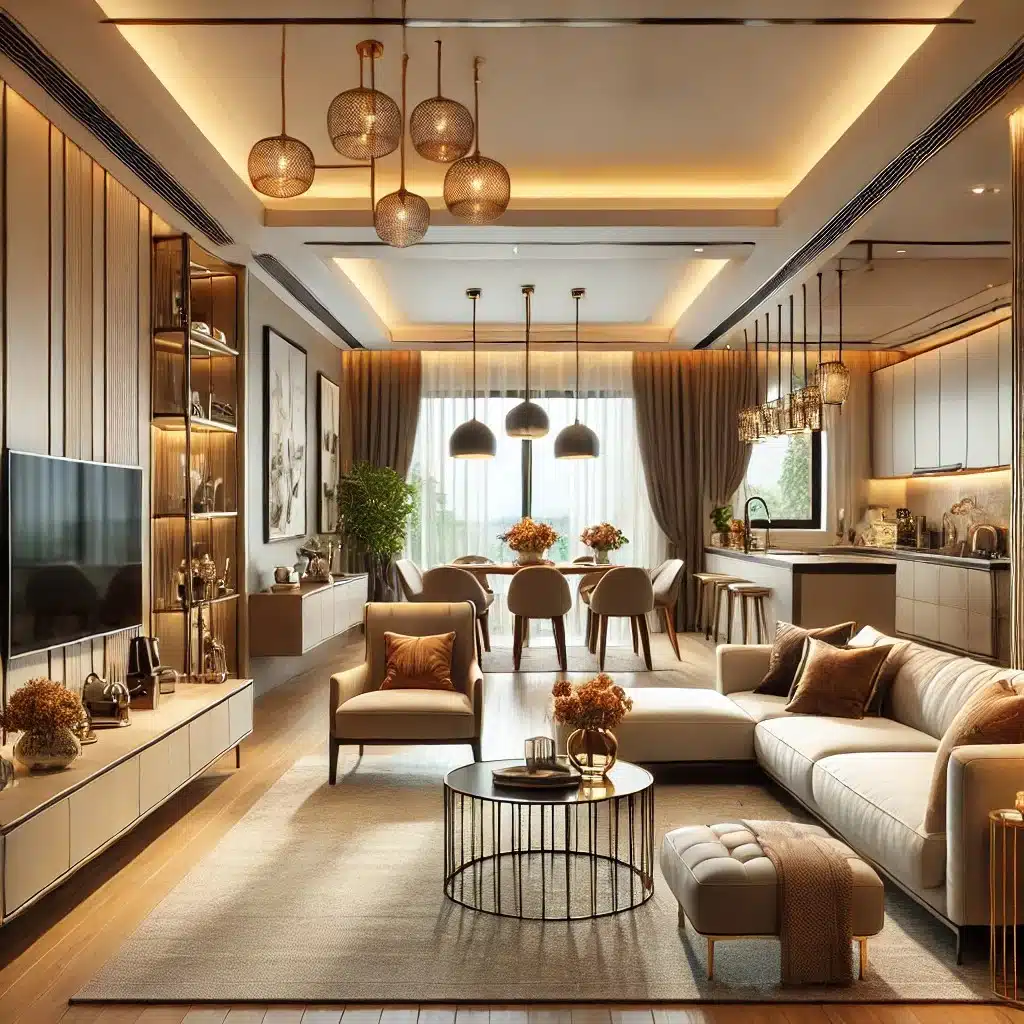
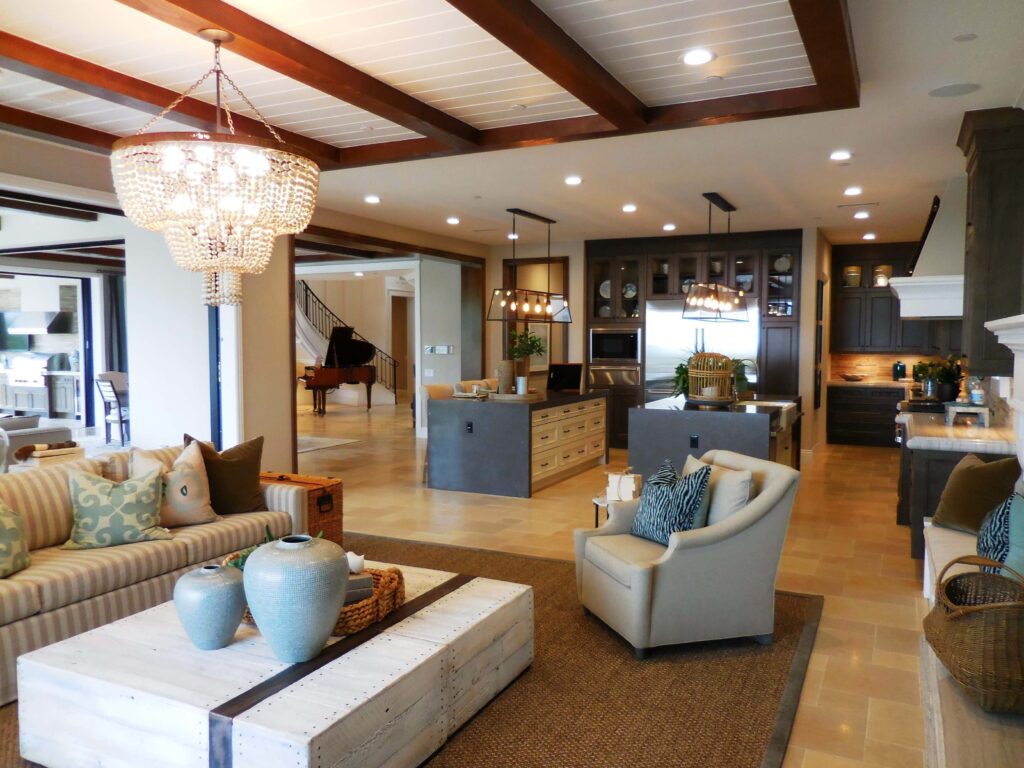
Large or open rooms can be divided into areas for dining, conversation, reading, work, or relaxation. Rugs, lighting, furniture placement, shelving, and changes in color or material can establish zones without closing off the space.
5. Choose Furniture for Comfort and Scale
Furniture should fit both the room and the people using it. Combine anchor pieces with movable furniture, provide comfortable clearances, and select designs that support the intended activity.
6. Build in Useful Storage
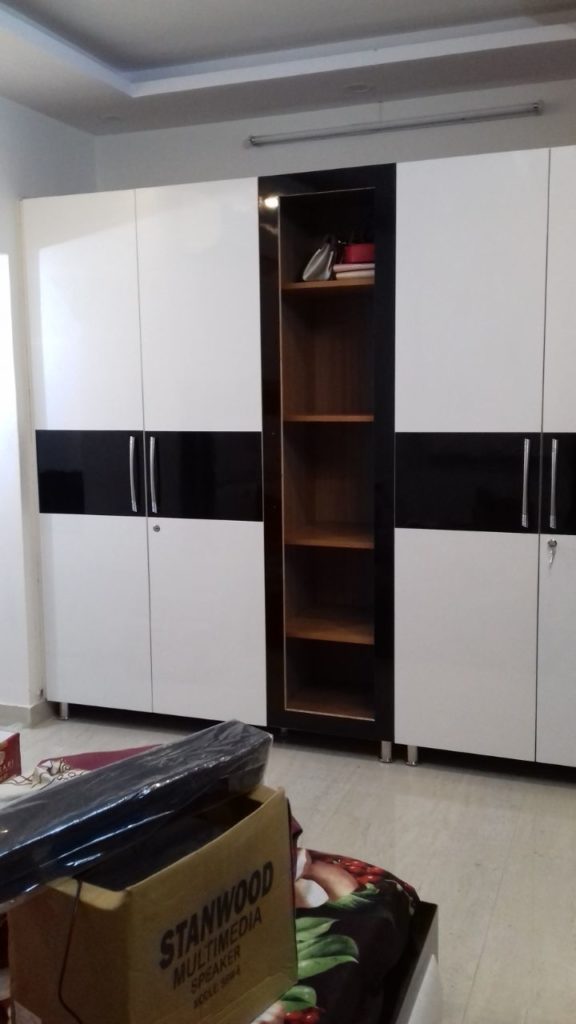
Plan storage where items are used. Cabinets, wardrobes, shelving, sideboards, storage benches, and multifunctional furniture help keep everyday essentials accessible while reducing clutter.
7. Layer the Lighting
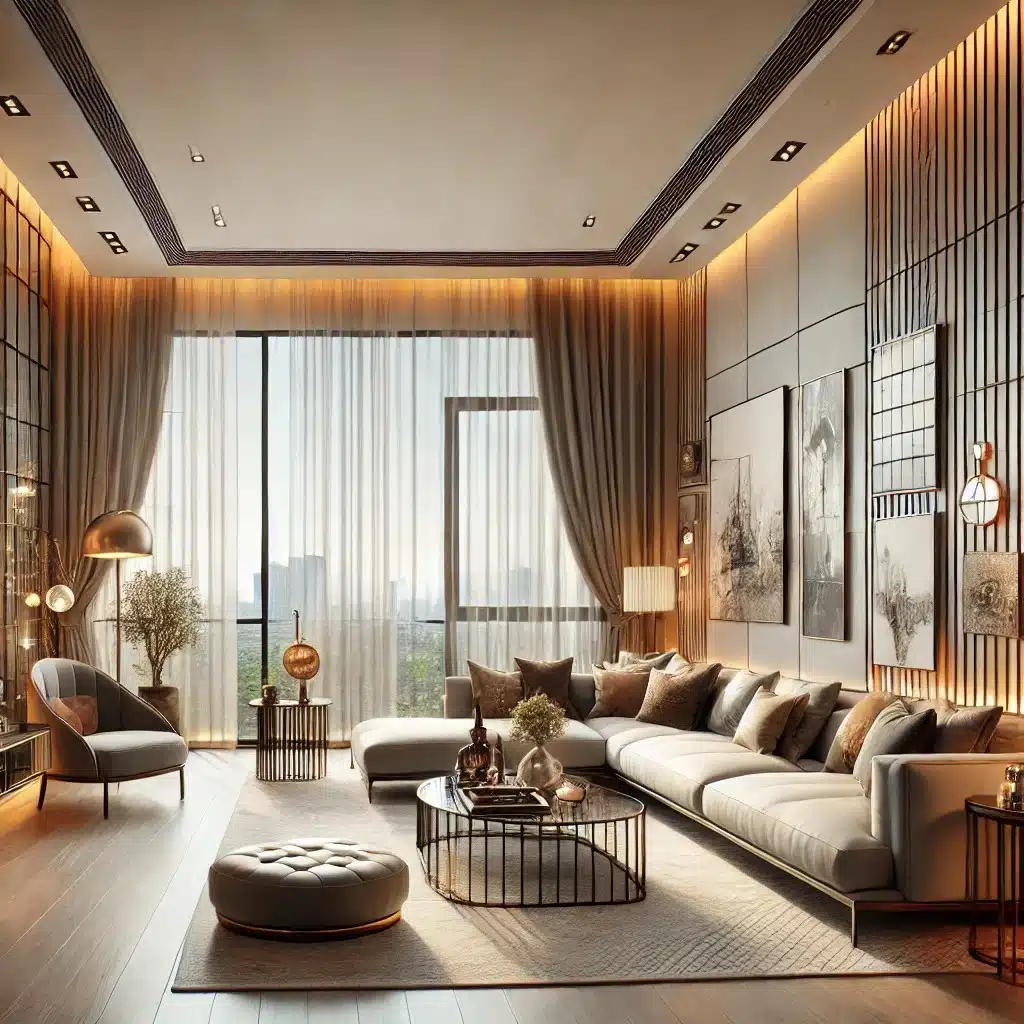
Use ambient lighting for overall brightness, task lighting for focused activities, and accent lighting to highlight artwork or architectural features. Maximize natural light while ensuring that glare and shadows do not affect comfort.
8. Select Durable Materials
Choose finishes according to maintenance needs, traffic levels, moisture, children, pets, and climate. Durable flooring, washable fabrics, and resilient surfaces help the interior remain attractive over time.
9. Coordinate Design Details
Repeat selected colors, textures, hardware, trim, and finishes to create visual continuity. Details such as molding, flooring transitions, and ceiling treatments can add character without compromising practicality.
10. Design for Flexibility
Rooms often need to support changing routines. Movable seating, modular furniture, adaptable lighting, and spare storage capacity allow the design to respond to work-from-home needs, entertaining, family changes, or future upgrades.
Functional Design and Aesthetics
Practicality and beauty should reinforce one another. A consistent palette, balanced proportions, layered textures, and a clear focal point can make a useful room feel warm and personal. Avoid decorative choices that block movement, reduce storage, or create unnecessary maintenance.
Common Functional Design Mistakes
- Choosing furniture before measuring the room.
- Blocking windows, doors, walkways, or ventilation points.
- Providing too little storage for everyday items.
- Relying on one type of lighting.
- Using delicate materials in high-traffic areas.
- Creating a visually attractive layout that does not support daily routines.
Functional Design Checklist
- Does the layout support the room’s primary purpose?
- Are the main circulation routes clear?
- Is furniture comfortable and correctly scaled?
- Can frequently used items be stored and reached easily?
- Are lighting levels suitable for each activity?
- Will the materials withstand everyday use?
- Can the room adapt to future needs?
Conclusion
Functional interior design creates spaces that are comfortable, efficient, durable, and visually coherent. Start with user needs and accurate space planning, then refine the design through circulation, zoning, storage, lighting, materials, and flexible furniture. The result is an interior that works beautifully in everyday life.