Art and Decor Ideas for a Stylish, Personal Interior
Art and decor give an interior personality, warmth, and a finished look. The right artwork, decorative objects, textiles, plants, and lighting can reinforce the room’s color palette while reflecting the people who live there.
Good decorating is not about filling every surface. It is about choosing meaningful pieces, creating visual balance, and making sure each item supports the mood and function of the room.
How to Choose Art for Your Interior
Create a Focal Point
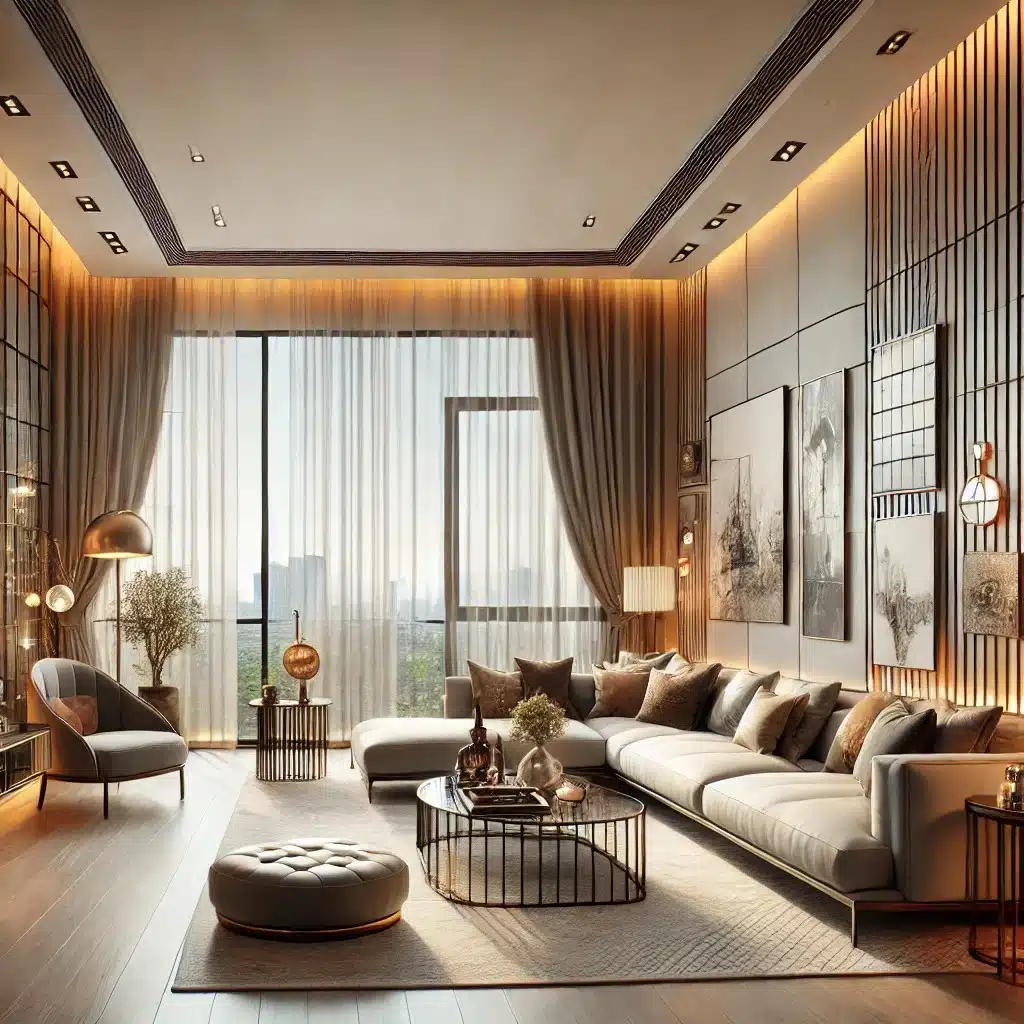
Use one important artwork, sculpture, or gallery wall as a focal point. Place it where it can be seen naturally, such as above a sofa, console, bed, or dining area.
Consider Scale and Placement
Choose artwork that suits the wall and nearby furniture. Oversized art can anchor a large wall, while smaller pieces work well in intimate areas or grouped arrangements. Leave enough surrounding space so the artwork does not feel crowded.
Build a Balanced Gallery Wall
Combine different sizes, frames, photographs, prints, and personal pieces to create a gallery wall. Plan the arrangement on the floor first and keep consistent spacing between frames for a polished result.
Mix Art Mediums
Paintings, photography, textiles, ceramics, and three-dimensional objects add variety and depth. A controlled mix of mediums makes the room feel collected rather than overly matched.
Use Art Lighting
Picture lights, adjustable spotlights, track lighting, and wall sconces can highlight color and texture. Position lights carefully to reduce glare and protect artwork from excessive heat or direct sunlight.
Decor Ideas That Add Character
Coordinate the Color Palette
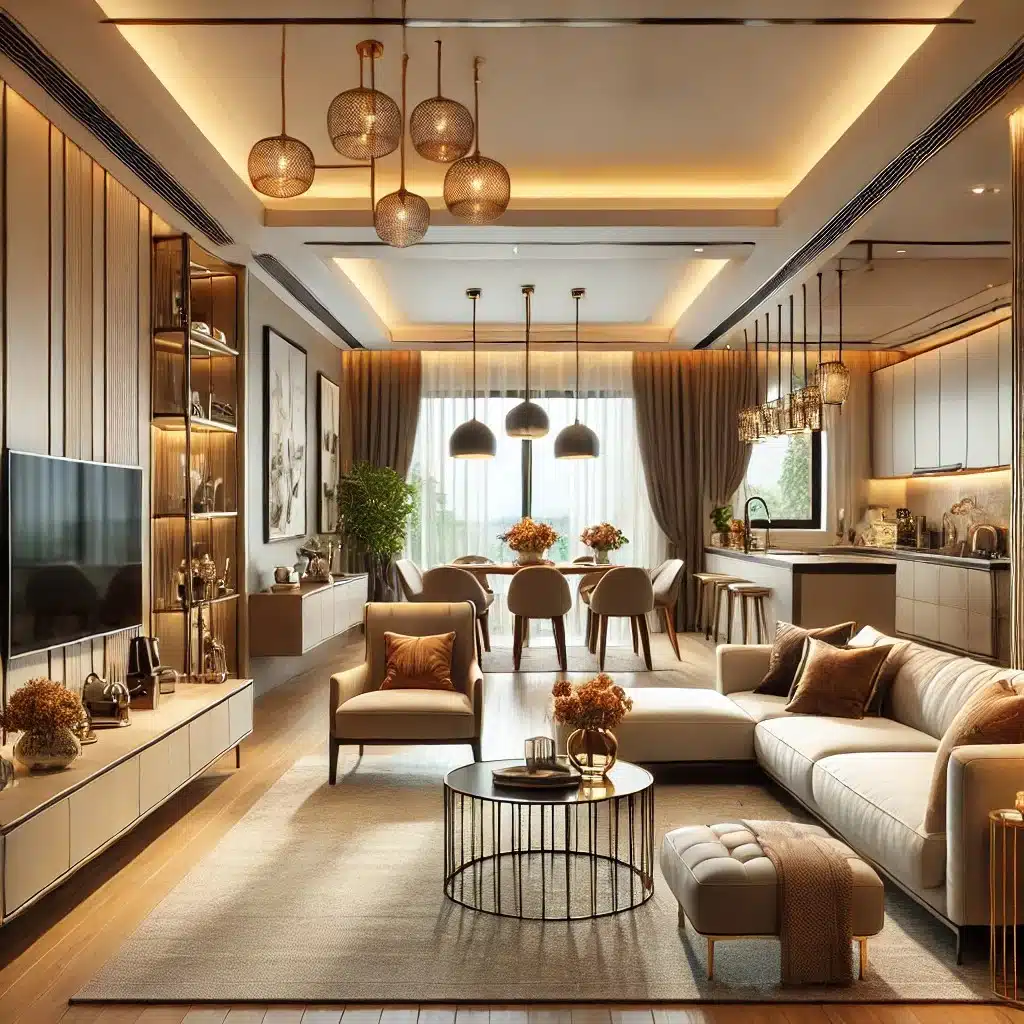
Choose decor in colors that complement the room’s main palette. Accent colors can be repeated through cushions, vases, books, artwork, and small accessories to create visual continuity.
Layer Textures
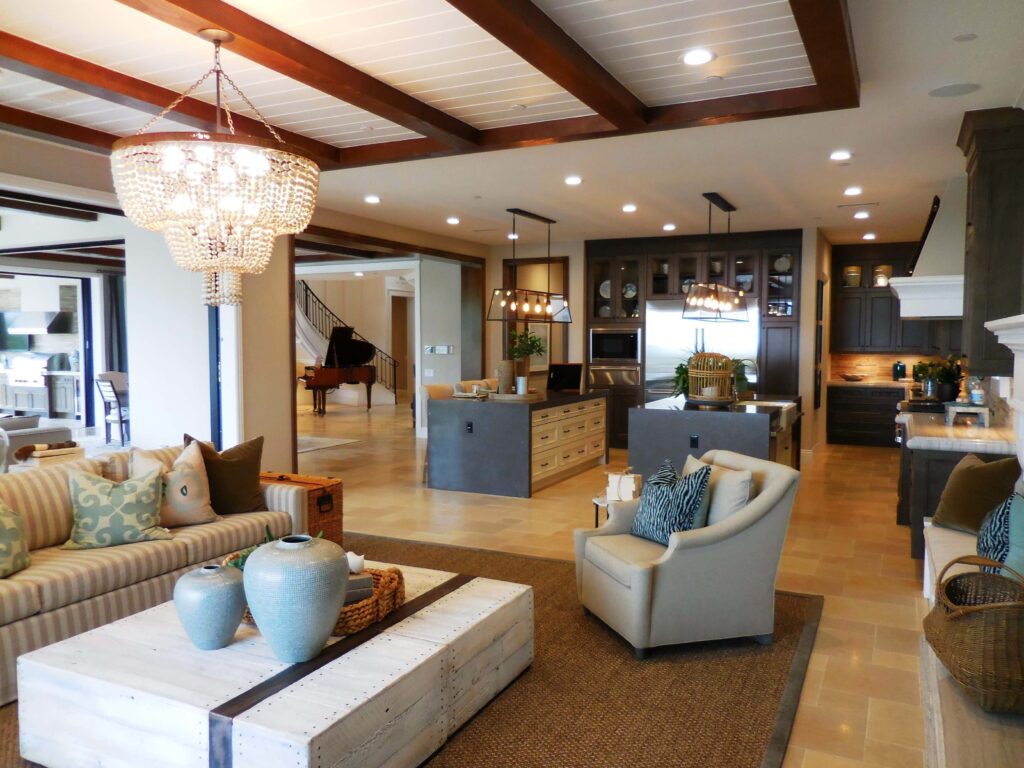
Combine smooth, rough, soft, and natural finishes through rugs, curtains, throws, cushions, baskets, wood, stone, and ceramics. Layered textures make a neutral room feel more comfortable and dimensional.
Display Personal Items
Family photographs, travel souvenirs, heirlooms, and handmade objects tell a story. Display a small selection thoughtfully instead of placing every keepsake in one area.
Add Mirrors Strategically
Mirrors reflect light and can make a room feel more spacious. Place them opposite windows or near a light source, and choose a frame that supports the interior style.
Bring in Plants and Greenery
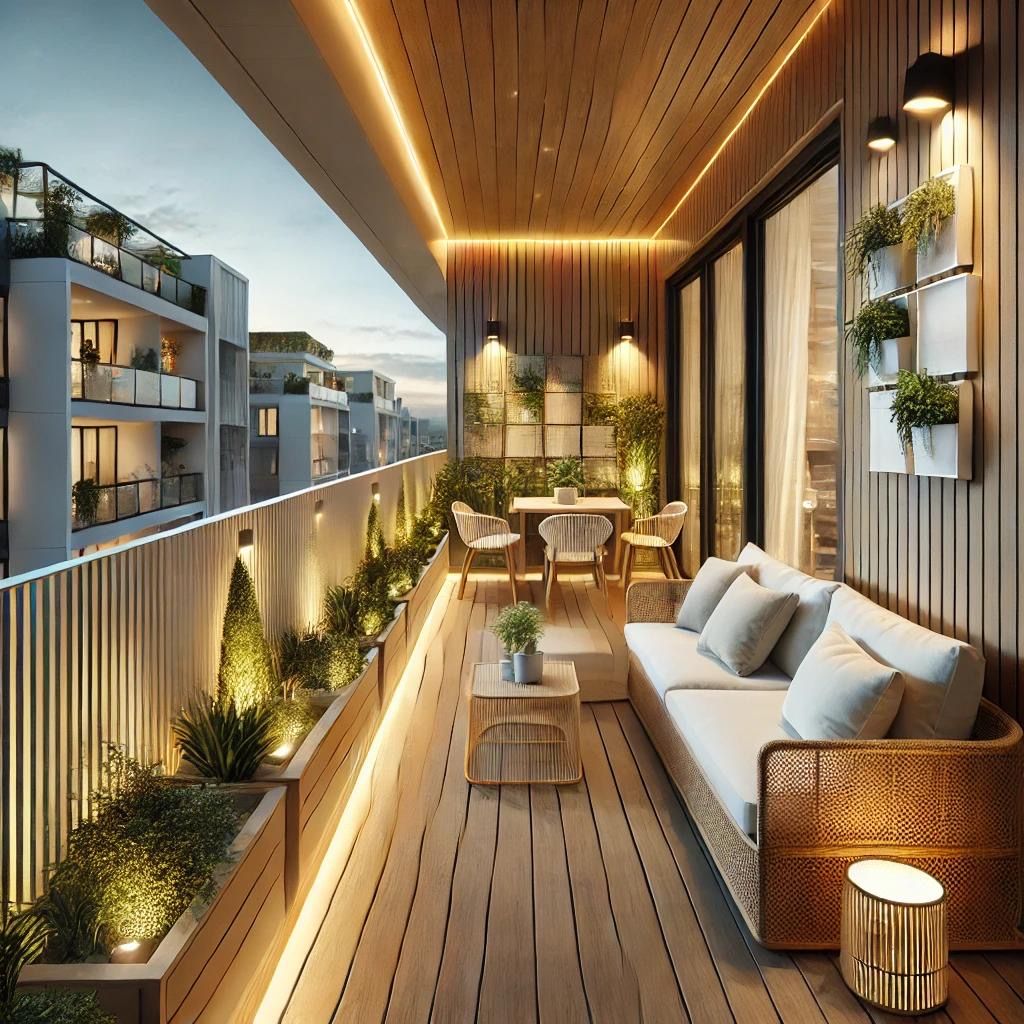
Indoor plants add color, freshness, and natural texture. Select varieties that suit the available light and use planters that complement the room’s materials and proportions.
Use Functional Decor
Decorative baskets, trays, bookends, wall shelves, storage ottomans, and attractive lamps can improve organization while adding visual interest. Choose pieces that are useful as well as beautiful.
Include Handmade and Artisanal Pieces
Handcrafted ceramics, woven baskets, carved objects, and locally made accessories bring individuality and craftsmanship to the interior. A few distinctive pieces often have more impact than many generic accessories.
How to Arrange Decor Without Creating Clutter
- Group accessories in varied heights and odd-numbered arrangements.
- Leave negative space around important objects.
- Repeat one or two colors or materials across the room.
- Balance visual weight on shelves, consoles, and tabletops.
- Keep frequently used surfaces practical and easy to clean.
- Change a few small accents seasonally instead of redesigning the entire room.
Common Art and Decor Mistakes
- Choosing artwork that is too small for the wall.
- Hanging art too high or without considering nearby furniture.
- Using too many unrelated colors, patterns, or finishes.
- Blocking natural light or circulation with decorative objects.
- Displaying accessories without enough breathing room.
- Following trends so closely that the room loses its personal character.
Art and Decor Checklist
- Does the artwork suit the room’s scale and purpose?
- Is there a clear focal point?
- Do colors and textures work with the existing interior?
- Are personal and meaningful pieces included?
- Is the decor balanced without feeling crowded?
- Can the room be maintained easily?
- Do decorative items support comfort and everyday use?
Conclusion
Art and decor should make an interior feel more personal, comfortable, and complete. Start with a clear focal point, then build depth through scale, color, texture, lighting, greenery, and meaningful objects. The best spaces balance visual interest with enough simplicity for the room to remain calm and functional.