
Introduction to Home Decor
Home decor encompasses the various elements and styles used to enhance the aesthetic and functional appeal of living spaces. It plays a pivotal role in defining the character of a home, while also providing insight into the homeowner’s personality and preferences. The art of decor involves curating a space that is not only visually appealing but also creates a sense of comfort and belonging. In essence, home decor sets the atmosphere of a space, influencing the mood of its inhabitants and the impression it leaves on visitors.
Individual expression through home decor is vital as it allows each person to create an environment that resonates with their lifestyle and taste. Whether opting for a minimalist style, a rustic aesthetic, or a modern design, the choice of decor elements reflects personal values and aspirations. These choices can evoke emotions, inspire creativity, and promote relaxation, greatly influencing the overall experience of those who inhabit the space.
To effectively engage in home decor, it is essential to grasp some basic principles, such as color theory, harmony, and balance. Understanding color theory, for instance, helps in selecting shades that complement each other and evoke specific emotions. Colors can dramatically alter the perception of space; warm tones often create a cozy atmosphere, while cooler shades can lend a sense of tranquility. Additionally, achieving harmony in decor promotes a cohesive look, where all elements unite to form a seamless design. Balance, whether symmetrical or asymmetrical, plays a crucial role as it ensures that the visual weight of decor items is evenly distributed throughout the space, creating a pleasing aesthetic.
In conclusion, home decor serves as a vital component in crafting an inviting and stylish living environment. By understanding its principles and reflecting personal style, individuals can transform their homes into harmonious spaces that enhance their overall living experience.
Understanding Your Space
Before undertaking any home decor project, it is essential to conduct a thorough assessment of your living spaces. This evaluation lays the groundwork for an effective decorating plan that aligns with your aesthetic preferences and functional needs. Start by examining the size of each room; larger spaces often offer more versatility in terms of design, while small areas may require strategic decor choices to enhance their perceived size.
Next, consider the layout of your space. Is the arrangement of furniture conducive to both movement and social interaction? A well-considered layout can significantly improve the functionality of a room. Take note of the traffic flow; ensure that pathways are clear and that seating arrangements facilitate conversation. Identifying these aspects allows for a harmonious design that elevates the overall experience within your home.
Another crucial element to assess is the natural light available in each area. Natural light not only affects the mood of a space but also influences colors and materials used in decor. Rooms with ample sunlight can typically accommodate bolder colors and darker hues, while dimly lit spaces may benefit from a lighter color palette to create an uplifting atmosphere. Additionally, consider the location of windows and how you can make the most out of this resource, such as opting for sheer window treatments to maximize light.
Identifying focal points within your spaces is another practical consideration. A focal point could be an architectural feature, a stunning piece of artwork, or even furniture that draws attention. Emphasizing such elements can guide further decorating decisions, influencing color schemes and accessory choices. Functional areas within the room should also be considered, ensuring that each zone serves its intended purpose while complementing the overall aesthetic. Understanding these facets will empower you to create a cohesive and inviting environment tailored to your lifestyle.
Choosing a Style: Finding Your Decor Identity
When embarking on a journey to redefine your living space, understanding various home decor styles is paramount. The term “decor identity” reflects personal taste, and it enhances the overall atmosphere of your home. Among the most popular styles are modern, traditional, bohemian, and minimalist designs, each offering a unique aesthetic and ambiance.
The modern style is characterized by clean lines, neutral color palettes, and an emphasis on function. This approach often incorporates materials such as glass and metal, creating an airy feel ideal for urban spaces. On the other hand, traditional decor evokes warmth and familiarity, often featuring ornate furniture, rich colors, and classic patterns. This style usually merges elements from different historical periods while maintaining an overall cohesive look.
For those drawn to vibrant and eclectic designs, the bohemian style offers an opportunity for self-expression. This aesthetic combines a variety of patterns, colors, and textures, often featuring vintage items or handmade crafts that tell a story. In contrast, the minimalist approach strips away the unnecessary, focusing on functionality and simplicity. Minimalism promotes a decluttered mindset, where each piece serves a purpose and contributes to the overall harmony of the space.
As you explore these styles, consider mixing and matching elements from different decor identities to create a look that is uniquely yours. A minimalist base can be invigorated with bohemian accessories, while traditional pieces can find a home in a modern setting. By thoughtfully integrating various styles, you can craft an environment that feels both personal and inviting. Take your time in this exploration, as finding your decor identity is a process that reflects your lifestyle and preferences.
Color Palette Selection
Color plays a vital role in home decor, influencing not only the aesthetic appeal of a space but also the emotional responses of its inhabitants. The selection of a color palette is essential, as it can be reflective of the homeowner’s personality and the ambiance they wish to cultivate. To begin with, understanding color theory is fundamental in making informed choices. Color theory is grounded in the color wheel, which categorizes colors into primary, secondary, and tertiary hues. This wheel acts as a guide for identifying complementary colors, which are found opposite each other on the wheel, and can create striking visual contrasts when used in decor.
When choosing a color palette, it is advisable to consider the psychological impact of colors. For instance, blue often evokes calmness and tranquility, making it suitable for bedrooms or meditation spaces. In contrast, warmer tones like reds and yellows can incite energy and enthusiasm, potentially being more fitting for social rooms such as kitchens or living areas. Using color psychology can aid homeowners in aligning their decor choices with the emotions they wish to foster within their environments.
Furthermore, employing paint and decor items effectively is central to achieving the desired effect. Start by selecting a dominant color that encapsulates the theme of the space. Accents and accessories in complementary colors or varied shades of the dominant hue can be added to create depth and visual interest. Through strategic placement of furniture and decor items, homeowners can bring their chosen color palette to life. Ultimately, the key to successful color palette selection lies in a balance between personal preference and the intended mood of the space, ensuring a harmonious living environment.
Furniture Choices: Function Meets Aesthetics
Choosing the right furniture for a home is a crucial aspect of interior design, as it significantly influences both the functionality and aesthetics of the space. When selecting furniture, one must consider the scale and proportion of each piece in relation to the room. Oversized furniture can overwhelm a small area, while diminutive pieces may seem lost in a spacious environment. It is essential to achieve a balance, allowing each item to complement the others while ensuring comfort and usability.
Versatility is another vital consideration in furniture selection. Opting for multi-functional pieces can greatly enhance the utility of a space. For example, a sofa bed serves not only as a comfortable seating option but also transforms into a sleeping area for guests. Likewise, storage ottomans provide both seating and hidden storage, maximizing space without compromising style. Such options excel in small apartments, where every square foot counts, but they can also add strategic functionality to larger homes.
Investing in key pieces, such as a well-crafted dining table or a stylish sofa, can elevate the overall decor while ensuring lasting quality. High-quality furniture often pays off in the long run, both visually and financially, as it tends to withstand the test of time better than less durable options. Additionally, selecting pieces that reflect personal style and preferences will create a cohesive and inviting atmosphere throughout the home.
Finally, the arrangement of furniture plays a critical role in optimizing both comfort and aesthetic appeal. Thoughtful placement fosters better flow and accessibility, allowing for ease of movement. Aligning furniture with focal points, such as a fireplace or an entertainment system, can also enhance the overall visual impact of a room. By carefully selecting and arranging furniture, homeowners can create spaces that are both functional and visually appealing.
Accessorizing with Purpose
Accessories play a vital role in enhancing home decor and transforming any space into a personalized retreat. When chosen thoughtfully, accessories add texture, color, and character to a room. This segment explores various types of accessories, such as artwork, rugs, curtains, and plants, each contributing uniquely to the overall aesthetic.
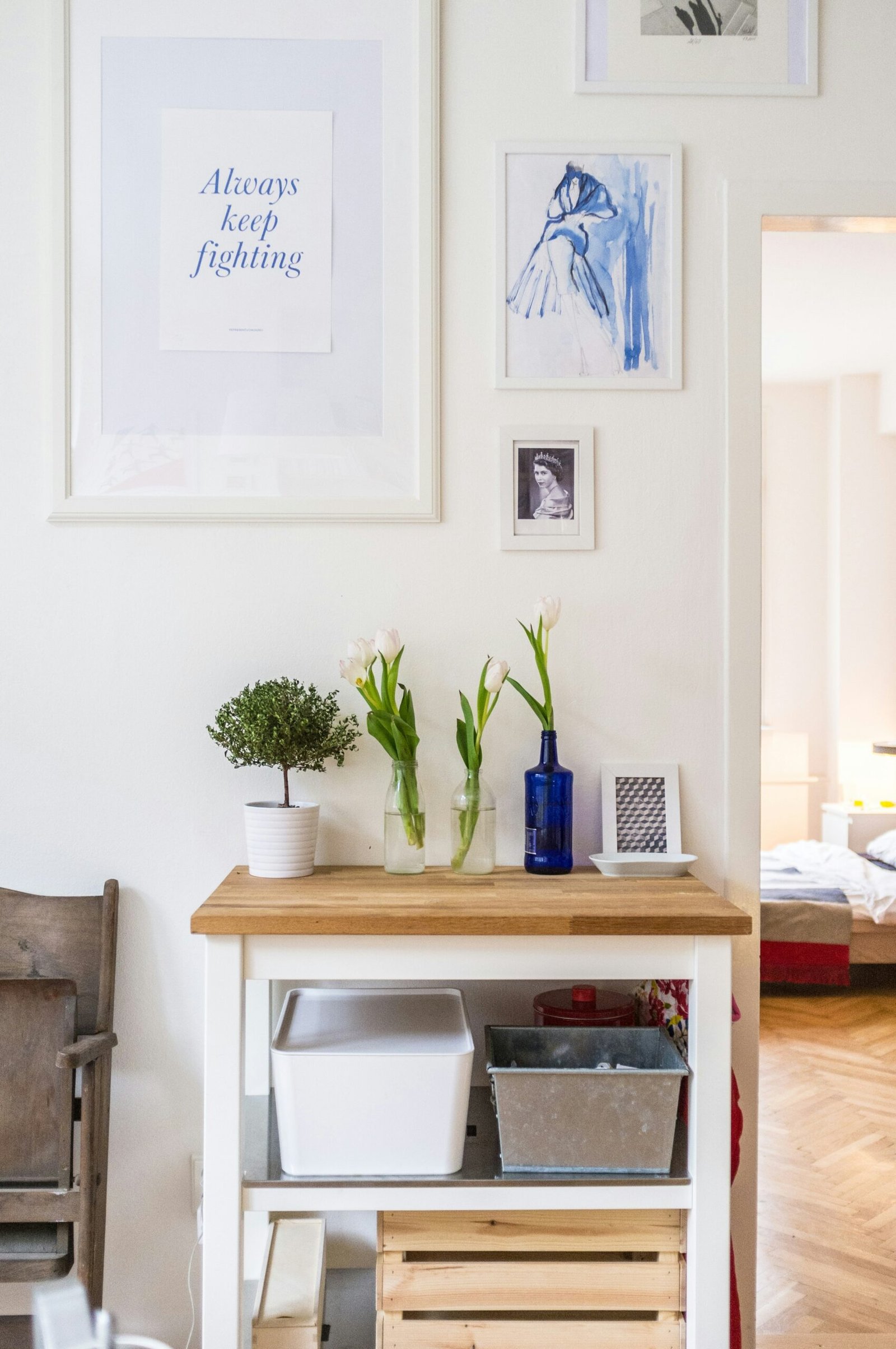
Artwork serves as a focal point that can elevate the ambiance of a room. Whether opting for modern abstracts or classic paintings, it is essential to choose pieces that resonate with your style. The placement of artwork should be intentional, typically hung at eye level to create a balanced visual experience. Grouping smaller pieces together can create a gallery wall, adding intrigue and depth to your decor.
Rugs are another critical accessory that can define spaces and add warmth. A well-chosen rug can anchor furniture arrangements while introducing patterns and color. For example, a large, bold-patterned rug can make a statement in a neutral room, while a solid color can provide a subtle backdrop for more vibrant decor. The size and placement of the rug should complement the layout of the room, ensuring that it adds to the overall flow.
Curtains provide functionality as well as style. They control light and privacy while offering an opportunity to introduce color and texture. Selecting curtains that coordinate with wall colors and other accessories can create a seamless look. Lighter fabrics may enhance natural light, while heavier drapes can add coziness and refinement.
Lastly, plants bring life to interior spaces, promoting a sense of well-being. Incorporating greenery can enhance air quality and create a refreshing atmosphere. Selecting plant varieties that suit your living conditions and arranging them thoughtfully contributes to a lively and inviting decor. By selecting each accessory with purpose, you can create a cohesive and harmonious environment that reflects your individual style.
Layering Textures and Patterns
In the realm of home decor, the interplay of textures and patterns plays a pivotal role in creating an inviting and visually appealing environment. By effectively layering different materials such as wood, metal, fabric, and glass, homeowners can infuse depth and character into their spaces. The strategic use of textures enhances the overall ambiance, providing a rich sensory experience.
When considering the combination of textures, it is important to begin with a cohesive theme. For instance, a rustic aesthetic may benefit from the juxtaposition of weathered wood with polished metal accents. Conversely, a minimalist approach may incorporate smooth surfaces complemented by soft textiles, creating a serene atmosphere. The key lies in achieving balance; too many conflicting textures can create visual chaos, while too little can render a space flat and uninspiring.
Patterns, much like textures, are instrumental in defining a room’s narrative. Whether integrating bold geometric prints or subtle organic designs, the layering of patterns opens up possibilities for creativity. For successful pattern mixing, it is advisable to maintain a consistent color palette or adhere to a common theme. For example, mixing floral fabrics with striped patterns can yield a harmonious and visually engaging outcome when executed thoughtfully.
Moreover, layering vertical and horizontal patterns, such as stripe wallpaper alongside checked cushions, can create a dynamic visual flow that draws the eye throughout the space. When combining patterns and textures, varying the scale also plays a significant role; using large-scale patterns alongside smaller ones can add interest and break monotony.
By applying these principles of layering, homeowners can articulate their unique style while fostering an inviting atmosphere that transcends basic decor, making their living spaces come alive with personality.
Lighting: The Unsung Hero of Home Decor
Lighting is often overlooked in home decor, yet it holds the remarkable power to significantly transform any space. Understanding the various types of lighting is essential for creating a functional and aesthetically pleasing environment. The three primary categories of lighting include ambient, task, and accent lighting, each serving a distinct purpose.
Ambient lighting, also known as general lighting, provides overall illumination for a room, ensuring that the space is uniformly lit. This type of lighting is typically achieved through ceiling fixtures, recessed lights, or wall sconces. A well-planned ambient light setup can create a warm and inviting atmosphere, making it the foundation upon which other lighting types are built.
Task lighting, as the name suggests, is designed to facilitate specific activities. It focuses illumination on particular areas where tasks such as reading, cooking, or working are performed. Desk lamps, under-cabinet lights, and pendant lights are common examples of task lighting. Ensuring that adequate task lighting is available in workspaces can enhance functionality and improve productivity, while also complementing the overall decor.
Accent lighting adds a layer of sophistication and drama to a room by highlighting architectural features, artwork, or decorative elements. This type of lighting often employs directional fixtures like spotlights or track lighting to draw attention to specific areas. By employing accent lighting strategically, homeowners can create visual interest and depth, enriching the overall decor.
Incorporating natural light should also be a prime consideration in any lighting plan. Strategically placed mirrors and light-colored curtains can maximize daylight, making spaces feel larger and more inviting. When selecting light fixtures, consider the style and scale to ensure harmony within the existing decor. With thoughtful integration of various lighting types, one can elevate their home decor to new heights, leading to an inviting and well-balanced space.
Personal Touches: Making It Your Own
Incorporating personal elements into home decor is essential for creating a space that feels truly unique and reflective of one’s life story. Each item we choose to display tells a narrative, whether it be a family heirloom, a cherished photograph, or a souvenir from a memorable trip. By including such elements, individuals can transform their living areas into more than just functional spaces—they become repositories of memories and experiences.
Family photographs are a popular choice for adding a personal touch. They evoke warmth and nostalgia, reminding us of significant moments spent with loved ones. A carefully arranged gallery wall featuring these images not only serves as an artistic focal point but also sparks conversations and invites guests to engage with the history of the home’s inhabitants. Consider selecting frames that complement your decor style, whether rustic, modern, or eclectic, to seamlessly blend personal touches with your overall aesthetic.
Heirlooms and antiques also contribute to a distinctive decor narrative. These items may be passed down through generations and hold sentimental value. Displaying them prominently demonstrates appreciation for family history and serves as a conversation piece for visitors. Whether it’s a vintage vase, a handcrafted quilt, or an old clock, these objects possess a charm that brand new items often lack.
Travel souvenirs represent another significant way to personalize your space. Items collected from various locales not only serve as beautiful decor but also act as reminders of adventures and the rich tapestry of experiences gathered over time. Displaying them alongside local art or themed decor can create a cohesive look while sparking stories about your travels. Ultimately, the key to truly making a home your own lies in these personal touches, which render each space a vivid expression of individual identity.