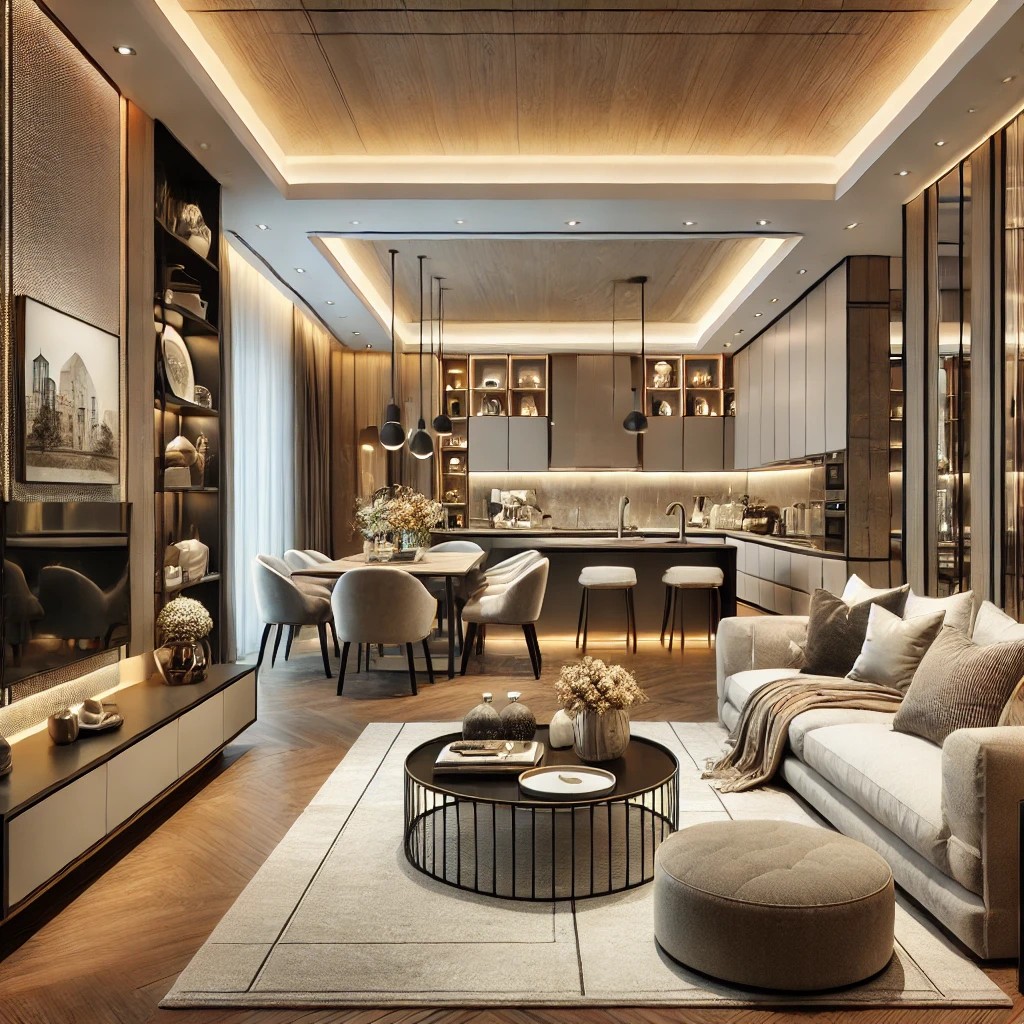
A cozy home is all about warmth, comfort, and inviting aesthetics. Whether you have a spacious house in Gurgaon, a modern apartment in Noida, or a compact flat in Delhi NCR, adding the right decor elements can transform your space into a relaxing retreat.
Here are the top decor essentials to make your home feel warm, inviting, and cozy!
1. Warm & Soft Lighting 💡
Lighting sets the mood of a space. For a cozy ambiance, opt for: ✅ Warm-toned LED lights (yellow or soft white) ✅ Table lamps & floor lamps for soft illumination ✅ Fairy lights & candles for a warm glow ✅ Dimmable lights to adjust brightness based on mood
💡 Tip: Use wall sconces or pendant lights in corners to create soft, ambient lighting.
2. Plush Textiles & Layered Fabrics 🛋️
Adding different textures makes a home feel soft and inviting. ✅ Cushions & throw pillows in different fabrics (velvet, cotton, faux fur) ✅ Chunky knit throws or wool blankets for warmth ✅ Rugs & carpets to add softness underfoot
💡 Tip: Mix textures like linen, wool, and faux fur to create depth and coziness.
3. Neutral & Earthy Color Palette 🎨
Soft, neutral tones create a sense of calm and warmth. Cozy colors include: ✅ Warm beige, taupe, cream, and soft browns ✅ Earthy greens & muted blues for a nature-inspired feel ✅ Pastel shades for a soothing ambiance
💡 Tip: Use wooden furniture or natural materials to complement warm tones.
4. Scented Candles & Essential Oils 🕯️
Scents have a huge impact on creating a cozy atmosphere. ✅ Vanilla, cinnamon, lavender, and sandalwood create warmth ✅ Essential oil diffusers with calming scents like eucalyptus & chamomile ✅ Soy or beeswax candles for a natural, long-lasting aroma
💡 Tip: Place candles or diffusers in entryways, bedrooms, and living areas for a welcoming scent.
5. Cozy & Functional Seating Arrangements 🛋️
Comfortable seating makes a home feel more inviting. ✅ Plush sofas & armchairs with soft upholstery ✅ Bean bags or floor cushions for casual seating ✅ Reading nook with a comfy chair
💡 Tip: Arrange furniture in a circular or conversational layout for a warm, inviting vibe.
6. Books & Personal Touches 📚
A home feels cozier when it reflects your personality. ✅ Bookshelves with favorite reads & decor accents ✅ Photo frames with family pictures ✅ Handmade decor items or travel souvenirs
💡 Tip: Use floating shelves to display books and decor without cluttering surfaces.
7. Indoor Plants & Greenery 🌿
Plants add life, color, and freshness to a cozy space. ✅ Snake plant, peace lily, pothos, or fiddle-leaf fig ✅ Hanging plants or tabletop succulents ✅ Herb garden in the kitchen
💡 Tip: Use woven or ceramic pots for a rustic, homey touch.
8. Wooden & Natural Elements 🌲
Wooden decor adds warmth and rustic charm. ✅ Wooden furniture & accents (tables, trays, shelves) ✅ Bamboo or rattan decor pieces ✅ Handwoven baskets for storage
💡 Tip: Mix wood and stone elements for a cozy, earthy feel.
9. Soft & Cozy Curtains 🏡
Heavy, textured curtains enhance warmth and privacy. ✅ Velvet, linen, or cotton drapes for softness ✅ Sheer curtains to filter natural light ✅ Thermal curtains for added insulation
💡 Tip: Layer sheer and blackout curtains for both coziness and functionality.
10. Fireplace or Faux Fireplace 🏠🔥
A fireplace is the ultimate cozy element, but if you don’t have one: ✅ Electric fireplace heater for warmth & ambiance ✅ Faux fireplace with candles or fairy lights ✅ Decorative mantel with books, vases, or framed art
💡 Tip: Arrange candles in different heights for a faux fireplace effect.
11. Layered Rugs & Carpets 🏡
Rugs add warmth and comfort to any space. ✅ Soft wool or shaggy rugs for living rooms & bedrooms ✅ Layering smaller rugs on a large base rug for depth ✅ Jute or woven rugs for a natural, cozy feel
💡 Tip: Use rugs in high-traffic areas like hallways and seating areas for warmth underfoot.
12. Wall Art & Handmade Decor 🖼️
Walls can make a home feel cozy with the right decor. ✅ Gallery wall with framed art or family photos ✅ Macramé wall hangings or tapestries ✅ Vintage mirrors to reflect light and warmth
💡 Tip: Use warm wooden or gold frames for a cozy touch.
13. Snug Bedroom with Cozy Bedding 🛏️
A cozy home starts with a cozy bedroom. ✅ Layered bedding with soft duvets & pillows ✅ Flannel sheets for added warmth in winter ✅ Bedside lamps & warm lighting
💡 Tip: Use a heated blanket for extra comfort in colder months.
14. Cozy Dining Space 🍽️
Dining spaces can also feel warm and inviting. ✅ Wooden or rustic dining table ✅ Candles or pendant lighting for ambiance ✅ Soft, upholstered dining chairs
💡 Tip: Use woven placemats or table runners for a homey touch.
15. Mood-Boosting Music & Sounds 🎵
Sound plays a big role in making a home feel relaxing. ✅ Soft instrumental or acoustic music in the background ✅ White noise machines or nature sounds ✅ Wind chimes or small indoor fountains for a soothing effect
💡 Tip: Use Bluetooth speakers to play cozy tunes throughout the house.
Final Thoughts ✨
Creating a cozy home is about adding warm textures, soft lighting, and personal touches that make you feel comfortable and relaxed. Whether you’re upgrading your apartment in Noida, revamping your home in Gurgaon, or designing a rental space in Delhi NCR, these decor ideas will help you achieve a warm and inviting atmosphere.
🌿 Want expert guidance on cozy interiors? Explore Interior A to Z for design inspiration! 🚀
Living in a small apartment or a compact home doesn’t mean you have to sacrifice comfort or style. With smart space-saving furniture, you can maximize every inch, keep your space clutter-free, and make your home feel bigger and more organized.
Here are some innovative furniture ideas to help you make the most of your space!
1. Murphy Beds (Wall Beds) 🛏️
A Murphy bed folds up into the wall or a cabinet, freeing up floor space when not in use.
✅ Best for: Studio apartments, small bedrooms, guest rooms ✅ Why it works: Converts a bedroom into a living space instantly ✅ Bonus: Some Murphy beds come with built-in desks or sofas for extra functionality
💡 Tip: Opt for a horizontal Murphy bed if your ceiling is low.
2. Loft Beds with Storage or Desks 🛏️📚
Loft beds elevate the sleeping area, leaving space underneath for a desk, storage, or seating.
✅ Best for: Kids’ rooms, dorms, home offices in small spaces ✅ Why it works: Uses vertical space to maximize functionality ✅ Bonus: Some designs include built-in shelves or drawers
💡 Tip: Choose a loft bed with integrated lighting for added convenience.
3. Sofa Beds & Daybeds 🛋️
A sofa bed or a daybed serves as a couch during the day and transforms into a bed at night.
✅ Best for: Small living rooms, guest rooms, studio apartments ✅ Why it works: Combines seating and sleeping in one ✅ Bonus: Some sofa beds have hidden storage for bedding and pillows
💡 Tip: Choose a pull-out sofa bed for maximum comfort.
4. Expandable Dining Tables 🍽️
A folding or extendable dining table adjusts to your needs—expand it for guests, fold it away when not in use.
✅ Best for: Small dining rooms, open-plan kitchens, studio apartments ✅ Why it works: Provides extra seating without taking up space permanently ✅ Bonus: Some models come with built-in storage for plates and cutlery
💡 Tip: A drop-leaf table is perfect for ultra-small spaces.
5. Nesting Tables & Stacking Stools 🪑
Nesting tables and stacking stools save space when not needed by tucking into each other.
✅ Best for: Living rooms, balconies, compact kitchens ✅ Why it works: You can expand or reduce the number of tables or seats as needed ✅ Bonus: Some nesting tables have hidden storage compartments
💡 Tip: Go for clear acrylic or glass nesting tables for a modern, airy look.
6. Wall-Mounted Desks & Folding Workstations 💻
A wall-mounted desk folds down when needed and tucks away when not in use, keeping your space uncluttered.
✅ Best for: Home offices, bedrooms, studio apartments ✅ Why it works: Saves floor space while providing a full work surface ✅ Bonus: Some models include shelves or chalkboards for extra function
💡 Tip: Use a floating shelf desk to create a sleek, modern workspace.
7. Ottoman with Hidden Storage 🏡
A storage ottoman acts as seating, a footrest, and hidden storage in one.
✅ Best for: Living rooms, bedrooms, entryways ✅ Why it works: Conceals clutter like blankets, magazines, or toys ✅ Bonus: Some models can convert into small tables
💡 Tip: Use a round ottoman with a tray top for double functionality.
8. Floating Shelves & Wall-Mounted Storage 📚
Instead of bulky cabinets, use floating shelves to keep things organized without taking up floor space.
✅ Best for: Living rooms, bedrooms, kitchens, bathrooms ✅ Why it works: Uses wall space instead of floor space ✅ Bonus: Great for decor, books, or displaying plants
💡 Tip: Use corner floating shelves to maximize tricky spaces.
9. Under-Bed Storage Drawers 🛏️
The space under your bed is prime real estate for storage!
✅ Best for: Bedrooms, guest rooms, studio apartments ✅ Why it works: Turns an unused area into storage for clothes, shoes, or linens ✅ Bonus: Some beds come with built-in drawers or a lift-up mechanism for easy access
💡 Tip: Use clear storage bins with wheels for easy sliding.
10. Convertible Coffee Tables ☕
A lift-top coffee table doubles as a dining or work table, perfect for small spaces.
✅ Best for: Living rooms, studio apartments ✅ Why it works: Saves space while providing hidden storage inside ✅ Bonus: Some designs offer adjustable heights and hidden compartments
💡 Tip: Pick a wooden or glass design for a chic, modern look.
11. Foldable Chairs & Drop-Down Tables 🪑
Foldable furniture is perfect for small homes where extra seating or workspace is only needed occasionally.
✅ Best for: Small kitchens, balconies, multi-use rooms ✅ Why it works:Stows away easily when not needed ✅ Bonus: Some designs attach to walls and fold down when required
💡 Tip: Use a wall-mounted drop-leaf table for a space-saving dining area.
12. Corner Desks & L-Shaped Workstations 🖥️
A corner desk makes use of underutilized spaces while providing ample workspace.
✅ Best for: Home offices, bedrooms, study nooks ✅ Why it works: Uses awkward corners efficiently ✅ Bonus: Some have built-in shelves or drawers for extra organization
💡 Tip: Choose a floating corner desk to keep the floor clear.
13. Rolling Kitchen Islands 🚶♂️
A mobile kitchen island provides extra counter space and storage but can be moved when needed.
✅ Best for: Small kitchens, open-plan apartments ✅ Why it works: Adds prep space, storage, and even dining ✅ Bonus: Some include extendable countertops or foldable wings
💡 Tip: Pick a model with lockable wheels for stability.
14. Hidden Storage Behind Mirrors & Headboards 🛏️
Mirrors and headboards can double as hidden storage for small essentials.
✅ Best for: Bedrooms, bathrooms, entryways ✅ Why it works: Maximizes storage without looking cluttered ✅ Bonus: Great for storing jewelry, cosmetics, or accessories
💡 Tip: Use a mirror cabinet in the bathroom to save space.
Conclusion 🎉
Smart space-saving furniture allows you to live large in small spaces without sacrificing comfort or style. Whether you live in a studio apartment in Noida, a modern home in Gurgaon, or a compact flat in Delhi NCR, these ideas will help you maximize every inch.
Looking for custom space-saving furniture? Explore Interior A to Z for expert solutions and stylish designs! 🚀✨
A small bedroom doesn’t have to feel cramped. With smart design tricks, furniture choices, and color schemes, you can create an illusion of spaciousness and make your bedroom feel bigger, brighter, and more open.
Here are the best ways to maximize space and make your small bedroom look bigger.
1. Use Light & Neutral Colors 🎨
Color has a huge impact on how spacious a room feels. Lighter shades reflect more light, making a room appear larger.
✅ Best colors for small bedrooms:
Whites & off-whites (Pure White, Soft Cream)
Light pastels (Blush Pink, Sky Blue, Mint Green)
Soft neutrals (Beige, Light Gray, Taupe)
💡 Tip: Paint the ceiling a lighter shade than the walls to create the illusion of height.
2. Maximize Natural Light ☀️
Bright, airy spaces feel more open. Maximize natural light by: ✔️ Using sheer curtains instead of heavy drapes. ✔️ Keeping windows uncluttered to let in more sunlight. ✔️ Placing mirrors opposite windows to reflect light.
💡 Tip: If privacy is a concern, try light-colored blinds or frosted glass instead of dark curtains.
3. Choose Multi-Functional Furniture 🛏️
In a small bedroom, every inch matters. Opt for space-saving, multi-functional furniture like:
✔️ Storage beds with built-in drawers. ✔️ Wall-mounted shelves instead of bulky nightstands. ✔️ Foldable desks or Murphy beds for flexibility. ✔️ Ottomans with hidden storage for seating + organization.
💡 Tip: Avoid oversized furniture—choose pieces proportional to the room size.
4. Use Mirrors to Create Depth 🪞
Mirrors reflect light and create an illusion of space.
🔹 Place a large mirror opposite a window to reflect natural light. 🔹 Use a floor-to-ceiling mirror to visually expand the height. 🔹 Add mirrored wardrobe doors to blend storage and make the room feel larger.
💡 Tip: Avoid cluttering mirrors with decorations—keep them clean for maximum effect.
5. Opt for Space-Saving Storage Solutions 📦
To prevent a small bedroom from feeling messy or overcrowded, use clever storage options:
✔️ Under-bed storage for extra bedding and clothes. ✔️ Wall-mounted shelves to free up floor space. ✔️ Floating nightstands instead of bulky bedside tables. ✔️ Over-the-door organizers for shoes and accessories.
💡 Tip: Keep surfaces clear—clutter makes small spaces feel even smaller.
6. Choose the Right Bed Size & Placement 🛏️
Your bed size and placement play a huge role in how spacious the room feels.
✅ Best layout for small bedrooms: ✔️ Position the bed against the longest wall for more floor space. ✔️ Keep narrow walkways clear (leave at least 24 inches around the bed). ✔️ Use a low-profile bed frame to create an illusion of higher ceilings.
🚫 Avoid: Placing the bed in the center if it makes the space feel crowded.
💡 Tip: A floating bed frame or a platform bed with storage can free up space.
7. Use Vertical Space & Built-In Storage 📏
Maximize walls to keep the floor space open: ✔️ Install floor-to-ceiling shelves to draw the eye upward. ✔️ Use wall-mounted lamps instead of table lamps. ✔️ Hang floating nightstands instead of bulky furniture. ✔️ Add a tall wardrobe with sliding doors to save space.
💡 Tip: Built-in storage helps keep the room organized and clutter-free.
8. Keep Decor Minimal & Cohesive 🎭
Too many colors, patterns, or decorative elements make a small bedroom feel busy. Keep it simple:
✅ Stick to 2-3 colors for a clean, modern look. ✅ Use simple patterns (avoid overly bold prints). ✅ Limit decor to a few statement pieces (like a single framed artwork).
💡 Tip: The more open space you see, the bigger the room feels!
9. Use Transparent or Reflective Furniture ✨
Furniture that lets light pass through makes the room feel airy: ✔️ Glass nightstands or acrylic chairs add function without bulk. ✔️ Mirrored dressers reflect light and make the space look bigger.
💡 Tip: Avoid dark or chunky furniture—it visually shrinks the room.
10. Keep the Floor Visible (Avoid Overcrowding) 🏡
The more floor space you see, the larger your bedroom appears.
✔️ Use raised furniture (beds, dressers, and nightstands with legs) to create a sense of openness. ✔️ Keep rugs proportionate—too large a rug can make a room look smaller. ✔️ Choose light-colored flooring or continuous flooring (same material across the room).
💡 Tip: If possible, use wall-mounted furniture to free up the floor.
11. Add Vertical Stripes for Height 📏
Vertical elements make ceilings appear higher: ✔️ Paint vertical stripes on the walls. ✔️ Use tall curtains that extend from ceiling to floor. ✔️ Choose tall, narrow furniture over short, bulky pieces.
💡 Tip: Avoid horizontal lines, which make a space feel shorter.
12. Stick to a Simple Bedding & Fabric Palette 🛌
Heavy bedding and dark fabrics make a bedroom feel closed-in. Keep it airy: ✔️ Use light, monochrome bedding. ✔️ Stick to lightweight fabrics (linen, cotton). ✔️ Avoid dark, heavy drapes—opt for sheer curtains instead.
💡 Tip: A white or pastel bedspread instantly brightens the room.
FAQs on Making a Small Bedroom Look Bigger
Q1: What color makes a small bedroom look bigger?
A: Light, neutral colors like white, beige, soft gray, and pastels create an illusion of space.
Q2: How do I arrange furniture in a small bedroom?
A: Place the bed against the longest wall, use multi-functional furniture, and keep pathways clear.
Q3: What type of bed is best for a small bedroom?
A: Storage beds, Murphy beds, or low-profile platform beds help maximize space.
Q4: Can mirrors really make a room look bigger?
A: Yes! Mirrors reflect light and create the illusion of depth, making the room feel more spacious.
Q5: How can I make my small bedroom cozy yet spacious?
A: Use soft lighting, minimal furniture, light colors, and vertical elements to balance coziness and openness.
Conclusion 🎉
Making a small bedroom look bigger is all about smart furniture choices, light colors, mirrors, and clutter-free design. Whether you’re designing a cozy studio in Noida or a modern apartment in Delhi NCR, these space-saving tricks will help your bedroom feel larger and more inviting!
Need expert interior design solutions? Visit Interior A to Z for professional design services & inspiration! 🚀✨
The living room is the heart of a home—a space where you relax, entertain guests, and spend quality time with family. Proper furniture arrangement can make a small space feel spacious, improve functionality, and enhance the overall aesthetics.
Here’s a step-by-step guide to arranging furniture in your living room for maximum comfort and style.
1. Determine the Room’s Purpose
Before arranging furniture, ask yourself: ✅ Will this space be primarily for family gatherings, entertaining guests, or watching TV? ✅ Do you need an open layout or a cozy, intimate feel? ✅ Will you incorporate a home office or a reading nook?
Understanding the function of your living room will help you decide on the best furniture placement.
2. Identify the Focal Point 🎯
A focal point anchors the room and helps guide furniture placement. It can be:
A fireplace 🔥
A large window with a scenic view 🌅
A TV or entertainment unit 📺
A statement piece of art 🎨
💡 Tip: Arrange seating around the focal point for a natural and inviting layout.
3. Choose the Right Layout for Your Space
A. Small Living Room Layout (Compact Spaces) 🏠
✔️ Use multi-functional furniture (e.g., storage ottomans, nesting tables). ✔️ Place a sofa against the wall to maximize floor space. ✔️ Add mirrors to create an illusion of a larger space.
B. Large Living Room Layout (Spacious Homes) 🏡
✔️ Create multiple seating zones (e.g., a main sitting area + a reading nook). ✔️ Use area rugs to define different spaces. ✔️ Add accent chairs or a sectional sofa to fill the space proportionally.
C. Open-Concept Living Room Layout
✔️ Use a large sofa or console table as a divider. ✔️ Keep a cohesive color scheme across the open space. ✔️ Use floating furniture to define areas without closing them off.
4. Prioritize Traffic Flow 🚶♂️
🚫 Avoid blocking doorways or pathways. 🚶♂️ Maintain at least 2.5 to 3 feet of walking space between furniture pieces. 🛋️ Arrange seating to encourage easy conversation without obstructions.
5. Balance the Room with Symmetry & Scale
✅ For formal settings: Symmetrical arrangements work best (e.g., two sofas facing each other). ✅ For casual settings: An asymmetrical setup creates a relaxed, cozy feel. ✅ Proportion matters! Avoid bulky furniture in a small room or tiny furniture in a large space.
6. Arrange Seating for Comfort & Conversation 🗣️
Best layouts for socializing: ✔️ U-shaped arrangement: Sofas and chairs facing inward for an intimate feel. ✔️ L-shaped arrangement: Ideal for open-concept spaces. ✔️ Circular arrangement: Perfect for game nights and casual chats.
💡 Tip: Keep seating within 8 feet of each other to encourage conversation.
7. Position Rugs, Coffee Tables & Side Tables Correctly
🛋️ Sofa & Rug:
The front legs of your sofa should sit on the rug for cohesion.
Rugs should extend at least 6-12 inches beyond the sofa edges.
🛋️ Coffee Table:
Keep it 14-18 inches away from seating for easy access.
Ensure it’s lower than the sofa’s seat height.
🛋️ Side Tables:
Place them within arm’s reach of sofas or chairs.
Keep them at the same height as the sofa armrest for balance.
8. Use Vertical Space & Wall Décor 🖼️
Install floating shelves for storage & décor.
Use tall floor lamps to add height and dimension.
Hang artwork at eye level (around 57 inches from the floor).
💡 Tip: Large artwork makes a room feel bigger; small artwork can get lost on a large wall.
9. Optimize Lighting for Ambiance 💡
✔️ Layered lighting is key:
Ambient lighting: Overhead fixtures or recessed lights.
Task lighting: Floor lamps for reading areas.
Accent lighting: Wall sconces or LED strips to highlight décor.
💡 Tip:Dimmable lights create versatility for different moods and occasions.
10. Add Greenery & Personal Touches 🌿
🏡 Indoor plants (e.g., Snake plant, Fiddle Leaf Fig) bring life to the space. 🎭 Personal décor (family photos, travel souvenirs, unique artwork) makes it feel homely. 🛋️ Throw pillows & blankets add warmth and texture.
Living Room Furniture Arrangement FAQs
Q1: How do I arrange furniture in a small living room?
A: Use multi-functional furniture, place the sofa against a wall, and add mirrors to create the illusion of space.
Q2: How do I arrange furniture around a TV?
A: Position the sofa facing the TV, keep a comfortable viewing distance, and ensure minimal glare from windows.
Q3: What’s the ideal distance between seating and a coffee table?
A: Keep a gap of 14-18 inches for easy access and movement.
Q4: How do I create a cozy living room layout?
A: Use soft lighting, warm colors, layered textures, and arrange furniture to encourage face-to-face conversation.
Q5: How do I make a large living room feel inviting?
A: Divide it into multiple functional zones, add area rugs, and use large-scale furniture to fill space proportionally.
Conclusion 🎉
A well-arranged living room enhances comfort, functionality, and aesthetics. Whether you’re designing a small cozy space in Noida or a luxurious open-concept living room in Delhi NCR, following these principles will help you create a balanced and inviting atmosphere.
Looking for interior design inspiration? Visit Interior A to Z for expert tips and customized design solutions! 🚀✨
Indoor plants are a fantastic way to enhance your home’s aesthetic, improve air quality, and create a calming ambiance. Whether you live in a compact apartment in Gurgaon, a spacious villa in Noida, or a contemporary home in Delhi NCR, the right indoor plants can transform your space effortlessly.
Here’s a curated list of the best indoor plants for home décor, along with care tips and styling ideas.
1. Snake Plant (Sansevieria) 🌱
✅ Why It’s Great:
Low maintenance and thrives in low light.
Filters toxins like formaldehyde and benzene from the air.
Adds a sleek, modern touch to interiors.
💡 Styling Tip: Place a tall snake plant in a ceramic or metallic planter for a chic, minimalist look.
2. Monstera Deliciosa (Swiss Cheese Plant) 🍃
✅ Why It’s Great:
Large, perforated leaves create a bold statement.
Thrives in bright, indirect light.
Instantly elevates modern and boho décor styles.
💡 Styling Tip: Display in a woven basket planter to complement earthy tones and wooden furniture.
3. Pothos (Money Plant) 💰
✅ Why It’s Great:
Easy to maintain, even for beginners.
Can grow in low light and requires minimal watering.
Perfect for hanging baskets or trailing along shelves.
💡 Styling Tip: Let pothos vines trail over floating shelves or wrap them around stair railings for a lush, green aesthetic.
4. Peace Lily (Spathiphyllum) 🤍
✅ Why It’s Great:
Elegant white flowers add a touch of sophistication.
Improves indoor air quality.
Thrives in medium to low light.
💡 Styling Tip: Place a peace lily in the bedroom or office to create a serene, calming atmosphere.
5. ZZ Plant (Zamioculcas Zamiifolia) 🌿
✅ Why It’s Great:
Extremely low-maintenance and drought-resistant.
Thrives in low light and is nearly impossible to kill.
Perfect for modern and minimalist interiors.
💡 Styling Tip: Use a sleek, matte black planter for a sophisticated, contemporary look.
6. Fiddle Leaf Fig (Ficus Lyrata) 🎻
✅ Why It’s Great:
Large, glossy leaves make it a statement plant.
Prefers bright, indirect sunlight.
Adds a luxurious, elegant touch to living rooms.
💡 Styling Tip: Position a fiddle leaf fig in a decorative pot beside a sofa or reading nook for a dramatic effect.
7. Rubber Plant (Ficus Elastica) 🌳
✅ Why It’s Great:
Dark green, glossy leaves add richness to interiors.
Requires moderate watering and indirect sunlight.
Ideal for contemporary, industrial, and boho décor.
💡 Styling Tip: Pair with concrete or metallic planters for an urban, modern look.
8. Aloe Vera 🌵
✅ Why It’s Great:
Requires minimal watering and loves bright light.
Known for its medicinal benefits (soothing burns, improving skin health).
Compact and perfect for desks or kitchen counters.
💡 Styling Tip: Place aloe vera in a geometric or terracotta pot for a stylish, natural look.
9. Areca Palm 🌴
✅ Why It’s Great:
Adds a tropical, resort-like vibe to interiors.
Purifies air and increases humidity.
Works well in bright, indirect light.
💡 Styling Tip: Place an areca palm in a woven basket planter for a cozy, organic touch.
10. Spider Plant (Chlorophytum Comosum) 🕷️
✅ Why It’s Great:
Non-toxic and safe for pets.
Easy to care for and produces small baby plants (spiderettes).
Helps remove pollutants like carbon monoxide and formaldehyde.
💡 Styling Tip: Hang spider plants in macramé planters for a boho-chic feel.
11. Boston Fern 🌾
✅ Why It’s Great:
Lush, feathery fronds add softness to any space.
Requires high humidity, making it great for bathrooms.
Filters toxins and improves indoor air quality.
💡 Styling Tip: Use in hanging baskets or on plant stands to create height and dimension in a room.
12. Chinese Evergreen (Aglaonema) 🎋
✅ Why It’s Great:
Available in various colors and patterns.
Thrives in low-light conditions.
Adds elegance and vibrancy to interiors.
💡 Styling Tip: Place a colorful Chinese evergreen on a bedside table or office desk for a pop of color.
13. Lavender 🌸
✅ Why It’s Great:
Has a relaxing, aromatic scent.
Requires bright light and well-draining soil.
Ideal for bedrooms, living rooms, or meditation spaces.
💡 Styling Tip: Keep lavender in a rustic wooden planter for a French country-inspired look.
FAQs on Indoor Plants for Home Décor
Q1: Which indoor plants are best for beginners?
A: Snake plant, pothos, ZZ plant, and peace lily are the easiest to care for.
Q2: What are the best indoor plants for air purification?
A: Snake plant, peace lily, areca palm, spider plant, and rubber plant are excellent air purifiers.
Q3: Which indoor plants require the least maintenance?
A: Yes! Snake plant, ZZ plant, peace lily, and Chinese evergreen thrive in low-light conditions.
Q5: What are the best indoor plants for small spaces?
A: Aloe vera, pothos, spider plant, and Chinese evergreen are great compact options.
Conclusion
Indoor plants are more than just decorative elements—they improve air quality, reduce stress, and bring life to any space. Whether you prefer bold statement plants like the Monstera, low-maintenance options like the Snake Plant, or aromatic plants like Lavender, there’s a perfect plant for every home.
Looking for expert interior design advice on incorporating plants into your décor? Check out Interior A to Z for creative ideas and design inspiration! 🌿✨
Combining different furniture styles in your home can create a unique, visually appealing space—but without careful planning, it can also lead to a chaotic or mismatched look. Whether you’re decorating a modern apartment in Gurgaon, a classic villa in Noida, or a contemporary flat in Delhi NCR, the key to a well-balanced interior is harmony, contrast, and thoughtful design choices.
Here’s how to mix different furniture styles without making your space feel cluttered or uncoordinated.
1. Establish a Unifying Color Palette 🎨
A well-defined color scheme helps blend different furniture styles seamlessly.
✅ Tips:
Pick 2-3 dominant colors to create a cohesive look.
Use neutral shades like beige, white, or gray as a base.
Add pops of color through cushions, rugs, and artwork.
💡 Example: Pair a vintage wooden coffee table with a modern gray sofa, using earthy tones to connect the styles.
2. Balance Proportions & Scale ⚖️
Mixing furniture styles requires attention to size and proportion.
✅ Tips:
Ensure furniture pieces are proportionate to the room size.
Balance heavy, traditional pieces with sleek, modern furniture.
Avoid overcrowding—leave breathing space between items.
💡 Example: A grand antique dining table pairs well with minimalist Scandinavian chairs if the room size allows for balance.
3. Choose a Dominant Style & Add Accents 🏡
Instead of an equal mix, choose one primary style and incorporate contrasting elements.
✅ Tips:
Keep 70% of the furniture in one style and 30% in another.
Use contrast sparingly—one standout piece can make an impact.
Stick to a consistent theme, like “Modern meets Rustic” or “Boho meets Industrial.”
💡 Example: A contemporary living room with a few vintage statement pieces (like an ornate mirror or a mid-century chair) creates character.
4. Use Common Textures & Materials 🌿
Even if furniture styles differ, materials and textures can create unity.
✅ Tips:
Combine wood, metal, glass, and textiles for a layered look.
Pair rustic wooden tables with modern metallic accents.
Mix soft fabrics like velvet with hard surfaces like marble.
💡 Example: A leather Chesterfield sofa can pair beautifully with a sleek glass coffee table and woven rugs.
5. Layer with Accessories & Décor 🖼️
Accessories help tie different furniture styles together.
✅ Tips:
Use cohesive décor elements like artwork, lamps, or plants.
Mix classic and contemporary artwork on the same wall.
Choose rugs and curtains that complement both styles.
💡 Example: A modern sectional sofa with a vintage Persian rug creates a sophisticated blend.
6. Follow the Rule of Three 🏆
A common interior design trick is to repeat an element at least three times in a room.
✅ Tips:
Repeat a specific color, texture, or style across different pieces.
Ensure balance—don’t let one style overpower another.
Group items in odd numbers for a natural flow.
💡 Example: If you mix industrial and boho styles, use three industrial elements (like metal pendant lights, a steel coffee table, and a leather chair) along with boho accents (woven baskets, soft textiles, and plants).
7. Create Distinct Zones for Different Styles 🏠
If you love multiple furniture styles, divide them into sections within a room.
✅ Tips:
Use a specific area for one style and another section for contrast.
Define zones using rugs, partitions, or wall treatments.
Ensure a smooth transition between styles with a unifying element.
💡 Example: A modern seating area with a vintage reading nook in the corner can look stylish when unified by a common color scheme.
8. Blend Old & New for a Timeless Look ⏳
Mixing antique and contemporary furniture creates a rich, layered space.
✅ Tips:
Combine a classic wooden dining table with modern upholstered chairs.
Pair a vintage chandelier with sleek, minimalist furniture.
Keep antique elements as focal points rather than overloading the room.
💡 Example: A mid-century modern sofa with an antique armoire can add depth and character.
9. Don’t Be Afraid to Experiment 🚀
At the end of the day, your home should reflect your personality.
✅ Tips:
Mix and match based on what feels right to you.
Start with small experiments before committing to a full redesign.
Trust your instincts—if it looks balanced and cohesive, it works!
💡 Example:Mix modern and vintage art, layer textures, and embrace personal style for a curated yet harmonious home.
FAQs on Mixing Furniture Styles
Q1: Can I mix modern and traditional furniture styles?
A: Absolutely! Keep a common color palette and balance heavy traditional pieces with sleek modern furniture.
Q2: How do I mix different wood finishes without clashing?
A: Stick to similar undertones (warm or cool) and use a variety of textures for a natural blend.
Q3: What’s the best way to mix bold and neutral styles?
A: Use neutral furniture as a base and add bold accents (like a vibrant armchair or statement lighting).
Q4: Can I mix furniture styles in a small space?
A: Yes! Keep it simple—stick to two main styles and use multi-functional furniture.
Q5: How do I make mixed furniture styles look intentional?
A: Repeating elements like color, materials, or patterns will create a harmonious look.
Conclusion
Mixing different furniture styles is an art form that, when done right, creates a visually interesting and inviting space. By following key design principles like maintaining a color palette, balancing proportions, layering textures, and using a dominant style, you can blend modern, vintage, boho, industrial, or classic elements effortlessly.
Looking for professional interior design help in Gurgaon, Noida, or Delhi NCR? Explore Interior A to Z for expert guidance and stunning furniture combinations! ✨
Smart home interiors are evolving rapidly, blending technology, convenience, and aesthetics to create futuristic living spaces. Homeowners in Gurgaon, Noida, and Delhi NCR are increasingly investing in automated solutions that enhance both comfort and efficiency.
Here’s a look at the latest trends in smart home interiors that are redefining modern living.
1. Voice-Controlled Home Automation 🎙️
Voice assistants like Amazon Alexa, Google Assistant, and Apple Siri are revolutionizing home control. From adjusting lights to playing music, voice commands make daily tasks seamless.
✅ Key Features:
Hands-free control of lighting, AC, TV, and appliances.
Integration with smart home hubs like Google Nest and Amazon Echo.
Personalized automation based on voice preferences.
💡 Trend Insight: Homeowners in Delhi NCR prefer voice-controlled smart home ecosystems for effortless living.
2. AI-Powered Smart Lighting 💡
Smart lighting systems adapt to your mood, time of day, and personal preferences.
✅ Key Features:
Motion sensor lights that switch on automatically.
Color-changing LED strips for different moods.
Sunlight-mimicking bulbs that regulate circadian rhythms.
💡 Budget Tip: Affordable smart lighting solutions like Philips Hue, Syska Smart LED, and Wipro Smart Bulbs are great options.
3. Smart Security & Surveillance Systems 🔒
Home security is a top priority, and smart systems offer real-time monitoring and AI-powered threat detection.
✅ Key Features:
AI-based CCTV cameras with remote access.
Smart door locks with fingerprint and face recognition.
Video doorbells with two-way communication.
💡 Popular Brands:Godrej Smart Locks, Ring Video Doorbells, and Mi Home Security Cameras.
4. Intelligent Climate Control & Smart ACs 🌡️
Smart thermostats and ACs adjust room temperature automatically, saving energy and enhancing comfort.
✅ Key Features:
Geo-fencing technology adjusts temperature based on location.
Voice & app-controlled cooling settings.
AI-powered energy-saving modes.
💡 Popular Brands:Daikin Smart AC, LG ThinQ, and Nest Thermostat.
5. Automated Smart Kitchens 🍽️
Smart kitchens make cooking and grocery management easier with AI-powered appliances and voice-controlled gadgets.
✅ Key Features:
Smart refrigerators that track food expiry dates.
Automated coffee makers & ovens controlled via mobile apps.
Voice-enabled cooking assistants like Amazon Echo Show.
Entertainment setups are now fully automated, offering a seamless audio-visual experience.
✅ Key Features:
Smart TVs with AI upscaling and voice assistants.
Wireless home theater systems with surround sound.
Projector setups for a home cinema feel.
💡 Trending:Dolby Atmos sound systems, Sony Bravia Smart TVs, and Apple HomePod for immersive entertainment.
7. Smart Bathrooms & Wellness Tech 🚿
Homeowners are investing in high-tech wellness features for a spa-like experience at home.
✅ Key Features:
Motion-sensor faucets & touchless toilets.
Smart mirrors with built-in displays.
Digital showers with temperature presets.
💡 Popular Picks:Kohler Intelligent Toilets & Dyson Airblade Hand Dryers.
8. Sustainable Smart Homes 🌿
Eco-friendly smart home trends focus on energy efficiency and sustainability.
✅ Key Features:
Solar-powered smart devices for lower energy consumption.
Smart water meters to track usage.
Automated window blinds that adjust based on sunlight.
💡 Go Green:Tesla Solar Roof, Lutron Smart Blinds, and Rainwater Harvesting Sensors are top eco-friendly choices.
9. Smart Furniture & Multipurpose Spaces 🛋️
Modern homes require versatile, tech-integrated furniture for efficient use of space.
✅ Key Features:
Adjustable smart desks for work-from-home setups.
App-controlled motorized recliners & beds.
Convertible furniture for compact living spaces.
💡 Trending:IKEA’s Smart Home Furniture & Urban Ladder’s Tech-Integrated Sofas.
10. Biophilic & Smart Indoor Gardens 🌱
Nature-inspired interiors blend technology and greenery for a soothing, sustainable living space.
✅ Key Features:
Automated plant watering systems.
Smart air purifiers with natural filters.
Vertical indoor gardens with AI-powered plant care.
💡 Try:Click & Grow Smart Gardens, Xiaomi Smart Air Purifiers, and Ikea VÄXER Indoor Hydroponics.
FAQs on Smart Home Interiors
Q1: How much does it cost to set up a smart home in India?
A: A basic setup costs ₹50,000-₹1,50,000, while a fully automated luxury smart home may cost ₹5-₹10 lakhs.
Q2: What are the best brands for smart home devices in India?
A: Amazon Echo, Google Nest, Philips Hue, Xiaomi Smart Home, and Lutron are popular choices.
Q3: Can I convert my existing home into a smart home?
A: Yes! Smart plugs, WiFi-enabled devices, and voice assistants help upgrade traditional homes.
Q4: How can I control my smart home remotely?
A: Use mobile apps like Google Home, Alexa, or Apple HomeKit for remote access.
Q5: Is a smart home safe from hacking?
A: Secure your smart home by using encrypted WiFi, updating firmware, and setting strong passwords.
Conclusion
Smart home interiors are redefining modern living, blending technology, comfort, and sustainability. Whether you’re in Gurgaon, Noida, or Delhi NCR, upgrading to a smart home is a great investment for convenience and efficiency.
Looking to transform your home? Explore Interior A to Z for expert smart home design ideas. 🚀
Creating a luxurious home doesn’t always require a big budget. With smart design choices, strategic upgrades, and budget-friendly decor ideas, you can transform your space into a stylish and elegant retreat without overspending.
Whether you’re in Gurgaon, Noida, or Delhi NCR, these affordable interior design tips will help you achieve a high-end look without breaking the bank.
1. Upgrade Your Lighting for a Luxe Ambience
Lighting plays a key role in making a space feel expensive and elegant. Replace outdated fixtures with chandeliers, pendant lights, or stylish LED lamps to create a sophisticated atmosphere.
✅ Tips:
Install warm LED lighting to create a cozy and inviting ambiance.
Use dimmers to control brightness and set the mood.
Add table lamps and wall sconces for a layered lighting effect.
Try statement pendant lights in the living room or dining area for a high-end look.
💡 Budget Tip: Shop for affordable lighting options at local markets in Delhi NCR or online platforms like Pepperfry and Amazon.
2. Use Mirrors to Create a Spacious & Elegant Look
Mirrors reflect light and make small spaces feel larger and more luxurious.
✅ Tips:
Hang a large decorative mirror in the living room or hallway.
Use mirrored furniture to add a high-end touch.
Place mirrors opposite windows to reflect natural light.
💡 Budget Tip: Check out local flea markets in Gurgaon for budget-friendly mirror designs.
3. Add High-Quality Curtains for a Luxe Feel
Long, flowing curtains instantly elevate a room and make it feel grand.
✅ Tips:
Opt for floor-to-ceiling curtains for a rich, elegant appearance.
Choose neutral or jewel-toned fabrics like velvet, linen, or satin.
Layer curtains with sheer drapes for a sophisticated look.
💡 Budget Tip: Look for affordable yet premium curtain fabrics in Noida and Delhi’s local markets like Lajpat Nagar or Nehru Place.
4. Invest in Statement Decor Pieces
Luxury is all about attention to detail. Adding a few statement decor elements can instantly upgrade your home.
✅ Tips:
Incorporate gold or metallic accents in decor items like vases, frames, and trays.
Display artwork or stylish wall paintings for a gallery-like feel.
Use sculptural decor pieces like candle holders or decorative bowls.
💡 Budget Tip: Find affordable yet stunning decor pieces at Home Centre, FabIndia, or online platforms like Urban Ladder.
5. Upgrade Your Furniture with DIY Hacks
You don’t need to buy expensive furniture—refurbishing old pieces can give them a luxurious makeover.
✅ Tips:
Repaint wooden furniture in rich, deep tones like navy, emerald green, or charcoal.
Change cabinet handles to gold or matte black finishes for an elegant touch.
Add peel-and-stick marble vinyl on tables or countertops for a high-end marble look.
Luxury is not just about design—it’s about organization and minimalism.
✅ Tips:
Use stylish storage baskets to keep clutter hidden.
Arrange books, decor, and essentials in a visually appealing way.
Keep countertops clean and minimalist.
💡 Budget Tip: Buy affordable storage organizers from IKEA or Amazon India.
10. Use Gold & Metallic Accents
Gold, silver, and brass accents add an instant luxe feel to any space.
✅ Tips:
Swap basic drawer knobs and handles for gold-finish ones.
Use gold picture frames, trays, and decor pieces for elegance.
Add brass-finish lamps and vases for a rich, sophisticated look.
💡 Budget Tip: Explore affordable metallic decor at HomeTown, Myntra Home, or Westside Home.
FAQs on Affordable Luxury Interior Design
Q1: How can I make my home look expensive with minimal effort?
A: Focus on lighting, decluttering, adding mirrors, and incorporating metallic or gold accents.
Q2: What colors make a home look luxurious?
A: Neutrals (white, beige, taupe, gray), deep jewel tones (navy, emerald, burgundy), and metallics (gold, brass, silver).
Q3: Where can I find affordable luxury home decor in Delhi NCR?
A: Try Lajpat Nagar, Sarojini Nagar, Home Centre, Pepperfry, and online stores like Amazon & Flipkart.
Q4: Can I make my rental home look luxurious on a budget?
A: Yes! Use removable wallpapers, DIY lighting upgrades, rugs, and stylish curtains for a rental-friendly makeover.
Q5: How do I create a luxurious bedroom on a budget?
A: Use plush bedding, elegant lamps, soft lighting, statement mirrors, and decorative pillows.
Conclusion
Creating a luxurious home on a budget is all about choosing the right decor elements, organizing smartly, and adding a touch of elegance through small but impactful upgrades. By following these affordable interior design hacks, homeowners in Gurgaon, Noida, and Delhi NCR can achieve a high-end, stylish home without overspending.
Yes! AI-powered tools have revolutionized interior design planning, making it easier, faster, and more cost-effective. Whether you’re a homeowner in Gurgaon, Noida, or Delhi NCR looking to renovate or a professional interior designer, AI tools can help streamline the process by offering smart design recommendations, 3D visualizations, and real-time modifications.
With AI, you can explore layouts, furniture placements, color schemes, and decor styles before making any actual changes—helping you save time, effort, and money.
How AI Tools Are Transforming Interior Design
1. Smart Space Planning & Layout Optimization
AI-powered platforms analyze room dimensions, furniture placement, and user preferences to suggest the most efficient layouts for homes and offices. These tools help maximize space utilization, making even compact apartments in Delhi NCR feel spacious.
2. Virtual 3D Visualization & Augmented Reality (AR)
AI-driven 3D design software allows you to visualize a room’s layout, furniture, and decor in real-time before making any purchases. Augmented Reality (AR) apps like Houzz, Homestyler, and IKEA Place let you see how furniture and colors will look in your home before finalizing a design.
3. AI-Powered Color & Material Selection
AI suggests the best color combinations, materials, and textures based on your preferences, lighting conditions, and latest trends. Platforms like Dulux Visualizer and Sherwin-Williams ColorSnap help homeowners and designers choose the perfect paint shades and finishes.
4. Personalized Interior Design Recommendations
Advanced AI design assistants, such as Havenly, Modsy, and Foyr Neo, provide tailored design solutions based on your taste, budget, and space requirements. Some even offer virtual consultations with professional designers.
5. AI-Driven Smart Furniture & Decor Suggestions
AI tools analyze user preferences and suggest the best furniture, decor items, and storage solutions. AI-driven e-commerce platforms like Wayfair and Pepperfry use machine learning to recommend furniture based on your past searches and style choices.
6. Cost Estimation & Budget Planning
AI-powered budgeting tools help estimate the cost of renovations, furniture, and materials, ensuring that you stay within budget. Tools like Planner 5D and Roomstyler provide real-time cost analysis based on your chosen design elements.
7. Sustainable & Eco-Friendly Design Solutions
AI can also recommend energy-efficient lighting, eco-friendly materials, and sustainable furniture to create green, Vastu-compliant homes that align with both modern aesthetics and environmental responsibility.
Best AI Tools for Interior Design Planning
✅ Planner 5D – Allows users to create realistic 3D interior designs with drag-and-drop functionality. ✅ Houzz – Offers AI-powered home design inspiration and furniture recommendations. ✅ Modsy – Provides AI-based room designs with 3D renderings and professional consultations. ✅ Havenly – AI-driven virtual interior design service that matches users with expert designers. ✅ Foyr Neo – Advanced AI-powered interior design software for professionals and homeowners. ✅ IKEA Place – Uses AR to visualize furniture placement in real-time. ✅ Dulux Visualizer – AI-powered app to choose and test wall paint colors virtually.
Pros & Cons of Using AI for Interior Design
✅ Pros:
✔ Saves Time & Money – No need for expensive trial-and-error purchases. ✔ Provides Instant Design Ideas – AI suggests multiple design options based on trends and preferences. ✔ Offers 3D & AR Visualization – See real-time previews before committing to a design. ✔ Enhances Customization – AI adapts designs based on your needs and style. ✔ Reduces Errors – Smart AI tools ensure accurate measurements and layouts.
❌ Cons:
✖ Lacks Human Creativity – AI follows algorithms but may not replace an expert designer’s unique touch. ✖ Limited Emotional Connection – AI suggestions are based on data, not personal sentiment. ✖ Technology Dependency – Some users may find it challenging to use AI-powered tools. ✖ Not Always 100% Accurate – AI-generated designs may need manual adjustments.
FAQs on AI-Powered Interior Design
Q1: Can AI completely replace interior designers?
A: No, AI can assist but not fully replace human creativity and expertise. It is best used as a complementary tool to enhance traditional interior design services.
Q2: Are AI interior design tools free?
A: Some tools like Planner 5D and Roomstyler offer free basic features, while advanced options in Modsy and Foyr Neo may require paid subscriptions.
Q3: Can AI suggest Vastu-compliant interior designs?
A: Yes, some AI tools can incorporate Vastu principles and suggest furniture placements, room orientations, and color schemes aligned with positive energy flow.
Q4: Is AI interior design suitable for small apartments?
A: Absolutely! AI excels at space optimization, making it perfect for designing compact homes in Gurgaon, Noida, and Delhi NCR.
Q5: How do I start using AI for home design?
A: You can start by exploring free AI apps like Houzz, IKEA Place, or Planner 5D to test out different layouts and styles.
Conclusion
Using AI for interior design planning is a game-changer, offering quick, smart, and cost-effective solutions for homeowners and designers. Whether you’re planning a complete home renovation or just upgrading a room, AI tools provide 3D visualizations, smart space planning, and budget-friendly recommendations to create a beautiful and functional space.
For expert AI-integrated interior design services in Gurgaon, Noida, and Delhi NCR, explore Interior A to Z and Modular Kitchen Design for modern, AI-driven home transformation solutions! 🚀
Vastu-compliant interior design is based on the ancient Indian science of architecture, Vastu Shastra, which focuses on harmonizing living spaces with natural elements to bring prosperity, health, and positive energy. Many homeowners in Gurgaon, Noida, and Delhi NCR are incorporating Vastu principles into their interiors to enhance well-being and attract success.
By aligning the design, layout, and furniture placement with the right energy fields, a Vastu-compliant home can improve mental peace, financial stability, and overall happiness.
Key Benefits of Vastu-Compliant Interior Design
1. Enhances Positive Energy Flow
Vastu principles help balance the five elements (earth, water, fire, air, and space), ensuring a free flow of positive energy throughout the home. This creates a harmonious and peaceful living environment.
2. Promotes Health and Well-Being
A properly designed Vastu home enhances mental and physical health by improving air circulation, lighting, and spatial arrangements. Placing bedrooms, kitchens, and workspaces in favorable directions can reduce stress and increase vitality.
3. Increases Wealth and Prosperity
Vastu-aligned interiors help attract financial stability and career growth. For example, keeping the northeast corner clutter-free and using proper colors in the workspace can enhance financial prosperity.
4. Strengthens Relationships and Family Bonding
A home designed according to Vastu fosters stronger relationships by placing family interaction areas, such as the living room and dining area, in positive zones that encourage communication and love.
5. Improves Sleep Quality
Vastu suggests that the bedroom should be placed in the southwest direction, and the bed should face south or east. This enhances restful sleep and prevents insomnia or disturbed sleep patterns.
6. Enhances Career and Academic Success
Placing study rooms and workspaces in the right direction (such as the northeast or east) boosts focus, creativity, and productivity, helping students and professionals achieve success.
7. Creates a Stress-Free Home Environment
A well-balanced interior layout minimizes stress, anxiety, and conflicts by ensuring that rooms and furniture placements follow Vastu guidelines.
8. Attracts Fame and Recognition
For professionals, a Vastu-aligned home and office can enhance growth, networking, and reputation, ensuring success in career and business ventures.
9. Enhances Financial Stability
The cash locker or safe should be placed in the southwest direction to attract wealth and financial security. Vastu-based financial planning can prevent unnecessary expenses and financial instability.
10. Encourages Spiritual Growth
A dedicated prayer or meditation room in the northeast corner of the house enhances spiritual well-being, keeping the residents calm and mentally strong.
Vastu Tips for Different Areas of the Home
✔ Living Room
Place furniture in the southwest direction for stability.
Use light and soothing colors like white, beige, or light blue.
Avoid clutter to allow free energy flow.
✔ Bedroom
The bed should face south or east for restful sleep.
Avoid mirrors facing the bed, as they can cause disturbances.
Use earthy tones like brown, cream, and soft pastels.
✔ Kitchen
The kitchen should be in the southeast corner, ruled by Agni (fire).
Avoid placing the stove next to the sink, as fire and water elements should be balanced.
Use red, yellow, or orange for a vibrant and positive kitchen atmosphere.
✔ Bathroom
Should be in the northwest or southeast to avoid negative energy accumulation.
Always keep bathroom doors closed to prevent energy drainage.
✔ Pooja Room
Best placed in the northeast corner to enhance positive vibrations.
Use wooden or marble altars instead of metal.
Keep the space clutter-free and well-lit.
✔ Home Office or Study Room
Place the study table facing east or northeast for better concentration.
Use light-colored furniture and keep the workspace well-illuminated.
Avoid sitting under beams or near cluttered spaces.
Vastu-Compliant Colors for Interiors
Colors play a vital role in energy balance. Here are some Vastu-approved colors: ✅ Blue & Green – Ideal for study rooms and bedrooms to create a calming effect. ✅ Yellow & Orange – Promote positivity and energy, great for living areas. ✅ White & Cream – Best for ceilings and walls to enhance peace and clarity. ✅ Red & Maroon – Suitable for kitchens, as they represent fire energy. ✅ Brown & Earthy Tones – Bring stability and grounding, good for bedrooms.
🚫 Avoid dark colors like black and grey in main living areas, as they may create negative energy.
FAQs on Vastu-Compliant Interior Design
Q1: Is Vastu Shastra scientifically proven?
A: While Vastu is based on traditional beliefs, it aligns with modern architectural principles such as optimal space utilization, ventilation, and directional placement, which contribute to better living conditions.
Q2: Can I apply Vastu principles in a rented apartment?
A: Yes! Simple adjustments like furniture placement, colors, and decor choices can make a rented home Vastu-friendly.
Q3: What is the best direction for the main entrance?
A: The north, northeast, or east-facing entrance is considered highly auspicious for attracting prosperity.
Q4: Can Vastu principles be combined with modern interior design?
A: Absolutely! Minimalist designs, contemporary furniture, and smart home solutions can blend seamlessly with Vastu principles.
Q5: How do I correct Vastu doshas (flaws) without reconstruction?
A: Using Vastu remedies like mirrors, colors, plants, and lighting can balance energies without making major changes.
Conclusion
A Vastu-compliant interior design is not just about aesthetics—it enhances energy flow, health, wealth, and happiness in your home. Whether you’re renovating or designing a new space in Gurgaon, Noida, or Delhi NCR, incorporating Vastu principles can bring long-term benefits.
Designing a home that is both stylish and pet-friendly can be a challenge, but with the right choices, you can create a beautiful space that is safe and comfortable for your furry friends. Whether you have a cat, dog, or other pets, a well-planned pet-friendly home interior can enhance their well-being while maintaining a chic and functional aesthetic.
For homeowners in Gurgaon, Noida, and Delhi NCR, where urban living often comes with space constraints, smart design solutions can help integrate pets seamlessly into the home environment.
Key Elements of a Pet-Friendly Interior
✅ Durable, easy-to-clean materials – Prevents damage from scratches, spills, and pet hair. ✅ Safe and non-toxic decor – Ensures pets are not exposed to harmful substances. ✅ Comfortable pet-friendly zones – Creates designated spaces for resting and play. ✅ Functional storage solutions – Keeps pet essentials organized. ✅ Secure home layout – Reduces hazards and prevents accidents.
1. Choose Pet-Friendly Flooring
Pets can be tough on floors, so selecting the right flooring is crucial for durability and ease of maintenance.
✔ Scratch-resistant flooring – Opt for vinyl, laminate, or tile, which resist scratches better than hardwood. ✔ Stain-resistant options – Choose sealed tiles or waterproof laminate for easy cleanup. ✔ Avoid carpets – They trap fur, odors, and stains, making maintenance difficult. ✔ Use washable rugs – If you prefer rugs, choose low-pile, machine-washable options with non-slip backing.
Best Flooring Options for Pet Owners
✅ Luxury Vinyl Plank (LVP) – Water-resistant, scratch-resistant, and comfortable for pets. ✅ Porcelain or Ceramic Tiles – Easy to clean, durable, and resistant to pet-related damage. ✅ Cork Flooring – Soft, eco-friendly, and naturally antimicrobial.
2. Pet-Friendly Furniture and Fabrics
Furniture should withstand pet activity while maintaining a stylish look.
✔ Choose pet-friendly upholstery – Leather, microfiber, and tightly woven fabrics are best. ✔ Avoid delicate materials – Silk, velvet, and suede attract fur and are harder to clean. ✔ Opt for removable, washable covers – Makes cleaning up fur, dirt, and stains easier. ✔ Provide pet-friendly seating – Use washable pet beds, cozy cushions, or pet sofas.
Best Fabrics for Pet Owners
✅ Microfiber – Resists stains, scratches, and pet hair. ✅ Leather – Easy to wipe clean (opt for distressed leather to hide scratches). ✅ Outdoor Fabrics (Sunbrella) – Water-resistant and durable for indoor use.
3. Design Safe and Stylish Pet Zones
Dedicated pet-friendly areas enhance comfort and keep your home organized.
✔ Create a cozy sleeping area – Place a soft, washable pet bed in a quiet corner. ✔ Set up a feeding station – Use non-slip pet bowls on a waterproof mat. ✔ Incorporate hidden litter boxes – Use furniture-integrated solutions for discreet placement. ✔ Build a pet nook – A built-in pet house under staircases or in a cabinet keeps things tidy.
4. Smart Storage for Pet Essentials
Keeping pet supplies organized prevents clutter and enhances your home’s aesthetics.
✔ Dedicated storage bins – Store toys, leashes, and grooming supplies neatly. ✔ Wall-mounted hooks – Hang pet leashes and accessories near the entrance. ✔ Hidden food storage – Use pull-out cabinets or airtight containers to store pet food.
5. Pet-Safe Indoor Plants and Decor
Many common household plants can be toxic to pets. Opt for pet-safe greenery such as: ✅ Areca Palm ✅ Spider Plant ✅ Boston Fern ✅ Parlor Palm
🚫 Avoid toxic plants like lilies, aloe vera, and pothos, which can be harmful to pets.
✔ Use pet-friendly decor – Avoid fragile vases, sharp-edged furniture, or small decorative items that pets might swallow.
6. Secure and Pet-Proof the Home
✔ Use pet gates – Block off restricted areas or stairs for safety. ✔ Hide electrical cords – Prevent chewing hazards with cable organizers. ✔ Secure trash cans – Choose pet-proof lids to prevent messes. ✔ Install window screens – Keep pets safe from falls in high-rise apartments.
7. Pet-Friendly Outdoor Spaces (for Homes with Gardens or Balconies)
✔ Use pet-safe plants in garden areas. ✔ Create a shaded lounging area for outdoor pets. ✔ Secure balcony railings to prevent falls. ✔ Install a pet-friendly turf for easy maintenance.
FAQs on Pet-Friendly Home Interiors
Q1: What’s the best sofa fabric for homes with pets?
A: Microfiber and leather are the best options as they resist scratches, fur, and stains.
Q2: How do I prevent pet odors in my home?
A: Use air purifiers, pet-safe deodorizers, and washable pet bedding to keep your home fresh.
Q3: What’s the best way to keep pet fur off furniture?
A: Use machine-washable slipcovers, lint rollers, and vacuum furniture regularly.
Q4: How do I protect wooden furniture from pet scratches?
A: Use scratch-resistant furniture coatings or clear adhesive protectors, and provide scratching posts.
Q5: How can I make my home cat-friendly?
A: Install cat shelves, scratching posts, and window perches to keep your cat entertained.
Conclusion
Creating a pet-friendly home interior doesn’t mean sacrificing style. By choosing durable materials, smart storage solutions, and safe decor, you can design a space that is both aesthetically pleasing and comfortable for your pets.
For expert interior design solutions in Gurgaon, Noida, and Delhi NCR, check out Interior A to Z and Modular Kitchen Design for pet-friendly home inspiration!
Creating a quiet and distraction-free environment is essential, whether you’re working from home or looking to improve your bedroom’s tranquility. Soundproofing can help reduce unwanted noise, improve concentration, and enhance overall comfort. If you live in a busy city like Gurgaon, Noida, or Delhi NCR, soundproofing becomes even more crucial to block out traffic noise, construction sounds, and loud neighbors.
This guide covers effective and affordable ways to soundproof a home office or bedroom, helping you achieve a peaceful space for work, rest, or relaxation.
Why Soundproof a Home Office or Bedroom?
✅ Better focus & productivity – Minimize distractions while working from home. ✅ Improved sleep quality – Reduce noise disturbances for deeper sleep. ✅ Privacy enhancement – Prevent sound leakage for confidential calls or personal space. ✅ Reduced echo & reverberation – Improve audio quality for video calls and recordings.
Best Ways to Soundproof a Home Office or Bedroom
1. Seal Gaps and Cracks
One of the easiest and most cost-effective ways to reduce noise is by sealing gaps where sound can pass through.
✔ Use weather stripping around doors and windows. ✔ Apply acoustic sealant to gaps in walls, floors, and ceilings. ✔ Install a door sweep to block sound from entering under the door.
2. Upgrade Doors for Better Sound Insulation
Doors are one of the biggest culprits for noise leaks.
✔ Replace hollow-core doors with solid wood or composite doors. ✔ Add a soundproofing panel or thick curtain over the door. ✔ Use a draft stopper at the bottom of the door.
3. Soundproof Windows
Windows let in a significant amount of outside noise, especially in urban areas like Delhi NCR, Gurgaon, and Noida.
✔ Use thick blackout curtains to absorb sound. ✔ Install double-glazed or soundproof windows for maximum noise reduction. ✔ Apply window inserts or acoustic window film for an extra barrier.
4. Add Sound-Absorbing Materials
Soft materials help absorb sound waves, reducing echoes and noise levels.
✔ Use thick rugs or carpets to prevent sound bouncing off hard floors. ✔ Hang acoustic panels or foam tiles on walls. ✔ Place upholstered furniture like sofas and cushions to absorb noise.
5. Improve Wall Insulation
If outside noise is a major issue, consider upgrading wall insulation.
✔ Install mass-loaded vinyl (MLV) behind drywall for soundproofing. ✔ Use double drywall with green glue for an added noise barrier. ✔ Apply soundproof wallpaper or fabric panels for easy noise reduction.
6. Reduce Ceiling Noise
If upstairs noise is a problem, focus on ceiling soundproofing.
✔ Install acoustic ceiling panels or drop ceilings. ✔ Use soundproof insulation between floors. ✔ Hang a heavy fabric ceiling canopy to absorb vibrations.
7. Rearrange Furniture for Sound Blocking
Strategic furniture placement can help minimize noise penetration.
✔ Place bookshelves or wardrobes against noisy walls. ✔ Use large fabric wall hangings to absorb sound. ✔ Position your desk away from the noise source (e.g., window or door).
8. Use White Noise Machines or Sound Masking
Sometimes, blocking noise completely isn’t possible, so masking the sound is a great alternative.
✔ Use a white noise machine to create a calming background sound. ✔ Play soft instrumental music to drown out distractions. ✔ Run a fan or air purifier to generate ambient noise.
9. Soundproof Floors for Quieter Spaces
Hardwood and tile floors amplify noise, while soft flooring absorbs sound.
✔ Lay thick area rugs or carpets with padding. ✔ Install cork or rubber flooring for better noise absorption. ✔ Use interlocking foam mats for temporary soundproofing.
10. Consider a Soundproof Booth for Home Offices
If you need an ultra-quiet workspace, a soundproof booth can be a game-changer.
✔ Portable soundproof pods are available for home offices. ✔ DIY enclosed booths can be made using acoustic foam and MDF boards. ✔ Closets can be converted into mini soundproof offices with the right materials.
FAQs on Soundproofing a Home Office or Bedroom
Q1: Can I soundproof a room without remodeling? A: Yes! Simple solutions like weather stripping, rugs, heavy curtains, and sound-absorbing panels can significantly reduce noise without major renovations.
Q2: What is the cheapest way to soundproof a room? A: Sealing gaps, using thick curtains, rugs, and bookshelves against noisy walls are cost-effective soundproofing methods.
Q3: How do I block noise from neighbors? A: Use acoustic wall panels, thick carpets, door sweeps, and soundproof curtains to minimize noise from adjoining apartments.
Q4: Do soundproof curtains really work? A: Yes, thick, layered curtains made of dense materials (like velvet or wool) help reduce noise but are most effective when combined with other methods.
Q5: How can I soundproof my home office for video calls? A: Use acoustic foam panels, rugs, curtains, and a microphone with noise-canceling features for better audio quality.
Conclusion
Whether you’re working from home in Gurgaon, Noida, or Delhi NCR, or simply looking to create a peaceful bedroom, soundproofing can make a big difference. From sealing gaps and using soft materials to installing acoustic panels and soundproof windows, there are solutions for every budget and need.
Investing in proper soundproofing will not only improve productivity and sleep quality but also enhance the overall comfort of your space. Try these techniques today and enjoy a quieter, more peaceful environment!
Finding the right interior designer for your home or office can be a challenging task. Fortunately, several online platforms make it easier to connect with professional interior designers who can transform your space into something stylish and functional. Whether you are in Gurgaon, Noida, Delhi NCR, or anywhere else, these platforms can help you find experienced designers suited to your style and budget.
Why Use Online Platforms to Find Interior Designers?
Hiring an interior designer online offers several advantages:
Access to a wide range of professionals with different styles and expertise.
Convenient comparison of portfolios, reviews, and pricing.
Faster decision-making based on ratings, testimonials, and real projects.
End-to-end services including design consultation, project management, and execution.
Best Online Platforms to Find Interior Designers
Here are some of the best online platforms to discover and hire top interior designers:
Houzz is a leading platform for interior design inspiration and professional services. You can browse designer portfolios, read customer reviews, and connect with professionals directly. It also offers an online shop for furniture and décor.
Livspace is one of India’s most popular interior design platforms. It provides end-to-end solutions, including 3D designs, execution, and material selection. It has a network of certified interior designers in major cities, including Gurgaon, Noida, and Delhi NCR.
This platform specializes in interior design services across Gurgaon, Noida, and Delhi NCR. Whether you need residential or commercial interior design, Interior A to Z offers customized solutions tailored to your needs.
If you’re specifically looking for modular kitchen solutions, this website connects you with experts who specialize in designing functional and aesthetically pleasing kitchens.
UrbanClap connects homeowners with verified interior designers based on their location and project requirements. The platform ensures quality service by featuring only experienced professionals with verified client reviews.
While Pinterest is not a hiring platform, it is an excellent source of design inspiration. Many interior designers showcase their work here, and you can follow their profiles to find potential hires.
Many professional interior designers actively promote their work on Instagram. Searching hashtags like #InteriorDesignerIndia, #HomeDecor, or #LuxuryInteriors can help you discover talented designers and directly message them for inquiries.
LinkedIn is a great platform to find professional interior designers with verified credentials. You can check their work experience, read recommendations, and connect for consultations.
Pepperfry, known for its furniture and décor marketplace, also offers interior design services. You can collaborate with designers who specialize in modular solutions and home makeovers.
Homelane provides customized interior solutions with a focus on modular kitchens, wardrobes, and storage solutions. It offers fixed timelines and transparent pricing, making it a reliable choice for homeowners.
How to Choose the Right Online Interior Design Platform?
Before selecting a platform, consider these factors: ✅ Location Coverage: Ensure the platform offers services in your city (e.g., Gurgaon, Noida, Delhi NCR). ✅ Designer Portfolio: Look at previous projects to assess the quality of work. ✅ Customer Reviews: Read testimonials and ratings for real feedback. ✅ Budget Compatibility: Choose a platform that aligns with your financial plan. ✅ Service Offerings: Some platforms provide only consultations, while others offer complete project execution.
Conclusion
With numerous online platforms available, finding a skilled interior designer has never been easier. Whether you are looking for a budget-friendly designer or a luxury home makeover expert, websites like Houzz, Livspace, and UrbanClap can connect you with the right professionals. If you’re in Gurgaon, Noida, or Delhi NCR, platforms like Interior A to Z and Modular Kitchen Design offer specialized services tailored to local preferences.
Are you ready to revamp your space? Explore these platforms today and hire the best interior designer to bring your vision to life!
Interior design plays a crucial role in enhancing a home’s aesthetic appeal and functionality. But beyond the immediate visual and practical benefits, can a well-thought-out interior design strategy actually increase the resale value of a property? The answer is a resounding yes.
Whether you are a homeowner in Gurgaon, Noida, or Delhi NCR looking to sell your property or an investor wanting to maximize returns, understanding how interior design impacts property value is essential. This guide explores how investing in interior design can significantly boost your home’s resale price, attract potential buyers, and accelerate the selling process.
The Impact of Interior Design on Home Value
1. First Impressions Matter
The first impression is often the most lasting. A well-designed home creates an inviting atmosphere that immediately appeals to buyers. Aesthetically pleasing interiors, organized spaces, and modern designs make the property more desirable.
2. Increased Marketability
Properties with modern, stylish interiors tend to sell faster. Homebuyers in Gurgaon, Noida, and Delhi NCR prefer move-in-ready homes, saving them the hassle of renovations. A home with contemporary interiors attracts more buyers, leading to better offers and a faster sale.
3. Higher Perceived Value
Interior design enhances a home’s perceived value. Features such as modular kitchens, custom cabinetry, high-quality flooring, and designer lighting create a luxurious feel that justifies a higher asking price.
4. Better Space Utilization
Optimized space utilization makes homes feel larger and more functional. Smart storage solutions, open layouts, and well-designed furniture placement maximize space, making even compact apartments in cities like Gurgaon appear spacious and well-organized.
Key Interior Design Upgrades That Boost Resale Value
1. Kitchen Remodeling
The kitchen is often considered the heart of the home, and an updated kitchen can significantly boost resale value. Key enhancements include:
Modular kitchen designs with high-end finishes.
Energy-efficient appliances.
Quartz or granite countertops.
Smart storage solutions to maximize space.
2. Bathroom Upgrades
A modern and well-maintained bathroom adds value to any home. Upgrades that can enhance resale value include:
High-quality fixtures and fittings.
Frameless glass shower enclosures.
Vanity upgrades with ample storage.
Neutral color schemes that appeal to a wide range of buyers.
3. Flooring Enhancements
Upgrading flooring is one of the most cost-effective ways to enhance home value. Popular options include:
Hardwood flooring for a timeless appeal.
Large format tiles for a sleek, modern look.
Vinyl flooring for durability and affordability.
4. Lighting and Smart Home Features
Proper lighting can completely transform a home’s ambiance. Key considerations include:
LED lighting for energy efficiency.
Smart lighting systems for enhanced convenience.
Chandeliers or pendant lights to create focal points in living areas.
5. Wall Treatments and Paint
Neutral, well-chosen paint colors make a home feel fresh and inviting. Consider:
Earthy tones and muted pastels that appeal to a broad audience.
Accent walls with wallpaper or textured paint.
Durable, stain-resistant paint finishes for longevity.
6. Built-in Storage Solutions
Storage is a key concern for many homebuyers. Custom-built wardrobes, shelving units, and under-stair storage solutions help maximize space efficiency, making a home more appealing.
7. Outdoor and Balcony Spaces
For homes in cities like Delhi NCR and Noida, outdoor space is a luxury. Upgrading outdoor areas can be a major selling point:
Wooden decking or artificial grass for balconies.
Comfortable seating arrangements.
Vertical gardens for a green touch.
Interior Design Trends That Attract Buyers
Minimalist Designs: Clean, uncluttered spaces with functional aesthetics are in high demand.
Biophilic Design: Integrating natural elements like indoor plants and wooden textures.
Smart Homes: Automated lighting, security systems, and smart appliances enhance convenience and appeal.
Neutral Palettes: White, beige, and soft grays appeal to a broad range of buyers.
Vintage Revival: A mix of modern and classic design elements to create a unique appeal.
Cost vs. Return: Is Interior Design a Worthy Investment?
Investing in interior design typically yields a high return on investment (ROI). Some estimates suggest:
Kitchen renovations can yield up to 80% ROI.
Bathroom remodels offer approximately 70% ROI.
Flooring upgrades can increase home value by 10-15%.
Smart home integrations may boost property value by 5-7%.
FAQ Section
Q1: Is interior design necessary for selling a home? A: While not mandatory, well-designed interiors significantly enhance a home’s marketability and value.
Q2: What interior design changes offer the highest ROI? A: Kitchen and bathroom renovations, flooring upgrades, and smart home installations yield the best ROI.
Q3: Does hiring an interior designer in Gurgaon, Noida, or Delhi NCR make a difference? A: Yes, professional designers understand market trends and can optimize spaces for better resale value.
Q4: How much should I invest in interior design before selling? A: Experts suggest allocating 1-3% of the property value towards interior upgrades for a noticeable ROI.
Q5: Does interior design affect buyer psychology? A: Absolutely! A well-designed home creates a sense of comfort and desirability, influencing buyers’ decisions.
Conclusion
Interior design is a powerful tool in enhancing the resale value of a home. By making strategic upgrades to key areas such as the kitchen, bathroom, flooring, and lighting, homeowners in Gurgaon, Noida, and Delhi NCR can attract more buyers and command higher prices. If you’re looking to sell your property at a premium, investing in thoughtful interior design is a step in the right direction.
For expert interior design services in Gurgaon, Noida, or Delhi NCR, feel free to explore Interior A to Z and Modular Kitchen Design for inspiration and guidance. Ready to transform your space for a higher resale value? Contact us today!
1. What are some cost-effective ways to renovate a home?
Cost-effective renovation ideas include repainting walls, upgrading lighting fixtures, refinishing cabinets, and incorporating DIY decor. Shopping for second-hand furniture and repurposing existing items can also save money.
2. How can I renovate my home on a tight budget?
Prioritize essential upgrades, tackle one project at a time, and use budget-friendly materials. Consider DIY projects and shop during sales or clearance events to maximize savings.
3. What is the most affordable way to update a kitchen?
Painting cabinets, changing hardware, installing a backsplash, and upgrading lighting are affordable kitchen renovation ideas. Using peel-and-stick countertops can also refresh the look without major expenses.
4. How can I make my small living room look bigger on a budget?
Use light-colored paint, mirrors to reflect light, multi-functional furniture, and vertical storage solutions to create an illusion of space. Decluttering and rearranging furniture can also enhance the openness.
5. What are some budget-friendly flooring options?
Affordable flooring options include vinyl planks, laminate flooring, peel-and-stick tiles, and painted concrete. These provide durability and style without the high costs of hardwood or marble.
6. How can I renovate my bathroom without spending too much?
Update fixtures, install peel-and-stick wallpaper or tiles, repaint cabinets, add floating shelves for storage, and replace old showerheads and faucets for an instant refresh.
7. Are there any low-cost ways to improve my home’s curb appeal?
Simple upgrades like repainting the front door, adding potted plants, upgrading house numbers, installing outdoor lighting, and maintaining the lawn can significantly enhance curb appeal on a budget.
8. What is the cheapest way to add storage to my home?
Use floating shelves, over-the-door organizers, stackable storage bins, and under-bed storage to maximize space. Repurposing old furniture for extra storage can also be a budget-friendly option.
9. How can I improve my home’s lighting affordably?
Replace outdated light fixtures with modern, energy-efficient options. Use LED bulbs, add mirrors to reflect natural light, and incorporate floor and table lamps for a warm ambiance.
10. Is DIY home renovation a good idea to save money?
Yes, DIY projects like painting, installing shelves, assembling furniture, and minor decor updates can save labor costs. However, for electrical, plumbing, and structural work, hiring professionals is recommended.
11. What are some budget-friendly wall decor ideas?
DIY art, gallery walls, removable wallpaper, framed fabric, floating shelves, and wall decals are inexpensive ways to decorate walls stylishly.
12. Can I renovate my home without hiring a contractor?
Yes, small DIY projects like painting, furniture restoration, decor updates, and landscaping can be done without a contractor. However, major renovations may require professional expertise.
13. What are some affordable furniture makeover ideas?
Refinishing, repainting, or reupholstering old furniture can give it a fresh look. Adding decorative knobs, stencils, or decals can also enhance its appeal.
14. How can I refresh my bedroom on a budget?
Changing bedding, repainting walls, adding new curtains, rearranging furniture, and incorporating affordable decor items like throw pillows and rugs can revamp a bedroom affordably.
15. What is the most cost-effective way to update kitchen cabinets?
Painting or refacing cabinets, replacing hardware, and adding under-cabinet lighting can transform kitchen cabinets without a full remodel.
16. How can I improve my home’s energy efficiency with a low budget?
Sealing windows and doors, using energy-efficient bulbs, installing weather stripping, and adding thermal curtains can improve energy efficiency while keeping costs low.
17. Are there affordable ways to soundproof a home?
Using thick rugs, sound-absorbing curtains, weather-stripping doors, and adding bookshelves to walls can help reduce noise affordably.
18. What are some inexpensive bathroom storage solutions?
Over-the-toilet shelves, hanging baskets, floating shelves, and under-sink organizers offer practical and budget-friendly storage solutions.
19. Can I upgrade my home’s exterior without spending too much?
Yes, simple upgrades like pressure-washing the driveway, adding outdoor seating, painting shutters, and using solar-powered lights can enhance your home’s exterior at a low cost.
20. What is the best way to create an accent wall affordably?
Using peel-and-stick wallpaper, painting a bold color, adding wall decals, or using reclaimed wood panels are cost-effective ways to create an accent wall.
21. How can I update my home’s hardware on a budget?
Replacing cabinet handles, door knobs, faucets, and light switch plates with modern alternatives can provide a fresh look without a major investment.
22. What is the cheapest way to update a fireplace?
Painting the fireplace brick, adding a decorative mantel, or using peel-and-stick tiles can modernize a fireplace at a low cost.
23. Can I renovate my home in phases to save money?
Yes, prioritizing projects and tackling one room at a time can help manage costs while achieving a gradual home transformation.
24. What budget-friendly materials can I use for a kitchen backsplash?
Peel-and-stick tiles, beadboard panels, chalkboard paint, and stainless steel panels are affordable and stylish backsplash options.
25. How can I give my home a high-end look on a budget?
Using crown molding, updating light fixtures, adding mirrors, layering textures, and choosing a neutral color palette can create a luxurious feel without overspending.
26. Are there affordable ways to modernize an old home?
Yes, updating lighting, painting, replacing outdated fixtures, upgrading flooring, and decluttering can modernize an old home affordably.
27. How can I make my home more eco-friendly without a big budget?
Using energy-efficient appliances, repurposing materials, adding plants, and choosing sustainable decor can make your home eco-friendly on a budget.
28. What are the best budget-friendly ideas for an outdoor living space?
Using DIY furniture, string lights, outdoor rugs, and repurposed pallets for seating can create a cozy outdoor space without breaking the bank.
29. How do I choose budget-friendly paint for home renovation?
Look for affordable, high-quality paint brands, use sample testers, and consider repainting only feature walls instead of entire rooms to save on costs.
30. What’s the best way to renovate a rental home on a budget?
Use removable wallpaper, upgrade lighting, add temporary storage solutions, and use rugs to personalize a rental without permanent changes.
Would you like me to expand on any specific section or add more renovation ideas?
Interior design is an essential aspect of creating functional and aesthetically pleasing spaces. However, the design approach varies significantly depending on the type of project. The two major categories of interior design are residential and commercial interior design. While both require creativity, technical expertise, and knowledge of materials, the objectives, challenges, and methodologies differ. This guide explores the key differences between residential and commercial interior design, covering aspects such as purpose, budget, style, regulations, and functionality.
1. Definition and Purpose
Residential Interior Design
Residential interior design focuses on designing private living spaces such as homes, apartments, villas, and condominiums. The goal is to enhance comfort, functionality, and aesthetics tailored to the homeowner’s preferences. The primary considerations include:
Personalization based on the homeowner’s lifestyle.
Creating a cozy and inviting atmosphere.
Optimizing space for daily activities.
Commercial Interior Design
Commercial interior design is centered around designing spaces used for business purposes, such as offices, retail stores, restaurants, hotels, hospitals, and entertainment venues. The main objectives include:
Enhancing productivity and customer experience.
Branding and visual appeal.
Compliance with safety and accessibility regulations.
2. Key Differences Between Residential and Commercial Interior Design
2.1 Design Approach
Residential: Focuses on individual preferences, comfort, and aesthetics.
Commercial: Prioritizes functionality, efficiency, and brand identity.
2.2 Space Planning
Residential: Space planning revolves around personal needs, family size, and lifestyle choices.
Commercial: Requires strategic planning to accommodate employees, customers, and business operations.
2.3 Budget Considerations
Residential: The budget varies significantly based on homeowner preferences and materials used.
Commercial: Often has a larger budget due to the scale of operations, specialized equipment, and compliance costs.
2.4 Regulations and Compliance
Residential: Fewer regulatory requirements but may involve building codes and local municipality guidelines.
Commercial: Must comply with various regulations, including fire safety, ADA (Americans with Disabilities Act), and zoning laws.
2.5 Aesthetics and Style
Residential: Driven by personal taste, cultural influences, and lifestyle trends.
Commercial: Focuses on brand identity, industry standards, and customer engagement.
2.6 Durability and Maintenance
Residential: Materials selected prioritize comfort and visual appeal.
Commercial: Requires high-durability materials to withstand heavy traffic and long-term wear and tear.
2.7 Furniture and Fixtures
Residential: Customized furniture based on personal choice and comfort.
Commercial: Modular and standardized furniture for efficient space utilization.
2.8 Lighting Requirements
Residential: Focuses on ambiance, mood lighting, and decorative fixtures.
Commercial: Prioritizes task lighting, energy efficiency, and productivity-enhancing illumination.
2.9 Technology Integration
Residential: Smart home systems, automation, and entertainment technology.
Commercial: Advanced security systems, networking solutions, and AI-driven technology.
2.10 Project Timeline
Residential: Timelines are flexible and depend on homeowner approval.
Commercial: Strict deadlines due to business operation needs.
3. Choosing the Right Interior Designer
When hiring an interior designer, understanding their expertise in either residential or commercial design is crucial. Some factors to consider include:
Portfolio of past projects.
Knowledge of materials and design trends.
Understanding of industry-specific regulations.
Client reviews and testimonials.
4. Conclusion
While both residential and commercial interior design share fundamental principles, their execution differs significantly. Residential design is deeply personal, aiming to create comfortable living spaces, whereas commercial design prioritizes business functionality and brand identity. Understanding these differences is essential for making informed decisions when hiring an interior designer.
FAQs
1. What is the main goal of residential interior design?
The main goal is to create a comfortable, functional, and aesthetically pleasing home environment based on the homeowner’s preferences.
2. How does commercial interior design impact a business?
Commercial interior design enhances brand identity, improves employee productivity, and creates a positive customer experience.
3. Do interior designers specialize in both residential and commercial projects?
Some interior designers specialize in both, but many focus on either residential or commercial projects due to the differing skill sets required.
4. Which type of interior design is more expensive?
Commercial interior design is generally more expensive due to regulatory requirements, high-durability materials, and large-scale operations.
5. What are the key considerations in commercial interior design?
Key considerations include space optimization, branding, compliance with regulations, and efficient workflow design.
6. How do residential and commercial spaces differ in terms of furniture selection?
Residential spaces prioritize comfort and personalization, while commercial spaces use modular, durable, and ergonomic furniture.
7. Why is compliance important in commercial interior design?
Compliance ensures safety, accessibility, and legal adherence to industry-specific regulations, such as fire codes and disability access laws.
8. How long does it take to complete an interior design project?
Residential: Can take weeks to months, depending on the project scope.
Commercial: Typically has a fixed timeline due to business operational needs.
9. What is the difference between residential and hospitality interior design?
Hospitality interior design focuses on guest experience in hotels, resorts, and restaurants, while residential design is centered around personal living spaces.
10. How do lighting requirements differ in residential and commercial spaces?
Residential lighting enhances mood and ambiance, whereas commercial lighting prioritizes functionality, energy efficiency, and productivity.
By understanding the differences between residential and commercial interior design, clients can make informed decisions and select the right designer for their project. If you’re looking for expert interior design services in Gurgaon, Noida, or Delhi NCR, feel free to contact us for a consultation!
FAQs on Difference Between Residential and Commercial Interior Design
1. What is the main difference between residential and commercial interior design?
Residential interior design focuses on personal living spaces like homes and apartments, while commercial interior design caters to business environments such as offices, hotels, and retail spaces.
2. Why is interior design important for commercial spaces?
A well-designed commercial space enhances productivity, supports brand identity, and improves customer experiences, which can lead to increased business success.
3. How does residential interior design impact homeowners?
It creates functional, comfortable, and aesthetically pleasing spaces tailored to individual lifestyles and personal preferences.
4. Do residential and commercial interior designers have different skill sets?
Yes, residential designers focus on personalization and home aesthetics, while commercial designers need expertise in business functionality, branding, and compliance with regulations.
5. Which type of interior design requires more regulations?
Commercial interior design must comply with numerous regulations, including safety codes, accessibility laws, and industry-specific standards, whereas residential design has fewer regulatory requirements.
6. What are the key elements of commercial interior design?
Space planning, branding, lighting, durability, compliance, and customer engagement are essential elements of commercial interior design.
7. How does budgeting differ between residential and commercial interior design?
Residential projects have flexible budgets based on homeowner preferences, while commercial projects often involve larger budgets due to scalability, regulatory costs, and long-term durability needs.
8. What is the role of branding in commercial interior design?
Commercial interiors reflect a company’s brand identity through design elements like color schemes, logos, and layouts to create a cohesive customer experience.
9. How does space planning vary between residential and commercial projects?
Residential spaces prioritize comfort and personalization, while commercial spaces optimize workflow, accommodate employees and customers, and meet business needs.
10. What type of furniture is used in residential vs. commercial spaces?
Residential furniture prioritizes comfort and style, while commercial furniture focuses on durability, ergonomics, and efficiency.
11. How do lighting requirements differ?
Residential lighting is designed for ambiance and relaxation, while commercial lighting enhances functionality, productivity, and customer engagement.
12. Is residential interior design more artistic than commercial interior design?
Residential design often allows for more artistic freedom, while commercial design balances creativity with practicality and business goals.
13. Which type of interior design requires higher durability in materials?
Commercial interior design uses high-durability materials to withstand heavy foot traffic and long-term use, whereas residential interiors focus more on aesthetics and comfort.
14. What is the average duration of a residential vs. commercial interior design project?
Residential projects can take weeks to months, depending on customization, while commercial projects follow strict timelines due to business operation needs.
15. Do interior designers specialize in either residential or commercial projects?
Some designers specialize in one area, while others handle both, depending on their expertise and experience.
16. How does functionality differ in residential and commercial design?
Residential design prioritizes comfort and convenience, while commercial design focuses on efficiency, workflow, and customer engagement.
17. Can a residential space be converted into a commercial space through interior design?
Yes, but it requires modifications to meet business regulations, including zoning laws, fire codes, and accessibility standards.
18. How do interior designers ensure accessibility in commercial spaces?
By following ADA (Americans with Disabilities Act) guidelines and local accessibility regulations to create inclusive environments.
19. What is the cost difference between residential and commercial interior design?
Commercial design is generally more expensive due to large-scale operations, durable materials, and regulatory compliance.
20. Can a commercial interior design be more luxurious than a residential design?
Yes, luxury hotels, high-end retail stores, and corporate offices often invest heavily in premium interior designs to enhance their brand image.
21. What is the primary objective of residential interior design?
To create a personalized, comfortable, and functional living space that reflects the homeowner’s lifestyle.
22. Do residential designers work with architects?
Yes, they often collaborate with architects, contractors, and furniture designers to execute projects effectively.
23. How do interior designers handle privacy in residential vs. commercial spaces?
Residential designs incorporate private areas and personal spaces, while commercial designs focus on open layouts and designated workspaces.
24. What sustainability factors are considered in commercial interior design?
Eco-friendly materials, energy-efficient lighting, and sustainable building practices help reduce environmental impact and operational costs.
25. Is branding an important consideration in residential interior design?
Not usually, as residential design is more about personal taste rather than brand identity.
26. What are the key challenges in residential interior design?
Balancing aesthetics with functionality, managing budgets, and meeting the personal preferences of homeowners.
27. What are common challenges in commercial interior design?
Compliance with regulations, creating efficient workflows, and maintaining a balance between functionality and aesthetics.
28. How do designers choose color schemes for residential and commercial spaces?
Residential color schemes reflect personal tastes, while commercial spaces use colors that align with branding and psychological effects on customers.
29. What types of flooring are used in residential vs. commercial spaces?
Residential spaces use wood, tile, and carpet for comfort, whereas commercial spaces use durable materials like vinyl, concrete, and industrial-grade carpet.
30. Do both residential and commercial designs require project management?
Yes, project management is essential to coordinate timelines, budgets, and resources effectively.
31. How does technology integration differ between residential and commercial interior design?
Residential spaces incorporate smart home systems, while commercial spaces use advanced security, networking, and automation technologies.
32. What is a major design trend in commercial interior design?
Flexible workspaces, open layouts, and biophilic design (incorporating natural elements) are major trends.
33. What is the role of customer psychology in commercial interior design?
Designers use colors, layouts, and lighting to influence customer behavior and create a positive shopping or service experience.
34. How do residential and commercial interior designs differ in sustainability efforts?
Commercial designs focus on large-scale sustainability measures, such as green building certifications, while residential designs integrate eco-friendly materials and energy-saving solutions.
35. How important is acoustics in commercial interior design?
Acoustics play a crucial role in offices, restaurants, and retail spaces to enhance communication and reduce noise disturbances.
36. How can businesses benefit from investing in professional interior design?
A well-designed space improves customer experience, employee productivity, and brand perception, leading to better business outcomes.
37. What role does ergonomics play in commercial interior design?
Ergonomics is crucial for employee comfort and productivity, ensuring proper seating, workstations, and lighting.
38. Are residential and commercial interior designers required to have different certifications?
Yes, some certifications are specific to commercial design, such as LEED (Leadership in Energy and Environmental Design) and WELL Building Standards.
39. How do businesses measure the success of commercial interior design?
Success is measured through customer engagement, employee satisfaction, and increased sales or productivity.
40. How does interior design affect property value?
Both residential and commercial properties benefit from well-executed interior design, increasing their market value and appeal.
By understanding the differences between residential and commercial interior design, clients can make informed decisions and select the right designer for their project. If you’re looking for expert interior design services in Gurgaon, Noida, or Delhi NCR, feel free to contact us for a consultation!
To ensure your interior designer is legit, consider the following key factors:
1. Verify Their Credentials & Certifications
Check if they have a degree or diploma in interior design from a recognized institution.
Look for memberships in professional associations like IIID (Indian Institute of Interior Designers) or CIDQ (Council for Interior Design Qualification).
In some cases, licensed designers may have certifications from organizations like NCIDQ (National Council for Interior Design Qualification).
2. Check Their Portfolio & Experience
Ask for a portfolio of past work and ensure they have experience in projects similar to yours.
Visit completed projects in person (if possible) to assess quality.
Look for before-and-after transformations and reviews from previous clients.
3. Read Online Reviews & Testimonials
Check Google Reviews, Justdial, Houzz, and social media platforms for client feedback.
Look for consistent positive feedback and beware of too many negative reviews.
Ask for client references and contact past customers directly.
4. Verify Business Registration & Office Address
A legitimate interior designer should have a registered business with a proper GST number (if applicable).
Check if they have a physical office and not just an online presence.
Look for their website, contact details, and social media presence.
5. Discuss Contracts & Payment Terms Clearly
A professional designer will provide a detailed contract outlining scope, timelines, budget, and payment structure.
Ensure the contract includes refund policies, design revisions, and warranty clauses.
Never pay 100% upfront—follow standard payment milestones.
6. Assess Their Communication & Professionalism
A legitimate designer will be transparent, responsive, and professional in communication.
Beware of designers who avoid contracts, refuse site visits, or are unwilling to provide references.
If they push for unrealistic discounts or extremely low prices, it might be a red flag.
7. Check for Plagiarism & Unique Designs
Some fraudulent designers steal portfolios from the internet. Run their images through a reverse image search to check authenticity.
Legitimate designers will provide customized designs rather than copy-pasting existing ones.
8. Look for Industry Recognition & Awards
Established designers often have industry awards, magazine features, or collaborations with reputable brands.
Check if they have been recognized in interior design expos, trade shows, or media articles.
By following these steps, you can verify the authenticity of your interior designer and ensure a smooth, hassle-free experience. ✅
Would you like help with specific verification methods? 😊
The time required for an interior design project depends on several factors, including the size of the space, complexity of the design, customization level, and client approvals. Here’s a general breakdown of how long an interior design project might take:
1. Consultation & Planning Phase (1-4 Weeks)
Initial meeting with the interior designer
Understanding client requirements, preferences, and budget
Site visits and measurements
Concept development, mood boards, and space planning
2. Design Development & Approval (2-6 Weeks)
Creating 2D layouts and 3D renderings
Choosing materials, color schemes, furniture, and finishes
Client feedback and revisions
Finalizing the design and cost estimation
3. Procurement & Execution (4-12 Weeks)
Ordering furniture, fixtures, and materials
Civil work (flooring, false ceilings, electrical, plumbing if required)
Custom furniture manufacturing (if applicable)
Installation of decor elements, lighting, and accessories
4. Finishing Touches & Handover (1-3 Weeks)
Quality checks and final adjustments
Adding decor, artwork, and styling
Final walkthrough with the client
Handover of the completed project
Estimated Total Timeline Based on Project Type:
Single Room Design – 3 to 6 weeks
2BHK Apartment – 8 to 12 weeks
3BHK Apartment – 12 to 16 weeks
Full House (Villa or Luxury Home) – 4 to 6 months
Office or Commercial Space – 3 to 6 months
👉 The timeline may increase or decrease based on factors like client approvals, material availability, and scope of work. Do you need a more specific estimate for your project? 😊
Here are 100 Frequently Asked Questions (FAQs) about Interior Design to help you understand the process, costs, and other important aspects.
General Interior Design FAQs
What does an interior designer do?
What is the difference between an interior designer and an interior decorator?
Why should I hire an interior designer?
When is the best time to hire an interior designer?
How do I choose the right interior designer?
Where do people look for interior designers?
How long does an interior design project take?
What are the different types of interior design styles?
What is the difference between residential and commercial interior design?
What is the interior design process step by step?
Cost & Budgeting FAQs
How much does an interior designer charge in India?
How do interior designers charge their fees?
What is the average cost of interior design for a 2BHK apartment?
What is the interior design cost for a 3BHK home?
How much should I expect to spend on an interior designer?
What is the cost of interior design per square foot?
How to calculate the interior design budget?
What is the fees structure of interior design in India?
Is interior design expensive?
Can I afford an interior designer on a budget?
Saving Money on Interior Design
Is it cheaper to use an interior designer?
How to save money on an interior designer?
Can I do interior design myself to save money?
What are the cheapest ways to decorate my home?
What is cost of goods sold in interior design?
Does hiring an interior designer help save costs in the long run?
What are the most budget-friendly interior design tips?
How do I negotiate with an interior designer on cost?
What are cost-effective materials for interior design?
How to avoid unnecessary expenses in interior design?
Interior Design for Different Spaces
What is the best interior design for small apartments?
How do I make a small space look bigger?
What are the best interior design ideas for a 1BHK home?
How to design a budget-friendly home in Delhi NCR?
What are the latest trends in modular kitchen design?
How to design a functional and stylish office space?
What are the best interior design ideas for a studio apartment?
How do I choose furniture for a small living room?
What is the best color for a small bedroom?
How can I make my home look luxurious on a budget?
Materials & Finishes FAQs
Which materials are best for modular kitchens?
What are the best flooring options for homes in India?
Which is better: wallpaper or paint?
What is the best wood for home furniture?
Which countertops are best for kitchens?
What are the most durable materials for home interiors?
What are the trending finishes for wardrobes?
What type of fabric is best for sofas?
What are the best curtain materials for Indian homes?
Which is better: marble or granite for flooring?
Lighting & Color FAQs
How do I choose the right lighting for my home?
What are the best warm and cool lighting ideas?
What is the best lighting for small apartments?
Which colors make a room look bigger?
What are the trending wall colors for 2025?
What is the best color combination for a bedroom?
How do I create a cozy atmosphere with lighting?
What are the best ceiling lighting ideas?
How to layer lighting for a modern home?
Should I choose LED or CFL lighting for interiors?
Furniture & Decor FAQs
What are the must-have furniture pieces for a home?
How to choose the best sofa for a living room?
What is the best storage solution for small homes?
How do I choose the right dining table?
What are some space-saving furniture ideas?
What type of rugs work best in living rooms?
How do I style an empty wall?
What are the best indoor plants for home decor?
How do I create a balanced home decor?
What is the best way to mix and match furniture?
Sustainability & Eco-Friendly Design FAQs
What are the best eco-friendly materials for home interiors?
How to make a home more sustainable?
What are the best energy-efficient lighting options?
How can I reduce my home’s carbon footprint with design?
What are the benefits of using recycled materials in interiors?
Which plants improve indoor air quality?
What are the best non-toxic paints for home interiors?
How do I incorporate natural elements into my home?
What are the best water-saving fixtures for bathrooms?
How to create a zero-waste home interior?
Hiring & Working with Interior Designers FAQs
What should I ask an interior designer before hiring?
How do I communicate my ideas to an interior designer?
How do interior designers create a budget?
What is professional fees in interior design?
What should be included in an interior design contract?
How to handle disagreements with an interior designer?
Can I make changes after the design is finalized?
What is the role of an interior designer in renovation projects?
What should I prepare before meeting an interior designer?
How do I ensure my interior designer stays within budget?
Technology & Smart Home Design FAQs
What are the latest smart home technologies in interior design?
How can I integrate smart lighting in my home?
What are the best home automation systems for interiors?
What is the future of smart home interiors?
How can I design a tech-friendly workspace at home?
What are the best multi-functional furniture designs?
How to design a home for better acoustics?
How does virtual reality (VR) help in interior design?
What are the benefits of using 3D visualization for interior design?
What are the best smart storage solutions for small apartments?
People look for interior designers through various online and offline sources, depending on their budget, location, and design preferences. Here are the most common ways to find an interior designer:
1. Online Platforms & Directories
Houzz India – A popular platform showcasing interior designers with portfolios and client reviews.
UrbanClap (now Urban Company) – Offers verified interior designers in cities like Delhi, Gurgaon, Noida, and Mumbai.
Homify & Livspace – These platforms connect homeowners with professional designers and provide budget estimates.
Google Search & Google My Business – Searching “Best Interior Designers in Delhi” or “Affordable Interior Designers in Gurgaon” helps find local professionals.
Social Media (Instagram, Pinterest, Facebook, LinkedIn) – Many designers showcase their work here, and potential clients can explore their styles.
2. Interior Design Firms & Agencies
Visiting well-known design firms in the city and checking their showrooms for real-time project insights.
Architectural and design firms often have in-house interior designers or collaborate with them.
3. Referrals & Word of Mouth
Asking friends, family, and colleagues who have recently worked with an interior designer.
Many people trust recommendations from previous clients over online reviews.
Visiting high-end furniture and decor stores where designers often collaborate or provide references.
5. Interior Design Exhibitions & Trade Shows
India Design ID, ACETECH, or Index Trade Fairs – These industry events showcase the latest trends and connect homeowners with professional designers.
6. Local Classifieds & Newspapers
Justdial, Sulekha, OLX, and Quikr list interior designers with pricing and customer ratings.
Local newspapers and magazines often have ads for interior design firms.
Would you like a list of the top-rated interior designers in Delhi NCR for your project? 😊
Here are 100 frequently asked questions (FAQs) about interior design covering topics like budget, costs, hiring designers, trends, materials, and more:
General Interior Design FAQs
What is interior design?
What does an interior designer do?
What is the difference between an interior designer and an interior decorator?
Why should I hire an interior designer?
What are the latest interior design trends?
How do I choose the right interior design style for my home?
What are the different types of interior design styles?
How long does an interior design project take?
Can I do my own interior design without hiring a professional?
What is the difference between residential and commercial interior design?
Hiring an Interior Designer
How do I find the best interior designer for my project?
What should I ask an interior designer before hiring?
When should I hire an interior designer?
What qualifications should an interior designer have?
Do interior designers provide 3D visualizations before starting the work?
What should I look for in an interior designer’s portfolio?
What is the role of an interior designer in a renovation project?
Should I hire an independent interior designer or a design firm?
What are the key benefits of hiring a local interior designer?
How can I verify an interior designer’s credibility?
Interior Design Costs & Budget
How much does interior design cost in India?
What is the average cost of interior design per square foot?
What factors affect the cost of an interior design project?
How can I estimate my interior design budget?
What is the professional fee structure for interior designers?
What are the different pricing models used by interior designers? (Flat fee, hourly rate, percentage of project cost)
How much should I expect to pay for a 2BHK interior design?
What is the cost of interior design for a 3BHK in India?
How can I save money when hiring an interior designer?
Are there any hidden costs in an interior design project?
Affordable Interior Design Solutions
Is it possible to get interior design on a low budget?
How can I reduce interior design costs without compromising quality?
What are some budget-friendly interior design tips?
Can I hire an interior designer just for consultation?
What is the cheapest way to renovate a small apartment?
Are online interior design services cheaper than traditional firms?
How can I get free interior design advice?
Can I mix high-end and budget-friendly elements in my design?
Is modular furniture a cost-effective interior design option?
What are some DIY interior design ideas?
Interior Design for Homes & Apartments
What is the best interior design for small apartments?
How can I maximize space in a small apartment?
What are the best colors for small spaces?
What are some space-saving furniture ideas for small homes?
How can I make my home look more luxurious on a budget?
What are the best lighting solutions for home interiors?
How do I choose the right furniture for my home?
What are some creative storage solutions for apartments?
What are the best flooring options for homes?
How can I improve ventilation in my apartment?
Interior Design for Offices & Commercial Spaces
How much does office interior design cost?
What are the latest trends in office interior design?
How can I make my office look modern and professional?
What are the best colors for office interiors?
How can I optimize office space for better productivity?
What type of furniture is best for office interiors?
How can I create a comfortable workspace on a budget?
What are the best interior design ideas for coworking spaces?
What is the role of lighting in office design?
How can I incorporate greenery into office interiors?
Interior Design Materials & Finishes
What are the best materials for modular kitchens?
What is the difference between MDF, plywood, and particle board?
How do I choose the right wall paint for my home?
Which is better: wallpaper or paint?
What are the most durable flooring materials?
How do I choose curtains or blinds for my home?
What are the best eco-friendly materials for interior design?
How can I maintain wooden furniture?
What are the advantages of using glass in interiors?
What is the best countertop material for kitchens?
Interior Design Process & Planning
What are the steps involved in an interior design project?
How do I prepare for an interior design consultation?
How do interior designers present their ideas?
What is a mood board in interior design?
How do I make an interior design timeline?
What software do interior designers use?
What is the difference between 2D and 3D interior design plans?
What should I expect in an interior design contract?
How do I manage an interior design project efficiently?
Can I change my interior design plan midway?
Home Décor & Styling
What are the best ways to decorate a small living room?
How can I create a cozy bedroom?
What are the best interior design ideas for rental homes?
What are some timeless interior design trends?
How can I decorate my home for different seasons?
What are the best color combinations for home interiors?
How can I make my home more sustainable and eco-friendly?
What are some creative wall décor ideas?
How do I choose the right rugs for my home?
What are the best indoor plants for home interiors?
Vastu & Feng Shui in Interior Design
What is Vastu Shastra in interior design?
How can I make my home Vastu-compliant?
What are the best Vastu colors for home interiors?
What is Feng Shui, and how does it affect interior design?
How can I improve the energy flow in my home?
What are the best positions for furniture according to Vastu?
How does Vastu affect bedroom design?
What are the best Vastu tips for a home entrance?
How can I apply Feng Shui principles to my office space?
Are there any specific Vastu tips for small apartments?
Hiring an interior designer at the right time can save you money, reduce stress, and ensure a well-planned space. Here are the best times to bring in a professional:
1. Before Buying or Renovating a Home
If you are purchasing a new home, an interior designer can help with space planning and customization before you move in.
If you’re renovating, hiring a designer before starting construction ensures a seamless design execution.
2. When You Need a Functional Space
If you struggle with space optimization, storage solutions, or layout efficiency, a designer can create a well-structured and practical home.
3. When You Want to Avoid Costly Mistakes
DIY mistakes can be expensive. A professional ensures you make smart material choices, avoid layout errors, and stay within budget.
4. When You Want a Cohesive, Aesthetic Look
Interior designers bring expertise in color palettes, furniture selection, lighting, and décor to achieve a harmonious and stylish home.
5. If You Have a Strict Budget and Timeline
Designers help optimize spending, prioritize expenses, and source materials at the best prices, ensuring a cost-effective project.
They manage timelines to prevent project delays.
6. Before Starting Modular Kitchen or Wardrobe Work
If you plan to install modular furniture, kitchen units, or built-in wardrobes, an interior designer ensures the designs fit your home perfectly.
7. If You Want to Increase Property Value
Professionally designed interiors can boost resale value by 10-30%, making your home more attractive to buyers.
8. When Planning an Office or Commercial Space
A designer can maximize productivity and create an inviting environment for employees and clients.
9. When You Need Sustainable & Smart Solutions
If you want eco-friendly, energy-efficient, or smart home automation, an interior designer can help integrate these features effectively.
Would you like recommendations for affordable interior designers in Delhi, Gurgaon, or Noida? 😊
More FAQs on Hiring an Interior Designer
10. How do I choose the right interior designer?
Look for experience, client reviews, and a strong portfolio that aligns with your style.
Consider their pricing structure, communication skills, and ability to work within your budget.
11. How long does an interior design project take?
The timeline depends on the scope of work, size of the project, and complexity.
A 1BHK may take 2-3 months, while a large villa can take 6-12 months.
12. What is the difference between an interior designer and an interior decorator?
Interior designers focus on space planning, structural changes, and functionality.
Interior decorators primarily handle aesthetics, color schemes, and furnishings.
13. Do interior designers provide furniture and materials?
Many designers offer turnkey solutions, including furniture, lighting, decor, and materials.
Some provide only design consultation, allowing you to purchase materials separately.
14. Can I hire an interior designer for a small project?
Yes, you can hire designers for single-room makeovers, furniture selection, or layout planning.
15. What should I ask an interior designer before hiring?
Do you have experience with similar projects?
What is your pricing structure?
Can you work within my budget?
Do you handle project management?
What is the estimated timeline?
16. Is hiring an interior designer worth the investment?
Yes! They help save money by preventing mistakes, optimizing space, and sourcing quality materials at better prices.
17. Do interior designers charge per square foot or per project?
Fees can be based on square footage (₹50-₹500 per sq. ft.), project complexity, or a fixed design fee.
18. Can I use an interior designer for DIY guidance?
Yes, some designers offer consultation services where they provide ideas, layouts, and recommendations for you to execute.
19. Do interior designers work with contractors?
Many designers collaborate with civil contractors, carpenters, and electricians to execute the design plan.
20. Should I hire a designer before or after construction starts?
Before construction is ideal so they can influence the layout, electrical points, and plumbing placements for better functionality.
Would you like help finding an affordable interior designer in Delhi NCR? 😊
More FAQs on Interior Design Costs and Hiring Process
21. Can interior designers work within my budget?
Yes, a good designer will customize the project to fit your budget while maintaining quality and aesthetics.
They also help prioritize expenses and suggest cost-effective materials.
22. What are the hidden costs in interior design projects?
Custom furniture or cabinetry may cost more than ready-made pieces.
Last-minute changes can increase costs due to additional labor and materials.
Delivery and installation fees for furniture, lighting, and decor.
GST and taxes may be extra on quoted prices.
23. Do interior designers charge for the first consultation?
Some designers offer free initial consultations, while others charge a nominal fee (₹500 – ₹5000) depending on their expertise.
24. Can I negotiate fees with an interior designer?
Yes, but ensure you understand their pricing structure and avoid compromising quality for a lower price.
25. What is the cost difference between hiring a freelance interior designer vs. a design firm?
Freelancers may charge lower fees, starting at ₹30,000 – ₹1,50,000 per project depending on size.
Design firms charge higher but provide end-to-end services, including execution, at ₹5 lakh and above for larger homes.
26. Do interior designers help with renovations?
Yes, they can handle renovations, remodeling, and structural modifications for kitchens, bathrooms, and entire homes.
27. What are some cost-effective interior design options?
DIY interior design with consultation from a designer.
Using modular furniture instead of custom-built.
Opting for pre-owned or refurbished furniture to cut costs.
Using peel-and-stick wallpapers and affordable flooring alternatives like vinyl.
28. Do interior designers work for commercial spaces?
Yes, many specialize in office interiors, retail spaces, restaurants, and hospitality projects.
29. How do I find an affordable interior designer in Delhi, Gurgaon, or Noida?
Look for freelancers or budget-friendly firms that offer modular solutions.
Compare multiple designers and ask for quotations before finalizing.
Hire based on a fixed budget contract to avoid unexpected expenses.
30. What should be included in an interior designer’s contract?
Scope of work (design, project management, procurement).
Project timeline and milestones.
Payment terms and cancellation policies.
Material sourcing and quality assurance details.
Would you like personalized recommendations for interior designers in Delhi NCR? 😊