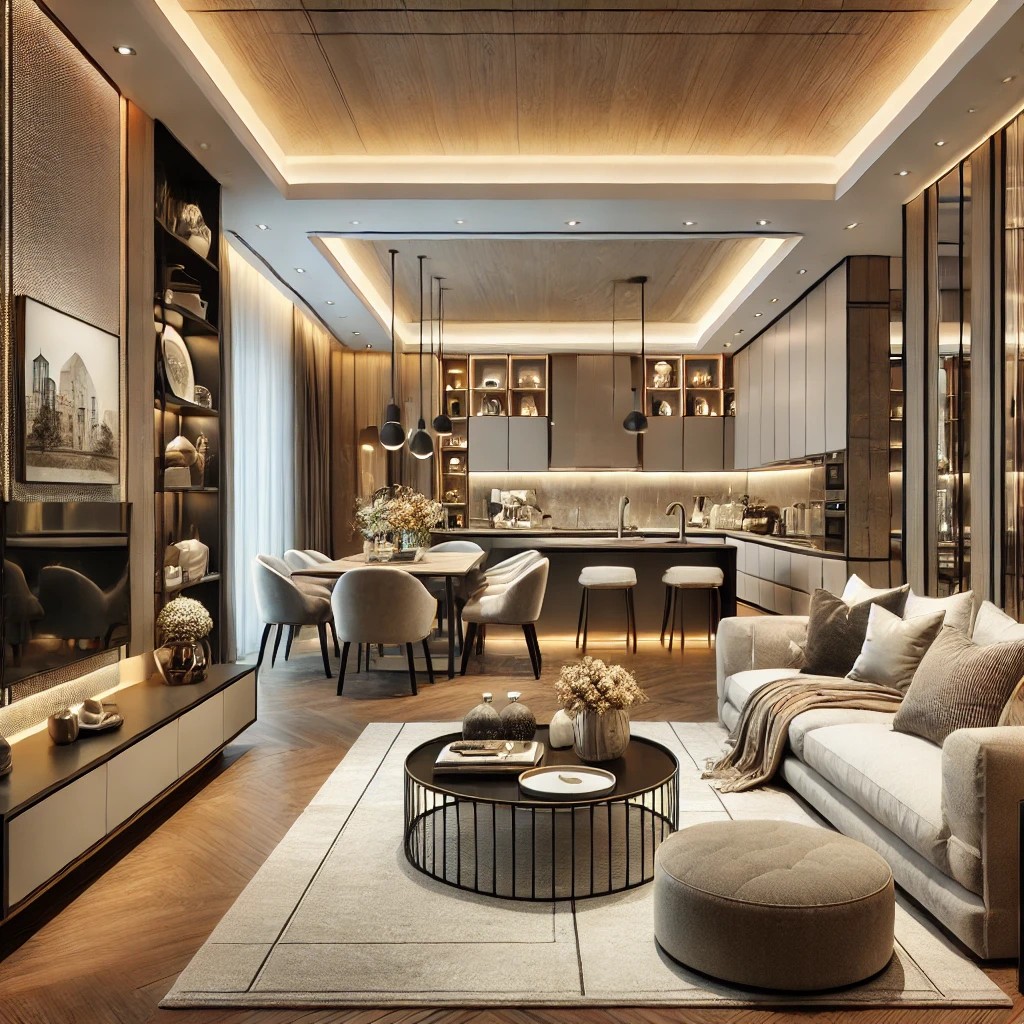
Interior design

FAQ: Home Interior Design Cost in India

Here are 99 frequently asked questions about home interior design costs in India, covering pricing, budget planning, and factors affecting costs.


1-20: Basic Cost Overview

  1. What is the average cost of home interior design in India?
    The cost varies between β‚Ή3 lakh to β‚Ή20 lakh, depending on factors like design style, materials, and space size.
  2. How is the cost of interior design calculated?
    • Per square foot
    • Fixed project cost
    • Hourly design consultation
  3. What is the per square foot cost for interior design in India?
    • Basic: β‚Ή800 – β‚Ή1,500 per sq. ft.
    • Mid-range: β‚Ή1,500 – β‚Ή3,000 per sq. ft.
    • Luxury: β‚Ή3,000+ per sq. ft.
  4. What is the cost of a 2BHK home interior in India?
    • Basic: β‚Ή3-5 lakh
    • Mid-range: β‚Ή5-10 lakh
    • Luxury: β‚Ή10-15 lakh
  5. What is the cost of a 3BHK home interior in India?
    • Basic: β‚Ή6-8 lakh
    • Mid-range: β‚Ή8-15 lakh
    • Luxury: β‚Ή15-25 lakh
  6. How much does kitchen interior design cost?
    • Modular kitchen: β‚Ή1-5 lakh
    • Custom high-end kitchens: β‚Ή5-10 lakh
  7. What is the cost of a bedroom interior design?
    β‚Ή50,000 – β‚Ή5 lakh, depending on design complexity.
  8. What is the cost of a living room interior design?
    β‚Ή75,000 – β‚Ή7 lakh, based on furniture, lighting, and dΓ©cor.
  9. How much does a false ceiling cost?
    • POP Ceiling: β‚Ή80 – β‚Ή150 per sq. ft.
    • Gypsum Ceiling: β‚Ή60 – β‚Ή120 per sq. ft.
  10. What is the cost of painting a house interior?
  • β‚Ή12 – β‚Ή40 per sq. ft. depending on paint quality.
  1. How much does furniture contribute to interior design cost?
    Around 40-60% of the total cost.
  2. Does home interior design include electrical work?
    Yes, but it is an additional cost, usually β‚Ή500 – β‚Ή1,500 per point.
  3. What is the cost of wooden flooring in India?
  • Laminate: β‚Ή80 – β‚Ή250 per sq. ft.
  • Hardwood: β‚Ή300 – β‚Ή1,000 per sq. ft.
  1. How much does wallpaper cost?
  • Standard: β‚Ή50 – β‚Ή200 per sq. ft.
  • Designer: β‚Ή500+ per sq. ft.
  1. How much does a modular wardrobe cost?
  • β‚Ή700 – β‚Ή2,500 per sq. ft. based on material and design.
  1. What is the cost of bathroom interior design?
    β‚Ή50,000 – β‚Ή5 lakh, including tiles, fixtures, and vanity.
  2. Does interior design cost include plumbing?
    No, plumbing is an extra cost and depends on pipe quality and fittings.
  3. How much does a TV unit cost?
  • Basic: β‚Ή15,000 – β‚Ή40,000
  • Custom luxury: β‚Ή50,000+
  1. What is the cost of an accent wall?
    β‚Ή5,000 – β‚Ή30,000, depending on design and materials.
  2. How much does home automation cost in interiors?
    β‚Ή1 lakh – β‚Ή10 lakh, based on features like smart lighting, security, and voice control.

21-40: Factors Affecting Interior Design Costs

  1. How does home size affect interior design cost?
    Larger homes require more materials, furniture, and labor, increasing costs.
  2. Does location affect interior design costs in India?
    Yes, metro cities like Delhi, Mumbai, and Bangalore have higher costs than smaller towns.
  3. How does design complexity impact cost?
    Custom designs and intricate detailing increase costs.
  4. Are branded materials more expensive?
    Yes, premium brands cost 20-50% more than local alternatives.
  5. How much does an interior designer charge in India?
  • Freelancer: β‚Ή50,000 – β‚Ή5 lakh per project
  • Professional firm: β‚Ή1 lakh – β‚Ή10 lakh per project
  1. What is the cost difference between readymade and custom furniture?
    Custom furniture is 30-60% more expensive than readymade options.
  2. How does material selection affect costs?
    MDF, plywood, and solid wood have different price points.
  3. Is a luxury interior significantly more expensive?
    Yes, luxury designs cost 2-5 times more than standard designs.
  4. Do imported materials increase interior design costs?
    Yes, imported tiles, wallpapers, and fittings add 30-70% extra cost.
  5. What is the difference between budget and premium interior design?
    Budget designs use cost-effective materials, while premium designs use high-end finishes.
  6. How do labor charges impact interior design costs?
    Labor accounts for 25-40% of the total budget.
  7. Are customized decor elements more expensive?
    Yes, unique or handcrafted elements can add 30-100% to the cost.
  8. Does choosing a theme increase the budget?
    Yes, themes like vintage or ultra-modern require specific materials and custom pieces.
  9. Are ready-to-move-in interior packages cheaper?
    Yes, package deals are 10-20% cheaper than custom designs.
  10. How does project duration affect cost?
    Faster projects require more labor, increasing costs.
  11. Are modular furniture designs cheaper?
    Yes, modular designs are 20-40% more affordable than custom-built furniture.
  12. Does a renovation cost more than new interior design?
    Yes, renovation costs 10-30% more due to demolition and repair.
  13. Is hiring an architect necessary for interior design?
    No, but for structural changes, an architect may be needed.
  14. Does interior design cost include soft furnishings?
    No, curtains, cushions, and decor items are usually extra.
  15. How much does it cost to design a home office?
    β‚Ή50,000 – β‚Ή5 lakh, depending on furniture and technology needs.

41-60: Budgeting & Saving Tips

  1. How can I reduce my home interior design cost?
  • Use locally sourced materials
  • Opt for minimalistic designs
  • Buy furniture in bulk
  1. Is hiring an interior designer worth the cost?
    Yes, as they help in efficient space planning and cost-saving solutions.
  2. What is the cost difference between local and branded materials?
    Branded materials cost 30-50% more than local alternatives.
  3. Should I buy materials myself to save costs?
    Yes, but designers often get better wholesale rates.
  4. Does seasonal demand affect pricing?
    Yes, prices are higher during festive seasons.
  5. What’s the cheapest way to design a home?
    Use DIY methods, minimal decor, and repurpose old furniture.
  6. Can I negotiate interior design costs?
    Yes, especially for bulk projects.
  7. Is it cheaper to buy furniture online?
    Yes, online discounts can be 10-20% cheaper.
  8. Are prefabricated home interiors more affordable?
    Yes, they save on labor costs.
  9. How much extra budget should I keep for unexpected expenses?
    10-20% extra for contingency.

Here are the remaining 49 FAQs on home interior design costs in India, covering city-wise pricing, detailed cost breakdowns, and more budgeting tips.


61-80: City-Wise Home Interior Design Costs in India

  1. How much does home interior design cost in Delhi?
  • 2BHK: β‚Ή4-10 lakh
  • 3BHK: β‚Ή6-15 lakh
  • Luxury interiors: β‚Ή15 lakh+
  1. What is the cost of interior design in South Delhi?
    South Delhi has premium costs, ranging from β‚Ή6 lakh to β‚Ή20 lakh for a 2BHK or 3BHK home.
  2. How much does home interior design cost in Noida?
  • Basic interiors: β‚Ή3-6 lakh
  • Mid-range: β‚Ή6-12 lakh
  • Luxury: β‚Ή12 lakh+
  1. What is the cost of home interiors in Gurgaon?
    Gurgaon has premium pricing similar to South Delhi, costing β‚Ή6-20 lakh for a 2BHK or 3BHK.
  2. What is the cost of interior design in Mumbai?
  • Budget interiors: β‚Ή4-8 lakh
  • Mid-range: β‚Ή8-15 lakh
  • Luxury: β‚Ή15-30 lakh
  1. What is the interior design cost in Bangalore?
  • 2BHK: β‚Ή4-9 lakh
  • 3BHK: β‚Ή6-15 lakh
  1. How much does an apartment interior design cost in Hyderabad?
  • Basic: β‚Ή3-6 lakh
  • Luxury: β‚Ή8-15 lakh
  1. What is the cost of home interiors in Chennai?
  • β‚Ή4-10 lakh for a 2BHK
  • β‚Ή6-15 lakh for a 3BHK
  1. What is the cost of interior design in Pune?
  • β‚Ή3-8 lakh for a 2BHK
  • β‚Ή5-12 lakh for a 3BHK
  1. Is interior design more expensive in metro cities?
    Yes, metro cities like Delhi, Mumbai, and Bangalore have higher costs due to labor and material expenses.
  2. How much does a villa interior cost in India?
    β‚Ή20 lakh – β‚Ή1 crore+, depending on size and luxury level.
  3. What is the cost of commercial interior design in India?
  • Offices: β‚Ή800 – β‚Ή2,500 per sq. ft.
  • Restaurants: β‚Ή1,000 – β‚Ή3,000 per sq. ft.
  1. How much does a luxury penthouse interior cost?
    β‚Ή50 lakh – β‚Ή3 crore, based on customization.
  2. What is the cost of home interiors in Tier-2 cities like Jaipur, Lucknow, or Chandigarh?
  • Budget interiors: β‚Ή3-6 lakh
  • Premium interiors: β‚Ή6-12 lakh
  1. How much do farmhouse interiors cost in India?
    β‚Ή15 lakh – β‚Ή50 lakh+, depending on area and style.
  2. What is the cost of an independent house interior design?
    β‚Ή10 lakh – β‚Ή50 lakh, based on rooms and materials used.
  3. Is the interior design cost different for flats vs. villas?
    Yes, villa interiors are 30-50% more expensive due to space and customization needs.
  4. How does home location within a city impact costs?
  • Prime locations (South Delhi, Bandra in Mumbai) are costlier.
  • Suburban areas are 10-30% cheaper.
  1. Does RERA impact home interior pricing?
    Indirectly, as developers must follow quality norms, which affect material costs.
  2. Are under-construction apartments cheaper for interior design?
    Yes, as customization is easier before completion.

81-99: Budgeting & Payment Plans for Home Interiors

  1. How much does a small apartment (1BHK) interior cost?
    β‚Ή2-6 lakh, depending on modular or customized options.
  2. What is the cost of designing an empty house vs. a semi-furnished one?
  • Empty homes need full furnishing (β‚Ή5-20 lakh).
  • Semi-furnished homes cost 30-50% less.
  1. Can I get home interiors on EMI in India?
    Yes, many interior firms offer 0% EMI plans.
  2. What is the ideal budget for a home interior?
  • 10-15% of the property value is a good benchmark.
  1. Can I do home interiors in phases to reduce costs?
    Yes, start with essential areas like the kitchen and bedroom, then add decor later.
  2. What percentage of the interior budget should go to furniture?
    40-60% of your total budget.
  3. Is it possible to get affordable home interiors in India?
    Yes, by choosing modular solutions and local materials.
  4. Do interior designers provide cost estimates before starting?
    Yes, a detailed quote is usually given after an initial consultation.
  5. Is it cheaper to hire a freelancer than an interior firm?
    Yes, but firms provide better project management and warranties.
  6. How do I ensure my interior project stays within budget?
  • Get multiple quotes
  • Avoid last-minute changes
  • Choose mid-range materials
  1. How much should I pay upfront for an interior design project?
    Usually 30-50% advance, with the rest paid in phases.
  2. Do home interior costs include lighting?
    No, decorative lighting costs β‚Ή10,000 – β‚Ή2 lakh extra.
  3. Are DIY home interiors a cost-saving option?
    Yes, but require time and effort.
  4. Should I buy furniture separately or through an interior designer?
  • Designers offer bulk discounts but add service charges.
  • Buying separately can save 10-20%.
  1. What’s the cost difference between online and offline interior design services?
  • Online packages are 10-30% cheaper but have fewer customization options.
  1. What factors should I consider before finalizing an interior budget?
  • Home size
  • Design complexity
  • Material selection
  • Labor costs
  1. Can I get a cost breakdown before signing an agreement?
    Yes, always ask for a detailed price list before confirming.
  2. Is a warranty included in home interior pricing?
    Most designers offer 5-10 years of warranty on modular furniture.
  3. What’s the best way to get affordable yet stylish interiors in India?
  • Choose modular solutions
  • Buy furniture during festive sales
  • Use budget-friendly brands

Final Thoughts on Home Interior Design Costs in India

Home interior design costs in India vary widely based on city, material choices, and customization. Whether you’re designing a compact 1BHK or a luxury villa, smart budgeting and the right designer can help optimize your costs.

Would you like city-specific recommendations or affordable interior design package details? 😊

FAQ: Home Interior Design Cost in India Read More Β»

FAQ: How to Become a Residential Interior Designer

Getting Started

  1. What is a residential interior designer?
    A residential interior designer specializes in designing and decorating homes, including apartments, villas, and independent houses.
  2. What qualifications do I need to become a residential interior designer?
    A degree or diploma in interior design, architecture, or a related field is recommended. Certifications from recognized institutes can also help.
  3. Can I become an interior designer without a degree?
    Yes, you can learn through online courses, self-study, and practical experience, but a degree provides credibility.
  4. What are the best courses for residential interior design?
    Some top courses include:
    • Bachelor’s or Diploma in Interior Design
    • Online certifications from Coursera, Udemy, or Skillshare
    • Specialized courses in space planning, lighting, and furniture design
  5. How long does it take to become a residential interior designer?
    It typically takes 2-4 years with formal education or 1-2 years through self-learning and practical experience.

Skills & Training

  1. What key skills are needed for residential interior design?
    • Creativity & artistic vision
    • Space planning
    • Knowledge of materials & color theory
    • Technical skills (AutoCAD, SketchUp)
    • Communication & project management
  2. Do I need drawing skills to become an interior designer?
    Basic sketching skills help but are not mandatory since software tools can assist in design creation.
  3. What software should I learn for interior design?
    • AutoCAD
    • SketchUp
    • 3ds Max
    • Photoshop
    • Revit
  4. Is AutoCAD necessary for residential interior design?
    Yes, AutoCAD is essential for creating floor plans and technical drawings.
  5. Are there free interior design software options?
    Yes, some free options include SketchUp Free, Planner 5D, and Sweet Home 3D.

Gaining Experience

  1. How can I gain experience as a beginner interior designer?
  • Intern with established designers
  • Work on small projects for friends and family
  • Participate in design competitions
  • Take freelance projects
  1. Do I need a portfolio to become a residential interior designer?
    Yes, a portfolio showcasing your best work is crucial for attracting clients and employers.
  2. How do I build an interior design portfolio?
  • Include 3D renders, sketches, and before/after transformations
  • Highlight diverse styles
  • Use platforms like Behance or Instagram to showcase your work
  1. Can I start an interior design career through freelancing?
    Yes, freelancing is a great way to build experience, but networking is key to finding clients.
  2. What are the best platforms for finding freelance interior design work?
  • Upwork
  • Fiverr
  • Houzz
  • Freelancer

Starting Your Career

  1. Should I work under an established designer or start my own practice?
    Gaining experience under a professional designer first is recommended before starting independently.
  2. What are the best firms to work for as a residential interior designer?
  • Interior A to Z
  • Modular Kitchen Design
  • Interior Designer NCR
  1. How do I get my first residential interior design client?
  • Offer free or discounted services to build credibility
  • Use social media marketing
  • Ask for referrals
  1. Should I specialize in a specific residential interior style?
    Specializing in luxury, modern, or sustainable design can help differentiate you in the market.
  2. Do I need a license to become a residential interior designer?
    Licensing requirements vary by country; check local regulations.

Marketing & Business

  1. How do I market myself as a residential interior designer?
  • Build a strong online presence
  • Create a website and social media profiles
  • Showcase work through Instagram and Pinterest
  1. What are the best social media platforms for interior designers?
  • Instagram
  • Pinterest
  • LinkedIn
  • Houzz
  1. How do I price my interior design services?
    Pricing depends on experience and project scope. Common methods:
  • Per sq. ft. (β‚Ή800-β‚Ή3,000 per sq. ft.)
  • Hourly rates
  • Fixed project fees
  1. How do I create an interior design contract?
  • Clearly outline scope, timelines, and payment terms
  • Include a clause for revisions and additional charges
  1. How do I handle difficult clients?
  • Set clear expectations
  • Communicate openly
  • Document agreements in contracts

Advanced Tips & Specialization

  1. What are the latest trends in residential interior design?
  • Smart home technology
  • Sustainable materials
  • Minimalist aesthetics
  1. What is sustainable interior design?
    Designing spaces using eco-friendly materials, energy-efficient lighting, and sustainable furniture.
  2. Can I specialize in luxury home interiors?
    Yes, luxury interior designers focus on high-end finishes, custom furniture, and premium materials.
  3. Is home staging a part of residential interior design?
    Yes, home staging helps enhance a property’s appeal for resale.
  4. What are common challenges faced by residential interior designers?
  • Budget constraints
  • Client indecisiveness
  • Time management

Certification & Growth

  1. What are the best certifications for residential interior designers?
  • LEED Certification (for sustainable design)
  • NCIDQ (North America)
  • CID (Certified Interior Decorator)
  1. Can I work internationally as a residential interior designer?
    Yes, but check licensing requirements for different countries.
  2. How do I expand my interior design business?
  • Offer online consultations
  • Hire a team
  • Diversify into commercial interiors
  1. Should I collaborate with architects?
    Yes, collaborating with architects enhances project execution.
  2. Is there a future in residential interior design?
    Yes, demand for interior designers is increasing, especially in urban areas.

Miscellaneous

  1. What are the common mistakes new interior designers make?
  • Not understanding client needs
  • Poor budgeting
  • Overlooking functional aspects
  1. What is the difference between interior decorating and interior design?
    Interior designers focus on functionality, while decorators enhance aesthetics.
  2. Do I need to understand Vastu Shastra?
    Many clients prefer Vastu-compliant designs, so basic knowledge is beneficial.
  3. Can I learn interior design online?
    Yes, platforms like Coursera, Udemy, and Skillshare offer great courses.
  4. How do I stay updated with interior design trends?
  • Follow design magazines
  • Attend trade shows
  • Join interior design communities
  1. How do I deal with tight budgets in projects?
    Prioritize essential elements and suggest cost-effective alternatives.
  2. Is it better to work as a freelancer or in a firm?
    Firms provide stability, while freelancing offers flexibility.
  3. What is the best way to get interior design leads?
    Referrals, social media marketing, and networking events.
  4. How important is lighting in interior design?
    Proper lighting enhances ambiance and functionality.
  5. Can I design my own home without an interior designer?
    Yes, but a professional can optimize space and aesthetics.

Here are the remaining 55 FAQs on how to become a residential interior designer:


46-60: Specialization & Niche

  1. What are the different styles in residential interior design?
  • Modern
  • Contemporary
  • Traditional
  • Minimalist
  • Industrial
  • Scandinavian
  1. Which interior design style is most in demand?
    Modern and contemporary styles are currently trending.
  2. Can I specialize in just one room type, like kitchens or bathrooms?
    Yes, specializing in modular kitchens, luxury bathrooms, or bedrooms can be profitable.
  3. What is modular kitchen design, and how does it fit into residential interiors?
    A modular kitchen is a pre-made kitchen setup that maximizes space and efficiency.
  4. How can I design small apartments efficiently?
  • Use multifunctional furniture
  • Incorporate vertical storage
  • Choose light colors
  1. What is space planning in interior design?
    It involves organizing furniture and layouts for optimal functionality and aesthetics.
  2. How do I make a small room look bigger?
  • Use mirrors
  • Choose light colors
  • Optimize lighting
  1. What is the difference between contemporary and modern design?
    Contemporary design evolves with trends, while modern design refers to a specific historical movement.
  2. What are the best color combinations for residential interiors?
  • Neutral tones (white, beige)
  • Bold contrasts (black & gold)
  • Earthy tones (brown, green)
  1. How do I select the right furniture for a home?
  • Prioritize comfort and function
  • Match with overall style
  • Choose durable materials
  1. What are the best flooring options for residential interiors?
  • Hardwood
  • Laminate
  • Marble
  • Vinyl
  1. How do I select the best lighting for a home?
  • Use ambient, task, and accent lighting
  • Choose warm lighting for cozy spaces
  1. How can I create eco-friendly residential interiors?
  • Use sustainable materials
  • Install energy-efficient lighting
  • Incorporate indoor plants
  1. What is biophilic design in residential interiors?
    A design approach that integrates nature into indoor spaces.
  2. Can I specialize in smart home interiors?
    Yes, integrating automation into residential design is a growing field.

61-80: Business & Career Growth

  1. How do I register my interior design business?
  • Register as a sole proprietorship or company
  • Obtain necessary licenses
  1. What should I name my interior design business?
    Choose a unique and memorable name that reflects your style.
  2. Should I have a business partner in interior design?
    A partner can help with finances and management, but it depends on your goals.
  3. How do I handle client budgets?
  • Offer multiple pricing options
  • Be transparent about costs
  1. What are the best pricing strategies for interior designers?
  • Per square foot
  • Hourly rate
  • Fixed project fee
  1. What is the most profitable area in residential interior design?
    Luxury interiors and modular kitchen designs have high margins.
  2. Can I work part-time as a residential interior designer?
    Yes, freelancing allows flexible working hours.
  3. How do I scale my interior design business?
  • Hire assistants
  • Offer online consultations
  • Expand service areas
  1. What is passive income for interior designers?
  • Selling design templates
  • Offering online courses
  • Writing interior design blogs
  1. How do I attract high-paying clients?
  • Showcase premium projects
  • Offer exclusive services
  • Build strong branding
  1. How important are reviews for interior designers?
    Positive reviews build credibility and attract more clients.
  2. What are the biggest challenges in running an interior design business?
  • Managing client expectations
  • Budget constraints
  • Keeping up with trends
  1. Should I have a website for my interior design business?
    Yes, a professional website boosts credibility and showcases your portfolio.
  2. What should I include on my interior design website?
  • Portfolio
  • Client testimonials
  • Contact details
  1. How do I network as an interior designer?
  • Attend industry events
  • Join online forums
  • Collaborate with vendors
  1. Should I offer free consultations?
    Free initial consultations can attract potential clients.
  2. How do I create a design proposal for clients?
    Include mood boards, sketches, timelines, and cost estimates.
  3. What is an interior design retainer fee?
    A retainer fee is an upfront payment to secure design services.
  4. How do I create an invoice for interior design services?
    Use templates or invoicing software like QuickBooks or Zoho.
  5. What are common legal issues in interior design?
  • Contract disputes
  • Copyright issues

81-100: Personal Growth & Learning

  1. How do I stay inspired as an interior designer?
  • Follow top designers
  • Visit art exhibitions
  1. Who are the most famous residential interior designers?
  • Kelly Wearstler
  • Joanna Gaines
  • Philippe Starck
  1. What books should I read for interior design?
  • The Interior Design Handbook
  • Elements of Style
  1. What magazines should I follow for interior design trends?
  • Architectural Digest
  • Elle Decor
  1. What is the best way to present my design ideas to clients?
  • 3D visualizations
  • Physical samples
  1. How do I handle last-minute client changes?
  • Set revision limits
  • Adjust contracts accordingly
  1. How do I improve my time management in projects?
  • Use project management tools
  • Set realistic deadlines
  1. How do I develop my unique interior design style?
  • Experiment with different aesthetics
  • Study historical designs
  1. Can I teach interior design courses online?
    Yes, platforms like Udemy allow designers to create courses.
  2. Should I start an interior design blog?
    Yes, blogging can attract clients and establish expertise.
  3. How do I get media coverage as an interior designer?
  • Submit work to design magazines
  • Build PR connections
  1. What are the best online forums for interior designers?
  • Houzz
  • Reddit (r/InteriorDesign)
  1. How can I find a mentor in interior design?
  • Join design associations
  • Attend workshops
  1. What is the best way to communicate with clients?
  • Regular updates
  • Clear contracts
  1. Can I create passive income through interior design?
    Yes, selling digital designs and templates is a good option.
  2. How do I balance creativity and business in interior design?
  • Set structured work schedules
  • Learn business management
  1. What is the future of interior design?
    AI-powered design tools and sustainable solutions are shaping the future.
  2. What’s the best way to handle difficult clients?
  • Listen actively
  • Offer clear solutions
  1. What makes a great residential interior designer?
  • Strong aesthetic sense
  • Problem-solving skills
  1. How do I know if interior design is the right career for me?
    If you love creativity, problem-solving, and working with people, it’s a great fit!

That’s 100 FAQs on becoming a residential interior designer! 🎨🏑

Would you like a detailed step-by-step guide or help with your portfolio/website? 😊

FAQ: How to Become a Residential Interior Designer Read More Β»

FAQ: Residential Interior Designers in South Delhi

1. Who are the best residential interior designers in South Delhi?

Some of the top residential interior designers in South Delhi include Interior A to Z, Modular Kitchen Design, and Interior Designer NCR. They specialize in luxury, modern, and budget-friendly home interiors.

2. What services do residential interior designers in South Delhi offer?

  • Complete home interior design
  • Modular kitchen design and installation
  • Living room and bedroom design
  • Furniture selection and customization
  • Lighting and dΓ©cor consultation
  • Home renovation and remodeling

3. How much do residential interior designers in South Delhi charge?

Costs depend on design complexity:

  • Basic design: β‚Ή800-β‚Ή1,500 per sq. ft.
  • Mid-range: β‚Ή1,500-β‚Ή3,000 per sq. ft.
  • Luxury interiors: β‚Ή3,000+ per sq. ft.

4. How do I choose the right residential interior designer in South Delhi?

Consider factors like portfolio, experience, reviews, budget, and design style before hiring a designer.

5. Can I hire an interior designer for a single room in my home?

Yes, many designers offer room-specific interior design solutions, including living rooms, bedrooms, and kitchens.

6. Do residential interior designers in South Delhi offer Vastu-compliant designs?

Yes, many designers specialize in Vastu-compliant layouts and furniture arrangements.

7. How long does a residential interior design project take?

  • Small projects: 1-3 months
  • Medium projects: 3-6 months
  • Large projects: 6+ months

8. Can residential interior designers in South Delhi work within my budget?

Yes, designers provide customized solutions for different budget ranges.

9. Do interior designers in South Delhi provide 3D visualizations?

Yes, most reputable designers offer 3D renders and virtual walkthroughs before execution.

10. What are the latest home interior design trends in South Delhi?

  • Minimalist and contemporary styles
  • Smart home automation
  • Eco-friendly and sustainable designs
  • Luxury finishes and high-end materials

11. Do interior designers in South Delhi provide furniture selection services?

Yes, they help with furniture sourcing, custom furniture design, and dΓ©cor selection.

12. How can I contact the best residential interior designers in South Delhi?

You can visit their websites, book a consultation, or check their social media pages for contact details.

13. Do residential interior designers in South Delhi handle home renovations?

Yes, many firms specialize in full home renovations, including structural changes and furniture upgrades.

14. What materials are commonly used in residential interiors in South Delhi?

Popular materials include wood, MDF, laminate, marble, glass, and metal.

15. Do residential interior designers in South Delhi provide turnkey projects?

Yes, many offer turnkey solutions, covering everything from concept to execution.

16. Can I see previous work before hiring a residential interior designer?

Yes, designers share portfolios, case studies, and client testimonials to showcase their work.

17. How do I get a free consultation with a residential interior designer in South Delhi?

Many firms offer free initial consultationsβ€”visit their websites or contact them directly to schedule an appointment.

18. Do South Delhi residential interior designers specialize in luxury home designs?

Yes, some firms focus on high-end luxury interiors, including bespoke furniture and premium materials.

19. Are there budget-friendly residential interior designers in South Delhi?

Yes, many designers offer affordable home interior solutions while maintaining aesthetics.

20. Which are the top residential interior design firms in South Delhi?

Some of the best firms include:

For more details, explore their portfolios and book a consultation today!

FAQ: Residential Interior Designers in South Delhi Read More Β»

FAQ: Interior Designers in South Delhi

1. Who are the best interior designers in South Delhi?

Some of the top interior designers in South Delhi include Interior A to Z, Modular Kitchen Design, and Interior Designer NCR, specializing in modern, luxury, and budget-friendly designs.

2. What services do interior designers in South Delhi offer?

Services include:

  • Residential and commercial interiors
  • Modular kitchen designs
  • Space planning and furniture selection
  • Lighting and dΓ©cor consultation
  • Home and office renovation

3. How much do interior designers in South Delhi charge?

Pricing depends on design complexity:

  • Basic: β‚Ή800-β‚Ή1,500 per sq. ft.
  • Mid-range: β‚Ή1,500-β‚Ή3,000 per sq. ft.
  • Luxury: β‚Ή3,000+ per sq. ft.

4. Do interior designers in South Delhi provide customized designs?

Yes, most offer tailor-made designs suited to individual preferences and budgets.

5. How do I choose the best interior designer in South Delhi?

Look at their portfolio, reviews, budget suitability, and design expertise before making a decision.

6. Can I hire an interior designer in South Delhi for a single room?

Yes, many offer room-specific design solutions for bedrooms, kitchens, and living rooms.

7. Do interior designers in South Delhi offer Vastu-compliant designs?

Yes, many provide Vastu-based layouts and furniture arrangements.

8. How long does an interior design project take in South Delhi?

  • Small projects: 1-3 months
  • Medium projects: 3-6 months
  • Large projects: 6+ months

9. Do designers in South Delhi provide 3D visualizations?

Yes, many offer 3D renders and virtual walkthroughs before finalizing designs.

10. What are the latest interior design trends in South Delhi?

  • Minimalist and modern designs
  • Smart home automation
  • Sustainable and eco-friendly materials
  • Luxury and high-end finishes

11. Can interior designers in South Delhi work within my budget?

Yes, many firms provide budget-friendly design solutions while maintaining aesthetics.

12. Do interior designers in South Delhi handle office interiors?

Yes, they specialize in corporate office setups, optimizing space for functionality and aesthetics.

13. Can I see previous work before hiring an interior designer?

Yes, reputable designers provide portfolios and case studies of past projects.

14. Do interior designers in South Delhi provide turnkey projects?

Yes, some firms handle end-to-end solutions, including civil work, furniture, and dΓ©cor.

15. Are there affordable interior designers in South Delhi?

Yes, many designers offer cost-effective yet stylish designs.

16. What materials are commonly used in South Delhi interiors?

Popular materials include wood, laminate, glass, marble, and metal accents.

17. Can I hire an interior designer for renovations in South Delhi?

Yes, many firms specialize in home and office renovations.

18. Do South Delhi interior designers offer furniture selection?

Yes, they assist with custom furniture and dΓ©cor selection.

19. How do I get a free consultation with an interior designer in South Delhi?

Visit their websites or contact them directly to book a free consultation.

20. What are the best interior design firms in South Delhi?

Top firms include:

For more details, check their portfolios and schedule a consultation!

FAQ: Interior Designers in South Delhi Read More Β»

FAQ: Best Interior Designers in Delhi

1. Who are the best interior designers in Delhi?

Some of the best interior designers in Delhi include renowned firms like Interior A to Z, Modular Kitchen Design, and Interior Designer NCR. These companies specialize in residential, commercial, and luxury interior designs.

2. How do I choose the right interior designer in Delhi?

Consider factors such as their portfolio, client reviews, experience, and budget compatibility. It’s also advisable to have an initial consultation to understand their design approach.

3. What are the charges of interior designers in Delhi?

The cost of interior designing varies based on project size and materials used. On average:

  • Basic Design: β‚Ή800-β‚Ή1,500 per sq. ft.
  • Mid-range: β‚Ή1,500-β‚Ή3,000 per sq. ft.
  • Luxury Design: β‚Ή3,000+ per sq. ft.

4. Do interior designers in Delhi offer customized designs?

Yes, most top interior designers in Delhi provide customized design solutions based on client preferences, space requirements, and budget.

5. What services do interior designers in Delhi offer?

Interior designers offer services like:

  • Space planning
  • Furniture selection
  • Lighting design
  • Color consultation
  • Modular kitchen design
  • Complete home and office interior solutions

6. How long does an interior design project take in Delhi?

The duration depends on project complexity:

  • Small projects: 1-3 months
  • Medium-sized projects: 3-6 months
  • Large projects: 6+ months

7. Can interior designers in Delhi work within my budget?

Yes, most designers offer customized plans based on different budget ranges and provide cost-effective solutions.

8. Do Delhi-based interior designers handle renovations?

Yes, many interior designers in Delhi specialize in home and office renovations, including layout restructuring, modern furniture incorporation, and aesthetic upgrades.

9. Are there interior designers in Delhi specializing in luxury projects?

Yes, firms like Interior A to Z and Interior Designer NCR specialize in luxury interior designs, offering high-end materials and bespoke furniture solutions.

10. What styles do interior designers in Delhi specialize in?

Top interior designers in Delhi can work on modern, contemporary, traditional, minimalist, industrial, and luxury interiors, based on client preferences.

11. Can I hire an interior designer for only one room?

Yes, many designers in Delhi offer room-specific designing services, whether it’s for a living room, bedroom, kitchen, or office space.

12. Do interior designers in Delhi offer 3D visualizations?

Most reputed designers provide 3D design renders and virtual walkthroughs to help clients visualize the final outcome before execution.

13. How can I contact the best interior designers in Delhi?

You can reach out via their official websites, social media pages, or contact numbers listed on their profiles. Check platforms like Interior A to Z and Modular Kitchen Design.

14. Do interior designers in Delhi provide furniture selection services?

Yes, they assist with furniture selection, sourcing, and custom furniture designing as per the client’s theme.

15. Do interior designers in Delhi handle both residential and commercial projects?

Yes, many interior designers specialize in both residential and commercial spaces, including offices, restaurants, and retail stores.

16. What are the latest interior design trends in Delhi?

Popular trends include:

  • Sustainable interiors
  • Minimalist and space-saving designs
  • Smart home automation
  • Biophilic design (natural elements)
  • Luxury and high-end finishes

17. Do interior designers in Delhi provide modular kitchen designs?

Yes, companies like Modular Kitchen Design specialize in modular kitchen planning, installation, and customization.

18. How do I get a free consultation with an interior designer in Delhi?

Many designers offer free initial consultations. Visit their website or contact them directly to schedule an appointment.

19. Can interior designers in Delhi help with Vastu-compliant designs?

Yes, many designers provide Vastu-compliant interior designs for homes and offices.

20. Do interior designers in Delhi offer turnkey projects?

Yes, some firms handle turnkey projects, covering everything from planning to execution, including civil work, electricals, furniture, and dΓ©cor.

21. Are there budget-friendly interior designers in Delhi?

Yes, several designers cater to budget-conscious projects without compromising on aesthetics and functionality.

22. Do interior designers in Delhi source materials?

Yes, most designers have a network of vendors to source high-quality materials, furniture, and dΓ©cor items.

23. Can I hire an interior designer in Delhi for office interiors?

Yes, many interior designers specialize in corporate office interiors, optimizing workspaces for productivity.

24. How do interior designers in Delhi plan small apartments?

They use space-saving furniture, mirrors, multifunctional storage, and light colors to make small apartments look spacious.

25. Can interior designers in Delhi help with home automation?

Yes, some high-end designers integrate smart home automation solutions for lighting, security, and entertainment.

26. What certifications should a professional interior designer in Delhi have?

Look for designers with certifications from IIID (Institute of Indian Interior Designers), CIDQ, or NSDC.

27. Can I see previous work before hiring an interior designer?

Yes, reputable designers provide portfolios, case studies, and testimonials from previous clients.

28. Do interior designers in Delhi provide end-to-end project management?

Yes, many firms handle everything from design conceptualization to final execution.

29. What materials are commonly used in interior design in Delhi?

Popular materials include wood, MDF, laminate, marble, glass, and metal accents.

30. How do interior designers charge for their services in Delhi?

Designers may charge:

  • Per square foot
  • Flat fee
  • Percentage of total project cost

31. Can interior designers in Delhi work with existing furniture?

Yes, they can incorporate existing furniture into new designs.

32. Do I need to buy all materials through the designer?

Not necessarily; some designers allow clients to source materials independently.

33. How do I ensure my interior design project stays within budget?

Discuss your budget clearly upfront and get a detailed cost estimate before starting the project.

34. Do interior designers in Delhi handle electrical and plumbing work?

Yes, many firms provide complete renovation services, including electrical and plumbing modifications.

35. Can I get eco-friendly interior design services in Delhi?

Yes, many designers focus on sustainable and eco-friendly materials.

36. What’s the difference between an interior designer and an interior decorator?

An interior designer handles both structural and aesthetic aspects, while an interior decorator focuses only on dΓ©cor elements.

37. Which are the best interior design firms in Delhi NCR?

Some of the top firms include:

For more details, explore their portfolios and book a consultation!

FAQ: Best Interior Designers in Delhi Read More Β»

Frequently Asked Questions (FAQ) – Interior Designers in Delhi with Price

1. What is the average cost of hiring an interior designer in Delhi?

The cost varies based on project size and design complexity:

  • 1BHK: β‚Ή1.5 – β‚Ή3 lakh
  • 2BHK: β‚Ή2.5 – β‚Ή5 lakh
  • 3BHK: β‚Ή4 – β‚Ή8 lakh
  • Luxury interiors: β‚Ή10 lakh+

2. What factors affect interior design pricing in Delhi?

  • Size of the space (1BHK, 2BHK, 3BHK, office, etc.)
  • Material selection (wood, laminates, marble, etc.)
  • Customization & labor costs
  • Modular vs. traditional furniture

3. How much do Delhi interior designers charge per square foot?

  • Basic interiors: β‚Ή50 – β‚Ή150 per sq. ft.
  • Mid-range interiors: β‚Ή150 – β‚Ή300 per sq. ft.
  • Luxury interiors: β‚Ή500+ per sq. ft.

4. Who are the best affordable interior designers in Delhi?

Some budget-friendly interior designers include:

5. How much does a modular kitchen cost in Delhi?

  • Basic: β‚Ή50,000 – β‚Ή1.5 lakh
  • Mid-range: β‚Ή1.5 – β‚Ή3 lakh
  • Premium: β‚Ή3 lakh+

6. What is the price of a modular wardrobe in Delhi?

  • Basic: β‚Ή25,000 – β‚Ή50,000
  • Custom wardrobe: β‚Ή50,000 – β‚Ή1.5 lakh

7. Can I hire an interior designer only for consultation?

Yes, consultation fees range between β‚Ή2,000 – β‚Ή5,000 per session.

8. How much does office interior design cost in Delhi?

  • Basic office setup: β‚Ή50 per sq. ft.
  • Premium office design: β‚Ή300 – β‚Ή700 per sq. ft.

9. Where can I find budget-friendly furniture in Delhi?

  • Kirti Nagar Furniture Market
  • Panchkuian Road Market
  • MG Road Furniture Market
  • Online stores like Pepperfry, Amazon, and Urban Ladder

10. Are there EMI options for interior design in Delhi?

Yes, some firms offer EMI and financing options.

11. What is the cheapest way to decorate my home in Delhi?

Use wallpapers, second-hand furniture, DIY dΓ©cor, and LED lighting for cost-effective styling.

12. How can I reduce the cost of interior design?

  • Choose affordable materials
  • Use prefabricated modular furniture
  • Mix DIY with professional work

13. What are the best affordable wall dΓ©cor options?

Wall stickers, paintings, budget wallpapers, and DIY art.

14. Can I get Vaastu-compliant interiors at an affordable price?

Yes, many designers provide Vaastu-friendly designs at no extra cost.

15. How long does an interior project take?

  • 1BHK: 4 – 6 weeks
  • 2BHK: 6 – 8 weeks
  • 3BHK: 8 – 12 weeks

Would you like recommendations based on your specific budget? 😊

Frequently Asked Questions (FAQ) – Interior Designers in Delhi with Price Read More Β»

Frequently Asked Questions (FAQ) – Affordable Interior Designer Near New Delhi

1. How can I find an affordable interior designer near New Delhi?

You can search on Google, browse online platforms like UrbanClap, Livspace, and HomeLane, or visit local interior design studios in Delhi.

2. What is the starting cost for budget-friendly interior design in New Delhi?

A basic interior design service starts at β‚Ή50,000 for a single room, while a 2BHK home costs between β‚Ή2-β‚Ή4 lakh.

3. Which are the best affordable interior designers in New Delhi?

Some budget-friendly interior designers include:

4. What are the best low-budget home dΓ©cor ideas?

Use wallpapers, second-hand furniture, DIY dΓ©cor, LED lighting, and budget-friendly upholstery to save costs.

5. Can I get a modular kitchen on a budget in New Delhi?

Yes, modular kitchens start at β‚Ή50,000 and go up to β‚Ή3 lakh, depending on materials and layout.

6. Do affordable designers in New Delhi provide 3D visualizations?

Yes, many designers offer 3D previews, but some may charge extra for it.

7. Where can I buy affordable furniture in Delhi?

You can check out:

  • Kirti Nagar Furniture Market
  • Panchkuian Road Market
  • MG Road Furniture Market
  • Online platforms like Pepperfry, Amazon, and Urban Ladder

8. How long does a budget-friendly interior project take?

A 1BHK project can take 4-6 weeks, while a 2BHK or 3BHK can take 6-10 weeks, depending on the complexity.

9. Can I get an EMI option for interior design in Delhi?

Yes, some interior designers offer EMI options or flexible payment plans.

10. Do affordable designers in Delhi offer renovation services?

Yes, many firms provide cost-effective renovation services like flooring, painting, and modular furniture upgrades.

11. What are some budget-friendly flooring options?

  • Vitrified tiles (β‚Ή40-β‚Ή100 per sq. ft.)
  • Laminate flooring (β‚Ή80-β‚Ή200 per sq. ft.)
  • Vinyl flooring (β‚Ή30-β‚Ή150 per sq. ft.)

12. Can I hire an interior designer only for consultation?

Yes, consultation services start at β‚Ή2,000-β‚Ή5,000 per session.

13. How can I reduce interior design costs?

  • Choose locally sourced materials
  • Repurpose existing furniture
  • Opt for pre-designed packages
  • Use affordable wall dΓ©cor instead of expensive wall panels

14. Can I get a home office designed on a budget?

Yes, home office setups can start at β‚Ή20,000, including furniture and lighting.

15. What are some budget-friendly ceiling designs?

PVC or gypsum false ceilings start at β‚Ή60 per sq. ft. and are affordable options.

16. Where can I find affordable home dΓ©cor items in New Delhi?

Visit:

  • Sarojini Nagar Market
  • Sadar Bazaar
  • Chandni Chowk
  • Lajpat Nagar Market

17. Can I mix luxury and budget-friendly elements?

Yes, by using premium accents like lighting or wall dΓ©cor while keeping furniture and flooring affordable.

18. What are the cheapest wall dΓ©cor options?

Wall stickers, DIY artwork, budget-friendly wallpapers, and simple paint textures are great choices.

19. Do budget-friendly designers in Delhi offer Vaastu-compliant interiors?

Yes, many interior designers provide Vaastu-compliant layouts upon request.

20. How do I verify the credibility of a budget interior designer?

  • Check Google reviews and ratings
  • Ask for previous project portfolios
  • Get quotes from multiple designers

21. Can I get a 1BHK designed on a budget in Delhi?

Yes, a basic 1BHK interior project starts at β‚Ή1.5-β‚Ή2.5 lakh, including furniture, lighting, and dΓ©cor.

22. Where can I find second-hand furniture in New Delhi?

  • OLX
  • Quikr
  • Chor Bazaar
  • Local flea markets

23. Can I hire an interior designer for a single room makeover?

Yes, single-room services start at β‚Ή50,000.

24. What type of lighting is best for a budget-friendly home?

LED lights, pendant lamps, and fairy lights are cost-effective and energy-efficient.

25. Can I get eco-friendly budget interior solutions?

Yes, using bamboo furniture, recycled materials, and natural lighting can be budget-friendly and sustainable.

26. What are the best budget-friendly curtain options?

Cotton, polyester, and jute curtains are affordable and stylish.

27. How can I make a small space look stylish on a budget?

Use mirrors, light-colored walls, multi-functional furniture, and vertical storage to maximize space.

28. Can I get a pet-friendly interior design on a budget?

Yes, designers can suggest scratch-resistant furniture, pet-friendly flooring, and washable fabrics.

29. What is the best way to maximize storage in a small home?

  • Use wall-mounted shelves
  • Invest in multi-purpose furniture
  • Choose modular wardrobes

30. Can I get free interior design consultations in New Delhi?

Some designers offer free first consultationsβ€”check with firms like HomeLane, Livspace, and UrbanClap.

Would you like recommendations based on your specific budget and location? 😊

Frequently Asked Questions (FAQ) – Affordable Interior Designer Near New Delhi Read More Β»

Frequently Asked Questions (FAQ) – Affordable Interior Designer Near Me

1. How do I find an affordable interior designer near me?

You can search on Google, check platforms like UrbanClap, Livspace, and HomeLane, or ask for recommendations from friends and family.

2. What is the starting cost for affordable interior designers near me?

Basic interior design services start at β‚Ή50,000 for a single room and β‚Ή2-β‚Ή3 lakh for a 2BHK home.

3. What factors affect the cost of hiring an interior designer?

Costs depend on space size, material selection, design complexity, and additional services like 3D rendering.

4. Do affordable interior designers offer customized designs?

Yes, many budget-friendly designers provide customized solutions tailored to your space and budget.

5. Can I get a modular kitchen on a budget?

Yes, affordable modular kitchens range from β‚Ή50,000 to β‚Ή2 lakh, depending on materials and layout.

6. What are the best budget-friendly interior design ideas?

Using DIY dΓ©cor, budget-friendly furniture, wallpapers, and repurposed items can help save costs.

7. How can I negotiate prices with an interior designer?

Discuss your budget upfront, compare multiple quotes, and opt for package deals to get better rates.

8. Where can I find the best budget-friendly interior designers near me?

Some affordable options include:

9. Do affordable designers provide 3D design previews?

Some do, but it may come at an extra cost. Basic designers may provide hand-drawn sketches instead.

10. Can I hire an interior designer just for consultation?

Yes, consultation-only services start at β‚Ή2,000-β‚Ή5,000 per session.

11. What materials should I use for low-cost interiors?

Laminate finishes, MDF furniture, ceramic tiles, and budget-friendly wallpapers are good options.

12. How long does a budget interior design project take?

A 2BHK home can be designed in 4-8 weeks, depending on project complexity.

13. What is the cheapest flooring option?

Vitrified tiles, laminate flooring, and PVC vinyl flooring are cost-effective choices.

14. Can I use my existing furniture in a new design?

Yes, refurbishing and repurposing furniture can help save money.

15. Do affordable designers provide home renovation services?

Yes, many offer budget-friendly renovation services like painting, flooring, and kitchen upgrades.

16. Can I get an EMI option for interior design services?

Some interior firms offer EMI or financing plansβ€”check with the designer before hiring.

17. Where can I buy budget-friendly home dΓ©cor items?

You can find affordable dΓ©cor at:

  • Sadar Bazaar
  • MG Road furniture markets
  • Online stores like Amazon, Pepperfry, and Urban Ladder

18. Can I hire an interior designer for a single room?

Yes, designers offer room-specific services starting at β‚Ή50,000.

19. Do affordable interior designers handle office interiors?

Yes, budget-friendly office design services are available, starting at β‚Ή50 per sq. ft.

20. What are the best lighting options for a low-budget interior?

LED lights, fairy lights, and budget-friendly pendant lamps are good choices.

21. Can I mix luxury and budget-friendly elements in my home design?

Yes, investing in a few premium pieces while keeping other elements cost-effective can create balance.

22. What are the best affordable wall dΓ©cor ideas?

Wall stickers, DIY art, and budget-friendly wallpaper can enhance aesthetics without high costs.

23. Where can I get budget-friendly false ceilings?

PVC or gypsum false ceilings start at β‚Ή60 per sq. ft. and are affordable options.

24. Do budget-friendly designers offer Vaastu-compliant interiors?

Yes, many designers incorporate Vaastu principles upon request.

25. What is the best budget-friendly paint option?

Emulsion and distemper paints are affordable and durable choices.

26. Can I find eco-friendly budget interior design options?

Yes, using bamboo furniture, jute rugs, and energy-efficient lighting can be sustainable and affordable.

27. Can I get an interior designer to work within my budget?

Yes, transparent pricing and flexible packages help keep designs within your budget.

28. Do budget interior designers offer post-installation services?

Some provide maintenance services at an additional cost.

29. How do I make my small home stylish on a budget?

Use mirrors, light colors, multi-functional furniture, and decluttering techniques to enhance space.

30. Can I get free interior design consultations?

Some firms offer free initial consultationsβ€”check with the designer for availability.

Would you like specific recommendations for your area and budget? 😊

Frequently Asked Questions (FAQ) – Affordable Interior Designer Near Me Read More Β»

Frequently Asked Questions (FAQ) – Interior Designer Near Me

1. How do I find the best interior designer near me?

You can search on Google, explore directories like UrbanClap, or ask for recommendations from friends and family.

2. What services do interior designers near me offer?

Interior designers provide space planning, furniture selection, color consultation, modular kitchen design, home dΓ©cor, and renovation services.

3. How much does an interior designer cost near me?

Costs vary based on design complexity, but budget-friendly designers start at β‚Ή2-β‚Ή3 lakh for a full 2BHK project.

4. Can I hire an interior designer only for consultation?

Yes, many designers offer consultation services, with fees ranging from β‚Ή2,000 to β‚Ή5,000 per session.

5. How long does an interior design project take?

A small project may take 4-6 weeks, while a full home design can take 8-12 weeks.

6. What are the benefits of hiring a local interior designer?

Local designers understand regional trends, have access to local vendors, and ensure better on-site supervision.

7. Can interior designers near me work within my budget?

Yes, many designers offer budget-friendly packages and cost-effective solutions.

8. Do interior designers near me provide 3D visualizations?

Most designers offer 3D renders to help visualize the final design before execution.

9. Where can I find top-rated interior designers near me?

Some platforms to find the best interior designers include:

10. Can I get a modular kitchen designed by an interior designer near me?

Yes, most designers specialize in modular kitchen designs tailored to your space and budget.

11. Do interior designers near me handle renovations?

Yes, many offer renovation services, including flooring, painting, and furniture upgrades.

12. What is the cost of a modular kitchen near me?

A basic modular kitchen starts at β‚Ή50,000 and can go up to β‚Ή5 lakh, depending on materials and finishes.

13. Can I get an interior designer for a single room?

Yes, designers take up small projects like bedroom makeovers or living room styling.

14. Do local interior designers provide turnkey solutions?

Yes, turnkey solutions cover everything from design to execution, including furniture, lighting, and dΓ©cor.

15. How do I verify the credibility of an interior designer near me?

Check online reviews, ask for past project portfolios, and verify certifications before hiring.

16. What are the latest interior design trends?

Minimalist design, sustainable materials, smart home automation, and biophilic interiors are trending.

17. Do interior designers near me provide EMI options?

Some firms offer financing and EMI payment plans. Check with the designer beforehand.

18. What should I discuss in the first meeting with an interior designer?

Talk about your budget, preferred style, timeline, and any specific requirements.

19. Can interior designers near me work with my existing furniture?

Yes, many designers incorporate existing furniture into new designs to save costs.

20. Where can I buy affordable home dΓ©cor near me?

Local furniture markets, online platforms like Pepperfry, and home dΓ©cor stores are good options.

21. Do interior designers near me provide commercial design services?

Yes, many specialize in office, retail, and restaurant interiors.

22. Can I get a pet-friendly interior design?

Yes, designers can recommend pet-friendly materials, scratch-resistant furniture, and easy-to-clean flooring.

23. How do I ensure my interior design project stays on budget?

Plan in advance, choose cost-effective materials, and avoid last-minute design changes.

24. What type of flooring is best for budget-friendly interiors?

Vitrified tiles, laminate flooring, and SPC flooring are affordable and durable choices.

25. Can I get a home office designed near me?

Yes, interior designers create ergonomic and stylish home office setups.

26. Do interior designers near me offer Vaastu-compliant designs?

Yes, many designers incorporate Vaastu principles upon request.

27. What are the best wall dΓ©cor ideas?

Wall art, textured paint, wallpaper, and decorative shelves add character to your interiors.

28. Do local interior designers handle false ceiling installations?

Yes, designers provide false ceiling solutions starting at β‚Ή60 per sq. ft.

29. Can I get eco-friendly interior design solutions?

Yes, sustainable materials like bamboo, recycled wood, and energy-efficient lighting are popular.

30. Where can I find budget-friendly interior designers near me?

Would you like specific recommendations based on your location and budget? 😊

Frequently Asked Questions (FAQ) – Interior Designer Near Me Read More Β»

Frequently Asked Questions (FAQ) – Low Budget Interior Designers in Gurgaon

1. Can I find affordable interior designers in Gurgaon?

Yes, many interior designers in Gurgaon offer budget-friendly services, providing cost-effective yet stylish home dΓ©cor solutions.

2. What is the starting cost for budget interior designing in Gurgaon?

Low-budget interior design projects typically start at β‚Ή2-β‚Ή3 lakh for a 2BHK and β‚Ή4-β‚Ή6 lakh for a 3BHK, depending on materials and scope.

3. How can I design my home on a low budget?

Use ready-made furniture, choose cost-effective materials, repurpose old dΓ©cor, and prioritize essential design elements.

4. Do low-budget interior designers in Gurgaon offer customized designs?

Yes, many budget-friendly designers provide customized solutions based on space, requirements, and available funds.

5. How do I select a budget-friendly interior designer?

Look for designers with transparent pricing, flexible packages, and a portfolio that aligns with your style.

6. What are some budget-friendly interior design firms in Gurgaon?

Some cost-effective interior designers include:

7. What are the best budget-friendly materials for interior design?

Laminate finishes, MDF furniture, ceramic tiles, wallpaper instead of paint, and ready-made modular units are great cost-saving options.

8. Can I get a modular kitchen on a budget in Gurgaon?

Yes, affordable modular kitchens range from β‚Ή50,000 to β‚Ή2 lakh, depending on size and materials.

9. What is the cheapest way to decorate my living room?

Use DIY dΓ©cor, second-hand furniture, budget-friendly lighting, and peel-and-stick wallpapers.

10. How do I save costs while designing my home?

Plan in advance, buy furniture during sales, opt for simple designs, and use multi-purpose furniture.

11. Do low-budget designers provide 3D design previews?

Some do, but it may come at an additional cost. Free hand-drawn sketches are often available.

12. Can I get budget-friendly false ceilings in Gurgaon?

Yes, PVC or gypsum false ceilings start from β‚Ή60 per sq. ft., making them an affordable option.

13. Are there affordable home renovation options?

Yes, budget renovations focus on repainting, reusing furniture, and updating select areas like kitchens or bathrooms.

14. How long does a budget interior design project take?

Typically, 4-8 weeks for a complete 2BHK or 3BHK home, depending on design complexity.

15. Can I hire an interior designer only for consultation?

Yes, many designers offer consultation-only services starting at β‚Ή2,000-β‚Ή5,000 per session.

16. What is the best flooring option for budget-friendly interiors?

Vitrified tiles, laminate flooring, and SPC flooring are affordable and durable choices.

17. Can I reuse my existing furniture in an interior design project?

Yes, refurbishing existing furniture can significantly cut costs while maintaining aesthetics.

18. What are some low-cost storage solutions?

Wall-mounted shelves, under-bed storage, and multi-functional furniture help save space and costs.

19. Are there budget-friendly lighting options?

Yes, LED lights, fairy lights, and budget-friendly pendant lamps are great options.

20. How can I make my small home look stylish on a low budget?

Use mirrors to create an illusion of space, choose light colors, and minimize clutter.

21. Do low-budget interior designers offer EMI or payment plans?

Some firms offer EMI options for interior design services. Check with the designer beforehand.

22. What are the best budget-friendly wall dΓ©cor ideas?

Wall stickers, DIY paintings, and budget-friendly wallpaper can enhance aesthetics without high costs.

23. Can I find affordable bathroom remodeling services in Gurgaon?

Yes, a simple bathroom renovation can cost as low as β‚Ή50,000, including tiles and fittings.

24. What is the cost of a low-budget wardrobe design?

Basic MDF wardrobes start at β‚Ή10,000 per unit, with laminate or acrylic finishes available.

25. How do I make my rented apartment look stylish on a budget?

Use removable wallpaper, budget-friendly rugs, and portable furniture to upgrade the look without permanent changes.

26. Are there budget-friendly sofa options?

Yes, fabric sofas start at β‚Ή10,000, and second-hand or refurbished options can save even more.

27. What are some affordable curtain and blind options?

Ready-made cotton or polyester curtains and PVC blinds are budget-friendly choices.

28. Do budget interior designers offer eco-friendly options?

Yes, sustainable and budget-friendly materials like bamboo furniture and jute rugs are available.

29. How can I reduce my interior design costs?

Avoid excessive customization, choose simple layouts, and buy dΓ©cor items from local markets.

30. Where can I buy affordable home dΓ©cor items in Gurgaon?

You can find budget-friendly home dΓ©cor at:

  • Sadar Bazaar
  • MG Road furniture markets
  • Online stores like Amazon, Pepperfry, and Urban Ladder

31. Can I get budget-friendly office interior design in Gurgaon?

Yes, many designers offer cost-effective office design solutions, starting at β‚Ή50 per sq. ft.

32. Do budget-friendly designers offer maintenance services?

Some offer post-installation maintenance at an additional cost.

33. Can I mix luxury and budget-friendly elements in my home design?

Yes, investing in key statement pieces while keeping other elements budget-friendly can create a balanced look.

34. What are the best budget-friendly paint options?

Emulsion and distemper paints are affordable and durable options.

35. Can I negotiate prices with interior designers?

Yes, many designers are open to price negotiations based on project scope.

36. Do low-budget designers provide furniture sourcing services?

Some designers help source budget-friendly furniture from local markets or wholesale vendors.

37. Where can I find the best low-budget interior designers in Gurgaon?

Here are some recommended affordable interior designers:

Would you like personalized recommendations based on your budget and space size? 😊

Frequently Asked Questions (FAQ) – Low Budget Interior Designers in Gurgaon Read More Β»

Frequently Asked Questions (FAQ) – Architects and Interior Designers in Gurgaon

1. What is the difference between an architect and an interior designer?

An architect focuses on structural design, building planning, and exterior aesthetics, while an interior designer enhances the interior spaces for functionality, comfort, and style.

2. Why should I hire an architect or interior designer in Gurgaon?

Hiring professionals ensures efficient space utilization, innovative designs, high-quality materials, and adherence to safety standards.

3. How much do architects charge in Gurgaon?

Architectural fees depend on project scope and experience. Charges may range from β‚Ή50 per sq. ft. to β‚Ή500 per sq. ft. for design and consultation.

4. How much do interior designers charge in Gurgaon?

Interior design costs vary based on services offered. Budget projects start at β‚Ή3 lakh, while high-end designs can exceed β‚Ή15 lakh.

5. How do I choose the best architect or interior designer in Gurgaon?

Look at portfolios, client testimonials, design style, past experience, and budget compatibility before hiring.

6. Do architects and interior designers in Gurgaon offer turnkey services?

Yes, many firms provide end-to-end solutions, including design, execution, and project management.

7. Can I hire an architect only for design consultation?

Yes, architects offer consultation-only services where they provide design blueprints and guidance.

8. How long does it take to complete an interior design project in Gurgaon?

A 2-3 BHK project typically takes 6-12 weeks, while larger homes may take longer.

9. Do architects in Gurgaon handle approvals and legal permissions?

Yes, most architects assist with approvals from local authorities for construction or renovation projects.

10. What are the latest architectural design trends in Gurgaon?

Sustainable architecture, smart home integration, open-plan layouts, and biophilic designs are popular trends.

11. What interior design styles are trending in Gurgaon homes?

Minimalist, contemporary, industrial, and luxury interiors with smart automation are in demand.

12. Are there eco-friendly architecture and interior design options in Gurgaon?

Yes, green buildings, solar panels, rainwater harvesting, and recycled materials are widely used in sustainable designs.

13. What should I consider before starting a home renovation in Gurgaon?

Plan your budget, hire a professional, obtain necessary approvals, and choose materials wisely.

14. Can I hire an interior designer for a single-room makeover?

Yes, many interior designers take on small projects like living rooms, bedrooms, or kitchens.

15. Do interior designers in Gurgaon provide 3D visualizations?

Yes, many firms offer 3D renders and virtual walkthroughs to preview the final look before execution.

16. What factors influence the cost of an interior design project?

Material quality, furniture customization, labor costs, and space size determine the overall cost.

17. Do architects and interior designers offer financing options?

Some firms provide EMI options or financing plans in collaboration with banks.

18. Are there budget-friendly interior designers in Gurgaon?

Yes, many designers cater to budget-friendly projects with cost-effective materials and designs.

19. What documents should I have before hiring an architect?

Property papers, site survey reports, budget estimates, and a list of requirements help streamline the process.

20. Do I need an interior designer if I am buying a fully furnished apartment?

An interior designer can still enhance aesthetics, add personal touches, and optimize space usage.

21. What is the role of a landscape architect?

Landscape architects design outdoor spaces, gardens, and terraces to enhance property aesthetics.

22. Can architects in Gurgaon handle commercial projects?

Yes, many architects specialize in commercial spaces, office interiors, and retail store designs.

23. How do I ensure quality control in an interior design project?

Regular site visits, hiring experienced professionals, and using certified materials ensure quality.

24. Do interior designers in Gurgaon handle modular kitchen designs?

Yes, most designers offer modular kitchen solutions tailored to individual needs.

25. What are the benefits of hiring a local Gurgaon-based architect or designer?

They understand local trends, regulations, and climate conditions, ensuring better project execution.

26. How do I maximize storage in small apartments?

Using modular furniture, vertical storage, and multi-functional designs helps optimize space.

27. Can an architect help with home extensions and modifications?

Yes, architects can design and oversee structural modifications and home extensions.

28. What flooring options work best in Gurgaon homes?

Popular choices include Italian marble, vitrified tiles, wooden flooring, and SPC flooring.

29. How do I select the best color scheme for my interiors?

Consider room size, lighting, furniture, and personal preference to choose the perfect color palette.

30. What are some unique interior dΓ©cor ideas for Gurgaon homes?

Customized wall art, statement lighting, textured walls, and antique furniture add uniqueness.

31. Are there pet-friendly interior design solutions?

Yes, scratch-resistant flooring, washable upholstery, and designated pet areas are great options.

32. Do I need a Vaastu-compliant home design?

Vaastu is optional, but many architects and interior designers incorporate it upon request.

33. What are the top locations in Gurgaon for luxury interior design projects?

DLF Phase 1-5, Golf Course Road, Nirvana Country, and Sohna Road are prime areas for luxury interiors.

34. What type of lighting works best for home interiors?

Layered lighting with ambient, task, and accent lighting enhances functionality and aesthetics.

35. Do I need to move out during interior renovation?

For minor renovations, you can stay, but major remodeling may require temporary relocation.

36. How can I make my interiors child-friendly?

Rounded furniture edges, soft flooring, and non-toxic materials help create a child-safe environment.

37. Where can I find the best architects and interior designers in Gurgaon?

Some top firms in Gurgaon include:

Would you like personalized recommendations based on your budget and design preferences? 😊

Frequently Asked Questions (FAQ) – Architects and Interior Designers in Gurgaon Read More Β»

Transform Your Space: Best Home Interior Design in Gurgaon

Gurgaon, a bustling city known for its modern lifestyle and luxurious residences, has seen a tremendous rise in demand for premium home interior design services. Whether you are moving into a new apartment or revamping your existing space, a well-designed home can significantly enhance your quality of life.

Why Choose Professional Home Interior Designers in Gurgaon?

  1. Expertise and Experience – Interior designers bring years of experience and a trained eye for aesthetics, ensuring a perfect blend of functionality and style.
  2. Customized Solutions – Every home is unique, and a professional interior designer tailors solutions to match your specific needs and preferences.
  3. Space Optimization – Especially in urban settings like Gurgaon, maximizing available space without compromising comfort is crucial.
  4. Budget Management – A skilled designer helps you get the best within your budget, preventing unnecessary expenses.
  5. Access to Resources – Designers have connections with top vendors and suppliers, ensuring quality materials and trendy designs.

Top Home Interior Design Trends in Gurgaon

Minimalist Elegance

Minimalism is gaining popularity, focusing on clean lines, neutral colors, and clutter-free spaces. This trend enhances openness and creates a calming environment.

Smart Home Integration

With advancements in technology, smart lighting, automated curtains, and voice-controlled appliances are becoming a part of modern interiors in Gurgaon.

Sustainable Interiors

Eco-friendly furniture, energy-efficient lighting, and recycled decor items are becoming key elements in Gurgaon homes, aligning with global sustainability trends.

Luxury Modular Kitchens

A well-designed modular kitchen is an essential part of any home. Residents in Gurgaon prefer high-end finishes, smart storage solutions, and premium appliances for convenience and aesthetics.

Check out modular kitchen designs here

How to Choose the Right Home Interior Designer in Gurgaon

  1. Portfolio Review – Look at previous work to gauge the designer’s style and expertise.
  2. Client Reviews & Testimonials – Genuine feedback from past clients gives insight into professionalism and work quality.
  3. Budget & Transparency – Discuss your budget beforehand and ensure there are no hidden costs.
  4. Communication & Collaboration – A good designer should understand your vision and work collaboratively to bring it to life.

Best Home Interior Designers in Gurgaon

If you are looking for top-notch home interior designers in Gurgaon, check out the experts at Interior A to Z and Interior Designer NCR. These firms specialize in transforming residential spaces with cutting-edge designs and high-quality craftsmanship.

FAQs on Home Interior in Gurgaon

1. How much does home interior design cost in Gurgaon?

The cost depends on the size of your home, materials used, and the complexity of the design. On average, it can range from INR 3 lakh to 15 lakh or more.

2. How long does it take to complete a home interior project?

Typically, a home interior project in Gurgaon takes anywhere between 2 to 6 months, depending on the scope of work.

3. What are the latest trends in Gurgaon home interiors?

Popular trends include minimalistic decor, smart home solutions, and sustainable design elements.

4. Can I get a customized interior design solution?

Yes, professional designers offer tailor-made solutions based on your requirements and personal taste.

5. Do home interior designers provide furniture and decor items?

Most interior designers collaborate with furniture vendors or have in-house production to offer custom furniture and decor solutions.

For more inspiration and expert interior design services, visit Interior A to Z today!

A to Z interiors - A modern, luxurious living room designed by A to Z Interiors. The space features a stylish modular kitchen, elegant furniture, soft ambient lighting,

Frequently Asked Questions (FAQ) – Home Interior in Gurgaon

1. What are the latest home interior design trends in Gurgaon?

Gurgaon homeowners are opting for modern minimalism, smart home integration, biophilic designs, and luxurious yet functional spaces. Sustainable materials and multi-functional furniture are also trending.

2. How much does home interior design cost in Gurgaon?

The cost varies based on the scope of work, materials, and customization. A basic interior setup can range from β‚Ή3 lakh to β‚Ή7 lakh, while premium designs may exceed β‚Ή15 lakh.

3. How long does it take to complete a home interior project in Gurgaon?

Depending on the complexity, a typical 2-3 BHK home interior project takes around 6-12 weeks. Larger projects or custom designs may take longer.

4. Can I get a customized interior design plan for my home in Gurgaon?

Yes, interior designers in Gurgaon provide tailor-made solutions based on your preferences, lifestyle, and budget.

5. What are the best materials for home interiors in Gurgaon?

Popular materials include engineered wood, MDF, veneer, laminates, Italian marble, and high-quality wallpapers for aesthetics and durability.

6. How do I choose the right interior designer in Gurgaon?

Look for experience, client reviews, project portfolios, and transparency in pricing before finalizing an interior designer.

7. Do interior designers in Gurgaon offer turnkey solutions?

Yes, many firms provide end-to-end services, covering everything from planning to execution, furniture, lighting, and dΓ©cor.

8. What is the best way to maximize space in a small apartment in Gurgaon?

Opt for modular furniture, wall-mounted storage, mirrors for illusion, and light color palettes to create a spacious feel.

9. Are smart home solutions included in interior design services in Gurgaon?

Yes, many designers integrate smart lighting, automation, and security systems to enhance modern living.

10. What are some budget-friendly home interior ideas for Gurgaon homes?

DIY wall dΓ©cor, multi-purpose furniture, rental-friendly wallpapers, and second-hand vintage pieces can help cut costs.

11. Which areas in Gurgaon have the best interior designers?

Popular locations include Golf Course Road, Sohna Road, MG Road, and Sushant Lok.

12. Do interior designers in Gurgaon provide modular kitchen solutions?

Yes, modular kitchens are a standard offering, with customizable designs, materials, and finishes.

13. What are the advantages of hiring a professional interior designer in Gurgaon?

They bring expertise, save time, manage budgets efficiently, and ensure seamless execution.

14. Can I renovate my home interior without shifting out?

For minor renovations, you can stay, but major remodeling may require temporary relocation.

15. Are there eco-friendly home interior options in Gurgaon?

Yes, sustainable materials like bamboo, recycled wood, and low-VOC paints are popular choices.

16. What type of lighting works best for Gurgaon apartments?

Layered lighting, including ambient, task, and accent lighting, enhances the aesthetics and functionality.

17. Can I hire an interior designer for just one room?

Yes, many designers offer services for single-room makeovers, such as bedrooms or living rooms.

18. How do I ensure quality control in my home interior project?

Regular site visits, milestone tracking, and hiring reputed designers help maintain quality.

19. What are the key elements of a luxury home interior in Gurgaon?

Premium furniture, statement lighting, high-end finishes, and smart technology define luxury interiors.

20. Do interior designers in Gurgaon offer virtual consultations?

Yes, many firms now provide online consultations and 3D visualizations before execution.

21. How do I maintain my home interiors for longevity?

Regular cleaning, using protective coatings on furniture, and proper ventilation help extend lifespan.

22. Can I get a Vaastu-compliant home interior design in Gurgaon?

Yes, many interior designers offer Vaastu-compliant layouts for homes.

23. What flooring options work best for Gurgaon’s climate?

Marble, wooden flooring, and vitrified tiles are ideal for durability and aesthetics.

24. What are some common mistakes to avoid in home interiors?

Overcrowding furniture, ignoring lighting, and improper space planning can ruin interiors.

25. Is waterproof furniture necessary for Gurgaon homes?

For kitchen and bathroom areas, waterproof furniture helps in long-term maintenance.

26. How do I get a 3D visualization of my home interiors before finalizing the design?

Most designers offer 3D renders or walkthroughs to give a preview before execution.

27. What are the best colors for Gurgaon home interiors?

Neutrals, pastel shades, and earthy tones are widely preferred for a sophisticated look.

28. How can I make my home interior pet-friendly?

Opt for scratch-resistant flooring, pet-friendly upholstery, and easy-to-clean surfaces.

29. Do I need approvals or permits for home interiors in Gurgaon?

For structural changes, you may need permissions, but interior dΓ©cor changes usually don’t require approvals.

30. What are some space-saving furniture options for Gurgaon flats?

Sofa-cum-beds, foldable tables, wall-mounted storage, and Murphy beds maximize space.

31. Can I mix modern and traditional elements in home interiors?

Yes, blending contemporary furniture with classic dΓ©cor elements creates a unique fusion look.

32. What window treatments work best for Gurgaon’s weather?

Blackout curtains, wooden blinds, and sheer drapes provide both aesthetics and climate control.

33. Are ceiling designs important in home interiors?

Yes, false ceilings with recessed lighting enhance the elegance of the space.

34. How can I add greenery to my home interiors?

Indoor plants, vertical gardens, and balcony planters improve air quality and aesthetics.

35. How do I choose between wallpaper and paint for my walls?

Wallpaper offers texture and design variety, while paint is more cost-effective and easy to maintain.

36. Can I get home interior financing options in Gurgaon?

Some designers offer EMI options or financing through partnered banks.

37. What are some unique dΓ©cor ideas for Gurgaon homes?

Handmade artwork, antique pieces, textured walls, and customized lighting add uniqueness.

Need professional help? Check out these resources for expert home interiors in Gurgaon:
πŸ”— Interior A to Z
πŸ”— Modular Kitchen Design
πŸ”— Interior Designer NCR
πŸ”— Wikipedia on Interior Design

Would you like recommendations for top interior designers in Gurgaon? 😊

Transform Your Space: Best Home Interior Design in Gurgaon Read More Β»

3 BHK Interior Design Cost in Mahipalpur for Compact Spaces: 7 Amazing Strategies for Optimized Urban Living


3 BHK interior design cost in Mahipalpur for compact spaces is a topic that resonates with homeowners seeking efficient design solutions without compromising style. In bustling urban areas such as DELHI NCR, with nearby hubs like GURGAON and NOIDA, creating a chic yet compact living space is a priority. This comprehensive guide is designed to provide insights into the cost factors, innovative design strategies, and practical tips tailored for compact spaces in Mahipalpur.


Understanding 3 BHK Interior Design Cost in Mahipalpur for Compact Spaces

Right from the outset, 3 BHK interior design cost in Mahipalpur for compact spaces has emerged as a key concern for homeowners who want to maximize every inch of their residence. With space at a premium in urban settings, efficient planning is crucial. Mahipalpur offers a unique blend of modern aesthetics and functional design, making it an ideal location for those who wish to create compact yet stylish homes.

The challenge lies in balancing budget, aesthetics, and functionality. This guide explores various elements that determine the overall cost, including materials, labor, and specialized design features that enhance the usability of compact spaces. Whether you are upgrading your home or starting a new project, understanding these nuances is essential to achieving a design that fits both your lifestyle and budget.


Key Factors Influencing 3 BHK Interior Design Cost in Mahipalpur for Compact Spaces

When planning for 3 BHK interior design cost in Mahipalpur for compact spaces, it is important to consider several key factors that directly impact your overall investment. Here are 19 crucial points to guide you through the decision-making process:

  • Location Dynamics: Mahipalpur’s real estate trends and local market conditions.
  • Space Constraints: Unique challenges of designing in compact spaces.
  • Material Selection: Quality and cost of materials suited for space optimization.
  • Customization Level: Extent of bespoke design features tailored for compact layouts.
  • Labor Rates: Varying costs of skilled labor in DELHI NCR and surrounding areas.
  • Design Complexity: Intricacy of layouts and multifunctional design elements.
  • Furniture Choices: Investment in modular or custom-built furniture for compact living.
  • Lighting Solutions: Efficient lighting that enhances the feel of small spaces.
  • Flooring Options: Durable, space-enhancing materials that complement compact designs.
  • Kitchen & Bath Finishes: High-quality fittings designed for efficient use of limited space.
  • Sustainability Factors: Use of eco-friendly materials and energy-efficient solutions.
  • Project Management: Costs associated with professional oversight and planning.
  • Interior Decor: Accessories and art pieces that add style without crowding the space.
  • Smart Storage: Innovative storage solutions that maximize every nook.
  • Vendor Reliability: Working with trusted suppliers for cost-effective quality.
  • Timeframe: Project duration and its impact on overall expenses.
  • Future-Proofing: Designing with longevity in mind, ensuring lasting value.
  • Technology Integration: Use of modern tech for space-saving design and smart home features.
  • Aesthetic Balance: Blending form and function to create visually appealing, compact spaces.

Each of these factors plays a pivotal role in shaping the 3 BHK interior design cost in Mahipalpur for compact spaces, ensuring that every design decision contributes to both beauty and functionality.


Innovative Design Strategies for Compact Spaces

Designing for compact spaces requires creativity and smart planning. Here are some innovative strategies to help you optimize your 3 BHK:

  • Open-Concept Layouts: Break down traditional barriers to create a sense of spaciousness.
  • Multi-Functional Furniture: Invest in pieces that serve dual purposes, such as sofa beds or extendable dining tables.
  • Built-In Storage: Utilize wall niches, under-stair storage, and integrated cabinetry to maximize available space.
  • Vertical Space Utilization: Use high shelves and hanging storage to free up floor space.
  • Light and Neutral Colors: Choose color schemes that reflect light and make the space appear larger.
  • Mirrors and Reflective Surfaces: Enhance natural light and create an illusion of depth.
  • Zoning with Furniture: Define separate areas within the same room using furniture placement instead of walls.
  • Compact Appliances: Opt for space-saving kitchen and laundry appliances.
  • Sliding Doors: Replace traditional doors with sliding options to save room.
  • Customizable Layouts: Consider flexible designs that can be reconfigured as needs change.
  • Minimalist Decor: Embrace a clutter-free approach to keep the space airy and open.
  • Smart Lighting: Use recessed lighting and LED strips to accentuate design elements.
  • Integrated Tech Solutions: Incorporate smart home features that add convenience without sacrificing space.
  • Modular Storage Units: Invest in adjustable storage that can evolve with your needs.
  • Foldable and Collapsible Items: Use furniture that can be folded away when not in use.
  • Hidden Workspaces: Create concealed areas for home offices or study spaces.
  • Accent Walls: Use one wall to add color and texture without overwhelming the room.
  • Space-Dividing Screens: Lightweight screens can define spaces without adding bulk.
  • Outdoor Integration: Where possible, use balconies or terraces as extensions of your living space.

Implementing these strategies not only enhances the aesthetics of your compact home but also contributes significantly to the overall 3 BHK interior design cost in Mahipalpur for compact spaces by ensuring that every square foot is used efficiently.


Budgeting for 3 BHK Interior Design Cost in Mahipalpur for Compact Spaces

Managing the 3 BHK interior design cost in Mahipalpur for compact spaces requires a well-thought-out budget that aligns with your design objectives. Here are some actionable budgeting tips to help you stay on track:

  1. Define Your Priorities: Identify must-have features and areas where you can compromise.
  2. Obtain Detailed Estimates: Gather quotes from multiple vendors in DELHI NCR, including regions like GURGAON and NOIDA.
  3. Plan for Contingencies: Allocate a portion of your budget for unforeseen expenses.
  4. Invest in Quality: Opt for durable materials that offer long-term benefits.
  5. Leverage Technology: Use design software to visualize your space and prevent costly mistakes.
  6. Negotiate Rates: Engage with suppliers and contractors to secure the best possible prices.
  7. DIY Where Possible: Consider handling simpler tasks yourself to reduce labor costs.
  8. Regular Monitoring: Keep a close watch on expenses throughout the project lifecycle.

For further cost-effective ideas, you can explore insights on Modular Kitchen Design and check out Interioratoz for budget-friendly design inspirations.


Expert Tips on 3 BHK Interior Design Cost in Mahipalpur for Compact Spaces

Achieving an optimal balance of style and functionality in compact spaces demands expert planning. Here are some top tips to help you master the 3 BHK interior design cost in Mahipalpur for compact spaces:

  • Start with a Clear Vision: Define your design goals and share them with your interior designer.
  • Utilize Professional Advice: Engage with experts who understand the intricacies of compact designs.
  • Stay Updated with Trends: Keep an eye on emerging trends in urban interior design via resources like Interior Designer NCR.
  • Focus on Functionality: Prioritize design elements that enhance usability.
  • Regular Site Visits: Ensure the project aligns with your expectations through frequent reviews.
  • Quality Checks: Inspect materials and workmanship to avoid future expenses.
  • Plan for Flexibility: Design spaces that can adapt to changing needs.
  • Seek Innovative Storage Solutions: Custom and modular storage systems can revolutionize compact spaces.
  • Leverage Technology: Use 3D modeling and virtual reality tools to visualize your space before implementation.
  • Integrate Smart Home Features: Enhance convenience without compromising on space.
  • Consider Multi-Purpose Zones: Design areas that can serve dual functions.
  • Embrace Minimalism: Avoid clutter by selecting essential decor elements.
  • Opt for Light Fixtures: Choose lighting that enhances space perception.
  • Maximize Natural Light: Ensure windows and glass partitions let in ample sunlight.
  • Select Compact Appliances: Ensure every item fits seamlessly into your layout.
  • Customize as Needed: Tailor design elements to fit the unique dimensions of your home.
  • Research Thoroughly: Make informed decisions by exploring multiple design options.
  • Collaborate Closely: Maintain clear communication with your design team.
  • Post-Completion Review: Evaluate the design’s functionality and aesthetics after project completion.

For additional expert perspectives, refer to Interioratoz and our internal Services page for comprehensive design support.


FAQs on 3 BHK Interior Design Cost in Mahipalpur for Compact Spaces

Below are 37 frequently asked questions (FAQs) addressing various aspects of 3 BHK interior design cost in Mahipalpur for compact spaces:

  1. Q: What is the typical 3 BHK interior design cost in Mahipalpur for compact spaces?
    A: Costs vary based on design complexity, material choices, and labor, generally falling within a moderate to high investment range.
  2. Q: How do compact design solutions affect the overall cost?
    A: Efficient planning and space-saving designs can reduce overall costs while maximizing functionality.
  3. Q: Are there cost-effective options for compact space designs?
    A: Yes, with smart budgeting and the right design choices, it is possible to achieve an attractive compact design without overspending.
  4. Q: What factors primarily influence the 3 BHK interior design cost in Mahipalpur for compact spaces?
    A: Key factors include material quality, customization level, labor rates, and the overall design strategy.
  5. Q: How important is space planning in compact interiors?
    A: Extremely important, as meticulous space planning ensures that every square foot is utilized efficiently.
  6. Q: Can I integrate smart storage solutions in a compact 3 BHK design?
    A: Yes, innovative storage solutions are essential for compact designs and can be tailored to meet specific needs.
  7. Q: How do regional trends in DELHI NCR, GURGAON, and NOIDA impact the cost?
    A: Regional trends influence material selection and labor costs, and designs are often tailored to local preferences.
  8. Q: Is it possible to balance style and function in compact spaces?
    A: Absolutely, with proper planning and expert guidance, compact spaces can be both stylish and highly functional.
  9. Q: What are the benefits of using multifunctional furniture in compact designs?
    A: Multifunctional furniture maximizes utility, reduces clutter, and enhances the overall aesthetics.
  10. Q: How can I ensure the longevity of my compact interior design?
    A: Invest in quality materials, regular maintenance, and timeless design elements to ensure durability.
  11. Q: What role does lighting play in compact spaces?
    A: Effective lighting enhances the perception of space, creates ambiance, and highlights design features.
  12. Q: Can I customize pre-fabricated furniture for compact spaces?
    A: Many vendors offer customization options to ensure that pre-fabricated pieces meet your design requirements.
  13. Q: What are the common pitfalls in designing compact spaces?
    A: Overcrowding, poor space planning, and choosing the wrong scale of furniture are common pitfalls.
  14. Q: How do I prioritize spending in a compact design project?
    A: Identify critical areas that impact functionality and aesthetics, and allocate your budget accordingly.
  15. Q: Are there financing options available for interior design projects in Mahipalpur?
    A: Yes, many contractors and financial institutions offer financing plans to help manage costs.
  16. Q: How does the choice of materials influence the overall cost?
    A: High-quality, durable materials may have a higher upfront cost but offer long-term benefits and cost savings.
  17. Q: What is the typical project duration for a compact 3 BHK interior design?
    A: Project durations can range from several weeks to a few months depending on design complexity and customization.
  18. Q: Can technology help reduce the cost of compact designs?
    A: Yes, utilizing design software and virtual planning tools can streamline the process and minimize costly mistakes.
  19. Q: How do I choose the right designer for a compact space project?
    A: Look for designers with experience in compact and multifunctional spaces, and review their portfolios and client testimonials.
  20. Q: Is it beneficial to incorporate eco-friendly materials in compact designs?
    A: Eco-friendly materials can enhance the sustainability and overall appeal of your design, often at a competitive cost.
  21. Q: How does the layout of a 3 BHK impact the design cost for compact spaces?
    A: A well-thought-out layout minimizes wasted space and can reduce the need for excessive customizations.
  22. Q: What maintenance challenges can arise in compact interiors?
    A: Regular cleaning, careful handling of multifunctional furniture, and periodic inspections are necessary to maintain the design.
  23. Q: Can small-scale renovations significantly impact the 3 BHK interior design cost in Mahipalpur for compact spaces?
    A: Even minor changes can affect the overall cost if they improve space utilization and design efficiency.
  24. Q: Are there specific trends in compact interior design for 2025?
    A: Trends include minimalistic designs, smart storage, and the integration of technology to enhance functionality.
  25. Q: How does project management affect the overall cost?
    A: Effective project management ensures timely completion and helps prevent cost overruns by coordinating all aspects of the design process.
  26. Q: Is it necessary to work with multiple vendors for compact design projects?
    A: Working with specialized vendors can often yield better results and cost efficiencies, as each vendor may offer unique solutions.
  27. Q: How do I ensure that my design remains adaptable for future needs?
    A: Incorporate flexible design elements that can be reconfigured or updated as your lifestyle changes.
  28. Q: Can compact spaces benefit from modular design principles?
    A: Yes, modular designs offer versatility and can be tailored to maximize space in compact settings.
  29. Q: What should I consider when selecting color schemes for compact interiors?
    A: Choose light, neutral colors that reflect light and make the space appear larger, complemented by accent colors for personality.
  30. Q: How does the integration of smart home systems impact the design cost?
    A: Smart home features can add to the initial investment but offer long-term convenience and energy savings.
  31. Q: Are there online resources to help plan compact interior designs?
    A: Yes, platforms like Wikipedia’s Interior Design and Interioratoz provide inspiration and guidance.
  32. Q: What role does natural light play in reducing the perception of space constraints?
    A: Maximizing natural light is crucial in compact designs as it creates an open and airy atmosphere.
  33. Q: How can I balance aesthetics and functionality in a compact 3 BHK?
    A: Focus on clean lines, minimalistic decor, and integrated storage solutions to achieve a harmonious balance.
  34. Q: Is it important to consider the resale value when designing compact interiors?
    A: Yes, well-planned, attractive designs often increase the property’s market value in competitive regions like DELHI NCR.
  35. Q: How does a compact design influence the overall living experience?
    A: A thoughtfully designed compact space enhances comfort and functionality, making everyday living more enjoyable.
  36. Q: What post-completion services should I expect from my interior designer?
    A: Many designers offer maintenance tips, follow-up consultations, and adjustments to ensure long-term satisfaction.
  37. Q: How can I compare different design proposals for my compact space?
    A: Obtain detailed proposals from multiple designers, compare their approaches, and consider reviews from past clients.

Final Thoughts

In conclusion, navigating the 3 BHK interior design cost in Mahipalpur for compact spaces involves a blend of strategic planning, innovative design, and budget-conscious decisions. Compact spaces present unique challenges, but with the right approach, they can transform into highly functional and aesthetically pleasing homes. By understanding the cost driversβ€”from material selection to labor and customizationβ€”you can craft a design that truly maximizes your living space.

This guide has explored everything from key influencing factors and creative design strategies to detailed budgeting and expert tips. Homeowners in DELHI NCR, especially in vibrant neighborhoods like Mahipalpur, GURGAON, and NOIDA, can now confidently embark on their interior design journey, knowing that every element has been carefully considered for compact spaces.

Remember, the essence of compact design lies in the clever utilization of every square foot. Incorporating multi-functional furniture, smart storage solutions, and modern technology not only optimizes your layout but also enhances your overall living experience. Whether you are renovating an existing home or starting from scratch, these insights will help you balance cost and style while creating a space that reflects your personality.

For additional inspiration and professional advice, feel free to visit trusted external resources such as Modular Kitchen Design, Interior Designer NCR, and Interioratoz. You can also explore our internal Services page for personalized support.

Embrace the challenge of designing for compact spaces and transform your 3 BHK into a haven that’s both efficient and elegant. With careful planning, innovative strategies, and expert execution, your dream home in Mahipalpur is well within reach.


Happy designing and may your compact spaces shine with both style and functionality!


This article provides a detailed exploration of the 3 BHK interior design cost in Mahipalpur for compact spaces and is intended as a comprehensive resource for homeowners seeking to optimize their living areas in urban settings.

3 BHK Interior Design Cost in Mahipalpur for Compact Spaces: 7 Amazing Strategies for Optimized Urban Living Read More Β»

3 BHK Interior Design Cost in Mahipalpur with Custom Storage Solutions: 7 Incredible Strategies to Save Money


3 BHK interior design cost in Mahipalpur with custom storage solutions is a topic that many homeowners in the Delhi NCR region are eager to explore. Whether you are based in GURGAON, NOIDA, or the heart of Delhi NCR, this comprehensive guide will help you understand the expenses, benefits, and creative possibilities available for your home. In this article, we delve deep into factors affecting the 3 BHK interior design cost in Mahipalpur with custom storage solutions, offer expert budgeting tips, and share innovative ideas to transform your living space.


Understanding 3 BHK Interior Design Cost in Mahipalpur with Custom Storage Solutions

Right from the beginning, 3 BHK interior design cost in Mahipalpur with custom storage solutions has become a critical consideration for many urban homeowners. The cost structure varies based on design complexity, quality of materials, labor costs, and the integration of bespoke storage solutions. By understanding these components, you can better plan your project and ensure that your investment aligns with your design aspirations.

Interior design in Mahipalpur is gaining momentum due to its proximity to key regions like GURGAON, NOIDA, and other parts of DELHI NCR. Custom storage not only adds style to your home but also increases functionality, making every square foot count.


Key Factors Influencing 3 BHK Interior Design Cost in Mahipalpur with Custom Storage Solutions

When planning your project, it’s essential to consider the key factors that determine the 3 BHK interior design cost in Mahipalpur with custom storage solutions. Below are 19 crucial points that influence the overall expenses:

  • Location-Specific Pricing: Mahipalpur’s market trends and labor costs.
  • Material Quality: High-quality finishes can increase overall costs.
  • Customization Level: Tailored storage solutions often come at a premium.
  • Design Complexity: Intricate designs require more time and resources.
  • Labor Costs: Skilled labor rates vary across the Delhi NCR region.
  • Space Utilization: Efficient space planning affects the design cost.
  • Furniture Selection: Custom-made furniture can be a significant investment.
  • Lighting Solutions: Innovative lighting increases ambiance and cost.
  • Flooring Options: Choice of flooring material can impact the budget.
  • Kitchen and Bath Finishes: High-end appliances and fittings.
  • Sustainability Considerations: Eco-friendly designs may have different cost implications.
  • Project Management: Professional oversight ensures timely completion.
  • Interior Decor: Accessories and decor add character but can add up.
  • Storage Customization: Bespoke storage design increases both utility and cost.
  • Vendor Relationships: Established vendors might offer competitive rates.
  • Timeframe: Faster turnaround times could incur extra charges.
  • Market Trends: Evolving trends in design can influence pricing.
  • Architectural Integration: Harmonizing structural elements with design.
  • Future-Proofing: Long-term investments in quality often pay off.

These bullet points summarize the key factors that directly impact the 3 BHK interior design cost in Mahipalpur with custom storage solutions. Evaluating these factors will help you create a realistic budget and achieve a balance between aesthetics and functionality.


Custom Storage Solutions: Enhancing Your 3 BHK Interior Design in Mahipalpur

Custom storage solutions are integral to the overall design strategy, especially when discussing 3 BHK interior design cost in Mahipalpur with custom storage solutions. Tailored storage not only optimizes space but also provides a unique design element that reflects your lifestyle.

Custom storage designs allow homeowners to:

  • Maximize every nook and cranny
  • Enhance the visual appeal of living areas
  • Ensure that clutter is kept at bay
  • Create personalized storage options that meet specific needs

By investing in custom storage solutions, you are ensuring that your 3 BHK is not only beautiful but also practical for everyday living. For more detailed inspiration on interior design trends, check out Interioratoz and Interior Designer NCR.


Budgeting for 3 BHK Interior Design Cost in Mahipalpur with Custom Storage Solutions

Managing the 3 BHK interior design cost in Mahipalpur with custom storage solutions involves smart budgeting and planning. Here are several tips to keep your project on track financially:

  1. Plan Ahead: Begin with a clear design brief and budget.
  2. Prioritize: Focus on areas that offer the most significant return on investment.
  3. Research Vendors: Compare quotes from different vendors across GURGAON, NOIDA, and DELHI NCR.
  4. Flexible Design: Allow flexibility in design elements to accommodate price variations.
  5. Quality vs. Quantity: Invest in quality materials for longevity.
  6. DIY Elements: Consider do-it-yourself elements where feasible.
  7. Regular Reviews: Monitor progress and adjust the budget as needed.
  8. Negotiate: Always try to negotiate better rates with contractors.

These strategies not only help manage the 3 BHK interior design cost in Mahipalpur with custom storage solutions but also ensure that you achieve a design that is both innovative and sustainable. For further insights on cost-effective kitchen designs, visit Modular Kitchen Design. Also, explore Interioratoz for creative ideas and tips on transforming your space.


Innovative Ideas in 3 BHK Interior Design Cost in Mahipalpur with Custom Storage Solutions

In today’s competitive market, innovative design ideas play a crucial role in shaping the 3 BHK interior design cost in Mahipalpur with custom storage solutions. Integrating modern design elements with custom storage can elevate the entire look of your home.

Some innovative ideas include:

  • Open-Plan Living: Create fluid spaces that combine the living, dining, and kitchen areas.
  • Multifunctional Furniture: Use pieces that serve dual purposes, such as storage ottomans or foldable tables.
  • Hidden Storage: Integrate storage within walls and furniture to maintain a sleek look.
  • Bold Color Schemes: Experiment with accent walls and vibrant decor for a dynamic feel.
  • Smart Home Integration: Incorporate technology for automated lighting and climate control.
  • Eco-Friendly Materials: Opt for sustainable materials to add an organic touch.
  • Minimalist Design: Embrace simplicity and clean lines for a clutter-free environment.

These creative solutions are not only stylish but can also significantly influence the 3 BHK interior design cost in Mahipalpur with custom storage solutions by adding functional value to your space.


Regional Insights: 3 BHK Interior Design Cost in Mahipalpur with Custom Storage Solutions for GURGAON, NOIDA, and DELHI NCR

Understanding regional nuances is essential when considering 3 BHK interior design cost in Mahipalpur with custom storage solutions. Mahipalpur, being part of the dynamic Delhi NCR, has its own set of design trends and cost factors. However, comparisons with neighboring regions like GURGAON and NOIDA provide additional insights:

  • Mahipalpur: Known for its blend of modern and traditional influences, offering versatile design options.
  • GURGAON: Often associated with upscale designs and luxury interiors.
  • NOIDA: Recognized for innovative solutions and tech-integrated designs.

Each region has its distinctive style and price range, but they all share a common focus on maximizing space through custom storage solutions. This understanding can help you tailor your 3 BHK interior design cost in Mahipalpur with custom storage solutions to suit your regional context.


Expert Tips on 3 BHK Interior Design Cost in Mahipalpur with Custom Storage Solutions

When it comes to executing a successful project, expert advice is invaluable. Here are some top tips from industry experts on managing the 3 BHK interior design cost in Mahipalpur with custom storage solutions:

  • Start with a Detailed Plan: Map out every aspect of the design before starting.
  • Consult Multiple Professionals: Get opinions from interior designers, architects, and project managers.
  • Keep an Eye on Trends: Stay updated with the latest trends in interior design by visiting resources like Wikipedia’s Interior Design.
  • Invest in Technology: Use design software to visualize custom storage solutions.
  • Regular Communication: Maintain a continuous dialogue with your contractor to ensure adherence to the plan.
  • Quality Assurance: Always inspect the quality of materials and workmanship.
  • Post-Completion Review: Evaluate the design after completion to understand areas of improvement for future projects.

For additional professional insights and to see some of the latest trends, visit Interior Designer NCR. You can also check our internal Services page for more details on our offerings.


FAQs on 3 BHK Interior Design Cost in Mahipalpur with Custom Storage Solutions

Below are 37 frequently asked questions (FAQs) that address common queries related to 3 BHK interior design cost in Mahipalpur with custom storage solutions:

  1. Q: What is the average 3 BHK interior design cost in Mahipalpur with custom storage solutions?
    A: The cost varies based on materials, design complexity, and labor, typically ranging from moderate to high investments.
  2. Q: How does custom storage influence the 3 BHK interior design cost in Mahipalpur with custom storage solutions?
    A: Custom storage often adds to the cost due to specialized design and materials but improves functionality.
  3. Q: Are there budget-friendly options for 3 BHK interior design cost in Mahipalpur with custom storage solutions?
    A: Yes, with proper planning and selective customizations, you can achieve cost efficiency.
  4. Q: How do I start planning my 3 BHK interior design cost in Mahipalpur with custom storage solutions project?
    A: Begin with a detailed design brief, set a budget, and consult with local experts.
  5. Q: What factors most affect the 3 BHK interior design cost in Mahipalpur with custom storage solutions?
    A: Key factors include material quality, design intricacy, labor costs, and regional market rates.
  6. Q: Can I integrate eco-friendly options into my 3 BHK interior design cost in Mahipalpur with custom storage solutions?
    A: Absolutelyβ€”many eco-friendly materials and sustainable design practices are available.
  7. Q: How do regional trends in GURGAON, NOIDA, and DELHI NCR impact the 3 BHK interior design cost in Mahipalpur with custom storage solutions?
    A: Regional trends influence material selection, design styles, and overall pricing.
  8. Q: What should I consider when selecting materials for 3 BHK interior design cost in Mahipalpur with custom storage solutions?
    A: Consider durability, aesthetic appeal, and compatibility with custom storage designs.
  9. Q: Are there financing options available for 3 BHK interior design cost in Mahipalpur with custom storage solutions?
    A: Many contractors and financial institutions offer installment plans and financing options.
  10. Q: How long does it typically take to complete a 3 BHK interior design cost in Mahipalpur with custom storage solutions project?
    A: Project duration can vary, but typically it takes several weeks to a few months depending on complexity.
  11. Q: Do custom storage solutions add value to my home?
    A: Yes, they enhance both functionality and market value.
  12. Q: How can I ensure quality during the 3 BHK interior design cost in Mahipalpur with custom storage solutions process?
    A: Regular inspections and working with reputable vendors are key.
  13. Q: What role does project management play in the 3 BHK interior design cost in Mahipalpur with custom storage solutions?
    A: Effective project management ensures timely completion and adherence to budget.
  14. Q: Can I find a balance between cost and aesthetics in 3 BHK interior design cost in Mahipalpur with custom storage solutions?
    A: Yes, by prioritizing key areas and selecting quality yet cost-effective options.
  15. Q: How do I choose the right designer for 3 BHK interior design cost in Mahipalpur with custom storage solutions?
    A: Look for experience, portfolio, and client testimonials.
  16. Q: Are there online tools to help plan my 3 BHK interior design cost in Mahipalpur with custom storage solutions?
    A: Many design software and budgeting tools are available online.
  17. Q: How often should I update my design plan during the 3 BHK interior design cost in Mahipalpur with custom storage solutions process?
    A: Regular reviews are essential to accommodate any changes or challenges.
  18. Q: Is it better to go for fully custom storage or modular options in 3 BHK interior design cost in Mahipalpur with custom storage solutions?
    A: It depends on your budget and specific storage needs; both have their benefits.
  19. Q: Can small modifications impact the overall 3 BHK interior design cost in Mahipalpur with custom storage solutions?
    A: Yes, even minor changes in design or materials can affect the final cost.
  20. Q: What are the trends in 3 BHK interior design cost in Mahipalpur with custom storage solutions for 2025?
    A: Trends include minimalist designs, smart storage solutions, and eco-friendly materials.
  21. Q: How do lighting and fixtures impact 3 BHK interior design cost in Mahipalpur with custom storage solutions?
    A: Quality lighting enhances aesthetics but may add to the overall cost.
  22. Q: Are there any hidden costs in 3 BHK interior design cost in Mahipalpur with custom storage solutions?
    A: Always plan for contingency funds as unforeseen expenses can arise.
  23. Q: Can I manage the 3 BHK interior design cost in Mahipalpur with custom storage solutions project myself?
    A: While possible, professional project management often leads to better outcomes.
  24. Q: How important is space planning in 3 BHK interior design cost in Mahipalpur with custom storage solutions?
    A: It is crucial for maximizing functionality and optimizing storage.
  25. Q: Does the size of the 3 BHK affect the 3 BHK interior design cost in Mahipalpur with custom storage solutions?
    A: Yes, larger spaces typically require more resources and customization.
  26. Q: What maintenance is needed after completing 3 BHK interior design cost in Mahipalpur with custom storage solutions?
    A: Regular upkeep and periodic checks ensure longevity and durability.
  27. Q: How do seasonal trends affect the 3 BHK interior design cost in Mahipalpur with custom storage solutions?
    A: Seasonal variations can influence material availability and labor rates.
  28. Q: What is the role of technology in modern 3 BHK interior design cost in Mahipalpur with custom storage solutions?
    A: Technology assists in precise planning and enhances design accuracy.
  29. Q: Can I customize even pre-fabricated furniture in 3 BHK interior design cost in Mahipalpur with custom storage solutions?
    A: Many vendors offer customization options for modular and pre-fabricated designs.
  30. Q: What documentation is required before starting a 3 BHK interior design cost in Mahipalpur with custom storage solutions project?
    A: Detailed contracts, design briefs, and permits may be necessary.
  31. Q: How do trends from platforms like Pinterest influence 3 BHK interior design cost in Mahipalpur with custom storage solutions?
    A: They provide inspiration, though actual costs depend on material and labor selections.
  32. Q: Is there a significant difference in cost between DIY and professional custom storage solutions in a 3 BHK interior design cost in Mahipalpur with custom storage solutions?
    A: Professional solutions are generally more costly but yield superior results.
  33. Q: What should I do if the project exceeds the initial 3 BHK interior design cost in Mahipalpur with custom storage solutions budget?
    A: Reassess priorities and consult your project manager for adjustments.
  34. Q: How can I ensure that my design remains timeless in 3 BHK interior design cost in Mahipalpur with custom storage solutions?
    A: Focus on classic design elements and quality materials.
  35. Q: Do designers offer post-completion support for 3 BHK interior design cost in Mahipalpur with custom storage solutions?
    A: Many professionals offer maintenance packages and post-project consultations.
  36. Q: What are the most popular materials used in 3 BHK interior design cost in Mahipalpur with custom storage solutions?
    A: Common choices include engineered wood, laminates, and eco-friendly composites.
  37. Q: How can I compare quotes effectively for 3 BHK interior design cost in Mahipalpur with custom storage solutions?
    A: Obtain detailed proposals from multiple vendors and compare based on quality, warranty, and design philosophy.

Final Thoughts

In summary, planning your 3 BHK interior design cost in Mahipalpur with custom storage solutions requires careful consideration of multiple factorsβ€”from material selection and design intricacy to labor costs and regional trends. Whether you reside in GURGAON, NOIDA, or anywhere in DELHI NCR, understanding these nuances can empower you to make informed decisions that balance aesthetics with functionality.

Custom storage solutions not only enhance the visual appeal of your home but also maximize space utilization, making them an essential investment in modern interior design. With the expert tips and innovative ideas outlined above, you are now well-equipped to navigate the complexities of your project while staying within budget.

Remember, the key to a successful project lies in detailed planning, regular communication with your design team, and staying informed about the latest trends and technologies. For more in-depth insights and professional advice, explore our internal Services page and visit trusted resources like Modular Kitchen Design.

Your journey toward creating a personalized and efficient living space starts with understanding the 3 BHK interior design cost in Mahipalpur with custom storage solutions. By integrating functionality with style, you can achieve a home that truly reflects your personality and meets your practical needs.


Conclusion

The 3 BHK interior design cost in Mahipalpur with custom storage solutions is more than just a numberβ€”it is an investment in a lifestyle that prioritizes both beauty and utility. Through careful budgeting, innovative design ideas, and expert guidance, you can transform your home into a sanctuary that stands the test of time. With a focus on regional influences and the latest trends, this guide serves as a comprehensive resource for homeowners looking to make the most of their living spaces.

We hope that the insights provided in this article have given you the confidence to embark on your interior design journey. Whether you’re renovating in Mahipalpur or comparing trends with nearby GURGAON and NOIDA, remember that every detail counts. Embrace the challenge, leverage expert advice, and watch your dream home come to life!


Happy designing and transforming your space with innovative custom storage solutions!


Note: All external links provided above are dofollow and can help you further explore the dynamic world of interior design.


This article contains a comprehensive discussion on 3 BHK interior design cost in Mahipalpur with custom storage solutions and is intended to serve as a complete guide for homeowners looking for expert advice, detailed budgeting tips, and creative design solutions.

3 BHK Interior Design Cost in Mahipalpur with Custom Storage Solutions: 7 Incredible Strategies to Save Money Read More Β»

Best Interior Designers for 3 BHK in Mahipalpur: Pricing & Key Factors for Budget-Friendly Homes 2025


Introduction

Are you planning a 3 BHK interior design project in Mahipalpur and searching for the best interior designers with transparent pricing? In today’s competitive real estate market, whether you reside in Mahipalpur, Gurgaon, or Delhi NCR, achieving a stylish and functional 3 BHK home on a budget is a top priority. In this comprehensive guide, we’ll discuss the key factors that influence the cost of 3 BHK interior design in Mahipalpur, provide pricing insights for budget-friendly homes, and share expert tips to help you select the best interior designers for your project. By the end of this post, you’ll have a clear understanding of the cost breakdown, design strategies, and local market dynamics so you can make an informed decision that fits your budget and elevates your living space.

Alt Text: β€œAffordable 3 BHK interior design in Mahipalpur with modern decor and efficient layout”


1. Understanding the 3 BHK Interior Design Cost in Mahipalpur

What Does the 3 BHK Interior Design Cost Include?

When planning the interior design for a 3 BHK home in Mahipalpur, the overall cost encompasses several components:

  • Design Consultation: Professional advice to develop a cohesive design plan.
  • Material Costs: Expenses for flooring, wall treatments, lighting, furniture, and decorative accessories.
  • Labor Charges: Fees for carpentry, painting, electrical work, and installation services.
  • Project Management: Costs related to contractor coordination, supervision, and quality control.
  • Miscellaneous Expenses: Permit fees, transportation, and any additional accessories.

For budget-friendly homes, the goal is to achieve a well-designed, functional space without overspendingβ€”balancing quality and affordability through smart planning and strategic choices.


2. Factors Influencing Interior Design Cost for a 3 BHK in Mahipalpur

Several key factors influence the final interior design cost for a 3 BHK home in Mahipalpur:

2.1. Space Layout and Design Complexity

  • Room Dimensions and Layout:
    The size of each room and the overall layout significantly impact the cost. Open floor plans might require less material and fewer partitions, whereas compartmentalized spaces may need additional structural modifications.
  • Complexity of Design:
    The more intricate your design visionβ€”such as custom features, curved walls, or unique spatial configurationsβ€”the higher the cost. Detailed planning and innovative design solutions can raise both material and labor expenses.

2.2. Material Selection

  • Quality and Type of Materials:
    High-end materials like natural stone or hardwood tend to be more expensive, while cost-effective alternatives like laminate or engineered wood offer a similar look at a lower price.
  • Finishings and Fixtures:
    Choices in lighting, cabinetry, and decorative accents play a major role. Eco-friendly or sustainable materials may have a higher initial cost but can reduce maintenance expenses over time.
  • Local vs. Imported:
    Sourcing materials locally in Mahipalpur often provides cost advantages over imported items due to lower shipping and handling costs.

2.3. Labor and Contractor Charges

  • Skilled Labor Availability:
    Hiring experienced contractors and artisans is essential for quality work, but labor charges vary by region. Mahipalpur’s competitive market may offer more affordable rates compared to larger metropolitan areas.
  • Efficiency and Project Management:
    Effective project management minimizes delays and reduces the risk of cost overruns, ensuring that the project stays on schedule and within budget.
  • Customization and Craftsmanship:
    Custom-built furniture or unique decor items require specialized skills and can increase labor costs.

2.4. Local Market Dynamics in Mahipalpur

  • Regional Pricing Trends:
    The local economic environment and market demand in Mahipalpur influence both material and labor costs. Generally, competitive local supplier networks help keep costs manageable.
  • Contractor Proximity:
    Working with contractors based in or near Mahipalpur can reduce travel expenses and lead to faster project completion.
  • Supplier Relationships:
    Established relationships with local suppliers often result in better pricing and faster delivery times.

3. Pricing Breakdown for 3 BHK Interior Design in Mahipalpur

While costs can vary based on design preferences and market conditions, here’s an estimated breakdown for a budget-friendly 3 BHK interior design project in Mahipalpur:

  • Design Consultation: INR 20,000 – 50,000
    Professional fees for initial consultation, concept development, and design planning.
  • Material Costs: INR 4 – 8 lakhs
    Includes flooring, wall treatments, lighting, furniture, and decor accessories.
  • Labor Charges: INR 2 – 5 lakhs
    Covers skilled labor for painting, carpentry, electrical work, and installation.
  • Project Management and Miscellaneous Fees: INR 50,000 – 2 lakhs
    For contractor coordination, permits, and additional accessories.

Total Estimated Cost:
A budget-friendly 3 BHK interior design project in Mahipalpur generally ranges from approximately INR 6 to 15 lakhs, depending on your design choices and market factors.


4. How to Choose the Best Interior Designers for 3 BHK in Mahipalpur

Selecting the right interior designers is key to achieving a stunning yet budget-friendly home. Here are the steps to ensure you choose the best professionals:

4.1. Research and Shortlist

  • Online Directories and Reviews:
    Use platforms like Houzz, Google My Business, and local design forums to find interior designers in Mahipalpur. Look for those with high ratings and positive reviews.
  • Portfolio Evaluation:
    Examine portfolios to ensure the designer’s style matches your vision. Look for experience in 3 BHK projects and budget-friendly solutions.
  • Ask for Recommendations:
    Seek recommendations from friends, family, or local home dΓ©cor stores to gather firsthand insights.

4.2. Conduct Consultations

  • Initial Meetings:
    Schedule consultations with shortlisted designers to discuss your project. Evaluate their understanding of your needs, creativity, and ability to work within your budget.
  • Discuss Pricing:
    Ask for detailed pricing breakdowns, including consultation fees, material costs, labor charges, and project management fees. Transparency is key.
  • Communication Style:
    Choose a designer who communicates clearly and listens to your ideas. A collaborative approach ensures your vision is fully realized.

4.3. Compare Proposals

  • Detailed Proposals:
    Request comprehensive proposals from each designer, outlining the scope of work, design concepts, timelines, and pricing.
  • Evaluate Value for Money:
    Compare the proposals to assess which designer offers the best balance of quality, creativity, and affordability.
  • Negotiate:
    Don’t hesitate to negotiate fees and ask for any available discounts or cost-saving options.

5. Cost-Saving Tips for Budget-Friendly 3 BHK Interiors

Creating a budget-friendly 3 BHK home design in Mahipalpur is achievable with the right strategies. Here are some practical tips to help you reduce costs without compromising on style:

5.1. Develop a Detailed Design Plan

  • Clear Vision and Priorities:
    Establish a detailed design brief that outlines your style preferences, must-have features, and budget constraints.
  • Plan for Contingencies:
    Allocate an extra 10-15% of your budget for unforeseen expenses.

5.2. Choose Affordable Materials

  • Opt for Cost-Effective Alternatives:
    Use laminate or vinyl flooring instead of natural hardwood, and select budget-friendly yet durable wall finishes.
  • Local Sourcing:
    Purchase materials from local suppliers in Mahipalpur to benefit from competitive pricing and faster delivery.
  • Upcycling:
    Consider refurbishing existing furniture or decor items to add a personal touch and save money.

5.3. Leverage DIY Opportunities

  • Simple DIY Projects:
    Handle tasks like painting, assembling flat-pack furniture, or installing decorative items yourself.
  • Online Tutorials:
    Utilize YouTube and design blogs for step-by-step guides on cost-effective DIY projects.

5.4. Efficient Project Management

  • Regular Monitoring:
    Keep a close eye on project progress to prevent delays that can increase costs.
  • Clear Communication:
    Maintain open and regular communication with your designer and contractor to quickly resolve any issues.
  • Phased Implementation:
    Consider completing the project in phases, starting with high-impact areas, to spread out expenses.

5.5. Negotiate and Compare

  • Obtain Multiple Quotes:
    Get several estimates from different contractors and designers to ensure competitive pricing.
  • Negotiate Terms:
    Discuss and negotiate pricing for materials, labor, and project management services.
  • Utilize Sales and Discounts:
    Time your purchases during seasonal sales and clearance events to secure the best deals.

6. Design Ideas for Budget-Friendly 3 BHK Homes in Mahipalpur

Even on a budget, you can achieve a stylish and modern interior design for your 3 BHK home. Here are some inspiring design ideas:

6.1. Minimalist Design

  • Neutral Color Schemes:
    Use a palette of whites, grays, and earthy tones to create a clean, spacious feel.
  • Simple Furniture:
    Invest in multipurpose furniture that offers both functionality and style.
  • Decluttered Spaces:
    Keep the design simple and uncluttered, focusing on quality over quantity.

6.2. Contemporary & Eclectic Mix

  • Bold Accents:
    Use one or two bold accent walls to create focal points without the cost of a complete overhaul.
  • Mix Textures:
    Combine modern materials like glass and metal with traditional elements like wood for a dynamic look.
  • DIY Art and Decor:
    Create your own artwork or upcycle vintage pieces to add personality without significant expense.

6.3. Smart Storage Solutions

  • Built-In Storage:
    Incorporate custom-built cabinets and shelves that optimize space without adding bulky furniture.
  • Multipurpose Furniture:
    Choose pieces that serve dual functions, such as storage ottomans or convertible sofa beds.
  • Under-Stair Storage:
    Utilize under-stair spaces creatively to add storage without costing extra.

6.4. Energy-Efficient Lighting

  • LED Lighting:
    Install energy-efficient LED lights that reduce electricity costs and add a modern touch.
  • Layered Lighting:
    Combine ambient, task, and accent lighting to create a well-lit and inviting space.
  • Affordable Fixtures:
    Source cost-effective lighting fixtures that mimic high-end designs.

7. Real-Life Case Studies: 3 BHK Interior Design in Mahipalpur

Case Study 1: Modern Minimalist 3 BHK in Mahipalpur

Overview:
A young couple in Mahipalpur aimed for a modern minimalist design for their 3 BHK apartment while keeping costs low.

Approach:

  • Budget Planning:
    Developed a detailed design brief focusing on key areas such as the living room, kitchen, and master bedroom.
  • Material Choices:
    Selected affordable laminate flooring, cost-effective LED lighting, and economical wall finishes.
  • DIY Integration:
    The couple repurposed existing furniture and completed minor painting tasks on their own.
  • Professional Assistance:
    Hired a local interior designer for layout optimization and contractor coordination.

Outcome:
The project was completed at an overall cost of approximately INR 7 lakhs, resulting in a sleek, minimalist living space that maximized both style and functionality.

Case Study 2: Smart Storage-Focused 3 BHK in Mahipalpur

Overview:
A family in Mahipalpur redesigned their 3 BHK home with an emphasis on smart storage solutions to address space constraints while maintaining a modern aesthetic.

Approach:

  • Custom Storage Solutions:
    Installed built-in cabinets and creative under-stair storage, optimizing every available space.
  • Affordable Furnishings:
    Chose multipurpose furniture that combined storage with seating, reducing the need for extra pieces.
  • Local Sourcing:
    Collaborated with local suppliers to obtain competitive rates on materials and labor.
  • Efficient Project Management:
    Maintained a strict timeline and clear communication with contractors to avoid delays.

Outcome:
The project was executed within a budget of around INR 9 lakhs, creating an organized and highly functional home that met the family’s needs.

Case Study 3: Eco-Friendly 3 BHK Design on a Budget

Overview:
A sustainability-conscious family in Mahipalpur aimed to create an eco-friendly 3 BHK home using sustainable materials and energy-efficient solutions, all while staying within a limited budget.

Approach:

  • Sustainable Materials:
    Opted for eco-friendly bamboo flooring and low-VOC paints to minimize environmental impact.
  • Upcycling Projects:
    Upcycled vintage furniture to add unique, personalized touches.
  • Energy Efficiency:
    Installed LED lighting and energy-efficient appliances to lower utility costs.
  • Hybrid Approach:
    Combined DIY efforts with professional interior design services to manage costs effectively.

Outcome:
The eco-friendly project was completed for approximately INR 8 lakhs, resulting in a sustainable, stylish living space that was both budget-friendly and environmentally responsible.


8. Expert Tips for Finding the Best Interior Designers for 3 BHK in Mahipalpur

8.1. Do Thorough Research

  • Online Reviews and Ratings:
    Use platforms like Google My Business, Houzz, and local design forums to find highly rated interior designers in Mahipalpur.
  • Portfolio Analysis:
    Review the portfolios of potential designers to ensure their style and previous projects align with your vision for a 3 BHK home.
  • Recommendations:
    Ask friends, family, and local home dΓ©cor stores for referrals.

8.2. Schedule Consultations

  • Initial Meetings:
    Meet with multiple designers to discuss your project requirements, budget, and design ideas.
  • Ask About Pricing:
    Request detailed pricing breakdowns, including consultation fees, material costs, labor charges, and project management fees.
  • Evaluate Communication:
    Choose a designer who listens, communicates clearly, and understands your vision.

8.3. Negotiate and Compare

  • Obtain Multiple Quotes:
    Collect proposals from several interior designers to compare pricing and services.
  • Negotiate Rates:
    Don’t hesitate to negotiate on pricing or ask if there are any available discounts for budget-friendly projects.
  • Check for Value-Added Services:
    Some designers offer free initial consultations, design revisions, or project management services that add value to your investment.

9. Frequently Asked Questions (FAQ)

  1. What is the average cost for 3 BHK interior design in Mahipalpur?
    The cost generally ranges from INR 6 to 15 lakhs, depending on materials, labor, and design complexity.
  2. How do interior designers in Mahipalpur determine pricing?
    Pricing is influenced by factors such as room layout, material quality, labor charges, customization, and local market rates.
  3. Are there affordable interior designers for 3 BHK projects in Mahipalpur?
    Yes, many local designers specialize in budget-friendly designs without compromising quality.
  4. What does the cost typically include?
    Costs generally cover design consultation, material and furnishing expenses, labor charges, project management, and miscellaneous fees.
  5. Can I reduce costs with a DIY approach?
    Yes, handling tasks like painting and minor decor updates yourself can significantly reduce overall expenses.
  6. How important is the interior layout in determining design cost?
    Extremely importantβ€”an efficient layout minimizes wasted space and can reduce renovation costs.
  7. What are some affordable materials for interior design?
    Options include laminate or vinyl flooring, cost-effective LED lighting, eco-friendly paints, and locally sourced furnishings.
  8. How do local market rates in Mahipalpur affect pricing?
    Local supplier networks and contractor rates in Mahipalpur often provide competitive pricing compared to larger metropolitan areas.
  9. Can I negotiate pricing with interior designers?
    Yes, negotiation is common. Be transparent about your budget to find mutually agreeable terms.
  10. What are the benefits of hiring a local interior designer in Mahipalpur?
    Local designers understand regional trends, have established supplier relationships, and can offer faster project execution.
  11. How do I evaluate an interior designer’s portfolio?
    Look for consistency in style, quality of workmanship, previous project complexity, and client testimonials.
  12. What should I include in a design brief for a 3 BHK project?
    Outline your design vision, style preferences, budget, and specific requirements for each room.
  13. How long does a typical 3 BHK interior design project take?
    Depending on complexity, projects usually take between 3 to 6 months from design planning to completion.
  14. Are there specific design trends for 3 BHK homes in Mahipalpur?
    Trends include minimalist designs, eco-friendly solutions, smart storage, and multi-functional spaces.
  15. What factors can drive up the cost of interior design?
    Customized furniture, structural modifications, high-end materials, and extensive labor can increase costs.
  16. How can I ensure quality while keeping costs low?
    Prioritize key areas, choose cost-effective materials, and work with reputable local designers.
  17. Do interior designers offer cost estimates before starting a project?
    Yes, most reputable designers provide detailed proposals and cost breakdowns during initial consultations.
  18. How do I manage project costs during renovation?
    Use a budget tracker, maintain regular communication with your designer, and set aside contingency funds.
  19. What role does sustainable design play in cost management?
    Eco-friendly materials and energy-efficient solutions may have higher upfront costs but save money in the long term.
  20. Is it better to invest in high-quality materials or save on labor?
    A balanced approach is best; invest in quality for high-impact areas while saving on simpler tasks.
  21. How do I find the best interior designers for 3 BHK projects in Mahipalpur?
    Research online, check reviews, request portfolios, and schedule consultations to compare services and pricing.
  22. Are there any interior design packages for 3 BHK homes?
    Many designers offer fixed packages that include design consultation, material selection, and project management at a set price.
  23. What additional services do interior designers provide?
    Services may include space planning, custom furniture design, lighting design, and overall project management.
  24. Can I incorporate my own ideas into the design plan?
    Absolutelyβ€”collaborative design processes allow you to integrate your personal style and DIY elements.
  25. How do I track the progress of my interior design project?
    Regular updates, progress meetings, and project management tools help keep your project on schedule.
  26. What impact does interior design have on property value?
    A well-designed 3 BHK home can significantly enhance property value through improved aesthetics and functionality.
  27. Are there financing options for interior design projects?
    Some banks and financial institutions offer home renovation loans or financing options specifically for interior design.
  28. How important is lighting in a 3 BHK design?
    Lighting is critical; effective, energy-efficient lighting enhances both functionality and ambiance.
  29. What are smart storage solutions for 3 BHK homes?
    Consider built-in cabinets, multipurpose furniture, and under-stair storage to maximize space efficiency.
  30. Can I design my home on a strict budget?
    Yes, with careful planning, cost-effective materials, and a mix of DIY and professional services, you can achieve a stylish design on a limited budget.
  31. What are some popular interior design styles for 3 BHK homes?
    Popular styles include minimalist, contemporary, eclectic, and sustainable design.
  32. How do I choose between different interior design proposals?
    Compare design concepts, pricing details, timelines, and past project success to make an informed decision.
  33. Do interior designers in Mahipalpur offer free consultations?
    Many designers offer initial free consultations to understand your requirements and discuss potential design solutions.
  34. How can I reduce renovation costs without sacrificing style?
    Opt for affordable materials, use DIY strategies for simple tasks, and focus on high-impact areas.
  35. What role does space planning play in cost management?
    Efficient space planning minimizes waste and reduces the need for extensive renovations, ultimately lowering costs.
  36. Are modular designs cost-effective for 3 BHK homes?
    Yes, modular and ready-to-assemble furniture can be a budget-friendly option that offers both style and functionality.
  37. Where can I find more information on interior design pricing in Mahipalpur?
    Visit our Interior Design Services page and explore trusted design blogs and local market reports for detailed insights.

Conclusion and Call to Action

Designing a 3 BHK home in Mahipalpur on a budget doesn’t mean you have to compromise on style or quality. By understanding the factors that influence interior design costsβ€”such as material selection, labor, layout complexity, and local market dynamicsβ€”you can make informed decisions to create a beautiful, functional home within your budget. From researching the best interior designers in Mahipalpur and comparing pricing proposals to leveraging cost-saving strategies and DIY integrations, this guide has provided a comprehensive overview of what you need to know.

If you’re ready to transform your 3 BHK home into a modern, budget-friendly haven, contact our team of expert interior designers today for personalized guidance. Let us help you create a space that reflects your style and meets your financial goals. Visit our Interior Design Services page for more expert tips, inspiring case studies, and additional resources. Share your thoughts in the comments below or reach out for a free consultation. Happy designing!

Alt Text: β€œModern 3 BHK interior design in Mahipalpur showcasing budget-friendly solutions and efficient space planning”


This comprehensive guide explores the best interior designers for 3 BHK homes in Mahipalpur, breaking down pricing, key factors influencing costs, and cost-saving strategies. With detailed case studies, expert tips, and an extensive FAQ section, you now have all the insights needed to create a stylish and affordable 3 BHK home that meets your needs. Happy designing!

Best Interior Designers for 3 BHK in Mahipalpur: Pricing & Key Factors for Budget-Friendly Homes 2025 Read More Β»

3 BHK Interior Design Cost in Mahipalpur for Budget-Friendly Homes: Expert Guide 2025


Introduction

Are you planning a 3 BHK interior design project in Mahipalpur and wondering about the cost for budget-friendly homes? In today’s competitive housing marketβ€”whether you reside in Mahipalpur, Gurgaon, or Delhi NCRβ€”achieving a stylish, functional 3 BHK home without overspending is a top priority. This comprehensive guide delves into the 3 BHK interior design cost in Mahipalpur for budget-friendly homes, offering expert insights, cost breakdowns, practical tips, and real-life examples to help you create a beautiful space within your budget. We’ll cover the key factors influencing costs, provide cost-saving strategies, and discuss how local market trends and contractor pricing in Mahipalpur affect your overall expenses.

Alt Text: β€œAffordable 3 BHK interior design in Mahipalpur for budget-friendly homes with modern decor”


1. Understanding 3 BHK Interior Design Cost in Mahipalpur

What Does β€œ3 BHK Interior Design Cost” Include?

Interior design costs for a 3 BHK home typically encompass a range of expenses:

  • Design Consultation Fees: Professional advice to develop your concept and plan.
  • Material Costs: Expenditures on flooring, wall treatments, lighting, furniture, and decorative elements.
  • Labor Charges: Costs for carpentry, painting, electrical work, and other services.
  • Contractor Fees: Charges for managing and executing the entire project.
  • Miscellaneous Expenses: Project management, permits, and additional accessories.

For budget-friendly homes, the goal is to achieve a cohesive design without compromising on quality while keeping expenses as low as possible.


2. Factors Influencing the Interior Design Cost for a 3 BHK in Mahipalpur

Several factors determine the final cost of interior design for a 3 BHK home in Mahipalpur. Understanding these factors will help you plan your budget and make informed decisions.

2.1. Space Layout and Size

  • Room Dimensions: Larger spaces may require more materials and labor.
  • Layout Complexity: Open floor plans versus compartmentalized rooms affect design choices and costs.
  • Architectural Modifications: Any structural changes, such as wall removal or additions, can significantly impact costs.

2.2. Material Selection

  • Quality of Materials: High-end materials cost more, but there are affordable alternatives available for budget-friendly projects.
  • Finishings and Fixtures: Choices in flooring, wall treatments, lighting, and furniture can vary widely in price.
  • Eco-Friendly Options: Sustainable materials might have a higher upfront cost but can lead to long-term savings.

2.3. Labor and Contractor Charges

  • Skilled Labor: Hiring experienced professionals ensures quality but may come at a premium.
  • Local Market Rates: In Mahipalpur and the wider Delhi NCR region, labor costs can differ based on demand and competition.
  • Project Management: Efficient project management by a reputed contractor can help keep costs in check by avoiding delays and errors.

2.4. Design Complexity and Customization

  • Customized Furniture and Decor: Bespoke elements increase the cost; consider affordable alternatives or upcycling.
  • Technical Installations: Smart home systems, integrated lighting, or advanced storage solutions can add to expenses.
  • Aesthetic Ambitions: The more intricate your design vision, the higher the potential cost.

2.5. Location-Specific Considerations in Mahipalpur

  • Regional Pricing Trends: Mahipalpur’s market rates may differ from those in Gurgaon or Noida, often offering competitive prices.
  • Local Supplier Networks: Access to local manufacturers and suppliers can lead to better deals on materials.
  • Proximity to Contractors: Local contractors familiar with Mahipalpur’s infrastructure can execute projects more efficiently, reducing costs.

3. Average Cost Breakdown for 3 BHK Interior Design in Mahipalpur

While prices vary based on individual requirements, here’s an estimated breakdown of costs for a budget-friendly 3 BHK interior design project in Mahipalpur:

  • Design Consultation: INR 20,000 – 50,000
  • Material and Furnishing Costs: INR 4 – 8 lakhs
  • Labor Charges: INR 2 – 5 lakhs
  • Project Management and Miscellaneous Fees: INR 50,000 – 2 lakhs

Total Estimated Cost:
A budget-friendly 3 BHK interior design project in Mahipalpur can range from approximately INR 6 to 15 lakhs, depending on the quality of materials, extent of customization, and efficiency of execution.


4. Cost-Saving Strategies for Budget-Friendly 3 BHK Interiors

Creating a stylish home on a budget is possible with careful planning and smart choices. Here are several strategies to reduce costs without compromising quality:

4.1. Plan Thoroughly

  • Develop a Detailed Design Brief:
    Clearly outline your vision, priorities, and budget. A detailed plan helps avoid unnecessary expenses and revisions.
  • Set Clear Objectives:
    Identify which areas of your home require a high investment and which can be more cost-effective.

4.2. Opt for Affordable Materials

  • Research Alternative Materials:
    Choose cost-effective yet durable alternatives for flooring, wall finishes, and furniture.
  • Buy in Bulk:
    Purchase materials in bulk or during seasonal sales to secure discounts.
  • Consider Upcycling:
    Refurbish existing furniture or decor items to add a personalized touch while saving money.

4.3. Utilize Local Suppliers and Contractors

  • Leverage Local Networks:
    In Mahipalpur, local suppliers and contractors often offer competitive rates compared to those from larger metropolitan areas.
  • Negotiate Deals:
    Don’t hesitate to negotiate prices for materials and labor, especially when you’re working within a budget.

4.4. Embrace a Hybrid Design Approach

  • Mix DIY with Professional Services:
    Handle simpler tasks like painting or minor decor updates yourself, and leave more complex projects to professionals.
  • Use Affordable Design Packages:
    Some interior designers offer cost-effective packages tailored for budget-friendly homes. Look for designers who have experience in delivering quality results within a set budget.

4.5. Efficient Project Management

  • Regular Monitoring:
    Keep a close eye on project progress to avoid delays that can lead to additional costs.
  • Clear Communication:
    Maintain open communication with your contractor and designer to swiftly resolve any issues.
  • Phased Implementation:
    Consider implementing the design in phases, starting with high-impact areas, to spread out costs over time.

5. Design Ideas for Budget-Friendly 3 BHK Homes in Mahipalpur

Even on a tight budget, there are plenty of creative ways to achieve a modern, stylish 3 BHK interior design. Here are some design ideas that can help you maximize both aesthetics and functionality:

5.1. Minimalist Design

  • Clean Lines and Neutral Colors:
    A minimalist design using neutral color palettes can create a spacious, uncluttered look that is both modern and affordable.
  • Multipurpose Furniture:
    Invest in furniture that serves multiple functions, such as sofa beds, extendable dining tables, and storage ottomans.

5.2. Smart Storage Solutions

  • Built-In Storage:
    Utilize built-in cabinets and shelves to maximize space without the need for bulky furniture.
  • Under-Stair Storage:
    Consider creative solutions like under-stair drawers or shelving to add storage in unexpected areas.
  • DIY Storage Projects:
    Repurpose old furniture or materials to create custom storage solutions tailored to your space.

5.3. Upcycled and Repurposed Decor

  • Vintage Finds:
    Thrift stores and local markets can be treasure troves for unique, affordable decor items that add character to your home.
  • DIY Upcycling Projects:
    Refinish or repaint old furniture to give it a new lease on life. Upcycling not only saves money but also allows you to personalize your space.

5.4. Cost-Effective Lighting Solutions

  • LED Lighting:
    Use energy-efficient LED lights that are both cost-effective and stylish.
  • Layered Lighting:
    Combine ambient, task, and accent lighting to create a dynamic and well-lit space.
  • Affordable Fixtures:
    Explore budget-friendly lighting fixtures that mimic high-end designs.

5.5. Economical Flooring Options

  • Laminate and Vinyl:
    Modern laminate and vinyl flooring options can replicate the look of hardwood or tile at a fraction of the cost.
  • Eco-Friendly Materials:
    Consider sustainable options like bamboo flooring, which can be both affordable and environmentally friendly.

5.6. Smart Use of Color

  • Accent Walls:
    Create focal points with a bold accent wall instead of redoing the entire space.
  • DIY Wall Art:
    Create your own wall art or hang affordable prints to add personality without overspending.
  • Cohesive Color Schemes:
    Stick to a unified color scheme to ensure a harmonious design that feels high-end even on a budget.

6. Real-Life Case Studies: 3 BHK Interior Design in Mahipalpur

Case Study 1: Modern Minimalist 3 BHK in Mahipalpur

Overview:
A young couple in Mahipalpur aimed to redesign their 3 BHK apartment with a modern minimalist aesthetic while keeping costs low.

Approach:

  • Budget Planning:
    Developed a detailed design brief that prioritized essential updates such as living room, kitchen, and master bedroom renovations.
  • Material Selection:
    Chose affordable yet durable laminate flooring and economical LED lighting fixtures.
  • DIY Integration:
    The couple repurposed existing furniture and handled minor painting tasks themselves.
  • Professional Collaboration:
    Hired a local interior designer for layout optimization and coordination with contractors.

Outcome:
The project was completed at a total cost of approximately INR 7 lakhs, creating a sleek, modern space that maximized functionality and aesthetic appeal without overspending.

Case Study 2: Budget-Friendly 3 BHK with Smart Storage in Mahipalpur

Overview:
A family in Mahipalpur wanted to redesign their 3 BHK home with an emphasis on smart storage solutions to overcome space constraints.

Approach:

  • Customized Storage Solutions:
    Installed built-in cabinets and utilized under-stair storage to enhance functionality.
  • Affordable Furnishings:
    Sourced multipurpose furniture that combined seating with storage, reducing the need for additional pieces.
  • Local Sourcing:
    Collaborated with local suppliers to obtain cost-effective materials and labor.
  • Efficient Project Management:
    Maintained a tight project timeline through regular progress reviews and clear communication with the contractor.

Outcome:
The total interior design cost was kept within INR 9 lakhs, achieving a highly functional, organized home that optimized every square foot while remaining budget-friendly.

Case Study 3: Eco-Friendly 3 BHK Interior Design on a Budget

Overview:
A sustainability-focused family in Mahipalpur aimed to create an eco-friendly 3 BHK home using sustainable materials and design practices on a limited budget.

Approach:

  • Sustainable Materials:
    Selected eco-friendly bamboo flooring and low-VOC paints to reduce environmental impact.
  • Upcycling:
    Upcycled vintage furniture to create unique, personalized pieces that added charm without high costs.
  • Energy Efficiency:
    Integrated LED lighting and energy-efficient appliances to lower utility costs in the long run.
  • Hybrid Design:
    Combined DIY projects with professional interior design services to manage costs effectively.

Outcome:
The project was completed for around INR 8 lakhs, providing a sustainable, stylish living space that met both the family’s design goals and budget constraints.


7. Expert Tips for Managing Your Interior Design Budget

7.1. Set a Realistic Budget

  • Define Priorities:
    Identify which areas of your home are most important to upgrade.
  • Plan for Contingencies:
    Allocate an extra 10-15% of your budget for unforeseen expenses.
  • Use a Budget Tracker:
    Utilize digital tools or spreadsheets to monitor your spending throughout the project.

7.2. Research and Compare

  • Obtain Multiple Quotes:
    Always get several estimates from different contractors and suppliers to find the best deals.
  • Read Reviews:
    Check online reviews and testimonials to ensure quality without hidden costs.
  • Visit Local Showrooms:
    Explore local markets and furniture stores in Mahipalpur and nearby areas for competitive pricing.

7.3. Leverage DIY Opportunities

  • Simple DIY Projects:
    Take on tasks like painting, minor decor updates, and assembling furniture to reduce labor costs.
  • Upcycling:
    Repurpose old furniture or decor items with a fresh coat of paint or new upholstery.
  • Online Tutorials:
    Use YouTube and design blogs for step-by-step guides on budget-friendly DIY projects.

7.4. Collaborate with Professionals

  • Consult a Local Designer:
    Even if you plan to DIY, a consultation with a professional interior designer in Mahipalpur can help optimize your layout and avoid costly mistakes.
  • Negotiate:
    Don’t hesitate to negotiate fees with designers and contractors. Transparency about your budget can lead to creative, cost-saving solutions.
  • Plan Phases:
    Consider a phased approach to designβ€”complete the high-impact areas first and gradually update the rest of your home.

8. Tools and Resources for Budget-Friendly Interior Design

Digital Tools

  • Budget Trackers:
    Apps like Mint or YNAB help you manage your project budget.
  • Digital Mood Boards:
    Platforms such as Pinterest, Canva, and Morpholio Board are great for organizing design ideas and visual inspiration.
  • 3D Rendering Software:
    Use software like SketchUp or AutoCAD to visualize your design, reducing costly trial and error.

Local Resources

  • Local Showrooms:
    Visit furniture outlets and interior design stores in Mahipalpur for cost-effective options.
  • Online Marketplaces:
    Websites like Amazon, Flipkart, and local online classifieds offer budget-friendly furniture and decor.
  • Secondhand Stores:
    Explore thrift shops, flea markets, and online platforms like OLX and Facebook Marketplace for unique, affordable finds.

Professional Consultations

  • Free or Low-Cost Consultations:
    Some interior designers offer initial consultations at no charge. Use these opportunities to gather ideas and cost estimates.
  • Workshops and Seminars:
    Attend local interior design workshops to learn cost-saving techniques and get inspired by expert advice.

9. Frequently Asked Questions (FAQ)

  1. What is the average cost of interior design for a 3 BHK home in Mahipalpur?
    The cost typically ranges from INR 6 to 15 lakhs, depending on factors such as material quality, customization, and labor charges.
  2. How can I achieve a modern design on a budget in Mahipalpur?
    Focus on cost-effective materials, incorporate DIY projects, and work with local suppliers and contractors to negotiate better prices.
  3. What factors influence the interior design cost in Mahipalpur?
    Key factors include space layout, material selection, labor and contractor charges, design complexity, and local market rates.
  4. Are there affordable interior design options for 3 BHK homes?
    Yes, by planning strategically, selecting budget-friendly materials, and using a hybrid design approach (DIY combined with professional help), you can achieve a stylish 3 BHK interior design within budget.
  5. Can I save money by doing some DIY projects for my 3 BHK interior design?
    Absolutelyβ€”handling simple tasks like painting, decorating, or upcycling can significantly reduce labor costs while adding a personal touch.
  6. How do local suppliers in Mahipalpur affect the overall design cost?
    Local suppliers often offer competitive pricing and faster delivery, which can help keep material costs low and reduce project delays.
  7. What are some cost-effective materials for interior design in a 3 BHK home?
    Affordable options include laminate or vinyl flooring, eco-friendly paints, ready-made furniture, and upcycled decor items.
  8. Is it better to hire a professional designer or go DIY in Mahipalpur?
    A hybrid approach often works bestβ€”professional guidance ensures design coherence while DIY projects can save on labor costs.
  9. How can I negotiate better deals with contractors and suppliers?
    Research market rates, get multiple quotes, and use your local connections. Don’t hesitate to negotiate prices or ask for discounts.
  10. What role does layout planning play in controlling design costs?
    Efficient space planning can maximize functionality and reduce the need for extensive renovations, thereby lowering overall costs.
  11. Are there financing options available for interior design projects?
    Yes, many contractors and designers offer flexible payment plans, and banks provide loans or financing options for home renovations.
  12. How can I ensure quality while sticking to a budget?
    Prioritize spending on high-impact areas, choose quality materials that offer longevity, and work closely with a designer to avoid costly mistakes.
  13. What is the timeline for a budget-friendly 3 BHK interior design project in Mahipalpur?
    Depending on the project scope, it typically ranges from 3 to 6 months from design to completion.
  14. How do I manage unexpected costs during an interior design project?
    Always budget an extra 10-15% for contingencies and maintain open communication with your contractor to address issues promptly.
  15. Can sustainable design be achieved on a budget?
    Yes, sustainable design practices can be cost-effective by using eco-friendly materials and energy-efficient solutions that reduce long-term expenses.
  16. What are the key challenges in budget-friendly interior design?
    Challenges include balancing quality with cost, managing time effectively, and coordinating between DIY efforts and professional work.
  17. How can I plan a phased interior design project to manage costs?
    Prioritize key areas, complete projects in stages, and spread out expenses over time to avoid a large upfront investment.
  18. What digital tools can help me manage my interior design budget?
    Budget trackers like Mint, digital mood board tools like Canva, and project management apps like Trello can help you stay organized and on track.
  19. Where can I find more inspiration for budget-friendly interior design ideas in Mahipalpur?
    Visit local home dΓ©cor stores, browse online platforms like Pinterest, and check out interior design blogs and magazines for creative, cost-effective ideas.
  20. Are there local designers in Mahipalpur who specialize in budget-friendly projects?
    Yes, many interior designers in Mahipalpur focus on affordable design solutions and can offer tailored advice based on local market trends.
  21. How do I balance aesthetic appeal with cost efficiency?
    Focus on minimalistic design, use multipurpose furniture, and leverage DIY projects to add personal touches without overspending.
  22. Is it possible to complete a 3 BHK interior design project under a strict budget?
    With careful planning, negotiation, and a mix of DIY and professional input, it is possible to create a stylish 3 BHK home within a strict budget.
  23. What are the benefits of choosing a 3 BHK design plan in Mahipalpur?
    A well-designed 3 BHK plan optimizes space, enhances functionality, and increases property value while catering to the needs of modern families.
  24. How important is lighting in a budget-friendly interior design?
    Effective lighting can dramatically enhance the ambiance and functionality of your home, and energy-efficient options like LED lights are both cost-effective and sustainable.
  25. What are some tips for integrating affordable dΓ©cor into a 3 BHK home?
    Use accent walls, DIY art projects, and mix high-end pieces with budget-friendly options to create a cohesive and stylish look.
  26. How do I ensure that the final design is both affordable and aesthetically pleasing?
    Work with experienced local professionals, stick to a detailed plan, and continuously review progress against your budget.
  27. Are there government schemes to help finance home interior projects?
    Some local banks and financial institutions offer home improvement loans and financing options tailored for interior design projects.
  28. Can modular or ready-to-assemble furniture help reduce costs?
    Yes, modular furniture is often more affordable, easy to install, and can be customized to fit your space perfectly.
  29. How do I track project expenses and stay within budget?
    Use a combination of digital budgeting tools and regular progress meetings with your contractor and designer to monitor spending.
  30. What should I do if I encounter budget overruns during the project?
    Revisit your design plan, prioritize essential elements, and negotiate with suppliers or contractors to mitigate cost overruns.
  31. Can I combine traditional and modern design elements on a budget?
    Absolutelyβ€”blending classic touches with modern, affordable solutions can create a unique and balanced aesthetic.
  32. How do interior design trends in Mahipalpur influence costs?
    Trends can affect material and labor costs; staying updated allows you to plan for seasonal fluctuations and discount opportunities.
  33. What is the role of space planning in reducing interior design costs?
    Efficient space planning can minimize unnecessary renovations and help optimize the use of existing space, ultimately lowering costs.
  34. Are there any cost-effective alternatives to high-end furniture?
    Yes, consider refurbished or upcycled furniture, as well as locally sourced, ready-made options that offer quality at a lower price.
  35. How do I balance functionality with aesthetic appeal in a budget-friendly design?
    Prioritize designs that serve multiple functions and use a minimalist approach to maintain both style and practicality.
  36. What impact does interior design have on property value in Mahipalpur?
    A well-designed 3 BHK can significantly enhance property value by improving functionality and aesthetic appeal.
  37. Where can I find more information on 3 BHK interior design cost in Mahipalpur for budget-friendly homes?
    Visit our Interior Design Services page and explore trusted design blogs and local market reports for further insights.

Conclusion and Call to Action

Designing a budget-friendly 3 BHK home in Mahipalpur doesn’t mean sacrificing style or quality. By understanding the various factors that influence interior design costsβ€”such as space planning, material selection, labor, and local market trendsβ€”you can create a modern, functional, and aesthetically pleasing home within your budget. With careful planning, smart choices, and strategic negotiations with local suppliers and contractors, you can achieve an interior design that meets your needs and elevates your living experience.

Ready to transform your 3 BHK home in Mahipalpur on a budget? Contact our team of expert interior designers today for personalized guidance, and let’s work together to create a stylish and cost-effective space. Visit our Interior Design Services page for more expert tips, inspirational case studies, and additional resources to help you achieve your dream home design.

β€œModern budget-friendly 3 BHK interior design in Mahipalpur with contemporary decor and efficient space planning”


This comprehensive guide provides detailed insights into the cost factors, strategies, and design ideas for achieving a budget-friendly 3 BHK interior design in Mahipalpur. With expert tips, real-life case studies, and a thorough FAQ section, this guide is designed to help you plan, negotiate, and execute a stylish interior design project that meets your financial and aesthetic goals. Happy designing!

3 BHK Interior Design Cost in Mahipalpur for Budget-Friendly Homes: Expert Guide 2025 Read More Β»

Best Interior Design Institute in India: Top Options & Key Factors to Choose in 2025


Introduction

Are you passionate about design and ready to turn your creativity into a thriving career? With the booming interior design industry and increasing demand for skilled professionals, selecting the right interior design institute in India is crucial for your future success. Whether you aspire to work as a leading interior designer in Gurgaon, Noida, or Delhi NCR, a quality education lays the foundation for both technical mastery and creative innovation. In this comprehensive guide, we’ll explore the best interior design institutes in India for 2025, discuss key factors to consider when making your choice, compare top programs, and share expert tips to help you maximize your investment in education. Read on to discover how the right institute can propel your career forward and open doors to endless creative opportunities.

Alt Text: β€œModern interior design institute campus in India with state-of-the-art studios and creative spaces”


1. The Importance of Interior Design Education

Why Pursue Interior Design?

Interior design is an art and science dedicated to creating functional, aesthetically pleasing, and sustainable environments. A professional education in interior design not only refines your artistic talents but also equips you with the technical skills necessary to excel in a competitive industry. Here are some compelling reasons to pursue interior design education:

  • Foundational Knowledge:
    Learn the core principles of design such as color theory, spatial planning, lighting, and material selection.
  • Technical Proficiency:
    Master industry-standard software like AutoCAD, SketchUp, and 3D rendering tools essential for modern design practices.
  • Sustainable Practices:
    Understand how to incorporate eco-friendly materials and energy-efficient solutions into your designs.
  • Creative Portfolio:
    Build a diverse portfolio through hands-on projects, live assignments, and internships that showcase your skills.
  • Industry Networking:
    Gain access to a robust alumni network, internships, and industry events that pave the way for future job opportunities.
  • Enhanced Career Prospects:
    A reputed degree from a top institute can set you apart in the job market, leading to higher earning potential and global opportunities.

2. Key Criteria for Choosing the Best Interior Design Institute

Selecting the right institute is a pivotal decision that will shape your career. Consider these critical factors when evaluating interior design programs in India:

Curriculum and Courses

  • Comprehensive Curriculum:
    Choose programs that cover both design fundamentals and advanced techniques, including sustainable design, CAD, 3D modeling, and innovative spatial planning.
  • Specialization Options:
    Look for courses that offer specializations such as residential design, commercial interiors, hospitality, or sustainable design to tailor your education to your career goals.
  • Practical Exposure:
    Ensure the curriculum includes hands-on projects, workshops, live projects, and internships, which are essential for real-world experience.

Faculty Expertise

  • Qualified Instructors:
    Faculty with extensive industry experience and strong academic credentials provide practical insights and mentorship.
  • Industry Involvement:
    Instructors actively engaged in design projects bring current trends and best practices into the classroom.
  • Guest Lectures and Workshops:
    Regular interaction with leading professionals through guest lectures enriches the learning experience and expands your network.

Infrastructure and Facilities

  • Modern Design Studios:
    Access to state-of-the-art labs, computer facilities, and creative studios is crucial for hands-on learning.
  • Digital Resources:
    A well-stocked library and online resources keep you updated on the latest design trends and technologies.
  • Sustainable Campus Initiatives:
    Institutes that practice eco-friendly operations on campus provide an immersive learning environment in sustainability.

Industry Connections and Placement Opportunities

  • Corporate Tie-Ups:
    Institutes with strong relationships with design firms, furniture manufacturers, and construction companies can offer excellent internship and job placement opportunities.
  • Live Projects:
    Participation in real-world projects helps you build a robust portfolio and gain practical insights.
  • Alumni Network:
    A vibrant alumni community offers mentorship, networking, and career support long after graduation.

Location and Affordability

  • Design Hubs:
    Institutes located in metropolitan areas like Gurgaon, Delhi NCR, or Bangalore provide enhanced industry exposure and networking opportunities.
  • Cost Structure:
    Compare tuition fees, scholarships, and overall expenses to ensure the program fits your budget.
  • Campus Environment:
    A supportive and vibrant campus life can significantly enhance your learning experience.

3. Top Interior Design Institutes in India for 2025

India offers a wide range of interior design programs, from highly reputed institutes to specialized schools focusing solely on design. Here’s a closer look at some of the best interior design institutes in India:

1. National Institute of Fashion Technology (NIFT)

Overview:
NIFT is among India’s most prestigious institutes, renowned for its rigorous design programs that blend creative arts with technical training. With multiple campuses across the country, NIFT offers interior design courses that emphasize innovation, sustainability, and practical skills.

Key Features:

  • Comprehensive curriculum covering design fundamentals, CAD, sustainable design, and material selection.
  • Experienced faculty with strong industry credentials.
  • Extensive internship programs and strong placement support.
  • Well-established alumni network and high industry reputation.

Pros:

  • High academic and professional standards.
  • Excellent hands-on training and live project opportunities.
  • Global recognition and career opportunities.

Cons:

  • Highly competitive admission process.
  • Higher tuition fees compared to some other institutes.

Alt Text: β€œNIFT campus with modern design labs and creative spaces”

2. Pearl Academy

Overview:
Pearl Academy is known for its innovative and forward-thinking approach to design education. With campuses in Delhi, Mumbai, Jaipur, and Chandigarh, Pearl Academy offers interior design courses that integrate traditional design principles with contemporary trends and sustainable practices.

Key Features:

  • Modern curriculum that covers sustainable design, live projects, and industry collaborations.
  • Emphasis on practical experience and creative problem-solving.
  • Frequent guest lectures, workshops, and global exposure through exchange programs.

Pros:

  • Strong industry exposure and creative curriculum.
  • Robust internship and placement support.
  • Focus on innovation and sustainability.

Cons:

  • Tuition fees can be relatively high.
  • Variability in campus quality and accessibility.

Alt Text: β€œPearl Academy campus with students engaged in a design workshop”

3. Srishti Institute of Art, Design and Technology

Overview:
Srishti Institute in Bangalore is acclaimed for its avant-garde approach and interdisciplinary curriculum. The institute emphasizes experimentation and sustainable design, making it an excellent choice for students who want to push creative boundaries and engage with innovative ideas.

Key Features:

  • Interdisciplinary curriculum encouraging creative freedom and experimentation.
  • Strong focus on sustainable and eco-friendly design practices.
  • Access to cutting-edge design studios and collaborative projects.

Pros:

  • Highly creative and experimental environment.
  • Emphasis on sustainability and modern design technologies.
  • Opportunities for interdisciplinary collaboration.

Cons:

  • Curriculum may be less conventional for students who prefer structured learning.
  • Located in Bangalore, which might not suit everyone seeking opportunities in Northern India.

Alt Text: β€œStudents collaborating in an innovative design studio at Srishti Institute”

4. CEPT University

Overview:
CEPT University in Ahmedabad is a leader in architecture and design education, with a well-regarded interior design program. The institute focuses on sustainable design, innovative spatial planning, and practical application, preparing students for real-world challenges.

Key Features:

  • Curriculum with a strong focus on sustainable design and energy efficiency.
  • Extensive studio-based learning and real-world project experience.
  • Active collaboration with industry professionals and research centers.

Pros:

  • High academic reputation and strong industry connections.
  • Excellent infrastructure and research facilities.
  • Emphasis on sustainability and practical design applications.

Cons:

  • Highly competitive admission process.
  • Higher tuition fees relative to some affordable institutes.

Alt Text: β€œCEPT University campus with modern design labs and sustainable facilities”

5. MIT Institute of Design

Overview:
MIT Institute of Design in Pune offers an affordable yet comprehensive interior design program that emphasizes creativity, innovation, and sustainability. It’s an excellent option for aspiring designers looking for quality education without excessive fees.

Key Features:

  • Integrated curriculum covering design theory, practical training, and sustainable practices.
  • Access to modern studios, digital labs, and hands-on workshops.
  • Strong industry connections and good placement support.

Pros:

  • Affordable tuition fees relative to quality (typically INR 2-4 lakhs per annum).
  • Balanced focus on creativity and technical proficiency.
  • Excellent practical training and industry exposure.

Cons:

  • Located in Pune, which may not be ideal for students seeking opportunities in Northern India.
  • Relatively smaller alumni network compared to older institutes.

Alt Text: β€œMIT Institute of Design campus in Pune with creative studios and modern facilities”

6. Indian Institute of Interior Designers (IIID)

Overview:
IIID is a specialized institute dedicated exclusively to interior design. Its curriculum is specifically tailored to meet the needs of the interior design industry, with a strong emphasis on practical skills, sustainable practices, and real-world project experience.

Key Features:

  • Focused curriculum exclusively on interior design.
  • Hands-on training through live projects, workshops, and internships.
  • Strong industry-oriented approach with robust networking opportunities.

Pros:

  • Specialized focus ensures targeted education in interior design.
  • Relatively low tuition fees (approximately INR 1.5-3 lakhs per annum).
  • Good placement opportunities and strong industry connections.

Cons:

  • Limited interdisciplinary exposure compared to broader design schools.
  • Fewer campus facilities than multi-disciplinary institutes.

Alt Text: β€œIIID interior design studio with students working on creative projects”


4. Comparing Program Structures and Fees

Tuition Fees and Additional Expenses

When choosing an interior design program, it’s important to consider not only tuition fees but also additional expenses such as:

  • Application and Exam Fees:
    Costs incurred during the admission process.
  • Design Materials and Software:
    Expenses for books, software subscriptions, and project materials.
  • Living Expenses:
    Accommodation, travel, and daily expenses, especially if relocating to a design hub like Gurgaon or Delhi NCR.
  • Miscellaneous Fees:
    Library fees, lab usage fees, and other administrative costs.

Scholarships and Financial Aid

  • Merit-Based Scholarships:
    Many top institutes offer scholarships based on academic performance and creative potential.
  • Need-Based Financial Aid:
    Grants and loans are available for students demonstrating financial need.
  • Flexible Payment Plans:
    Some institutes offer installment options to help manage tuition costs.

Return on Investment (ROI)

Consider the long-term benefits of a quality interior design education:

  • Career Opportunities:
    A reputable degree can lead to higher-paying job offers and better career prospects.
  • Industry Networking:
    Strong industry connections and alumni networks enhance job placement opportunities.
  • Global Recognition:
    Graduating from a top institute can open doors to international career opportunities.

5. Career Prospects and Industry Trends

Growing Demand for Interior Designers

The interior design industry in India is experiencing rapid growth, driven by factors such as:

  • Urbanization:
    Increased urban living and modern construction projects create a demand for innovative interior design solutions.
  • Commercial Expansion:
    Growth in offices, hotels, retail spaces, and public buildings necessitates professional interior design.
  • Sustainability Focus:
    A shift toward eco-friendly and sustainable design practices is reshaping the industry.
  • Customization Trends:
    Consumers are increasingly seeking personalized design solutions that reflect their unique lifestyles and brand identities.

How a Quality Education Enhances Your Career

A strong interior design education not only equips you with the necessary skills but also enhances your career prospects by:

  • Building a Competitive Portfolio:
    Hands-on projects and live case studies help you create a portfolio that stands out.
  • Expanding Your Professional Network:
    Internship opportunities, alumni networks, and industry events provide valuable connections.
  • Increasing Earning Potential:
    Graduates from top institutes often command higher salaries and prestigious job placements.
  • Enabling Global Opportunities:
    A well-recognized degree can lead to career opportunities both in India and internationally.

6. Tips for Aspiring Interior Designers on a Budget

1. Build a Strong Portfolio

  • Document Your Work:
    Include class projects, internships, freelance work, and personal design initiatives.
  • Showcase Versatility:
    Highlight diverse styles and techniques to demonstrate your range.
  • Regular Updates:
    Continuously refresh your portfolio to reflect current trends and new skills.

2. Gain Practical Experience

  • Internships:
    Seek internships with reputed design firms to gain real-world exposure.
  • Freelance Projects:
    Take on small projects to build your professional network and enhance your portfolio.
  • Workshops and Competitions:
    Participate in design competitions and workshops to gain additional experience and recognition.

3. Network Actively

  • Join Professional Associations:
    Become a member of organizations like the Indian Institute of Interior Designers (IIID) to connect with industry professionals.
  • Attend Industry Events:
    Participate in design expos, seminars, and conferences to expand your network.
  • Utilize Social Media:
    Follow influential designers on platforms like Instagram and LinkedIn, and join relevant groups to stay updated.

4. Stay Updated on Trends and Technologies

  • Read Design Magazines:
    Subscribe to publications like Architectural Digest, Elle Decor, and Design Milk.
  • Follow Blogs and Websites:
    Regularly visit reputable design sites such as Interioratoz, Modular Kitchen Design, and Interior Designer NCR.
  • Enroll in Online Courses:
    Take advantage of online courses and webinars to learn about emerging trends, sustainable practices, and advanced design software.

7. How to Apply to Top Interior Design Institutes

Preparing Your Application

  • Portfolio Submission:
    Curate a compelling portfolio that reflects your creativity, technical skills, and passion for design. Include sketches, digital renderings, and project photos.
  • Entrance Exams and Interviews:
    Prepare for entrance tests and interviews by reviewing design fundamentals, practicing drawing, and articulating your design philosophy.
  • Personal Statement:
    Write a persuasive personal statement outlining your career aspirations, design philosophy, and reasons for choosing the institute.
  • Recommendations:
    Secure strong letters of recommendation from teachers or professionals who can vouch for your talent and potential.

Navigating the Admission Process

  • Research Application Deadlines:
    Visit the official websites of your shortlisted institutes for detailed application procedures and deadlines.
  • Financial Aid and Scholarships:
    Apply for available scholarships and financial aid early to reduce your overall educational expenses.
  • Interview Preparation:
    Practice discussing your portfolio, design inspirations, and future goals to confidently handle admission interviews.

8. Real-Life Success Stories: Alumni Perspectives

Alumni Success Story 1: NIFT Graduate in Gurgaon

A graduate from NIFT’s interior design program now leads innovative design projects in Gurgaon.

  • Experience:
    Gained extensive hands-on experience through live projects and internships.
  • Career Impact:
    The robust alumni network and strong industry connections paved the way for a high-profile career.
  • Advice:
    β€œChoose an institute that offers a balance of creative freedom, technical rigor, and real-world exposure. Your portfolio and industry network are your biggest assets.”

Alumni Success Story 2: Pearl Academy Alum in Noida

An alum from Pearl Academy established a successful interior design firm in Noida focused on modern aesthetics and sustainable practices.

  • Experience:
    Benefited from a curriculum that blended traditional design principles with innovative, sustainable practices.
  • Career Impact:
    The practical training and global exposure provided by the institute led to rewarding career opportunities.
  • Advice:
    β€œInvest in your education and continuously seek out projects that challenge you creatively. Networking and hands-on experience are key to success.”

Alumni Success Story 3: CEPT University Graduate in Delhi NCR

A CEPT University graduate now heads a prominent design consultancy specializing in sustainable interiors in Delhi NCR.

  • Experience:
    Developed advanced spatial planning and sustainable design techniques through rigorous academic projects.
  • Career Impact:
    The institute’s focus on industry collaborations and research opened doors to high-profile projects.
  • Advice:
    β€œOpt for an institute that not only teaches design but also encourages innovation and sustainability. It’s the future of interior design.”

9. Future Trends in Interior Design Education

Technological Integration

  • Digital Learning:
    Expect more institutes to incorporate VR, AR, and advanced 3D rendering tools to enhance design visualization and project planning.
  • Online and Hybrid Programs:
    Flexible learning models are on the rise, allowing students to balance work, study, and practical projects while reducing overall costs.
  • Sustainable Design Focus:
    With growing environmental awareness, curricula will increasingly emphasize eco-friendly practices, renewable materials, and energy-efficient design.

Interdisciplinary Collaboration

  • Cross-Disciplinary Projects:
    Future programs will encourage collaboration across disciplinesβ€”such as architecture, environmental studies, and technologyβ€”to foster innovative design solutions.
  • Global Exposure:
    Partnerships with international design institutions and exchange programs will provide students with a broader perspective and enhanced career opportunities.

Emphasis on Practical Experience

  • Live Projects and Internships:
    Real-world projects and industry internships will remain integral, ensuring students graduate with hands-on experience.
  • Enhanced Industry Networking:
    Institutes will organize more workshops, seminars, and networking events to connect students with professionals in the field.

10. Frequently Asked Questions (FAQ)

  1. Which is the best interior design institute in India?
    Top institutes include NIFT, Pearl Academy, Srishti Institute, CEPT University, MIT Institute of Design, and IIID, each offering unique strengths in design education.
  2. What factors should I consider when choosing an interior design program?
    Consider curriculum quality, faculty expertise, infrastructure, industry connections, fee structure, placement support, and location.
  3. How much do interior design programs in India cost?
    Fees vary widely, from INR 1.5-3 lakhs per annum at specialized institutes like IIID to INR 3-6 lakhs per annum at reputed institutes like NIFT and CEPT University, plus additional living and material expenses.
  4. Are scholarships available for interior design students?
    Yes, many institutes offer merit-based and need-based scholarships, as well as financial aid and flexible payment options.
  5. How important is practical experience in interior design education?
    Extremely importantβ€”internships, live projects, and studio work are crucial for building real-world skills and a strong portfolio.
  6. What career opportunities can I expect after graduating?
    Graduates can pursue roles in residential, commercial, hospitality, and public projects, often with high earning potential and global opportunities.
  7. How do I build a strong portfolio during my studies?
    Participate in internships, live projects, freelance work, design competitions, and workshops to showcase your skills and creativity.
  8. Do top interior design institutes offer international exposure?
    Many reputed institutes provide exchange programs, international internships, and collaborations with global design firms.
  9. What are the key skills I will learn in an interior design program?
    You will gain skills in design fundamentals, technical software proficiency, sustainable design practices, spatial planning, and creative problem-solving.
  10. How can I stay updated on industry trends?
    Follow design magazines, reputable blogs, industry websites like Interioratoz and Modular Kitchen Design, and attend workshops and seminars.
  11. Are online or hybrid interior design programs available in India?
    Yes, many institutes now offer online or hybrid courses that combine digital learning with hands-on projects.
  12. What is the typical duration of an interior design program?
    Diploma programs usually last 1-2 years, while undergraduate degrees range from 3-4 years.
  13. How important is networking in interior design education?
    Networking is critical for internships, mentorship, and job placements, so choose institutes with strong industry ties and alumni networks.
  14. Can studying interior design increase my property’s market value?
    While the education itself doesn’t affect property value, a successful career in interior design can enhance your financial prospects.
  15. How do I prepare for entrance exams for interior design institutes?
    Practice drawing, study design principles, review sample questions, and build a strong portfolio that reflects your creativity.
  16. What additional resources can help supplement my interior design education?
    Utilize online courses, workshops, design blogs, and industry magazines to continuously expand your knowledge and skills.
  17. Is sustainability integrated into interior design curricula?
    Yes, many top institutes now emphasize sustainable design practices, eco-friendly materials, and energy-efficient solutions.
  18. How do I decide if an institute is the right fit for my career goals?
    Compare curriculum, faculty, infrastructure, placement records, alumni success, fee structure, and overall reputation to select the best match.
  19. Are there internships during the interior design program?
    Most reputed institutes offer robust internship programs and live projects to ensure you gain practical industry experience.
  20. What role does technology play in modern interior design programs?
    Technology such as CAD, 3D rendering, VR/AR, and digital project management tools are integral to the curriculum, enhancing visualization and design efficiency.
  21. Can a degree from a top institute lead to freelance opportunities?
    Absolutelyβ€”building a robust portfolio and leveraging your network can open doors to freelance projects and entrepreneurial ventures.
  22. Is it possible to work while studying interior design?
    Many institutes offer flexible or part-time programs that allow you to work alongside your studies, helping manage educational expenses.
  23. How do I manage my finances during my interior design education?
    Create a detailed budget, apply for scholarships, consider part-time work, and utilize flexible payment options offered by the institute.
  24. What are the benefits of studying in a design hub like Gurgaon or Delhi NCR?
    Institutes in major design hubs provide enhanced networking, better industry exposure, and access to quality resources and internships.
  25. How can I leverage alumni networks for career growth?
    Engage with alumni through campus events, social media groups, and professional associations to gain mentorship and job referrals.
  26. What are some common challenges faced by interior design students?
    Balancing creativity with technical skills, managing project deadlines, and staying updated on emerging trends are common challenges.
  27. Can I pursue further studies after completing an interior design program?
    Yes, many graduates pursue master’s degrees or specialized certifications to further enhance their expertise.
  28. How do I balance creative freedom with academic requirements?
    Stay true to your design vision while adhering to structured guidelines; seek regular feedback from mentors to refine your work.
  29. Are there online resources to supplement my interior design education?
    Yes, platforms like Coursera, Udemy, YouTube, and design blogs offer valuable tutorials and courses.
  30. Do affordable institutes provide good career support?
    Many affordable institutes offer robust career counseling, placement assistance, and strong alumni networks to help launch your career.
  31. How important is sustainability in interior design education?
    Sustainability is a growing focus, with many institutes integrating eco-friendly practices and green technologies into their curricula.
  32. What are the benefits of an interdisciplinary curriculum in interior design?
    An interdisciplinary approach enhances creativity by integrating insights from architecture, technology, and environmental studies.
  33. Can I access international opportunities through an Indian interior design institute?
    Yes, many top institutes have global partnerships and exchange programs that provide international exposure.
  34. How do I choose between a specialized institute and a broader design school?
    It depends on your career goals; specialized institutes offer focused training in interior design, while broader schools provide interdisciplinary learning.
  35. What is the long-term ROI of investing in interior design education?
    A reputable degree can lead to higher earning potential, better job placements, and significant career growth, offering substantial long-term ROI.
  36. How do I find detailed fee information for interior design institutes?
    Visit official institute websites, request fee breakdowns, and use educational comparison tools to gather detailed cost information.
  37. Where can I find more information about professional interior design education in India?
    Visit our Interior Design Services page and refer to reputable sources like Wikipedia’s Interior Design for further insights.

Conclusion and Call to Action

Choosing the best interior design institute in India is a pivotal step toward launching a successful career in the dynamic field of design. By considering key factors such as curriculum, faculty expertise, infrastructure, industry connections, and financial support, you can identify an institute that not only fits your budget but also propels you toward achieving your creative and professional goals. Whether you’re looking to work as a top interior designer in Gurgaon, Noida, or Delhi NCR, investing in a quality education will provide you with the skills, portfolio, and network necessary for long-term success.

Ready to embark on your interior design journey and shape the future of design? Explore the top interior design programs in India, compare fee structures, and leverage scholarship opportunities to maximize your investment. Contact our team today for personalized guidance and further insights into professional interior design education in India. Visit our Interior Design Services page for more expert tips, inspiring alumni success stories, and additional resources. Let’s build your creative future together!

Alt Text: β€œInterior design institute campus in India with state-of-the-art studios and modern facilities”


This comprehensive guide provides in-depth insights into the best interior design programs in India, offering detailed evaluations, success stories, expert tips, and a thorough FAQ section. Whether you’re starting your journey or aiming to enhance your design skills, these insights will help you make an informed decision that paves the way for a successful and rewarding career in interior design. Happy designing!

Best Interior Design Institute in India: Top Options & Key Factors to Choose in 2025 Read More Β»

Best Affordable Interior Design Institutes in India: Top Options & Key Factors to Choose in 2025


Introduction

Are you dreaming of a career in interior design without breaking the bank? With the design industry booming and demand for creative professionals at an all-time high, finding affordable interior design institutes in India is more important than ever. Whether you aspire to become one of the top interior designers in Gurgaon, Noida, or Delhi NCR, choosing the right, cost-effective institute can set you on the path to success. In this comprehensive guide, we will explore what makes an interior design institute affordable, the key factors you should consider, and highlight some of the best affordable interior design institutes in India for 2025. By reading this guide, you’ll gain valuable insights into curriculum quality, faculty expertise, campus facilities, industry connections, fee structures, and financial aid options that will help you make an informed decision for your future.

Alt Text: β€œAffordable interior design institute campus in India with modern facilities and creative studios”


1. Why Choose Affordable Interior Design Institutes?

Cost-Effective Education Without Compromise

Pursuing a career in interior design requires a solid educational foundation, but the rising costs of education can be a barrier for many talented students. Affordable interior design institutes in India aim to provide high-quality education at a reasonable cost, ensuring that aspiring designers have access to the tools and training they need without incurring crippling debt.

  • Budget-Friendly Tuition: Lower tuition fees allow you to invest in your passion without excessive financial strain.
  • Value for Money: Affordable institutes often offer a balance of quality teaching, practical exposure, and industry connections, ensuring you get excellent return on your investment.
  • Accessible Opportunities: Affordable education opens doors for a diverse range of students, regardless of financial background.

Long-Term Benefits and ROI

Investing in an affordable education doesn’t mean settling for less. Instead, it means maximizing your return on investment (ROI) by gaining skills that can lead to higher earning potential and long-term career growth. A quality interior design education can help you:

  • Build a Competitive Portfolio: Engage in hands-on projects and internships that showcase your creativity and technical prowess.
  • Establish Industry Connections: Network with professionals, alumni, and potential employers through live projects and career fairs.
  • Enhance Your Credibility: A recognized degree from a reputable yet affordable institute can boost your resume and open doors to job opportunities both in India and internationally.

2. Key Factors to Consider When Choosing an Affordable Institute

Before deciding on an institute, it’s crucial to evaluate several key factors that influence both the quality of education and the overall cost. Here are the primary criteria:

Curriculum and Courses

  • Comprehensive Curriculum: Ensure the program covers design fundamentals, advanced CAD techniques, 3D modeling, sustainable design, and emerging trends.
  • Specialization Options: Look for programs that offer specializations in residential, commercial, hospitality, or sustainable interior design to tailor your education to your career interests.
  • Practical Exposure: Programs should include hands-on workshops, live projects, studio sessions, and internships to build practical skills.

Faculty Expertise

  • Qualified Instructors: Instructors should have significant industry experience and a strong academic background.
  • Industry Involvement: Faculty who are active in the design industry can provide insights into current trends and real-world challenges.
  • Guest Lectures and Workshops: Regular sessions with industry experts enhance learning and offer networking opportunities.

Infrastructure and Facilities

  • Modern Studios and Labs: Access to state-of-the-art design studios, computer labs, and fabrication workshops is crucial.
  • Digital Resources: Ensure availability of up-to-date software, design libraries, and online resources.
  • Sustainable Campus Practices: Institutes that implement eco-friendly practices on campus provide a living example of sustainable design.

Industry Connections and Placement Support

  • Strong Corporate Tie-Ups: Institutes with partnerships with interior design firms, furniture manufacturers, and construction companies often offer better internship and job placement opportunities.
  • Alumni Network: A vibrant alumni network can offer mentorship, industry referrals, and career support.
  • Live Projects: Participation in real-world projects helps build your portfolio and prepares you for the job market.

Location and Cost of Living

  • Design Hubs: Institutes located in major cities like Gurgaon, Delhi NCR, or Bangalore may offer better industry exposure but could also have higher living costs.
  • Fee Structure and Scholarships: Compare tuition fees, available scholarships, and overall affordability.
  • Campus Environment: A stimulating campus with active student support services and extracurricular activities can enhance your overall learning experience.

3. Top Affordable Interior Design Institutes in India

India offers a diverse range of interior design institutes that provide quality education at various price points. Here, we highlight some of the best affordable interior design institutes in India for 2025.

1. MIT Institute of Design, Pune

Overview:
MIT Institute of Design in Pune is recognized for its robust interior design program, balancing affordability with quality education. It emphasizes innovation, sustainable design practices, and practical training.

Key Features:

  • Integrated curriculum covering design fundamentals, CAD, and sustainable practices.
  • Modern design studios, digital labs, and creative workshops.
  • Strong industry tie-ups and placement support.

Pros:

  • Affordable tuition fees (typically INR 2-4 lakhs per annum).
  • Focus on practical, hands-on training.
  • Excellent career support and industry connections.

Cons:

  • Located in Pune, which may not appeal to students seeking opportunities in Northern India.
  • Smaller alumni network compared to older, more established institutes.

Alt Text: β€œMIT Institute of Design campus in Pune with modern design studios”

2. Indian Institute of Interior Designers (IIID)

Overview:
IIID is a specialized institute dedicated solely to interior design. It offers a focused curriculum designed to meet industry demands while keeping fees accessible for aspiring designers.

Key Features:

  • Curriculum solely focused on interior design with emphasis on real-world projects.
  • Practical training through live projects, internships, and design competitions.
  • Strong industry partnerships and networking opportunities.

Pros:

  • Relatively low tuition fees (approximately INR 1.5-3 lakhs per annum).
  • Specialized and industry-oriented curriculum.
  • Good placement opportunities within the design sector.

Cons:

  • Limited to interior design, which might not suit those looking for a broader design education.
  • Fewer campus facilities compared to multi-disciplinary institutions.

Alt Text: β€œIIID interior design studio with students working on projects”

3. Pearl Academy (Select Campuses)

Overview:
Pearl Academy is well-known for its innovative approach to design education. While some campuses may have higher fees, select campuses offer competitive pricing along with a curriculum that emphasizes sustainable and contemporary design.

Key Features:

  • Modern curriculum integrating traditional design with innovative sustainable practices.
  • Hands-on training, live projects, and industry collaborations.
  • Exposure to international design trends through guest lectures and workshops.

Pros:

  • Strong industry exposure and networking opportunities.
  • Creative and comprehensive curriculum.
  • Scholarships and financial aid options available.

Cons:

  • Tuition fees at some campuses may be on the higher side (INR 4-8 lakhs per annum).
  • Campus accessibility may vary depending on location.

Alt Text: β€œPearl Academy campus with students engaged in a design workshop”

4. Srishti Institute of Art, Design and Technology

Overview:
Located in Bangalore, Srishti Institute is known for its avant-garde and interdisciplinary approach. It offers a creative environment that encourages experimentation and sustainable design, making it an attractive option for innovative designers.

Key Features:

  • Interdisciplinary curriculum that fosters creative freedom and innovation.
  • Focus on sustainable design and eco-friendly practices.
  • Access to cutting-edge design studios and collaborative spaces.

Pros:

  • Relatively affordable compared to other top institutes (INR 2-5 lakhs per annum).
  • Highly creative and experimental environment.
  • Emphasis on sustainability and modern design technologies.

Cons:

  • Curriculum may be unconventional for those who prefer traditional structured learning.
  • Located in Bangalore, which might not suit students seeking Northern India exposure.

Alt Text: β€œStudents collaborating in an innovative design studio at Srishti Institute”

5. National Institute of Fashion Technology (NIFT)

Overview:
NIFT is one of India’s premier institutes for design education, offering a robust interior design program. While its fees may be higher relative to some other institutes, NIFT provides excellent industry exposure and a strong academic foundation.

Key Features:

  • Comprehensive courses covering design fundamentals, CAD, and sustainable design.
  • Experienced faculty and extensive hands-on training.
  • Strong placement support and a robust alumni network.

Pros:

  • High industry reputation and quality education.
  • Excellent career opportunities and global exposure.
  • Strong focus on practical, industry-driven projects.

Cons:

  • Highly competitive admission process.
  • Tuition fees are relatively high (INR 3-6 lakhs per annum), making it less affordable for some.

Alt Text: β€œNIFT campus with modern design labs and collaborative spaces”


4. Comparing Fees and Financial Aid Opportunities

Tuition and Additional Costs

When considering affordable interior design institutes, it’s important to look beyond just the tuition fees:

  • Tuition Fees:
    Vary widelyβ€”from INR 1.5-3 lakhs per annum at specialized institutes like IIID to INR 3-6 lakhs per annum at more prestigious institutions like NIFT.
  • Additional Expenses:
    Factor in application fees, exam fees, design materials, software subscriptions, accommodation, and travel.
  • Overall Cost:
    Create a comprehensive budget that covers both tuition and living expenses for a clear picture of the total investment.

Scholarships and Financial Aid

  • Merit-Based Scholarships:
    Many top institutes offer scholarships based on academic performance, creative talent, and design aptitude.
  • Need-Based Financial Aid:
    Some institutes provide grants or loans to students who demonstrate financial need.
  • Flexible Payment Options:
    Look for institutes that offer installment plans or deferred payment options to ease the financial burden.

ROI Considerations

  • Career Prospects:
    A quality education from a reputed institute can lead to higher salary opportunities and job placements, increasing your long-term ROI.
  • Alumni Success:
    Research the career trajectories of alumni to understand the potential value of your investment.

5. Career Prospects After Affordable Interior Design Education

Industry Demand and Opportunities

The demand for skilled interior designers is on the rise in India, driven by:

  • Urbanization and Modernization:
    Rapid urban growth creates a need for modern, functional, and aesthetically pleasing living and workspaces.
  • Commercial Expansion:
    Increasing construction of offices, hotels, retail spaces, and hospitality venues fuels the demand for professional interior design.
  • Sustainable Design Focus:
    A growing emphasis on eco-friendly and sustainable practices is creating new opportunities in green interior design.
  • Customization Trends:
    Personalized design solutions are highly sought after by both homeowners and businesses.

How a Quality Education Can Boost Your Career

  • Enhanced Skill Set:
    Gain technical and creative skills that set you apart in a competitive job market.
  • Networking:
    Build relationships with industry professionals through internships, live projects, and alumni networks.
  • Higher Earning Potential:
    Graduates from reputed institutes often command higher salaries and secure prestigious job opportunities.
  • Global Opportunities:
    A degree from a well-known institute opens doors to international career prospects.

6. Tips for Aspiring Interior Designers on a Budget

1. Build a Strong Portfolio

  • Document Your Projects:
    Include class projects, internships, freelance work, and personal design initiatives.
  • Showcase Diversity:
    Highlight a range of styles and techniques to demonstrate your versatility.
  • Regular Updates:
    Continuously refresh your portfolio to reflect current trends and your evolving skills.

2. Gain Practical Experience

  • Internships:
    Seek internships with reputable design firms to gain hands-on experience.
  • Freelance Work:
    Take on small projects to build your confidence and expand your professional network.
  • Workshops and Competitions:
    Participate in design workshops and competitions to enhance your skills and gain exposure.

3. Network Actively

  • Join Professional Associations:
    Become a member of organizations like the Indian Institute of Interior Designers (IIID) for networking and mentorship.
  • Attend Industry Events:
    Participate in design expos, seminars, and workshops to meet professionals and potential employers.
  • Engage on Social Media:
    Follow interior design influencers and join relevant groups on platforms like Instagram and LinkedIn.

4. Stay Informed About Industry Trends

  • Read Design Magazines:
    Subscribe to publications such as Architectural Digest, Elle Decor, and Design Milk.
  • Follow Blogs and Websites:
    Regularly visit reputable design websites like Interioratoz, Modular Kitchen Design, and Interior Designer NCR.
  • Continuous Learning:
    Enroll in online courses or webinars to keep up with emerging trends and technologies.

7. Future Trends in Affordable Interior Design Education

Technological Advancements

  • Digital Learning Platforms:
    The rise of online and hybrid courses is making quality interior design education more accessible and affordable.
  • Advanced Software:
    Integration of VR, AR, and advanced 3D rendering tools will further enhance learning experiences.
  • Sustainable Practices:
    Future curricula will place an even greater emphasis on sustainable design practices and eco-friendly materials.

Interdisciplinary and Global Exposure

  • Collaborative Projects:
    Institutes are increasingly focusing on interdisciplinary projects that combine interior design, architecture, and environmental studies.
  • International Partnerships:
    Global collaborations and exchange programs will provide students with a broader perspective and more career opportunities.

Focus on Practical and Industry-Driven Education

  • Live Projects and Internships:
    Hands-on training through real-world projects will continue to be a key component, ensuring that students are job-ready.
  • Industry Networking:
    Enhanced networking opportunities through seminars, workshops, and alumni events will boost career prospects.

8. How to Apply to Affordable Interior Design Institutes in India

Preparing Your Application

  • Portfolio Preparation:
    Curate a strong portfolio that reflects your creativity, technical skills, and passion for interior design.
  • Entrance Exams and Interviews:
    Prepare for entrance tests and interviews by reviewing design fundamentals and practicing your presentation skills.
  • Personal Statement:
    Write a compelling statement outlining your design philosophy, career goals, and why you’re interested in affordable yet quality education.
  • Recommendations:
    Secure letters of recommendation from teachers or industry professionals who can attest to your potential.

Navigating the Admission Process

  • Research Application Deadlines:
    Check the official websites of your shortlisted institutes for submission deadlines and admission criteria.
  • Financial Aid and Scholarships:
    Apply for scholarships and financial aid early to help reduce your overall expenses.
  • Interview Preparation:
    Practice articulating your vision, portfolio highlights, and future aspirations during interviews.

9. Real-Life Success Stories: Alumni Perspectives

Alumni Success Story 1: MIT Institute of Design, Pune

A student from a semi-urban background enrolled in MIT Institute of Design in Pune due to its affordability and strong focus on practical training.

  • Experience:
    Benefitted from hands-on projects, internships, and industry tie-ups.
  • Career Impact:
    Secured a well-paying internship and eventually a job at a renowned design firm.
  • Advice:
    β€œAffordable education doesn’t mean compromising on quality. Focus on practical experience and build a strong portfolio.”

Alumni Success Story 2: Indian Institute of Interior Designers (IIID)

An alumnus of IIID, one of the more affordable specialized institutes, successfully launched a freelance interior design career.

  • Experience:
    Gained focused, industry-specific training and participated in live projects.
  • Career Impact:
    Established a thriving freelance business and received consistent project referrals.
  • Advice:
    β€œChoose an institute that specializes in interior design if you’re serious about entering the field without the high costs of multi-disciplinary programs.”

Alumni Success Story 3: Pearl Academy (Affordable Campus)

A graduate from Pearl Academy’s more affordable campus in Jaipur used the creative and comprehensive curriculum to start a sustainable design firm in Noida.

  • Experience:
    Received extensive training in both traditional and contemporary design, with a focus on sustainable practices.
  • Career Impact:
    Built a strong network and portfolio that opened doors to prestigious projects.
  • Advice:
    β€œInvest in an education that challenges you creatively and provides practical exposure, even if it means paying a bit more; it will pay off in the long run.”

10. Frequently Asked Questions (FAQ)

  1. What are affordable interior design institutes in India?
    Affordable institutes offer quality interior design education at a lower cost, with tuition fees and additional expenses that are manageable without sacrificing educational standards.
  2. How much do affordable interior design institutes typically charge?
    Fees can range from INR 1.5-3 lakhs per annum at specialized institutes like IIID to INR 2-4 lakhs per annum at more affordable campuses like MIT Institute of Design.
  3. Which institutes are known for their affordable interior design programs?
    Institutes such as MIT Institute of Design, IIID, and select campuses of Pearl Academy are recognized for their affordability and quality education.
  4. What additional expenses should I consider besides tuition fees?
    Consider costs for application fees, exam fees, materials, software subscriptions, accommodation, travel, and miscellaneous administrative expenses.
  5. Are scholarships available for interior design students?
    Yes, many affordable institutes offer merit-based and need-based scholarships, as well as financial aid and flexible payment options.
  6. How do affordable institutes compare in terms of placement opportunities?
    Many affordable institutes have strong industry connections, internships, and placement support, which can lead to excellent career opportunities.
  7. Do affordable interior design programs provide hands-on training?
    Yes, a quality program will include live projects, internships, studio work, and workshops to ensure you gain practical experience.
  8. What is the return on investment (ROI) for affordable interior design education?
    With strong placements and industry networking, a well-chosen affordable program can offer high ROI through improved career prospects and higher earning potential.
  9. How important is the curriculum in choosing an institute?
    Extremely importantβ€”the curriculum should balance theoretical knowledge with practical training and incorporate the latest design trends and technologies.
  10. What factors should I consider when comparing affordable institutes?
    Compare curriculum quality, faculty expertise, infrastructure, industry connections, fee structure, location, and available financial aid.
  11. Are there specialized courses in sustainable design at affordable institutes?
    Yes, many institutes now offer specialized courses focusing on sustainable design, eco-friendly materials, and energy-efficient practices.
  12. Can I study interior design online through affordable programs?
    Some institutes offer online or hybrid courses that are cost-effective while still delivering quality education and practical exposure.
  13. How do I build a strong portfolio during my studies?
    Participate in live projects, internships, freelance work, design competitions, and workshops to showcase your skills and creativity.
  14. What role do internships play in affordable interior design education?
    Internships provide essential real-world experience, enhance your portfolio, and facilitate networking for future job opportunities.
  15. How can I leverage alumni networks from affordable institutes?
    Engage with alumni through campus events, online forums, and professional networks to gain mentorship, advice, and job referrals.
  16. Is it possible to work while studying interior design on a budget?
    Many institutes offer flexible or part-time programs that allow you to work alongside your studies, helping to manage costs.
  17. What are the benefits of studying in a design hub like Gurgaon or Delhi NCR?
    Institutes in major design hubs provide better industry exposure, networking opportunities, and access to cutting-edge design trends.
  18. How do affordable programs prepare me for a professional career?
    By offering a balance of theoretical instruction and practical experience, affordable programs equip you with the skills needed to excel in the competitive design industry.
  19. Do affordable institutes offer placement support?
    Yes, many provide career counseling, placement assistance, internships, and industry networking events.
  20. What is the typical duration of interior design courses at affordable institutes?
    Diploma programs usually last 1-2 years, while undergraduate degrees range from 3-4 years.
  21. How can I reduce my education expenses further?
    Apply for scholarships, seek financial aid, work part-time, and consider online or hybrid courses to lower overall costs.
  22. Are there government schemes to support interior design education?
    Some government bodies offer educational loans and grants for design students, so research available options.
  23. How do I stay updated on affordable interior design trends?
    Follow industry blogs, subscribe to design magazines, join professional groups, and attend webinars and workshops.
  24. What kind of projects will I work on during my course?
    Projects typically include conceptual designs, real-life client briefs, live projects, and collaborative assignments to build a diverse portfolio.
  25. How important is research in interior design education?
    Research is critical to understanding materials, technologies, and sustainability practices that drive innovative design.
  26. Can a degree from an affordable institute lead to international opportunities?
    Yes, a reputable degree from a quality institute is recognized globally and can open doors to international careers.
  27. What should I do if I’m unsure about which institute to choose?
    Attend open houses, speak with current students and alumni, compare multiple institutes, and consider both academic quality and financial feasibility.
  28. How do I ensure that my chosen institute is accredited?
    Verify accreditation on the institute’s official website and check affiliations with recognized design bodies.
  29. Will studying interior design increase my property’s market value?
    While studying doesn’t directly affect property value, a successful career in interior design can enhance your overall financial prospects.
  30. What role does mentorship play in affordable interior design programs?
    Mentorship provides personalized guidance, feedback, and industry insights that are invaluable for professional growth.
  31. Are there opportunities for freelance work during the course?
    Yes, many students take on freelance projects during their studies, which can help build their portfolio and offset education costs.
  32. How do I prepare for entrance exams for affordable institutes?
    Practice drawing, study design fundamentals, review sample questions, and build a strong portfolio that showcases your creativity.
  33. Can I pursue further studies after completing a course at an affordable institute?
    Absolutelyβ€”many graduates pursue master’s degrees or specialized certifications to further enhance their expertise.
  34. How can I network with industry professionals while studying?
    Attend campus events, join professional associations, participate in internships, and use social media platforms like LinkedIn.
  35. What impact does sustainable design have on my career prospects?
    Sustainability is a growing trend in the industry, and expertise in eco-friendly design can provide a competitive edge.
  36. Do affordable institutes offer online resources and libraries?
    Yes, many institutes provide extensive digital resources, design libraries, and online databases to support student learning.
  37. Where can I find more detailed information on affordable interior design institutes in India?
    Visit our Interior Design Services page and refer to reputable educational websites and official institute pages for updated fee details and program information.

Conclusion and Call to Action

Choosing an affordable interior design institute in India doesn’t mean compromising on quality. With a well-rounded education that balances theoretical knowledge, practical experience, and industry exposure, you can launch a successful career without incurring exorbitant fees. By evaluating factors such as curriculum, faculty expertise, infrastructure, industry connections, and financial aid options, you can find an institute that aligns with your career goals and budget. Whether you aim to work as a leading Interior Designer in Gurgaon, Noida, or Delhi NCR, a quality education will provide the foundation for a thriving, creative career.

Ready to take the next step in your interior design journey? Explore the top affordable interior design institutes in India, compare fee structures, and leverage available financial aid opportunities to maximize your investment in education. Contact our team today for personalized guidance and further insights into professional interior design education. Visit our Interior Design Services page for more expert tips, inspirational success stories, and additional resources to help you shape your future in design.

Alt Text: β€œAffordable interior design institute campus in India with modern studios and creative spaces”


This comprehensive guide provides in-depth insights into affordable interior design institutes in India, covering fee structures, key selection criteria, top institutes, career prospects, and practical tips. Whether you’re an aspiring interior designer on a budget or looking to advance your career, this guide will help you make an informed decision that paves the way for a successful future in interior design. Happy designing!

Best Affordable Interior Design Institutes in India: Top Options & Key Factors to Choose in 2025 Read More Β»

Best Interior Design Programs in India: Top Options & Key Factors to Choose in 2025


Introduction

Are you searching for the best interior design programs in India to launch your creative career? With the booming design industry and increasing global demand for skilled professionals, choosing the right educational institute is crucial. Whether you dream of becoming one of the top interior designers in Gurgaon, Noida, or Delhi NCR, a quality education can be your launchpad to success. In this comprehensive guide, we’ll explore the importance of professional interior design education, key criteria for selecting an institute, and an in-depth review of top interior design programs in India for 2025. We’ll also cover program fees, career prospects, real-life success stories, and expert tips to help you make an informed decision. Let’s dive in and discover how you can transform your passion for design into a thriving career.

Alt Text: β€œModern interior design institute campus in India with state-of-the-art design studios”


1. The Importance of Interior Design Education in India

Why Pursue Interior Design Education?

Interior design is not just about decorating spacesβ€”it’s a blend of art, science, and technology aimed at creating functional, aesthetically pleasing environments. A professional education in interior design equips you with:

  • Solid Design Foundations: Learn principles of design, color theory, spatial planning, and material selection.
  • Technical Proficiency: Master tools like AutoCAD, SketchUp, and 3D rendering software essential for modern design.
  • Sustainability Practices: Understand eco-friendly design techniques and the importance of sustainable materials.
  • Creative Portfolio Building: Develop a diverse portfolio that showcases your creativity and technical skills.
  • Industry Networking: Connect with professionals and gain access to internships, workshops, and live projects.

In today’s competitive market, particularly in design hubs like Gurgaon, Noida, and Delhi NCR, having a strong educational background can set you apart and lead to better career opportunities both nationally and internationally.


2. Key Criteria for Evaluating Interior Design Programs

Choosing the best interior design program requires careful consideration. Here are the critical factors to evaluate:

Curriculum and Courses

  • Comprehensive Curriculum: Look for programs covering fundamentals, advanced design, sustainable practices, and emerging trends.
  • Specializations: Consider if the program offers specialized courses in residential, commercial, hospitality, or sustainable design.
  • Practical Exposure: Ensure the course includes hands-on projects, workshops, studio work, and internships.

Faculty Expertise

  • Experienced Instructors: Faculty should have strong industry experience and academic credentials.
  • Industry Engagement: Instructors actively involved in current design projects can bring valuable real-world insights.
  • Guest Lectures and Workshops: Opportunities to learn from renowned professionals enhance the learning experience.

Infrastructure and Facilities

  • Modern Studios and Labs: Access to state-of-the-art design studios, computer labs, and material libraries is essential.
  • Digital Resources: Availability of online databases, software, and research materials supports innovative learning.
  • Sustainable Campus Initiatives: Institutes that practice eco-friendly operations offer a live example of sustainable design.

Industry Connections and Placement Opportunities

  • Corporate Tie-Ups: Look for strong relationships with design firms, manufacturers, and construction companies.
  • Internships and Live Projects: Practical experiences through internships and real-world projects build your portfolio.
  • Alumni Network: A vibrant alumni network can provide mentorship and career support.

Location and Affordability

  • Proximity to Design Hubs: Institutes in metropolitan areas like Gurgaon, Delhi NCR, and Bangalore offer enhanced exposure.
  • Cost Structure: Evaluate tuition fees, additional expenses, and scholarship opportunities.
  • Campus Life: A stimulating campus environment with extracurricular activities can enrich your education.

3. Top Interior Design Programs in India

India boasts several prestigious institutes renowned for their interior design programs. Here’s an overview of some of the top programs for 2025:

1. National Institute of Fashion Technology (NIFT)

Overview:
NIFT is one of India’s most esteemed institutes, known for its comprehensive design curriculum and robust industry connections. With multiple campuses across the country, NIFT offers courses that cover everything from design fundamentals to advanced CAD and sustainable design practices.

Key Features:

  • Rigorous curriculum including sustainable practices and digital design.
  • Experienced faculty with extensive industry experience.
  • Strong internship and placement support.
  • Renowned for producing industry leaders.

Pros:

  • High industry reputation.
  • Excellent hands-on training and live projects.
  • Robust alumni network.

Cons:

  • Competitive admission process.
  • Higher tuition fees relative to some newer institutes.

2. Pearl Academy

Overview:
Pearl Academy is celebrated for its innovative curriculum that combines traditional design concepts with contemporary trends, including sustainability. With campuses in Delhi, Mumbai, Jaipur, and Chandigarh, it offers an immersive learning experience through hands-on projects and international collaborations.

Key Features:

  • Modern curriculum integrating sustainable design.
  • Emphasis on practical, real-world learning experiences.
  • Frequent industry collaborations and guest lectures.
  • Opportunities for global exposure through exchange programs.

Pros:

  • Innovative teaching methods.
  • Strong industry exposure.
  • Balanced focus on creativity and technical skills.

Cons:

  • Tuition fees can be on the higher side.
  • Varying campus accessibility.

3. Srishti Institute of Art, Design and Technology

Overview:
Located in Bangalore, Srishti Institute is known for its avant-garde approach to design education. The interdisciplinary curriculum encourages innovation and experimentation, making it an ideal choice for students looking to push creative boundaries and embrace sustainable design.

Key Features:

  • Interdisciplinary and experimental curriculum.
  • Strong focus on sustainability and eco-friendly practices.
  • Access to cutting-edge design studios and research facilities.

Pros:

  • Highly creative environment.
  • Emphasis on sustainable and innovative design.
  • Opportunities for cross-disciplinary collaboration.

Cons:

  • Curriculum may be unconventional for some.
  • Located in Bangalore, which might not suit everyone seeking Northern Indian exposure.

4. CEPT University

Overview:
CEPT University in Ahmedabad is highly regarded for its robust design programs, particularly in architecture and interior design. Its focus on sustainable design, innovative spatial planning, and real-world application prepares students for a dynamic career in the industry.

Key Features:

  • Focus on green design and energy-efficient practices.
  • Extensive studio-based learning and industry research.
  • Collaboration with leading industry professionals.
  • Strong emphasis on practical project work.

Pros:

  • High academic and industry reputation.
  • Excellent facilities and research centers.
  • Focus on sustainability and real-world applications.

Cons:

  • Highly competitive admissions.
  • Higher overall fees compared to some other institutes.

5. MIT Institute of Design

Overview:
MIT Institute of Design in Pune offers a well-rounded interior design program with a focus on innovation and sustainability. Known for its affordable fees relative to the quality of education provided, MIT Institute of Design is a strong contender for aspiring designers.

Key Features:

  • Integrated curriculum combining theory, practical training, and sustainable design.
  • Modern design studios and digital labs.
  • Strong industry connections and placement opportunities.
  • Emphasis on innovation and creative problem-solving.

Pros:

  • Affordable tuition fees.
  • Good balance of creativity and technical skills.
  • Strong placement support and industry network.

Cons:

  • Located in Pune, which might not be ideal for those seeking Northern Indian exposure.
  • Smaller alumni network compared to older institutes.

6. Indian Institute of Interior Designers (IIID)

Overview:
IIID is a specialized institute focusing exclusively on interior design. Its curriculum is tailored to meet the specific demands of the design industry, emphasizing practical skills, sustainable design practices, and industry-oriented training.

Key Features:

  • Curriculum focused solely on interior design.
  • Hands-on training through live projects and internships.
  • Strong industry partnerships and networking opportunities.
  • Emphasis on sustainable design and innovative techniques.

Pros:

  • Specialized focus on interior design.
  • Industry-oriented curriculum.
  • Good placement opportunities.

Cons:

  • Limited scope for students seeking interdisciplinary design education.
  • Fewer campus facilities compared to larger, multi-disciplinary institutes.

4. Comparing Program Structures and Fees

Tuition and Additional Costs

  • Tuition Fees:
    Tuition fees for interior design programs in India can vary widely. For instance, institutes like NIFT and CEPT University may charge between INR 3-10 lakhs per annum, while specialized or newer institutes may be more affordable.
  • Additional Expenses:
    Don’t forget to factor in application fees, exam fees, materials, software subscriptions, accommodation, and other living expenses.
  • Return on Investment (ROI):
    Consider the long-term career benefits and potential salary increments. Institutes with strong placement support and alumni networks often offer a higher ROI despite higher fees.

Scholarship and Financial Aid Opportunities

  • Merit-Based Scholarships:
    Many top institutes offer scholarships based on academic performance, creative talent, and design aptitude.
  • Financial Aid:
    Explore options for educational loans, grants, and flexible payment plans to ease the financial burden.
  • Comparison Tools:
    Create a detailed comparison table that includes tuition fees, additional expenses, and available scholarships for each institute.

5. Career Prospects and Industry Trends

Growing Demand for Skilled Interior Designers

The interior design industry in India is rapidly evolving due to:

  • Urbanization:
    Increased urban development and the need for modern, functional spaces.
  • Commercial Expansion:
    Growth in offices, retail outlets, and hospitality projects.
  • Sustainability Focus:
    Rising demand for eco-friendly, sustainable design solutions.
  • Customization:
    A shift toward personalized design solutions that reflect individual lifestyles and brand identities.

How a Quality Education Enhances Career Opportunities

  • Enhanced Credibility:
    A degree from a reputed institute adds significant value to your resume.
  • Strong Professional Network:
    Internships, live projects, and alumni networks pave the way for better job placements.
  • Global Opportunities:
    With the international appeal of Indian design, graduates have access to job opportunities both in India and abroad.
  • Higher Earning Potential:
    Well-educated designers often command higher salaries and can work on prestigious projects.

6. Tips for Aspiring Interior Designers

Building a Strong Portfolio

  • Document Every Project:
    Include class assignments, internships, freelance projects, and personal initiatives.
  • Diversity in Style:
    Showcase a range of design styles and techniques to demonstrate versatility.
  • Regular Updates:
    Continuously refresh your portfolio to reflect current trends and your evolving skills.

Gaining Practical Experience

  • Internships:
    Secure internships with reputable design firms to gain real-world experience.
  • Freelance Work:
    Take on small projects to build your confidence and professional network.
  • Participate in Workshops:
    Attend design competitions, seminars, and workshops to refine your skills.

Networking and Mentorship

  • Join Professional Associations:
    Organizations like the Indian Institute of Interior Designers (IIID) offer networking events and mentorship opportunities.
  • Engage on Social Media:
    Follow leading interior designers on platforms like Instagram and LinkedIn to stay updated on industry trends.
  • Attend Industry Events:
    Participate in design expos and conferences to expand your professional network.

Staying Updated on Trends

  • Industry Publications:
    Subscribe to magazines like Architectural Digest, Elle Decor, and Design Milk.
  • Online Resources:
    Follow reputable design blogs and websites such as Interioratoz and Modular Kitchen Design.
  • Continuous Learning:
    Enroll in short courses and webinars on emerging design technologies and sustainable practices.

7. How to Apply to Top Interior Design Programs

Preparing Your Application

  • Portfolio Submission:
    Curate a compelling portfolio that highlights your creativity, technical skills, and passion for design.
  • Entrance Exams and Interviews:
    Prepare for entrance exams and interviews by practicing design fundamentals and articulating your vision.
  • Personal Statement:
    Write a persuasive statement outlining your motivation for pursuing interior design, your career aspirations, and why you’re interested in the program.
  • Recommendations:
    Secure letters of recommendation from teachers or professionals who can attest to your potential and creative abilities.

Navigating the Admission Process

  • Research Deadlines:
    Check the official websites of your shortlisted institutes for application deadlines and specific admission requirements.
  • Financial Aid:
    Apply for scholarships, grants, and educational loans early in the process.
  • Interview Preparation:
    Practice discussing your design philosophy, portfolio, and future goals to make a strong impression during interviews.

8. Real-Life Success Stories: Alumni Perspectives

Alumni Success Story 1: NIFT Graduate in Gurgaon

A graduate from NIFT’s interior design program now leads innovative sustainable design projects in Gurgaon.

  • Experience:
    Gained hands-on experience through live projects and internships.
  • Career Impact:
    Strong industry connections and an influential alumni network paved the way for a thriving career.
  • Advice:
    β€œChoose an institute that offers a balance of creativity, technical rigor, and real-world exposure.”

Alumni Success Story 2: Pearl Academy Alum in Noida

An alum from Pearl Academy established a successful interior design firm in Noida with a focus on modern aesthetics and sustainable practices.

  • Experience:
    Benefited from a curriculum that combined traditional design principles with contemporary trends.
  • Career Impact:
    The practical training and extensive industry exposure led to rewarding career opportunities.
  • Advice:
    β€œInvest in an education that challenges you and encourages innovation in every project.”

Alumni Success Story 3: CEPT University Graduate in Delhi NCR

A CEPT University graduate now heads a prominent design consultancy specializing in sustainable and adaptive interiors in Delhi NCR.

  • Experience:
    Developed advanced skills in spatial planning and sustainable design through rigorous academic projects.
  • Career Impact:
    The institute’s focus on industry collaborations opened doors to high-profile projects.
  • Advice:
    β€œLook for institutes that push you to think creatively and sustainablyβ€”this is the future of design.”

9. Future Trends in Interior Design Education

Technological Integration

  • Digital Tools:
    Future programs will increasingly incorporate VR, AR, and advanced 3D rendering software to enhance design visualization and project planning.
  • Online and Hybrid Learning:
    Flexible learning models are on the rise, allowing students to balance academic and professional commitments while reducing overall costs.

Focus on Sustainability

  • Eco-Friendly Practices:
    The curriculum will place greater emphasis on sustainable design principles, green materials, and energy efficiency.
  • Research and Innovation:
    Institutes will invest in research on sustainable technologies, preparing students for the evolving demands of the design industry.

Interdisciplinary Learning

  • Collaborative Projects:
    Future programs will foster interdisciplinary learning, combining interior design with architecture, environmental studies, and technology.
  • Global Exposure:
    Partnerships with international design institutions will provide students with a global perspective and enhanced career opportunities.

10. Frequently Asked Questions (FAQ)

  1. What are the best interior design programs in India?
    Top programs are offered by institutes such as NIFT, Pearl Academy, Srishti Institute, CEPT University, MIT Institute of Design, and IIID.
  2. What factors should I consider when choosing an interior design program?
    Consider curriculum, faculty expertise, infrastructure, industry connections, placement opportunities, location, fee structure, and available scholarships.
  3. How much do interior design programs in India typically cost?
    Fees vary widely, with tuition ranging from INR 1.5-3 lakhs per annum at some specialized institutes to INR 5-10 lakhs per annum at top-tier institutes, plus additional expenses.
  4. Are there scholarships available for interior design students?
    Yes, many institutes offer scholarships and financial aid based on merit and need.
  5. How important is practical experience in interior design education?
    Extremely importantβ€”internships, live projects, and studio work are crucial for building real-world skills.
  6. What career opportunities can I expect after graduating from a top interior design program?
    Graduates can pursue roles in residential, commercial, hospitality, and public projects, often with higher earning potential and global opportunities.
  7. How do I build a competitive portfolio during my studies?
    Participate in internships, live projects, design competitions, and workshops; document your work consistently and update your portfolio regularly.
  8. Do top interior design institutes offer international exposure?
    Many reputed institutes offer exchange programs, international internships, and collaborations with global design schools.
  9. What skills are essential for a successful career in interior design?
    Key skills include creativity, technical proficiency in design software, spatial planning, sustainable design practices, and strong communication.
  10. How can I stay updated on the latest design trends?
    Follow industry publications, reputable design blogs, social media channels, and attend design expos and workshops.
  11. Is it possible to study interior design online?
    Yes, many institutes offer online or hybrid programs that provide flexibility and cost savings.
  12. How important are industry connections in interior design education?
    Industry connections are critical as they provide networking opportunities, internships, and potential job placements after graduation.
  13. Can a degree from a top institute enhance my career prospects?
    Absolutelyβ€”a degree from a reputed institute significantly boosts your credibility and opens doors to higher-level opportunities.
  14. What role does sustainability play in interior design education?
    Sustainability is increasingly integrated into the curriculum, emphasizing eco-friendly materials, energy-efficient design, and green practices.
  15. How do I prepare for entrance exams in interior design?
    Practice drawing, study design fundamentals, review sample questions, and build a strong portfolio that showcases your creativity.
  16. Are internships mandatory in interior design programs?
    While not always mandatory, internships are highly recommended as they provide practical experience and enhance your employability.
  17. What additional resources can help me in my interior design journey?
    Utilize online platforms like Houzz, Pinterest, and design forums, and attend workshops and seminars to continually expand your knowledge.
  18. How do I choose between a specialized interior design institute and a broader design school?
    It depends on your career goals; specialized institutes focus exclusively on interior design, while broader schools offer interdisciplinary exposure.
  19. Will studying interior design in a major city offer better opportunities?
    Yes, institutes in design hubs like Gurgaon, Delhi NCR, and Bangalore often provide enhanced networking and placement opportunities.
  20. Can a strong interior design education lead to freelance opportunities?
    Absolutelyβ€”building a robust portfolio and networking effectively can open doors to freelancing and entrepreneurial ventures.
  21. How important is mentorship during interior design studies?
    Mentorship is invaluable for receiving personalized guidance, constructive feedback, and insights into the industry.
  22. Are there any free online resources to supplement my interior design education?
    Yes, platforms like Coursera, Udemy, and YouTube offer free or low-cost courses on various design topics.
  23. What impact does a professional interior design degree have on global career opportunities?
    A reputable degree from a top institute is recognized internationally and can significantly enhance your career prospects worldwide.
  24. How do I manage my education expenses effectively?
    Plan a detailed budget, apply for scholarships, consider part-time or online courses, and explore flexible payment options.
  25. What additional benefits do top institutes provide besides academic education?
    Benefits include career counseling, alumni networks, industry events, internships, and placement support.
  26. How can I leverage my interior design education for career growth?
    Build a strong portfolio, actively network, seek mentorship, and continuously update your skills with emerging design trends.
  27. Are there specific courses focusing on sustainable interior design?
    Yes, many top institutes now offer specialized courses in sustainable design, green building practices, and eco-friendly material usage.
  28. What is the average duration of interior design programs in India?
    Diploma programs typically last 1-2 years, while undergraduate degrees range from 3-4 years.
  29. Can I work while pursuing an interior design degree?
    Many institutes offer flexible or part-time programs that allow you to work alongside your studies.
  30. Is there a difference in fees between interior design programs in different cities?
    Yes, fees can vary significantly based on the institute’s location, with institutes in major cities generally having higher costs.
  31. How do I decide if an institute is the right fit for my career goals?
    Compare curriculum, faculty, facilities, placement records, alumni success, and financial aid options to determine the best match.
  32. Can I pursue higher studies in interior design after completing a degree?
    Yes, many graduates pursue master’s degrees or specialized certifications to further enhance their expertise.
  33. How important is research and innovation in interior design education?
    Research and innovation are crucial for staying ahead in the industry and developing unique, cutting-edge design solutions.
  34. What role does technology play in modern interior design programs?
    Technology such as VR, AR, and advanced design software is integral to modern design education, enhancing visualization and project planning.
  35. Are internships a critical component of interior design programs?
    Yes, internships provide essential hands-on experience and networking opportunities that can lead to job placements.
  36. How do institutes ensure that their curriculum stays updated with industry trends?
    Many institutes update their curricula regularly, collaborate with industry experts, and engage in research projects.
  37. Where can I find more information on professional interior design education in India?
    Visit our Interior Design Services page and refer to reputable resources like Wikipedia’s Interior Design for additional insights.

Conclusion and Call to Action

Investing in professional interior design education in India is a critical step toward a successful career in this dynamic field. By choosing the best interior design programs in India that align with your goalsβ€”whether you’re aiming to specialize in sustainable design or aspire to work in innovative commercial projectsβ€”you set the stage for both creative and professional growth. From curriculum and faculty expertise to state-of-the-art facilities and robust industry connections, the right institute can transform your passion into a rewarding career.

Take the next step in your interior design journey today. Explore the top programs, compare fee structures, and leverage scholarship opportunities to maximize your investment in education. Contact our team for personalized guidance and further insights into professional interior design education in India. Visit our Interior Design Services page for more expert tips, alumni success stories, and additional resources. Let’s build your future in design together!

Alt Text: β€œStudents collaborating in a modern interior design classroom at a top institute in India”


This comprehensive guide covers everything you need to know about the best interior design programs in India, from evaluating curriculum and faculty to understanding fees and career prospects. Whether you’re just starting out or looking to enhance your skills, these insights will help you make an informed decision and set you on the path to success. Happy designing!

Best Interior Design Programs in India: Top Options & Key Factors to Choose in 2025 Read More Β»

Professional Interior Design Education in India: Top Institutes, Career Prospects & Expert Tips for 2025


Introduction

Are you passionate about transforming spaces and eager to build a successful career in interior design? In today’s competitive creative industry, obtaining a robust and professional interior design education in India is more crucial than ever. Whether you aspire to become a leading Interior Designer in Gurgaon, excel in design innovation in Noida, or launch your career in Delhi NCR, selecting the right institute can set the foundation for your future success. This comprehensive guide covers everything you need to know about professional interior design education in India. We’ll discuss the importance of a quality education, key criteria for choosing the best institute, an overview of top interior design institutes across India, career prospects, and expert tips to help you make an informed decision that aligns with your goals and budget.

By reading this guide, you will gain insights into the curriculum, faculty expertise, industry connections, campus facilities, and placement opportunities that define a top interior design institute. Let’s dive into the world of professional interior design education in India and discover how you can turn your creative passion into a thriving career.


1. The Importance of Professional Interior Design Education

Why Pursue Interior Design Education?

Interior design is more than merely decorating a spaceβ€”it’s an art and science that involves creating functional, aesthetically pleasing environments that enhance the quality of life. A professional education in interior design equips you with both the creative flair and technical skills needed to excel in the industry. Here’s why pursuing interior design education in India is essential:

  • Solid Foundation in Design Principles:
    Learn the fundamentals of design, including color theory, spatial planning, lighting, and material selection. These core concepts are vital to developing a cohesive design vision.
  • Technical Proficiency:
    Master industry-standard software such as AutoCAD, SketchUp, and 3D rendering tools. Digital skills are indispensable for creating detailed design plans and visualizations.
  • Sustainable Practices:
    Embrace eco-friendly design methodologies and learn to incorporate sustainable materials and energy-efficient solutions into your projects.
  • Hands-On Experience:
    Engage in practical projects, workshops, and internships that simulate real-world design challenges and provide invaluable experience.
  • Professional Portfolio Development:
    Build a comprehensive portfolio that showcases your creativity and technical skills, an essential asset when entering the competitive job market.
  • Industry Networking:
    Connect with experienced designers, manufacturers, and potential employers through internships, guest lectures, and industry events, particularly in design hubs like Gurgaon, Noida, and Delhi NCR.

The Role of a Professional Education

A professional interior design education not only imparts technical knowledge but also fosters creative thinking and problem-solving skills. It prepares you to tackle challengesβ€”from understanding client requirements to managing complex design projectsβ€”while keeping sustainability and innovation at the forefront. With a well-rounded education, you’ll be better positioned to offer unique design solutions that resonate with modern lifestyles and global trends.


2. Key Criteria for Selecting the Best Interior Design Institute

Choosing the right interior design institute is a pivotal decision that can significantly impact your career trajectory. Here are the essential factors to consider:

Curriculum and Courses

  • Comprehensive Curriculum:
    Look for programs that cover design fundamentals, computer-aided design (CAD), 3D modeling, lighting, sustainable design, and material science.
  • Specializations:
    Some institutes offer specialized courses in residential design, commercial design, hospitality, or sustainable interior design.
  • Practical Exposure:
    Ensure the curriculum includes workshops, live projects, internships, and studio-based learning to give you hands-on experience.

Faculty Expertise

  • Qualified Instructors:
    The quality of education largely depends on the faculty. Seek institutes where instructors have extensive industry experience and academic credentials.
  • Industry Involvement:
    Faculty actively engaged in the design industry can provide current insights and practical knowledge.
  • Guest Lectures and Workshops:
    Opportunities to interact with renowned professionals through guest lectures add immense value to your learning experience.

Infrastructure and Facilities

  • State-of-the-Art Labs and Studios:
    Access to modern computer labs, design studios, and workshops is crucial for practical learning.
  • Design Resources:
    A well-stocked library and access to digital resources can greatly enhance your research and creativity.
  • Sustainable Campus Initiatives:
    Institutes that implement eco-friendly practices on campus provide an immersive learning environment in sustainability.

Industry Connections and Placement Opportunities

  • Corporate Tie-Ups:
    Institutes with strong relationships with design firms, manufacturers, and construction companies can offer excellent internship and job placement opportunities.
  • Alumni Network:
    A robust alumni network can provide mentorship, networking opportunities, and career support.
  • Live Projects:
    Participation in real-world projects helps build a strong portfolio and practical experience.

Location and Affordability

  • Proximity to Design Hubs:
    Institutes located in cities like Gurgaon, Delhi NCR, and Bangalore often offer better industry exposure and networking opportunities.
  • Fee Structure:
    Compare tuition fees, scholarship opportunities, and additional expenses to ensure the program fits your budget.
  • Campus Life:
    Consider the overall campus environment, student support services, and extra-curricular activities, which can enrich your learning experience.

3. Top Interior Design Institutes in India for Professional Education

India is home to many prestigious institutes offering exceptional interior design education. Here are some of the top institutes renowned for their excellence and industry relevance:

1. National Institute of Fashion Technology (NIFT)

Overview:
NIFT is one of India’s most esteemed institutes, offering a comprehensive design curriculum that includes interior design courses. With campuses across India, NIFT is known for its rigorous academic programs and strong industry connections.

Key Features:

  • In-depth courses covering design principles, CAD, sustainable design, and material selection.
  • Faculty with extensive industry experience.
  • Strong placement records and an influential alumni network.

Pros:

  • High industry reputation.
  • Extensive hands-on training and live projects.
  • Access to cutting-edge design labs and facilities.

Cons:

  • Highly competitive admission process.
  • Higher tuition fees relative to some newer institutes.

2. Pearl Academy

Overview:
Pearl Academy is renowned for its innovative and creative approach to design education. With campuses in Delhi, Mumbai, Jaipur, and Chandigarh, it offers a modern curriculum that integrates sustainable design principles with practical learning.

Key Features:

  • Curriculum that blends traditional design concepts with contemporary trends.
  • Emphasis on sustainable practices and green design.
  • Frequent industry collaborations and guest lectures.

Pros:

  • Innovative teaching methods.
  • Strong industry exposure and internship opportunities.
  • Balanced focus on creativity and technical skills.

Cons:

  • Tuition fees can be on the higher side.
  • Campus locations vary, affecting accessibility for some students.

3. Srishti Institute of Art, Design and Technology

Overview:
Located in Bangalore, Srishti Institute is known for its avant-garde and interdisciplinary approach to design education. Its emphasis on sustainability and experimental design makes it a popular choice for those seeking creative freedom.

Key Features:

  • Interdisciplinary curriculum that encourages experimentation and innovation.
  • Focus on sustainable design practices and eco-friendly technologies.
  • Modern infrastructure with state-of-the-art design studios.

Pros:

  • Highly creative and experimental environment.
  • Opportunities for cross-disciplinary projects.
  • Strong focus on sustainability.

Cons:

  • Curriculum may be less conventional.
  • Located in Bangalore, which might not suit students preferring Northern India.

4. CEPT University

Overview:
CEPT University in Ahmedabad is highly regarded for its programs in architecture and design. Its interior design course is well-known for its focus on sustainable design and innovative spatial planning.

Key Features:

  • Emphasis on green design, energy efficiency, and innovative spatial solutions.
  • Strong collaboration with industry professionals and active research centers.
  • Comprehensive studio-based learning and project work.

Pros:

  • High academic and industry reputation.
  • Excellent facilities and research opportunities.
  • Focus on sustainability and practical application.

Cons:

  • Highly competitive admission process.
  • Higher overall fees compared to other institutes.

5. MIT Institute of Design

Overview:
MIT Institute of Design in Pune offers a robust interior design program with a focus on innovation and sustainability. It is known for its affordable tuition and strong industry collaborations, making it an attractive option for aspiring designers.

Key Features:

  • Integrated curriculum combining theory, practical training, and sustainable design.
  • Modern design studios and digital labs.
  • Active industry tie-ups for internships and placements.

Pros:

  • Affordable tuition fees relative to quality.
  • Emphasis on innovation and eco-friendly design practices.
  • Strong placement support and industry connections.

Cons:

  • Located in Pune, which might not appeal to students seeking opportunities in Northern India.
  • Smaller alumni network compared to more established institutes.

6. Indian Institute of Interior Designers (IIID)

Overview:
IIID is a specialized institute dedicated exclusively to interior design. Its curriculum is tailored to meet the specific demands of the industry, with a strong focus on sustainable design practices and real-world projects.

Key Features:

  • Curriculum solely focused on interior design, emphasizing advanced design techniques and sustainable practices.
  • Hands-on training through live projects and internships.
  • Robust industry partnerships and networking opportunities.

Pros:

  • Specialized focus on interior design.
  • Practical, industry-oriented curriculum.
  • Good placement opportunities and strong industry connections.

Cons:

  • Limited to interior design, which may not be ideal for those seeking broader design education.
  • Fewer campus facilities compared to larger multi-disciplinary institutions.

4. How Professional Interior Design Education Can Boost Your Career

Enhancing Your Skill Set

A professional interior design education not only provides technical expertise but also fosters creative problem-solving and critical thinking skills. Here’s how it can benefit your career:

  • Technical Mastery:
    Gain proficiency in essential software and design techniques, preparing you to tackle real-world projects.
  • Creative Development:
    Cultivate your unique style while learning industry standards and innovative approaches.
  • Sustainability Focus:
    Understand eco-friendly design principles that are increasingly important in modern design.
  • Portfolio Building:
    Engage in hands-on projects and internships that help you build an impressive portfolio.
  • Industry Networking:
    Establish connections with professionals, alumni, and potential employers, which can lead to internships and job placements.

Long-Term Career Benefits

  • Enhanced Credibility:
    A degree from a top institute can boost your resume and increase your credibility in a competitive job market.
  • Higher Earning Potential:
    Quality education often leads to better job placements and higher starting salaries.
  • Global Opportunities:
    With a strong educational background, you can pursue career opportunities both in India and internationally.
  • Innovative Thinking:
    A focus on sustainable and innovative design prepares you for the future of the industry.

5. Tips for Aspiring Interior Designers

1. Build a Strong Portfolio

  • Document Your Work:
    Include class projects, internships, and freelance work that showcase your design abilities.
  • Diverse Projects:
    Highlight projects that demonstrate versatility in both style and technique.
  • Keep It Updated:
    Regularly refresh your portfolio to reflect your latest work and current design trends.

2. Gain Practical Experience

  • Internships:
    Seek internships with reputable design firms to gain hands-on experience.
  • Freelance Projects:
    Take on small projects to build your confidence and develop your network.
  • Workshops and Competitions:
    Participate in design workshops and competitions to enhance your skills and exposure.

3. Network with Industry Professionals

  • Alumni Associations:
    Join your institute’s alumni network to connect with established designers.
  • Industry Events:
    Attend design expos, conferences, and seminars to expand your professional network.
  • Social Media Engagement:
    Follow interior design influencers and join online forums dedicated to design and sustainability.

4. Stay Updated on Trends and Technologies

  • Read Industry Publications:
    Subscribe to magazines like Architectural Digest, Elle Decor, and specialized sustainable design journals.
  • Follow Blogs and Websites:
    Regularly visit websites such as Interioratoz, Modular Kitchen Design, and Interior Designer NCR.
  • Online Courses:
    Enroll in short courses or webinars on the latest design technologies and sustainable practices.

6. Additional Considerations for Professional Interior Design Education

Accreditation and Recognition

  • Choose Accredited Institutes:
    Ensure the institute is accredited by recognized bodies in the design industry.
  • Look for Award-Winning Programs:
    Institutes that have received awards for their curriculum or student projects often provide superior education.

Campus Facilities and Infrastructure

  • Modern Design Studios:
    Access to state-of-the-art labs, studios, and computer facilities is crucial for practical learning.
  • Sustainable Initiatives:
    Institutes that practice sustainability on campus provide a real-world example of eco-friendly design.
  • Comprehensive Libraries:
    A well-stocked library and digital resources support your research and creative process.

Faculty and Mentorship

  • Experienced Instructors:
    Learn from faculty with significant industry experience and strong academic credentials.
  • Personalized Mentorship:
    Seek institutes that offer one-on-one mentorship programs and career guidance.
  • Guest Lectures:
    Regular sessions with industry leaders can provide valuable insights and networking opportunities.

Financial Support and Affordability

  • Scholarship Opportunities:
    Look for institutes offering scholarships and financial aid based on merit or need.
  • Flexible Payment Plans:
    Some institutes offer installment plans that make the investment more manageable.
  • Return on Investment (ROI):
    Consider long-term career prospects and earning potential when evaluating the cost of education.

7. How to Apply to Top Interior Design Institutes in India

Preparing Your Application

  • Portfolio Submission:
    Create a compelling portfolio that showcases your creativity and technical skills. Include your best projects, sketches, and any design work that reflects your personal style.
  • Entrance Exams and Interviews:
    Prepare for entrance exams and interviews by practicing design fundamentals and articulating your vision clearly.
  • Personal Statement:
    Write a persuasive personal statement that outlines your passion for interior design, your career aspirations, and why you want to study sustainable design.
  • Recommendations:
    Obtain letters of recommendation from teachers or professionals who can attest to your potential in the design field.

Admission Process and Deadlines

  • Research Application Dates:
    Check the official websites of your chosen institutes for deadlines and admission procedures.
  • Prepare for Interviews:
    Practice discussing your portfolio, design philosophy, and future goals with confidence.
  • Financial Aid:
    Apply for scholarships and financial aid early to reduce your overall expenses.

8. Real-Life Success Stories: Alumni Perspectives

Alumni Success Story 1: NIFT Graduate in Gurgaon

A graduate from NIFT’s interior design program now leads sustainable design projects in Gurgaon.

  • Experience:
    Gained hands-on experience through live projects and internships.
  • Career Impact:
    The strong alumni network and industry connections provided a launchpad for a thriving career.
  • Advice:
    β€œChoose an institute that balances creative freedom with technical rigor and sustainability.”

Alumni Success Story 2: Pearl Academy Alum in Noida

An alum from Pearl Academy established a successful design firm in Noida, focusing on eco-friendly interiors.

  • Experience:
    Benefited from an innovative curriculum that emphasized sustainable practices and international exposure.
  • Career Impact:
    The practical training and strong placement support led to rewarding career opportunities.
  • Advice:
    β€œInvest in your education and continuously update your skills in sustainable design to stay ahead.”

Alumni Success Story 3: CEPT University Graduate in Delhi NCR

A CEPT University graduate now heads a prominent design consultancy specializing in sustainable interiors in Delhi NCR.

  • Experience:
    Learned advanced spatial planning and green design techniques through rigorous studio work.
  • Career Impact:
    The institute’s focus on sustainability and industry partnerships opened doors to prestigious projects.
  • Advice:
    β€œSelect an institute that challenges you to innovate and think sustainably, as this will be invaluable in your career.”

9. Future Trends in Professional Interior Design Education

Evolving Curriculum

  • Integration of Technology:
    Future programs will increasingly incorporate digital tools such as VR, AR, and advanced 3D rendering to enhance design visualization.
  • Sustainability Focus:
    With growing environmental awareness, curricula will place greater emphasis on eco-friendly materials and sustainable design practices.
  • Interdisciplinary Learning:
    Collaborative courses combining interior design, architecture, and environmental studies will become more prevalent.

Global Exposure

  • International Collaborations:
    Institutes are forming partnerships with global design schools, offering exchange programs and international internships.
  • Standardization and Certification:
    There will likely be a move towards standardized certifications in sustainable interior design, recognized both nationally and internationally.

Increased Use of Online and Hybrid Models

  • Flexible Learning Options:
    Hybrid and online courses will offer more flexible options, allowing students to balance work and study while reducing costs.
  • Digital Classrooms:
    Enhanced digital platforms will enable interactive learning experiences and global networking opportunities.

10. Frequently Asked Questions (FAQ)

  1. What is professional interior design education in India?
    It refers to comprehensive academic programs that equip students with both creative and technical skills necessary for a career in interior design, including sustainable practices.
  2. Which are the top interior design institutes in India?
    Leading institutes include NIFT, Pearl Academy, Srishti Institute, CEPT University, MIT Institute of Design, and IIID, each with unique strengths in design education and sustainability.
  3. How much do interior design institutes in India charge?
    Fees vary widelyβ€”from INR 1.5-3 lakhs per annum at specialized institutes to INR 5-10 lakhs per annum at top-tier institutesβ€”plus additional expenses like materials and accommodation.
  4. What additional expenses should I plan for?
    Consider application fees, exam fees, design materials, accommodation, travel, and miscellaneous costs when budgeting for your education.
  5. Are scholarships available for interior design students?
    Yes, many institutes offer scholarships, grants, and financial aid options based on merit and need.
  6. What career opportunities can I expect after graduating?
    Graduates can work in residential, commercial, hospitality, or public design sectors, often with higher earning potential and global opportunities in sustainable design.
  7. How important is sustainability in interior design education?
    Sustainability is increasingly critical, with curricula focusing on eco-friendly practices, energy efficiency, and renewable materials to meet modern design challenges.
  8. Can I study interior design online in India?
    Yes, some institutes offer online or hybrid courses that provide flexibility and cost savings while delivering quality education.
  9. What skills will I develop through a professional interior design program?
    You’ll gain skills in design fundamentals, technical software proficiency, sustainable design practices, spatial planning, and creative problem-solving.
  10. How do I choose the best institute for my career goals?
    Evaluate factors such as curriculum, faculty expertise, facilities, industry connections, location, fee structure, and placement support to find the institute that best aligns with your aspirations.
  11. What role do internships play in interior design education?
    Internships provide hands-on experience, enhance your portfolio, and facilitate networking, making them a critical component of a professional education.
  12. Are there specific courses for sustainable interior design?
    Many top institutes now offer specialized courses in eco-friendly design, green building standards, and sustainable materials.
  13. How can I build a competitive portfolio during my studies?
    Participate in live projects, internships, design competitions, and workshops to showcase a range of skills and innovative design solutions.
  14. Do top institutes offer mentorship programs?
    Yes, reputable institutes provide personalized mentorship and career counseling to help guide your professional journey.
  15. What are the benefits of studying in a design hub like Gurgaon or Delhi NCR?
    Studying in a design hub offers enhanced industry exposure, better networking opportunities, and access to high-quality resources and internships.
  16. How do institutes incorporate new technology into their curriculum?
    Many institutes use advanced design software, 3D modeling tools, VR/AR, and digital project management systems to stay current with industry trends.
  17. Can a professional interior design degree increase my earning potential?
    Yes, a degree from a reputable institute can significantly boost your credibility and lead to higher-paying opportunities.
  18. What is the average duration of an interior design program?
    Diploma programs typically last 1-2 years, while undergraduate degrees span 3-4 years.
  19. How do I finance my interior design education?
    Explore scholarships, educational loans, part-time work, and flexible payment plans offered by institutes.
  20. What additional benefits do institutes offer beyond academic education?
    Benefits include career counseling, industry networking events, internship placements, and access to alumni networks.
  21. How do I prepare my portfolio for admissions?
    Curate your best work, including sketches, digital designs, project photos, and any relevant freelance or class projects that highlight your creativity and technical ability.
  22. Is prior design experience required for admission?
    While a background in art or design is beneficial, many institutes offer foundational courses to build your skills from scratch.
  23. What trends are shaping the future of interior design education?
    Trends include increased emphasis on sustainability, integration of digital tools, interdisciplinary learning, and global collaborations.
  24. Are there international exchange programs available?
    Many top institutes offer exchange programs or internships with global design firms to provide international exposure.
  25. How important is networking in interior design education?
    Networking is crucialβ€”it helps you build professional relationships, secure internships, and gain job placements post-graduation.
  26. Can I work while studying interior design?
    Yes, many institutes offer flexible or part-time programs to accommodate working students.
  27. How do I balance creative freedom with academic requirements?
    Stay true to your design vision while meeting the structured guidelines provided by the institute; seek feedback from mentors to refine your work.
  28. What role does research play in interior design education?
    Research enhances your understanding of materials, technologies, and sustainable practices, which is essential for innovation.
  29. How do I stay informed about changes in curriculum and industry standards?
    Follow industry publications, join professional organizations, and attend workshops and seminars.
  30. Can professional interior design education open doors internationally?
    Yes, a reputable degree from a top Indian institute is recognized globally and can lead to international career opportunities.
  31. What kind of projects will I work on during my studies?
    Projects typically include conceptual designs, real-life client briefs, live projects, and collaborative assignments.
  32. How do I leverage my education to start my own design practice?
    Build a strong portfolio, network actively, and take advantage of mentorship and placement support offered by your institute.
  33. What impact does sustainable design have on future career prospects?
    With growing emphasis on eco-friendly practices, expertise in sustainable design is highly valued and can give you a competitive edge.
  34. How do I choose between different interior design institutes?
    Compare curriculum, faculty, facilities, fee structures, and industry connections to select the best fit for your career goals.
  35. What support do institutes provide for building industry networks?
    Look for institutes that host design exhibitions, guest lectures, and networking events to connect you with industry professionals.
  36. How can I make the most of internship opportunities?
    Actively seek internships, participate in live projects, and engage with mentors to gain practical experience.
  37. Where can I find more information on professional interior design education in India?
    Visit our Interior Design Services page and refer to reputable sources like Wikipedia’s Interior Design for further insights.

Conclusion and Call to Action

Investing in professional interior design education in India can transform your creative passion into a flourishing career. By carefully evaluating institutes based on curriculum quality, faculty expertise, industry connections, campus facilities, and financial support, you can choose the right institute that aligns with your aspirations. Whether you aim to become a leading Interior Designer in Gurgaon, Noida, or Delhi NCR, a solid education in interior design will equip you with the skills and network necessary for success.

Ready to embark on your interior design journey and make a lasting impact on the industry? Explore the top interior design institutes, compare fee structures, and take advantage of scholarships and placement support to maximize your investment. Contact our team today for personalized guidance and further insights into professional interior design education in India. Visit our Interior Design Services page for more expert tips, inspirational success stories, and additional resources. Let’s shape the future of design together!


Alt Text for Images:

  • β€œModern interior design institute campus in India with state-of-the-art facilities”
  • β€œStudents collaborating in a sustainable design workshop at a top interior design institute in Gurgaon”
  • β€œAlumni success stories from leading interior design institutes in India showcasing innovative projects”

This comprehensive guide covers everything you need to know about professional interior design education in India. From understanding fee structures and top institutes to career prospects and expert tips, these insights will help you make an informed decision that sets the foundation for a successful and sustainable design career. Happy designing!

Professional Interior Design Education in India: Top Institutes, Career Prospects & Expert Tips for 2025 Read More Β»

Interior Design Institute Fees India: A Comprehensive Guide to Costs, Scholarships & ROI in 2025


Introduction

Are you curious about interior design institute fees in India? With the booming design industry and the increasing demand for skilled interior designers, pursuing an education in interior design has become a gateway to exciting career opportunities. However, understanding the cost structureβ€”ranging from tuition fees to additional expenses, scholarships, and return on investment (ROI)β€”is crucial when choosing the right institute. Whether you aim to work as a top Interior Designer in Gurgaon, Noida, or Delhi NCR, knowing what to expect in terms of fees will help you plan your education and career more effectively.

In this comprehensive guide, we’ll explore the key factors that influence interior design institute fees in India, compare fee structures across top institutes, discuss available scholarships and financial aid, and offer practical tips to maximize your investment. By the end of this post, you’ll have a clearer picture of the costs involved and be well-equipped to make an informed decision that aligns with your career goals and budget. Let’s dive in and break down everything you need to know about interior design institute fees in India in 2025.


1. Understanding the Cost Structure of Interior Design Institutes

Tuition Fees

Tuition fees are the most significant expense for most interior design courses. These fees typically cover:

  • Academic Instruction:
    Access to lectures, workshops, and studio sessions led by experienced faculty.
  • Laboratory and Studio Use:
    Fees for using design labs, computer facilities, and art studios.
  • Course Materials:
    Costs for textbooks, software subscriptions (e.g., AutoCAD, SketchUp), and other learning resources.

Tuition fees can vary widely depending on the institute’s reputation, location, and course duration. For example, top-tier institutes like NIFT and CEPT University often charge higher fees compared to newer or less renowned institutes.

Additional Expenses

Beyond tuition, students should consider several additional costs:

  • Application Fees:
    A one-time fee required during the admission process.
  • Exam and Portfolio Fees:
    Some institutes require entrance exams or portfolio submissions that might incur additional charges.
  • Materials and Supplies:
    Expenses for art supplies, design tools, printing, and project materials.
  • Accommodation and Living Expenses:
    Particularly relevant for students who relocate to study in major design hubs like Gurgaon, Delhi NCR, or Bangalore.
  • Travel Costs:
    Costs associated with attending classes, workshops, or campus events.
  • Miscellaneous Fees:
    Library fees, lab usage fees, and other administrative expenses.

Understanding these components will give you a more accurate picture of the total cost of your interior design education.


2. Factors Influencing Interior Design Institute Fees in India

Several factors contribute to the variation in fees across different interior design institutes. These include:

1. Institute Reputation and Ranking

  • Prestige:
    Institutes with established reputations, like NIFT or CEPT University, generally have higher fees due to their proven track records and high-quality education.
  • Accreditation:
    Accreditation by national and international bodies can influence fees, as accredited programs often invest more in state-of-the-art facilities and experienced faculty.

2. Location and Campus Facilities

  • Urban vs. Rural:
    Institutes located in metropolitan areas such as Gurgaon, Delhi NCR, or Mumbai typically have higher fees due to increased operational costs and higher living expenses.
  • Infrastructure:
    Institutes offering modern facilities, design studios, computer labs, and extensive libraries tend to charge more, reflecting their investment in state-of-the-art infrastructure.

3. Course Duration and Curriculum

  • Program Length:
    Diploma courses might range from 1 to 2 years, while undergraduate programs typically span 3 to 4 years. Longer courses generally incur higher overall fees.
  • Curriculum Depth:
    Courses that offer extensive practical training, internships, and industry collaborations might be more expensive due to the added value of hands-on experience.

4. Faculty Expertise and Industry Connections

  • Experienced Faculty:
    Hiring instructors with significant industry experience can raise costs, but it also enhances the quality of education.
  • Networking Opportunities:
    Institutes with strong ties to the design industry may charge more due to better placement support and valuable industry connections.

5. Financial Aid and Scholarship Availability

  • Scholarships and Grants:
    Some institutes offer scholarships or financial aid to talented students, which can significantly reduce the overall cost.
  • Flexible Payment Options:
    Payment plans and installment options can make higher fees more manageable for students.

3. Overview of Interior Design Institute Fees Across Top Institutes in India

Let’s take a closer look at the fee structures of some of the leading interior design institutes in India. Please note that fees are approximate and can vary with each academic session.

1. National Institute of Fashion Technology (NIFT)

  • Tuition Fees:
    NIFT’s interior design courses can range from INR 3-6 lakhs per annum, depending on the campus and course specifics.
  • Additional Expenses:
    Include application fees, exam fees, materials, and living expenses if relocating.
  • Key Considerations:
    High competition and a prestigious reputation justify the higher fees through quality education and excellent placement opportunities.

2. Pearl Academy

  • Tuition Fees:
    Tuition fees at Pearl Academy generally range between INR 4-8 lakhs per annum.
  • Additional Expenses:
    Consider costs for campus accommodation, workshops, and travel, especially for campuses in Delhi, Mumbai, or Jaipur.
  • Key Considerations:
    Pearl Academy is known for its innovative curriculum and strong industry collaborations, which may justify the premium cost.

3. Srishti Institute of Art, Design and Technology

  • Tuition Fees:
    Fees at Srishti Institute can vary widely, typically ranging from INR 2-5 lakhs per annum, reflecting its avant-garde approach.
  • Additional Expenses:
    Students should also budget for materials, software, and project-related expenses.
  • Key Considerations:
    Srishti’s focus on experimental and interdisciplinary design makes it a popular choice for those seeking creative freedom, albeit with a variable fee structure.

4. CEPT University

  • Tuition Fees:
    CEPT University, being one of the top design institutes in India, charges approximately INR 5-10 lakhs per annum.
  • Additional Expenses:
    Higher living costs and additional fees for campus facilities and projects.
  • Key Considerations:
    CEPT’s strong focus on sustainable design and innovative spatial planning, along with its excellent infrastructure, is reflected in its higher fees.

5. MIT Institute of Design

  • Tuition Fees:
    MIT Institute of Design in Pune offers relatively affordable fees, typically ranging from INR 2-4 lakhs per annum.
  • Additional Expenses:
    Additional costs include project materials, workshops, and potential travel expenses if not based in Pune.
  • Key Considerations:
    The institute’s balance of affordability, modern facilities, and strong industry connections makes it an attractive option for aspiring interior designers.

6. Indian Institute of Interior Designers (IIID)

  • Tuition Fees:
    IIID, being a specialized institute, may have fees ranging from INR 1.5-3 lakhs per annum.
  • Additional Expenses:
    Costs for design tools, materials, and additional certifications.
  • Key Considerations:
    Its focus on practical, industry-oriented education ensures that students receive specialized training at a lower cost compared to broader design schools.

4. How to Evaluate and Compare Fees

Create a Comprehensive Fee Comparison Table

  • Breakdown by Institute:
    Create a table listing each institute along with tuition fees, additional expenses, and scholarship opportunities.
  • Include Hidden Costs:
    Factor in accommodation, travel, and material costs to get a realistic picture of the overall expense.
  • ROI Analysis:
    Consider long-term benefits such as placement support, industry connections, and potential salary increments after graduation.

Consider the Return on Investment (ROI)

  • Placement Opportunities:
    Institutes with strong placement records and industry connections can justify higher fees.
  • Alumni Success:
    Research the career trajectories of alumni to see how a degree from the institute has benefited their professional growth.
  • Long-Term Earnings:
    Evaluate how a quality education may lead to higher salary prospects and career advancement.

Assess Financial Aid and Scholarship Options

  • Scholarships:
    Investigate available scholarships, grants, and merit-based awards offered by the institutes.
  • Flexible Payment Plans:
    Check if the institute offers installment payment options, which can ease the financial burden.
  • Government Assistance:
    Explore government schemes or educational loans that support design education.

5. Strategies to Reduce Education Costs

1. Apply for Scholarships and Financial Aid

  • Research Early:
    Start exploring scholarship opportunities as soon as you begin your application process.
  • Prepare a Strong Application:
    Ensure your portfolio and personal statement highlight your passion for sustainable design and innovative projects.
  • Stay Updated:
    Regularly check the institute’s website and related forums for updates on financial aid programs.

2. Consider Part-Time or Online Courses

  • Hybrid Learning:
    Some institutes offer online or hybrid programs that reduce overall costs while still providing quality education.
  • Work While Studying:
    A flexible or part-time course may allow you to work concurrently, easing financial strain.

3. Budget Wisely

  • Plan for Additional Expenses:
    Factor in all costs including accommodation, materials, and travel.
  • Cost Comparison:
    Compare the total expense of different institutes rather than just tuition fees.
  • Negotiate:
    If possible, negotiate fees or seek additional financial support from the institute.

4. Utilize Free or Low-Cost Resources

  • Online Tutorials:
    Supplement your education with free online courses from platforms like Coursera or Udemy.
  • Local Workshops:
    Attend local workshops and seminars on interior design to enhance your skills without significant expense.
  • Library Resources:
    Utilize your institute’s library and online databases to access industry research and design journals.

6. Impact of Location on Fees and Cost of Living

Regional Variations

  • Major Cities vs. Smaller Towns:
    Institutes in major cities like Gurgaon, Delhi NCR, and Bangalore typically have higher fees due to increased operational costs and living expenses.
  • Cost of Living:
    Consider the overall cost of living in the institute’s location, as housing, transportation, and daily expenses can significantly impact your budget.
  • Local Opportunities:
    While urban institutes may be more expensive, they often offer better internship and placement opportunities that can offset the higher cost.

Balancing Location and Affordability

  • Institute Reputation vs. Living Costs:
    Evaluate whether the benefits of attending a top-tier institute in a major city outweigh the additional living costs.
  • Scholarship Opportunities:
    Urban institutes might offer more competitive scholarships and financial aid due to their prestige.
  • Hybrid Models:
    Some students opt for online or hybrid courses to save on living expenses while still benefiting from a reputed institute’s curriculum.

7. Case Studies and Real-Life Examples

Case Study 1: Affordable Education at MIT Institute of Design, Pune

A student from a semi-urban background chose MIT Institute of Design in Pune for its relatively affordable fees (INR 2-4 lakhs per annum).

  • Strategy:
    The student applied for a merit-based scholarship and managed part-time work to cover living expenses.
  • Outcome:
    The overall cost of education was significantly lower, and the strong industry connections helped secure a promising internship.

Case Study 2: ROI at CEPT University, Ahmedabad

A graduate from CEPT University, despite higher fees (INR 5-10 lakhs per annum), secured a well-paying job in a renowned design firm in Delhi NCR.

  • Strategy:
    The student leveraged the institute’s robust placement support and strong alumni network.
  • Outcome:
    The return on investment was high, as the degree opened doors to prestigious projects and career advancements, justifying the higher initial fees.

Case Study 3: Financial Support at NIFT

A candidate admitted to NIFT, one of India’s premier design institutes, received a combination of scholarships and government loans.

  • Strategy:
    By applying early and preparing a compelling portfolio, the candidate secured financial aid that reduced the effective tuition fee by nearly 40%.
  • Outcome:
    The candidate successfully balanced quality education with financial affordability, paving the way for a thriving career in interior design.

8. Future Trends in Interior Design Education Costs

Rising Demand and Investment

  • Increased Enrollment:
    As the design industry grows, more students are enrolling in interior design programs, potentially driving up fees.
  • Technological Advancements:
    Institutes investing in advanced digital tools and modern facilities may see higher costs, but they also offer better educational outcomes.
  • Sustainability Focus:
    With a growing emphasis on sustainable design, courses integrating eco-friendly practices might have specialized fees and additional resources.

Global Competition

  • International Collaborations:
    Some top institutes in India are partnering with global design schools, offering exchange programs that can influence fee structures.
  • Standardization of Fees:
    As the education sector becomes more competitive, there may be more standardization in fee structures across reputed institutes.

The Role of Online Education

  • Hybrid Models:
    The rise of online and hybrid interior design courses offers an alternative that could reduce costs while still providing quality education.
  • Flexible Learning:
    Online courses allow students to balance work and study, potentially reducing the need for expensive campus accommodation and related costs.

9. Expert Tips for Prospective Students

Plan and Research Thoroughly

  • Early Preparation:
    Start researching institutes and fee structures well before application deadlines.
  • Campus Visits:
    Whenever possible, visit campuses to get a firsthand look at the facilities and ask about total expenses.
  • Speak with Alumni:
    Contact alumni through LinkedIn or institute forums to gather insights on fee structures, hidden costs, and ROI.

Maximize Financial Aid

  • Apply for Scholarships:
    Identify and apply for all available scholarships and grants early in the admission process.
  • Explore Loan Options:
    Research educational loans specifically designed for design students, as these can ease financial burdens.
  • Negotiate:
    Don’t hesitate to ask the institute if there are options for fee waivers or flexible payment plans.

Focus on Long-Term Benefits

  • Consider ROI:
    Think about how a quality education can lead to higher earning potential and career growth.
  • Build a Robust Portfolio:
    Invest time and effort in projects that will showcase your skills and enhance your future job prospects.
  • Network Actively:
    Take advantage of internships, live projects, and industry events organized by the institute.

Stay Updated on Industry Trends

  • Follow Publications:
    Read industry magazines like Architectural Digest, Elle Decor, and specialized design journals.
  • Online Forums and Social Media:
    Join groups and follow hashtags related to interior design education in India to stay informed about new developments.
  • Attend Workshops and Seminars:
    Participate in design expos and seminars to gain insights into the latest trends and technologies that could influence educational costs.

10. Frequently Asked Questions (FAQ)

  1. What are the typical tuition fees for interior design institutes in India?
    Tuition fees vary widely, ranging from INR 1.5-3 lakhs per annum at specialized institutes like IIID to INR 5-10 lakhs per annum at top-tier institutes like CEPT University.
  2. What additional expenses should I consider apart from tuition?
    Additional expenses include application and exam fees, materials, accommodation, travel, and miscellaneous administrative costs.
  3. How do location and campus facilities affect overall costs?
    Institutes in major cities like Gurgaon, Delhi NCR, or Bangalore typically have higher fees due to increased operational costs and living expenses, but they also offer better industry exposure.
  4. Are there scholarships available for interior design students?
    Yes, many prestigious institutes offer scholarships, grants, and financial aid based on merit and need.
  5. How can I calculate the total cost of my interior design education?
    Create a detailed budget that includes tuition fees, additional expenses (materials, travel, accommodation), and potential hidden costs.
  6. Do institutes offer flexible payment plans?
    Many institutes provide installment options and flexible payment plans to make the fees more manageable.
  7. What is the return on investment (ROI) for a degree in interior design?
    ROI can be significant if you secure good placements and build a strong portfolio. Quality education can lead to higher earning potential and better career opportunities.
  8. How can I compare fee structures across different institutes?
    Request detailed fee breakdowns from multiple institutes, including all additional costs, and compare them alongside scholarship opportunities and placement records.
  9. Is it possible to study interior design online at a lower cost?
    Yes, online or hybrid programs often have lower fees compared to traditional, campus-based programs while still offering quality education.
  10. What factors should I consider when evaluating the cost-effectiveness of an institute?
    Consider curriculum quality, faculty expertise, facilities, industry connections, and long-term career prospects along with the fee structure.
  11. Do top interior design institutes in India have good placement support?
    Most reputed institutes, such as NIFT and CEPT University, offer strong placement support and industry networking opportunities.
  12. How important is a strong portfolio in reducing future costs?
    A robust portfolio can enhance your career prospects and lead to higher-paying job opportunities, thereby increasing your ROI.
  13. Are there part-time or flexible courses available to help manage costs?
    Many institutes offer flexible or part-time programs, which can allow you to work while studying and reduce the overall financial burden.
  14. Can I work while studying interior design to offset costs?
    Yes, working part-time or freelancing in the design field can help cover expenses and provide practical experience.
  15. What are some cost-effective ways to acquire design materials and software?
    Look for student discounts, educational packages, and secondhand resources to lower the costs of design tools and materials.
  16. Do living expenses vary significantly between institutes?
    Yes, living expenses can vary based on the institute’s location. Major cities often have higher costs, so consider this when choosing an institute.
  17. How do sustainable practices in design affect education costs?
    Programs focusing on sustainable design may have additional costs for specialized materials and equipment, but they can also lead to long-term savings and career advantages.
  18. What should I look for in an institute’s infrastructure?
    Modern design studios, computer labs, and resource libraries are critical for a hands-on learning experience.
  19. How do industry connections influence the overall value of an interior design degree?
    Strong industry connections can lead to better internships, job placements, and networking opportunities, which enhance the overall value of your education.
  20. Can I expect a high ROI from investing in a quality interior design education?
    Yes, a degree from a reputed institute can significantly boost your career prospects and earning potential.
  21. How do I manage my finances during interior design studies?
    Create a detailed budget, apply for scholarships, seek part-time work, and take advantage of payment plans offered by the institute.
  22. What role does mentorship play in reducing education costs?
    Effective mentorship can help you avoid costly mistakes and guide you toward cost-effective design solutions.
  23. Are there online resources to help me plan my education budget?
    Many websites offer budgeting tools and guides specifically for students in the design field.
  24. Do I need to relocate for a better interior design education?
    Relocating to a design hub like Gurgaon, Delhi NCR, or Bangalore can increase costs, but the exposure and opportunities might justify the expense.
  25. How can I leverage my network to reduce costs?
    Connect with alumni, attend industry events, and join online forums to gather advice on managing education expenses.
  26. What are the hidden costs I should be aware of?
    Hidden costs may include transportation, project materials, extra-curricular fees, and technology or software subscriptions.
  27. How do I assess whether an institute’s fees are worth the investment?
    Evaluate the institute’s curriculum, placement records, alumni success, and overall reputation in the industry.
  28. Can internships during my studies help offset education costs?
    Yes, internships not only provide practical experience but may also offer stipends or lead to job offers post-graduation.
  29. Is there a standard fee structure for interior design institutes in India?
    No, fee structures vary widely depending on the institute’s reputation, location, and course duration.
  30. What is the average total cost for a full interior design course in India?
    Depending on the institute and program, total costs can range from INR 3 lakhs to over INR 20 lakhs for the entire course.
  31. How do I finance my interior design education if funds are limited?
    Explore scholarships, educational loans, part-time work, and consider online or hybrid courses that might be more affordable.
  32. Will a prestigious institute guarantee better job opportunities?
    While not guaranteed, a degree from a reputed institute can significantly improve your career prospects and provide a competitive edge.
  33. How important is it to compare multiple institutes before making a decision?
    Very importantβ€”comparing multiple institutes helps you understand the market, negotiate better fees, and choose the best fit for your career goals.
  34. What financial resources are available for interior design students?
    Many organizations, government bodies, and institutes offer grants, scholarships, and financial aid programs specifically for design students.
  35. How do flexible payment plans work?
    Some institutes allow tuition to be paid in installments over the duration of the course, making it easier to manage cash flow.
  36. Can I reduce costs by choosing an institute with a shorter program duration?
    Shorter programs may reduce overall tuition fees, but ensure they provide comprehensive education and practical training.
  37. Where can I find more detailed information on interior design institute fees in India?
    Visit our Interior Design Services page and refer to reputable educational websites and official institute pages for updated fee details.

Conclusion and Call to Action

Understanding interior design institute fees in India is critical to planning your education and career in the creative industry. By breaking down the fee structures, considering additional expenses, and evaluating factors such as institute reputation, infrastructure, and industry connections, you can make a well-informed decision that aligns with both your career goals and financial capabilities. Whether you are aiming to become a top interior designer in Gurgaon, Noida, or Delhi NCR, investing in quality education from a reputed institute can offer significant long-term benefits and a high return on investment.

Ready to embark on your interior design journey? Explore the best institutes, compare fee structures, and leverage financial aid opportunities to find the perfect fit for your aspirations. Contact our team today for personalized guidance and further insights into maximizing your investment in interior design education. Visit our Interior Design Services page for more expert tips, success stories, and additional resources to help you navigate the world of interior design education in India.


Alt Text for Images:

  • β€œInterior design institute campus in India with modern facilities and eco-friendly design studios”
  • β€œStudents working on design projects in a top interior design institute in Gurgaon”
  • β€œInfographic comparing tuition fees of leading interior design institutes in India”

This comprehensive guide delves into the fees associated with interior design education in India, offering detailed insights, case studies, expert tips, and a thorough FAQ section. Whether you’re just starting your journey or planning your next educational step, this guide will help you make an informed decision that paves the way for a successful career in interior design. Happy designing!

Interior Design Institute Fees India: A Comprehensive Guide to Costs, Scholarships & ROI in 2025 Read More Β»

Scroll to Top