Author name: Interior A to Z - Luxury Interior Designers

Interior A to Z is a premier interior design firm specializing in luxury residential and commercial transformations across Gurgaon, Noida, and Delhi NCR. With over 15 years of expertise, we offer end-to-end solutions, from modular kitchens and minimalist bedrooms to complete home renovations. Our mission is to blend modern aesthetics with functional design. Book a Free Consultation at https://interioratoz.com/contact-us/ to start your dream project today.

How much is the fee for interior design?

The fee for interior design varies based on factors like project size, designer experience, location, and services required. In Delhi NCR (including Gurgaon and Noida), interior design costs typically fall under these categories:

1. Percentage of Project Cost

  • 5% to 15% of the total project cost
  • Common for large-scale projects (residential or commercial)

2. Per Square Foot Rate

  • β‚Ή50 to β‚Ή500 per sq. ft.
  • Luxury interior designers may charge β‚Ή700+ per sq. ft.

3. Flat Fee or Lump Sum

  • Ranges from β‚Ή50,000 to β‚Ή10+ lakhs, depending on the designer’s reputation and project complexity

4. Consultation Charges

  • β‚Ή1,500 to β‚Ή5,000 per hour for initial discussions
  • Ideal for those seeking expert advice without full design services

5. Turnkey Interior Solutions (Design + Execution)

  • β‚Ή1,500 to β‚Ή3,000 per sq. ft., including furniture, dΓ©cor, and materials

Would you like recommendations on cost-effective interior designers in Delhi NCR?

How much is the fee for interior design? Read More Β»

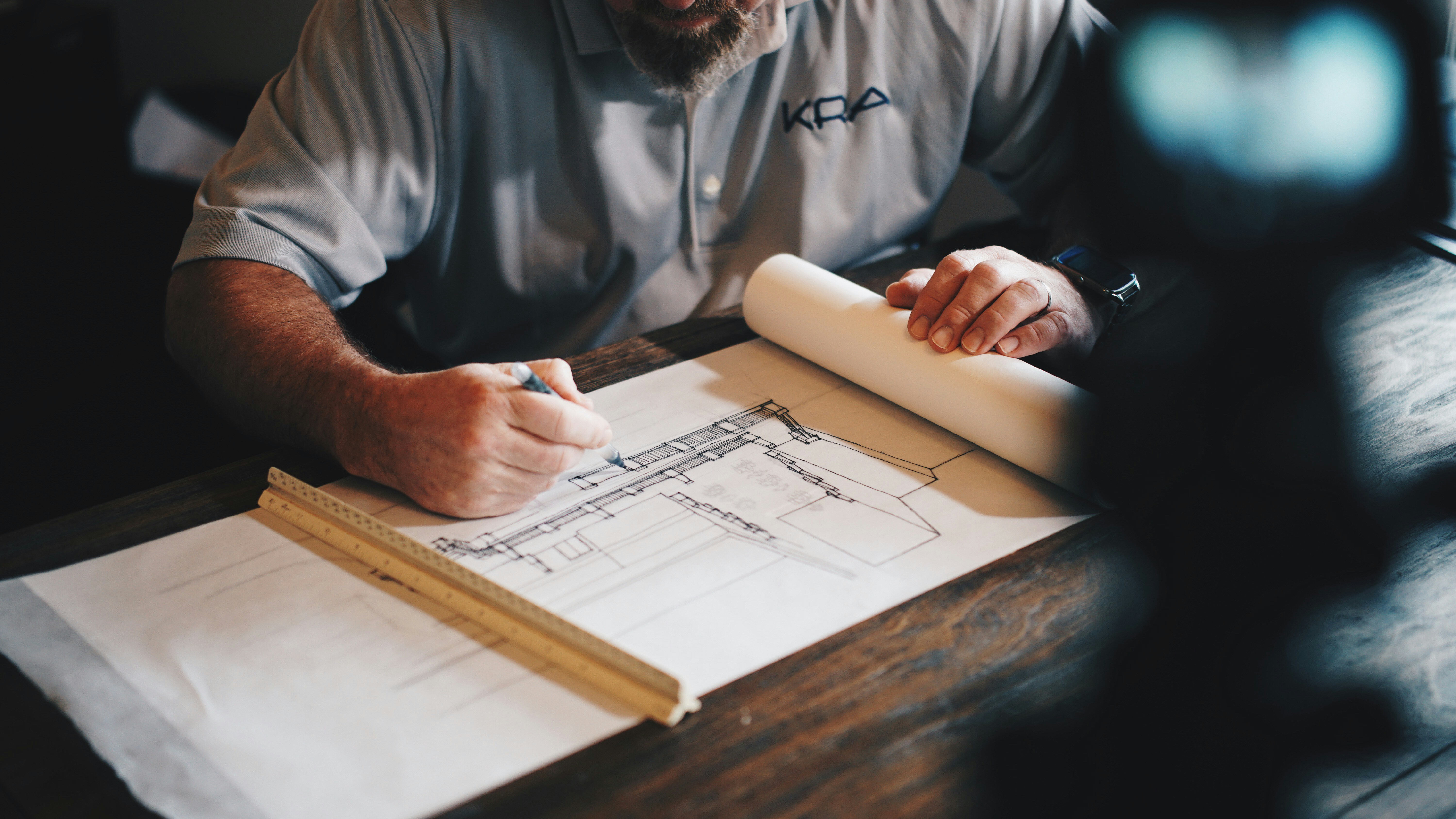
Do interior designers do drawings?

Yes, interior designers do drawings as part of their design process. These drawings help visualize and plan the space before execution. Some of the common types of drawings created by interior designers include:

  1. Floor Plans – A top-view layout showing room arrangements, walls, doors, and furniture placement.
  2. Elevation Drawings – Side-view drawings showing wall details, heights, and built-in elements like cabinetry.
  3. 3D Renderings – Digital or hand-drawn representations to give a realistic preview of the space.
  4. Reflected Ceiling Plans (RCPs) – Layouts showing ceiling designs, lighting, and electrical fixtures.
  5. Material & Furniture Layouts – Detailed plans specifying finishes, textures, and furniture placement.

While interior designers create these drawings, they may collaborate with architects, draftsmen, or CAD specialists for technical precision.

Do interior designers do drawings? Read More Β»

Can interior designers move walls?

Yes, interior designers can move walls, but it depends on their expertise and whether the walls are load-bearing or non-load-bearing.

  • Non-Load-Bearing Walls: Interior designers can plan and suggest removing or relocating these walls to optimize space. Contractors or architects will then execute the changes.
  • Load-Bearing Walls: Since these walls support the structure, an architect or structural engineer must assess the feasibility of moving them. The designer can propose the idea, but professionals must ensure safety and compliance with building codes.

If structural changes are required, an interior architect or contractor usually collaborates with the designer to bring the vision to life.

Can interior designers move walls? Read More Β»

What is another name for an interior designer?

Another name for an interior designer includes:

  • Interior Decorator (although decorators focus more on aesthetics rather than structural changes)
  • Interior Architect (for designers involved in space planning and structural modifications)
  • Space Planner
  • Design Consultant
  • Stylist (when specializing in decor and finishes)
  • Home Designer
  • Interior Consultant

Each title may have a slightly different role depending on expertise and responsibilities.

What is another name for an interior designer? Read More Β»

What is the first rule of interior design?

The first rule of interior design is balance and harmony.

A well-designed space should feel visually balanced, with colors, furniture, textures, and lighting working together to create a cohesive and harmonious look. This means distributing visual weight evenly so no part of the room feels too heavy or cluttered compared to another.

To achieve balance:

  • Use symmetry (matching elements on both sides of a room) or asymmetry (different elements that still feel balanced).
  • Mix colors, textures, and patterns to create contrast without overwhelming the space.
  • Consider scale and proportion to ensure furniture and decor fit well in the room.

By focusing on balance and harmony, you create a space that is both functional and aesthetically pleasing.

What is the first rule of interior design? Read More Β»

How do I decorate my house?

Decorating your house is an exciting process where you can infuse your personality and style into every room. Whether you’re starting from scratch or simply refreshing your space, here are some steps to help guide you through the process:

1. Determine Your Style

Before you start buying furniture or decor, it’s important to define your personal style. Here are some common interior design styles to inspire you:

  • Minimalist: Clean lines, neutral colors, and simplicity.
  • Bohemian: Rich textures, colors, and eclectic elements.
  • Modern: Sleek, contemporary, with an emphasis on functionality.
  • Traditional: Classic, timeless furniture with elegant details.
  • Industrial: Exposed brick, metals, and a raw, unfinished look.

2. Create a Color Palette

Choosing a cohesive color scheme is essential for creating a balanced look in your home. Consider the mood you want to create:

  • Warm tones (reds, oranges, yellows) create a cozy, inviting atmosphere.
  • Cool tones (blues, greens, grays) offer a calm and serene feeling.
  • Neutral tones (whites, blacks, beige) are versatile and can be paired with almost any accent color.

Pick one or two main colors and then use accent colors to add contrast and interest. Don’t forget to consider the room’s natural light, as it can impact how colors appear.

3. Start with the Basics

Begin with the main furniture pieces that will anchor the room, such as:

  • Sofa and chairs for the living room.
  • Bed for the bedroom.
  • Dining table and chairs for the dining room.

Choose items that are both functional and reflect your style. Once you have the big pieces in place, you can layer smaller decor elements.

4. Add Texture and Layers

Mix different textures to create depth and visual interest. For example:

  • Throw pillows and blankets on sofas and beds add comfort and warmth.
  • Rugs can define spaces, add color, and soften hard floors.
  • Curtains and drapes help frame windows and add softness to the room.

Don’t be afraid to mix and match materials like wood, metal, glass, and fabric to create a balanced and dynamic look.

5. Lighting

Lighting plays a significant role in setting the tone and ambiance in a room. Aim for a mix of lighting sources:

  • Ambient lighting: General overhead lighting, such as chandeliers or ceiling lights.
  • Task lighting: Focused lighting for reading or work areas (e.g., desk lamps or pendant lights).
  • Accent lighting: Decorative lighting to highlight artwork, plants, or architectural features (e.g., wall sconces or floor lamps).

Choose light fixtures that align with your style and the room’s function.

6. Incorporate Artwork and Personal Touches

Adding personal items and artwork can make your space feel truly yours:

  • Wall art: Paintings, prints, or photos can instantly elevate a room. Choose pieces that speak to you and complement the color scheme.
  • Personal items: Displaying your favorite books, plants, family photos, or travel souvenirs can make your home feel warm and inviting.
  • Decorative objects: Sculptures, vases, and candles can add personality to tables and shelves.

7. Focus on Functionality

A beautifully decorated home is one that’s also functional. Consider how you’ll use each space:

  • Storage solutions: Use shelves, cabinets, and baskets to keep clutter under control.
  • Furniture arrangement: Make sure there’s enough space for movement and that furniture placement encourages conversation and interaction.
  • Multi-purpose furniture: If space is limited, choose furniture that serves more than one function, such as a sofa with hidden storage or a dining table that doubles as a workspace.

8. Incorporate Greenery

Plants can breathe life into any space. Whether it’s a few potted plants or a large indoor tree, greenery adds color and freshness to the room. Choose plants that thrive in your home’s lighting conditions and don’t forget about stylish planters.

9. Pay Attention to Small Details

It’s the little things that can tie a room together:

  • Throw blankets or decorative cushions on the sofa.
  • Decorative trays on coffee tables or dressers to group items together.
  • Mirrors to reflect light and create the illusion of more space.
  • Clocks, sculptures, and candles to enhance the aesthetic.

10. Don’t Rush the Process

Decorating your home is a gradual process, so don’t feel pressured to do everything at once. Take your time to curate pieces that reflect your style and budget. If something doesn’t work, don’t be afraid to change it later.

Final Tips:

  • Balance: Aim for a balanced room layout with a mix of furniture sizes and placement.
  • Experiment with Scale: Combine large furniture pieces with smaller accents to create visual interest.
  • Stay Cohesive: Ensure your decor pieces, from colors to furniture, flow together.

Decorating your home should reflect who you are while also creating a comfortable, functional environment. Enjoy the creative process!

How do I decorate my house? Read More Β»

Does interior design include furniture?

Yes, interior design typically includes the selection, arrangement, and sometimes the custom design of furniture. Furniture is a key component of interior design, as it contributes to the functionality, comfort, and aesthetics of a space. Here’s how furniture plays a role in interior design:

1. Furniture Selection:

Interior designers choose furniture that complements the overall style and theme of a space. They consider factors such as:

  • Functionality: Whether the furniture serves its intended purpose effectively (e.g., a sofa for comfort, a dining table for meals, or storage solutions for organization).
  • Style: The design of the furniture should align with the interior styleβ€”whether it’s modern, rustic, minimalist, traditional, etc.
  • Space Planning: Designers ensure that furniture pieces fit the layout and dimensions of the space. They avoid overcrowding the room while ensuring all necessary functions are covered.

2. Furniture Layout:

Designers also plan the layout of the furniture to create a harmonious flow in the room. This includes determining:

  • How pieces are arranged for comfort and convenience (e.g., creating conversation areas with seating).
  • Ensuring there is enough space for movement and that furniture is appropriately placed to highlight key design elements like focal points (fireplace, TV, art pieces).

3. Custom Furniture Design:

In some cases, interior designers may recommend custom furniture if standard options do not meet the needs or style of the client. This could include:

  • Custom-built pieces (like cabinets, shelves, or unique tables).
  • Tailored fabrics, finishes, or sizes for existing furniture to ensure it fits perfectly into the space.

4. Furniture as Decor:

Furniture can also serve as an important decorative element. Designers select furniture that enhances the aesthetics of the space, coordinating colors, materials, and textures with other design elements like flooring, wall colors, and lighting.

5. Furniture Sourcing:

Interior designers often help clients source furniture from a variety of retailers, showrooms, or manufacturers. They may also work with furniture suppliers to find the best quality options within a specified budget.

Conclusion:

Furniture is an integral part of interior design. Designers are involved in every aspect, from selecting functional and aesthetically pleasing furniture to arranging it in a way that maximizes comfort and enhances the room’s overall design. Depending on the project, designers may also provide recommendations for custom-made pieces.

Does interior design include furniture? Read More Β»

Who is an interior contractor?

An interior contractor is a professional or company responsible for executing the design plans of an interior space. They manage the practical, physical aspects of the design process, translating the design concepts of interior designers into reality. Essentially, they are the ones who carry out the construction, renovation, and installation work to bring an interior designer’s vision to life.

Responsibilities of an Interior Contractor:

  1. Construction and Renovation: An interior contractor handles the building and renovation work, such as altering walls, installing partitions, modifying layouts, or addressing structural changes within the interior space.
  2. Coordination with Tradespeople: They oversee and coordinate the work of specialized tradespeople, such as electricians, plumbers, carpenters, and painters, to ensure that the different aspects of the design come together smoothly.
  3. Materials and Sourcing: Contractors are responsible for sourcing, purchasing, and sometimes delivering the materials required for the project (e.g., flooring, tiles, paint, cabinetry).
  4. Budget and Timeline Management: They ensure that the project stays within budget and is completed on time. Interior contractors typically manage construction costs and schedule deadlines, ensuring smooth project execution.
  5. Quality Control: The contractor ensures that the work meets quality standards, safety regulations, and building codes. They also conduct inspections throughout the project to ensure that work is being done properly and according to plan.
  6. Installation of Interior Elements: The contractor may also be responsible for the installation of various elements within the space, including flooring, furniture, lighting fixtures, and other custom-built pieces that have been specified by the interior designer.

Key Differences Between an Interior Designer and an Interior Contractor:

  • Interior Designer: Focuses on the aesthetics, functionality, and layout of the space, as well as the selection of materials, furniture, and decor. They create design concepts and plans.
  • Interior Contractor: Focuses on the execution of the design plans. They do the physical work, including construction, installation, and managing sub-contractors.

When Do You Need an Interior Contractor?

  • Renovations or Major Changes: If your interior design requires significant changes to the structure (such as knocking down walls, rewiring, or moving plumbing fixtures), an interior contractor will be necessary.
  • Project Management: For large projects where you need someone to oversee multiple contractors and coordinate the timeline and work, an interior contractor acts as a project manager.
  • Turnkey Solutions: If you’re looking for a full-service solution where the contractor handles everything from design implementation to final installation, an interior contractor can fulfill this role.

Conclusion:

An interior contractor is the professional who brings the interior designer’s vision to life by managing the construction and installation aspects of the project. If you’re undertaking a renovation or any significant interior changes, an interior contractor will be essential to ensure everything is built and installed according to the design.

Who is an interior contractor? Read More Β»

Should I pay for an interior designer?

Whether or not you should pay for an interior designer depends on several factors related to your project, budget, and goals. Here are some key points to consider when deciding if hiring an interior designer is worth the investment:

1. Time and Stress Savings

  • Expertise and Efficiency: Interior designers bring experience and expertise to the table, which can save you time and reduce stress. They can help you avoid costly mistakes, such as purchasing furniture that doesn’t fit your space or choosing colors that don’t work together.
  • Streamlined Process: A professional designer can handle the entire design processβ€”from conceptualization to executionβ€”saving you time that would otherwise be spent on research, sourcing materials, and managing vendors.

2. Budget Management

  • Staying Within Budget: While interior designers charge fees, they can often help you make the most out of your budget. They have access to trade discounts, industry contacts, and resources that you might not be aware of. Designers are also skilled at budgeting and can help prioritize expenses.
  • Avoiding Expensive Mistakes: Without professional guidance, you might end up overspending on items that don’t suit your space or needs. Designers can avoid these mistakes by making strategic decisions that enhance your space.

3. Expertise and Creativity

  • Unique and Functional Design: Interior designers bring creative ideas and innovative solutions to your space. They have the training and knowledge to make the most of your space’s layout, lighting, and flow while adhering to your personal style.
  • Access to Resources: Designers often have access to exclusive products, materials, and furnishings that aren’t readily available to the public. This can make your space truly unique and high-quality.

4. Design and Construction Coordination

  • Project Management: Interior designers often work closely with contractors, architects, and other professionals involved in renovations and construction projects. They ensure everything comes together seamlessly, from structural changes to final dΓ©cor.
  • Design and Build Oversight: They can supervise the work to ensure that it aligns with your vision and stays within budget.

5. Long-Term Value

  • Increase in Home Value: A well-designed space can increase the value of your home. If you’re selling or renting your property, a professionally designed space can attract more buyers or tenants and potentially fetch a higher price.
  • Long-Lasting Design: Designers aim for timeless designs that will look good and function well for years. They can also help you make informed decisions about durability and long-term investment in materials and finishes.

6. When It Might Not Be Worth It

  • Small Projects or Simple Design: If you’re just refreshing a few aspects of a space or have a very simple design in mind (such as rearranging furniture), hiring an interior designer might not be necessary. In these cases, DIY or minimal professional help may suffice.
  • Tight Budget: Interior designers can be expensive, so if you’re on a tight budget, it might be worth considering a partial design service or focusing on specific areas (e.g., just hiring a designer for a single room).

7. The ROI of Hiring an Interior Designer

  • For major renovations or projects that involve structural changes, a designer’s involvement can actually add significant value to your home. For instance, creating a more open floor plan, optimizing storage, or improving lighting can increase functionality and appeal, which translates to long-term value.
  • Interior designers can also help with seasonal updates or themed designs, making your space feel fresh and current, which can be important if you’re looking to sell or entertain.

Conclusion: Should You Pay for an Interior Designer?

  • Yes, if you’re working on a large-scale project, want a professionally designed space, or need help with renovations, an interior designer can provide immense value by saving you time, money, and stress.
  • No, if you’re on a small budget or working on a simple project where you feel confident in your own design abilities.

Hiring an interior designer ultimately comes down to your needs, goals, and budget. If you can afford the investment and value a well-curated, functional, and beautiful space, a designer is worth considering.

Should I pay for an interior designer? Read More Β»

Do interior designers also decorate?

Yes, interior designers do often handle decorating, but their role typically goes beyond just decoration. While decoration is part of their responsibilities, interior designers are primarily focused on creating functional and aesthetically pleasing spaces that meet the client’s needs. Here’s how decorating fits into their broader role:

1. Interior Designers vs. Interior Decorators

While the terms “interior designer” and “interior decorator” are sometimes used interchangeably, there are key differences:

  • Interior Designers: They focus on both the functionality and aesthetics of a space. They often work on the layout, structure, lighting, furniture placement, and spatial flow. They may also be involved in architectural changes (e.g., knocking down walls, changing floor plans) and can work with contractors and engineers.
  • Interior Decorators: Their work primarily focuses on the decorative elements of a space. They select color schemes, furniture, artwork, accessories, fabrics, and other decorative items to create a cohesive look. Decorators usually work within existing structures and layouts.

2. Decorating in Interior Design

Interior designers often handle decorating as part of the design process. This includes:

  • Selecting furniture and furnishings: Interior designers choose pieces that fit the space’s style and function, ensuring comfort and cohesion.
  • Color schemes and finishes: They decide on wall colors, flooring materials, and finishes for surfaces such as countertops, cabinetry, and trim, which can significantly influence the room’s atmosphere.
  • Lighting design: Designers plan and select lighting solutions that enhance both the functionality and mood of a space.
  • Artwork, accessories, and textiles: Interior designers also select decorative items such as paintings, sculptures, rugs, curtains, cushions, and other accessories that complement the overall design concept.

3. Balancing Aesthetics and Functionality

Interior designers bring a thoughtful approach to decorating, ensuring that the space is not only beautiful but also functional. For example:

  • They consider traffic flow, ergonomics, and lighting placement while choosing decor elements.
  • Designers can help clients with bespoke design elements like custom furniture, window treatments, and finishes.

In summary, interior designers not only decorate but also create comprehensive, functional spaces by integrating design principles, functionality, and aesthetics.

Do interior designers also decorate? Read More Β»

What is the first step for an interior designer?

The first step for an interior designer when starting a new project is understanding the client’s needs and vision. This initial phase is crucial for creating a design that aligns with the client’s style, lifestyle, and functional requirements. Here’s a breakdown of what this step involves:

1. Client Consultation

The interior designer begins by meeting with the client to discuss their goals, preferences, and vision for the space. The designer asks questions to understand:

  • The purpose of the space (e.g., residential, office, retail).
  • The client’s design preferences (e.g., modern, traditional, minimalist, eclectic).
  • Functional requirements (e.g., number of rooms, storage needs, workspaces).
  • Lifestyle factors (e.g., pets, children, frequent entertaining, home office).
  • Any specific features or elements the client wants to incorporate (e.g., lighting, artwork, or color preferences).
  • The budget and timeline.

2. Site Evaluation

Once the designer has an understanding of the client’s needs, they often visit the site or space to evaluate it firsthand. This includes:

  • Taking measurements of the space to determine its size and layout.
  • Observing the existing conditions, such as lighting, windows, structural elements, and flow of the space.
  • Identifying any challenges or constraints (e.g., awkward layouts, structural issues, or space limitations).

3. Creating a Design Brief

Based on the consultation and site evaluation, the designer creates a design brief. This document outlines the project scope, including the client’s objectives, style preferences, functional needs, budget, and timeline. It serves as a roadmap for the entire design process and ensures both the client and designer are aligned in terms of expectations.

By starting with these key steps, an interior designer lays the foundation for a successful project that meets the client’s needs and transforms the space into a cohesive, functional, and aesthetically pleasing environment.

What is the first step for an interior designer? Read More Β»

Is it good to hire an interior designer?

Yes, hiring an interior designer can be a very good decision, especially if you’re looking to make the most of your space, improve functionality, or enhance the overall aesthetic of your home or office. Here are some reasons why hiring an interior designer can be beneficial:

1. Expertise and Knowledge

Interior designers have professional training and experience in designing spaces that are both beautiful and functional. They know the best design principles, materials, layouts, and trends to create spaces that work efficiently and look stunning. Their expertise can save you time and effort while preventing mistakes that could be costly later.

2. Saves Time and Reduces Stress

Designing a space, especially a large or complex one, can be a time-consuming and stressful process. Interior designers handle everything from conceptualizing the design to sourcing materials, coordinating with contractors, and managing timelines. This allows you to focus on other aspects of your life while they handle the details.

3. Tailored Solutions to Fit Your Needs

Interior designers take the time to understand your lifestyle, preferences, and needs, and tailor the design accordingly. Whether you need a kid-friendly home, a productive home office, or a relaxing living room, a designer will create a space that suits your specific needs and tastes.

4. Access to Resources and Discounts

Interior designers have access to resources that the general public may not, such as high-quality materials, furniture, and decor that aren’t readily available in stores. They may also have relationships with vendors and contractors that can help you get better prices or discounts on furniture, materials, or labor.

5. Helps Maximize Your Budget

A skilled designer can stretch your budget further by guiding you toward cost-effective choices that still deliver the look and feel you desire. They can help you prioritize spending on key elements that make the most impact, such as furniture or finishes, while saving money on less critical items.

6. Saves You From Costly Mistakes

Interior design involves making a lot of decisions regarding layout, colors, furniture, and accessories. Without professional guidance, it’s easy to make mistakes, such as choosing the wrong colors, proportions, or furniture pieces that don’t fit. An interior designer helps prevent these errors by planning out the design carefully and considering all the factors that make a space functional and stylish.

7. Creative Solutions for Small or Challenging Spaces

Interior designers are skilled at transforming even the most awkward or small spaces into functional, beautiful areas. Whether it’s an unusually shaped room, a small apartment, or a multi-purpose space, a designer knows how to make the most out of your space with creative solutions.

8. Access to Cutting-Edge Trends and Styles

Interior designers stay updated with the latest design trends, materials, and innovations. If you’re unsure of what’s in style or how to blend contemporary trends with timeless design elements, a designer can help you create a modern, stylish space that suits your personality.

9. Streamlines the Process and Manages Projects

Hiring a designer helps streamline the entire design process, from initial concepts to final execution. Designers are experts in project management, and they coordinate everything for you, from sourcing materials to hiring contractors, ensuring that the project is completed on time and within budget.

10. Increases Property Value

If you’re planning to sell or rent a property, hiring an interior designer can make a huge difference in the property’s marketability. An attractive, well-designed space is more likely to appeal to potential buyers or renters, potentially increasing the property’s value and helping you get a better return on your investment.

11. Personalized Design

An interior designer doesn’t just create a generic spaceβ€”they work with you to reflect your personal style and preferences. Whether it’s a contemporary, minimalistic look or a cozy, traditional feel, they’ll incorporate your taste while ensuring the space is functional and cohesive.

12. Improves Functionality

Beyond aesthetics, interior designers focus on making sure your space works well for your everyday life. From choosing furniture that fits the space to organizing layouts that flow well, they create functional spaces that improve how you interact with your environment.


When It Might Not Be Necessary to Hire an Interior Designer:

While there are numerous benefits to hiring an interior designer, it’s not always necessary. You may not need a designer if:

  • You’re on a tight budget and prefer to DIY.
  • You’re comfortable making design decisions on your own.
  • You only need small design changes, such as rearranging furniture or picking new decor.

Conclusion:

Hiring an interior designer is a great idea if you’re looking to transform your space into a functional, stylish, and personalized area. Whether you’re renovating your home, starting a new construction, or simply upgrading your decor, an interior designer brings expertise, creativity, and efficiency to the process. If you want to save time, reduce stress, avoid mistakes, and make the most of your space and budget, working with a professional designer is often a smart investment.

Is it good to hire an interior designer? Read More Β»

When to call an interior designer?

Knowing when to call an interior designer is key to ensuring that your space gets the right design and functionality. Here are the most common scenarios when you should consider reaching out to an interior designer:

1. When You’re Starting a New Construction or Renovation

If you’re building a new home, renovating an old one, or constructing a commercial space, an interior designer can help you plan the space from scratch. They can:

  • Plan Layouts: Help with floor planning, furniture arrangement, and optimal use of space.
  • Design for Functionality: Make sure your space works for your lifestyle, maximizing both form and function.
  • Coordinate with Contractors: Collaborate with builders and contractors to ensure that the design vision is realized.

2. When You Need Help with Style and Aesthetic

If you have trouble defining your style or aren’t sure how to pull all the pieces of your space together, an interior designer can help with:

  • Choosing a Design Theme: They will help you choose a cohesive design that aligns with your preferences, whether modern, contemporary, traditional, or eclectic.
  • Color Palettes and Materials: An expert will guide you in selecting color schemes, finishes, and materials that work well together.
  • Creating a Vision: Designers can help you visualize how different elements like lighting, furnishings, textures, and decor will come together.

3. When You’re Planning a Major Remodel

If your space requires a major remodel (such as tearing down walls or reconfiguring rooms), an interior designer can provide insight into the best structural and design changes. This is especially helpful for:

  • Maximizing Space: Transforming layouts and ensuring the space is used effectively.
  • Choosing the Right Materials: Helping you select durable materials that suit both your aesthetic and functionality needs.

4. When You Want to Increase Property Value

If you’re looking to sell or rent a property and want to increase its appeal, an interior designer can help you:

  • Stage the Home: Make your home more marketable by making it more visually appealing to potential buyers or renters.
  • Update Outdated Features: Designers can help you modernize your space to attract higher offers or tenants.

5. When You Have a Specific Function in Mind

If you are creating a space that has a specific function (e.g., a home office, kitchen remodel, or home theater), an interior designer can help you plan the layout and select the appropriate furnishings and technology.

  • Home Office: Design a functional workspace with proper lighting and ergonomic furniture.
  • Kitchen and Bathrooms: Ensure these high-use spaces are both functional and stylish, choosing appropriate materials and fixtures.

6. When You Feel Overwhelmed by the Options

If you’re overwhelmed by the vast number of design choicesβ€”whether it’s furniture, finishes, or decorβ€”an interior designer can help you:

  • Curate Selections: Narrow down your options based on your preferences and budget.
  • Avoid Mistakes: Prevent costly mistakes by offering professional advice on what will and won’t work for your space.

7. When You Want to Make Your Space Unique

Interior designers specialize in creating unique, personalized spaces that reflect your style. If you want to create a space that stands out and truly feels like your own, an interior designer can:

  • Incorporate Personal Elements: Blend your tastes with professional design ideas to make your space one-of-a-kind.
  • Design Custom Pieces: Create bespoke furniture or decor that fits your vision.

8. When You Have a Complex or Large Project

If your project involves multiple rooms or large spaces, such as designing an entire home or a commercial space, an interior designer can help ensure everything ties together cohesively.

  • Multiple Spaces: They can create a unified aesthetic across multiple rooms or floors.
  • Project Management: An experienced designer can oversee the project, coordinate with contractors, and ensure that everything stays on schedule.

9. When You’re On a Tight Budget

A skilled interior designer can help you stick to your budget while still achieving the results you want. They can:

  • Source Affordable Options: Find stylish, cost-effective furniture and materials that align with your vision.
  • Maximize Your Investment: Use their expertise to allocate your budget wisely, ensuring you get the most value for your money.

10. When You Need Help with Lighting and Ambience

Lighting is crucial for setting the mood and functionality of a space. If you want to make sure your lighting works well for the design, an interior designer can:

  • Create Lighting Schemes: Plan lighting layouts for mood, tasks, and accentuation.
  • Choose Fixtures: Select stylish yet functional lighting fixtures that complement your design.

11. When You Want to Create a Long-Term Plan

If you’re designing a space that needs to function well for many years (like a family home), an interior designer can help you plan for both short-term needs and long-term use. This might include:

  • Durable Materials: Choosing materials that can withstand wear and tear.
  • Child and Pet-Friendly Spaces: Designing with your future needs in mind, making sure that the design accommodates changes in lifestyle.

12. When You Need Expert Advice on Furniture and Decor

If you’re unsure about selecting furniture and decor pieces, an interior designer can:

  • Source Quality Items: Help you choose pieces that suit your style, budget, and space.
  • Ensure Proportions Are Right: Assist with choosing the right size and layout for furniture pieces to avoid overcrowding or underutilizing space.

When NOT to Call an Interior Designer

  • For Small Changes: If you’re just changing small decorative items like cushions or artwork, a designer may not be necessary.
  • When You’re Not Ready to Commit: If you haven’t figured out your budget or plan, it’s best to wait until you are ready to move forward.
  • If You Want DIY: If you’re comfortable taking on the entire design process yourself, you may not need professional assistance.

By calling an interior designer at the right stage of your project, you can ensure that you make the most out of your space while saving time, effort, and money in the long run.

When to call an interior designer? Read More Β»

How do I inquire an interior designer?

Inquiring about an interior designer involves a few important steps to ensure you find the right professional who can meet your needs and budget. Here’s a guide on how to inquire about an interior designer effectively:

1. Identify Your Requirements

Before reaching out to interior designers, make sure you have a clear understanding of your project. Consider the following:

  • Scope of the Project: Are you designing a single room, a full home, or a commercial space?
  • Style Preferences: Do you have a specific design style in mind (modern, contemporary, traditional, etc.)?
  • Budget: What is your estimated budget for design services and execution?
  • Timeline: When do you need the project completed?

2. Research Interior Designers

Do some research to identify potential designers in your area (like Delhi). You can do this by:

  • Online Platforms: Websites like Houzz, UrbanClap, or Justdial feature reviews and ratings for local interior designers.
  • Social Media: Many interior designers showcase their work on platforms like Instagram and Pinterest, which can give you an idea of their style and expertise.
  • Word of Mouth: Ask friends, family, or colleagues for recommendations.

3. Prepare Your Questions

When you reach out to designers, be ready to ask them a few key questions:

  • Experience: How long have you been working as an interior designer? Can you show me your portfolio?
  • Previous Projects: Can you share examples of similar projects you have worked on (especially if you’re working on something similar)?
  • Services Offered: What exactly is included in your design service? Does it cover only design or also project management and procurement of materials?
  • Cost Structure: What is your pricing model (per square foot, hourly, or flat fee)? Can you provide an estimate based on my requirements?
  • Timeline: What is the estimated timeline for completing the project?
  • Design Process: Can you explain your design process, from concept to execution?

4. Ask for a Consultation

Most designers offer a consultation, either free or for a nominal fee. Use this opportunity to:

  • Discuss Your Ideas: Share your vision, preferences, and the functional requirements of the space.
  • Gauge Compatibility: See if the designer’s style matches your vision and if their communication aligns with your needs.
  • Review Portfolio: Ask to see detailed portfolios of previous work, especially projects similar to yours.

5. Request a Proposal

Once you’ve discussed your requirements, ask the designer for a detailed proposal. A proposal typically includes:

  • Design Concept: The initial design ideas and concepts.
  • Cost Estimate: A breakdown of the costs for design services and any materials or furnishings.
  • Timeline: A projected timeline for the project, including major milestones.
  • Terms and Conditions: Any terms for collaboration, including payment schedules, project scope, and other conditions.

6. Review Multiple Designers

It’s always a good idea to get quotes and proposals from multiple designers. This will give you a clearer idea of what to expect in terms of pricing, services, and style.

7. Finalize the Agreement

Once you’ve decided on an interior designer:

  • Sign a Contract: Ensure all terms, fees, project details, and timelines are included in a formal agreement.
  • Set Expectations: Discuss any potential changes or revisions and ensure the scope is clear to avoid misunderstandings during the project.

Sample Message to Inquire About an Interior Designer:

Subject: Inquiry for Interior Design Services

Dear [Designer’s Name],

I hope you’re doing well. My name is [Your Name], and I am interested in hiring an interior designer for my [home/office/apartment]. I came across your portfolio online and was impressed by your work.

I would like to discuss the design process for my project, and I have the following questions:

  • Can you share more details about your experience in [specific design style]?
  • What is your pricing model for interior design services?
  • Could you provide an estimate based on my project details?
  • How long do you anticipate the project will take from design to completion?

I would love to schedule a consultation to discuss my vision and explore how we could work together. Please let me know your availability and how we can proceed.

Looking forward to hearing from you soon.

By following these steps and asking the right questions, you’ll be able to find an interior designer who can meet your needs and create the space you’ve envisioned.

How do I inquire an interior designer? Read More Β»

How much does an interior designer cost in Delhi?

Interior Designer Cost in Delhi: 21 Powerful Pricing Insights You Must Know

Interior Designer Cost in Delhi

Interior Designer Cost in Delhi home interior budget planning Gurgaon
Understanding interior designer costs for modern homes in Delhi NCR

Table of Contents

Interior Designer Cost in Delhi varies depending on project size, design complexity, and material selection. In cities like Delhi, Gurgaon, and Noida, understanding cost structures helps homeowners plan budgets effectively and avoid unexpected expenses.

Interior design costs can range from affordable modular setups to high-end luxury interiors, depending on your requirements.

Explore expert solutions at Interior A to Z and Interior Designers in Delhi NCR.

1. What is the interior designer cost in Delhi?

Interior Designer Cost in Delhi typically includes design fees, materials, labor, and execution.

The total cost depends on the scope of work and customization level.

  • Design planning
  • Material selection
  • Execution and labor
  • Project management

2. Cost per square foot in Delhi NCR

Interior design cost per square foot is the most common pricing method.

  • Basic interiors: β‚Ή1,200 – β‚Ή1,800 per sq. ft.
  • Mid-range interiors: β‚Ή1,800 – β‚Ή2,500 per sq. ft.
  • Luxury interiors: β‚Ή2,500 – β‚Ή5,000+ per sq. ft.

3. Cost for 1BHK, 2BHK, and 3BHK homes

  • 1BHK: β‚Ή4L – β‚Ή7L
  • 2BHK: β‚Ή5L – β‚Ή12L+
  • 3BHK: β‚Ή10L – β‚Ή25L+
Interior Designer Cost in Delhi bedroom interior budget example
Bedroom interior showcasing cost distribution in Delhi homes

4. Design fees vs execution cost

Designers may charge separately for design and execution.

  • Design fees: β‚Ή50 – β‚Ή500 per sq. ft.
  • Project-based fee: 5% – 15% of total cost

5. Factors affecting interior design cost

  • Property size
  • Material quality
  • Customization level
  • Location (Delhi, Gurgaon, Noida)
  • Timeline

6. Basic vs luxury interior cost

Basic interiors use cost-effective materials, while luxury interiors include premium finishes and custom designs.

7. Freelancer vs design firm pricing

Freelancers are generally more affordable, while firms provide end-to-end services.

8. Modular vs custom interiors cost

Modular interiors are budget-friendly, while custom designs are more expensive.

9. Material cost impact

Material selection significantly affects overall cost.

10. Labor and execution charges

Labor costs depend on project complexity and timeline.

11. Hidden costs to consider

  • Transportation
  • Installation
  • Design changes

12. Cost comparison Gurgaon vs Noida

Gurgaon projects tend to be more premium, while Noida offers relatively affordable options.

13. How to reduce interior design cost?

  • Choose modular furniture
  • Plan in advance
  • Limit customization

14. How to get accurate estimates?

Consult multiple designers and compare detailed quotations.

15. Expert tips for budgeting

Set realistic budgets and prioritize essential elements.

Refer to Houzz and ArchDaily.

Conclusion

Interior Designer Cost in Delhi depends on multiple factors including design complexity, materials, and execution scope. By understanding pricing structures, homeowners in Delhi, Gurgaon, and Noida can plan efficiently and achieve desired interiors within budget.

Plan smartly and invest wisely to create a stylish and functional home.

The cost of hiring an interior designer in Delhi can vary depending on several factors such as the designer’s experience, the scope of the project, and the style of design you prefer. Here’s a general breakdown of interior design costs in Delhi:

1. Per Square Foot Basis

  • Basic Design Services: β‚Ή50 to β‚Ή150 per square foot
  • Mid-Range Design Services: β‚Ή150 to β‚Ή300 per square foot
  • Luxury or High-End Design Services: β‚Ή300 to β‚Ή500+ per square foot

These prices cover design services, including space planning, layout, and design ideas.

2. Designer’s Fees

  • Hourly Rate: β‚Ή500 to β‚Ή2,500 per hour, depending on the designer’s experience and reputation.
  • Flat Fees: Some designers charge a fixed fee for their services, which could range from β‚Ή30,000 to β‚Ή2,00,000, depending on the size of the project and the complexity.

3. Additional Costs

  • Material and Furnishing Costs: The cost of materials, furniture, fixtures, and decor will be separate from the designer’s fees. You may need to set aside an additional β‚Ή50,000 to β‚Ή5,00,000 (or more) depending on the quality of materials chosen.
  • Project Management Fees: If you hire the designer to manage the construction or renovation work, there may be additional project management fees.

Factors That Affect Cost:

  • Project Size: Larger spaces or entire home renovations will cost more than small-scale projects.
  • Design Complexity: Intricate, custom-made designs or luxury finishes will increase costs.
  • Designer’s Reputation: Well-known designers with a high portfolio typically charge premium rates.

If you’re looking for an interior designer in Delhi, it’s a good idea to get quotes from multiple designers and discuss your project to find the best fit for your budget and design goals.

How much does an interior designer cost in Delhi? Read More Β»

β€œLuxury Interior Design”


“Top Luxury Interior Design Firms: Key Elements of Elite Design in 2025”


Introduction

Luxury interior design is a statement of sophistication, comfort, and elegance that transforms a space into something extraordinary. Whether you’re renovating your home or outfitting a commercial space, finding the right designer can be a challenge. This blog post explores key considerations when hiring luxury interior designers, along with insights on top luxury design firms across Delhi NCR, Gurgaon, and Noida. Keep reading to understand the secrets behind successful luxury interior design.

Why Luxury Interior Design Matters

Luxury interior design goes beyond aestheticsβ€”it’s about creating an environment that enhances your lifestyle, elevates comfort, and integrates high-quality materials and finishes. In cities like Delhi NCR, Noida, and Gurgaon, where trends evolve quickly, the right luxury interior designer understands how to blend innovation with tradition. Here’s why working with experts matters:

  • Creating Unique Spaces: Expert designers understand the art of blending function with flair.
  • Value-Addition: A well-designed luxury interior adds substantial value to your property.
  • Customization: Tailored designs reflect your taste, preferences, and personality.
  • Long-Term Investment: Quality design lasts for years, with timeless appeal.

Main Content


1. Traits of a Top Luxury Interior Designer in Gurgaon

When it comes to hiring an interior designer for luxury projects, experience and creativity are key. Below are traits that make a luxury interior designer stand out:

  • Innovative Design Vision: Leading designers keep up with global trends and anticipate future styles, ensuring that your space remains cutting-edge.
  • Attention to Detail: Every element, from furniture to fixtures, is carefully chosen to reflect elegance.
  • Quality Materials: The top designers use only high-end materials, from luxurious fabrics to premium flooring options.
  • Collaborative Approach: The best designers work closely with clients, understanding their needs, and adding personalized touches.

2. Selecting the Right Luxury Design Firm for Your Project

Choosing the right firm can be challenging. Here’s what to consider:

  • Portfolio: Always evaluate a designer’s portfolio to understand their style and capabilities.
  • Client Testimonials: Reviews and past client experiences give insight into their professionalism and quality of work.
  • Experience: Years of experience in the luxury design industry reflect a designer’s skill in handling high-end projects.
  • Design Philosophy: Aligning with a firm’s design philosophy ensures a smoother collaboration and end result.

3. Top Luxury Interior Designers in Delhi NCR: A Closer Look

Delhi NCR is home to some of the best luxury interior designers. The region is known for its opulent spaces and modern yet classical design influences. Let’s explore some top-rated designers who excel in this space:

  • Interioratoz.in: Specializes in modern luxury designs with a focus on comfort and style.
  • ModularKitchenDesign.in: Experts in crafting modular kitchen designs that complement high-end living spaces.
  • InteriorDesignerncr.com: Offering exclusive, bespoke luxury designs across Delhi NCR, with a portfolio that speaks of excellence.

4. Local Trends in Luxury Interior Design: Gurgaon and Noida

Understanding local design preferences and trends is crucial when selecting a designer. Gurgaon, Noida, and Delhi NCR each have distinct design elements:

  • Gurgaon: Known for its sleek, minimalist designs with a focus on functionality.
  • Noida: Features contemporary designs blending with traditional Indian art and architecture.
  • Delhi NCR: Offers a fusion of modern luxury with a rich cultural heritage, combining the old and new effortlessly.

5. Cost and Budgeting for Luxury Interior Design Projects

Luxury interiors are an investment. Managing your budget effectively while ensuring you achieve the design of your dreams is crucial. Here’s how to handle the costs:

  • Initial Consultation: Most top firms offer free or paid consultations to assess project requirements.
  • Material and Labor Costs: The finest materials and expert labor drive up costs, so it’s essential to prioritize your budget.
  • Hidden Costs: Always account for unforeseen expenses such as shipping, installation, and customization.
  • Price Transparency: Seek a firm that offers clear pricing structures with no hidden fees.

6. Evaluating an Interior Designer’s Portfolio

Before hiring a luxury interior designer, review their portfolio. Look for:

  • Diversity of Projects: Does their portfolio showcase a range of styles and project scales?
  • Attention to Detail: Check for the intricacies in each project, such as custom furniture, lighting, and artwork.
  • Real-life Examples: Client case studies or before/after photos give a true sense of their ability to execute high-end designs.

7. Steps to Hire a Luxury Interior Design Firm in Delhi NCR

When hiring a luxury interior designer, follow these steps to ensure success:

  1. Research Firms: Explore top designers in Delhi NCR, Gurgaon, and Noida.
  2. Consultations: Meet with designers to discuss your needs, style preferences, and budget.
  3. Review Proposals: After initial meetings, get detailed proposals from potential designers.
  4. Sign a Contract: Ensure everything is in writing, including deadlines, budget, and design preferences.
  5. Monitor Progress: Stay involved throughout the project, offering feedback at key stages.

Conclusion

Luxury interior design is about more than just expensive furnitureβ€”it’s about crafting a sophisticated, personalized environment that elevates everyday living. By understanding key design elements, evaluating top designers, and properly managing your budget, you can ensure your project results in a space that exudes luxury and style.

If you’re ready to transform your space, it’s time to engage a top luxury interior design firm that can bring your vision to life. Don’t hesitate to get in touch or explore more of our expert content to help guide your design journey.


FAQ Section

Q1: What is the average cost of hiring a luxury interior designer in Delhi NCR?

Luxury interior design costs vary widely depending on the size of the project and the designer’s reputation. Generally, you can expect to pay anywhere from β‚Ή1,500 to β‚Ή5,000 per square foot.

Q2: How do I know if a designer is suitable for my luxury project?

Look for designers with a strong portfolio, a proven track record in luxury spaces, and the ability to collaborate on a personalized design. Reviews and testimonials can also provide insights.

Q3: Are luxury interior designers in Noida different from those in Gurgaon?

Yes, while both cities focus on high-end design, Noida’s designs often incorporate a blend of contemporary and traditional elements, while Gurgaon leans more toward modern, minimalist aesthetics.

Q4: Can I hire a luxury interior designer for small-scale projects?

Yes, many luxury designers work on projects of various scales, from single-room renovations to entire home transformations.


Call to Action

Interested in creating a luxurious living or working space? Explore more about our luxury interior design services and contact us today for a personalized consultation.


β€œLuxury Interior Design” Read More Β»

Luxury Interior Design Firms: Top Traits You Need to Look for in 2025


Introduction: Why Choose a Luxury Interior Design Firm?

When embarking on a project to transform your home into a sophisticated, comfortable, and functional living space, hiring a luxury interior design firm is often the first step. A luxury designer brings expertise, creativity, and style tailored to your personal tastes while incorporating the finest quality materials. Whether you live in Gurgaon, Noida, or Delhi NCR, working with top-tier professionals ensures that your home not only reflects your personality but also stays at the forefront of interior design trends.

In this comprehensive guide, we will dive into the crucial aspects of choosing a luxury interior design firm that will meet your vision and exceed your expectations. From understanding the expertise that sets top luxury designers apart to evaluating portfolios and costs, this article will give you the essential insights for hiring the best designers in the market.


Section 1: What Makes a Luxury Interior Design Firm Stand Out?

Expertise and Experience in High-End Design Projects

Luxury interior design firms are known for their exceptional expertise and years of experience. A key trait to look for when hiring a firm is their background in designing luxury spaces. This can include residential homes, penthouses, high-end commercial spaces, and boutique hotels.

In a competitive market such as Gurgaon, Noida, and Delhi NCR, experience with luxury projects is non-negotiable. High-end interior designers should be able to showcase their work in prestigious locations, offering a portfolio of refined, customized designs.

  • Innovative Designs: Luxury interior designers are constantly evolving their designs to reflect modern trends, ensuring your space feels current yet timeless.
  • Global Connections: Top luxury firms have access to high-end furniture, dΓ©cor, and resources from around the world, giving your space an elite edge.

Comprehensive Project Management

Another hallmark of a luxury interior design firm is their ability to manage the entire design process, from concept to completion. They often have a team of architects, designers, and contractors who work together seamlessly to create your dream home. This level of management ensures that every detail is accounted for, from structural changes to the final touches.


Section 2: How to Choose the Best Luxury Interior Designers

Assess Their Portfolio

Before making a decision, reviewing the firm’s portfolio is critical. This showcases the firm’s ability to execute high-end designs that match your personal style. Look for a diverse range of projects that demonstrate versatilityβ€”whether that’s ultra-modern homes, classical designs, or bold, experimental aesthetics.

Pay attention to:

  • Consistency in Design Execution: Does the firm maintain a consistent level of excellence across different projects?
  • Customization: Look for designers who tailor each design to the client’s unique needs and desires rather than offering cookie-cutter solutions.

Reputation and Client Testimonials

Luxury interior design firms often have a solid reputation within the industry. Client testimonials and reviews can provide insight into the firm’s approach, professionalism, and quality of service. Additionally, luxury design firms may have awards or recognition from industry associations that speak to their credibility and standing.

  • Past Client Feedback: Reach out to past clients or look for testimonials online to understand the firm’s ability to meet deadlines, handle challenges, and stay within budget.
  • Industry Recognition: Look for firms that have been featured in prominent interior design magazines or awarded for excellence in the field.

Section 3: The Advantages of Hiring a Luxury Interior Design Firm in Delhi NCR

Access to Premium Resources

Luxury interior design firms in Delhi NCR have unparalleled access to high-quality materials, furniture, and artisans. They work with the best suppliers to source materials that elevate your space, including luxury furniture brands, bespoke furnishings, and custom-designed elements that can’t be found in typical design outlets.

Insight into Local Trends and Styles

One of the significant advantages of hiring local luxury interior designers in Delhi NCR, Noida, or Gurgaon is their understanding of regional trends. They know the preferences and nuances of the local culture, which helps in designing spaces that resonate with you while incorporating luxury design standards.

Knowledge of Local Regulations and Codes

High-end interior designers in Delhi NCR are well-versed in local building codes, regulations, and zoning laws. Their expertise ensures that the design project adheres to legal and safety standards, which is especially crucial for luxury homes with high investment value.


Section 4: Evaluating a Luxury Interior Designer’s Portfolio

A well-rounded portfolio speaks volumes about the capabilities of a luxury interior designer. When reviewing portfolios, pay attention to:

  • Project Diversity: Does the designer showcase a range of designs, or are they focused on one particular style?
  • Attention to Detail: Luxury design requires a meticulous focus on detail. Look for evidence of this in their projects.
  • Quality of Execution: Look at the finishing and detailing in their designs. This includes materials, layouts, lighting, and color schemes, which should all come together to form a cohesive and elegant space.

Section 5: Understanding Costs and Budgeting for Luxury Interior Design in Gurgaon, Noida, and Delhi NCR

Typical Pricing Structures

Luxury interior design is an investment, and costs can vary depending on the scope of the project, the designer’s expertise, and the materials used. Generally, a luxury interior designer will charge:

  • Flat Fees: These are set fees for a complete design project.
  • Hourly Rates: Some designers may charge by the hour, especially for consultation or initial design stages.
  • Percentage-Based Fees: In some cases, luxury designers charge a percentage of the overall project cost.

It’s essential to have a clear understanding of the pricing structure upfront to avoid surprises later on.

Managing Your Design Budget

While luxury interior design firms deliver exceptional results, it’s still necessary to maintain control over the budget. Work with your designer to set a realistic budget for each phase of the project, including design, construction, and decor. A reputable firm will work with you to create a design that fits within your financial constraints without compromising on style.


Section 6: Benefits of Hiring Luxury Interior Designers in Gurgaon, Noida, and Delhi NCR

Personalized Designs Tailored to You

Luxury interior designers offer a highly personalized approach to design, considering your lifestyle, preferences, and needs. Whether you prefer contemporary designs or classical elegance, the best designers in Gurgaon, Noida, and Delhi NCR will craft spaces that are uniquely yours.

Long-Term Investment

Investing in a luxury interior design firm ensures the long-term value of your home. By using premium materials, creative layouts, and high-quality craftsmanship, your property’s value will increase, which can be a significant benefit if you ever decide to sell in the future.


Conclusion: Making the Right Choice for Your Luxury Interior Design Project

Choosing the right luxury interior design firm in Gurgaon, Noida, or Delhi NCR is a decision that should be made with care. By selecting an experienced, well-regarded firm that understands your unique needs, you can be sure that your home will be transformed into a space that reflects both elegance and personal style. Keep in mind that luxury interior design is an investment, and the right professionals can elevate your living experience for years to come.


Call to Action: Start Your Interior Design Journey Today

If you’re ready to take the next step in transforming your home, contact one of the top luxury interior design firms in Delhi NCR today. Explore our collection of inspiring designs or get in touch with our team for a consultation.


FAQ: Common Questions About Luxury Interior Design Firms

1. What is the cost of hiring a luxury interior design firm in Delhi NCR?

The cost varies depending on the scope of your project, the firm’s experience, and the materials used. Typically, luxury interior design firms charge either a flat fee, hourly rates, or a percentage of the total project cost.

2. How do I evaluate a luxury interior design firm’s portfolio?

Look for a diverse range of projects showcasing the firm’s ability to work with different styles and budgets. Pay attention to the attention to detail and quality of execution in their past projects.

3. What are the benefits of hiring local designers in Gurgaon or Noida?

Local designers understand regional trends and have strong connections with local suppliers and contractors. They also ensure that designs comply with local regulations and codes.

4. What is the role of a luxury interior designer in a project?

Luxury interior designers manage every aspect of the project, from initial concept and design to the execution and final touches. They offer expertise in creating elegant, functional spaces with the finest materials.


Luxury Interior Design Firms: Top Traits You Need to Look for in 2025 Read More Β»

“Top 5 High-End Residential Interior Designers Near You: Luxury Design Services for 2025”


Introduction

When it comes to creating a home that reflects both style and sophistication, hiring a high-end residential interior designer is essential. Whether you’re living in Gurgaon, Noida, or the heart of Delhi NCR, working with top-tier interior designers ensures that your home will be a harmonious blend of functionality and aesthetic appeal. This post explores how you can select the right high-end interior designer near you, the benefits of their services, and the top qualities you should look for in 2025.

What Makes a High-End Residential Interior Designer Stand Out?

High-end residential interior designers go beyond the ordinary. Their job isn’t just about choosing paint colors and arranging furniture; it’s about creating an experience, transforming a living space into a personalized sanctuary. Here are some defining qualities that set the best interior designers apart:

  • Tailored Designs: Top designers provide bespoke solutions that align with your personal style and needs.
  • Attention to Detail: Every element, from lighting to layout, is carefully curated to enhance the overall aesthetic.
  • Expertise in Luxury Materials: They’re skilled in using high-end finishes, exclusive materials, and unique textures.
  • Innovative Solutions: They bring new ideas to the table, incorporating trends while ensuring timeless elegance.

Why Should You Hire a High-End Interior Designer?

Opting for luxury interior design offers a range of benefits, especially when dealing with large residential spaces, unique client needs, and the desire to showcase opulence. Here are several reasons why you should hire a professional interior designer near you:

1. Transformative Design

Interior designers specialize in bringing your vision to life. Whether you’re revamping your entire home or working on a specific room, they ensure that the design matches your aspirations while staying within budget.

2. Expert Knowledge of Trends and Styles

Staying up to date with design trends is crucial, and the best designers have their finger on the pulse of emerging trends while making sure your space stands the test of time.

3. Access to Premium Resources

Luxury designers have access to exclusive suppliers, materials, and craftsmanship that elevate the quality of your space.

4. End-to-End Services

From concept to installation, they manage all aspects of the project, ensuring that each detail is executed perfectly.

5. Maximizing Space and Functionality

They excel at utilizing space in a way that enhances both the functionality and aesthetics of a room.


How to Choose the Right High-End Residential Interior Designer Near You

Selecting the best interior designer for your luxury project is an important decision that involves more than just reviewing portfolios. Follow these steps to make an informed choice:

Step 1: Define Your Design Preferences and Budget

Before you begin your search, know your design style (modern, contemporary, classic, etc.) and have a clear understanding of your budget. This will help you narrow down designers who align with your vision.

Step 2: Research and Create a List of Designers

Use search engines to find reputable designers in your area. Look for designers who have experience working on high-end projects and whose portfolios reflect your style. For example, searching “Top residential interior designers in Gurgaon” or “Luxury interior design services in Delhi NCR” can provide you with several options.

Step 3: Review Portfolios and Case Studies

Look for diverse projects showcasing their ability to handle different spaces, styles, and needs. If possible, request case studies or success stories that demonstrate their expertise.

Step 4: Check Reviews and References

Reviews from past clients can offer valuable insights. Contact references to understand the designer’s work ethic, adherence to timelines, and overall satisfaction.

Step 5: Conduct Consultations

Interview potential designers to ensure they understand your goals. Pay attention to their listening skills, creativity, and ability to offer solutions.


Top Qualities to Look for in High-End Residential Interior Designers

Choosing the right interior designer involves assessing several factors to ensure that they can bring your vision to life. Here are the top qualities you should look for:

  1. Experience and Expertise
    A designer with years of experience in high-end residential projects can offer a wealth of knowledge and insights into design complexities and custom solutions.
  2. Creative Vision
    Look for a designer who has a strong creative vision and can blend style, comfort, and functionality seamlessly.
  3. Knowledge of Luxury Materials and Finishes
    Luxury interiors require specialized materials. A top designer will be familiar with rare woods, bespoke fabrics, and high-quality finishes.
  4. Attention to Detail
    In luxury design, even the smallest details make a significant difference. The best designers will focus on these nuances, ensuring the perfect final look.
  5. Communication and Project Management Skills
    Your designer should be able to communicate effectively, keeping you updated throughout the process and managing all logistics and contractors efficiently.

The Benefits of Hiring Local Designers in Gurgaon, Noida, or Delhi NCR

When selecting a high-end residential designer, it’s often advantageous to hire a local expert familiar with your region. Here’s why:

  • Understanding Local Trends: Designers in Delhi NCR, Gurgaon, or Noida are well-versed in local styles, cultural preferences, and regional design nuances.
  • Easier Communication: Hiring someone nearby allows for in-person meetings and inspections, ensuring smoother communication throughout the project.
  • Access to Local Suppliers: Local designers have established relationships with high-end suppliers and contractors, which can result in cost-effective solutions.

Understanding the Costs of High-End Residential Interior Design

Luxury interior design comes with a price tag, but it’s important to understand what’s included in that cost:

  • Design Fees: These may be charged as an hourly rate or a flat fee depending on the designer’s policy.
  • Material Costs: Premium finishes, furniture, and accessories can significantly impact the overall budget.
  • Labor and Installation: Complex designs require skilled labor and specialized contractors, which can raise the cost.
  • Project Management Fees: Some designers charge for overseeing the entire project, ensuring everything goes according to plan.

By understanding these elements, you can better manage your budget and expectations.


How to Evaluate an Interior Designer’s Portfolio

An interior designer’s portfolio is their best showcase of their skills and style. Here’s what to look for:

  • Variety: A good portfolio demonstrates versatility and the ability to adapt to different styles and client needs.
  • Attention to Detail: Look for carefully curated designs where every element is thoughtfully placed, from the furniture arrangement to lighting choices.
  • Before-and-After Photos: These give you a clear idea of how the designer transforms spaces and can help you visualize the final outcome.

Conclusion

Hiring the right high-end residential interior designer can make all the difference in achieving a luxurious, functional, and beautiful home. Whether you’re in Gurgaon, Noida, or Delhi NCR, selecting a designer who understands your vision and the specifics of your region is key to a successful project. By following the tips in this post, you’ll be well on your way to creating the home of your dreams.

Call to Action:
Ready to take the next step in transforming your space? Explore our gallery of luxury designs or get in touch with one of our expert interior designers today.


FAQ: High-End Residential Interior Designers

1. What is the difference between a regular interior designer and a high-end residential designer?
A high-end residential designer focuses on luxury, using premium materials, bespoke design elements, and offering a tailored experience to create exclusive living spaces.

2. How much does it cost to hire a high-end interior designer?
Costs vary depending on the designer, scope of work, and materials used, but luxury interior design projects can range from a few thousand to several hundred thousand dollars.

3. Why should I hire a local interior designer in Gurgaon or Delhi NCR?
Local designers are familiar with regional trends, materials, and the specific needs of clients in those areas, making them a great fit for your project.

4. How do I find the best luxury interior designer near me?
Research online, read reviews, and check portfolios to find designers who specialize in high-end residential design. Consult with a few to understand their process and vision.

5. Can a high-end designer help with both renovation and new builds?
Yes, high-end residential designers can work on both renovation projects and new builds, offering expertise in creating seamless designs for any type of space.

“Top 5 High-End Residential Interior Designers Near You: Luxury Design Services for 2025” Read More Β»

“Top-Rated Luxury Interior Decorators: How to Choose the Best for Your Space in 2025”


Introduction

In 2025, choosing the right luxury interior decorator for your home or office is more important than ever. A well-designed space does more than just enhance aesthetics; it reflects your personality, promotes comfort, and increases the value of your property. Whether you’re looking to redesign your living room, transform your office space, or curate an entirely new look for your home, hiring a top-rated luxury interior decorator is essential. But how do you identify the best talent in a sea of options?

In this guide, we’ll cover the key factors to consider when selecting a luxury interior decorator, from style to experience, and provide valuable insights on how the best decorators in Delhi NCR, Gurgaon, and Noida are transforming spaces. By the end, you’ll be ready to make an informed decision and create a stunning space that’s a perfect reflection of your taste and lifestyle.


1. Why Hiring a Top-Rated Luxury Interior Decorator is Essential

When it comes to interior design, quality matters. A luxury interior decorator brings expertise, creativity, and a keen eye for detail that can elevate any space. Whether you’re planning to renovate a small apartment or redesign a large villa, the difference between an ordinary design and a luxurious one is the level of care and precision involved.

Key Benefits of Hiring a Top-Rated Luxury Interior Decorator:

  • Expert Design Knowledge: Top decorators stay ahead of the latest trends and can introduce cutting-edge ideas and innovations.
  • Personalized Designs: A luxury decorator doesn’t just apply a template; they craft a design that resonates with your individual style and requirements.
  • Access to Exclusive Resources: Top-tier interior decorators have access to high-end materials, unique furniture, and exclusive design elements that aren’t available to the general public.
  • Attention to Detail: From color schemes to furniture placement, a luxury decorator’s meticulous eye ensures every detail is perfected.

Local Insight: Why Hiring a Luxury Decorator in Gurgaon, Noida, or Delhi NCR is a Great Idea

Choosing a local luxury interior decorator can offer added advantages. They’re more familiar with regional trends and can source materials or collaborate with local artisans to make your design truly one-of-a-kind. They also understand the architectural nuances of the area, whether you’re in the bustling heart of Delhi or the serene neighborhoods of Gurgaon.


2. What to Look for When Choosing a Luxury Interior Decorator

Portfolio and Experience

A luxury decorator’s portfolio speaks volumes about their style and capabilities. When reviewing potential decorators, pay attention to the following:

  • Variety: A diverse portfolio with different styles (modern, contemporary, traditional) indicates versatility and adaptability.
  • Past Projects: Look for projects that align with your vision, whether it’s residential, commercial, or hospitality design.
  • Client Testimonials: Positive reviews and client testimonials provide insight into the decorator’s reliability and customer satisfaction.

Design Aesthetic and Style

Luxury interior decorators typically have a signature style. However, they should be able to adapt their vision to meet your personal taste. During your consultations, discuss your preferences regarding color schemes, furniture, lighting, and overall ambiance to ensure the decorator can bring your dream space to life.


3. The Importance of Choosing a Local Luxury Interior Decorator

Why Local Expertise Matters

Hiring an interior decorator from your city, whether it’s Gurgaon, Noida, or Delhi NCR, can give you the advantage of:

  • Understanding Local Architecture: Regional decorators are familiar with local architectural styles, building regulations, and trends.
  • Sourcing Materials Locally: Local decorators have established relationships with suppliers, helping you find unique pieces and potentially save time on delivery and shipping.
  • Cultural Relevance: A local decorator understands cultural influences that might play a role in your design, ensuring that the final space feels connected to the environment.

4. Evaluating an Interior Decorator’s Portfolio

An interior decorator’s portfolio should be a reflection of their skills and versatility. Consider the following when reviewing portfolios:

  • Quality Over Quantity: A few well-executed projects often speak louder than a larger number of rushed or unfinished works.
  • Client Fit: Ensure the portfolio includes projects that match your tastes, whether you prefer minimalist designs, eclectic spaces, or classic luxury.
  • Before and After Shots: Seeing transformation images allows you to gauge the decorator’s ability to turn a vision into reality.

How to Review a Portfolio Effectively

  • Look at the Flow: Check if the projects flow seamlessly, with a strong narrative between spaces.
  • Lighting and Detailing: Notice the way lighting is handled, as it significantly impacts a space’s mood and functionality.
  • Furniture and Accessories: High-end decorators will know how to select furniture and accessories that tie the design together while offering comfort and luxury.

5. Understanding the Costs of Hiring a Luxury Interior Decorator

Luxury interior design comes with a price, but it’s important to know what you’re paying for and how to manage the costs effectively. Here’s what to consider:

Typical Pricing Models

  • Fixed Fee: This is a set fee for the entire project, ideal for smaller projects or well-defined designs.
  • Hourly Rate: This model works for larger, more complex projects, where the time required is hard to predict.
  • Percentage of Total Budget: Some decorators charge a percentage of the total cost of your design project.

Budgeting Tips

  • Set a Realistic Budget: Know how much you’re willing to invest in your space from the start.
  • Factor in All Costs: Beyond the decorator’s fees, consider the cost of materials, furniture, and accessories.
  • Get Multiple Quotes: Don’t settle for the first quote you receive. Compare multiple decorators to ensure you’re getting the best value.

6. How to Find the Top-Rated Luxury Interior Decorators

Finding the right luxury interior decorator doesn’t happen overnight. It requires research, patience, and clear communication. Here are a few strategies to find the best talent in your area:

  • Online Research: Use platforms like Houzz or Pinterest to discover decorators whose style resonates with you.
  • Ask for Recommendations: Friends, family, or colleagues who’ve worked with interior designers can be a great resource.
  • Attend Design Expos: Interior design expos in Delhi NCR and Gurgaon can be a great place to meet top decorators and see their work up close.

Conclusion

When it comes to luxury interior design, hiring the right interior decorator can make all the difference. From transforming your home or office to reflecting your personality, the right professional will bring your vision to life. By focusing on key factors such as experience, portfolio, and local expertise, you can ensure a seamless and successful partnership.

Ready to create a stunning space? Contact us today to connect with some of the best luxury interior decorators in Gurgaon, Noida, and Delhi NCR. Whether you’re revamping your living room or designing a luxurious commercial space, our team is here to help you achieve the perfect design for your needs.


Call to Action:

Looking for the best interior decorators in Delhi NCR, Gurgaon, or Noida? Explore our expert services today and get started on transforming your space into a luxurious haven.


FAQ: Top-Rated Luxury Interior Decorators

1. How do I find top-rated luxury interior decorators? You can find top-rated luxury interior decorators by researching online, asking for referrals, or attending design expos in your area.

2. What are the benefits of hiring a local luxury interior decorator? Local decorators have a deep understanding of regional trends, access to local suppliers, and a knowledge of local architectural nuances, which can be crucial to achieving the perfect design.

3. How much does hiring a luxury interior decorator cost? Costs can vary based on the decorator’s pricing model, project size, and location. Typically, expect to pay a fixed fee, hourly rate, or a percentage of the total budget.

4. What should I look for in an interior decorator’s portfolio? Look for a diverse range of projects, attention to detail, and evidence of a strong design process, including before-and-after shots and client satisfaction.

5. How long does a luxury interior design project take? The duration of a project depends on its complexity. A smaller space could take a few weeks, while larger projects may take several months to complete.


“Top-Rated Luxury Interior Decorators: How to Choose the Best for Your Space in 2025” Read More Β»

Exclusive Interior Design Studios: Transforming Spaces with Expertise and Creativity

Introduction
When it comes to designing a luxury home, the role of a professional interior designer cannot be understated. Whether you’re looking to revamp your home, create a stylish office space, or redesign your living room, exclusive interior design studios are often the go-to choice for clients who value exceptional quality, personalized service, and creative flair.

Finding the right designer to elevate your space requires careful consideration, from understanding their portfolio to evaluating their design philosophy and approach. This blog will explore the world of exclusive interior design studios, the factors to consider when choosing one, and how they can help you create a space that reflects your personality, lifestyle, and aspirations.


Why Choose an Exclusive Interior Design Studio?

Exclusive interior design studios are known for their ability to create bespoke, high-end interiors that transcend ordinary design solutions. They offer tailored services that reflect a deep understanding of design aesthetics, spatial functionality, and the unique needs of each client.

Key Benefits of Exclusive Interior Design Studios:

  • Personalized Design Services: These studios focus on delivering unique, custom-designed spaces tailored to your specific preferences and lifestyle. They listen closely to your needs and work with you at every stage of the process.
  • Expert Designers: Professionals in exclusive studios have years of experience and bring a wealth of expertise to every project. Their knowledge allows them to recommend innovative solutions that combine style, functionality, and design integrity.
  • High-Quality Materials and Finishes: Exclusive interior designers have access to top-tier materials and finishes that can elevate the quality of your home’s interior. From premium furniture to high-end lighting, every element is handpicked for its quality and aesthetic value.
  • Comprehensive Services: These studios typically offer end-to-end solutions, from conceptual design to installation and styling, ensuring every detail is attended to with care and precision.

How to Choose the Right Interior Design Studio

Choosing the right interior design studio can be a daunting task, especially when there are so many options available. Below are the key factors to consider when selecting the ideal design studio for your project.

1. Portfolio and Experience

The first step in finding the right studio is to evaluate their portfolio. A reputable interior design studio will have a diverse portfolio that showcases a range of projects, from residential to commercial. It’s crucial to see how their style aligns with your preferences.

  • Review Projects: Take time to explore the types of projects the studio has worked on. This will give you a sense of their style and versatility.
  • Client Testimonials: Feedback from previous clients can offer valuable insights into the studio’s reliability, professionalism, and design skills.

2. Design Approach and Philosophy

An exclusive interior design studio should have a distinct design philosophy that resonates with your own tastes and values. Some designers may prioritize minimalism, while others might specialize in luxurious, ornate spaces.

  • Understand the Process: Ask the studio about their design process, from conceptualization to implementation. A well-organized, transparent process indicates professionalism and ensures the design aligns with your expectations.
  • Customization: Look for a studio that offers bespoke services tailored to your specific requirements. Customized design solutions ensure that the final space is truly one-of-a-kind.

3. Budget and Transparency

While exclusive interior designers cater to high-end clients, it’s important to find a studio that respects your budget without compromising on quality. Many studios offer detailed estimates, and it’s vital to assess whether the pricing fits your financial scope.

  • Discuss Your Budget: Be upfront about your budget. A reliable designer will help you find solutions that maximize your space and style while staying within your financial parameters.
  • Transparency: Ensure that the studio provides a clear, transparent breakdown of costs to avoid any surprises down the line.

4. Collaboration and Communication

A strong working relationship with your interior designer is essential to achieving the desired results. Look for studios that encourage open communication and are receptive to your ideas.

  • Team Collaboration: An interior design studio should work collaboratively with architects, contractors, and other specialists to bring your vision to life.
  • Regular Updates: A professional studio will keep you informed throughout the process, making adjustments as necessary to stay aligned with your goals.

Top Interior Design Studios: The Best of the Best

Now that we’ve discussed the essential factors in choosing an exclusive interior design studio, let’s take a look at some of the top-tier studios renowned for their impeccable service and creative brilliance.

1. Interior A-Z

With a reputation for excellence, Interior A-Z is one of the top interior design studios specializing in luxury home design. Known for its bold and contemporary approach, they offer personalized design solutions that bring elegance and sophistication to any space.

  • Services Offered: Full-scale interior design, from conceptualization to project completion. Their services include custom furniture design, renovation, and high-end home styling.
  • Specialization: High-end residential spaces, including luxury apartments, villas, and penthouses.

2. Modular Kitchen Design

Focusing on custom modular kitchen designs, this studio is perfect for those who want to maximize kitchen functionality while maintaining a sleek and modern aesthetic.

  • Services Offered: Customized kitchen layouts, smart storage solutions, and high-end modular installations.
  • Specialization: Modular kitchens for modern homes, with an emphasis on user-friendly designs and innovative storage solutions.

3. Interior Designer NCR

As one of the leading interior design studios in the Delhi NCR region, Interior Designer NCR offers a wide range of services for both residential and commercial spaces. Their designs are both timeless and contemporary, ensuring that every project stands out.

  • Services Offered: Complete interior design services for residential, commercial, and hospitality sectors, including custom-made furniture and interior styling.
  • Specialization: Comprehensive interior solutions with a focus on creating balanced, harmonious spaces.

The Role of Exclusive Interior Design Studios in Transforming Your Space

Exclusive interior design studios do more than just make your space look beautifulβ€”they bring your vision to life, transforming ordinary rooms into extraordinary spaces. Whether it’s a cozy living room, a spacious kitchen, or a serene bedroom, these designers can create environments that reflect your style and personality.

1. Innovative Design Solutions

Interior design studios are at the forefront of design innovation. They bring creative, out-of-the-box ideas that blend functionality with beauty, ensuring that your space not only looks stunning but also works seamlessly.

2. Attention to Detail

The hallmark of exclusive interior design is the meticulous attention to detail. Every element, from lighting and furniture placement to color schemes and textures, is carefully considered to create a cohesive, well-balanced design.

3. Functionality Meets Aesthetics

A great interior design studio ensures that your space is both beautiful and functional. Designers work to optimize the layout, lighting, and furnishings, making sure that every inch of your space is utilized efficiently without sacrificing style.


Conclusion

An exclusive interior design studio can help you transform your living or working space into a luxurious sanctuary. By choosing the right design studio, you ensure that your home reflects your personal style, meets your functional needs, and creates an environment that is both beautiful and comfortable.

If you’re ready to elevate your space, start by evaluating top-tier interior design studios that specialize in high-end, custom interiors. The perfect designer for your project is out there, and with the right guidance, you can create a space that not only looks amazing but also feels like home.

Call to Action

Ready to get started on your dream home? Explore more interior design ideas and discover how our expert designers can bring your vision to life. Contact us today for a consultation.


FAQs

1. What makes an interior design studio exclusive?
An exclusive interior design studio specializes in high-end, bespoke designs tailored to the unique needs of each client. They offer personalized services and access to premium materials and finishes.

2. How do I choose the right interior design studio?
Consider factors such as portfolio, experience, design philosophy, and budget transparency. Look for a studio that offers customized solutions and values collaboration and communication.

3. What is the average cost of hiring an exclusive interior designer?
Costs can vary depending on the studio, location, and scope of the project. It’s essential to discuss your budget upfront and ensure the studio provides a transparent breakdown of expenses.

4. Can an interior design studio help with both residential and commercial spaces?
Yes, many exclusive interior design studios offer services for both residential and commercial spaces, providing tailored design solutions for each type of environment.

5. What should I expect during the design process?
The design process typically involves consultation, concept creation, design approval, and execution. An exclusive studio will work closely with you at each step to ensure the design aligns with your vision.

Exclusive Interior Design Studios: Transforming Spaces with Expertise and Creativity Read More Β»

“Best Luxury Home Interior Designers Near Me: Expert Tips for Choosing in 2025”


Introduction

When it comes to transforming your living space into a luxury haven, finding the best luxury home interior designers near you is essential. Whether you are looking to remodel a room, redesign your entire home, or simply elevate the style of your space, the right designer can make all the difference. But with so many options available, how do you choose the best fit for your needs?

In this guide, we’ll walk you through everything you need to know about hiring the top interior designers near you. From understanding what makes a designer “luxury” to learning the key traits to look for, we’ll help you find the perfect professional to create your dream home.


Section 1: Why Hiring Luxury Home Interior Designers Matters

What Makes a Designer “Luxury”?

When searching for “luxury” home interior designers, it’s important to understand what this term truly means. A luxury interior designer isn’t just about creating aesthetically pleasing spacesβ€”they are experts at transforming environments into custom-tailored masterpieces. These professionals consider every detail, from color palettes to textures, furniture, lighting, and architectural elements. They design spaces that reflect your personality while also being functional, sophisticated, and timeless.

Luxury designers also have access to high-end materials, exclusive furniture, and a vast network of skilled artisans. This allows them to create one-of-a-kind spaces that you won’t find anywhere else.

The Importance of Hiring an Expert Interior Designer

An interior designer brings a wealth of expertise, vision, and creativity to your project. The best designers are highly skilled at combining your preferences with their knowledge of design trends, allowing them to curate spaces that are both beautiful and practical.

If you’re investing in luxury design, your choice of designer is even more crucial. The right designer will not only meet your style goals but also ensure that the project is completed on time, within budget, and to the highest quality standards. Luxury interior designers know how to elevate spaces with premium materials and high-end finishes, making your home feel like a resort.


Section 2: Key Traits of the Best Luxury Home Interior Designers

Experience and Expertise

One of the most important things to look for in a luxury interior designer is experience. Ideally, the designer you choose should have a proven track record in luxury home projects. Whether it’s designing opulent living rooms or creating entire mansion interiors, an experienced designer will know how to handle complex projects and provide seamless solutions.

Portfolio of Past Projects

A strong portfolio is a key indicator of an interior designer’s abilities. Look for designers who specialize in luxury residential projects and have showcased their previous work through photos, online galleries, or case studies. Review their projects carefully to ensure their design aesthetic aligns with your style.

Creativity and Attention to Detail

Luxury interior design is all about personalization and attention to detail. A great designer will be able to translate your vision into reality, considering every nuanceβ€”from the choice of fabrics to the placement of furniture. They will work with you to craft a design that truly feels unique and bespoke.

High-End Vendor Relationships

Top-tier interior designers have strong relationships with luxury vendors and suppliers. These partnerships allow them to source rare materials and designer furniture that may not be available to the public. If your goal is to create a luxurious living environment, ensure that your designer has access to these exclusive resources.


Section 3: What to Consider When Choosing the Best Luxury Home Interior Designers

Budget and Transparency

While you may have dreams of a lavish, high-end design, it’s important to choose a designer who can work within your budget. The best designers will provide a detailed breakdown of costs upfront and will help you prioritize design elements based on your budget.

Transparency in pricing is a crucial factor in choosing the right designer. A luxury designer should be clear about their fees, whether it’s an hourly rate or a flat fee for the entire project.

Design Process and Timelines

Luxury interior design projects can take time, so it’s important to know what to expect. A good designer will outline the project timeline, from conceptualization to installation, and keep you updated throughout the process. They will also help you navigate any potential challenges, ensuring that the project stays on track.

Communication and Collaboration

An effective designer should be an excellent communicator, listening to your needs while offering valuable insights. Collaboration is key in luxury home interior design, as you should be involved in the process while trusting the designer’s expertise. Make sure you feel comfortable and confident in the designer’s ability to execute your vision.


Section 4: Why Local Luxury Home Interior Designers Are Beneficial

Understanding Local Trends and Preferences

Hiring a local interior designer in your area has many benefits. Local designers are more likely to understand the specific design trends, climate considerations, and cultural preferences of your region. They will also have a network of trusted local vendors, craftsmen, and contractors.

For example, if you are located in a metropolitan area like Delhi NCR, a local designer will be familiar with the latest design trends and will be able to incorporate them into your home in a way that suits your lifestyle.

Cost-Efficiency and Convenience

Local designers are often more cost-effective because they don’t have to travel long distances, and they are already familiar with local suppliers and resources. This can help reduce costs and make the process more convenient for you.


Section 5: The Benefits of Hiring Luxury Interior Designers Near You

Personalized Approach and Customized Design

When you choose a luxury interior designer near you, you benefit from their intimate knowledge of the area’s architectural styles, materials, and building codes. Local designers can create a highly customized design that reflects your preferences while seamlessly fitting with the local architecture and environment.

Efficient Project Management

Luxury interior design projects often involve intricate design plans, furniture sourcing, and custom-built pieces. Hiring a designer who is located nearby allows for better communication and oversight of the entire project. A designer who is in proximity can make site visits more frequently, ensuring that everything runs smoothly.


Section 6: Evaluating a Luxury Interior Designer’s Portfolio

What to Look for in a Portfolio

A designer’s portfolio should showcase a range of styles and projects, with a special focus on luxury residential designs. Look for images of previous work that reflect your own aesthetic preferences, whether it’s modern, traditional, or eclectic. The portfolio should also demonstrate versatility, as a skilled designer should be able to adapt to various styles while maintaining a luxurious feel.

Client Testimonials and Reviews

Client reviews and testimonials can provide invaluable insight into the designer’s approach, professionalism, and the quality of their work. Look for designers who have positive reviews and are praised for their ability to deliver on time, within budget, and to the highest quality standards.


Section 7: Cost and Budgeting for Luxury Interior Design Projects

Understanding Luxury Interior Design Pricing

Luxury interior design services are often priced based on the scope and complexity of the project. A luxury designer’s fees can vary, depending on their experience, reputation, and the scale of the work involved. It’s important to establish a clear budget early on and ensure that your designer understands your financial constraints.

Consider the following factors when planning your budget:

  • Scope of work (full home redesign, specific rooms, or renovations)
  • Materials and finishes (premium-quality items)
  • Designer fees (flat fee, hourly rate, or project-based)
  • Installation and labor costs

Conclusion

Finding the best luxury home interior designers near you is essential for creating a space that reflects your taste, enhances your lifestyle, and meets your high expectations. By considering factors like experience, portfolio, design process, and local expertise, you can make an informed decision that leads to a stunning transformation of your home.

Call to Action:

Ready to transform your living space? Explore our portfolio of luxury interior design projects and get in touch with our expert team today to create the home of your dreams.


Frequently Asked Questions (FAQ)

Q: How do I know if an interior designer is experienced enough for luxury projects?
A: Look for a designer with a portfolio showcasing luxury residential projects. Check for certifications, client testimonials, and their track record in handling high-end projects.

Q: What is the typical cost of luxury interior design services?
A: The cost varies based on factors like the scale of the project, designer fees, materials, and complexity. It’s essential to discuss the budget upfront with your designer.

Q: Can a luxury interior designer work with my existing furniture and decor?
A: Yes, many luxury designers specialize in blending new designs with your existing pieces, ensuring a cohesive and stylish final result.

Q: How long does a luxury interior design project take?
A: The timeline can vary depending on the scope of the project. However, luxury interior design projects typically take several months to complete, including design, sourcing, and installation.

Q: Should I hire a local interior designer or look for designers from outside my area?
A: Local designers have a better understanding of regional trends, resources, and architectural styles, making them a great choice for luxury home projects.


“Best Luxury Home Interior Designers Near Me: Expert Tips for Choosing in 2025” Read More Β»

Scroll to Top