

Understanding the Importance of Kitchen Design
The kitchen is often regarded as the heart of the home, making its design crucial to both functionality and aesthetics. A well-thought-out kitchen design significantly enhances the usability of the space, thereby facilitating a more efficient cooking and dining experience. When planning a kitchen layout, factors such as workflow, storage, and the arrangement of appliances must be meticulously considered. A seamless workflow can be achieved by designing the kitchen in a manner that promotes ease of movement between preparation, cooking, and cleaning areas. This can prevent common frustrations associated with poorly designed kitchens, such as the inability to access frequently used items readily or navigational bottlenecks.
Furthermore, an aesthetically pleasing kitchen design not only elevates everyday cooking experiences but also becomes a gathering spot for family and friends. An inviting atmosphere, achieved through thoughtful color schemes and lighting, fosters social interaction, transforming the kitchen into a space where memories are made. In contemporary homes, an open-concept design often incorporates the kitchen with adjacent living and dining areas, emphasizing the importance of a cohesive look and feel throughout these interconnected spaces.
Planning Your Kitchen Layout
The kitchen is often regarded as the heart of the home, and its layout can significantly impact both functionality and aesthetics. When considering a kitchen design, it is crucial to evaluate various layouts that cater to your cooking habits and lifestyle. Among the most popular designs are the L-shape, U-shape, and galley layouts. Each offers distinct advantages and can be tailored to suit different spaces.
The L-shaped kitchen layout utilizes two adjoining walls, creating an open area that often facilitates easy movement and social interaction. This design is particularly effective for smaller spaces, as it maximizes corner areas and allows for efficient work zones. An L-shape layout can also seamlessly integrate with dining areas, making it an excellent choice for homes that prioritize social gatherings.
Alternatively, the U-shaped kitchen wraps around three walls, providing ample counter space and storage solutions. This design is ideal for those who enjoy cooking and require more room for food preparation and appliance organization. The U-shape naturally encourages a logical workflow, with quick access to essential areas through the kitchen work triangle, which connects the stove, sink, and refrigerator.
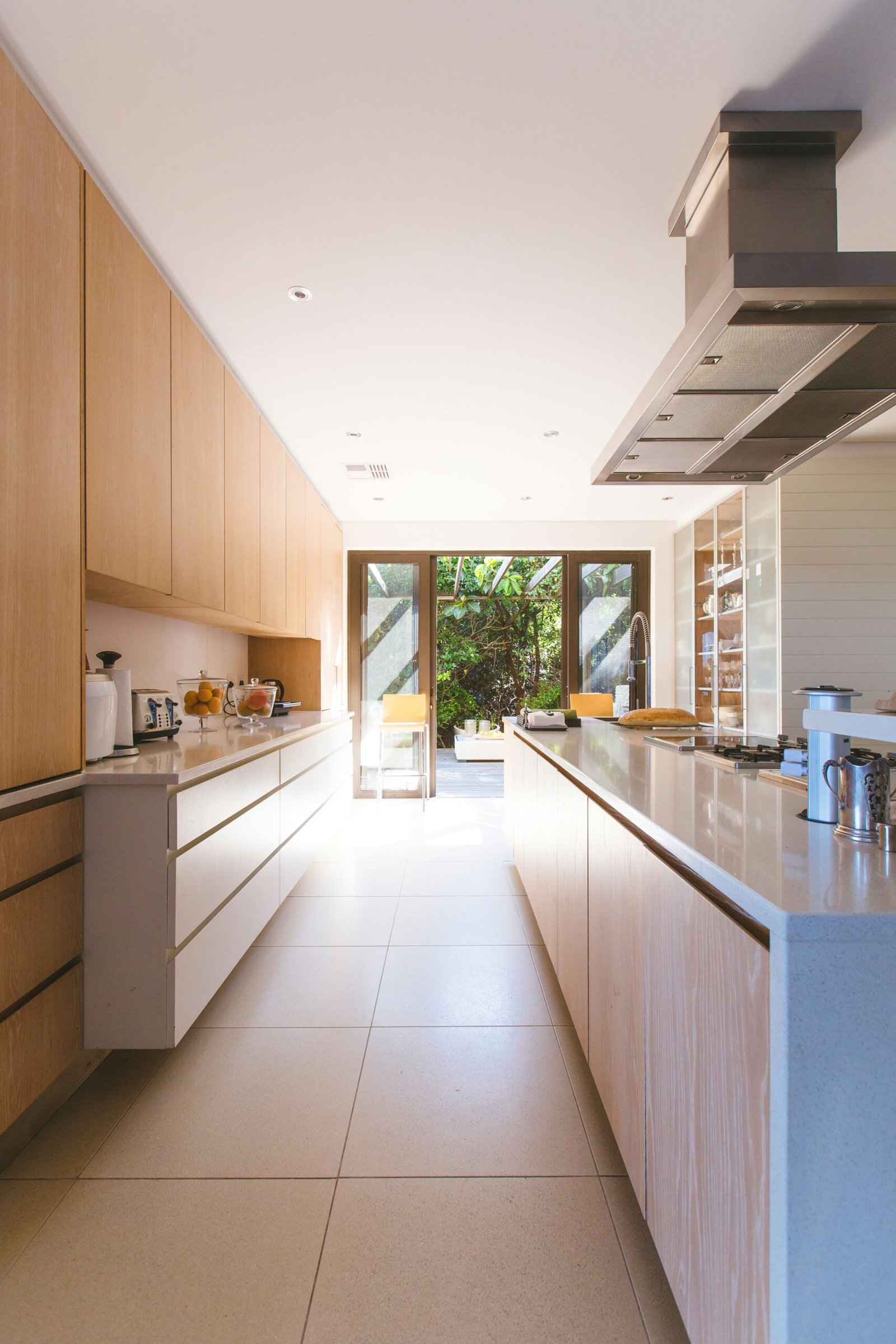
The galley layout, characterized by two parallel walls, promotes an efficient workspace that can streamline cooking activities. This design is favored in smaller homes or apartments, where maximizing space is paramount. The narrow configuration allows for effective movement and ensures that everything is within easy reach, further enhancing kitchen safety and usability.
When selecting a kitchen layout, it is essential to consider not only functionality but also the overall flow of your home. An ideal design will encourage movement, facilitate social interactions, and harmonize with the adjacent dining and living areas. By prioritizing these aspects, you can create a kitchen space that is both practical and visually appealing.
Choosing the Right Color Palette
The color palette of a kitchen plays a prominent role in defining the ambiance and functionality of the space. When selecting colors, it is essential to consider color psychology, as different hues can evoke specific emotions and influence behavior. Warm colors, such as reds, yellows, and oranges, can create a welcoming and energetic atmosphere, while cool tones like blues and greens promote tranquility and cleanliness. These psychological effects can significantly affect how one experiences cooking and socializing in this vital area of the home.
To achieve a harmonious kitchen design, it is advisable to choose a cohesive color scheme that incorporates an assortment of shades. For cabinetry, consider timeless neutrals paired with bold accent colors to add character without overwhelming the senses. White, beige, and gray are excellent choices for cabinets, creating a clean backdrop that allows accent colors to shine. For walls, soft pastels can foster an inviting space, whereas deeper hues provide a dramatic contrast. Choosing the right shades remains pivotal to maintaining visual balance within the kitchen.
Furthermore, employing contrasting colors and varying textures can enhance visual interest in your cooking space. A combination of light and dark shades, such as navy blue cabinets alongside crisp white walls, can create depth and intrigue. Incorporating materials with distinct textures, like matte finishes paired with glossy tiles, can also contribute to a dynamic aesthetic. When brainstorming kitchen design, ensure that the selected colors not only align with personal preferences but also contribute to the kitchen’s functionality and overall design cohesion.
In conclusion, the careful selection of a color palette, rooted in color psychology and mindful of visual harmony, can significantly elevate the kitchen experience. By thoughtfully choosing colors and integrating contrasting elements, your cooking space can become a vibrant, inviting hub for culinary creativity and social gatherings.
Maximizing Storage Solutions
Creating an efficient kitchen is often contingent upon maximizing available storage solutions. In modern homes, where space can be limited, innovative design can play a significant role in maintaining organization and functionality. One effective way to enhance storage is through the use of cabinets equipped with pull-out shelves. These shelves allow for easy access to items that might otherwise be hidden in the back, making it convenient to retrieve pots, pans, or kitchen gadgets. Additionally, these cabinets can be customized to fit any space, allowing homeowners to utilize every inch more effectively.
Vertical storage is another key solution for optimizing space in the kitchen. This can be achieved by installing high shelves, stacking pots and pans, or using wall-mounted racks for utensils and spices. Utilizing vertical wall space not only prevents clutter on countertops but also promotes an organized environment where everything has its designated place. Consider incorporating open shelving as well, which has the added benefit of showcasing beautiful dishware or cookbooks while providing accessibility.
Under-counter storage is also crucial when tackling the challenge of a compact kitchen. This area can be cleverly utilized by installing drawers or custom cabinets that fit snugly beneath countertops. Pull-out bins for recycling and waste, as well as sliding shelves for larger appliances, can increase efficiency and reduce the visual clutter often associated with limited space. Investing in these undercounter solutions enhances the overall functionality of the kitchen, ensuring users can navigate their cooking space with ease.
Overall, by integrating pull-out shelves, vertical storage options, and under-counter solutions, homeowners can significantly maximize their kitchen storage potential. This strategic approach fosters an organized, efficient cooking environment, proving that thoughtful design can lead to a delightful cooking experience.
Incorporating Functional Lighting
Effective lighting is a pivotal component in kitchen design, as it not only enhances the functionality of the space but also contributes to the overall atmosphere. When considering lighting in your kitchen, it is essential to incorporate three main types: ambient, task, and accent lighting. Each type plays a distinct role in creating a well-rounded lighting scheme.
Ambient lighting serves as the primary source of illumination for the kitchen, providing a soft, diffused light that fills the entire space. Recessed ceiling lights or flush-mounted fixtures are commonly used to achieve this effect. When selecting ambient lighting fixtures, consider those that harmonize with the kitchen’s design aesthetic, ensuring they complement the cabinetry, countertops, and overall decor.
Task lighting, on the other hand, is crucial for specific activities such as cooking or food preparation. Under-cabinet lighting is particularly effective for illuminating countertops, making it easier to see what you are doing while chopping vegetables or reading recipes. Pendant lights over an island or breakfast bar can also offer targeted illumination, enhancing functionality without sacrificing style.
Accent lighting adds visual interest and can highlight architectural features, artwork, or decorative elements in the kitchen. Consider using LED strip lights on shelves or within cabinets to draw attention to these areas, contributing to the overall aesthetic of the space.
Natural light is an invaluable asset in kitchen design. It not only provides sufficient brightness during the day but also creates a warm and welcoming environment. To maximize natural light, opt for large windows or glass doors where possible, and use lighter color palettes for walls and furnishings to reflect light effectively. Additionally, consider using mirrors strategically to amplify light and give the illusion of a more spacious kitchen.
By understanding and intentionally incorporating these different lighting types, you can create a kitchen that is both functional and inviting, enhancing your cooking experience.
Choosing the Right Materials and Finishes
Selecting the appropriate materials and finishes for your kitchen design is a pivotal step that significantly influences both the aesthetics and practicality of the space. Countertops, cabinetry, flooring, and backsplashes each serve a unique purpose and contribute to the overall ambiance of your kitchen.
When considering countertops, options such as granite, quartz, and butcher block are popular for their combination of beauty and resilience. Granite offers a luxurious appearance along with heat and scratch resistance, while quartz provides a non-porous surface that is easy to maintain. Butcher block can add warmth and texture but requires regular upkeep to preserve its integrity. The choice of countertop material should align with your cooking habits and style preferences to enhance functionality while maintaining visual appeal.
Cabinetry is another essential element to contemplate. Solid wood cabinets can deliver timeless charm, yet they come with a higher price tag and require maintenance. On the other hand, laminate or MDF (medium-density fiberboard) options are often more budget-friendly and come in various finishes that mimic the look of traditional wood. The finish of the cabinetry, whether matte or glossy, will also impact the overall design, reflecting either a contemporary or classic vibe.
The flooring in your kitchen must endure high traffic and potential spills, making durability crucial. Porcelain tiles and luxury vinyl planks stand out as practical options due to their water resistance and easy cleaning characteristics. They come in numerous designs that can emulate natural wood or stone, allowing for a cohesive and elegant look.
Lastly, the backsplash serves both a functional and decorative purpose. Materials like ceramic tile, glass, and stainless steel can enhance visual interest while protecting walls from moisture and splatters. Choosing colors and patterns that complement the overall design of the kitchen ensures a seamless integration of all elements.
Ultimately, a balanced selection of materials and finishes will harmonize beauty and functionality in your kitchen design.
Creating a Cohesive Design Style
When embarking on a kitchen design project, selecting a cohesive design style is paramount to achieving a harmonious space that reflects personal taste while remaining functional. Popular styles such as modern, traditional, and farmhouse offer a broad range of aesthetic possibilities. Each style is characterized by distinct elements that can be effectively utilized to create a unified look. For instance, a modern kitchen often features clean lines, minimalist designs, and stainless-steel appliances, whereas a traditional kitchen may incorporate intricate woodwork, classic cabinetry, and timeless fixtures. The farmhouse style, on the other hand, emphasizes rustic charm with features like open shelving, distressed finishes, and natural materials.
To achieve a cohesive design, begin by selecting a primary style that resonates with your preferences. Once established, consider the implications this choice will have on all aspects of the kitchen, including cabinetry, countertops, and backsplash materials. Consistency is essential; therefore, choose a color palette that complements your selected style and is visible throughout various elements of the kitchen. For example, if embracing a modern style, opt for neutral tones accented with bold, geometric patterns.
Furthermore, blending different design elements can be achieved by ensuring at least one component resonates with the chosen style across all areas. For example, incorporating modern lighting fixtures can enhance the overall aesthetic of a traditional kitchen, creating an intriguing contrast while maintaining visual cohesion. It’s also important to be mindful of appliances; select those that match the overall design theme—stainless steel for modern kitchens, and retro-inspired models for farmhouse styles—so that all components come together seamlessly. By thoughtfully considering the integration of different design aspects, you will cultivate a kitchen space that not only meets functional needs but also embodies a coherent and inviting atmosphere.
Incorporating Technology into Kitchen Design
The modern kitchen has evolved from a mere cooking space into a multifunctional hub that seamlessly integrates technology. As homeowners increasingly prioritize efficiency and convenience, the role of technology in kitchen design cannot be overstated. Smart appliances, such as refrigerators that monitor inventory, ovens that can be controlled via mobile applications, and dishwashers that optimize energy use, are just a few examples of how technology can enhance the culinary experience. These innovations not only make cooking easier but also promote energy efficiency, aligning with sustainable living principles.
Incorporating technology into kitchen design starts with understanding the specific needs of the household. For instance, busy families may benefit from smart cooking gadgets that simplify meal preparation, while someone who enjoys gourmet cooking might appreciate advanced temperature control technologies. Integration of voice-activated assistants can also streamline kitchen tasks, allowing users to set timers, access recipes, and manage inventory hands-free, paving the way for a more organized cooking environment.
To ensure that these technological elements blend seamlessly with the overall design, it is essential to choose appliances that complement both style and functionality. For a modern aesthetic, sleek, stainless steel finishes or integrated units that hide technology within cabinetry can be effective. Additionally, prioritizing wireless connectivity will minimize visible cords and create a cleaner look, which is particularly important in open-concept spaces.
The placement of technology is another crucial aspect of integrating these innovations into the kitchen. Smart devices should be easily accessible yet unobtrusive, allowing for a harmonious design that does not overwhelm the senses. In conclusion, successfully incorporating technology into kitchen design requires a balanced approach, focusing on the aesthetics, functionality, and user experience, ultimately transforming the cooking space into a contemporary, efficient area. Embracing innovation will not only enhance convenience and safety but also elevate the overall culinary experience.
Personalizing Your Kitchen Space
Creating a kitchen that not only functions effectively but also reflects your unique personality is essential in making the cooking space feel like home. Personalization can be achieved through various design elements that incorporate your tastes and preferences while enhancing functionality.
One effective way to add personal touches to your kitchen is through artwork. Consider hanging paintings, photographs, or prints that resonate with your aesthetic. These elements can provide a vibrant focal point and stimulate creativity within the space. For a more contemporary look, opt for themed artwork that aligns with the culinary atmosphere, such as food photography or abstract designs inspired by your favorite ingredients.
Additionally, incorporating decorative kitchen tools can contribute to the character of your kitchen. Choose utensils, pots, and pans that not only serve practical purposes but also showcase your style. For instance, colorful ceramics or unique cutting boards can serve as both functional items and decorative accents. Display them prominently on open shelves or kitchen islands to create visual interest.
Another potent avenue for personalization is through decorative accents. Items such as patterned dish towels, personalized placemats, or even a statement vase can introduce color and character into the kitchen. Consider incorporating elements that have sentimental value, such as heirloom kitchenware or souvenirs from travels, which can spark conversations and add a layer of warmth to the design.
While personalization can enhance the aesthetic appeal of your kitchen, it is vital to maintain a balance between personal expression and functional design. Ensure that the chosen elements do not clutter the space or impede functionality; rather, they should complement the kitchen’s workflow. Thoughtful integration of personal style and practicality will yield a space that is both visually pleasing and enjoyable to cook in.