

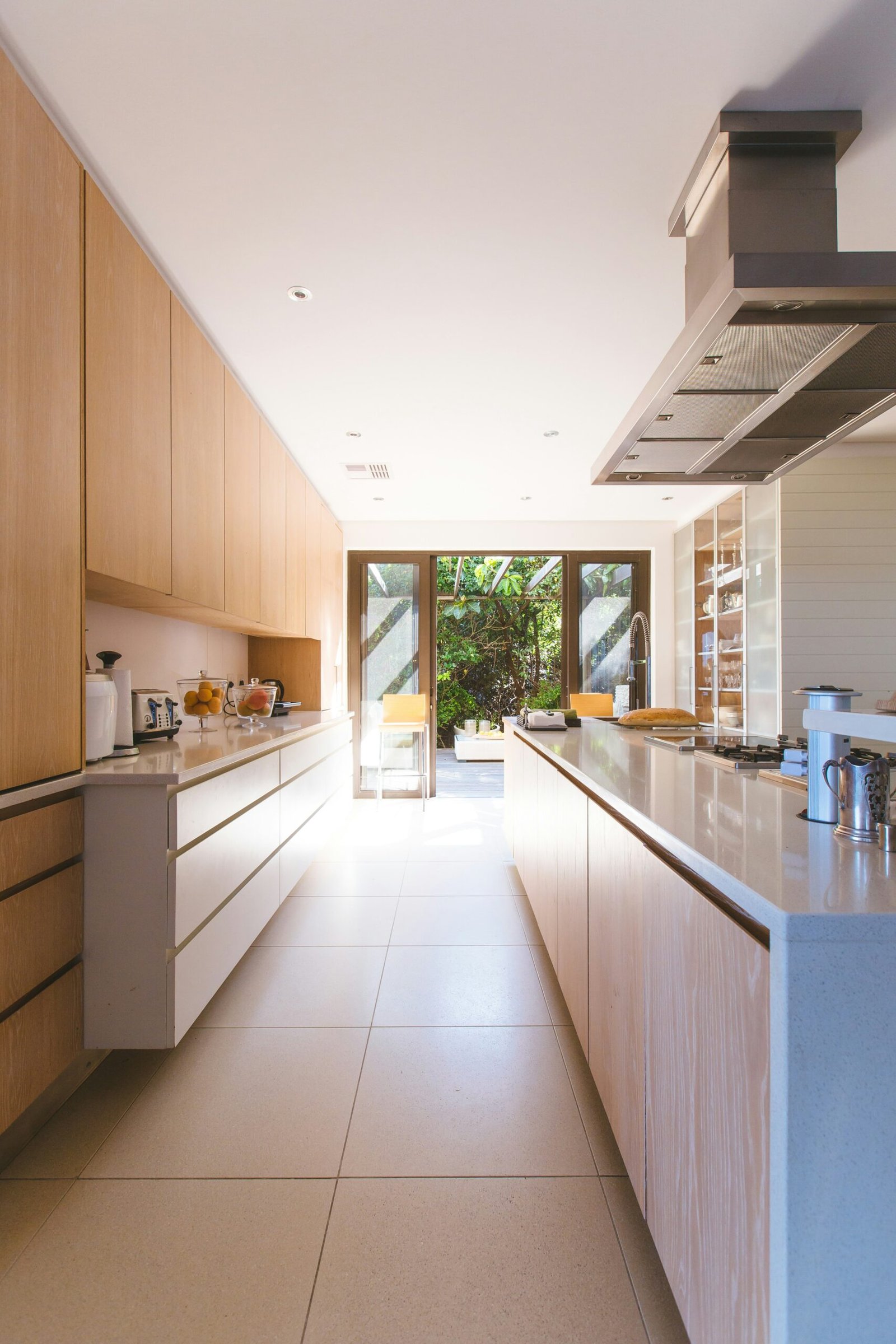
white wooden kitchen island and cupboard cabinets near glass panel door

Ultimate Guide to Designing Your Dream Kitchen

Understanding Your Needs and Style

Designing your dream kitchen begins with a comprehensive assessment of your personal needs and preferences. The kitchen serves as a central hub for family interactions and culinary activities, so it’s essential to reflect on how you envision using this space. For instance, consider your cooking habits—if you enjoy preparing gourmet meals, a layout that enhances workflow and offers ample counter space is crucial. Alternatively, if your kitchen serves primarily for quick meals and gatherings, an open design might better suit your lifestyle.

Your family size and dynamics also significantly influence your kitchen design. A larger family may require more storage and seating arrangements, while a smaller household might benefit from a more minimalist approach. Evaluating these aspects will guide you toward a kitchen that is both functional and accommodating to everyday life.

Additionally, choosing a kitchen style that resonates with you is vital. Options abound, ranging from modern designs characterized by sleek lines and innovative materials to rustic styles that exude warmth through natural elements. Traditional kitchens often blend classic design with contemporary functionality. To determine what appeals to you, consider creating a mood board that incorporates images, colors, and textures that inspire you. This visual representation can serve as a powerful guide as you explore different styles and find the one that aligns with your vision.

In summary, understanding your needs and style preference is a foundational step in kitchen design. By reflecting on your lifestyle, family requirements, and desired aesthetics, you can create a kitchen that is not only beautiful but also perfectly tailored to your life. Taking the time to evaluate these elements will facilitate a thoughtful selection process, ensuring your dream kitchen becomes a reality.

Setting a Realistic Budget

Establishing a realistic budget is a fundamental step in the kitchen design process, as it lays the groundwork for a successful project. First, it is essential to assess the overall costs associated with materials, appliances, and labor. Begin by researching the price ranges for countertops, cabinetry, flooring, and fixtures. It is advisable to collect multiple quotes from local suppliers to get a clear understanding of current market rates.

Next, allocate specific amounts for essential features versus luxury upgrades. Essential features typically include key items such as cabinets, countertops, and appliances that are necessary for functionality. Luxury upgrades may involve high-end appliances, custom cabinetry, or designer fixtures that enhance aesthetic appeal but may not be crucial for day-to-day operation. Prioritizing these elements helps you remain within budget while ensuring that the essentials are adequately met.

While planning your kitchen design budget, it is prudent to incorporate a contingency fund, ideally around 10% to 20% of your total budget. This allowance serves as a safety net against unforeseen expenses, such as unexpected structural issues or changes in material costs. Kitchen renovations can often lead to surprises, and having funds earmarked for these incidents can alleviate stress and prevent project delays.

Moreover, consider timelines and start dates, as these can significantly impact your budget. Aligning your remodeling project with local contractor schedules may yield better pricing or availability. Furthermore, be open to compromise; if costs become prohibitive, reassess your choices regarding materials or finishes. By carefully planning your budget and making informed decisions, you can ensure that your dream kitchen remains within reach while meeting your financial expectations.

Choosing the Right Layout

The layout of a kitchen plays a pivotal role in its functionality and overall aesthetic appeal. There are several popular kitchen layouts to consider when designing your dream kitchen, including U-shape, L-shape, and galley configurations. Each of these designs comes with its own set of advantages and disadvantages, making it essential to understand them in order to select the best layout for your home.

The U-shape kitchen is characterized by three adjoining walls of cabinets and appliances, forming a U-like structure. This layout is ideal for maximizing storage and countertop space, allowing for a highly functional work triangle between the sink, stove, and refrigerator. However, its spacious design may not be suitable for smaller homes where space is limited.

On the other hand, the L-shape kitchen utilizes two adjacent walls, creating an open floor plan that promotes easy movement within the kitchen. This layout is particularly beneficial for smaller areas since it provides a sense of openness while maintaining an efficient workspace. The downside is that it may require additional planning for storage and countertop area, as it typically offers less surface space compared to a U-shape kitchen.

Another common layout is the galley kitchen, which consists of two parallel walls. This design fosters an efficient workflow, with all key appliances and work surfaces within easy reach, making it ideal for cooking enthusiasts. However, the narrow design can feel cramped, especially in larger households, making it less suitable for entertaining or socializing.

When choosing a kitchen layout, it is critical to assess your individual lifestyle, the size of your kitchen, and how you intend to use the space. By carefully considering these factors, you can select a layout that not only maximizes functionality but also reflects your personal style.

Selecting Materials and Finishes

When designing your dream kitchen, the selection of materials and finishes is a critical step that greatly influences both functionality and aesthetic appeal. With a myriad of options available, it is essential to consider durability, maintenance, and style as primary factors in your choices. Kitchen countertops, cabinets, flooring, and backsplashes are pivotal elements where the right materials can enhance the overall design.

Countertops serve as both a workspace and a focal point in the kitchen. Popular materials include granite, quartz, and marble, each offering distinct benefits. Granite is renowned for its heat and scratch resistance but requires regular sealing for maintenance. Quartz, a man-made stone, is non-porous and comes in a variety of colors, making it an attractive low-maintenance option. Marble, while elegant, is more susceptible to stains and scratches, making it less practical for high-use areas.

Cabinets, which largely dictate the room’s ambiance, can be crafted from solid wood, plywood, or engineered materials. Solid wood provides a classic appeal and durability, whereas plywood is often more budget-friendly. Furthermore, selecting a finish for cabinets—whether it be paint, stain, or laminate—can drastically impact the kitchen’s appearance. A cohesive look can be achieved through consistent colors and finishes across cabinetry and countertops.

Flooring options span from hardwood to tile and vinyl. Hardwood lends warmth and charm, though it is sensitive to moisture. Tile flooring, available in various designs, is highly durable and easy to clean. Vinyl, on the other hand, provides a budget-friendly and versatile alternative that mimics the appearance of natural materials. Lastly, backsplashes, which protect walls from splashes and stains, should complement other materials while adding texture or color through tiles or glass.

In essence, selecting the right materials and finishes requires a balance of durability, maintenance, and aesthetics, allowing for a well-coordinated kitchen that reflects personal style while remaining functional.

Lighting Design Essentials

The role of lighting in kitchen design cannot be overstated; it significantly influences the functionality and overall ambiance of this vital space in any home. An effective lighting plan incorporates three main types: ambient, task, and accent lighting. Each serves a unique purpose and is critical in creating a balanced and inviting kitchen environment.

Ambient lighting provides general illumination, serving as the foundation of your kitchen’s lighting scheme. Common sources include ceiling-mounted fixtures, recessed lights, and pendant lights. These fixtures should offer a warm, welcoming glow that brightens the entire room, facilitating navigation and creating a cozy atmosphere. The placement of ambient lighting should be strategic to minimize shadows and ensure optimal visibility throughout the kitchen.

Task lighting complements ambient lighting by focusing on specific areas where kitchen activities take place, such as countertops, sinks, and cooking zones. Under-cabinet lighting is a popular choice for illuminating work surfaces, making tasks like chopping vegetables or reading recipes easier and safer. Pendant lights above islands or dining areas also serve a dual purpose, providing both task and ambient elements while enhancing aesthetic appeal.

Accent lighting is often underestimated, yet it plays a pivotal role in showcasing design elements such as cabinetry, artwork, or architectural features. It can be achieved through adjustable spotlights, strip lights, or decorative fixtures. By employing accent lighting thoughtfully, homeowners can create visual interest and depth in their kitchen, highlighting its unique design.

Layering these lighting types ensures a versatile environment where functionality meets style. Additionally, considering energy-efficient options, such as LED fixtures, promotes sustainability and reduces energy costs. With the right combination of ambient, task, and accent lighting, designing a dream kitchen becomes an achievable reality, transforming the heart of the home into a more functional and inviting space.

Incorporating Storage Solutions

Maximizing space and improving organization are essential elements in designing a dream kitchen. By thoughtfully incorporating effective storage solutions, homeowners can create a functional and aesthetically pleasing environment. To begin, various types of cabinetry play a crucial role in storage optimization. The choice between traditional cabinets and contemporary designs can significantly impact the overall kitchen functionality. Opting for deeper cabinets or cabinetry with pull-out shelves allows for easier access to kitchen essentials, minimizing clutter and maximizing space utilization.

Custom shelving solutions further enhance the kitchen’s utility. Tailoring shelves to accommodate specific items, such as pots, pans, or spices, promotes an organized atmosphere. Additionally, incorporating open shelves creates a visually appealing storage option while making frequently used items easily accessible. When designing shelving, it is important to consider the overall kitchen style and the materials used, as this will impact both function and aesthetic appeal.

Innovative storage ideas, such as pull-out cabinets and under-counter storage, significantly contribute to creating a clutter-free kitchen. Pull-out cabinets allow for efficient organization of items, ensuring that everything has a designated spot and reducing the chances of misplacement. Utilizing under-counter space for storing rarely used items can keep countertops open and maintain a streamlined look. It’s also prudent to consider vertical space. Installing cabinets that extend to the ceiling not only provides additional storage but also creates the illusion of a larger space, enhancing the kitchen’s overall appeal.

Lastly, the process begins with decluttering. Assessing the items in the kitchen allows homeowners to determine which items are essential and which can be removed or relocated. By integrating these storage solutions and focusing on organization, designing a dream kitchen becomes an achievable goal, facilitating both functionality and elegance.

Choosing Appliances for Efficiency

When designing your dream kitchen, selecting appliances that maximize both functionality and energy efficiency is paramount. Modern trends in kitchen appliances underscore the importance of integrating advanced technology with domestic convenience. Energy-efficient appliances not only contribute to a sustainable environment but also significantly reduce utility bills over time. An array of options exists, from ENERGY STAR certified models to smart appliances that offer real-time energy consumption data, allowing homeowners to monitor usage effectively.

One key consideration in your selection process is the size of the appliances. It is essential to match the size of your kitchen and your cooking habits. For instance, larger households may benefit from substantial refrigerators and ranges, while smaller spaces can often accommodate compact models. However, efficiency should not be sacrificed for size. Many manufacturers now offer energy-efficient units in smaller sizes, ensuring that even limited spaces can deliver excellent performance without excessive energy use.

In addition to size, the style and features of appliances should align with your personal cooking habits and preferences. If you frequently prepare elaborate meals, look for appliances equipped with multifunctional capabilities, such as an oven that doubles as a microwave or an induction cooktop that offers rapid heating. Furthermore, consider investing in smart appliances that integrate with home automation systems. These devices can optimize cooking times, suggest recipes based on available ingredients, and even remotely control your kitchen’s operations, all of which enhance the overall efficiency of your kitchen environment.

Overall, when choosing appliances, prioritize models that reflect a balance of energy efficiency, adequate size, compatibility with your cooking style, and the latest advancements in technology. Doing so will streamline your kitchen’s functionality and support an eco-friendlier lifestyle.

Personalizing Your Space

When it comes to designing your dream kitchen, personalization is key to creating a space that truly reflects your character and lifestyle. The integration of decorative elements plays a significant role in achieving this goal. One of the primary aspects of personalization is selecting a color scheme that resonates with your preferences. Whether you lean towards bold, vibrant hues or prefer a more subdued palette, the right colors can set the tone for the entire kitchen environment.

Artwork also serves as a powerful medium for self-expression in kitchen design. Consider incorporating pieces that tell a story or evoke memories, such as landscape paintings, culinary-themed prints, or custom-made installations. These artistic elements can not only beautify your space but also create a conversational piece that connects with guests and family members alike.

Accessories further enhance the personalized touch in your kitchen. From decorative dishware to unique storage solutions, every item can contribute to the overall aesthetic. Choose items that reflect your taste, whether it’s rustic charm, modern minimalism, or eclectic flair. Keep in mind that effective use of textures and patterns, such as combining wood with metal or mixing various textiles, can add depth to the design.

However, while aesthetics are important, functionality should not be overlooked. It is crucial to strike a balance between visual appeal and practical use. For instance, choosing stylish storage options that also provide easy access to frequently used items can enhance both the look and usability of the kitchen. This ensures that your personalized space is not only beautiful but also a practical hub for cooking and gathering.

Ultimately, the goal of personalizing your kitchen design is to create a space that is uniquely yours. By thoughtfully selecting colors, artwork, and accessories, you can craft a kitchen that embodies your personality while remaining functional for everyday living. Remember, this is your dream kitchen, and it should reflect who you are.

Final Steps and Project Management

Once the design of your dream kitchen is finalized, the next step involves meticulous project management to bring the vision to reality. This phase is critical, as it encompasses hiring the right professionals, maintaining timelines, and ensuring that the overall quality meets expectations. When considering contractors and designers, conduct thorough research to examine their portfolios and customer reviews to determine their suitability for your project. Interviews with potential candidates are vital, as they facilitate discussions of ideas, budgets, and project scope, allowing you to gauge their compatibility with your vision. Remember to ask for references and confirm certifications to ensure you are engaging experienced professionals.

Establishing a realistic timeline is essential to keep the project on course. Use a project management tool or a simple timeline document to outline key milestones, such as initial meetings, design approvals, procurement of materials, and construction phases. Break down the tasks into manageable segments and assign deadlines to each, ensuring that every component is accounted for. Regular check-ins with your hired professionals will help maintain progress and make adjustments necessary to stay on track.

Quality control is of utmost importance during this final phase. Conduct regular site visits to monitor progress and address issues immediately, favoring open communication with your team. Upon completion, execute a thorough final inspection. Assess every aspect of the kitchen, from cabinetry to plumbing, verifying that all is in accordance with your initial plans. After all is completed, develop a maintenance plan that includes regular inspections and updates to preserve the quality of your new kitchen. This will ensure that the space remains functional and aesthetically pleasing for many years, affording you the enjoyment and comfort envisioned in your dream kitchen.

Scroll to Top