home decor

Exploring the Timeless Appeal of Contemporary Style

The Essence of Contemporary Style

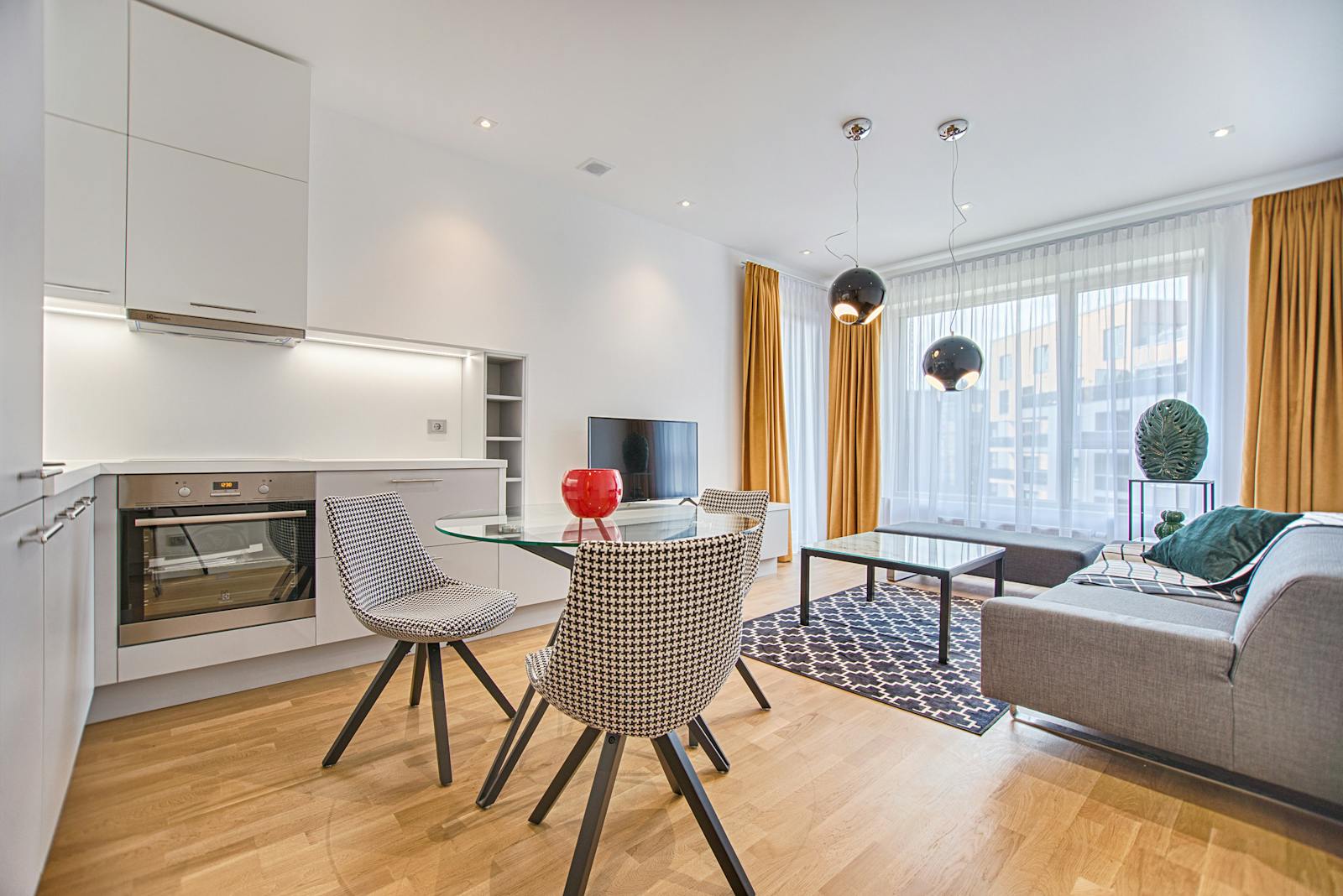
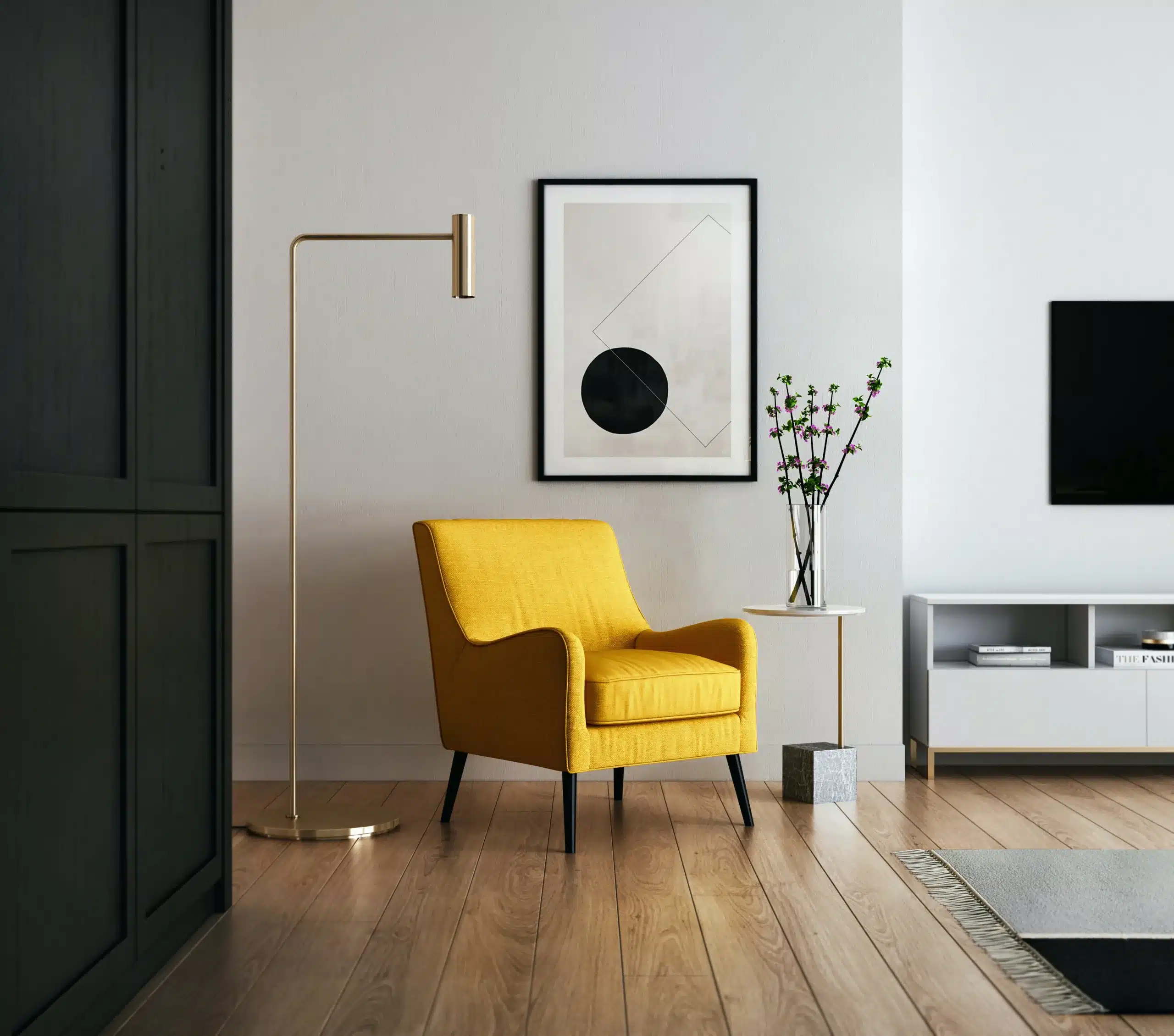
Contemporary style is a design aesthetic that has stood the test of time, captivating homeowners and interior designers alike with its clean lines, sleek finishes, and minimalist approach. This modern and versatile style is characterised by its emphasis on simplicity, functionality, and the use of neutral colours. In this blog post, we will delve into the essence of contemporary style and explore its enduring appeal.

Key Elements of Contemporary Style

Contemporary style embraces simplicity and eschews excessive ornamentation. It focuses on creating a sense of open space, light, and airiness. Here are some key elements that define contemporary style:

  1. Clean Lines: Contemporary design is characterised by straight lines and smooth surfaces. Furniture and architectural elements feature clean, crisp edges, creating a sense of order and simplicity.
  2. Neutral Colour Palette: Contemporary interiors often utilise a neutral colour scheme, including shades of white, beige, grey, and black. These colours create a calm and serene atmosphere, allowing other design elements to take centre stage.
  3. Minimalism: Less is more in contemporary style. Clutter is avoided, and only essential furniture and accessories are incorporated. The focus is on functionality and creating a sense of spaciousness.
  4. Materials: Contemporary design incorporates a variety of materials, such as glass, metal, and natural woods. These materials add texture and visual interest to the space.
  5. Open Floor Plans: Contemporary style often embraces open floor plans, blurring the boundaries between different living spaces. This creates a seamless flow and enhances the sense of spaciousness.

The Timeless Appeal of Contemporary Style

Contemporary style has a timeless appeal that transcends trends and fads. Here are some reasons why it continues to be a popular choice for homeowners:

1. Versatility:

Contemporary style is incredibly versatile, making it suitable for a wide range of spaces. Whether you have a small apartment or a spacious home, contemporary design can be adapted to suit your needs. Its clean lines and neutral colour palette provide a blank canvas that can be personalised with pops of colour or unique accessories.

2. Timelessness:

Unlike some design styles that may feel dated after a few years, contemporary style has a timeless quality. Its emphasis on simplicity and functionality ensures that it remains relevant and fresh, even as design trends come and go. This makes it a wise, long-term investment for homeowners who want a look that will stand the test of time.

3. Serenity and Simplicity:

In a fast-paced world, contemporary style offers a much-needed sense of calm and tranquilly. The clean lines, open spaces, and neutral colour palette create a serene environment that promotes relaxation and mindfulness. This aesthetic is particularly appealing for those seeking a sanctuary from the chaos of everyday life.

4. Easy Maintenance:

Contemporary style often prioritises functionality and practicality. The minimalist approach means that there are fewer items to clean and maintain, making it easier to keep your space looking tidy and organised. This is especially advantageous for busy individuals or those who prefer a low-maintenance lifestyle.

Bringing Contemporary Style into Your Home

If you’re inspired by the timeless appeal of contemporary style, here are some tips for incorporating it into your own home:

  • Start with a neutral colour palette as a base, and add pops of colour through accessories or artwork.
  • Select furniture with clean lines and minimal ornamentation.
  • Use materials such as glass, metal, and wood to add texture and visual interest.
  • Declutter and keep only essential items on display to maintain a sense of spaciousness.
  • Consider an open floor plan or create the illusion of open space by using light colours and strategic placement of furniture.

By incorporating these elements, you can create a contemporary space that is both stylish and timeless.

Contemporary style continues to be a popular choice for homeowners due to its timeless appeal, versatility, and emphasis on simplicity. By embracing clean lines, neutral colours, and minimalism, you can create a space that exudes a sense of calm and tranquilly. Whether you’re starting from scratch or looking to refresh your current space, contemporary style offers a modern and enduring aesthetic that will stand the test of time.

Certainly! Here’s a Frequently Asked Questions (FAQ) section on contemporary style:

Q1: What is contemporary style in interior design?

Contemporary style in interior design refers to the current design trends and styles of the present day. It often features clean lines, open spaces, a neutral colour palette, and a focus on simplicity and functionality.

Q2: How does contemporary style differ from modern style?

While “modern” refers to a specific design period (usually from the early to mid-20th century), “contemporary” is ever-evolving and reflects current design trends. Contemporary design may incorporate elements of modern design but also embrace newer styles and innovations.

Q3: What are the key characteristics of contemporary style?

  1. Clean Lines: Straight and smooth lines contribute to a streamlined appearance.
  2. Neutral Colour Palette: Whites, greys, and beige are commonly used with occasional pops of bold colours.
  3. Open Spaces: Contemporary design often emphasises open floor plans and uncluttered spaces.
  4. Simple and Functional Furniture: Furniture features clean lines and a focus on practicality and comfort.

Q4: Can contemporary style include traditional elements?

Yes, contemporary style can incorporate traditional elements selectively. For example, a contemporary space might feature modern furniture alongside a few carefully chosen traditional pieces to add contrast and character.

Q5: How does lighting play a role in contemporary design?

Lighting in contemporary design is often a focal point. It includes sleek and geometric light fixtures, recessed lighting, and an emphasis on natural light. Statement pendant lights and track lighting are common choices.

Q6: Can contemporary design be warm and inviting?

Absolutely. While contemporary design is known for its clean and minimalist look, warmth can be introduced through the use of textures, textiles, and strategically placed accent pieces. Cosy furnishings and a carefully curated colour palette contribute to an inviting atmosphere.

Q7: What materials are commonly used in contemporary design?

Common materials used in contemporary design include:

  • Metal: stainless steel, chrome, and nickel for a sleek and modern look.
  • Glass: Transparent or frosted glass adds to the open and airy feel.
  • Concrete: used for flooring or countertops, contributing to an industrial aesthetic.

Q8: Can I mix different colours in a contemporary design?

Yes, contemporary design often allows for colour mixing. While a neutral base is common, bold accent colours can be introduced through furnishings, artwork, or accessories to create visual interest and personality.

Q9: How does contemporary design handle artwork and decor?

Artwork in contemporary design is often bold, abstract, or minimalist. Large, statement pieces are favoured. Decor items are kept to a minimum, and when present, they are carefully chosen to complement the overall aesthetic without creating visual clutter.

Q10: Can contemporary style be applied to different rooms in a home?

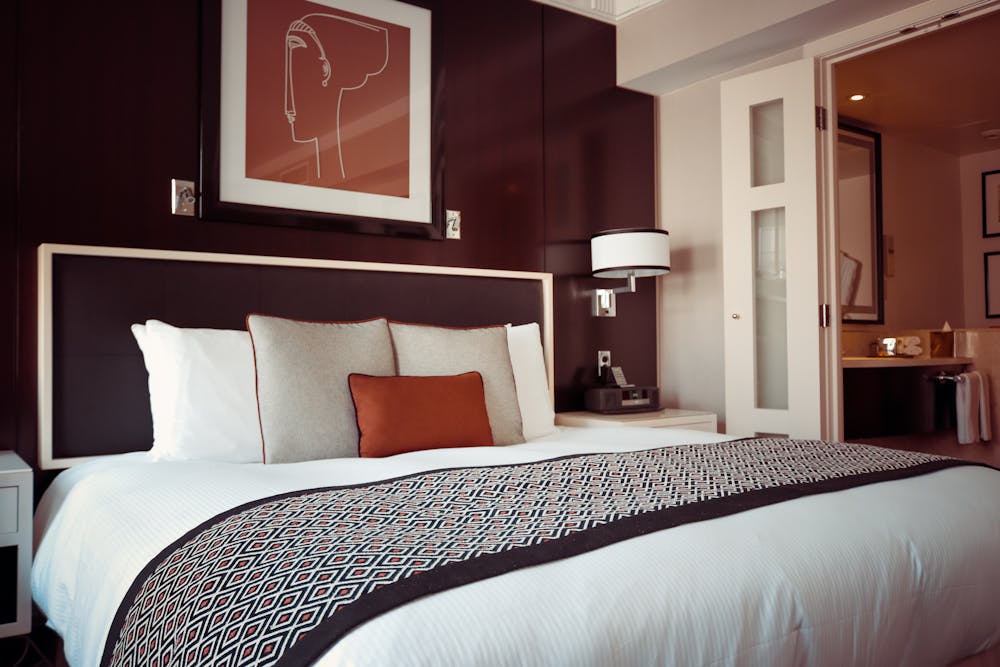
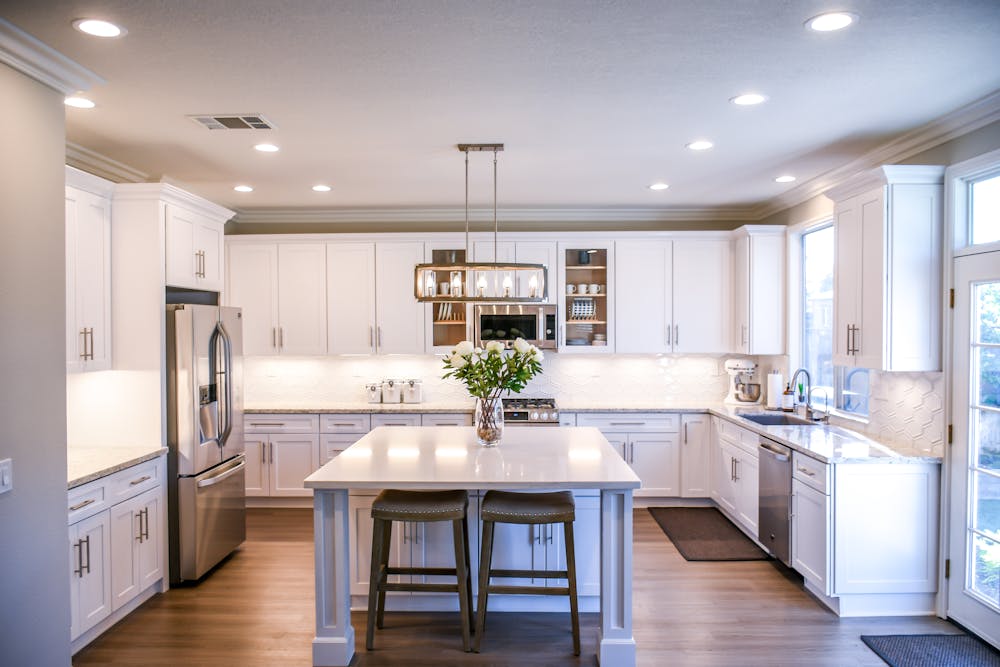
Yes, contemporary style is versatile and can be applied to various rooms. From kitchens with sleek appliances to living rooms with minimalist furniture, and even bedrooms with clean lines and a focus on functionality, contemporary design can adapt to different spaces while maintaining a cohesive look.

Q11: Is sustainable or eco-friendly design compatible with contemporary style?

Yes, contemporary design can incorporate sustainable and eco-friendly elements. Many contemporary designers prioritise environmentally conscious materials, energy-efficient lighting, and sustainable practises to align with the growing emphasis on green living. This integration creates a harmonious blend of modern aesthetics and responsible design choices.

Contemporary style in design encapsulates the spirit of the present moment, embodying the trends and influences of the current time. Rooted in the here and now, contemporary design is dynamic, ever-evolving, and reflects the cutting edge of modern aesthetics.

Characterized by clean lines, a neutral color palette, and a focus on open spaces, contemporary style often emphasizes simplicity and functionality. It borrows elements from various design movements, creating a fluid and eclectic aesthetic that captures the spirit of the present while incorporating innovative materials and technologies.

Contemporary interiors often feature a mix of materials, such as metal, glass, and concrete, contributing to a sleek and sophisticated look. Furniture designs are often simple yet bold, showcasing a balance between form and function. The emphasis on natural light and the creation of open, uncluttered spaces enhance the overall sense of airiness and modernity.

Unlike some design styles that draw inspiration from specific historical periods, contemporary design is in a constant state of evolution. It embraces the latest trends in architecture, furniture design, and technology, reflecting the ever-changing tastes and preferences of the current generation.

In conclusion, contemporary style is a reflection of the present moment, capturing the essence of modern living. Its adaptability, fusion of diverse influences, and commitment to functionality make it a popular choice for those who appreciate a design that is both current and forward-thinking. The dynamic nature of contemporary design ensures its continued relevance and influence in the ever-evolving world of interior aesthetics.

Exploring the Timeless Appeal of Contemporary Style Read More Β»

Embracing the Timeless Charm of Vintage Aesthetics

When it comes to aesthetics, trends come and go, but some styles have a timeless appeal that never fades away. One such style is vintage aesthetics, which has seen a resurgence in popularity in recent years. Whether it’s in fashion, interior design, or photography, vintage aesthetics bring a sense of nostalgia and elegance to any setting. In this blog post, we will explore the allure of vintage aesthetics and how you can incorporate them into your own style.

The Beauty of Vintage

Vintage aesthetics encompass a wide range of eras, from the glamorous 1920s to the retro 1970s. What makes vintage so captivating is its ability to transport us to a different time and evoke a sense of nostalgia for a bygone era. The attention to detail, the craftsmanship, and the unique character of vintage pieces are what set them apart from modern designs.

Whether it’s the intricate lacework of a vintage dress, the ornate carvings on a wooden chest, or the warm tones of a vintage photograph, vintage aesthetics have a distinct charm that can’t be replicated. They add a touch of elegance and sophistication to any space or outfit.

How to Incorporate Vintage Aesthetics

There are many ways to incorporate vintage aesthetics into your own style, whether it’s in your wardrobe, your home decor, or your photography. Here are a few ideas to get you started:

1. Vintage Fashion

One of the easiest ways to embrace vintage aesthetics is through fashion. Look for vintage-inspired pieces or shop for authentic vintage clothing and accessories. Mix and match different eras to create your own unique style. Pair a 1950s-inspired dress with modern accessories for a contemporary twist, or wear a vintage brooch to add a touch of glamour to any outfit.

2. Vintage Home Decor

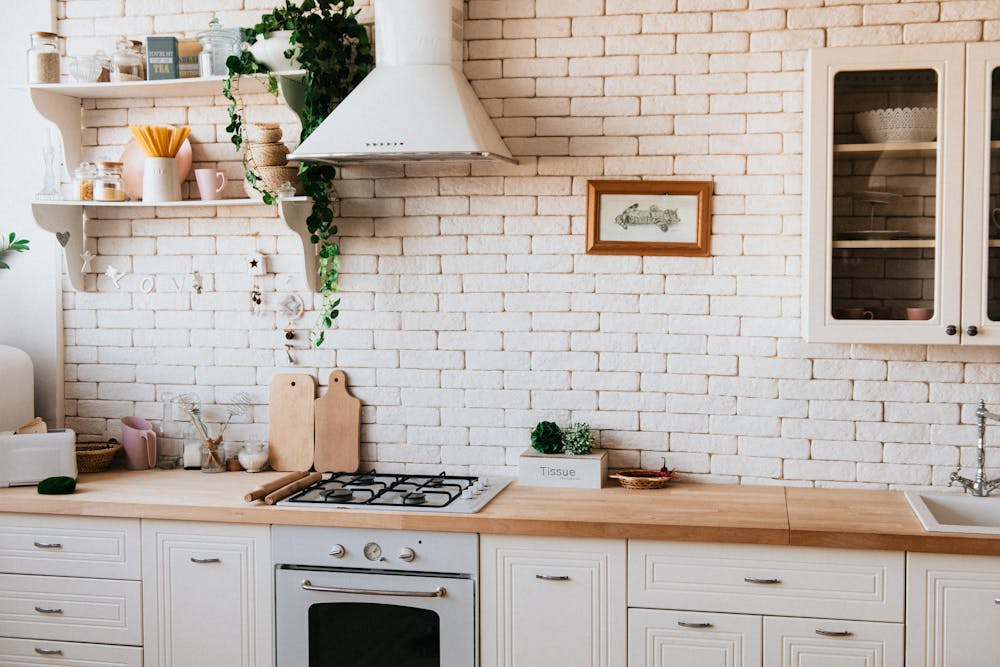
Bring the charm of vintage aesthetics into your home by incorporating vintage-inspired decor. Look for antique furniture, vintage prints, and retro-inspired accessories. Mix vintage pieces with modern elements to create an eclectic and inviting space. Consider using vintage wallpaper, adding vintage-inspired lighting fixtures, or displaying a collection of vintage photographs to create a nostalgic atmosphere.

3. Vintage Photography

If you’re a photography enthusiast, try experimenting with vintage aesthetics in your photos. Use film cameras or filters to achieve a vintage look. Play with the lighting and composition to create a sense of nostalgia. Capture candid moments or recreate vintage-inspired scenes to evoke a specific era. Vintage photography adds a unique and timeless quality to your images.

The Timeless Appeal

What makes vintage aesthetics so appealing is their timeless nature. They transcend trends and create a sense of connection to the past. Vintage pieces have a story to tell, and incorporating them into your style allows you to become a part of that narrative.

Moreover, vintage aesthetics are sustainable. By embracing vintage fashion and decor, you are contributing to a more eco-friendly lifestyle by reusing and repurposing existing items. Vintage pieces are often of higher quality and durability, ensuring that they can be enjoyed for years to come.

Vintage aesthetics offer a unique and timeless charm that appeals to many. Whether it’s in fashion, home decor, or photography, incorporating vintage elements into your style allows you to create a sense of nostalgia and elegance. So why not embrace the beauty of vintage aesthetics and add a touch of timeless charm to your own life?

Q1: What defines the vintage aesthetic? A1: Vintage aesthetics are characterised by a nostalgic and classic style, often drawing inspiration from design trends of past decades, particularly the mid-20th century. It involves incorporating elements, colours, and patterns reminiscent of bygone eras.

Q2: Which time periods are commonly associated with vintage aesthetics? A2: Vintage aesthetics can span various time periods, but commonly referenced eras include the 1920s and 1970s. Each era contributes distinct design elements, from the art deco of the 1920s to the mid-century modern style of the 1950s and 1960s.

Q3: What are the common features of vintage decor? A3: Vintage decor often includes elements such as aged or distressed furniture, retro patterns, muted colour palettes, and classic textiles. Items like vintage posters, mid-century furniture, and antique accessories contribute to the overall aesthetic.

Q4: How can one incorporate vintage aesthetics into modern spaces? A4: Incorporating vintage aesthetics in modern spaces can be achieved through careful selection of furniture, decor, and colour schemes. Mixing vintage pieces with contemporary elements creates a harmonious balance, offering a nostalgic yet updated look.

Q5: What are popular colour schemes in vintage aesthetics? A5: Earthy tones, pastels, and muted colours are commonly associated with vintage aesthetics. Avocado green, mustard yellow, and teal are popular choices, reflecting the colour palettes of mid-century design.

Q6: Where can one find authentic vintage pieces? A6: Authentic vintage pieces can be found in thrift stores, antique shops, flea markets, and online vintage marketplaces. Additionally, some modern retailers offer reproductions or items inspired by vintage design.

Q7: Is there a difference between vintage and antique aesthetics? A7: While both vintage and antique aesthetics involve older design elements, “vintage” typically refers to items from a specific era, often between 20 and 100 years old. “Antique” usually refers to items over 100 years old, often associated with more ornate or classical styles.

Q8: Can vintage aesthetics be combined with other design styles? A8: Yes, vintage aesthetics can be seamlessly combined with various design styles. For example, blending vintage pieces with contemporary or minimalist elements can create a unique and eclectic look.

Q9: Are there DIY projects to achieve a vintage aesthetic? A9: Yes, DIY projects can contribute to a vintage aesthetic. Upcycling old furniture, creating vintage-inspired decor, or using vintage textiles for reupholstering are popular DIY approaches.

Q10: What makes vintage aesthetics appealing to people? A10: Vintage aesthetics appeal to people for their timeless charm, unique character, and the sense of nostalgia they evoke. The style often represents a departure from mass-produced, modern designs, offering a more personalised and curated look.

In conclusion, vintage aesthetics evoke a timeless charm and nostalgic appeal, drawing inspiration from styles of the past, often between the 1920s and 1980s. This design approach celebrates the beauty of well-worn items, craftsmanship, and the stories embedded in vintage pieces. With their eclectic mix of textures, patterns, and carefully curated items, vintage aesthetics create a unique and personalised atmosphere. Whether incorporating antique furniture, retro decor, or salvaged materials, the vintage style allows for a blend of old and new, fostering a sense of warmth and character in any space. By embracing the enduring allure of the past, vintage aesthetics continue to captivate with their ability to transform contemporary settings into inviting, nostalgic retreats.

Embracing the Timeless Charm of Vintage Aesthetics Read More Β»

The Importance of Window Treatments for Your Home

Introduction

When it comes to home decor, one aspect that is often overlooked is window treatments. Window treatments not only add style and beauty to your space, but they also serve practical purposes. From providing privacy to controlling light and temperature, window treatments are an essential part of any home. In this blog post, we will explore the importance of window treatments and why you should consider investing in them for your home.

Enhancing Privacy

Privacy is a top priority for many homeowners. Window treatments such as curtains, blinds, and shades offer a simple yet effective solution to maintain privacy in your home. By choosing the right type of window treatment, you can control the amount of visibility from the outside while still allowing natural light to enter your space. Whether you live in a busy neighbourhood or simply want to create a cosy atmosphere in your bedroom, window treatments can help you achieve the desired level of privacy.

Controlling Light and Glare

Another important aspect of window treatments is their ability to control the amount of light and glare that enters your home. Direct sunlight can be harsh and can cause discomfort, especially during certain times of the day. By installing window treatments such as blinds or shades, you can easily adjust the amount of light that enters your space. This not only helps reduce glare on your TV or computer screens but also protects your furniture and other belongings from fading due to prolonged exposure to sunlight.

Regulating Temperature

Window treatments also play a significant role in regulating the temperature of your home. During hot summer days, window treatments can help block out the sun’s heat, keeping your space cool and comfortable. On the other hand, during the cold winter months, window treatments act as an additional layer of insulation, preventing heat loss and reducing your energy consumption. By properly selecting and using window treatments, you can create a more energy-efficient home while also saving on your utility bills.

Adding Style and Beauty

Besides their practical benefits, window treatments can also enhance the style and beauty of your home. With a wide range of options available, you can choose window treatments that complement your existing decor and reflect your personal style. From elegant curtains to sleek blinds, there are countless designs, colours, and patterns to choose from. By selecting the right window treatments, you can transform your space and create a cohesive and visually appealing look.

Window treatments are an essential part of any home. They offer privacy, control light and glare, regulate temperature, and add style and beauty to your space. Whether you are looking to create a cosy atmosphere in your bedroom or improve the energy efficiency of your home, investing in quality window treatments is a wise choice. So, take the time to explore the various options available and find the perfect window treatments that suit your needs and enhance the overall look and feel of your home.

Certainly! Here’s a Frequently Asked Questions (FAQ) section on window treatments:

Q1: What are window treatments in interior design?

Window treatments are coverings or adornments applied to windows for functional or decorative purposes. They include curtains, drapes, blinds, shades, and other types of coverings.

Q2: What are the different types of window treatments?

  1. Curtains: fabric panels that hang from a rod or track.
  2. Drapes: Heavier, lined curtains are often used for formal settings.
  3. Blinds: horizontal or vertical slats that can be adjusted for light control.
  4. Shades: solid pieces of fabric that can be raised or lowered.

Q3: How do I choose the right window treatments for a room?

Consider the following factors:

  • Functionality: Determine the level of light control, privacy, and insulation needed.
  • Aesthetic: Choose treatments that complement the room’s style and colour scheme.
  • Window Size: Consider the size and shape of the windows when selecting treatments.

Q4: Can window treatments make a room look larger?

Yes, well-chosen window treatments can create an illusion of space. Hanging curtains or drapes above the window frame and extending them beyond the sides can make windows appear larger, giving the room a more spacious feel.

Q5: How can I enhance natural light with window treatments?

  • Sheer Curtains: Use lightweight, sheer fabrics for a soft diffusion of light.
  • Top-Down/Bottom-Up Shades: Allows you to control the entry point of light.
  • Light-Colored Treatments: Opt for light-colored materials that reflect light.

Q6: What window treatments are suitable for bedrooms?

For bedrooms:

  • Blackout Curtains or Shades: Provide maximum light control and privacy.
  • Layered Treatments: Combine curtains with blinds or shades for versatility.
  • Thermal curtains offer insulation and energy efficiency.

Q7: How do I clean and maintain window treatments?

Cleaning methods depend on the type of treatment:

  • Curtains: Many can be machine-washed or dry-cleaned.
  • Blinds: Wipe slats with a damp cloth or use a vacuum with a brush attachment.
  • Shades: Dust or vacuum regularly, and spot clean as needed.

Q8: Can I mix different types of window treatments in one room?

Yes, mixing different types of window treatments can add visual interest. For example, combining blinds with curtains or layering shades with valances can create a stylish and functional look.

Q9: What window treatments are suitable for a modern aesthetic?

For a modern aesthetic:

  • Minimalist Blinds: Simple, clean lines
  • Solar Shades: Provide light control while maintaining a sleek look.
  • Metallic Hardware: Choose modern and streamlined curtain rods.

Q10: How can I make small windows look larger with window treatments?

  • Mount High and Wide: Hang curtains or drapes above and beyond the window frame.
  • Use Light Colours: Opt for light-colored treatments to create an airy feel.
  • Avoid heavy fabrics: Choose lightweight fabrics that won’t overpower small windows.

Q11: Can I use window treatments to add a pop of colour to a room?

Absolutely! Window treatments offer an excellent opportunity to introduce colour. Vibrant curtains or patterned blinds can become a focal point and add personality to the room’s decor.

Window treatments serve as both functional and aesthetic elements in interior design, playing a pivotal role in shaping the atmosphere, light control, and overall visual appeal of a space. Whether it’s curtains, blinds, shades, or a combination of these, the choice of window treatments has a significant impact on the character and functionality of a room.

Functionally, window treatments offer privacy, control over natural light, and insulation. Different styles and materials allow for varying levels of light filtration and temperature regulation, contributing to the overall comfort of the space. For example, heavy curtains may provide insulation and darkness in a bedroom, while sheer drapes can create a light and airy atmosphere in a living room.

Aesthetically, window treatments add a layer of design sophistication, framing and complementing the architectural features of a room. The color, pattern, and texture of curtains or blinds contribute to the overall color scheme and style, enhancing the visual cohesion of the space.

The versatility of window treatments allows for customization based on the specific needs of each room. Tailoring the choice of treatments to the function of the space, the desired level of privacy, and the amount of natural light required ensures a harmonious and purposeful design.

Additionally, window treatments can be used to accentuate the height or width of a window, creating the illusion of more space or emphasizing architectural elements. The careful selection and placement of treatments contribute to the overall design narrative, enhancing the aesthetic and functionality of the room.

In conclusion, window treatments are a multifaceted element in interior design that goes beyond mere practicality. Their role in controlling light, providing privacy, and contributing to the overall aesthetic makes them a crucial component in creating a well-designed and comfortable living space. Thoughtful consideration of window treatments allows for a harmonious integration of function and style, enhancing the overall ambiance of the room.

The Importance of Window Treatments for Your Home Read More Β»

Tips for Effective Furniture Arrangement in Your Home

Furniture arrangement plays a crucial role in creating a comfortable and functional living space. Whether you are moving into a new home or looking to refresh the layout of your current space, proper furniture arrangement can make a significant difference in the overall aesthetics and functionality of your rooms. In this blog post, we will provide you with some useful tips to help you achieve an effective furniture arrangement in your home.

1. Take Measurements

Before you start arranging your furniture, it is essential to measure your space. Measure the dimensions of your room, including the length, width, and height. This will help you determine the size and scale of the furniture pieces that will fit comfortably in the space without overcrowding or making it feel too empty.

2. Consider the Functionality

Think about how you will be using each room and the specific furniture pieces within it. Consider the flow of traffic, the activities that will take place in the room, and the purpose of each piece of furniture. For example, in a living room, the seating arrangement should facilitate conversation and provide a comfortable space for relaxation.

3. Create a Focal Point

Every room should have a focal point that draws attention and anchors the space. It can be a fireplace, a large window with a beautiful view, or a statement piece of furniture. Arrange your furniture around the focal point to create a visually appealing and cohesive look.

4. Consider Traffic Flow

Ensure that there is enough space for easy movement within the room. Avoid blocking doorways or creating obstacles that hinder the flow of traffic. Arrange your furniture in a way that allows people to move freely without bumping into objects or feeling cramped.

5. Balance and Symmetry

Creating a sense of balance and symmetry in your furniture arrangement can contribute to a harmonious and visually pleasing space. Place larger furniture pieces, such as sofas or beds, against the walls to create a solid foundation. Then, add smaller pieces and accessories to balance the overall composition.

6. Consider Proportions

When arranging furniture, consider the proportions of each piece in relation to the size of the room. Avoid overcrowding by selecting furniture that fits the scale of the space. If you have a small room, opt for smaller furniture pieces that won’t overwhelm the area.

7. Experiment with Different Layouts

Don’t be afraid to experiment with different furniture layouts until you find the one that works best for your space. Move furniture around and try out various arrangements to see what feels most comfortable and functional. You may discover new possibilities and find a layout that maximises the potential of your room.

8. Consider the Lighting

Lighting is an essential aspect of furniture arrangement. Take into account the natural light sources in the room and arrange your furniture to make the most of them. Additionally, consider adding artificial lighting, such as lamps or overhead lights, to create a well-lit and inviting atmosphere.

9. Don’t Forget About Storage

When arranging your furniture, consider incorporating storage solutions to keep your space organized and clutter-free. Utilize bookshelves, cabinets, or ottomans with hidden storage compartments to maximize the functionality of your furniture while maintaining a clean and tidy appearance.

10. Personalize Your Space

Finally, don’t forget to add your personal touch to the furniture arrangement. Decorate with items that reflect your style and personality, such as artwork, photographs, or decorative accessories. Make your space feel like home by adding elements that bring you joy and make you feel comfortable.

By following these tips, you can achieve effective furniture arrangement in your home, creating a space that is not only aesthetically pleasing but also functional and comfortable. Remember to consider the size and scale of your furniture, the flow of traffic, and the functionality of each room. Experiment with different layouts and personalise your space to make it truly your own. Happy arranging!

Certainly! Here’s a Frequently Asked Questions (FAQ) section on furniture arrangement:

Q1: Why is furniture arrangement important?

Furniture arrangement is crucial for creating functional, comfortable, and aesthetically pleasing spaces. Proper arrangement enhances traffic flow, maximises space usage, and contributes to the overall design and ambiance of a room.

Q2: What are some basic principles for furniture arrangement?

  1. Functionality: Arrange furniture to serve its intended purpose while maintaining a sense of balance and flow in the room.
  2. Traffic Flow: Ensure there are clear pathways for movement, and arrange furniture to facilitate easy navigation within the space.
  3. Focal Point: Identify and highlight a focal point in the room, such as a fireplace or a prominent piece of furniture.
  4. Balance: Distribute furniture evenly to create a harmonious visual balance.

Q3: How do I arrange furniture in a small space?

In small spaces:

  • Multi-functional Furniture: Use furniture that serves multiple purposes.
  • Vertical Space: Utilise vertical space with wall-mounted shelves and storage.
  • Light Colours: Choose light-colored furniture to create a more open feel.
  • Minimalism: Keep the furniture to a minimum to avoid overcrowding.

Q4: What is the best furniture arrangement for a living room?

For a living room:

  • Conversation Areas: Create conversation areas by arranging seating around a focal point.
  • Traffic Flow: Allow for easy movement between seating and entry points.
  • Balance: Distribute furniture to achieve a balanced and inviting atmosphere.

Q5: How do I arrange furniture in an open-concept space?

In an open-concept space:

  • Define Zones: Use furniture to define different zones for living, dining, and kitchen areas.
  • Rugs: Area rugs can help delineate specific areas within the open space.
  • Consistent Style: Maintain a consistent design style throughout to create visual cohesion.

Q6: What are some common mistakes to avoid in furniture arrangement?

Common mistakes include:

  • Ignoring Scale: Ensure furniture is proportionate to the size of the room.
  • Blocking Traffic Flow: Avoid placing furniture in a way that obstructs natural pathways.
  • Overcrowding: Resist the temptation to overcrowd a room with too much furniture.

Q7: How do I arrange furniture in a bedroom?

In a bedroom:

  • Bed Placement: Position the bed as the focal point and arrange other furniture around it.
  • Nightstands: Place nightstands on either side of the bed for balance and functionality.
  • Dresser Placement: Consider the placement of dressers and wardrobes for easy access.

Q8: What tools or resources can help with furniture arrangement?

Online tools like room planners and virtual design software can assist in visualising different furniture arrangements. Additionally, design magazines and websites often provide inspiration and tips for effective furniture arrangement.

Q9: How often should I change my furniture arrangement?

The frequency of changing furniture arrangements depends on personal preference and lifestyle. Some may enjoy rearranging seasonally, while others may prefer a more stable setup. Consider making changes when you feel the need for a fresh look or improved functionality.

Q10: Can I mix different furniture styles in one room?

Yes, mixing furniture styles can add visual interest and personality to a room. However, it’s important to maintain a sense of cohesion through colourr coordination or common design elements to avoid a chaotic look.

Furniture arrangement is a key element in interior design, significantly influencing the functionality, aesthetics, and overall atmosphere of a space. The way furniture is placed can enhance the flow of a room, optimise functionality, and contribute to a harmonious visual appeal.

Consideration of the room’s purpose and the occupants’ needs is paramount when arranging furniture. For example, in a living room, creating a conversational seating arrangement fosters social interaction, while in a bedroom, optimising the placement of the bed can enhance relaxation and restfulness.

Proper scale and proportion are critical aspects of furniture arrangement. Ensuring that pieces are appropriately sized for the room and each other helps maintain a balanced and visually pleasing composition. Additionally, leaving enough space for easy movement and avoiding overcrowding is essential for both aesthetics and practicality.

The arrangement should also take into account focal points, such as fireplaces, large windows, or architectural features, to draw attention to key elements in the space.

Flexibility is key, as furniture arrangements may need to adapt to different activities or accommodate changes in the household. Thoughtful and versatile arrangements allow for easy reconfiguration without sacrificing the overall design integrity.

In conclusion, furniture arrangement is a dynamic and multifaceted aspect of interior design. A well-thought-out arrangement not only enhances the functionality of a space but also contributes significantly to its visual appeal and the overall comfort of its inhabitants.

Tips for Effective Furniture Arrangement in Your Home Read More Β»

How to Incorporate Secondhand Furniture into Your Interior Design

How to Incorporate Secondhand Furniture into Your Interior Design

[vc_row][vc_column][vc_column_text]How to Incorporate Secondhand Furniture into Your Interior Design[/vc_column_text][vc_empty_space][vc_gallery type=”image_grid” images=”30623,30630,30635″][vc_empty_space][vc_column_text]When it comes to interior design, many people assume that everything needs to be brand new and expensive. However, incorporating secondhand furniture into your design can not only save you money but also add character and uniqueness to your space. In this blog post, we will explore some tips and ideas on how to effectively incorporate secondhand furniture into your interior design.

1. Start with a Plan

Before diving into the world of secondhand furniture, it is important to have a clear plan in mind. Consider the overall style and theme of your space and how the secondhand pieces will fit into it. Create a mood board or gather inspiration from magazines and online platforms to help you visualise the final look.

2. Mix and Match

Don’t be afraid to mix and match different styles and eras. Combining vintage pieces with modern furniture can create a unique and eclectic look. For example, you can pair a mid-century modern coffee table with a contemporary sofa or mix antique dining chairs with a sleek, minimalist table.

3. Refurbish and Repurpose

If you come across a secondhand piece that has great potential but needs some love, consider refurbishing or repurposing it. A fresh coat of paint or new upholstery can completely transform a piece of furniture. Get creative and think outside the box; an old ladder can become a stylish bookshelf, and an antique door can be turned into a unique headboard.

4. Shop at Thrift Stores and Online Marketplaces

Thrift stores, consignment shops, and online marketplaces like Craigslist and Facebook Marketplace are treasure troves for finding secondhand furniture. Take your time to browse through different options and be patient; you never know when you might stumble upon a hidden gem at an affordable price.

5. Consider Quality and Durability

When purchasing secondhand furniture, it is important to consider the quality and durability of the piece. Inspect the item carefully for any damages or signs of wear and tear. Look for solid wood furniture with sturdy construction, as these pieces are more likely to stand the test of time.

6. Don’t Forget About Accessories

Secondhand furniture is not limited to just larger pieces like sofas and tables. Don’t forget about the power of accessories to transformspace. Look for vintage lamps, artwork, mirrors, and decorative items that can add personality and charm to your interior design.

By incorporating secondhand furniture into your interior design, you can create a space that is not only stylish but also sustainable. Give new life to pre-loved pieces and make your home truly one-of-a-kind.

FAQ on Secondhand Furniture in Interior Design

Q1: Why should I consider using secondhand furniture in my interior design?

A1: Secondhand furniture offers unique pieces with character, often at a fraction of the cost of new items. It’s an eco-friendly option, promoting the reuse of resources and reducing the environmental impact of furniture production.

Q2: Where can I find quality secondhand furniture for interior design?

A2: You can find secondhand furniture at thrift stores, consignment shops, online marketplaces (such as Craigslist or Facebook Marketplace), antique stores, and garage sales. Keep an eye out for local auctions and estate sales as well.

Q3: Is secondhand furniture of lesser quality than new furniture?

A3: Not necessarily. Secondhand furniture can vary in quality, just like new furniture. Look for well-made pieces from reputable brands, and carefully inspect items for signs of wear and tear. Vintage or antique furniture, in particular, can be sturdy and well-crafted.

Q4: How can I incorporate secondhand furniture into a cohesive interior design theme?

A4: Start by defining your design style and colourr scheme. Look for second-handd pieces that complement these elements. Mix and match different styles strategically to create a curated, eclectic look. Consider refinishing or repainting items to unify them visually.

Q5: What are some common considerations when buying secondhand furniture?

A5: Check for structural integrity, examine the condition of upholstery or finishes, and be mindful of odours.. Ask about the history of the piece and if it has been in a smoke-free or pet-free environment. Ensure that any necessary repairs are manageable and within your skill level.

Q6: Can I save money by using secondhand furniture in my interior design?

A6: Yes, using secondhand furniture is often more budget-friendly than purchasing new items. You can find high-quality, stylish pieces at a lower cost, allowing you to allocate your budget to other aspects of your interior design.

Q7: How can I refurbish or update secondhand furniture to fit my style?

A7: Consider refinishing wood surfaces, reupholstering cushions, or replacing hardware. A fresh coat of paint can transform the look of a piece. DIY projects are an excellent way to personalise secondhand furniture and make it uniquely yours.

Q8: Are there specific styles or eras of secondhand furniture that are popular in interior design?

A8: Yes, mid-century modern, vintage, and retro styles are often popular choices in interior design. However, the best style is the one that resonates with your preferences and complements the overall design of your space.

Q9: Can secondhand furniture be a sustainable choice for interior design?

A9: Absolutely. Choosing secondhand furniture reduces the demand for new production and minimises the environmental impact associated with manufacturing and transportation. It’s a sustainable option that promotes the circular economy.

Q10: How can I ensure the longevity of secondhand furniture in my interior design?

A10: Regular maintenance, proper cleaning, and addressing any minor repairs promptly can help prolong the life of secondhand furniture. Treat it with care, and it can continue to add character and charm to your space for years to come.

In conclusion, incorporating secondhand furniture into interior design is a sustainable, cost-effective, and aesthetically enriching choice. Embracing pre-owned pieces not only contributes to a more eco-friendly lifestyle by extending the lifespan of furniture but also allows for the creation of unique and characterful living spaces.

Secondhand furniture carries a history and charm that new items may lack, adding a layer of authenticity to your home. Whether it’s a vintage find, an antique treasure, or a well-loved piece with a story, these items can infuse a sense of character and individuality into your living space.

Moreover, opting for secondhand furniture aligns with the principles of the circular economy, reducing the demand for new production and minimizing environmental impact. It’s a conscious choice that goes beyond personal style, resonating with a global movement towards more sustainable and responsible consumer practices.

The availability of secondhand furniture has increased with the rise of online marketplaces, thrift stores, and community exchanges, making it easier than ever to discover hidden gems at affordable prices. The process of curating a collection of secondhand pieces allows for a creative and eclectic mix, showcasing a keen eye for design and a commitment to a more thoughtful way of living.

In essence, integrating secondhand furniture into interior design not only embraces the beauty of imperfections but also contributes to a more mindful and sustainable approach to creating a home that is as environmentally conscious as it is aesthetically pleasing.[/vc_column_text][vc_column_text]

How to Incorporate Secondhand Furniture into Your Interior Design ||

[/vc_column_text][/vc_column][/vc_row]

How to Incorporate Secondhand Furniture into Your Interior Design Read More Β»

DIY Interior Design Projects: Transform Your Space with Creativity

DIY Interior Design Projects: Transform Your Space with Creativity

[vc_row][vc_column][vc_column_text]DIY Interior Design Projects: Transform Your Space with Creativity[/vc_column_text][vc_empty_space][vc_gallery type=”image_grid” images=”30652,30647,30611″][vc_empty_space][vc_column_text]

Introduction

Are you looking to give your living space a fresh new look without breaking the bank? Look no further! In this blog post, we will explore some exciting DIY (Do It Yourself) interior design projects that will help you transform your space with creativity and a personal touch.

1. Repurposed Furniture

One of the easiest and most rewarding DIY projects is repurposing old furniture. Instead of throwing away that worn-out dresser or coffee table, consider giving it a new lease on life. Sand it down, apply a fresh coat of paint, and add some new hardware to create a unique piece that fits perfectly with your style.

2. Accent Wall

Add a pop of colour and personality to any room by creating an accent wall. Choose a bold paint colour or experiment with wallpaper, stencils, or even reclaimed wood. This simple project can instantly transform the look and feel of a space, making it more visually interesting and inviting.

3. Gallery Wall

Showcase your favourite memories and artwork by creating a gallery wall. Collect a variety of frames in different shapes and sizes, then arrange them in a visually appealing way on a blank wall. This project allows you to personalise your space and adds a touch of sophistication and character.

4. Customised Shelving

Add both functionality and style to your space by creating customised shelving. Whether you prefer floating shelves, bookcases, or wall-mounted units, DIY shelving allows you to maximise storage while showcasing your favourite books, decorative items, and plants.

5. Lighting Upgrades

Upgrade your lighting fixtures to create a warm and inviting ambiance. Replace outdated ceiling lights with modern chandeliers or pendant lights. Add task lighting to your workspace with a stylish desk lamp. Consider installing dimmer switches to control the mood and brightness of your space.

Conclusion

With these DIY interior design projects, you can transform your space into a reflection of your personal style and creativity. Whether you’re repurposing furniture, adding an accent wall, creating a gallery wall, customising shelving, or upgrading lighting fixtures, these projects will give your space a fresh new look without breaking the bank. So roll up your sleeves, gather your tools, and get ready to unleash your inner designer!

FAQ on DIY (Do It Yourself) Projects in Interior Design

Q1: Why should I consider DIY projects for interior design?

A1: DIY projects offer a cost-effective and personal way to enhance your living space. They allow you to express creativity, customise your decor, and often result in unique, one-of-a-kind elements for your home.

Q2: What are some easy DIY projects for beginners in interior design?

A2: Beginners can start with simple projects like painting accent walls, creating custom wall art, making throw pillow covers, or repurposing furniture with a fresh coat of paint. These projects provide a great introduction to DIY interior design.

Q3: How can I find inspiration for DIY interior design projects?

A3: Inspiration can come from various sources, such as home decor magazines, online platforms like Pinterest, home improvement shows, or even nature. Identify styles and elements that resonate with you and adapt them to suit your space.

Q4: What tools and materials do I need for basic DIY projects?

A4: Common tools include a tape measure, screwdrivers, paintbrushes, and a basic saw. Materials depend on the project but may include paint, wood, fabric, adhesive, and decorative elements like knobs or handles.

Q5: Can I save money by doing DIY projects instead of hiring professionals?

A5: Yes, DIY projects often save money compared to hiring professionals. However, it’s crucial to be realistic about your skills and the complexity of the project. Some tasks are better left to professionals to ensure safety and quality.

Q6: How do I choose the right DIY project for my space?

A6: Consider your skill level, available time, and budget. Start with smaller projects and gradually tackle more complex ones as you gain confidence. Choose projects that align with your design preferences and address specific needs in your space.

Q7: Are there DIY projects suitable for renters?

A7: Absolutely! Renters can focus on temporary and non-destructive projects, such as removable wallpaper, custom curtains, or furniture makeovers that can be easily restored to their original state when moving out.

Q8: What are some common mistakes to avoid in DIY interior design projects?

A8: Common mistakes include underestimating the time required, not measuring accurately, and skipping proper preparation. Ensure you have a clear plan andand the right tools, and take the time to understand each step before starting.

Q9: Can DIY projects be sustainable and eco-friendly?

A9: Yes, DIY projects can be sustainable by repurposing old furniture, using eco-friendly materials, and upcycling items. Look for ways to reduce waste and choose environmentally friendly options when possible.

Q10: How can I incorporate DIY projects into an overall design theme?

A10: Choose projects that align with your overall design theme in terms of colour,, style, and functionality. Create a cohesive look by using similar materials or repeating design elements across different DIY projects in your space.

In conclusion, embracing DIY (Do It Yourself) projects in interior design is a rewarding and empowering way to create a personalised, unique, and budget-friendly living space. DIY allows individuals to infuse their personalities into every corner of their homes, turning ordinary spaces into extraordinary reflections of their tastes and preferences.

Engaging in DIY interior design projects not only adds a personal touch but also fosters a sense of accomplishment and pride. It encourages creativity, resourcefulness, and the ability to repurpose existing items, making the most of what is readily available. Whether it’s upcycling old furniture, creating custom wall art, or crafting decorative elements, DIY projects offer endless possibilities for customization.

Moreover, DIY interior design is often more sustainable and environmentally friendly, as it reduces the demand for mass-produced items and minimises waste. This approach aligns with a growing awareness of the ecological impact of consumer choices, allowing individuals to contribute to a more eco-conscious lifestyle.

While not every DIY project requires advanced skills, there are abundant resources available, from online tutorials to community workshops, that can empower anyone to embark on their creative journey. In essence, DIY interior design is not just about the end result; it’s about the process, the sense of achievement, and the joy that comes from living in a space that truly feels like home, infused with the personal touch of its inhabitants.[/vc_column_text][vc_column_text]

DIY Interior Design Projects: Transform Your Space with Creativity ||

[/vc_column_text][/vc_column][/vc_row]

DIY Interior Design Projects: Transform Your Space with Creativity Read More Β»

Budget-Friendly Furnishings: Transform Your Space Without Breaking the Bank

Budget-Friendly Furnishings: Transform Your Space Without Breaking the Bank

[vc_row][vc_column][vc_column_text]Budget-Friendly Furnishings: Transform Your Space Without Breaking the Bank[/vc_column_text][vc_empty_space][vc_gallery type=”image_grid” images=”30647,30652,30614″][vc_empty_space][vc_column_text]When it comes to furnishing your space, you don’t have to spend a fortune to create a stylish and comfortable environment. With a little creativity and some savvy shopping, you can find budget-friendly furnishings that will transform your space without breaking the bank.

Here are some tips and ideas to help you furnish your space on a budget:

1. Thrift Stores and Secondhand Shops

Thrift stores and secondhand shops are treasure troves of affordable furnishings. You can find unique pieces with character that can add charm to your space. Look for gently used furniture, decorative items, and even artwork. With a little cleaning and some DIY love, you can turn these secondhand finds into stylish additions to your home.

2. Online Marketplaces

Online marketplaces like Craigslist, Facebook Marketplace, and eBay are great places to find budget-friendly furnishings. Many people sell their gently used furniture and home decor items at a fraction of the original price. Just be sure to do your research and inspect the items before making a purchase.

3. DIY Projects

If you’re feeling crafty, consider taking on some DIY projects to furnish your space on a budget. Repurposing old furniture, painting walls, and creating your own artwork are just a few examples of budget-friendly DIY projects. Not only will these projects save you money, but they will also add a personal touch to your space.

4. Garage Sales and Estate Sales

Garage sales and estate sales can be goldmines for finding affordable furnishings. Keep an eye out for signs in your neighbourhood, or search online for upcoming sales in your area. You never know what treasures you might find at these sales, and haggling for a lower price is often expected.

5. Rental Furniture

If you’re not looking for a long-term commitment, renting furniture can be a cost-effective option. Many companies offer furniture rental services, allowing you to furnish your space without the upfront cost of buying new furniture. This is especially useful if you’re in a temporary living situation or if you like to change up your decor frequently.

Remember, furnishing your space on a budget doesn’t mean you have to sacrifice style or comfort. With a little creativity and resourcefulness, you can create a beautiful and inviting space without breaking the bank.

FAQ on Budget-Friendly Furnishings: Transform Your Space Without Breaking the Bank

Q1: Why should I consider budget-friendly furnishings for my space?

A1: Budget-friendly furnishings allow you to enhance your living space without straining your finances. They provide an affordable way to transform your home, making it more comfortable and aesthetically pleasing.

Q2: Where can I find budget-friendly furnishings?

A2: You can find budget-friendly furnishings at a variety of places, including discount furniture stores, online marketplaces, thrift stores, and even during sales at mainstream furniture retailers.

Q3: Are budget-friendly furnishings of lower quality?

A3: Not necessarily. While some budget-friendly options may be simpler or made from more affordable materials, many can still offer durability and style. It’s essential to balance your budget constraints with your expectations for quality.

Q4: How can I make the most of my budget when furnishing my space?

A4: Prioritise essential pieces first, such as a comfortable sofa or a functional dining table. Consider DIY projects, explore second-hand options, and be patient to catch sales or discounts to maximise your budget.

Q5: Can I mix budget-friendly furnishings with more expensive pieces?

A5: Absolutely! Mixing high- and low-end pieces can create a well-balanced and personalised look. Invest in key items that are timeless and complement them with budget-friendly accessories and accents to achieve a stylish overall appearance.

Q6: What are some creative ways to furnish on a budget?

A6: Explore thrift stores for unique finds, repurpose old furniture with a fresh coat of paint, and consider DIY projects. Additionally, keep an eye out for clearance sales, online promotions, and discount codes.

Q7: How can I choose budget-friendly furnishings that suit my style?

A7: Determine your style preferences first. Look for budget-friendly options that align with your taste, whether it’s modern, rustic, or eclectic. Don’t be afraid to mix and match different styles for a unique and personalised look.

Q8: Are there budget-friendly options for eco-friendly furnishings?

A8: Yes, many budget-friendly furnishings are now made with sustainable materials. Look for items labelled as eco-friendly or made from recycled materials, and consider second-hand or vintage pieces for a more sustainable approach.

Q9: What are some common mistakes to avoid when furnishing on a budget?

A9: Avoid impulsive purchases, neglecting measurements, and sacrificing quality for the sake of low prices. Make a plan, do thorough research, and be patient to find the best deals without compromising your vision for the space.

Q10: Can budget-friendly furnishings still be trendy and stylish?

A10: Absolutely! Trends often inspire budget-friendly options, and with careful selection, you can incorporate stylish and on-trend pieces without breaking the bank. Keep an eye on emerging styles and adapt them to fit your budget-conscious approach.

In conclusion, opting for budget-friendly furnishings is a practical and savvy approach to transforming your living space without straining your finances. This strategy allows you to achieve a stylish and comfortable home without breaking the bank. By prioritising cost-effective options, such as thrifted or DIY items, you can unleash your creativity and personalise your space while staying within budget constraints.

Budget-friendly furnishings not only provide a financial advantage but also encourage sustainable and eco-friendly choices. Upcycling or repurposing existing furniture can contribute to a greener lifestyle by reducing waste and minimising the environmental impact associated with the production of new goods.

Additionally, the accessibility of affordable home decor options has expanded with the rise of online marketplaces and discount retailers. Smart shopping, comparison, and patience can lead to the discovery of quality items at budget-friendly prices. It’s essential to focus on timeless pieces that can withstand changing trends, ensuring that your investment in your home’s aesthetics lasts over time.

In summary, transforming your space on a budget is about making thoughtful and strategic choices, combining creativity with resourcefulness. With a discerning eye and a willingness to explore different avenues, you can achieve a stylish and comfortable living environment without compromising your financial well-being. Ultimately, the journey to a beautifully furnished home is as much about creativity and ingenuity as it is about the cost of the items you choose.


[/vc_column_text][vc_column_text]

Budget-Friendly Furnishings: Transform Your Space Without Breaking the Bank ||

[/vc_column_text][/vc_column][/vc_row]

Budget-Friendly Furnishings: Transform Your Space Without Breaking the Bank Read More Β»

Interior Design Services in Noida | Best Interior Design Firm

Interior Design Services in Noida | Best Interior Design Firm

[vc_row][vc_column][vc_column_text]Interior Design Services in Noida | Best Interior Design Firm[/vc_column_text][vc_empty_space][vc_gallery type=”image_grid” images=”30601,30575,30561″][vc_empty_space][vc_column_text]When it comes to creating a beautiful and functional space, the importance of interior design cannot be overstated. Whether you are looking to renovate your home or office, finding the right interior design services in Noida can make all the difference.

Noida, a bustling city in the state of Uttar Pradesh, is known for its modern infrastructure and rapid urbanization. With a growing population and increasing demand for quality living and working spaces, the need for professional interior design services has also seen a significant rise.

So, what exactly can you expect from interior design services in Noida? Let’s explore.

1. Customized Design Solutions

Professional interior designers in Noida understand that every space is unique and has its own set of requirements. They work closely with clients to understand their vision and preferences, and then create customized design solutions that align with their needs.

Whether you are looking for a contemporary, minimalist design or a more traditional and opulent look, interior designers in Noida can bring your vision to life.

2. Space Planning and Layout Design

One of the key aspects of interior design is space planning and layout design. Interior designers in Noida have the expertise to optimize the available space and create functional layouts that maximize efficiency.

From determining the ideal placement of furniture and fixtures to creating flow and harmony within the space, interior designers ensure that every inch of your space is utilized effectively.

3. Material Selection and Procurement

Choosing the right materials for your interior design project can be overwhelming. Interior designers in Noida have extensive knowledge of different materials, finishes, and products available in the market.

They can guide you through the selection process, helping you choose materials that are not only aesthetically pleasing but also durable and within your budget. They also have access to a wide network of suppliers and vendors, ensuring that you get the best quality products at competitive prices.

4. Project Management

Interior design projects involve multiple stages and coordination with different professionals, such as architects, contractors, and suppliers. Managing all these aspects can be challenging.

Interior design services in Noida take care of project management, ensuring that all the tasks are executed smoothly and within the specified timeline. They act as a single point of contact, overseeing the entire project and keeping you updated on the progress.

5. Attention to Detail

Interior designers in Noida have a keen eye for detail. They pay attention to every aspect of the design, from the color scheme and lighting to the selection of accessories and furnishings.

They create cohesive and visually appealing spaces by carefully curating every element. Their attention to detail ensures that every corner of your space reflects your style and personality.

Whether you are looking to revamp your home or create an inspiring workspace, interior design services in Noida can help you achieve your goals. With their expertise and creativity, they can transform any space into a masterpiece.[/vc_column_text][vc_column_text]

Interior Design Services in Noida | Best Interior Design Firm ||

[/vc_column_text][/vc_column][/vc_row]

Interior Design Services in Noida | Best Interior Design Firm Read More Β»

https://interioratoz.com/plants-that-bring-good-luck-into-the-house/

Finding the Perfect Interior Designer Near Me | Best Interior Design Firm

[vc_row][vc_column][vc_column_text]Finding the Perfect Interior Designer Near Me | Best Interior Design Firm[/vc_column_text][vc_empty_space][vc_gallery type=”image_grid” images=”30601,30575,30563″][vc_empty_space][vc_column_text]Are you looking to transform your living space into a beautifully designed and functional area? Hiring an interior designer can make all the difference in creating a space that reflects your personal style and meets your unique needs. But how do you find the perfect interior designer near you? In this blog post, we will guide you through the process of finding the right interior designer to bring your vision to life.

1. Define Your Style and Goals

Before you start your search for an interior designer, take some time to define your style and goals. Consider the overall aesthetic you want to achieve and the specific areas or rooms you want to focus on. Having a clear vision will help you communicate your preferences to potential designers.

2. Ask for Recommendations

One of the best ways to find an interior designer near you is by asking for recommendations. Reach out to friends, family, and colleagues who have recently worked with a designer and ask about their experience. They can provide valuable insights and help you narrow down your options.

3. Research Online

Take advantage of the internet to research interior designers in your area. Visit their websites and social media profiles to get a sense of their style and portfolio. Look for designers who have experience working on projects similar to yours.

4. Read Reviews and Testimonials

Reading reviews and testimonials from past clients can give you a better understanding of a designer’s professionalism and the quality of their work. Check out popular review websites and design platforms to see what others have to say about their experiences.

5. Schedule Consultations

Once you have narrowed down your list of potential interior designers, it’s time to schedule consultations. During these meetings, discuss your project, budget, and timeline. Pay attention to how well the designer listens to your ideas and how effectively they communicate their approach.

6. Consider Budget and Timeline

Before making a final decision, make sure to discuss the budget and timeline with the interior designer. Be transparent about your financial constraints and ensure that they can work within your budget. Additionally, clarify the expected timeline for the project to avoid any misunderstandings.

7. Review Portfolios

Ask each interior designer to provide their portfolio showcasing their previous work. Review their projects to see if their style aligns with your vision. Pay attention to the quality of their work, attention to detail, and the overall aesthetic appeal.

8. Check Credentials and Certifications

When hiring an interior designer, it’s essential to check their credentials and certifications. Look for designers who are members of professional organizations such as the American Society of Interior Designers (ASID) or the International Interior Design Association (IIDA). These affiliations demonstrate their commitment to professionalism and continuing education.

9. Trust Your Instincts

Finally, trust your instincts when choosing an interior designer. It’s crucial to work with someone who understands your vision and with whom you feel comfortable. Remember, you will be collaborating closely with them throughout the design process, so it’s essential to have a good rapport.

By following these steps, you can find the perfect interior designer near you who will help bring your dream space to life. Take your time, do your research, and make an informed decision. Happy designing![/vc_column_text][vc_column_text]

Finding the Perfect Interior Designer Near Me | Best Interior Design Firm ||

[/vc_column_text][/vc_column][/vc_row]

Finding the Perfect Interior Designer Near Me | Best Interior Design Firm Read More Β»

Choosing the Best Interior Designer in Noida

Choosing the Best Interior Designer in Noida | Best Interior Design Firm

[vc_row][vc_column][vc_column_text]Choosing the Best Interior Designer in Noida[/vc_column_text][vc_empty_space][vc_gallery type=”image_grid” images=”30597,30575,30534″][vc_empty_space][vc_column_text]When it comes to decorating your home or office space, finding the right interior designer is crucial. Noida, a bustling city in Uttar Pradesh, India, is known for its modern architecture and contemporary design aesthetics. With numerous interior designers to choose from, it can be overwhelming to find the best one for your project. In this blog post, we will guide you through the process of selecting the best interior designer in Noida.

1. Define Your Style and Budget

Before you start your search for an interior designer, it is important to have a clear understanding of your style preferences and budget. Determine the type of design you want – whether it is modern, traditional, minimalist, or eclectic. This will help you narrow down your options and find a designer who specializes in your preferred style.

Additionally, establish a budget for your project. This will ensure that you find an interior designer in Noida who can work within your financial constraints.

2. Research and Shortlist

Once you have defined your style and budget, it’s time to start researching interior designers in Noida. Look for designers who have experience in projects similar to yours and have a portfolio that showcases their work. You can check their websites, social media profiles, and online directories to gather more information.

Shortlist at least three interior designers who align with your style preferences and budget. This will give you a variety of options to choose from during the selection process.

3. Check Credentials and Reviews

Before finalizing an interior designer, it is important to check their credentials and reviews. Look for designers who are certified and have relevant qualifications in interior design. This ensures that they have the necessary knowledge and expertise to handle your project.

Read online reviews and testimonials from their previous clients. This will give you insights into their professionalism, communication skills, and quality of work. You can also ask for references and personally contact their past clients to get a better understanding of their experience.

4. Conduct Interviews

Once you have shortlisted a few interior designers, schedule interviews with them. This will give you an opportunity to discuss your project in detail and gauge their understanding of your requirements. During the interview, ask about their design process, timeline, and pricing structure.

Pay attention to their communication skills and how well they listen to your ideas. A good interior designer should be able to translate your vision into a cohesive design plan.

5. Evaluate Portfolios

Ask the shortlisted interior designers to share their portfolios with you. Evaluate their previous work to get an idea of their design style, attention to detail, and creativity. Look for projects that resonate with your taste and requirements.

Additionally, inquire about the materials and products they use in their designs. A reputable interior designer in Noida should have access to high-quality materials and furnishings.

6. Consider Compatibility

Finally, consider the compatibility factor. You will be working closely with your chosen interior designer throughout the project, so it is important to have a good rapport with them. Make sure you feel comfortable expressing your ideas and concerns.

Additionally, discuss the terms and conditions of the contract, including payment schedules and project timelines. Clarify any doubts or questions you may have before signing the agreement.

By following these steps, you can find the best interior designer in Noida who can transform your space into a beautiful and functional environment. Take your time, do thorough research, and trust your instincts to make an informed decision.[/vc_column_text][vc_column_text]Choosing the Best Interior Designer in Noida[/vc_column_text][/vc_column][/vc_row]

Choosing the Best Interior Designer in Noida | Best Interior Design Firm Read More Β»

The Timeless Elegance of Monochromatic Furniture

Monochromatic furniture has been a popular choice among interior designers and homeowners for its timeless elegance and versatility. The use of a single color palette creates a cohesive and harmonious look that can transform any space into a sophisticated and stylish haven.

One of the main advantages of monochromatic furniture is its ability to create a sense of tranquility and serenity. By using different shades and tones of the same color, you can achieve a soothing and calming effect in your living room, bedroom, or any other area of your home. This is especially beneficial for those who want to create a peaceful and relaxing ambiance in their living space.

Another benefit of monochromatic furniture is its versatility. Since you are working with a single color palette, it is easier to mix and match different furniture pieces and accessories. This allows you to experiment with different textures, patterns, and materials without worrying about clashing colors. Whether you prefer a modern, minimalist look or a more traditional and ornate style, monochromatic furniture can adapt to any design aesthetic.

Monochromatic furniture also has the ability to make a statement. By using bold and vibrant shades, you can create a focal point in your room that instantly grabs attention. A bright red sofa or a deep blue accent chair can become the centerpiece of your living space and add a pop of color to an otherwise neutral room.

When it comes to incorporating monochromatic furniture into your home, there are a few key considerations to keep in mind. First, choose a color that complements the overall color scheme of your space. If you have a predominantly neutral palette, opt for shades of gray, beige, or white. If your space already has a bold color scheme, choose a shade that harmonizes with the existing colors.

Next, think about the scale and proportion of the furniture pieces you select. Monochromatic furniture works best when there is a balance between larger statement pieces and smaller accent pieces. For example, if you have a large sectional sofa in a deep blue shade, balance it out with smaller side tables or a coffee table in a lighter shade of blue.

Lastly, don’t be afraid to mix different textures and materials. Monochromatic furniture can be made even more interesting by incorporating different fabrics, finishes, and materials. Consider pairing a velvet sofa with a leather armchair or a glass coffee table with a metal side table. These contrasting textures can add depth and visual interest to your space.

In conclusion, monochromatic furniture is a timeless and elegant choice for any home. Its ability to create a sense of tranquility, its versatility, and its ability to make a statement make it a popular option among interior designers and homeowners. By carefully selecting the right color, scale, and texture, you can create a stunning and cohesive look that will stand the test of time.

The Timeless Elegance of Monochromatic Furniture Read More Β»

Furniture Essentials: Must-Have Pieces for Every Home

Introduction

When it comes to furnishing your home, there are certain pieces that are essential for creating a functional and stylish living space. Whether you’re moving into a new place or looking to update your current furniture, it’s important to invest in these must-have pieces that will stand the test of time.

1. Sofa

A comfortable and well-designed sofa is the centerpiece of any living room. Look for a sofa that not only fits the style of your space but also provides ample seating for your family and guests. Consider the size, material, and color that will best suit your needs and preferences.

2. Dining Table

A dining table is where family and friends gather to share meals and create memories. Choose a table that is sturdy and durable, with enough seating for everyone. Whether you prefer a classic wooden table or a modern glass one, make sure it fits your dining area and complements your overall decor.

3. Bed

A good night’s sleep is essential for overall well-being, and a comfortable bed is key to achieving that. Invest in a high-quality mattress and a sturdy bed frame that suits your style and provides the support you need. Consider factors like size, material, and storage options to make the most of your bedroom space.

4. Storage Solutions

Keeping your space organized is essential for a clutter-free and functional home. Invest in storage solutions like cabinets, bookshelves, and dressers to keep your belongings neatly arranged. Choose pieces that not only provide ample storage but also add to the aesthetic appeal of your space.

5. Desk

Whether you work from home or need a dedicated space for studying and hobbies, a desk is a must-have piece of furniture. Look for a desk that is spacious enough to accommodate your work or study essentials. Consider features like drawers, cable management, and adjustable height for added convenience.

Conclusion

Investing in these furniture essentials will not only make your home more functional but also elevate its style. Remember to choose pieces that suit your needs, preferences, and the overall decor of your space. With these must-have furniture items, you can create a comfortable and inviting home that you’ll love coming back to.

Furniture Essentials: Must-Have Pieces for Every Home Read More Β»

Neutral Color Furniture: The Perfect Choice for Every Home

Why Choose Neutral Color Furniture?

When it comes to choosing furniture for your home, one of the most important decisions you’ll make is the color palette. While bold and vibrant hues can make a statement, there’s something timeless and versatile about neutral colors. Whether you’re decorating a small apartment or a spacious family home, neutral color furniture is the perfect choice to create a cohesive and stylish look.

Neutral colors, such as beige, gray, and cream, are considered classics because they never go out of style. They provide a clean and calming backdrop that allows you to easily mix and match different decor elements. Whether your style is modern, traditional, or somewhere in between, neutral color furniture can seamlessly blend with any design aesthetic.

The Benefits of Neutral Color Furniture

1. Versatility: One of the main advantages of neutral color furniture is its versatility. Neutral tones can complement any color scheme, allowing you to easily change the look and feel of your space without having to invest in new furniture. Whether you want to add a pop of color with throw pillows and blankets or create a serene atmosphere with soft pastels, neutral furniture will always be the perfect canvas.

2. Timelessness: Trends come and go, but neutral color furniture will always remain in style. By choosing neutral tones, you can create a timeless and sophisticated look that will stand the test of time. Investing in quality neutral furniture pieces means you won’t have to worry about them going out of fashion or clashing with future design updates.

3. Easy Maintenance: Another advantage of neutral color furniture is its practicality. Neutral tones are less likely to show stains, dirt, or wear and tear compared to lighter or darker colors. This makes them a great choice for families with children or pets, as they are easier to clean and maintain.

How to Incorporate Neutral Color Furniture in Your Home

1. Start with the Basics: Begin by selecting neutral color furniture for your larger pieces, such as sofas, dining tables, and bed frames. This will provide a solid foundation for your design and allow you to easily build upon it with accent pieces and accessories.

2. Add Texture and Patterns: To prevent your neutral color furniture from looking bland or boring, incorporate texture and patterns. This can be done through the use of throw pillows, rugs, curtains, and artwork. Mixing different textures and patterns will add visual interest and depth to your space.

3. Play with Accent Colors: While neutral color furniture is the main focus, don’t be afraid to add pops of color through accent pieces. This could be in the form of colorful cushions, vibrant artwork, or statement lighting. The key is to keep the majority of your furniture neutral and use accent colors sparingly for a balanced and cohesive look.

Conclusion

Neutral color furniture is a timeless and versatile choice for any home. Its ability to blend seamlessly with any design aesthetic and color scheme makes it a popular option among homeowners. By incorporating neutral color furniture in your space, you can create a stylish and cohesive look that will stand the test of time.

Neutral Color Furniture: The Perfect Choice for Every Home Read More Β»

The Beauty of Minimalist Furniture

Minimalist furniture has become increasingly popular in recent years, and for good reason. With its clean lines, simple designs, and focus on functionality, minimalist furniture offers a refreshing and calming aesthetic that can transform any space into a serene oasis.

One of the key principles of minimalist design is the idea of less is more. This philosophy is reflected in minimalist furniture, which is characterized by its sleek and streamlined appearance. By eliminating unnecessary ornamentation and excess clutter, minimalist furniture creates a sense of openness and airiness, making rooms feel more spacious and inviting.

In addition to its aesthetic appeal, minimalist furniture also offers practical benefits. With its emphasis on functionality, minimalist furniture is designed to be highly efficient and versatile. Many pieces are multi-purpose, serving multiple functions to maximize space and utility. For example, a minimalist coffee table may also double as a storage unit, or a minimalist sofa may have built-in shelves for added convenience.

Minimalist furniture is also known for its high-quality craftsmanship and durability. With its focus on simplicity and functionality, minimalist furniture is often built to last. By investing in well-made minimalist furniture, you can create a timeless and long-lasting interior that will stand the test of time.

When it comes to choosing minimalist furniture, there are a few key considerations to keep in mind. First, think about the overall aesthetic you want to achieve. Minimalist furniture comes in a range of styles, from Scandinavian-inspired designs to Japanese-inspired minimalism. Consider the color palette, materials, and textures that will best complement your space.

Second, consider the functionality of the furniture. Look for pieces that offer storage solutions or serve multiple purposes. This will help you make the most of your space and keep your home organized and clutter-free.

Finally, don’t forget about comfort. While minimalist furniture is known for its simplicity, it’s important to choose pieces that are comfortable and inviting. Look for furniture with plush cushions, ergonomic designs, and high-quality materials that will stand up to everyday use.

In conclusion, minimalist furniture offers a beautiful and practical solution for creating a serene and inviting space. With its clean lines, simple designs, and focus on functionality, minimalist furniture can transform any room into a peaceful oasis. By investing in well-made minimalist furniture, you can create a timeless and long-lasting interior that will bring joy and tranquility for years to come.

The Beauty of Minimalist Furniture Read More Β»

Unique Lighting Fixtures: Adding Style and Personality to Your Home

The Importance of Lighting in Interior Design

When it comes to interior design, lighting plays a crucial role in creating the right ambiance and enhancing the overall aesthetic appeal of a space. While natural light is always the best option, it’s not always available or sufficient. That’s where unique lighting fixtures come into play.

Unique lighting fixtures not only provide illumination but also serve as statement pieces that can elevate the style and personality of your home. Whether you prefer modern, minimalist designs or vintage, ornate fixtures, there are plenty of options to choose from.

Choosing the Right Unique Lighting Fixtures

Before diving into the world of unique lighting fixtures, it’s important to consider the style and theme of your home. You want the fixtures to complement the existing decor and not clash with it. Here are a few tips to help you choose the right lighting fixtures:

  • Consider the Function: Determine the purpose of the lighting fixture. Is it meant to provide general lighting, task lighting, or accent lighting? This will help you narrow down your options.
  • Size and Scale: Consider the size and scale of the fixture in relation to the room. A large chandelier might overpower a small dining area, while a tiny pendant light may get lost in a spacious living room.
  • Material and Finish: Pay attention to the material and finish of the fixture. Do you want something made of metal, glass, or fabric? Consider how the material and finish will contribute to the overall aesthetic of the space.

Types of Unique Lighting Fixtures

Now that you have an idea of what to consider when choosing unique lighting fixtures, let’s explore some popular types:

  • Chandeliers: Chandeliers are timeless and add a touch of elegance to any space. They come in various styles, from crystal chandeliers for a luxurious look to modern, minimalist designs for a contemporary feel.
  • Pendant Lights: Pendant lights are versatile and can be used in a variety of spaces, such as kitchens, dining areas, and entryways. They come in different shapes, sizes, and materials, allowing you to find the perfect fit for your home.
  • Wall Sconces: Wall sconces are great for adding a warm and inviting atmosphere to a room. They can be used as task lighting or as decorative accents on either side of a mirror or artwork.
  • Table Lamps: Table lamps are not only functional but also decorative. They can add a pop of color or a unique shape to a room, making them an excellent choice for bedside tables, desks, or living room side tables.

Final Thoughts

When it comes to interior design, lighting is often overlooked but can make a significant difference in the overall look and feel of a space. By choosing unique lighting fixtures that reflect your style and personality, you can transform your home into a truly special and inviting place.

Unique Lighting Fixtures: Adding Style and Personality to Your Home Read More Β»

Minimal Furniture: Simplify Your Space and Enhance Your Lifestyle

The Beauty of Minimal Furniture

In a world filled with clutter and excess, minimalism has emerged as a popular lifestyle choice. It promotes simplicity, functionality, and a sense of calm. Minimal furniture is a key element of this design philosophy, as it helps to create clean, uncluttered spaces that are both visually appealing and highly functional.

Minimal furniture is characterized by its sleek lines, understated design, and lack of unnecessary embellishments. It focuses on the essentials, prioritizing function over form. This approach not only creates a visually pleasing aesthetic but also makes it easier to maintain a tidy and organized living space.

The Benefits of Minimal Furniture

There are numerous benefits to incorporating minimal furniture into your home:

  • Maximizing Space: Minimal furniture is designed to make the most of available space, making it ideal for small apartments or rooms with limited square footage. By choosing pieces that are sleek and compact, you can create a more open and spacious feel.
  • Reducing Clutter: With minimal furniture, there are fewer pieces to accumulate dust and clutter. This makes cleaning and tidying up a breeze, saving you time and energy.
  • Enhancing Focus: A clutter-free environment can help improve concentration and focus. Minimal furniture allows you to eliminate distractions and create a calm and serene atmosphere.
  • Promoting Sustainability: Minimalism encourages conscious consumption and the use of sustainable materials. By choosing minimal furniture, you can support eco-friendly practices and reduce your carbon footprint.

Choosing the Right Minimal Furniture

When selecting minimal furniture for your space, consider the following:

  • Functionality: Choose pieces that serve a practical purpose and meet your specific needs. Opt for multi-functional furniture that can serve multiple purposes, such as storage ottomans or convertible sofa beds.
  • Quality: Invest in high-quality furniture that will stand the test of time. Look for pieces made from durable materials and with solid construction.
  • Neutral Colors: Stick to a neutral color palette to create a cohesive and timeless look. Whites, grays, and earth tones are popular choices for minimal furniture.
  • Storage Solutions: Incorporate furniture with built-in storage options to help keep your space organized and clutter-free. Look for pieces with hidden compartments or drawers.

Minimal Furniture in Different Rooms

Minimal furniture can be incorporated into every room of your home:

  • Living Room: Opt for a sleek and minimalist sofa, paired with a coffee table that has clean lines. Add a few accent chairs or a minimalist bookshelf to complete the look.
  • Bedroom: Choose a minimal bed frame with simple lines and a neutral color. Keep the bedside tables and dressers clutter-free, with only essential items on display.
  • Kitchen: Select kitchen cabinets and countertops with a minimalist design. Keep the countertops clear of unnecessary appliances or clutter.
  • Bathroom: Install a minimalist vanity with clean lines and ample storage. Keep toiletries and accessories hidden away to maintain a clutter-free space.

In Conclusion

Minimal furniture offers a myriad of benefits, from creating a visually pleasing aesthetic to promoting a clutter-free and organized living space. By embracing minimalism and choosing furniture that prioritizes simplicity and functionality, you can enhance your lifestyle and create a peaceful and harmonious home.

Minimal Furniture: Simplify Your Space and Enhance Your Lifestyle Read More Β»

The Versatility and Durability of Stainless Steel Accessories

When it comes to home decor and fashion, stainless steel accessories have become increasingly popular in recent years. With their sleek and modern appearance, as well as their durability and versatility, it’s no wonder why stainless steel accessories have become a staple in many households.

One of the main advantages of stainless steel accessories is their durability. Unlike other materials such as plastic or wood, stainless steel is resistant to corrosion, rust, and staining. This makes it an excellent choice for items that are frequently exposed to moisture, such as bathroom fixtures or kitchen utensils. Stainless steel accessories are built to last, ensuring that your investment will withstand the test of time.

Another benefit of stainless steel accessories is their versatility. Whether you’re looking to add a touch of elegance to your home or enhance your personal style, stainless steel accessories can easily complement any decor or outfit. From sleek and minimalist designs to more intricate and decorative pieces, there is a wide range of stainless steel accessories available to suit your preferences.

Stainless steel accessories are also known for their low maintenance. Unlike other materials that require special cleaning solutions or regular polishing, stainless steel can be easily cleaned with soap and water. Its smooth surface prevents dirt and grime from sticking, making it a breeze to keep your stainless steel accessories looking as good as new.

In addition to their durability and versatility, stainless steel accessories are also eco-friendly. Stainless steel is a recyclable material, and many stainless steel products are made from recycled materials. By choosing stainless steel accessories, you’re not only investing in quality products but also contributing to a more sustainable future.

When it comes to choosing stainless steel accessories, there are countless options to explore. In the kitchen, stainless steel appliances and cookware can give your space a modern and professional look. In the bathroom, stainless steel fixtures and accessories can add a touch of sophistication. In fashion, stainless steel jewelry and watches can elevate your style and make a statement.

Whether you’re looking to update your home decor or elevate your personal style, stainless steel accessories are a versatile and durable choice. With their sleek and modern appearance, as well as their low maintenance and eco-friendly nature, stainless steel accessories are here to stay. So why not embrace the trend and add a touch of elegance to your life with stainless steel?

The Versatility and Durability of Stainless Steel Accessories Read More Β»

Creative Wine Storage Ideas for Your Home

Wine is a beloved beverage that brings people together and adds a touch of sophistication to any occasion. If you’re a wine enthusiast, you know how important it is to store your bottles properly to preserve their quality and taste. While wine cellars are the ideal solution, not everyone has the space or budget for one. But fear not! There are plenty of creative wine storage ideas that you can incorporate into your home.

1. Wall-Mounted Wine Racks

One of the easiest and most space-efficient ways to store your wine is by using wall-mounted wine racks. These racks come in various sizes and designs, allowing you to showcase your wine collection while saving valuable floor space. Install them in your kitchen, dining room, or even in your living room for a stylish and functional display.

2. Under Stair Storage

If you have an underutilized space under your stairs, why not turn it into a wine storage area? Install custom wine racks or cabinets that fit the dimensions of the space. This not only adds a unique touch to your home but also keeps your wine bottles organized and easily accessible.

3. Wine Refrigerators

If you’re serious about wine storage, investing in a wine refrigerator is a great option. These appliances are designed specifically to store wine at the ideal temperature and humidity levels. They come in various sizes, from small countertop models to larger built-in units. Place them in your kitchen or bar area for convenient access to your favorite bottles.

4. Repurposed Furniture

Get creative and repurpose old furniture pieces into wine storage solutions. For example, you can transform an old dresser into a wine cabinet by removing the drawers and adding wine racks. Or repurpose an antique bookshelf by adjusting the shelves to fit wine bottles. This not only gives your furniture a new lease on life but also adds a unique and personal touch to your wine storage.

5. Wine Cellar Closet

If you have a spare closet that’s not being used, consider converting it into a mini wine cellar. Install wine racks, temperature control systems, and proper insulation to create a small but functional wine storage space. This is a great option for those who want a dedicated area for their wine collection without the need for a full-scale wine cellar.

6. Hanging Wine Glass Racks

Don’t forget about your wine glasses! Hanging wine glass racks are a practical and stylish way to store your stemware. Install them under your kitchen cabinets or on a wall to keep your wine glasses within easy reach. This not only saves cabinet space but also adds a touch of elegance to your home.

Remember, proper wine storage is essential to maintain the quality and flavor of your favorite bottles. Whether you opt for wall-mounted wine racks, repurposed furniture, or a dedicated wine cellar closet, find a solution that fits your space and style. Cheers to creative wine storage in your home!

Creative Wine Storage Ideas for Your Home Read More Β»

Choosing the Perfect Color Scheme for Your Interiors | Best Interior Design Firm

Choosing the Perfect Color Scheme for Your Interiors | Best Interior Design Firm

If you are planning to transform your home, explore the expert services offered by Interior A to Z Interior Designers. We provide customized solutions for modular kitchens, wardrobes, and full home interiors, ensuring a perfect blend of style and practicality for every project.

Introduction

When it comes to designing your interiors, one of the most important aspects to consider is the colour scheme. The colours you choose can greatly impact the overall look and feel of your space. Whether you prefer a bold and vibrant palette or a more subtle and calming one, finding the perfect colour scheme is essential.

Tips for Choosing the Right Colour Scheme

1. Consider the mood: Think about the mood you want to create in each room. For example, if you want a relaxing bedroom, opt for cool and soothing colours like blues and greens. On the other hand, if you want a lively and energetic living room, go for warm and vibrant colours like oranges and yellows.

2. Use the Colour Wheel: The colour wheel is a useful tool for understanding colour relationships. It consists of primary, secondary, and tertiary colours. You can create a harmonious colour scheme by choosing colours that are adjacent or opposite to each other on the colour wheel.

3. Take Inspiration from the Room’s Purpose: Consider the function of the room when selecting a colour scheme. For instance, a home office may benefit from a colour scheme that promotes focus and productivity, such as shades of blue or green. On the other hand, a dining room may benefit from warm and inviting colours like reds and browns.

4. Consider the lighting: Lighting plays a crucial role in how colours appear in a space. Natural light and artificial lighting can significantly impact the way colours look. It’s important to test your colour choices under different lighting conditions to ensure they look the way you want them to.

Popular Colour Schemes

1. Monochromatic: This colour scheme involves using different shades of a single colour. It creates a cohesive and harmonious look.

2. Analogous: Analogous colour schemes involve using colours that are adjacent to each other on the colour wheel. This creates a sense of unity and flow.

3. Complementary: Complementary colours are opposite each other on the colour wheel. This colour scheme creates a vibrant and eye-catching look.

Conclusion

Choosing the perfect colour scheme for your interiors is a crucial step in creating a space that reflects your style and personality. By considering the mood, using the colour wheel, taking inspiration from the room’s purpose, and considering the lighting, you can create a colour scheme that enhances the overall look and feel of your space. Whether you opt for a monochromatic, analogous, or complementary colour scheme, remember to choose colours that resonate with you and make you feel at home.

Choosing the Perfect Color Scheme for Your Interiors | Best Interior Design Firm Read More Β»

Transform Your Space: Room Makeover Interiors | Best Interior Design Firm

Transform Your Space: Room Makeover Interiors | Best Interior Design Firm

Looking for a trusted interior designer in Delhi NCR? Interior A to Z offers complete interior design solutions for modern homes, luxury apartments, and commercial spaces. With expertise in modular kitchens, living room interiors, and bedroom designs, our team ensures high-quality craftsmanship and innovative designs tailored to your lifestyle.

Introduction

Are you tired of the same old look in your home? Do you dream of a space that reflects your personality and style? It’s time for a room makeover! In this blog post, we will explore some interior design ideas and tips to help you transform your space into a place you love coming home to.

Choose a Theme

Before you start redecorating, it’s important to choose a theme or style that you want to incorporate into your space. Whether you prefer a modern, rustic, or bohemian look, having a clear theme will help you make cohesive design choices throughout the room.

Color Palette

Once you have chosen a theme, it’s time to select a color palette. Colors have the power to evoke emotions and set the mood in a room. Consider using neutral colors as a base and adding pops of color through accessories and artwork. Don’t be afraid to experiment with different shades and tones to create a unique and inviting space.

Furniture and Layout

When it comes to furniture, it’s important to strike a balance between style and functionality. Choose pieces that not only look good but also serve a purpose. Consider the layout of the room and how you want to use the space. Arrange furniture in a way that promotes conversation and flow.

Lighting

Lighting plays a crucial role in creating the right ambiance in a room. Incorporate a mix of natural and artificial lighting to add depth and warmth. Install different types of lighting fixtures such as overhead lights, floor lamps, and table lamps to create a layered and inviting atmosphere.

Accessorize

Accessories are the finishing touches that bring a room together. Choose items that reflect your personality and interests. Add artwork, plants, and decorative objects that complement the overall theme of the room. Don’t be afraid to mix and match textures and patterns to create visual interest.

Storage Solutions

An organized space is a beautiful space. Invest in storage solutions that not only keep your belongings organized but also add to the aesthetic appeal of the room. Consider using shelves, baskets, and decorative boxes to store and display items.

Final Thoughts

A room makeover can breathe new life into your home. By following these interior design ideas and tips, you can transform your space into a place that reflects your style and personality. Remember to have fun and let your creativity shine!

Transform Your Space: Room Makeover Interiors | Best Interior Design Firm Read More Β»

Interior Decorating: Transforming Your Space with Style and Function

Interior Decorating: Transforming Your Space with Style and Function

Are you tired of looking at the same old, boring walls and furniture in your home? Do you dream of having a space that reflects your personal style and enhances your everyday life? If so, it’s time to consider interior decorating.

Interior decorating is the art of transforming a space into a beautiful and functional environment. It involves carefully selecting and arranging furniture, accessories, colors, and textures to create a harmonious and inviting atmosphere.

One of the first steps in interior decorating is to define your style. Are you drawn to modern and minimalist designs, or do you prefer a more traditional and cozy feel? Take some time to browse through magazines, visit home decor stores, and explore online platforms like Pinterest for inspiration.

Once you have a clear vision of your style, it’s time to start planning your design. Consider the layout of your space and how you want it to function. Are there any specific areas that need special attention, such as a home office or a cozy reading nook?

Next, think about the color scheme. Colors have a significant impact on the mood and energy of a room. Soft and neutral tones create a calm and serene atmosphere, while bold and vibrant colors add excitement and personality.

When selecting furniture, prioritize both style and comfort. Look for pieces that not only complement your design aesthetic but also provide functionality. For example, choose a comfortable sofa that fits well in your living room and offers plenty of seating for guests.

Accessories play a crucial role in interior decorating. They add personality and character to a space. Consider incorporating artwork, decorative pillows, rugs, and plants to enhance the overall look and feel of your rooms.

Lighting is another essential aspect of interior decorating. It can dramatically change the ambiance of a room. Use a combination of natural and artificial lighting to create a warm and inviting atmosphere. Consider installing dimmer switches to adjust the lighting levels according to your needs.

Lastly, don’t forget about the finishing touches. Pay attention to details like curtains, window treatments, and hardware. These small elements can make a big difference in the overall aesthetic of your space.

Remember, interior decorating is a creative process, and it’s okay to experiment and make changes along the way. Trust your instincts and have fun with it!

Interior Decorating: Transforming Your Space with Style and Function ||

Interior Decorating: Transforming Your Space with Style and Function Read More Β»

Scroll to Top