Author name: Interior A to Z - Luxury Interior Designers

Interior A to Z is a premier interior design firm specializing in luxury residential and commercial transformations across Gurgaon, Noida, and Delhi NCR. With over 15 years of expertise, we offer end-to-end solutions, from modular kitchens and minimalist bedrooms to complete home renovations. Our mission is to blend modern aesthetics with functional design. Book a Free Consultation at https://interioratoz.com/contact-us/ to start your dream project today.

The Art of Interior Design Mood Boards: Your Guide to Creating Inspired Spaces

What is an Interior Design Mood Board?

Interior design mood boards are visual tools used by designers to craft and communicate their design concepts. They serve as a collage of images, textures, colors, and materials that encapsulate the overall theme of a design project. By organizing ideas visually, mood boards help in setting the right tone and direction for any interior project.

Why Use Mood Boards in Interior Design?

The integration of mood boards into the interior design process can significantly enhance creativity and focus. These boards allow designers to brainstorm and experiment with various elements before finalizing decisions. They also act as reference points that align the client’s vision with the designer’s interpretation. This ensures that every detail contributes to the desired aesthetic and ambiance of the space.

Creating Your Own Interior Design Mood Board

To start creating your mood board, gather inspiration from various sources including online platforms, magazines, and even professional design blogs. Websites like Interior A to Z provide excellent resources for ideas. Begin by selecting a color palette and then choose textures and images that resonate with your theme. Don’t forget to consider practical elements like space layout and functionality!

For further exploration into interior design, check out articles on the basics of interior design at Wikipedia or browse Modular Kitchen Design for specific concepts related to kitchens.

Ultimately, an interior design mood board not only reflects the designer’s vision but also facilitates clear communication and helps clients visualize the project’s outcome. Explore more on this topic at Interior Designer NCR and similar sites, and let your creativity guide the way!

The Art of Interior Design Mood Boards: Your Guide to Creating Inspired Spaces Read More Β»

Effective Interior Design Lead Generation Strategies

Understanding Lead Generation in Interior Design

Lead generation is a crucial aspect of any business, including the interior design industry. It refers to the process of attracting potential clients and converting them into buyers. Effective strategies in this domain can significantly boost an interior designer’s practice and enhance business growth.

Utilizing Online Platforms

One of the most effective interior design lead generation strategies involves leveraging online platforms. Websites such as Interior A to Z, Modular Kitchen Design, and Interior Designer NCR showcase portfolios, testimonials, and services that can attract potential clients. By creating a strong online presence, designers can enhance visibility and reach a broader audience.

Engaging Content and Networking

Engaging content is another vital element in generating leads. Crafting informative blogs or articles related to interior design, such as trends, tips, and case studies, can establish expertise and attract interest. Additionally, networking with other professionals in the field can lead to referrals and collaborative opportunities, further enhancing lead generation efforts.

By effectively implementing these strategies, interior designers can cultivate a steady stream of leads and grow their clientele base sustainably. For more insights into these techniques, visit Interior A to Z for resources tailored to the interior design sector.

Effective Interior Design Lead Generation Strategies Read More Β»

Innovative Interior Design for Rental Properties

Understanding Interior Design for Rental Properties

Creating an appealing interior design for rental properties can make a significant difference in attracting tenants. It’s essential to strike a balance between aesthetics and functionality while ensuring the space remains versatile for different renters. Utilizing neutral color palettes and durable materials can help ensure that the design caters to various tastes.

Key Considerations in Rental Property Design

When planning your interior design, consider the target demographic. For instance, young professionals might appreciate open spaces and modern designs, while families may prefer cozy and functional layouts. Additionally, examine local amenities and trends to better align your design choices with what potential renters are seeking.

Incorporating Smart Design Solutions

One effective strategy is to incorporate smart design solutions that maximize space and improve usability. Multi-functional furniture, like sofa beds or foldable dining tables, can help utilize limited square footage efficiently. For more resources, consider exploring professional insights on Interior A to Z or Interior Designer NCR.

Additionally, creating an inviting atmosphere can enhance a rental property’s appeal. Simple touches such as good lighting, attractive wall art, and well-thought-out decorations can transform a space. For further inspiration and expert guidance, you can visit Modular Kitchen Design or refer to the Wikipedia page on Interior Design.

By implementing these strategies, owners can create welcoming and stylish interior designs that not only reflect modern trends but also meet the needs of their renters. To discover more about interior design tailored specifically for rental properties, check out Interior A to Z.

Innovative Interior Design for Rental Properties Read More Β»

Enhancing the Interior Design Customer Experience

Understanding the Importance of Customer Experience in Interior Design

In today’s competitive market, the interior design customer experience has become crucial. Clients are looking for not just aesthetic appeal but also a seamless, engaging process from start to finish. It’s essential for interior designers to recognize that their interactions with clients shape perceptions and satisfaction.

Creating Memorable Experiences

To enhance the interior design customer experience, it’s pivotal to establish strong communication channels. Regular updates and transparent processes can help clients feel valued and involved. Designers can use platforms like Interior A to Z to streamline collaboration, ensuring that every detail aligns with client expectations.

Utilizing Technology for Better Engagement

Incorporating advanced technologies, such as 3D visualization and virtual reality, can provide clients with immersive experiences that traditional methods cannot. By adopting such tools, designers can elevate the interior design customer experience. For instance, Modular Kitchen Design showcases how innovative solutions can transform a kitchen into a functional yet stylish space.

Moreover, learning from comprehensive resources like Wikipedia’s interior design page or visiting Interior Designer NCR can help to gain insights into various design philosophies, enhancing skill sets to boost overall client satisfaction.

Ultimately, delivering an exceptional interior design customer experience means understanding client needs, using technology wisely, and maintaining open communication throughout the project. Adopting these strategies will not only lead to satisfied customers but also to repeat business and referrals, which are invaluable to any interior designer.

Enhancing the Interior Design Customer Experience Read More Β»

Embracing Minimalism in Interior Design

Understanding Minimalism

Minimalism is an aesthetic that emphasizes simplicity and functionality, characterized by the reduction of excess. In the realm of interior design, this approach encourages the use of fewer furnishings and decor in a way that creates a clean and cohesive space. When mindful design choices are applied, beauty and functionality blend harmoniously.

Key Principles of Minimalist Interior Design

To implement minimalism in your interior spaces, consider these fundamental principles:

  • Simplicity: Every element should serve a purpose. Choose furnishings that enhance the functional aspect of your space, avoiding unnecessary clutter.
  • Neutral Color Palettes: Utilize a soft, neutral color palette to promote a sense of calm. Whites, grays, and beiges can create a serene backdrop.
  • Quality Over Quantity: Invest in a few high-quality pieces that reflect your style instead of overcrowding your space with items.

Discover More About Minimalist Design

For further insights into minimalism and its applications in interior design, check out valuable resources like Interior A to Z and Modular Kitchen Design. Additionally, designers at Interior Designer NCR showcase how minimalism can transform spaces. For a broader understanding, visit the Wikipedia page on interior design or explore Interior A to Z for innovative design trends and tips. Embracing minimalism can lead to a more organized, peaceful living space where functionality and aesthetics coexist beautifully.

Embracing Minimalism in Interior Design Read More Β»

Key Strategies for Successful Interior Design Business Development

Understanding the Interior Design Landscape

The interior design business has evolved significantly, with creative professionals constantly adapting to industry trends. If you are looking to excel in this competitive field, it’s crucial to understand the dynamics that shape the business landscape. For insights into current trends and strategies, you can explore reputable resources such as Interior A to Z and Modular Kitchen Design.

Building a Strong Portfolio

Your portfolio is your calling card as an interior designer. Potential clients will undoubtedly want to see examples of your past work before partnering with you. Ensure that your portfolio is diverse and showcases a range of styles and projects. A solid portfolio not only highlights your skills but also reflects your versatility in the interior design business. You can gather tips on portfolio building from comprehensive articles on Interior Designer NCR.

Networking and Collaborations

In any business, networking plays a crucial role in its growth and sustainability. The interior design business is no exception. Building meaningful relationships with suppliers, contractors, and other industry professionals can lead to valuable collaborations. For additional insights into networking strategies, check out the Wikipedia entry on Interior Design. Remember, your connections can often unlock opportunities that help in expanding your project intake and improving your overall business development.

Key Strategies for Successful Interior Design Business Development Read More Β»

Mastering Interior Design Business Development: Strategies for Success

Understanding Interior Design Business Development

Interior design business development encompasses a strategic approach aimed at fostering growth, sustainability, and competitiveness within an interior design firm. This multifaceted concept not only involves the acquisition of new clients but also emphasizes the enhancement of existing relationships through effective marketing strategies and networking. Business development is integral to ensuring that a firm can respond to market demands and adapt to shifting client preferences.

One of the core components of interior design business development is the implementation of robust marketing strategies. These strategies can take various forms, including digital marketing campaigns, social media engagement, and traditional advertising. By leveraging these tools, firms can effectively promote their unique design philosophies, showcase completed projects, and highlight client testimonials. Moreover, the industry has seen a significant trend towards online presence, with research indicating that approximately 75% of potential clients use social media platforms for design inspiration. This suggests that a strong online marketing strategy is essential for business development.

Client acquisition is another vital aspect, as attracting new clients directly impacts a firm’s growth trajectory. This can be achieved through targeted outreach, strategic partnerships, and participation in design expos and industry events. By proactively seeking out potential clients and demonstrating value through innovative design proposals, firms can enhance their client base while maintaining a high level of service for existing clients.

Furthermore, networking within the interior design industry cannot be overlooked. Building relationships with suppliers, contractors, and fellow designers can lead to mutually beneficial opportunities, fostering collaboration that enhances both creativity and business prospects. Engaging in industry events, workshops, and online forums can facilitate these valuable connections.

In summary, understanding interior design business development involves recognizing its critical componentsβ€”marketing strategies, client acquisition, and networkingβ€”and how they collectively contribute to the long-term success of an interior design firm. By strategically focusing on these elements, designers can position themselves to thrive in a competitive marketplace.

Key Trends in the Interior Design Industry

The interior design industry is constantly evolving, influenced by various factors that shape consumer preferences and business strategies. Understanding these key trends is essential for any designer wishing to stay competitive. One notable trend is the increasing emphasis on sustainable design practices. Designers are now creating spaces that not only enhance aesthetic appeal but also prioritize environmental responsibility. This means utilizing eco-friendly materials, energy-efficient systems, and sustainable practices, catering to a growing consumer base that values ethical choices and environmental stewardship.

Another significant trend is the integration of smart home technology into interior design. With the proliferation of devices that connect to the Internet of Things (IoT), designers have ample opportunities to incorporate technology seamlessly into their projects. Clients now expect homes that offer convenience and efficiency through automated lighting, temperature control, and security systems. This shift toward smart living spaces is compelling designers to update their skill sets and incorporate a technological dimension into their designs, ensuring that they meet modern consumer demands.

Furthermore, the rise of personalization in interior design cannot be overlooked. Clients are increasingly seeking spaces that reflect their unique personalities and lifestyles, which requires designers to adopt a more tailored approach. This trend calls for an intimate understanding of client preferences and a collaborative design process to create spaces that resonate on a personal level. To stay updated with these trends, designers can refer to reputable online resources, such as Interioratoz and Modular Kitchen Design, which provide the latest insights into current industry movements, innovative products, and emerging technologies. By maintaining awareness of these key trends, interior designers can better align their practices with market demands, ensuring long-term success in their business development efforts.

Leveraging Digital Marketing for Business Growth

In today’s competitive interior design landscape, effectively leveraging digital marketing is crucial for business growth. Digital marketing encompasses various strategies, including social media presence, search engine optimization (SEO), and content marketing, all tailored to enhance visibility and customer outreach in the interior design sector.

Social media platforms such as Instagram and Pinterest play a significant role in showcasing design portfolios, allowing interior designers to connect with potential clients visually. By regularly posting high-quality images of completed projects and engaging with followers, designers can build a loyal online community. Furthermore, utilizing platforms like Facebook and LinkedIn can facilitate networking with industry professionals and enable the promotion of services to targeted demographics.

In addition to social media, SEO is vital for ensuring that an interior design business appears prominently in search engine results. Optimizing the company website with relevant keywords, such as “interior design services,” “residential design,” or “commercial spaces,” can help attract qualified traffic. Incorporating a blog with valuable content related to design trends, project tips, or case studies not only enhances SEO but also positions the business as a thought leader in the industry.

Content marketing is another key component of a digital strategy. By creating informative and engaging content, such as videos, tutorials, or downloadable guides, designers can provide value to their audience while promoting their services. This approach not only showcases expertise but also builds trust with potential clients, leading to increased conversions.

Utilizing tools like Google Analytics and social media management platforms can help monitor performance, track engagement, and adjust strategies accordingly. By staying informed about digital marketing trends, interior designers can continuously refine their approach to maximize business growth and success in a digitally driven market.

Building a Strong Portfolio

In the competitive realm of interior design, possessing a strong portfolio is essential for attracting clients and demonstrating expertise. A well-curated portfolio not only reflects a designer’s aesthetic and capabilities but also serves as a visual narrative, showcasing prior projects with clarity and impact. To create a compelling portfolio, one must focus on several key aspects, including quality of images, diversity of projects, and integration of client testimonials.

High-quality images are paramount when presenting previous projects. Photographs should be professionally taken, highlighting the intricacies and creativity involved in each design. Aim for a mix of wide-angle shots that capture the overall space, along with close-ups that detail unique elements. Natural lighting and thoughtful staging can further enhance these visuals, making the projects appeal to potential clients. Additionally, featuring a range of styles within the portfolio can showcase versatility and attract a broader clientele, as potential clients often have distinct preferences and requirements.

Incorporating client testimonials is pivotal in reinforcing credibility and establishing trust. Positive feedback from satisfied clients adds a personal touch and validates the designer’s skills and professionalism. Including detailed case studies can also be beneficial, offering insights into the design process, challenges faced, and solutions implemented. This approach not only informs prospective clients about your methodology but also reflects your problem-solving abilities.

As for platforms to host your portfolio, options such as WordPress, Squarespace, or Behance can provide user-friendly features to showcase your work effectively. Regularly updating the portfolio with new projects, alongside strategic social media promotion, can significantly broaden reach and attract prospective clients. Ultimately, a well-executed portfolio is a powerful marketing tool in the interior design industry, aiding in the pursuit of business growth and the successful acquisition of new projects.

Networking and Relationship Building in Interior Design

Networking plays a vital role in the business development of an interior design practice. Establishing and nurturing meaningful connections facilitates access to opportunities, resources, and knowledge that can significantly enhance a designer’s career. One effective strategy for networking is to attend industry events such as trade shows, conferences, and local design expos. These gatherings provide avenues to meet potential clients, suppliers, and fellow professionals, fostering relationships that can lead to collaborative efforts and new projects.

Joining design associations or organizations is another essential approach in strengthening one’s professional network. These associations often host regular meetings, workshops, and seminars that allow members to connect, share insights, and best practices within the interior design community. By being active in such organizations, designers can build credibility and also gain valuable recommendations, which can greatly influence their business growth.

Collaboration with other professionals in related fields, such as architects, real estate agents, and builders, can further expand a designer’s reach. By working together on projects or sharing leads, professionals can create a reciprocal relationship that benefits all parties involved. These collaborations not only broaden the scope of available projects but also enhance the designer’s portfolio, thereby attracting new clients.

In addition to external networking, developing a personal brand is critical in connecting with potential clients and establishing a recognizable presence in the industry. A strong personal brand showcases a designer’s unique style and expertise, which can differentiate them from competitors. Social media platforms, design blogs, and online portfolios serve as powerful tools for building this brand, allowing designers to engage with their audience and display their work effectively.

Overall, networking and relationship building are indispensable elements for any interior design professional looking to thrive in a competitive landscape. Cultivating these connections enhances visibility, credibility, and ultimately, business success in the realm of interior design.

Client Acquisition Strategies for Interior Designers

Acquiring clients in the interior design industry necessitates a strategic approach that blends personal connections with professional techniques. One of the most effective methods is leveraging referrals. Satisfied clients are often the best ambassadors for your brand. Encouraging past customers to refer friends or family members can significantly broaden your client base. Offering incentives for successful referrals, such as discounts on future services, can motivate clients to spread the word about your offerings.

Collaborations with real estate agents, contractors, or architects can also serve as powerful avenues for client acquisition. Establishing mutually beneficial relationships with professionals in related fields allows interior designers to tap into a wider audience. For instance, a collaboration with a local real estate agent can lead to referrals from clients who have recently purchased homes and are seeking design assistance. This symbiotic relationship not only increases client visibility but also positions you as a trusted professional within the real estate and construction community.

Offering specialized services is another effective strategy for attracting a diverse clientele. By tailoring your services to specific nichesβ€”such as sustainable design, luxury interiors, or commercial spacesβ€”you can appeal to targeted markets. This can be particularly beneficial in crowded areas, helping your firm stand out. Utilizing social media platforms to highlight these specialized services can engage potential clients and showcase your unique design approach.

Inevitably, the follow-up process plays a crucial role in converting inquiries into contracts. Develop a systematic method for reaching out to potential leads; sending personalized emails or making phone calls can reinforce your commitment and professionalism. Consistently staying at the forefront of your clients’ minds will improve the likelihood of securing new projects. Employing a blend of these strategies will not only enhance your client acquisition process but also foster sustainable growth in your interior design business.

Financing Your Interior Design Business

Effective financial management is crucial for the success and sustainability of any interior design business. Budgets provide a framework for making informed decisions, guiding expenditures, and setting realistic financial goals. When establishing a budget, it is essential to consider all operating costs, including labor, materials, marketing, and overhead. A thorough analysis of project costs enables designers to set competitive and sustainable pricing strategies that reflect the quality of their work while ensuring profitability. This entails understanding the cost of supplies, hiring subcontractors, and factoring in time invested in each project.

In addition to establishing robust pricing models, managing cash flow is integral. Designers must continuously monitor their income and expenses to ensure they can meet financial obligations, especially given the unpredictable nature of project timelines in the interior design industry. Implementing a structured invoicing system can help with timely payments, and establishing a reserve fund can provide security and support during slower periods. Furthermore, maintaining clear communication with clients regarding budgets and payment schedules can improve cash flow management.

Seeking funding opportunities can further bolster an interior design firm’s financial position and growth potential. Several avenues exist for obtaining financial support, including traditional bank loans, government grants, and investor partnerships. Many banks offer specialized loans tailored for creative industries, which may have more favorable terms compared to standard loan products. Additionally, government programs may provide grants aimed at promoting small businesses in the arts, thereby reducing barriers to entry and expansion. Networking within the design community can also uncover investment opportunities, particularly for innovative projects that attract venture capital or collaboration with experienced partners.

In conclusion, mastering the financial aspects of running an interior design business is foundational for achieving long-term success and growth. By implementing effective budgeting techniques, strategic pricing, and exploring funding options, interior designers can establish a strong financial footing, allowing for sustainable practices and inspiring creativity in their projects.

Staying Compliant with Regulations and Standards

In the interior design profession, compliance with legal and regulatory requirements is not only essential for the success of a business but also fundamental for ensuring the safety and satisfaction of clients. Interior designers must be aware of various regulations that govern their practice, including building codes, licensing requirements, and adherence to industry professional standards.

Building codes are established to ensure that structures are safe for occupants, addressing factors such as structural integrity, fire safety, and accessibility. Compliance with local and national building codes is critical for interior designers as they collaborate with architects, contractors, and clients. Failure to adhere to these codes can result in serious repercussions, including fines, legal liabilities, or project delays.

Furthermore, many states require interior designers to hold specific licenses to practice legally. Licensing requirements often include the completion of accredited educational programs, passing competency exams, and ongoing professional development. It is vital for designers to stay informed about their respective state regulations to maintain compliance and uphold their professional credibility.

In addition to government regulations, adherence to professional standards set forth by industry organizations, such as the American Society of Interior Designers (ASID), is crucial. These standards guide ethical practices and promote a commitment to quality, which can significantly enhance a designer’s reputation and client trust.

To stay current with changes in legal requirements and best practices, interior designers should regularly consult reputable resources, including industry publications and platforms like Wikipedia, which provides valuable articles on interior design. Establishing networks with fellow professionals can also serve as an effective means of sharing information regarding regulatory updates. Engaging in continuous education through workshops and seminars further equips designers with the necessary knowledge to navigate the complexities of compliance.

Future-Proofing Your Interior Design Business

In the ever-evolving landscape of the interior design industry, future-proofing your business is essential for sustaining growth and ensuring resilience. One of the most significant strategies for achieving this is by prioritizing continuing education and professional development. As the industry progresses, new trends, materials, and design methodologies emerge, making it imperative for designers to stay informed. Attending workshops, pursuing certifications, and participating in industry conferences can enhance your skill set and broaden your understanding of current practices, thus adding value to your services.

Technology also plays a pivotal role in shaping the future of interior design. Embracing technological advancements not only streamlines processes but also enhances creativity and efficiency. The incorporation of virtual reality, 3D modeling software, and augmented reality tools allows designers to present their ideas in engaging ways and enables clients to visualize concepts before execution. Firms that adapt to these innovations can differentiate themselves in a competitive market, thus enhancing client satisfaction and loyalty.

Moreover, adapting to market changes is crucial for long-term success. Economic fluctuations, consumer preferences, and environmental considerations can significantly impact the interior design sector. Therefore, it is essential to conduct regular market research to remain attuned to the shifts in client demands. For instance, an increasing focus on sustainable design practices and eco-friendly materials has prompted many established firms to innovate their approaches, enabling them to attract a more conscious clientele who values environmental stewardship.

By implementing these strategiesβ€”continuing education, embracing technology, and adapting to market changesβ€”interior design businesses can ensure longevity and stability in the dynamic industry. This proactive approach not only prepares firms for the future but also positions them as leaders, fostering a culture of innovation that permeates through every level of their operations.


Mastering Interior Design Business Development: Strategies for Success Read More Β»

Streamlining Your Interior Design Project Workflow

Understanding the Interior Design Project Workflow

Interior design is not just about aesthetic choices; it requires a systematic approach to ensure each project succeeds. The interior design project workflow is a roadmap that guides designers from initial concept to project completion. By following this workflow, designers can enhance efficiency, ensure consistency, and ultimately deliver a space that meets client expectations.

Key Phases of the Workflow

The interior design project workflow comprises several key phases. Initially, the process begins with client consultation, where designers gather requirements and assess the client’s vision. Following this, designers develop design concepts, which may include mood boards and sketches. The next phase involves creating detailed plans and specifications, ensuring all aspects of the design align with client needs.

Efficient Management and Execution

Once the plans are finalized, efficient project management becomes crucial. Effective communication with contractors and suppliers is essential to manage timelines and budgets. Throughout the execution phase, designers ensure quality control and stay aligned with the project timeline. By adopting a clear workflow, designers can minimize errors and enhance overall project delivery, ensuring that the final outcome meets both aesthetic and functional requirements.

Streamlining Your Interior Design Project Workflow Read More Β»

Mastering Interior Design for Open Floor Plans

Understanding Open Floor Plans

Open floor plans have become increasingly popular in modern homes due to their spacious and airy feel. An open layout typically combines the living room, dining area, and kitchen into a single cohesive space, promoting social interaction and a sense of togetherness. However, designing such areas can present unique challenges that require thoughtful consideration.

Key Elements of Interior Design

When it comes to interior design for open floor plans, creating distinct zones is essential. Use furniture to define each area while maintaining flow and coherence. For instance, a well-placed sofa can separate the living space from the dining area, providing both functionality and aesthetic appeal. Accessorize with rugs and lighting to further delineate spaces without obstructing the openness.

Color Schemes and Coordination

Choosing the right color palette is vital in open floor plan design. A cohesive color scheme can unify the various zones and enhance the overall look. Lighter shades often work well in open spaces to create a sense of airiness, while accent colors can be incorporated through decor to add depth and interest. Remember, balance is key: avoid applying too many contrasting colors, which can lead to a disjointed feel.

By thoughtfully applying these principles of interior design for open floor plans, homeowners can create beautiful, functional spaces that cater to their lifestyle. Embrace the opportunity to innovate and personalize, ensuring that your open layout reflects your style while maintaining a practical flow.

Mastering Interior Design for Open Floor Plans Read More Β»

Embracing Boho Chic Interior Design: A Complete Guide

Understanding Boho Chic Style

Boho chic interior design is an eclectic mix of colors, textures, and patterns inspired by a variety of cultural influences. This style celebrates individuality and creativity, making every space feel unique and personal. A bohemian aesthetic typically incorporates natural materials, artisanal craftsmanship, and vintage elements, resulting in a warm and inviting atmosphere.

Key Features of Boho Chic Design

When creating a boho chic interior, there are several key features to consider. First, layering is essential; combine various textiles such as rugs, throws, and cushions to add depth and comfort to your space. Additionally, incorporating plants and natural elements brings life and vibrancy, making the environment feel more organic.

Don’t shy away from mixing patterns! Tribal prints, florals, and geometric designs work harmoniously in this style. Furthermore, using a diverse color paletteβ€”think earthy tones paired with vibrant accentsβ€”creates a sense of harmony amidst the chaos.

How to Achieve Boho Chic Aesthetics

To achieve a boho chic aesthetic in your home, start by selecting key pieces that resonate with your personality. Vintage furniture finds, unique dΓ©cor items, and handcrafted art will enhance the character of your space. Create cozy nooks with oversized cushions and floor pillows, perfect for relaxation and socializing.

Lastly, keep your space clutter-free yet filled with meaningful items. Remember, boho chic is not just about decoration; it’s about creating a lifestyle that emphasizes freedom, creativity, and self-expression.

Embracing Boho Chic Interior Design: A Complete Guide Read More Β»

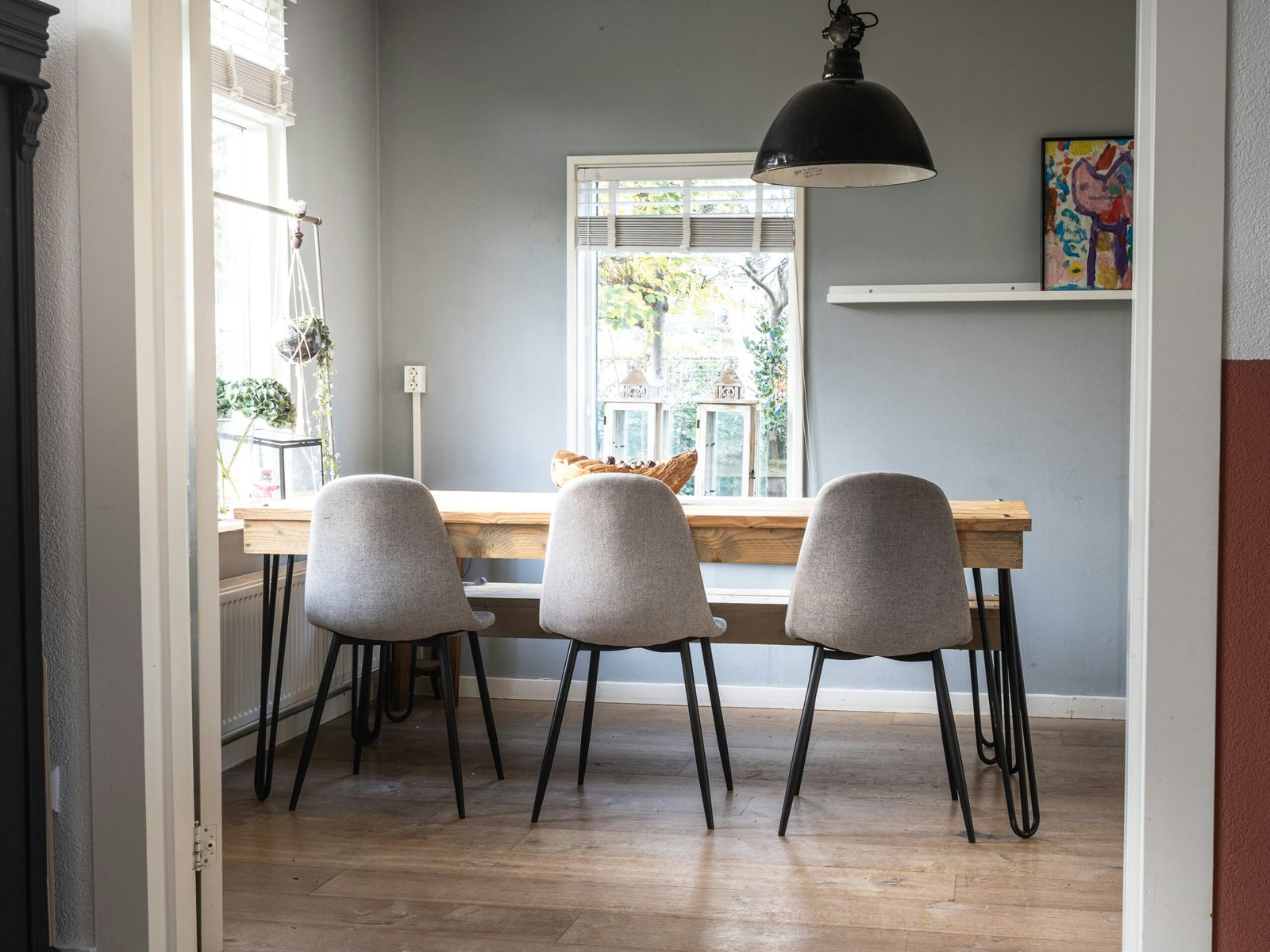
black and white dining table and chairs

Embracing Scandinavian Home Interior Design: A Guide to Minimalism and Comfort

black and white dining table and chairs

Understanding Scandinavian Design

Scandinavian home interior design is renowned for its simplicity, functionality, and beauty. Originating from the Nordic countries, this design philosophy emphasizes minimalism, creating spaces that promote relaxation and comfort. Characterized by neutral color palettes, natural materials, and a focus on light, Scandinavian design invites a sense of calm and serenity into homes.

Key Elements of Scandinavian Home Interiors

When transforming your space with Scandinavian design elements, consider incorporating the following features:

  • Light Colors: White, pale gray, and soft pastels dominate the color schemes, reflecting natural light and creating an airy atmosphere.
  • Naturals Materials: Wood, leather, and wool are staples, bringing warmth and texture to spaces while maintaining a minimalist aesthetic.
  • Functional Furniture: Pieces that balance form and function are essential in Scandinavian interiors. Look for furniture that not only serves a purpose but also adds aesthetic value.

Creating a Scandinavian Atmosphere at Home

To effectively implement Scandinavian home interior design, focus on decluttering your space. The essence of this style lies in simplicity; therefore, removing unnecessary items will enhance the minimalist vibe. Consider adding greenery with houseplants, which harmonize with the design’s emphasis on nature. Lastly, incorporating cozy textiles, such as knitted throws and soft rugs, can provide warmth and an inviting feel to your home, ensuring that Scandinavian design truly embodies comfort.

Embracing Scandinavian Home Interior Design: A Guide to Minimalism and Comfort Read More Β»

Designing a Modern Living Room: Tips for a Stylish Interior

Understanding Modern Living Room Design

Modern living room interior design focuses on simplicity, functionality, and minimalism. The style typically showcases clean lines, subtle colors, and a combination of textures to create a comfortable yet sophisticated space. A modern living room serves not only as a gathering area but also reflects the personality and lifestyle of the inhabitants.

Key Elements of Modern Living Room Interior Design

When it comes to designing a modern living room, several key elements play a crucial role. First, consider the furniture. Choose pieces that are sleek and geometric, ideally in neutral colors or natural materials. Sectional sofas, mid-century chairs, and glass coffee tables often feature prominently.

Lighting is another important factor. Opt for floor lamps or pendant lights with minimalistic designs that can double as decorative art pieces. Accessories, such as abstract art or decorative cushions, can add personality while still maintaining a clean aesthetic.

Creating Cohesion in Your Modern Space

A critical aspect of modern living room interior design is achieving a cohesive look. To do this, select a color palette that complements your chosen furniture and decor. Stick to two or three main colors, incorporating various shades and textures to keep the space visually interesting without overwhelming it.

Incorporating plants can also enhance the modern vibe, adding a touch of nature and freshness to your living room. By following these design principles, you can create a stylish and functional modern living room that invites relaxation and social interaction.

Designing a Modern Living Room: Tips for a Stylish Interior Read More Β»

Effective Strategies to Market Your Interior Design Business

Understanding Your Target Market

To effectively market your interior design business, it is essential to understand your target market. Identifying the demographic characteristics, preferences, and needs of your potential clients will provide valuable insights that can shape your marketing strategy. Consider conducting surveys or interviews to gather information and adjust your services accordingly.

Utilizing Social Media Platforms

Social media platforms serve as powerful tools for marketing an interior design business. Use visually appealing platforms like Instagram and Pinterest to showcase your work. Regularly posting high-quality images of completed projects, design tips, and some behind-the-scenes content will help you engage with your audience. Additionally, using relevant hashtags can increase your visibility and attract potential clients.

Networking and Collaboration

Networking is critical in the interior design industry. Participating in trade shows, local events, and online forums can establish connections with other professionals and potential clients. Collaborating with real estate agents, architects, or other designers can create cross-promotional opportunities that broaden your reach and enhance your reputation in the community.

Effective Strategies to Market Your Interior Design Business Read More Β»

Revolutionizing Your Space: The Future of Interior Design Automation

Understanding Interior Design Automation

In today’s fast-paced world, the concept of interior design automation is no longer a distant dream. It refers to the integration of smart technology within interior spaces, allowing for efficient and personalized environments. By leveraging automation, homeowners and designers can create spaces that adapt to their needs and preferences, enhancing both functionality and aesthetics.

The Benefits of Automation in Design

One of the primary advantages of interior design automation is the ability to optimize daily tasks. With features like automated lighting, climate control, and smart furniture, users can easily adjust their environments with just a tap on their smartphone. This level of convenience not only saves time but also ensures that spaces are always comfortable and inviting. Moreover, automation contributes to energy efficiency, making it a sustainable choice for modern living.

Implementing Automated Solutions in Your Space

Implementing automation into your interior design is more accessible than ever. Start by assessing your space and identifying areas that could benefit from technology enhancements. Components such as smart thermostats, automated shades, and voice-controlled assistants are excellent entry points. As you integrate these solutions, consider working with a professional who specializes in interior design automation to ensure seamless integration. The goal is to create a cohesive space that reflects your personal style while embracing innovative technology.

Revolutionizing Your Space: The Future of Interior Design Automation Read More Β»

Embrace Elegance: A Guide to Modern Interior Design Furniture

Understanding Modern Interior Design

Modern interior design focuses on simplicity and functionality. It combines clean lines, neutral colors, and minimalist aesthetics. This style is widely embraced for both residential and commercial spaces, emphasizing the importance of light and open areas.

Key Elements of Modern Furniture

The essence of modern interior design furniture lies in its ability to convey both comfort and sophistication. Key elements include sleek profiles, innovative materials, and versatile pieces. Materials such as glass, metal, and engineered wood dominate the scene, contributing to the overall harmony in contemporary spaces.

Choosing the Right Pieces for Your Space

When selecting modern interior design furniture, consider the scale and proportion to ensure a cohesive look. Sofas with clean lines can enhance the openness of a room, while geometric tables add a touch of intrigue. Additionally, incorporating multifunctional furniture can optimize a space without overcrowding it.

In summary, modern interior design furniture is pivotal in creating a harmonious living environment. By understanding its key elements and selecting the appropriate pieces, you can achieve a sophisticated and stylish aesthetic in your home or office.

Embrace Elegance: A Guide to Modern Interior Design Furniture Read More Β»

Exploring Sustainable Interior Design Trends for a Greener Home

Introduction to Sustainable Interior Design

Sustainable interior design is becoming increasingly essential as we strive for a more eco-friendly lifestyle. By prioritizing environmentally responsible practices, we can create beautiful spaces that also contribute to the well-being of our planet.

Key Trends in Sustainable Design

One of the significant trends in sustainable interior design is the use of natural and recycled materials. From reclaimed wood to recycled glass, designers are incorporating elements that minimize environmental impact. Additionally, energy-efficient lighting and appliances are gaining popularity, helping homeowners reduce their carbon footprints while maintaining aesthetic appeal.

Creating a Sustainable Space

Implementing sustainable practices in your home doesn’t require a complete overhaul. Start with simple changes, such as choosing low-VOC paints or investing in furniture made from sustainable sources. Incorporating plants into your design can also improve air quality and enhance the connection between your indoor and outdoor spaces.

Incorporating these sustainable interior design trends not only supports environmental stewardship but also promotes a healthier living environment for you and your family. By making informed choices, you can create a stylish home that aligns with your values and contributes to a more sustainable future.

Exploring Sustainable Interior Design Trends for a Greener Home Read More Β»

Embracing Sustainable Home Interior Design: A Guide to Eco-Friendly Choices

Understanding Sustainable Home Interior Design

Sustainable home interior design focuses on creating spaces that are environmentally friendly and promote wellness. By selecting materials that are responsibly sourced and energy-efficient, homeowners can greatly reduce their carbon footprint. This innovative approach to design combines aesthetics with eco-consciousness, offering a solution that benefits both the planet and the inhabitants.

Key Principles of Sustainable Design

To embrace sustainable home interior design, consider these key principles: utilize natural materials, prioritize energy efficiency, and reduce waste. Natural materials such as bamboo, reclaimed wood, and organic textiles minimize environmental impact while adding a warm, inviting feel. Energy-efficient appliances and fixtures not only save on utility bills but also lessen reliance on nonrenewable resources. Additionally, being mindful about waste and choosing durable products ensures that your interior will last while contributing to a more sustainable lifestyle.

Creating a Sustainable Living Space

When implementing sustainable home interior design, start with a space assessment. Identify areas that require an upgrade, and then source materials that align with eco-friendly standards. Consider the lighting; opting for LED bulbs and maximizing natural light can drastically improve energy use. Moreover, integrating indoor plants enhances air quality while bringing a touch of nature indoors. In conclusion, by adopting these practices, you can create a harmonious living environment that emphasizes sustainability.

Embracing Sustainable Home Interior Design: A Guide to Eco-Friendly Choices Read More Β»

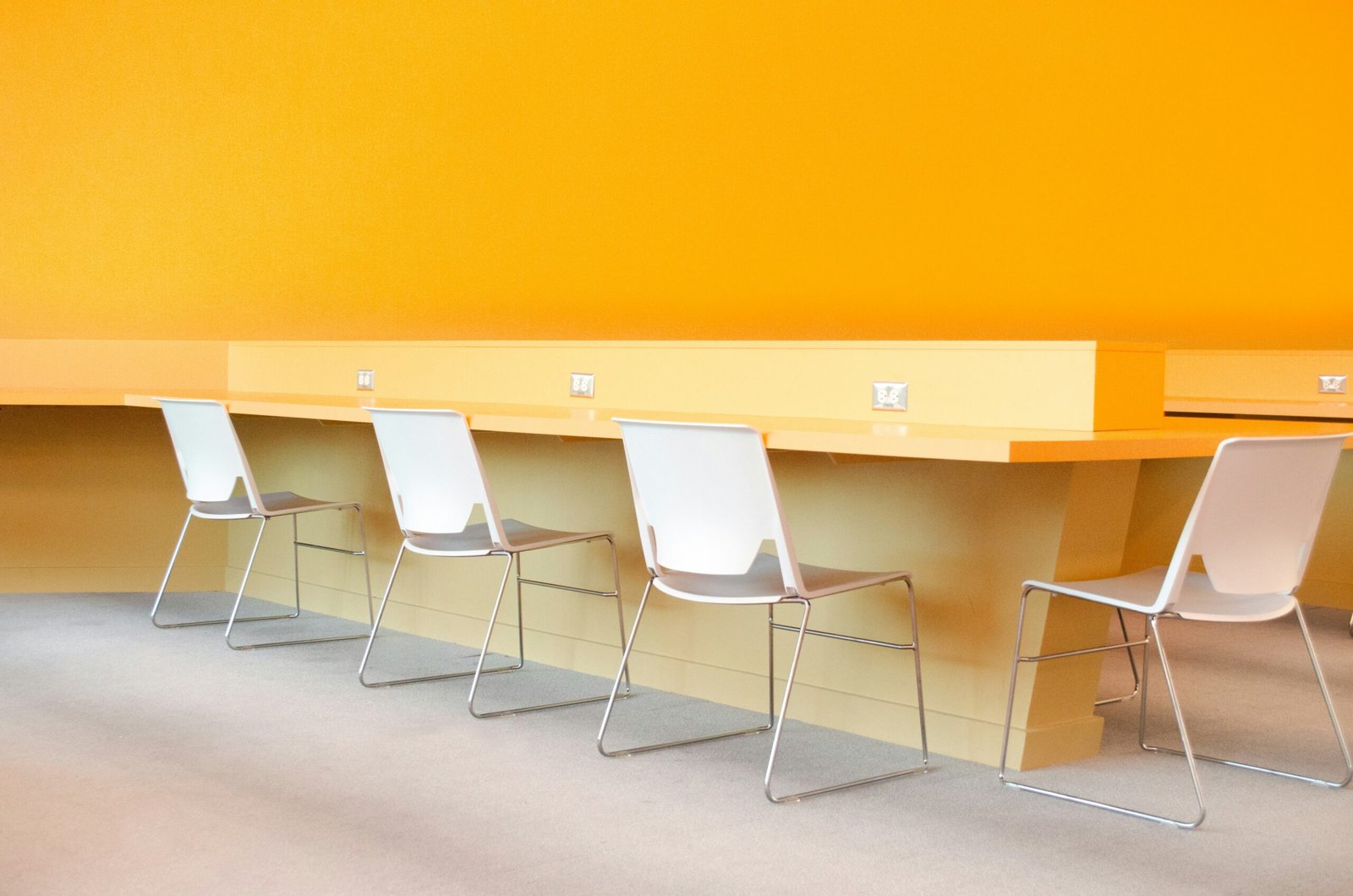
four chairs near desk

Exploring Modern Office Interior Design Trends

four chairs near desk

Introduction to Modern Office Interior Design

In recent years, the concept of modern office interior design has evolved significantly. Organizations are beginning to realize that the physical workspace plays a crucial role in employee productivity and satisfaction. The modern office is not just a place to work; it fosters creativity, collaboration, and well-being.

Key Elements of Modern Office Design

Modern office interior design blends functionality with aesthetics. Open floor plans, communal workspaces, and break-out areas encourage teamwork and communication among employees. Additionally, the use of natural light and greenery enhances the indoor environment, making it conducive to creativity and focus. Materials like glass and metal are often incorporated, creating a sleek and contemporary look.

Incorporating Technology in Office Design

Technology integration is another pivotal aspect of modern office interior design. Advanced audiovisual systems, smart lighting, and adjustable desks are becoming staples in contemporary workspaces. These elements not only improve efficiency but also adapt to the diverse needs of a modern workforce. Lastly, color schemes are being carefully selected to evoke emotions and improve mood, making the office a more inviting place.

In conclusion, embracing modern office interior design can significantly impact employee productivity and well-being. By focusing on design elements that promote collaboration, comfort, and technological advancement, companies can create an inspiring workplace that drives success.

Exploring Modern Office Interior Design Trends Read More Β»

Creative Interior Design Wallpaper Ideas to Transform Your Space

Choosing the Right Wallpaper

When it comes to interior design, wallpaper plays a significant role in setting the ambiance of a room. The right choice can enhance your home’s aesthetic while adding texture and dimension. Consider your existing decor and color palettes when choosing a wallpaper. Think about the feeling you want to evoke in that spaceβ€”cozy, vibrant, or even serene.

Exploring Various Styles

There are countless interior design wallpaper ideas to explore. For a bold statement, opt for oversized patterns or geometric designs that can serve as a focal point in a room. Floral prints can impart a refreshing feel, bringing the outdoors inside and providing a soft touch. Alternatively, textured wallpapers like grasscloth or fabric options can add depth and warmth to your interiors.

Application Tips for a Seamless Look

Once you’ve decided on the perfect wallpaper, consider how to apply it for the best results. Ensure the surface is clean and smooth before applying adhesive or peel-and-stick options. For those looking to cover large areas, hiring a professional might save time and ensure a flawless finish. Additionally, pairing wallpaper with complementary furnishings and fixtures will create a cohesive look throughout your home.

Creative Interior Design Wallpaper Ideas to Transform Your Space Read More Β»

Emerging Interior Design Trends for 2024

Introduction to 2024 Interior Design Trends

As we step into 2024, interior design trends are evolving to reflect the changing preferences of homeowners and the environment. This year, expect an infusion of sustainability, bold colors, and innovative materials that not only enhance aesthetics but also promote a comfortable living experience.

Sustainable Design Practices

One of the most significant trends in 2024 is the emphasis on sustainability. Homeowners are increasingly seeking eco-friendly materials and energy-efficient designs. This includes the use of reclaimed wood, low-VOC paints, and sustainable textiles. The trend is not just about being fashionable; it’s about fostering a healthy environment for generations to come.

Color Palettes and Textures

This year, color choices are becoming bolder and more expressive. Rich jewel tones and earthy hues are leading the way, creating warm and inviting spaces. Additionally, mixed textures are gaining popularity, blending materials like velvet, metal, and natural fibers to create depth and interest within a space. Such combinations make interiors feel more dynamic and expressive, setting new standards for contemporary design.

Innovative Space Solutions

Lastly, interior design is focusing on innovative solutions that maximize space. Multifunctional furniture, hidden storage options, and adaptive layouts are trending. These solutions not only help in optimizing space but also cater to the needs of modern living, where flexibility has become paramount.

In conclusion, the interior design trends of 2024 emphasize sustainability, bold colors, and innovative space solutions, promising to redefine living spaces to be more functional, beautiful, and environmentally friendly.

Emerging Interior Design Trends for 2024 Read More Β»

Creative Interior Design Renovation Ideas for Your Home

Introduction to Interior Design Renovation

Renovating your home can be an invigorating experience, especially when it comes to interior design. With each renovation, there is an opportunity to breathe new life into your space. Here are some innovative ideas to inspire your upcoming renovation project.

Maximizing Space with Open Concepts

One popular trend in interior design renovation is the implementation of open-concept layouts. By removing unnecessary walls, you can create a more spacious atmosphere. This not only enhances natural light but also encourages a flow between different areas of your home. Consider merging your kitchen with the living area to encourage family interaction while cooking and dining.

Incorporating Sustainable Materials

In today’s eco-conscious world, choosing sustainable materials for your renovation is a wise decision. Using reclaimed wood, bamboo flooring, or recycled glass can minimize your environmental impact while showcasing your commitment to sustainability. These materials often come with unique textures and colors, adding charm to your interior design.

Color Schemes That Tell a Story

Your choice of color can dramatically alter the look and feel of your space. Opting for a cohesive color scheme that reflects your personality can lead to a comprehensive interior design narrative. Whether you prefer calming neutrals or bold hues, select colors that harmonize well and create a cohesive aesthetic across your rooms.

In conclusion, embracing these innovative renovation ideas can not only enhance the aesthetics of your home but also improve functionality and sustainability. Start planning your interior design renovation today to create the ideal living space!

Creative Interior Design Renovation Ideas for Your Home Read More Β»

Scroll to Top