Author name: Interior A to Z - Luxury Interior Designers
Interior A to Z is a premier interior design firm specializing in luxury residential and commercial transformations across Gurgaon, Noida, and Delhi NCR. With over 15 years of expertise, we offer end-to-end solutions, from modular kitchens and minimalist bedrooms to complete home renovations. Our mission is to blend modern aesthetics with functional design. Book a Free Consultation at https://interioratoz.com/contact-us/ to start your dream project today.
Kitchen remodeling is a significant investment for homeowners, and timing plays a crucial role in maximizing the benefits of your project. Knowing the best time of year for kitchen remodeling projects can help you save money and ensure the most favorable conditions for execution.
Optimal Seasons for Kitchen Renovations
Generally, spring and fall are considered the best seasons for kitchen remodeling. During spring, many homeowners are looking to refresh their spaces after winter, making it an ideal time to start your project. Additionally, suppliers often have promotions or new designs surfacing, enhancing your options as you remodel.
Fall is also a popular choice because contractors tend to be more available, and many people are eager to have their kitchens ready for the holiday season. This allows you to enjoy your newly remodeled kitchen for all those seasonal gatherings and events.
Considerations Beyond the Seasons
While spring and fall are excellent seasons, open communication with your contractor is vital, regardless of when you choose to start your project. A well-planned timeline can accommodate any unexpected delays and ensure a smoother remodeling experience. Additionally, understanding local weather patterns can help you avoid complications caused by extreme temperatures during your remodel.
In conclusion, the best time for kitchen remodeling projects often falls during the spring or fall seasons. However, always consider your personal circumstances and the advice of your professional team for the best results.
When it comes to home design, luxury kitchen remodeling is a trending topic that grabs attention. One of the most sought-after features today is the island, providing both style and functionality. An island can serve as a multi-purpose space for cooking, dining, and entertaining.
Designing Your Dream Kitchen
Incorporating a luxury kitchen remodeling design with an island involves careful planning. It’s essential to consider the layout, materials, and appliances that will accentuate the design. Options for countertops, cabinetry, and flooring can alternate vastly, aligning with your personal aesthetic. Explore various designs and configurations that allow your kitchen to feel both spacious and comfortable.
Maximizing Functionality and Style
To achieve a truly luxurious feel, integrating technology and smart storage solutions is key. Luxury kitchen remodeling designs with islands often include built-in appliances hidden within cabinetry. Maximizing your space is essential not only for aesthetics but also for efficiency. Whether you opt for a minimalist contemporary look or a traditional design with ornate touches, the possibilities are endless.
For more inspiration on your renovation journey, check sites like Interior A to Z, Modular Kitchen Design, and Interior Designer NCR. Each features a variety of luxury kitchen remodeling ideas that may inspire your next project. An island might just be the centerpiece your dream kitchen needs!
Transform Your Space: Luxury Kitchen Remodeling Designs with an Island
A luxury kitchen not only enhances the beauty of your home but also elevates its functionality, and adding an island can be a game-changer. Kitchen islands serve as the focal point of the space, providing additional storage, prep space, and seating. Here are some luxurious kitchen remodeling designs that incorporate stunning islands to transform your culinary space.
1. Elegant Marble Islands
Marble is synonymous with luxury, and a marble kitchen island can make a bold statement. Choose a large island with a thick marble countertop to create a striking focal point. Pair it with white or light-colored cabinetry to let the island stand out, and consider adding pendant lighting above for an added touch of elegance.
2. Multi-Level Islands
Create visual interest and functionality with a multi-level island design. The higher level can serve as a breakfast bar or seating area, while the lower level provides space for cooking and food prep. Use contrasting materials, like a wooden base with a stone countertop, to distinguish between the two levels and add sophistication.
3. Open Concept with a Large Island
In open-concept designs, a large island can seamlessly connect the kitchen to the living or dining areas. Opt for an oversized island that offers ample storage and seating. This design encourages social interaction, making it perfect for entertaining guests. Use a mix of materials, such as a wood base with a sleek quartz countertop, to create a luxurious yet inviting atmosphere.
4. U-Shaped Island for Functionality
A U-shaped kitchen island is perfect for maximizing functionality while providing a luxurious look. This design features a central island with two side counters, creating a defined space for cooking and dining. Add high-end appliances, like built-in ovens or wine coolers, to enhance the functionality of the island while maintaining a sleek appearance.
5. Statement Lighting Above the Island
Make your kitchen island truly stand out by incorporating statement lighting. Choose oversized pendant lights or a unique chandelier that complements your kitchen’s overall design. This not only adds a luxurious touch but also creates a warm, inviting ambiance.
6. Custom-Built Islands
For a truly bespoke kitchen, consider a custom-built island that fits your specific needs and style. A designer can create an island that incorporates unique features, such as a built-in sink, cooktop, or storage solutions tailored to your cooking habits. Choose high-end materials and finishes to elevate the overall aesthetic.
7. Incorporate Smart Technology
Modern luxury kitchens often feature smart technology, and incorporating this into your island can enhance both functionality and style. Consider adding a smart kitchen hub, integrated charging stations, or touch-activated faucets. These features not only make your kitchen more efficient but also give it a contemporary edge.
8. Luxurious Seating Options
Elevate your kitchen island by adding luxurious seating options. Opt for upholstered bar stools or elegant dining chairs that complement the island’s design. Consider a mix of styles and colors to create a dynamic look, and ensure the seating arrangement encourages conversation and comfort.
9. Colorful and Bold Finishes
Don’t shy away from color when designing your kitchen island. A bold color or intricate pattern can add a modern twist to a classic design. Whether you choose a rich navy blue, deep green, or a striking patterned tile, a colorful island can become a stunning centerpiece in your luxury kitchen.
10. Incorporate Natural Elements
Bringing natural elements into your kitchen design adds warmth and elegance. Consider using reclaimed wood for the island base or adding stone accents. You can also incorporate plants or herbs to create a fresh and inviting atmosphere while enhancing the overall luxury feel.
Conclusion
Incorporating an island into your luxury kitchen remodeling design can transform your space, enhancing both its functionality and style. Whether you opt for a classic marble island, a custom-built feature, or a bold colorful design, the right island can serve as the heart of your kitchen, making it a gathering place for family and friends. Embrace these ideas to create a luxurious kitchen that meets your needs and reflects your personal style!
FAQ: Transform Your Space with Luxury Kitchen Remodeling Designs Featuring an Island
If you’re considering a luxury kitchen remodel that includes an island, you likely have many questions about the design process, functionality, and aesthetics. This FAQ aims to address common concerns and provide insights to help you make informed decisions for your kitchen transformation.
1. Why should I include a kitchen island in my remodel?
A kitchen island serves multiple purposes:
Increased Workspace: It provides additional prep space for cooking and baking.
Extra Storage: Islands often include cabinets and drawers for storing kitchen essentials.
Social Hub: They create a gathering space for family and friends, making the kitchen a focal point of the home.
Enhanced Design: A well-designed island can elevate the overall aesthetic of your kitchen, adding luxury and sophistication.
2. What materials are best for a luxury kitchen island?
When it comes to materials, consider the following options for a luxurious look:
Natural Stone: Marble, granite, or quartz countertops provide elegance and durability.
Wood: Reclaimed or high-quality hardwood can add warmth and character.
Metal: Stainless steel or brass accents can introduce a modern and sleek element.
Glass: Incorporating glass elements can create a light and airy feel.
3. How can I ensure my kitchen island complements my overall design?
To create a cohesive look:
Color Palette: Choose colors that harmonize with your cabinets, walls, and flooring. Neutral tones often work well, but don’t hesitate to introduce a bold accent color for the island.
Style Consistency: Ensure that the island’s design (e.g., traditional vs. modern) matches the overall style of the kitchen.
Material Coordination: Use materials that complement the rest of the kitchen, such as matching countertops or similar cabinet finishes.
4. What are some functional features I can incorporate into my kitchen island?
Consider adding these features to enhance functionality:
Seating Area: Include bar stools or a built-in banquette for casual dining.
Appliances: Install a cooktop, wine cooler, or microwave for easy access.
Sinks: A prep sink can streamline cooking and meal preparation.
Power Outlets: Ensure you have enough outlets for kitchen gadgets and devices.
5. How much space do I need for a kitchen island?
The ideal size of your kitchen island depends on your kitchen layout and available space. As a general guideline:
Clearance: Leave at least 42-48 inches of clearance around the island for easy movement and access.
Dimensions: A standard island is typically 4-7 feet long and 2-3 feet wide, but larger islands can be customized based on your needs.
6. How do I choose the right seating for my kitchen island?
When selecting seating, consider:
Height: Bar stools are generally 28-32 inches tall for counters, while standard dining chairs are around 18 inches for table height.
Comfort: Choose seats with adequate padding and back support for comfort during long gatherings.
Style: Pick seating that complements the island’s design and overall kitchen decor.
7. What lighting works best for a luxury kitchen island?
Lighting is crucial for both functionality and style:
Pendant Lights: Hang one or more stylish pendant lights above the island to create a focal point and provide task lighting.
Chandeliers: For a dramatic effect, consider a chandelier that complements your kitchen style.
Recessed Lighting: Install recessed lights for additional ambient lighting that doesn’t overpower the design.
8. How can I keep my kitchen island organized and clutter-free?
To maintain an organized island:
Built-in Storage: Incorporate drawers, cabinets, and shelves to store utensils and other kitchen essentials.
Baskets and Organizers: Use decorative baskets for frequently used items to keep surfaces tidy.
Regular Decluttering: Make it a habit to clear off the island after use to maintain a clean and inviting space.
9. How do I incorporate technology into my kitchen island?
Consider these tech features:
Smart Appliances: Look for smart refrigerators or cooktops that integrate with your home automation system.
Charging Stations: Install USB ports or power outlets for charging devices.
Integrated Speakers: Add Bluetooth speakers for music while cooking or entertaining.
10. What is the average cost of a luxury kitchen remodel with an island?
The cost of a luxury kitchen remodel can vary widely based on factors such as:
Materials Used: High-end materials will increase costs.
Size of the Kitchen: Larger kitchens generally require more materials and labor.
Additional Features: Including high-end appliances, custom cabinetry, or unique design elements will affect the total cost.
Conclusion
A luxury kitchen remodel featuring an island can enhance both the functionality and aesthetic appeal of your space. By considering these FAQs and addressing your specific needs and preferences, you can create a beautiful and practical kitchen that serves as the heart of your home. If you have any further questions or need assistance with your remodeling project, feel free to reach out!
Minimalism is not just a trend; it’s a lifestyle choice that many are adopting to create serene living spaces. Embracing minimalist home decor ideas often means reducing clutter and simplifying one’s surroundings. By focusing on essential elements, you can enhance the functionality and aesthetics of your home. Below, we explore how incorporating monochrome colors can elevate your minimalist decor.
The Power of Monochrome Colors
Monochrome colors form the backbone of minimalist design. Utilizing shades from a single color family can create an elegant and cohesive look. For example, various tones of gray or beige can contribute to a calming atmosphere while still providing depth and character. Monochrome palettes allow for seamless transitions between spaces, making your home feel more integrated and inviting.
Implementing Minimalist Ideas in Your Space
When implementing minimalist home decor ideas using monochrome colors, consider the following tips:
Choose Quality Over Quantity: Invest in a few staple pieces that complement a monochrome scheme rather than overcrowding your space with decorations.
Use Textures: To add interest, incorporate different textures like wood, metal, or fabric in similar hues that enhance the monochrome effect without disrupting the minimalism.
Have a Clear Focus: Designate a focal point in each room to draw attention, such as a piece of art or a unique furniture item, against a simplified backdrop.
FAQ on Minimalist Home Decor Ideas Using Monochrome Colors
Minimalist home decor focuses on simplicity, clean lines, and a clutter-free environment. Using a monochrome color palette, typically featuring various shades of a single color, can enhance this style and create a cohesive, elegant look. Here’s a helpful FAQ to guide you in decorating your home with minimalist, monochrome ideas.
1. What is monochrome home decor, and why is it ideal for minimalism?
Monochrome home decor involves using different shades and tones of a single color:
Simplifies the Design: A monochrome palette creates a harmonious and unified look, perfect for minimalist decor.
Adds Depth Without Clutter: By varying the shades and textures within one color family, you can add visual interest without overwhelming the space.
Creates a Calming Atmosphere: Monochrome colors evoke a sense of tranquility and order, which aligns well with minimalist principles.
2. How do I choose the right monochrome color palette for my minimalist space?
Choosing the right color is key to achieving the desired ambiance:
Neutral Tones for a Classic Look: Shades of white, gray, or beige are commonly used in minimalist decor for a timeless, elegant feel.
Darker Hues for a Dramatic Effect: If you prefer a bolder look, try deep colors like charcoal, navy, or forest green.
Soft Pastels for a Calm Vibe: Light pastels, such as pale blue or blush pink, can add a touch of color while maintaining a minimalist aesthetic.
3. How can I add depth to a monochrome room without using other colors?
Adding depth is important for avoiding a flat look:
Vary the Shades: Use a range of light, medium, and dark tones within the same color family.
Incorporate Textures: Add different textures through materials like wood, linen, metal, or concrete.
Layer Different Finishes: Combine matte, glossy, or metallic finishes to create contrast and interest.
4. How do I use furniture in a monochrome minimalist space?
Furniture selection should enhance the monochrome look while keeping the space minimal:
Choose Simple Shapes: Opt for furniture with clean lines and no excessive ornamentation.
Stick to the Color Palette: Use furniture in the chosen monochrome color, with subtle variations in shade.
Multifunctional Pieces: Consider furniture that serves multiple purposes to maintain a clutter-free environment.
5. Can I use patterns in monochrome minimalist decor?
Patterns can be used sparingly to add subtle detail:
Tone-on-Tone Patterns: Choose patterns that use different shades of the same color for a low-contrast effect.
Geometric or Linear Designs: Simple geometric shapes or linear patterns work well with minimalist decor.
Small Scale and Minimal Patterns: Keep patterns small and not overly intricate to avoid disrupting the minimalist vibe.
6. How can I incorporate artwork in a monochrome minimalist space?
Artwork can add a focal point while still maintaining a monochrome theme:
Black and White Art: Choose black and white prints, photographs, or sketches.
Monochrome Abstract Art: Use abstract art pieces that feature different tones of the same color.
Frameless or Minimal Frames: Opt for frameless canvases or frames in the same color family as the artwork.
7. What role does lighting play in a monochrome minimalist space?
Lighting can enhance the monochrome look and highlight textures:
Use Natural Light: Maximize natural light to bring out the different shades and textures in the room.
Install Minimalist Fixtures: Choose lighting fixtures with simple designs that blend seamlessly into the space.
Layer Lighting Types: Use a combination of ambient, task, and accent lighting to add dimension.
8. How can I incorporate natural elements into a monochrome minimalist decor?
Natural elements can bring warmth and life to a monochrome space:
Use Plants Sparingly: Add a few monochromatic or neutral-colored plants, such as white orchids or gray-green succulents.
Natural Materials: Integrate natural materials like wood, stone, or wool that fit within the monochrome palette.
Monochrome Vases or Planters: Choose vases or planters in the same color family as the room to maintain cohesion.
9. What types of textiles should I use in a monochrome minimalist room?
Textiles can add softness while sticking to the monochrome theme:
Layering Textiles: Use throw blankets, pillows, and rugs in different textures but in the same color family.
Tone-on-Tone Bedding or Upholstery: Choose bedding or upholstery with slight variations in shade to add depth without breaking the color scheme.
Natural Fibers: Linen, cotton, and wool in monochrome tones can add warmth and comfort.
10. Can I add metallics to a monochrome minimalist space?
Metallics can add a touch of sophistication while keeping the minimalist look:
Subtle Metallic Accents: Use small metallic elements like lamp bases, picture frames, or decorative objects.
Choose a Single Metallic Tone: Stick to one type of metal (e.g., silver, brass) to maintain a cohesive look.
Matte or Brushed Finishes: Opt for matte or brushed metallic finishes instead of highly reflective ones to keep the space subtle.
Minimalist home decor using monochrome colors is all about finding the beauty in simplicity. By thoughtfully selecting shades, textures, and materials within a single color family, you can create a cohesive and calming space that reflects your personal style. If you have more questions or need further inspiration, feel free to reach out!
Transforming your living space doesn’t have to be a daunting task. With a few quick home decor changes, you can achieve a fresh look that revitalizes your environment. Whether you’re aiming for a cozy vibe or a modern aesthetic, simple adjustments can make a significant impact.
Effective Changes for a Fresh Look
Start by evaluating your current decor. Often, merely rearranging furniture can breathe new life into a room. Try moving a sofa or shifting tables to create a more open flow. Additionally, swapping out decorative pillows or throws can instantly alter the visual appeal of your space.
Another simple change is to introduce new colors. Consider painting an accent wall or adding vibrant artwork. Not only do these alterations enhance the visual dynamics, but they also reflect your personal style. Furthermore, incorporating nature-inspired elements like plants can bring a refreshing, lively atmosphere to your home.
Embracing Minimalism
Minimalism is another trend that encourages fresh living spaces. By decluttering and focusing on essential items, you create a tranquil environment. Choose multifunctional furniture that offers storage while also making a style statement. This can help in achieving a sleek look without compromising comfort.
For a true transformation, explore modular kitchens that optimize functionality and aesthetics. Visit Modular Kitchen Design for inspiration on integrating modern designs in smaller areas.
Conclusion
Implementing quick home decor changes can have profound effects on your living space. Whether it’s through color, arrangement, or adopting minimalism, your home can reflect the style and comfort you desire. For more tips and ideas, check out Interior A to Z and learn how to make the most of your decor today.
FAQ on Quick Home Decor Changes for a Fresh Look
Sometimes, all it takes is a few quick home decor changes to breathe new life into your space. Small adjustments can make a big difference without the need for major renovations or a complete overhaul. Here’s a helpful FAQ on how to achieve a fresh look in your home with some easy updates.
1. What are some easy home decor changes that can make a big impact?
Simple changes can dramatically alter the look and feel of a room:
Change Throw Pillows: Swap out your throw pillows for new ones in different colors, patterns, or textures to instantly update your living room or bedroom.
Add or Update Rugs: A new area rug can change the entire mood of a space and add warmth or color.
Rearrange Furniture: Move your furniture around to create a new layout or focal point without spending a dime.
2. How can lighting changes enhance a room’s appearance?
Lighting plays a significant role in setting the mood:
Add Floor or Table Lamps: Introduce new lighting sources to brighten up dark corners or create a cozy ambiance.
Change Light Bulbs: Use bulbs with a different color temperature to adjust the atmosphere (warmer tones for coziness, cooler tones for a modern look).
Install Dimmer Switches: Adding dimmer switches allows you to control the lighting intensity and adapt it to different settings.
3. What are some quick wall decor changes for a fresh look?
Updating your walls is an easy way to transform a space:
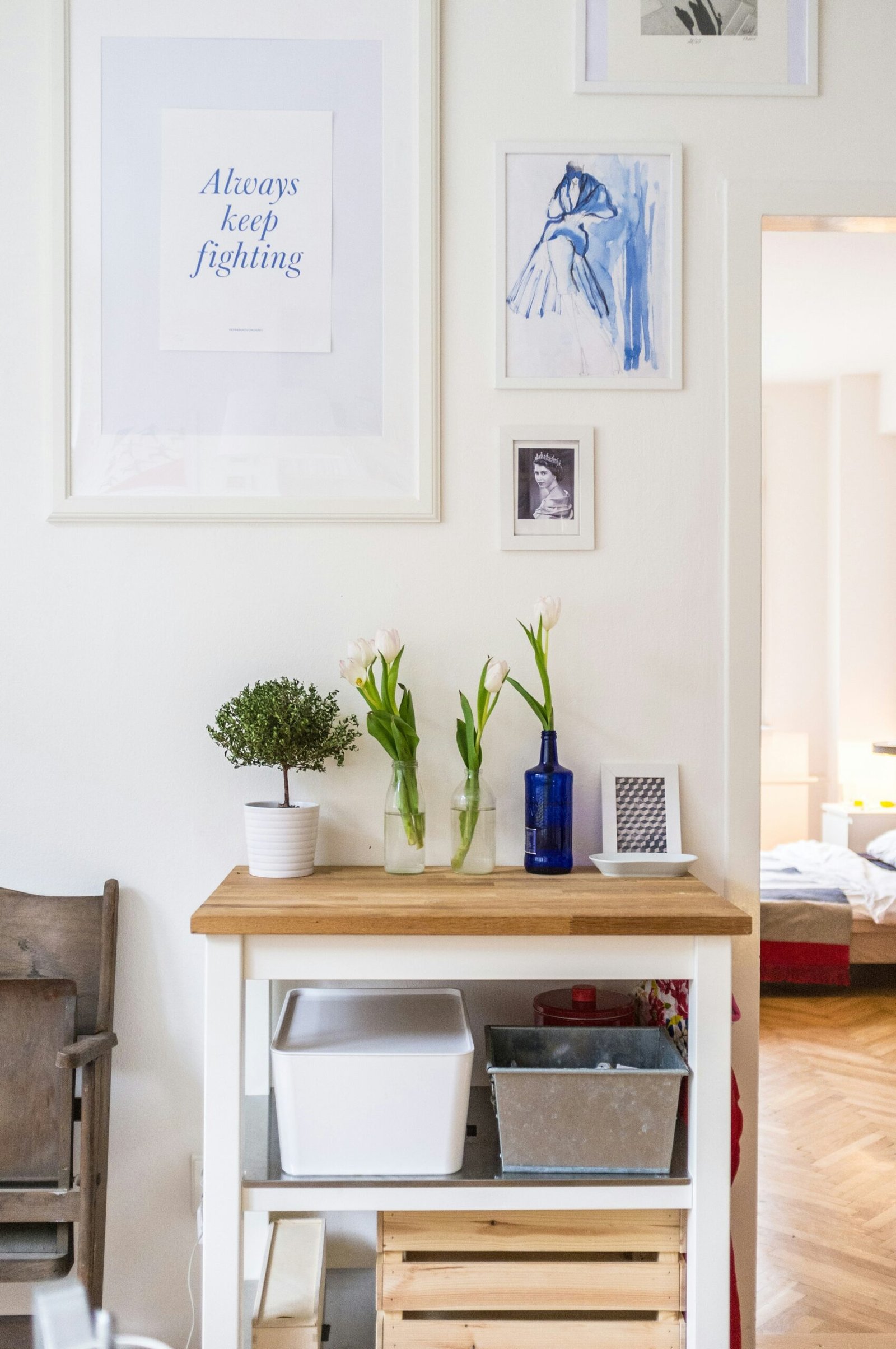
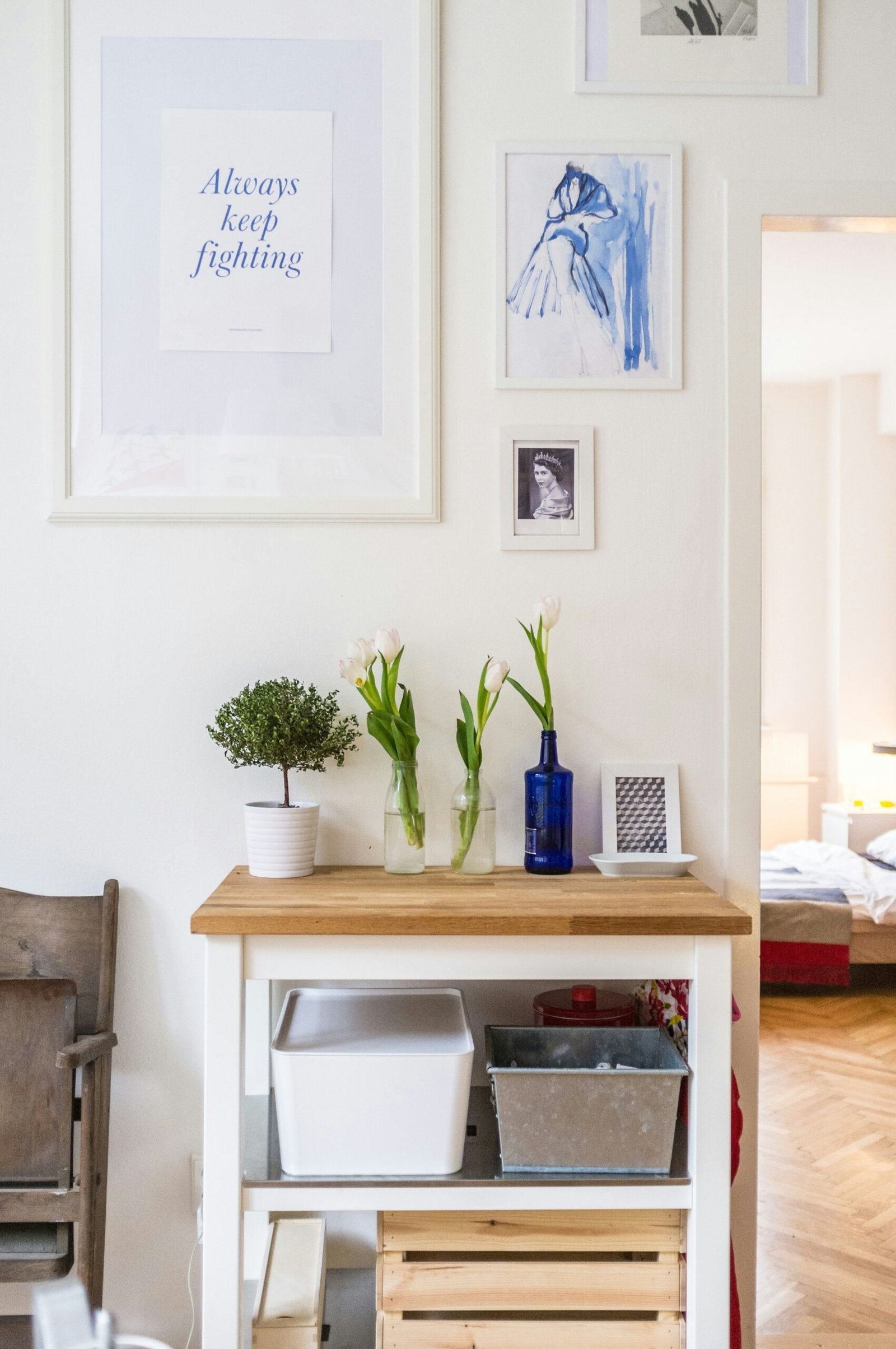
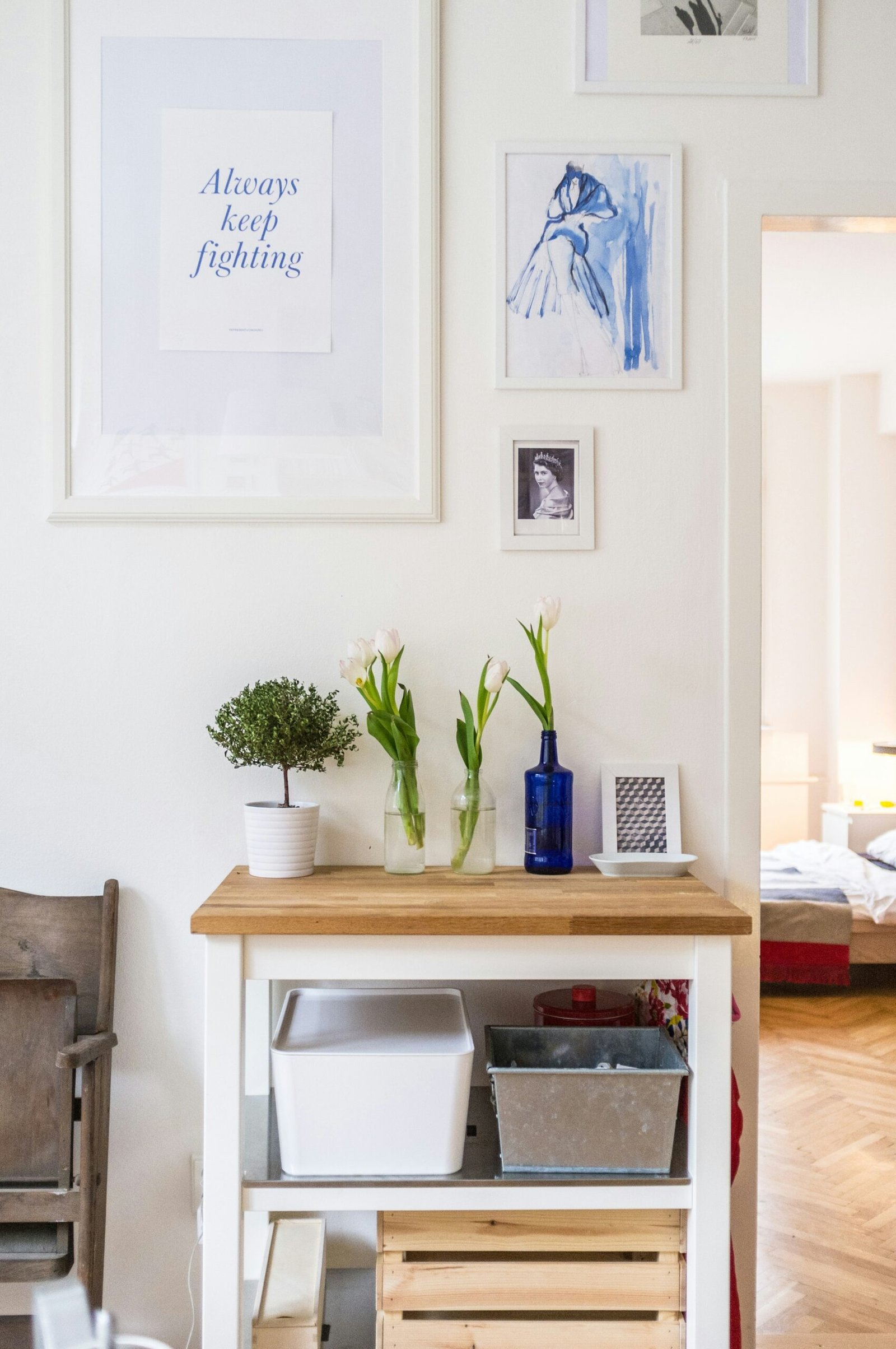
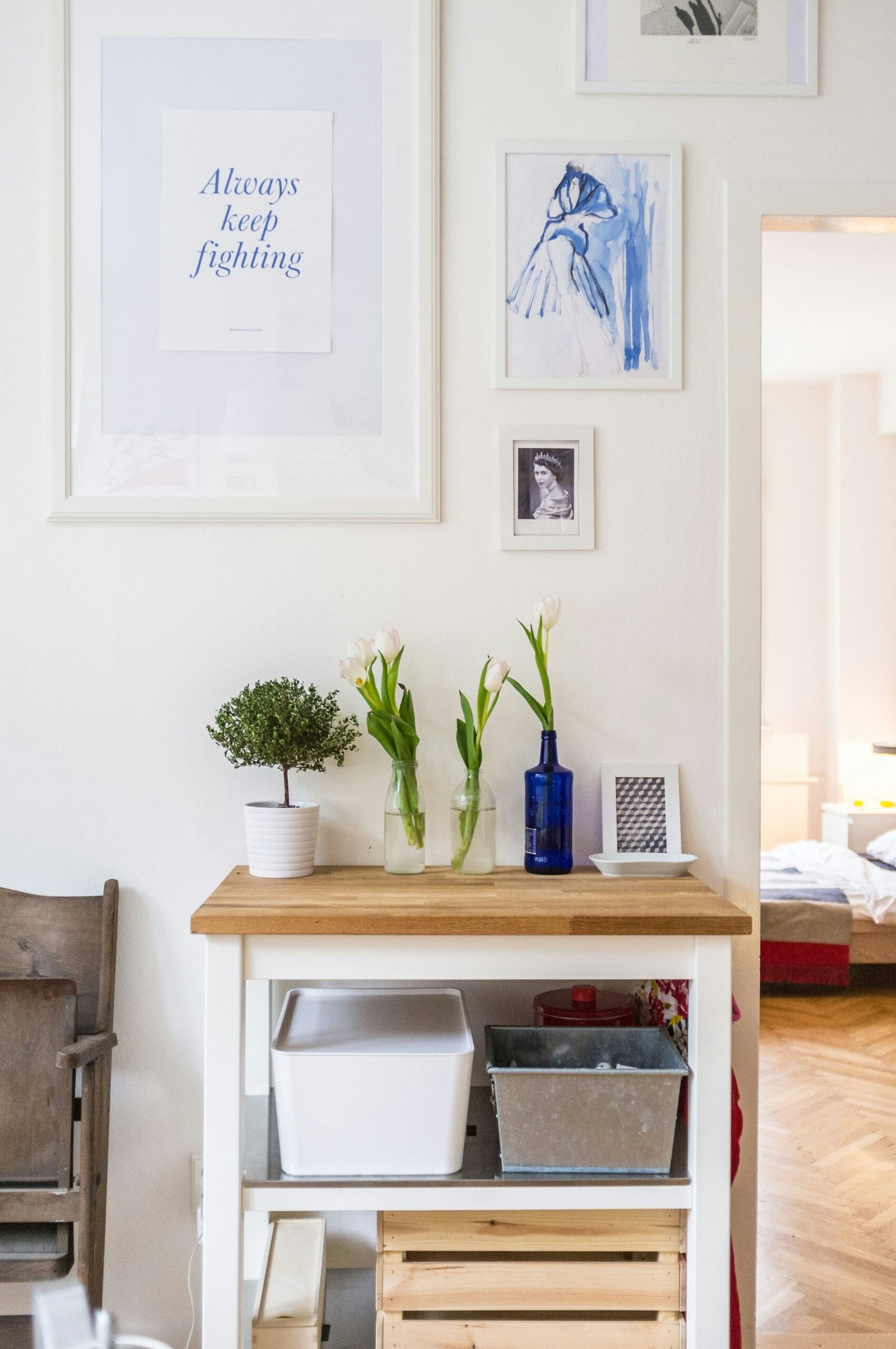
Hang New Artwork or Photos: Swap out existing wall art for new pieces, or create a gallery wall with a mix of frames and prints.
Use Removable Wallpaper: Add an accent wall using peel-and-stick wallpaper for a quick and reversible change.
Add Wall Shelves: Install floating shelves and decorate them with plants, books, or small decor items for visual interest.
4. How can I use plants to refresh my home decor?
Plants bring life and vibrancy to a space:
Add Potted Plants: Place potted plants in different areas of your home to add greenery and texture.
Hang Planters: Use hanging planters or wall-mounted plant holders to save space and add a vertical element.
Switch Out Seasonal Flowers: Use fresh or faux seasonal flowers to update your decor according to the time of year.
5. What are some affordable ways to update my home decor?
You don’t have to break the bank to refresh your space:
DIY Projects: Create your own art, reupholster a chair, or paint an old piece of furniture for a new look.
Shop Your Home: Repurpose items from other rooms or use things you already own in new ways.
Budget-Friendly Decor Stores: Visit thrift shops, discount home decor stores, or online marketplaces for affordable finds.
6. How can I make my bedroom feel new and inviting?
To refresh your bedroom:
Change the Bedding: New bed linens, blankets, or decorative pillows can instantly give your bedroom a fresh look.
Rearrange the Bed Position: Move your bed to a different wall for a new perspective.
Add a Headboard or Canopy: Incorporating a new headboard or draping a canopy can dramatically change the bedroom’s appearance.
7. How do seasonal changes impact home decor?
Adapting your decor to the seasons can keep your space feeling current:
Light Fabrics for Summer: Use lighter fabrics like cotton or linen during warmer months.
Warm Textures for Winter: Bring in heavier fabrics like velvet or wool during colder seasons.
Swap Decorative Accents: Change out accessories such as cushions, throws, or candles to reflect the season’s colors and themes.
8. What are some quick changes to make the bathroom feel more luxurious?
Small updates can add a spa-like touch to your bathroom:
Add New Towels or a Shower Curtain: Fresh towels or a new shower curtain can instantly enhance the look.
Use Scented Candles or Diffusers: Introduce pleasant scents to create a soothing environment.
Install a New Mirror: A decorative mirror can be a focal point and add elegance to the bathroom.
9. How can I refresh my kitchen decor without a renovation?
Quick kitchen updates can make a noticeable difference:
Change Cabinet Hardware: Swap out old knobs or handles for new hardware.
Use a New Backsplash Sticker: Try peel-and-stick backsplash tiles for a quick update.
Display Fresh Fruit or Flowers: Keep a bowl of fresh fruit or a vase of flowers on the counter to add color and life.
10. Can changing the scent of a room make a difference in how it feels?
Yes, scents can affect the mood and ambiance:
Use Essential Oils or Diffusers: Choose scents like lavender for relaxation or citrus for an energizing atmosphere.
Try Scented Candles: Select candles with fragrances that complement the season or your mood.
Air Fresheners and Room Sprays: Spritz a room spray for a quick refresh before guests arrive.
With a few quick changes, you can give your home a fresh look and make it feel like a new space. Whether it’s adding a few plants, swapping out decor items, or rearranging furniture, there are plenty of ways to refresh your home without committing to a major overhaul. If you have more questions or need further inspiration, feel free to reach out!
The charm of bohemian home decor lies in its vibrant colors and unique textures. Inspired by a mix of global cultures, bohemian style often features an eclectic arrangement of items that reflect personal taste and experiences. This style encourages individuality and creativity, making it a popular choice for those looking to inject life into their living spaces.
Choosing Colorful Accents
When it comes to creating a bohemian home, the first step is selecting colorful accents. Bold hues such as deep reds, royal blues, and bright greens can be seamlessly integrated into your decor through throw pillows, wall art, and area rugs. Experimenting with various shades alongside each other can enhance the overall aesthetic, making your space feel lively and inviting.
Incorporating Textures
Another hallmark of bohemian decor is the use of varied textures. Layering materials such as woven fabrics, ceramics, and wood can add depth to your interior. Consider using macramé wall hangings, jute rugs, and textured blankets to create a cozy atmosphere. By combining these elements, you can achieve a harmonious blend that showcases the bohemian spirit.
In conclusion, embracing bohemian home decor with colorful accents and diverse textures can transform your living space into a personal sanctuary. For more inspiration on interior design, you can explore resources like Interior A to Z, Modular Kitchen Design, and Interior Designer NCR. Elevate your home today!
FAQ on Embracing Bohemian Home Decor with Colorful Accents and Textures
Bohemian home decor is a vibrant and eclectic style that celebrates individuality, creativity, and a carefree spirit. By incorporating colorful accents and rich textures, you can create a warm and inviting space that reflects your unique personality. Here’s a comprehensive FAQ to guide you in embracing bohemian decor in your home.
1. What is Bohemian home decor?
Bohemian home decor, often referred to as “boho,” is characterized by a mix of colors, patterns, and textures, creating a relaxed and artistic atmosphere. It draws inspiration from various cultures and styles, allowing for personal expression through an eclectic mix of decor items.
2. What are the key elements of Bohemian decor?
Key elements of Bohemian decor include:
Colorful Accents: Bold and vibrant colors are used throughout the space, often in textiles and wall art.
Layered Textures: Incorporate a variety of textures through rugs, cushions, throws, and wall hangings.
Eclectic Accessories: Use an array of decor items from different cultures, such as Moroccan lanterns, Indian tapestries, or handmade crafts.
3. How can I choose a color palette for Bohemian decor?
When selecting a color palette:
Rich, Warm Tones: Opt for deep, warm colors like burgundy, mustard, and forest green, which evoke a cozy feel.
Bright Accents: Incorporate pops of bright colors such as turquoise, fuchsia, and saffron to create visual interest.
Earthy Neutrals: Balance vibrant colors with earthy neutrals like browns and creams to ground the space.
4. What types of textiles work best in Bohemian decor?
Textiles are crucial for creating a Bohemian vibe:
Layered Rugs: Use various rugs, including area rugs and smaller accent rugs, layered on top of one another for added texture.
Patterned Cushions: Choose cushions with different patterns and colors to create a lively seating area.
Throws and Blankets: Incorporate soft throws and blankets in vibrant colors or interesting patterns for warmth and comfort.
5. How can I incorporate plants into my Bohemian decor?
Plants play an essential role in Bohemian decor:
Variety of Plants: Use a mix of indoor plants, such as succulents, ferns, and hanging plants, to add life and color.
Unique Planters: Choose decorative planters that reflect your style, such as woven baskets or ceramic pots.
Vertical Gardens: Consider creating a vertical garden or a plant shelf to maximize greenery without taking up floor space.
6. What furniture styles are suitable for Bohemian decor?
When selecting furniture for a Bohemian aesthetic:
Vintage and Thrifted Pieces: Incorporate unique vintage or thrifted furniture that adds character and history to your space.
Eclectic Mix: Combine different furniture styles, such as mid-century modern with rustic or ethnic-inspired pieces.
Low Seating: Consider floor seating options like poufs, cushions, or low coffee tables for a relaxed atmosphere.
7. How can I create a gallery wall in Bohemian style?
A gallery wall can enhance the Bohemian vibe:
Mix Frames: Use a variety of frame styles, sizes, and colors to create an eclectic look.
Art and Textiles: Include a mix of artwork, prints, and textile wall hangings to add depth and interest.
Personal Touches: Incorporate personal photos, travel souvenirs, or meaningful items to make the wall uniquely yours.
8. What accessories should I use to enhance Bohemian decor?
Accessorizing is key to achieving a Bohemian feel:
Global Finds: Incorporate decor items from different cultures, such as tapestries, pottery, and wall hangings.
Candles and Lanterns: Use candles and lanterns to create a warm and inviting ambiance.
Textured Throws: Drape textured throws over furniture for added warmth and comfort.
9. How can I achieve balance in a Bohemian space without it feeling cluttered?
To maintain balance:
Select a Focal Point: Choose one or two statement pieces (like a large tapestry or colorful sofa) to draw attention without overwhelming the space.
Leave Negative Space: Allow for some empty space to avoid a cluttered look and give the eye a place to rest.
Curate Your Collection: Be selective about the decor items you include, focusing on pieces that resonate with you and fit your aesthetic.
10. How can I make my Bohemian decor feel personal?
To personalize your Bohemian decor:
Incorporate Travel Finds: Use decor items or art pieces collected from your travels to tell your story.
DIY Projects: Create your own artwork or crafts to add a personal touch and unique flair.
Showcase Memories: Display photos, mementos, or heirlooms that hold special meaning to you.
By embracing Bohemian home decor, you can create a vibrant and inviting space that reflects your unique personality and sense of style. With a focus on colorful accents, layered textures, and eclectic accessories, your home can become a true reflection of your creativity and individuality. If you have more questions or need further inspiration, feel free to reach out!
Nautical-themed home decor is an excellent choice for creating serene environments that mirror the beauty of coastal living. This style invokes the charm of the sea and the coastal lifestyle, transforming any space into a relaxing retreat. Whether you’re decorating a beach house or simply want to bring a touch of the coast into your home, nautical decor can perfectly encapsulate breezy afternoons and salty air.
Key Elements of Nautical Decor
Color schemes play a pivotal role in achieving a nautical theme. Common colors include soft blues, sandy beiges, and crisp whites, which evoke a calm and refreshing atmosphere. Accessories like ropes, ocean-themed art, and weathered wood can enhance the maritime feel. Consider incorporating elements like anchors, ship wheels, or marine life prints into your decor to complete the coastal-inspired interiors.
Tips for Implementing Nautical Decor
To successfully implement nautical-themed home decor, start small. Incorporate cushions or throws in sea-inspired patterns on your furniture. Wall art featuring seascapes, boats, or waves can also be an eye-catching focal point. Additionally, layering textures such as sisal rugs or linen curtains can add depth and warmth, seamlessly blending comfort with coastal elegance. For more inspiration and resources on designing your coastal haven, explore sites like Interior AtoZ and Modular Kitchen Design.
FAQ on Nautical-Themed Home Decor for Coastal-Inspired Interiors
Embracing a nautical theme in your home decor can evoke the serene beauty of coastal living. By incorporating elements inspired by the sea, you can create a refreshing and calming atmosphere. Here’s a comprehensive FAQ to help you navigate nautical-themed decor for your coastal-inspired interiors.
1. What is nautical-themed home decor?
Nautical-themed decor is inspired by the sea and maritime elements, incorporating colors, materials, and motifs associated with coastal life. Common themes include the use of navy blues, whites, sandy neutrals, and decor elements like anchors, ropes, and marine life.
2. What color palette should I use for nautical decor?
A classic nautical color palette includes:
Navy Blue: Reflects the ocean and creates a strong base.
White: Provides a crisp, clean contrast and mimics coastal elements like sails and sand.
Soft Neutrals: Incorporate shades of beige, sandy tones, and light grays to evoke a beachy feel.
Accent Colors: Add pops of color with shades like coral, turquoise, or seafoam green for vibrancy.
3. How can I incorporate nautical decor elements into my home?
Consider these key elements:
Marine Accessories: Use decor items such as anchors, ship wheels, compasses, and ropes as focal points.
Art and Prints: Hang artwork featuring seascapes, marine life, or vintage nautical maps to enhance the theme.
Textiles: Incorporate fabrics with stripes, shells, or fish patterns through cushions, throws, and curtains.
4. What types of furniture work best in nautical-themed decor?
Choose furniture that complements the nautical theme:
Weathered Wood: Use furniture made from reclaimed or weathered wood to evoke a beachy, rustic feel.
Wicker and Rattan: Incorporate wicker or rattan furniture for a relaxed, coastal vibe.
Light and Airy Pieces: Opt for lightweight furniture with an open design to create an airy atmosphere.
5. How can I use lighting to enhance a nautical theme?
Lighting plays a crucial role in creating a coastal ambiance:
Hanging Lanterns: Use pendant lights or lanterns with a rustic or marine-inspired design to evoke a ship’s cabin.
Natural Light: Maximize natural light with large windows and light, airy curtains.
Sconces: Consider wall sconces shaped like lanterns to add a nautical touch while providing ambient lighting.
6. What accessories can enhance my nautical decor?
Accessorizing is key to completing your nautical theme:
Throw Pillows: Use pillows with nautical patterns or colors to add comfort and style to seating.
Decorative Jars: Fill glass jars with sand, shells, or driftwood for a beachy centerpiece.
Nautical Charts: Display nautical charts or maps in frames to add a historical and artistic touch.
7. How can I incorporate marine life into my decor?
Marine life can enhance the coastal feel:
Artwork: Choose artwork that features fish, dolphins, seashells, or coral.
Decorative Items: Use sculptures or decor items shaped like sea creatures to add interest and whimsy.
Aquariums: Consider incorporating a small aquarium to bring a live marine element into your space.
8. What type of flooring is best for nautical-themed interiors?
When selecting flooring, consider:
Light-Colored Woods: Use light, weathered wood or laminate that resembles driftwood for a beachy feel.
Natural Fibers: Opt for natural fiber rugs like jute or sisal to add texture and warmth while keeping with the coastal theme.
Tile: For a more durable option, consider tiles that mimic the look of stone or beach pebbles.
9. How can I create a cohesive look with nautical decor?
To achieve a cohesive look:
Consistent Color Scheme: Stick to a unified color palette throughout the space to create harmony.
Balance Elements: Mix different textures and materials while keeping the overall theme consistent.
Focal Points: Create focal points using larger decor pieces, such as a ship’s wheel or a large canvas, to anchor the space.
10. What are some common mistakes to avoid in nautical-themed decor?
Avoid these common pitfalls:
Overdoing It: Too many nautical elements can make the decor feel cluttered. Choose a few key pieces to feature prominently.
Neglecting Functionality: Ensure that the decor does not impede the functionality of the space; balance aesthetics with practicality.
Ignoring Personal Style: Incorporate personal touches and elements that resonate with your style to make the space uniquely yours.
By thoughtfully incorporating nautical-themed decor into your interiors, you can create a serene and inviting atmosphere that captures the essence of coastal living. Whether you live near the sea or simply want to evoke that feeling, these ideas and tips can help you embrace the waves in your home decor. If you have more questions or need further inspiration, feel free to reach out!
Decorating your home doesn’t have to break the bank. With a few creative strategies, you can transform your space without sacrificing style. Whether you’re revamping a single room or the entire house, these tips for home decor on a budget will help you achieve a chic look that reflects your personal style.
Get Creative with DIY Projects
One of the best ways to save money is by embarking on DIY projects. From creating your own wall art to refurbishing old furniture, there are countless ways to inject creativity into your home. Visit Interior A to Z for tutorials and inspiration. Simple projects allow you to personalize your decor and keep costs low while achieving a stylish finish.
Accessorize Smartly
Accessories can make a significant impact in any room. Instead of investing in expensive decor, consider affordable options such as throw pillows, lamps, and vases. Retailers often offer sales, so keep an eye out for bargains. Additionally, adding plants can liven up your space at minimal costs. Check out Modular Kitchen Design for unique accessory inspirations.
Embrace Second-Hand Finds
Don’t overlook thrift stores and online marketplaces for second-hand treasures. Vintage pieces can add character and style to your home decor. A unique chair or table can become a stunning focal point of your room. For more tips on incorporating these finds, refer to the resources at Interior Designer NCR and beyond.
FAQ on Stylish Home Decor Tips on a Budget
Creating a stylish home doesn’t have to break the bank. With a little creativity and resourcefulness, you can achieve a beautifully decorated space without overspending. Here’s a comprehensive FAQ to help you decorate your home on a budget while still making a stylish impact.
1. How can I decorate my home on a budget?
You can decorate your home on a budget by:
Thrifting: Visit thrift stores, garage sales, and flea markets for unique finds at low prices.
DIY Projects: Get crafty with DIY decor projects using affordable materials to create custom pieces.
Repurposing: Upcycle old furniture or decor items to give them a new life and style.
Shop Sales: Take advantage of seasonal sales and clearance items at home goods stores.
2. What are some inexpensive ways to refresh my space?
Here are a few budget-friendly ideas to refresh your space:
Paint: A fresh coat of paint can dramatically change the look of a room. Choose a trendy color to update the walls or furniture.
Textiles: Update cushions, throws, and curtains to add color and texture without spending much.
Gallery Wall: Create a gallery wall using inexpensive frames and personal photos or art prints.
3. How can I use plants to enhance my decor on a budget?
Plants are an affordable way to add life and color to your decor:
Indoor Plants: Opt for low-maintenance indoor plants like pothos, snake plants, or succulents that are often budget-friendly.
DIY Planters: Create your own planters using recycled materials like jars, cans, or wooden crates.
Plant Grouping: Group plants together in different heights and textures to create an attractive display.
4. What are some cost-effective ways to create a focal point in a room?
Creating a focal point doesn’t have to be expensive:
Feature Wall: Use removable wallpaper or paint a single wall in a bold color to draw attention.
Artwork: Hang a large piece of art or a DIY canvas to create visual interest.
Statement Furniture: Invest in one statement piece of furniture, like a colorful chair or a unique coffee table.
5. How can I find affordable decor items?
To find affordable decor items, consider:
Online Marketplaces: Check websites like Craigslist, Facebook Marketplace, or OfferUp for budget-friendly furniture and decor.
Dollar Stores: Explore dollar stores for inexpensive decor items, frames, and kitchen accessories.
Local Craftsmen: Support local artisans at craft fairs for unique, handcrafted decor pieces at reasonable prices.
6. What are some budget-friendly DIY decor projects I can try?
Here are a few simple DIY projects:
Wall Art: Create your own abstract art using canvas and paint or frame fabric remnants.
Cushion Covers: Sew or use fabric glue to make custom cushion covers with inexpensive fabric.
Decorative Jars: Repurpose glass jars by painting or wrapping them in twine for stylish storage solutions.
7. How can I mix high and low decor items effectively?
Mixing high and low decor items can create a balanced and stylish look:
Invest in Key Pieces: Spend more on essential items like a quality sofa or dining table, then accessorize with budget-friendly items.
Layering: Layer expensive-looking items with budget finds, such as pairing high-end pillows with a thrifted sofa.
Style Consistency: Ensure that both high and low items share a common style or color palette for a cohesive look.
8. How can I utilize lighting to enhance my decor on a budget?
Lighting plays a significant role in home decor:
DIY Lampshades: Update old lamps with new DIY lampshades made from fabric or paper.
String Lights: Use string lights to add a warm ambiance to your space; they are affordable and easy to install.
Reflective Surfaces: Incorporate mirrors to reflect light and make the space feel brighter and larger without spending much.
9. What are some tips for arranging furniture on a budget?
Furniture arrangement can drastically change a room’s feel:
Play with Layout: Experiment with different furniture arrangements to find the most functional and aesthetic setup.
Use What You Have: Rearrange your existing furniture instead of buying new pieces to refresh your space.
Create Conversation Areas: Group furniture to encourage conversation and interaction, making the space feel cozier.
10. How can I maintain a stylish look without overspending?
To maintain a stylish look on a budget:
Plan Your Purchases: Make a list of what you need and stick to it to avoid impulse buying.
Quality Over Quantity: Focus on acquiring fewer, high-quality items rather than many low-quality pieces.
Seasonal Updates: Change small decor items seasonally, such as cushions and candles, to keep the space feeling fresh without a significant investment.
Decorating your home stylishly on a budget is achievable with creativity and thoughtful planning. By incorporating these tips and tricks, you can create a beautiful and inviting space that reflects your personal style without overspending. If you have more questions or need further inspiration for budget-friendly home decor, feel free to reach out!
In today’s world, home decor has become an expression of personal style and creativity. Modern homes often emphasize minimalism, functionality, and the use of innovative elements. One such element that has gained immense popularity is the integration of LED lights. These lights not only serve a practical purpose but also enhance the aesthetic appeal of any space.
Benefits of LED Lights in Home Decor
Using LED lights in home decor offers numerous advantages. Firstly, they are energy-efficient, making them an environmentally friendly option. Furthermore, LED lights are available in various colors and designs, allowing homeowners to create specific moods or themes in different areas of their homes. For instance, warm lights can create a cozy atmosphere, while cooler tones can add a touch of sophistication.
Creative Ways to Incorporate LED Lights
There are countless ways to incorporate LED lights into your home decor. Consider installing LED strips under shelves or cabinets for a subtle glow. Pendant lights with LED bulbs can serve as artistic focal points in your dining area. Additionally, using LED lights to highlight artwork or architectural features can transform basic elements into stunning showcases.
For more inspiration on home decor ideas, you can explore resources like Interior A to Z, Modular Kitchen Design, and Interior Designer NCR. By incorporating LED lighting creatively, you can enhance the modern touch of your home, making it not just beautiful but also inviting.
[/vc_column_text][vc_column_text]
FAQ on Enhancing Home Decor with LED Lights for a Modern Touch
LED lights have revolutionized home decor by providing efficient, versatile, and stylish lighting solutions. Whether you’re looking to create ambiance, highlight features, or simply upgrade your lighting, here’s a comprehensive FAQ on using LED lights to enhance your home decor.
1. What are LED lights, and how do they differ from traditional bulbs?
LED (Light Emitting Diode) lights are energy-efficient lighting options that use significantly less power than traditional incandescent or fluorescent bulbs. They have a longer lifespan, produce less heat, and are available in various colors and styles, making them versatile for different decor needs.
2. How can I use LED lights to enhance my home decor?
You can enhance your home decor with LED lights in several ways:
Accent Lighting: Use LED strip lights to highlight architectural features, artwork, or shelves.
Task Lighting: Install LED under-cabinet lighting in kitchens or workspace areas for practical illumination.
Mood Lighting: Incorporate smart LED bulbs that allow you to adjust colors and brightness to create the desired atmosphere.
Decorative Fixtures: Choose LED chandeliers or pendant lights that serve as stunning focal points.
3. What are LED strip lights, and how can I use them?
LED strip lights are flexible circuits with multiple LED bulbs attached. They can be used for various purposes:
Under Furniture: Place them under sofas or beds to create a floating effect.
Cabinet Lighting: Install them inside or under cabinets for a modern touch.
Staircase Accents: Line stair risers for added safety and style.
Ceiling Designs: Use them to outline ceilings or create cove lighting.
4. Are LED lights energy-efficient?
Yes, LED lights are highly energy-efficient, using up to 80% less energy than traditional incandescent bulbs. This efficiency not only reduces your electricity bill but also has a lower environmental impact due to decreased energy consumption.
5. How can I incorporate color-changing LED lights in my decor?
Color-changing LED lights can add versatility and flair to your decor:
Smart Bulbs: Use smart LED bulbs that can change colors via an app or voice command, allowing you to customize your lighting for different occasions.
Mood Lighting: Set different colors for specific moods—cool blues for relaxation, warm yellows for coziness, or vibrant colors for parties.
Decorative Accents: Integrate color-changing LED strips in decorative features like mirrors or wall art.
6. What types of LED fixtures are best for modern decor?
For a modern decor style, consider these LED fixtures:
Sleek Pendant Lights: Choose minimalist designs with geometric shapes.
Recessed Lighting: Install recessed LED lights for a clean, unobtrusive look.
LED Wall Sconces: Use stylish sconces to add interest to walls while providing ambient lighting.
Chandeliers: Opt for modern chandeliers that combine LED technology with artistic designs.
7. Can I use LED lights outdoors?
Absolutely! LED lights are suitable for outdoor use due to their durability and resistance to weather conditions. Consider:
Outdoor String Lights: Hang them around patios or decks for a cozy atmosphere.
Pathway Lights: Use LED landscape lighting to illuminate walkways and gardens.
Flood Lights: Install LED flood lights for security and accenting architectural features.
8. How do I choose the right color temperature for my LED lights?
Color temperature is measured in Kelvin (K) and affects the ambiance of your space:
Warm White (2700K-3000K): Ideal for cozy, relaxing environments like living rooms and bedrooms.
Neutral White (3500K-4100K): Works well in kitchens and bathrooms for a clean, balanced look.
Cool White (5000K-6500K): Best for task-oriented spaces like offices and workshops, providing bright, clear illumination.
9. How can I control my LED lights smartly?
To control your LED lights smartly:
Smart Bulbs: Invest in smart LED bulbs compatible with home automation systems like Amazon Alexa, Google Assistant, or Apple HomeKit.
Smart Switches: Install smart switches that allow you to control multiple lights at once.
Mobile Apps: Use dedicated apps to customize schedules, brightness, and colors from your smartphone.
10. Are there any DIY ideas for using LED lights in home decor?
Here are some creative DIY ideas:
Customized LED Strip Designs: Cut and shape LED strips to fit unique spaces or designs, such as behind furniture or along shelves.
Mood Lamps: Create your own mood lamp by combining LED strips with decorative glass or acrylic.
Backlit Mirrors: Install LED lights behind a mirror for a modern, luxurious look.
Decorative Jars: Fill glass jars with LED fairy lights for a charming, whimsical centerpiece.
Incorporating LED lights into your home decor can dramatically enhance the ambiance and style of your space. With their versatility, energy efficiency, and modern designs, LED lights offer endless possibilities for creating a warm and inviting environment. If you have more questions or need inspiration on how to incorporate LED lighting into your decor, feel free to reach out!
Valentine’s Day is the perfect opportunity to turn your home into a romantic retreat. Whether you’re planning a quiet evening for two or hosting a special gathering, the right decor can set the mood. Start by using soft lighting to create an intimate ambiance. Fairy lights, candles, and dimmers are great tools for transforming your space into a love-filled setting.
Choosing the Right Colors
To most effectively convey romance, consider incorporating colors that evoke feelings of love and warmth. Shades of red, pink, and white work beautifully for Valentine’s Day. You might add touches of these colors through pillows, table settings, or wall art. A simple color palette will emphasize the romantic tone without overwhelming the senses.
Personalized Decor Touches
Personalization adds a special touch to your Valentine’s Day decor. Items that reflect your relationship—such as photographs from your favorite moments together—can be beautifully displayed. You can also consider using items that symbolize your love, like heart-shaped decorations or sentimental trinkets. For more inspiration on interior decor, check out various resources available on sites dedicated to interior design and home styling.
In conclusion, with a little bit of thought and creativity, you can create a romantic atmosphere at home for this Valentine’s Day. Explore different decor ideas and make the day memorable by infusing love into every detail!
Industrial home decor is a design trend that draws inspiration from repurposed factories and warehouses. The aesthetic emphasizes raw materials, open spaces, and a minimalist approach. For urban lofts, embodying this style can create a unique and inviting atmosphere.
Key Elements of Industrial Decor
When decorating an urban loft, consider using industrial materials like exposed brick, metal accents, and hardwood floors. Large, open spaces can accommodate bold furniture choices such as oversized sofas or vintage armchairs. Pair these with accessories that reflect the industrial style, such as pendant lighting and metal shelving units.
Creating a Cohesive Look
To achieve a cohesive industrial look in your urban loft, focus on a color palette that includes neutral tones with splashes of bold colors. Incorporating plants can soften the harder materials, bringing warmth and balance to the space. Don’t hesitate to mix vintage and modern pieces; this eclectic blend will enhance the overall appeal of your home decor.
Scandinavian home decor style is characterized by its simplicity, functionality, and minimalism. Originating from the Nordic countries, this style focuses on clean lines, light colors, and an uncluttered aesthetic. The objective is to create serene environments that enhance the living experience while fostering a sense of warmth and comfort.
Key Elements of Scandinavian Design
Incorporating Scandinavian design principles into your home means emphasizing neutral color palettes, natural materials, and an abundance of light. Common elements include wood, soft textiles, and minimalistic furniture that prioritize both beauty and functionality. The goal is to achieve a cohesive and harmonious space that feels inviting and peaceful.
How to Achieve a Scandinavian Look
To effectively implement the Scandinavian home decor style in your interiors, start by decluttering your space. Choose furniture that boasts sleek designs and multifunctional capabilities. Incorporate warm lighting features and natural elements like greenery. Lastly, opt for a few decorative items that reflect Nordic aesthetics, ensuring they don’t overpower the minimalist vibe.
When it comes to elevating the aesthetic of your bedroom, luxury home decor accessories play a pivotal role. These accessories not only add beauty but also offer personalization, making your bedroom a sanctuary that reflects your style. From elegant throw pillows to exquisite chandeliers, the right pieces can transform an ordinary space into a luxurious retreat.
What Are Luxury Home Decor Accessories?
Luxury home decor accessories for bedrooms encompass a range of items designed to enhance the overall ambiance and comfort of your room. This can include decorative pillows, high-quality bed linens, artworks, and stylish lighting. The essence of luxury in these accessories lies in their craftsmanship, materials, and design, creating an opulent environment.
Where Can I Find Quality Luxury Home Decor Accessories?
To find the finest luxury home decor accessories for your bedroom, explore specialized websites such as Interior A to Z or Modular Kitchen Design. They offer a curated selection of premium items that align with current design trends. Additionally, you can gather tips and inspiration by visiting Wikipedia’s Interior Design page. Also, Interior A to Z provides valuable insights and recommendations for choosing the best decor pieces.
In modern living and working environments, the concept of multi-use spaces has gained significant traction. These areas serve multiple purposes, making them ideal for both residential and commercial settings. Understanding how to effectively design such spaces is crucial for optimizing functionality and aesthetics.
Key Principles of Interior Design
When approaching interior design for multi-use spaces, consider some key principles. Flexibility is paramount; furniture should be adaptable and easily rearranged. Use modular designs that can be tailored to various needs, allowing the space to transition seamlessly from a gathering area to a workspace. Lighting also plays a crucial role in creating a welcoming atmosphere; adjustable lighting can enhance the space’s functionality at different times of the day.
Resources for Enhanced Design
For further inspiration and professional guidance, several resources are available. Websites like Interior Ato Z and Modular Kitchen Design offer extensive insights into innovative designs and trends in interior decoration. Additionally, Interior Designer NCR showcases successful implementations of interior design in varied environments. For a broader understanding of interior design, the Wikipedia page provides an excellent overview of the field and its evolution.
By focusing on effective design strategies, anyone can create functional, beautiful multi-use spaces that cater to diverse needs. Visit Interior Ato Z for more tips and tricks in transforming your spaces.
Marketing luxury interior design services requires a nuanced understanding of the affluent demographic. Unlike mainstream design, luxury clients expect not just aesthetics but personalized solutions tailored to their specific lifestyles. Identifying the unique needs of this audience is critical in crafting your marketing strategy.
Building a Strong Online Presence
In today’s digital age, a robust online presence is paramount. Create an engaging website that showcases your portfolio and highlights your unique design philosophy. Platforms like Interior A to Z and Modular Kitchen Design offer excellent insights into appealing to potential luxury clientele. Optimizing your site for search engines ensures that clients seeking luxury interior design services can easily find you.
Utilizing Social Media and Networking
Social media platforms are invaluable in reaching your target audience. Share high-quality images of your projects on sites like Instagram and Pinterest to showcase your work. Networking with other luxury brands and participating in industry events can also enhance your visibility. Engaging with resources like Interior Designer NCR and additional informative sources like Wikipedia can provide further context and potential collaborations.
In today’s world, the integration of energy-efficient lighting in interior design is more important than ever. This approach not only helps in reducing energy consumption but also creates a pleasant atmosphere in your spaces. For those looking to revamp their homes, understanding the benefits and applications of such lighting is essential.
Benefits of Energy-Efficient Lighting
Energy-efficient lighting options, such as LED and CFL bulbs, considerably lower electricity bills and have a longer lifespan than traditional lighting. They offer a variety of color temperatures, allowing designers to create different moods and styles within a room. For detailed guidance on incorporating these fixtures into your design, you can visit sites like Interior A to Z and Modular Kitchen Design.
Implementing in Interior Design Projects
Incorporating energy-efficient lighting into your interior design projects is straightforward. Whether it’s a cozy living room or a functional kitchen, correct lighting can accentuate architectural features while being sustainable. As you design your space, consider options that fit your style and meet energy needs. For more in-depth studies on the impact of lighting in interior spaces, check out Interior Designer NCR and educate yourself through resources like Wikipedia. In addition, Interior A to Z provides further insights into modern design practices that emphasize not just aesthetics, but also sustainability.
Understanding the Importance of Interior Design for Small Kitchens
When dealing with small kitchen spaces, effective interior design is crucial. The right design can make your kitchen not only functional but also visually appealing. With a few smart solutions and strategies, you can transform your compact kitchen into a space that feels open and inviting.
Smart Layout Choices
One of the key aspects of interior design for small kitchens is the layout. Consider an open plan design which merges the kitchen with adjacent living spaces. This approach helps create a seamless flow and makes the area feel larger. Additionally, opting for curved or L-shaped kitchen configurations can provide both style and efficiency.
Choosing the Right Colors and Materials
The color palette you select can have a significant impact on your kitchen’s ambiance. Lighter colors can enhance the sense of space, while reflective surfaces can amplify natural light. For effective interior design, explore Interior A to Z for expert advice on color combinations and materials suited for small kitchens. Furthermore, considering multifunctional furniture and storage solutions is essential in maximizing your available space.
To delve deeper into concepts and trends in interior design, you can refer to resources like Modular Kitchen Design and Interior Designer NCR. These sites provide valuable insights that can assist in making your small kitchen both stylish and practical.
For more comprehensive knowledge about the field of interior design, you might also check out Wikipedia. By incorporating these interior design tips, your small kitchen can become a beautifully designed space that meets all your culinary needs.
Interior design plays a pivotal role in creating an ideal living environment, especially in modern bedrooms. A well-designed bedroom balances functionality and aesthetics, making it a sanctuary of comfort and style. Utilizing contemporary elements, designers are able to merge sleek lines with soft textures, evoking a sense of tranquility.
Key Elements of Modern Bedroom Design
When considering interior design for modern bedrooms, one of the most important aspects is the color palette. Popular choices include neutral shades, which provide a calming backdrop, or bolder colors that can create an invigorating atmosphere. Additionally, selecting furniture pieces that are both stylish and functional adds to the overall efficiency of the space.
Inspiration and Resources
For those seeking inspiration and professional guidance, there are numerous resources available online. Websites like Interior A to Z offer valuable insights into the latest trends. Meanwhile, Modular Kitchen Design provides innovative storage solutions that can be adapted for bedroom spaces. Furthermore, checking out the comprehensive overview of interior design can help you grasp fundamental concepts, enriching your understanding of this creative field. Before finalizing your design choices, don’t miss exploring Interior Designer NCR to connect with professionals who specialize in modern interiors.
Interior design trends for contemporary homes reflect a blend of minimalism, functionality, and aesthetic appeal. As the needs of urban dwellers evolve, so do the styles and preferences that define modern living spaces. In this post, we will explore the latest trends that are shaping the face of interior design.
Key Trends Shaping Modern Home Interiors
One significant trend is the emphasis on open spaces. Homeowners today prefer layouts that promote fluidity and connection between different areas of the home. This design approach not only creates an inviting atmosphere but also enhances the functionality of the space. Additionally, sustainability in interior design has gained momentum, with many opting for eco-friendly materials and energy-efficient fixtures.
Innovative Features to Consider
Moreover, technology integration has become a central theme in contemporary interiors. Smart home technology allows residents to control lighting, temperature, and security systems with ease, enhancing the overall living experience. For more insights on contemporary interior design, you can check out Interior A to Z and Modular Kitchen Design. Additionally, Interior Designer NCR provides exemplary ideas to elevate your spaces.
If you’re looking for a comprehensive overview of interior design principles, visit Wikipedia. Also, don’t forget to explore more tips at Interior A to Z to stay on top of these exciting trends.
When it comes to creating a contemporary living space, understanding the fundamentals of modern interior design is essential. This design style focuses on simplicity, functionality, and a blend of comfort and aesthetics. Incorporating sleek furniture, neutral color palettes, and open spaces promotes a refreshing ambiance that reflects modernity. Explore more about the principles of interior design at Wikipedia.
Selecting the Right Elements
Selecting the appropriate materials and decor is crucial in achieving a modern interior. Consider elements that resonate with minimalism and elegance. Look for versatile furniture options and ensure your choices enhance the overall space rather than cluttering it. For ideas on selecting modern finishes and decor, check out Interior A to Z and Modular Kitchen Design.
Maximizing Space and Light
Modern interiors thrive on openness and light. Maximizing natural light can dramatically alter the feel of your home. Utilize large windows, mirrors, and light-colored walls to create an illusion of space. Additionally, employing smart storage solutions helps keep your areas organized without sacrificing style. For professional assistance in design, you could refer to Interior Designer NCR.
Luxury interior design is not just about creating beautiful spaces; it involves a seamless blend of comfort, functionality, and sophistication. Embracing the best practices for luxury interior design can enhance the aesthetic and practical aspects of your residential or commercial interiors.
Key Elements of Luxury Design
When curating a luxury environment, pay attention to quality materials, finishes, and textures. High-end furnishings and art can elevate the overall ambiance, while thoughtful spatial arrangements ensure an inviting flow. Consider hiring professionals from reputable sources like Interior Designer NCR or Modular Kitchen Design for expert guidance.
Incorporating Functionality and Personal Style
Luxury doesn’t mean sacrificing functionality. The best practices for luxury interior design include personalized touches that reflect your style and meet your lifestyle needs. Integrate smart home technology, sustainable materials, and custom solutions to make your space uniquely yours. Explore more about interior trends on Interior A To Z and discover additional resources at Interior A To Z official site or even in-depth guidelines at Wikipedia.
Lighting plays a crucial role in interior design, influencing not only the aesthetics but also the functionality of a space. The right lighting can enhance architectural features, create ambiance, and highlight essential elements of a room. Designers often utilize various lighting techniques to ensure each space is both beautiful and practical.
Types of Lighting in Interior Design
There are three main types of lighting in interior design: ambient, task, and accent lighting. Ambient lighting provides overall illumination, creating a foundation for other lighting types. Task lighting focuses on specific areas for activities, such as reading or cooking. Lastly, accent lighting is used to draw attention to particular features, artwork, or architectural details. Adopting a mix of these lighting types can offer depth and interest to your interiors.
Tips for Using Lighting Effectively
When working on your interior design project, consider the following tips to make the most of your lighting:
Choose warm LED bulbs for a welcoming atmosphere.
Layer your lighting to create depth; combine ambient, task, and accent lights.
Utilize dimmers to adjust lighting based on the time of day or mood.
Incorporate natural light; windows and mirrors can enhance the feel of a space.