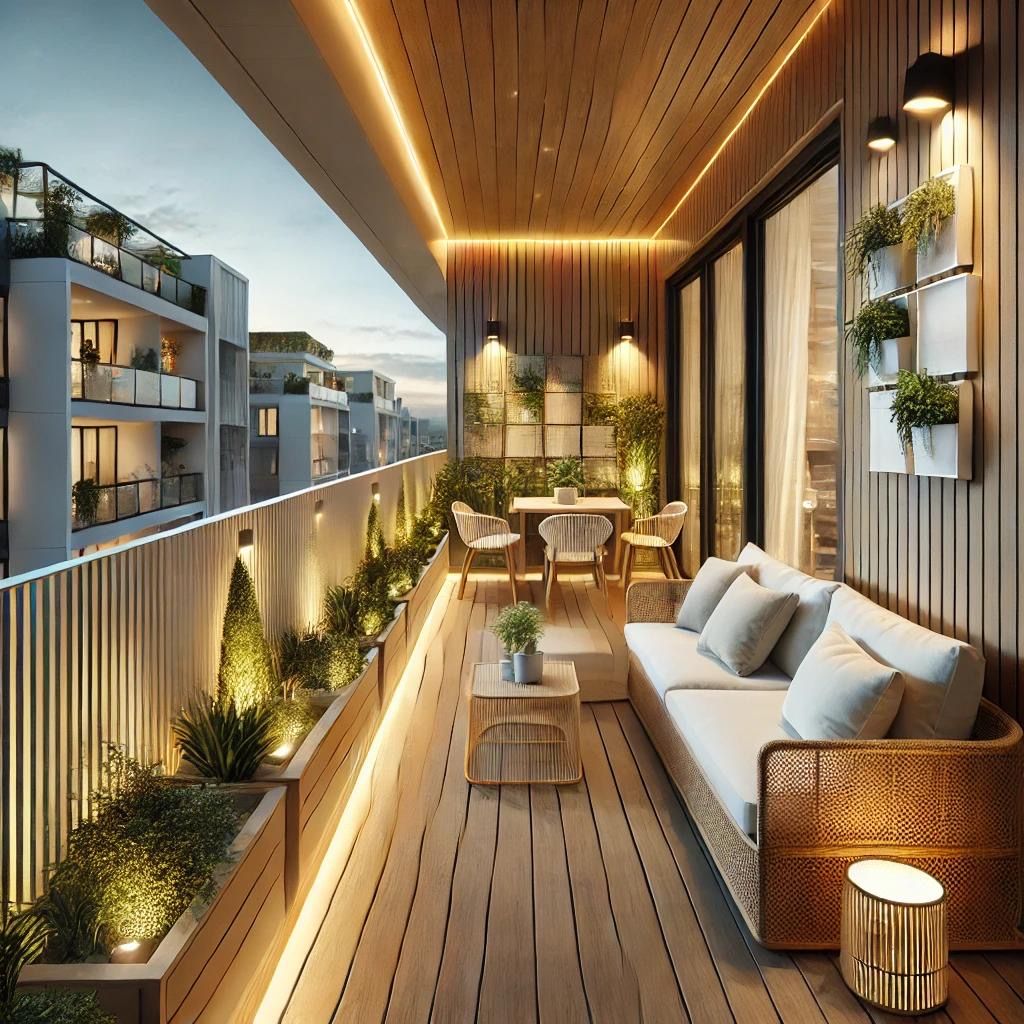
Architectural Details: Essential Elements of Building Design
Architectural details are the distinctive elements, ornamentation, and features that shape a building’s character. They can be functional, decorative, or both, helping define an architectural style while improving comfort, durability, and visual appeal. For a practical example of context-sensitive architecture and design, explore SpaceMatters.
1. Facade Elements
- Columns and pilasters: Vertical elements used for structural support or decoration.
- Cornices: Horizontal moldings or projections near the top of an exterior wall.
- Lintels: Horizontal supports above windows and doors.
2. Roof Details
- Dormers: Projecting structures in a sloped roof, often containing windows.
- Eaves: The lower edges of a roof that extend beyond the walls and help protect them from rain.
3. Windows and Doors
- Architectural molding: Decorative trim around windows and doors.
- Transoms and mullions: Horizontal and vertical divisions that add proportion and detail to window assemblies.
- Porticos and porches: Covered entrances supported by columns or pillars.
4. Exterior Decorative Features
- Balustrades: Rows of small pillars topped by a rail, commonly used on balconies and terraces.
- Quoins: Decorative masonry blocks that emphasize building corners.
- Pediments: Triangular features placed above doors or windows.
5. Interior Architectural Details
- Molding and trim: Decorative elements applied to walls, ceilings, and floors.
- Wainscoting: Paneling installed on the lower portion of interior walls.
- Crown molding: Trim that transitions between walls and ceilings.
6. Staircase Details
- Balusters and newel posts: Supports that hold and anchor a staircase handrail.
- Handrails and railings: Safety and guidance features along stairs and elevated platforms.
7. Ceiling Details
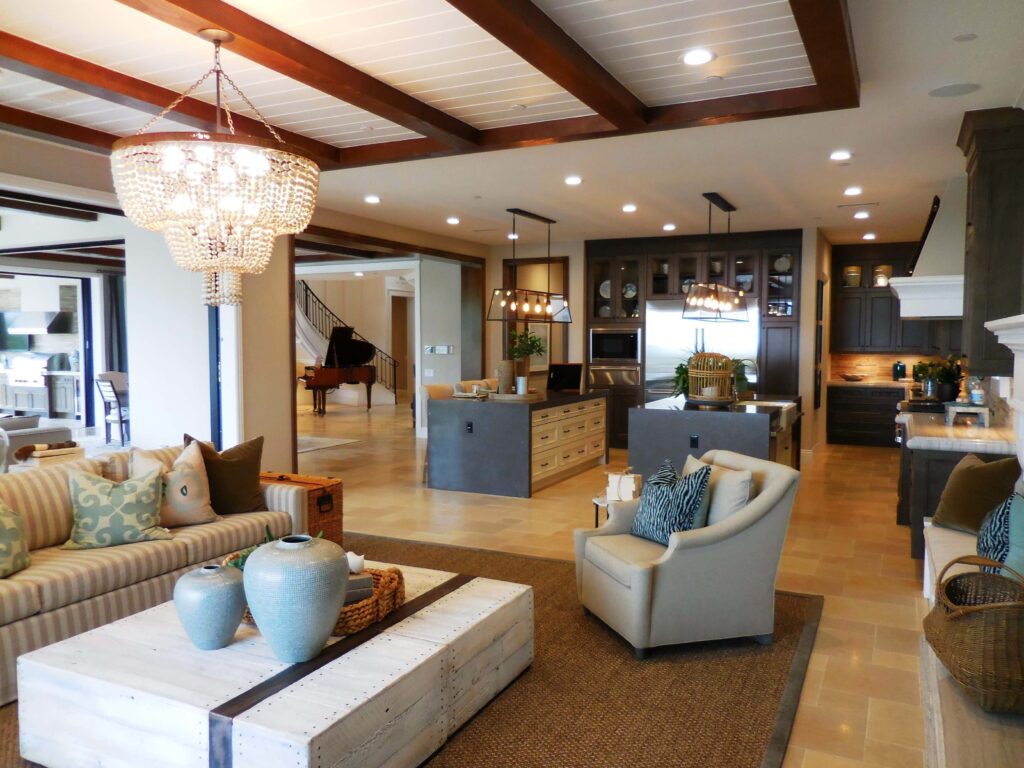
- Coffered ceilings: Recessed panels or decorative beams that add depth and rhythm.
- Vaulted or domed ceilings: Curved forms that create height and visual impact.
8. Flooring Details
- Inlays and medallions: Decorative patterns created with contrasting flooring materials.
- Baseboards: Protective and decorative molding where walls meet the floor.
9. Fireplace Details
- Mantels: Decorative shelves or surrounds above a fireplace.
- Hearths: The fire-resistant floor area in front of a fireplace.
10. Architectural Materials
- Brickwork and masonry: Textures and patterns formed with brick or stone.
- Woodwork: Carving, paneling, and crafted timber elements that add warmth and character.
Why Architectural Details Matter
Architectural details contribute to a building’s design narrative and often reflect its climate, history, materials, and cultural influences. Whether preserved in a historic structure or introduced into a contemporary home, carefully selected details can create a richer, more coherent, and more enduring design.