Personalized Home Interiors: 11 Powerful Ideas for a Beautiful Home
Creating personalized home interiors means designing a space around your lifestyle, personality, daily routines and practical needs. The right combination of space planning, furniture, colours, storage, lighting and décor can transform a house into a home that feels genuinely yours.
Updated: August 2026

Personalized home interiors are spaces designed around the homeowner’s lifestyle, preferences, daily routines, storage requirements, functional needs and personal style. Instead of following a generic design, every major element is selected to make the home comfortable, useful and visually connected to the people who live there.
What Does Personalized Home Interior Design Mean?
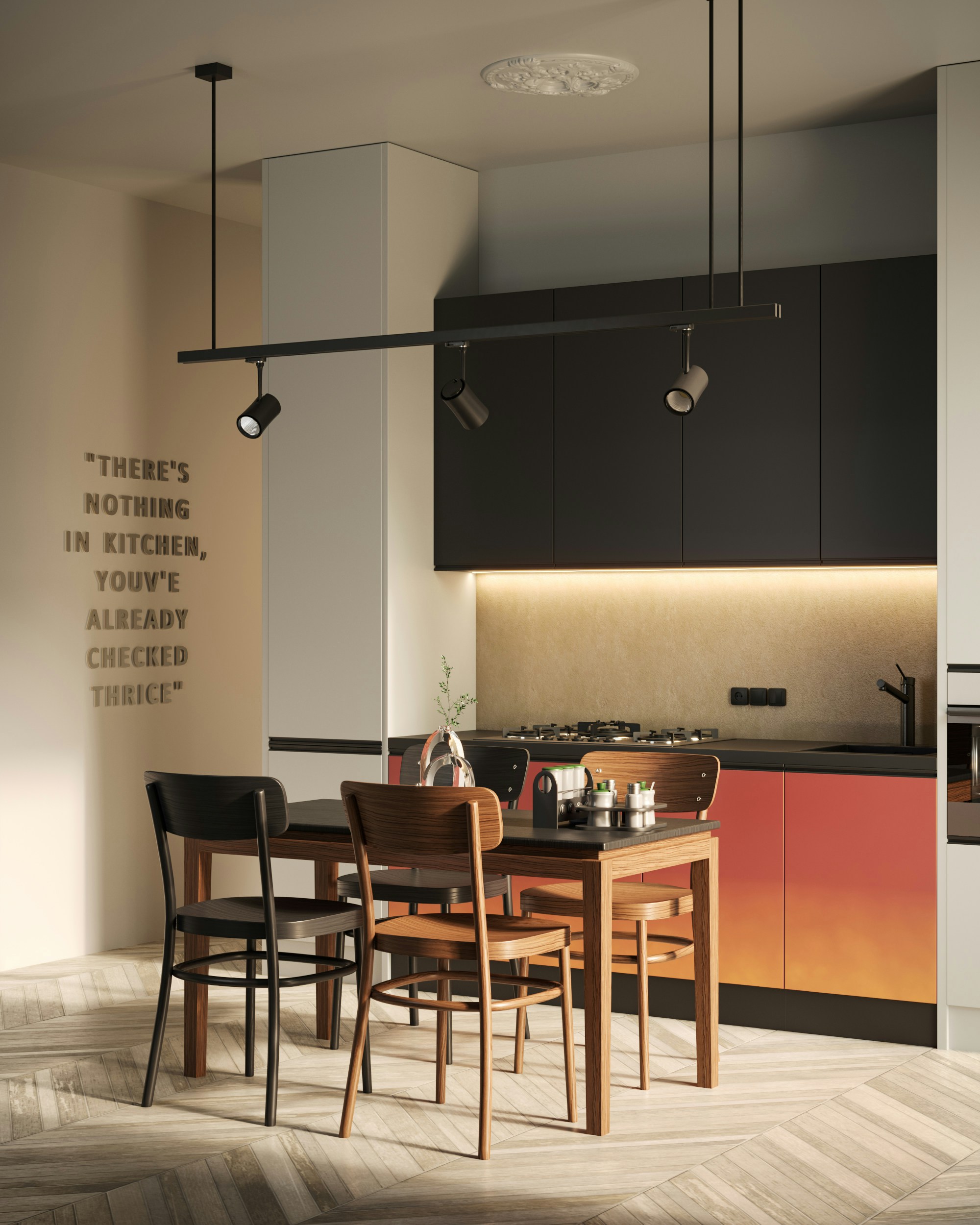
Personalized home interiors go beyond choosing attractive furniture and colours. The goal is to create a home that supports the way you actually live.
For one homeowner, this could mean a large modular kitchen and a dedicated dining area. For another, it may mean a compact home office, more wardrobe storage, a reading corner or flexible furniture for a small apartment.
Good interior design combines aesthetics with functionality so that the final space feels personal without becoming difficult to use.

11 Ideas for Creating Personalized Home Interiors

1. Start With Your Lifestyle
Before selecting colours or furniture, consider how you use each room. Think about working from home, entertaining guests, cooking, relaxing, storage and family routines.

2. Choose Furniture That Fits Your Needs
Furniture should be selected according to room dimensions and lifestyle. Custom furniture can be particularly useful where standard sizes do not provide the required functionality.

3. Plan Storage Around Your Routine
Storage works best when it is designed around what you actually own. Wardrobes, kitchen cabinets, bookshelves and concealed storage can be planned according to everyday requirements.

4. Design a Personalized Modular Kitchen
Kitchen design should reflect cooking habits, appliance requirements, storage needs and the number of people using the space.

5. Make the Bedroom Personal
Bedrooms should provide comfort and privacy. Bed placement, wardrobe storage, bedside units, colours and lighting can all be customized to your preferences.

6. Use Lighting to Create Atmosphere
Lighting can dramatically change the character of an interior. Combine ambient, task and accent lighting according to the purpose of each room.

7. Select a Personal Colour Palette
Choose colours that complement your personality while considering natural light, room size, furniture and the overall atmosphere you want to create.

8. Add Meaningful Décor
Artwork, photographs, books, plants and accessories can make a home feel personal. Select pieces that have genuine meaning rather than filling every surface.

9. Create a Dedicated Work Zone
If you work from home, a properly planned workspace can improve comfort and organisation. A compact desk, storage and suitable lighting can be integrated into a bedroom or living area.

10. Personalize Outdoor and Balcony Areas
Balconies can become relaxing extensions of the home with compact seating, plants, lighting and weather-appropriate materials.

11. Create a Consistent Design Language
Rooms do not have to look identical. However, repeating selected materials, colours, textures or design details can create a cohesive home.
Personalized Living Room Interiors
The living room is often the social centre of a home. Personalized design should therefore consider how the family relaxes, entertains guests and uses technology.
- Select seating according to the number of users.
- Plan the television and entertainment area carefully.
- Add storage for books, electronics and everyday items.
- Use lighting for both everyday activities and entertaining.
- Keep circulation paths comfortable.
Personalized Bedroom Interior Design
A bedroom should reflect the homeowner’s preferred level of comfort, storage and visual calm. The design can include customized wardrobes, bedside storage, soft lighting and materials selected for the desired atmosphere.
For smaller apartments, floor-to-ceiling wardrobes and storage beds can provide additional functionality without unnecessarily reducing usable floor space.
Personalized Modular Kitchen Design
A personalized modular kitchen should be based on cooking habits, family size, appliance requirements and storage preferences.
- Plan drawers around frequently used items.
- Allocate dedicated locations for appliances.
- Use vertical storage where appropriate.
- Consider corner storage solutions.
- Choose countertop materials according to maintenance needs.
- Plan lighting for preparation and cooking areas.
Personalized Home Interiors for Small Apartments
Small homes can still have highly personalized interiors. The key is to prioritize functionality and avoid unnecessary furniture.
Use furniture that performs more than one function. Storage beds, wall-mounted desks, built-in wardrobes, nesting tables and concealed storage can help small apartments remain organized without feeling overcrowded.
Choosing Materials for a Personalized Interior
Materials influence both the appearance and durability of a home. Wood, stone, glass, metal, laminates, fabrics and textured surfaces can all be combined to create a distinctive interior.
The best material selection considers appearance, maintenance, durability, budget and the room where the material will be installed.
Personalized Home Interiors in Gurgaon, Noida and Delhi NCR
Homeowners in Gurgaon, Noida and Delhi NCR have very different property types, from compact high-rise apartments to larger villas and independent houses. Personalized interior design allows the layout and finishes to respond to the specific property rather than using a one-size-fits-all approach.
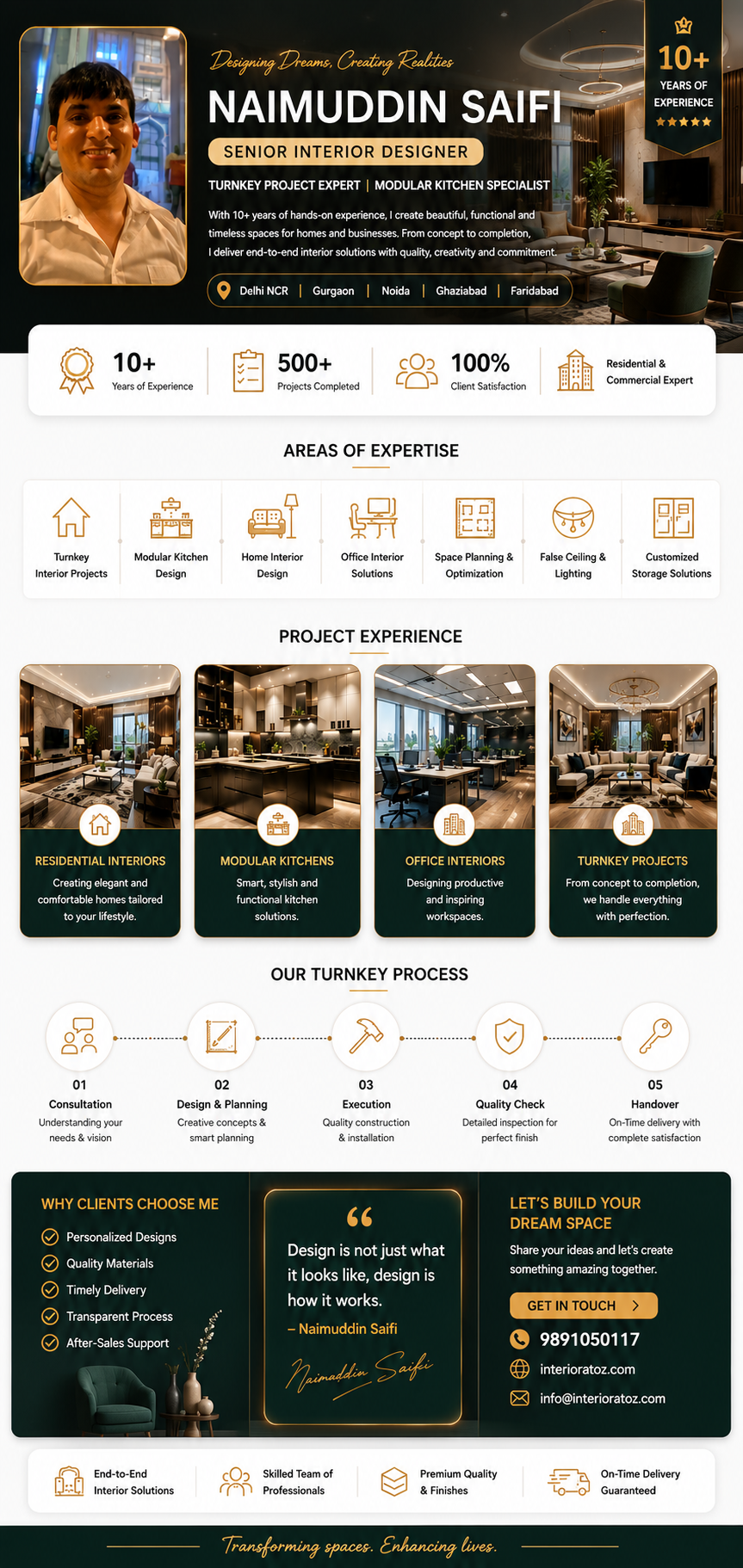
Interior A to Z provides interior design solutions across Delhi NCR, including Gurgaon and Noida, with services covering residential interiors, modular kitchens, wardrobes, custom furniture and related design requirements.
Explore Interior Design Services by Interior A to Z
How to Plan Your Personalized Home Interior Project
- Discuss your lifestyle, preferences and requirements.
- Measure the property and understand the existing layout.
- Create a practical furniture and space plan.
- Select the desired interior design style.
- Choose colours, materials and finishes.
- Plan storage and furniture requirements.
- Develop lighting and electrical requirements.
- Finalize the design and budget.
- Move into execution after confirming specifications.
Common Mistakes to Avoid
- Copying another home’s design without considering your lifestyle.
- Buying furniture before measuring the room.
- Ignoring storage requirements.
- Using too many unrelated colours.
- Choosing aesthetics over everyday functionality.
- Underestimating lighting requirements.
- Not planning electrical points early.
- Filling every available space with furniture.
Benefits of Personalized Home Interiors
- Better use of available space.
- Improved everyday functionality.
- Storage designed around your possessions.
- Furniture selected according to your lifestyle.
- A stronger sense of personal identity.
- Better visual consistency between rooms.
- Greater comfort and convenience.
- A more organised home environment.
Frequently Asked Questions
What are personalized home interiors?
Personalized home interiors are spaces designed around the homeowner’s lifestyle, preferences, daily routines, storage requirements and personal style.
How can I personalize my home interior?
You can personalize your home through furniture, colours, lighting, artwork, storage solutions, materials, layouts and decorative elements that reflect your lifestyle and personality.
Why is space planning important for personalized interiors?
Space planning ensures that furniture, storage, circulation, lighting and functional areas work together according to the way the homeowner uses the property.
Can personalized interior design work in a small apartment?
Yes. Multifunctional furniture, built-in storage, vertical storage, appropriate furniture proportions and efficient layouts can make a small apartment highly functional.
How much does personalized interior design cost?
The cost depends on property size, design scope, materials, furniture, finishes, modular requirements and execution requirements. A site assessment and detailed consultation can provide a more accurate estimate.
Create a Home Designed Around You
Transform your home with personalized interior design solutions for Gurgaon, Noida and Delhi NCR.
WhatsApp an Interior DesignerUnderstanding Your Style
When it comes to home interiors, identifying your style is the first step towards creating a space that resonates with you. Consider your preferences—do you lean toward modern minimalism, rustic charm, or eclectic designs? Each style offers distinct characteristics that can influence your choices in color, furniture, and decor.
Functional Spaces
Your personalized interiors should also consider functionality. Different areas of your home serve various purposes, and understanding these can help you design a more cohesive layout. For instance, a cozy reading nook can turn a dull corner into a haven for relaxation, while an open-plan living area promotes social interaction. Think about how you and your family use each space to ensure that every corner meets your needs.
Incorporating Personal Touches
Lastly, the charm of any home interiors lies in personal touches. Add elements that tell your story, such as artwork from your travels, family photos, or treasured heirlooms. These unique items not only enhance the aesthetic appeal of your home but also create a welcoming environment that truly feels like yours.