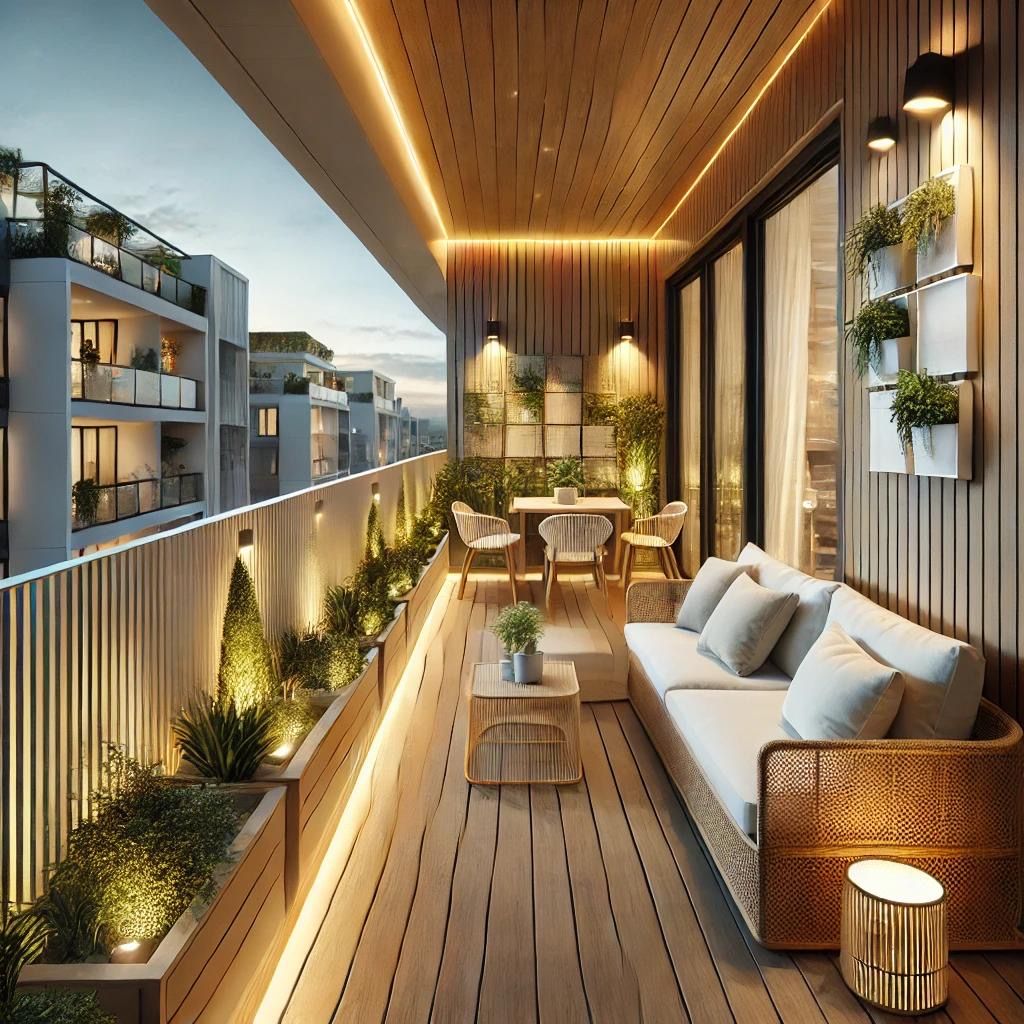
Designing a small home (studio, 1 BHK, compact 2 BHK) presents unique challenges and opportunities. Understanding likely charges helps you set realistic expectations and budgets.
Why small homes cost differently
- Economies of scale are limited — fixed costs (site visits, design work) are a larger fraction
- Emphasis shifts to space optimization and multifunctional furniture
- Less area means per square foot rates tend to be higher
- Custom joinery and smart storage impact cost more
- Designers must balance aesthetics, function & cost more tightly
Common charging models for small homes
- Per square foot / per sq ft rate — often used for uniformity
- Flat / lump sum fee — useful when scope is tightly defined
- Percentage of project cost — sometimes 8%–12% for full service
- Hourly / consultation fee — for advisory or partial services
Typical charge ranges for small homes
Here’s what you can expect (indicative, depending on city, finishes)
| Size / Type | Approx Charge / Rate | What It Covers |
|---|---|---|
| Studio / Compact flat (300–500 sq ft) | ₹1,200 – ₹2,500 per sq ft | Full design + execution with modular units |
| 1 BHK (500–700 sq ft) | ₹1,000 – ₹2,000 per sq ft | Modular kitchen, wardrobes, living / bedroom |
| Small 2 BHK (700–900 sq ft) | ₹900 – ₹1,800 per sq ft | Similar but slightly more margin / furnishing |
For very basic versions (design only or minimal execution), rates may start lower (₹400–₹800 / sq ft).
Sample estimates
- Studio, 400 sq ft, mid finishes
Rate: ₹1,500 per sq ft → 400 × 1,500 = ₹6,00,000- 10 % buffer → ~ ₹6,60,000
- 1 BHK, 600 sq ft, moderate finishes
Rate: ₹1,300 per sq ft → 600 × 1,300 = ₹7,80,000- buffer = ~ ₹8,50,000
- 2 BHK (small), 800 sq ft, standard quality
Rate: ₹1,200 per sq ft → 800 × 1,200 = ₹9,60,000- buffer = ~ ₹10,56,000
Cost drivers even in small homes
- Quality of finishes: laminate, veneer, solid wood, surface materials
- Custom / multifunctional furniture (folding beds, hidden storage)
- Lighting, false ceiling, wall treatments
- Site constraints and labor logistics
- Designer’s brand, supervision, revisions
- Scope: design only vs full execution
Tips to manage costs in small homes
- Use modular furniture and standard modules
- Focus on smart storage solutions rather than aesthetics alone
- Limit structural changes
- Use quality laminates / engineered finishes over premium materials
- Combine functions (e.g. study corner + wardrobes)
- Phase décor / accessories later
- Request clear scope & cost breakdown
Frequently Asked Questions (FAQ) on Interior Design Charges for Small Homes
1. What are the average interior design charges for small homes in India?
Interior design for small homes usually costs ₹900 – ₹2,000 per sq ft, depending on materials, customization, and city.
2. How much does it cost to design a studio apartment?
A 300–500 sq ft studio typically costs ₹3–6 lakh for budget interiors, and up to ₹8–10 lakh for premium finishes.
3. What are the interior design charges for a 1 BHK?
For a 1 BHK (500–700 sq ft), expect ₹5–8 lakh for budget interiors and ₹8–12 lakh for mid-range designs.
4. Can a small 2 BHK be designed on a low budget?
Yes. A compact 700–900 sq ft 2 BHK can be designed within ₹7–10 lakh if modular furniture and laminates are used.
5. Do per sq ft rates increase for small homes?
Yes. Fixed costs (consultation, site visits, drawings) spread over less area, so per sq ft rates for small homes may be slightly higher than for large homes.
6. What is usually included in small home interior packages?
- Modular kitchen
- Wardrobes and storage
- Basic false ceiling and lighting
- Wall paint or laminates
- Essential furniture pieces
7. Are designer consultation-only services cheaper for small homes?
Yes. Consultation or design-only packages start from ₹400 – ₹800 per sq ft, but execution is separate.
8. How can I keep small home interior charges low?
- Use modular units instead of custom carpentry
- Avoid structural changes
- Prioritize essential rooms (kitchen, wardrobes)
- Use laminates instead of veneers or acrylics
- Phase non-essential décor later