

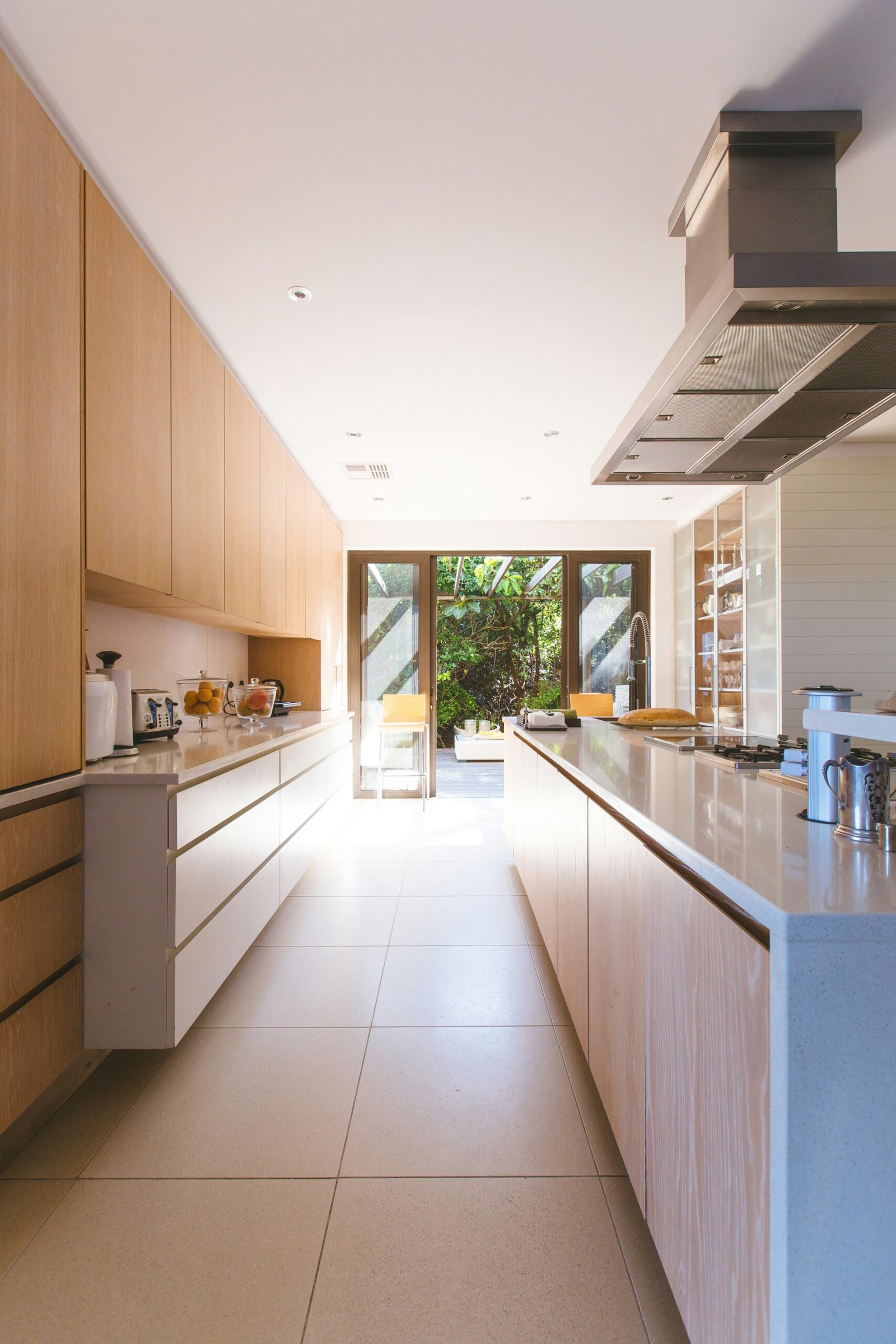
Introduction to Galley Kitchen Design
Galley kitchens are a distinct style of cooking space that have garnered increased attention in contemporary home design. Characterized by their narrow layout, galley kitchens typically consist of two parallel countertops, creating an efficient workspace that enhances functionality. This design allows for an optimized workflow, making tasks such as cooking and cleaning more streamlined. The compact nature of galley kitchens makes them a favorable choice for apartment dwellers and homeowners with limited space.
The history of galley kitchen design can be traced back to the maritime world, where the compact kitchens were essential in ships to maximize available space. As the need for efficient home cooking environments grew, this concept translated to residential design, becoming increasingly popular in urban settings. The galley kitchen’s clever use of often-overlooked areas has made it an attractive option for modern households, especially as many are opting for smaller living quarters.
In addition to space maximization, galley kitchens offer a unique approach to incorporating style into design. These kitchens can be customized with a variety of materials, colors, and layouts to suit individual preferences while still adhering to the galley aesthetic. The linear structure not only facilitates interaction but also evokes a sense of sophistication and elegance. As such, the galley kitchen style has become a go-to solution for individuals seeking to blend practicality with chic design. The resurgence in popularity of this kitchen style reflects a broader trend towards minimalist living, where space is at a premium, yet style remains a crucial consideration.
Key Features of Galley Kitchens
Galley kitchens are characterized by their distinctive layout and efficient use of space. Typically, these kitchens feature two parallel countertops that create a narrow corridor, maximizing cooking and meal preparation areas. This layout not only enhances workflow but also promotes an organized environment where everything is within reach. The close proximity of appliances, sinks, and work surfaces facilitates a seamless cooking experience, making galley kitchens an appealing option for both amateur cooks and culinary professionals.
Storage plays a crucial role in the functionality of galley kitchens. Given the compact nature of this design, effective storage solutions are essential to avoid clutter and maintain an orderly space. Upper cabinets often stretch to the ceiling, providing ample room for storing kitchen essentials. In addition to traditional cabinet solutions, open shelving can be incorporated into the design, allowing for easy access to frequently used items while adding an aesthetic touch. This well-planned storage not only keeps the kitchen tidy but also enhances the overall visual appeal of the space.
Efficiency is at the heart of any galley kitchen design. The layout promotes an effective work triangle, which connects the refrigerator, stove, and sink, streamlining common tasks such as cooking and cleaning. This triangular formation minimizes unnecessary movement, making the kitchen more functional. Moreover, with careful consideration of appliance placement, homeowners can ensure that each area serves a specific purpose, promoting ergonomic movement throughout the kitchen. Elements such as pull-out drawers, lazy Susans, and built-in appliances further enhance usability, allowing for a tailored approach to kitchen organization.
Overall, the key features of galley kitchens, including their unique layout, smart storage solutions, and optimized workflow, make them an efficient choice for maximizing space without compromising style.
Designing for Functionality: The Work Triangle
In the realm of galley kitchen design, the work triangle is a fundamental concept that significantly influences functionality and efficiency. This principle revolves around the strategic placement of the three primary workstations: the sink, stove, and refrigerator. Efficient kitchen design aims to minimize unnecessary movement while facilitating optimal workflow, thereby enhancing productivity in this often compact space.
When planning the layout of a galley kitchen, it is essential to position these key elements in a triangular formation. A well-optimized work triangle allows users to seamlessly transition between food preparation, cooking, and cleaning activities. Ideally, the distance between each point of the triangle should range between 4 to 9 feet, ensuring easy access without overcrowding. By maintaining these proportions, you can create a harmonious work environment that elevates the overall cooking experience.
Furthermore, considering the placement of additional elements such as countertops and cabinetry is crucial. Counter spaces should be situated near the stove for easy access to pots, pans, and ingredients while also providing a convenient area for food preparation. The proximity of the sink to both the stove and refrigerator is vital for efficient workflow, enabling quick rinsing of ingredients and seamless transfer of items between stations.
Moreover, it’s advisable to avoid placing obstacles within the work triangle. Items such as kitchen islands, appliances, or excessive cabinetry may impede movement, consequently disrupting the operational flow. Maintaining a clear pathway between each station not only increases efficiency but also promotes a safer cooking environment.
Ultimately, thoughtful application of the work triangle concept is essential in designing a galley kitchen that is both functional and stylish. By carefully analyzing the placement of the sink, stove, and refrigerator, one can ensure a productive kitchen setup that maximizes the potential of limited space.
Color Schemes and Materials for a Galley Kitchen
The aesthetic choices made in a galley kitchen are crucial, as they can significantly impact the space’s overall appeal and functionality. Selecting an appropriate color scheme is essential not only for visual impact but also for creating an atmosphere that feels spacious and inviting. Light colors, such as soft whites, pale grays, or muted pastels, are often recommended for galley kitchens. These shades can enhance the perception of openness, making the kitchen appear larger and airier. Additionally, an airy color palette can reflect light, contributing to a more welcoming environment.
On the other hand, bold colors can also be effectively incorporated, but moderation is key. For example, utilizing deep navy blue or rich forest green as an accent color for cabinetry or backsplash can create striking focal points while maintaining an overall sense of balance. Combining these darker tones with lighter hues can help achieve a harmonious look, ensuring the space feels cohesive. Furthermore, it’s essential to consider the impact of textures and finishes in galley kitchen design. Smooth, gloss finishes can add a modern touch, while matte surfaces may create a warmer and more subdued ambiance.
When it comes to materials, durability should be a primary consideration, especially when selecting countertops, cabinetry, and flooring. Materials such as quartz or granite are excellent choices for countertops, as they are resilient and available in a wide range of colors and patterns. For flooring, options like ceramic tiles or luxury vinyl planks can provide both style and resilience. It is crucial to select materials that not only enhance the overall design of the galley kitchen but also withstand the daily wear and tear typical of such high-traffic areas.
Storage Solutions for Galley Kitchens
In the realm of galley kitchen design, effective storage solutions are paramount due to the inherent limitations of space. One of the most effective strategies to maximize storage is to utilize vertical space, which can be accomplished by installing cabinets that extend all the way to the ceiling. This practice not only creates additional storage but also draws the eye upward, making the kitchen feel larger and more open. The upper cabinets can be used for less frequently accessed items, while lower cabinets can store everyday essentials.
Incorporating pull-out shelves is another innovative solution that can significantly enhance accessibility. These shelves allow for easy retrieval of items stored at the back of cabinets, minimizing clutter and maintaining organization. This design feature is particularly beneficial for deep cabinets, where items often get lost or forgotten. Additionally, using pull-out racks for spices or utensils can help keep frequently used items within easy reach, streamlining cooking activities.
Another effective strategy involves the addition of built-in storage solutions, such as pantries or storage islands. A tall, slim pantry can utilize narrow vertical space, providing ample room for food items and kitchen supplies without consuming valuable floor space. Furthermore, kitchen islands can be customized with built-in shelves or cabinets, serving dual purposes as both a cooking area and a storage solution. This flexibility allows homeowners to create a functional workspace that remains organized and clutter-free.
To summarize, the key to effective storage in a galley kitchen lies in utilizing vertical dimensions, incorporating pull-out options, and integrating built-in storage solutions. These strategies not only provide ample storage space but also contribute to a stylish and organized kitchen, essential for any cooking enthusiast.
Lighting Essentials for Galley Kitchens
The importance of effective lighting in a galley kitchen cannot be overstated, as it significantly impacts both functionality and ambiance. A well-lit kitchen enhances visibility, making cooking and food preparation safer and more enjoyable. To achieve an optimal lighting arrangement, it is essential to integrate three types of lighting: task, ambient, and accent.
Task lighting focuses directly on areas where activities are performed, such as countertops and cooking surfaces. Under-cabinet lighting is an excellent example, providing directed illumination to the workspace without hindering the overall design. Utilizing LED strips or puck lights can create a seamless look while ensuring that food preparation areas are sufficiently lit. Pendant lights above an island, if applicable in the kitchen’s layout, can further enhance task-oriented lighting.
Ambient lighting, on the other hand, serves to provide overall illumination for the entire space. It sets the mood and ensures that the kitchen is welcoming. Recessed lighting and flush-mounted ceiling fixtures are commonly used for ambient lighting in galley kitchens as they offer a straightforward installation while providing even brightness throughout the room. Selecting fixtures that complement the kitchen’s style can help in maintaining an aesthetic coherence.
Accent lighting can be utilized to highlight specific design features or decorative elements within the kitchen, such as shelves, artwork, and cabinetry. This type adds a layer of visual interest and depth to the space. Wall sconces or display lights can work well for these purposes, allowing homeowners to showcase personal style while also enhancing the kitchen’s overall charm.
To achieve a well-lit galley kitchen, layering these three types of lighting is crucial. By carefully selecting fixtures that harmonize with the space, one can create an inviting and functional environment. Taking these considerations into account will ensure that the galley kitchen remains a practical and stylish focal point in the home.
Incorporating Modern Appliances
The integration of modern appliances in a galley kitchen significantly enhances both functionality and aesthetics. With the demand for space-efficient solutions rising, many manufacturers are focusing on compact and built-in appliance designs tailored for smaller kitchen layouts. These appliances, ranging from slim refrigerators to countertop ovens, maximize utility without compromising on style. For instance, a built-in microwave can be seamlessly integrated into cabinetry, freeing up counter space and contributing to a streamlined design.
Another essential consideration is the energy efficiency of appliances. Advances in technology have led to the development of appliances that not only consume less energy but also reduce overall utility costs. Energy Star-rated refrigerators, dishwashers, and ovens are now common in contemporary kitchens, ensuring that homeowners can enjoy modern functionality while adhering to eco-friendly practices. By selecting these energy-efficient appliances, one can minimize the environmental impact of their kitchen without sacrificing performance.
Moreover, smart home technology has made its way into kitchen appliances, introducing innovative solutions that enhance usability. Smart refrigerators that allow users to track inventory, ovens that can be controlled remotely, and dishwashers that optimize water usage depending on the load are just a few examples of how technology can improve everyday kitchen experiences. In a galley kitchen, where every inch counts, the integration of these high-tech appliances can greatly streamline cooking and cleaning processes, adding both convenience and sophistication to the space.
Ultimately, the choice of modern appliances in a galley kitchen plays a pivotal role in optimizing space and promoting stylish design. With various options available that emphasize compactness, energy efficiency, and smart technology, a modern galley kitchen can embody both functionality and elegance.
Personalizing Your Galley Kitchen
Personalization is key to transforming a functional galley kitchen into a space that reflects the homeowner’s unique style and preferences. The relatively narrow layout of a galley kitchen presents both challenges and opportunities for individual expression. By focusing on decorative accessories, custom cabinetry, and distinctive hardware, one can successfully inject personality into this compact cooking area.
Decorative accessories are an effective way to add character to a galley kitchen. Consider using vibrant colored dishware, stylish canisters, or unique cutting boards that not only serve a purpose but also enhance the overall aesthetic. Adding a few potted herbs or a small succulent garden can introduce a refreshing touch of greenery, contributing both visual appeal and practicality. These small design elements can infuse warmth into the kitchen environment without overwhelming the minimalist design typically found in galley kitchens.
Another aspect of personalization lies in the choice of hardware. Opting for unique cabinet knobs and drawer pulls can elevate the look of the kitchen. For instance, selecting vintage-style or modern geometric handles can create a focal point, drawing the eye and adding an appealing contrast to the cabinetry. This subtle yet impactful element can reinforce the desired theme of the kitchen, whether it leans towards contemporary chic or rustic charm.
Additionally, customized cabinetry offers homeowners a chance to make a statement. Tailoring cabinetry with specific materials, finishes, or color palettes allows the kitchen to showcase individuality. Whether it’s experimenting with bold colors, intricate patterns, or a sleek, minimalist finish, customized cabinetry reflects personal style in a way that standardized options cannot. Integrating artwork can further personalize the space, creating a gallery wall of family photos or unique art pieces for a curated look.
Through these thoughtful personalization strategies, a galley kitchen can transition from being merely functional to a vibrant, personalized space that mirrors the personality and tastes of its occupants.
Conclusion: The Future of Galley Kitchens
As we navigate the evolving landscape of kitchen design, the galley kitchen remains a prominent choice for homeowners seeking efficiency without sacrificing style. Its linear layout not only maximizes space utilization but also fosters a seamless workflow, making it a highly functional option for cooking enthusiasts and casual chefs alike. The efficient design of galley kitchens creates an inviting atmosphere, ensuring all essential elements are within reachable distances, thereby enhancing the overall cooking experience.
Emerging trends within galley kitchen design point to a growing emphasis on personalization and technology integration. Smart appliances are increasingly becoming standard features, allowing homeowners to manage their kitchen operations more intuitively while contributing to a more streamlined aesthetic. Additionally, innovative storage solutions, such as pull-out cabinets and vertical shelving, provide efficient ways to minimize clutter and optimize limited space, making the galley kitchen even more appealing.
Sustainability is also shaping future galley kitchens, with a focus on eco-friendly materials and energy-efficient appliances. Homeowners are more inclined to choose sustainable options that align with their values while enhancing the kitchen’s functionality and style. Moreover, the concept of open-plan living is influencing traditional galley designs, leading to greater flexibility in layouts that connect the kitchen with other living spaces, such as dining and living areas.
In conclusion, the galley kitchen stands as an excellent design choice that balances efficiency and elegance. Its adaptability to modern trends and technologies reinforces its relevance in today’s evolving home environments. Those considering kitchen renovations should undoubtedly explore the benefits of galley kitchens to discover how this timeless design can enhance their culinary spaces and lifestyle.