

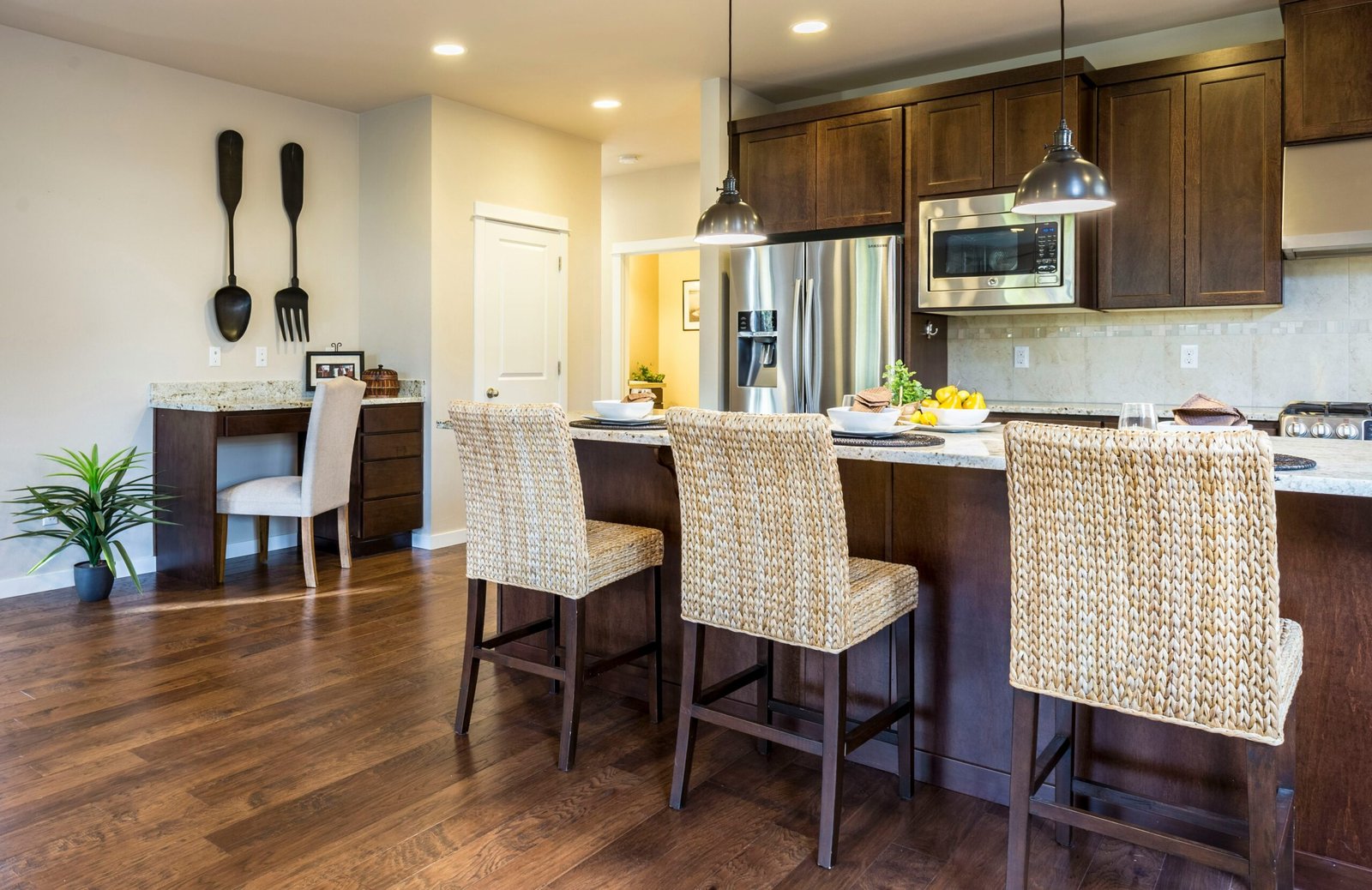
Introduction to Custom Kitchen Cabinets
Custom kitchen cabinets represent a significant evolution in kitchen design, providing a personalized and functional solution tailored to the preferences and needs of individual homeowners. Unlike standard pre-fabricated cabinets, which are mass-produced and typically available in a limited range of sizes and finishes, custom cabinets are crafted specifically for a particular space. This bespoke approach allows for a greater degree of creativity and functionality, catering to unique layouts, design styles, and storage requirements.
One of the most compelling advantages of investing in custom kitchen cabinets is the ability to achieve a tailored design that aligns perfectly with the homeowner’s vision. Custom cabinets can be designed to fit unusual spaces or accommodate specific appliances, maximizing both aesthetics and functionality. These cabinets can also incorporate bespoke features such as specialized drawer dividers, pull-out shelves, and innovative storage solutions, which significantly enhance organization and usability within the kitchen environment.
Besides aesthetic considerations, custom cabinets stand out due to their superior quality materials and craftsmanship. While standard cabinets may be constructed from lower-grade materials that compromise durability and longevity, custom options often utilize higher quality woods and finishes. This commitment to quality not only results in a more appealing look but also ensures that the cabinets endure the daily rigors of a busy kitchen, ultimately offering greater value over time.
Additionally, the enhanced functionality provided by custom kitchen cabinets addresses specific needs, allowing homeowners to create an environment that facilitates their culinary activities. By considering elements such as workflow, accessibility, and ergonomics, custom solutions can make a significant difference in how effectively a kitchen operates. The combination of personalized design, superior quality, and enhanced functionality outlines the reasons why many homeowners opt for custom kitchen cabinets when embarking on a kitchen transformation.
Design Options for Custom Kitchen Cabinets
When considering custom kitchen cabinets, a myriad of design options are available to suit various tastes and preferences. Each style brings its unique charm and functionality to the culinary space, making it essential to choose the one that resonates with your personal aesthetics and complements your kitchen layout. Among the most popular styles are modern, traditional, rustic, and contemporary.
Modern kitchen cabinets often feature sleek lines, minimalistic designs, and an emphasis on functionality. These cabinets are typically crafted using high-quality materials such as plywood or engineered wood, adorned with glossy finishes that reflect light, creating a sense of spaciousness. In contrast, traditional cabinets showcase intricate details, classic craftsmanship, and often employ warm woods like oak or cherry. Their rich finishes and elaborate hardware evoke a timeless elegance that many homeowners appreciate.
Rustic custom kitchen cabinets embrace a more rugged appeal, capitalizing on natural materials and distressed finishes to create a cozy, inviting atmosphere. These cabinets may be made from reclaimed wood and incorporate features such as open shelving to display dishware or decorative items. Alternatively, contemporary cabinets merge elements from various styles, offering versatile designs that can include unusual shapes and vibrant colors, enabling homeowners to express their individuality.
In addition to styles, materials and finishes play a crucial role in crafting custom kitchen cabinets. Options include laminate, solid wood, wood veneer, and metal, each offering its durability and aesthetic. Choosing the right finish, from matte to high gloss, not only enhances the visual appeal but also affects the cabinets’ longevity and maintenance needs. Ultimately, tailoring the design of custom kitchen cabinets to align with both personal tastes and the kitchen layout is essential in transforming the culinary space into a harmonious and functional environment.
Choosing the Right Materials
When it comes to custom kitchen cabinets, the selection of materials plays a crucial role in determining the longevity, aesthetic appeal, and overall functionality of the cabinetry. Various materials are commonly used in the construction of custom cabinets, each offering unique advantages and disadvantages to consider.
Solid wood is a traditional choice that is often favored for its natural beauty and durability. It can withstand significant wear and tear, making it a popular option for homeowners seeking to invest in a high-quality product. However, solid wood can be prone to warping and expansion due to humidity changes, which may require careful maintenance and appropriate sealing to ensure its longevity. Additionally, the cost of solid wood cabinets can be relatively high compared to other materials.
Plywood is another prevalent material, known for its strength and versatility. It is constructed from layers of wood veneers glued together, resulting in a lightweight, yet durable cabinet. Plywood is less susceptible to warping compared to solid wood, making it a resilient option for kitchens. Despite its higher cost compared to MDF, many homeowners opt for plywood due to its balanced properties of affordability and longevity.
MDF, or Medium Density Fiberboard, is engineered from wood fibers and adhesives, making it a cost-effective alternative to solid wood and plywood. While MDF provides a smooth surface ideal for painting and comes in at a lower price point, it is important to note that it is less durable and can be more susceptible to water damage, especially when used in high-moisture areas.
Lastly, laminates are a synthetic option that can mimic the appearance of wood while offering a wide range of colors and finishes. While laminate cabinets are highly resistant to scratches and moisture, they may lack the inherent charm and sturdiness of solid wood or plywood.
Ultimately, the choice of material for custom kitchen cabinets should align not only with the desired aesthetic but also with practical considerations such as durability, maintenance needs, and budgetary constraints. By thoroughly evaluating these factors, homeowners can make informed decisions that enhance their culinary space.
Budgeting for Custom Kitchen Cabinets
When planning for custom kitchen cabinets, understanding the associated costs is essential for effective budgeting. The expenses can vary widely based on materials, labor, and design complexity. Generally, custom cabinets can range from $500 to $1,200 per linear foot, depending on the quality of materials used, such as solid wood vs. engineered wood, and the intricacy of the design. To maximize value, it is crucial to assess what materials best meet your needs while still aligning with your budget.
Labor costs can also significantly influence the overall price. While some homeowners opt for the DIY approach, which can reduce costs, others may require the expertise of professionals. Hiring a skilled carpenter or designer may add an additional 25% to 50% to your total budget. It is often wise to obtain multiple quotes to ensure competitive pricing while assessing the experience and portfolio of potential contractors. A well-established professional may represent a higher initial investment but can result in superior craftsmanship and longevity.
Design fees are another factor to consider. Engaging a kitchen designer can enhance creativity and functionality in your space. Typically, design fees can range from $50 to $200 per hour, or a flat fee based on the project’s size. Investing in a designer may seem like an extraneous expense; however, their insights can save money by preventing costly mistakes during the construction phase.
To create a budget that maximizes value without compromising quality, prioritize essential features and materials. Look for wood species that offer a balance between beauty and cost, such as birch or maple, and consider standard dimensions for containers and shelves to reduce custom alterations. Additionally, explore various financing options, such as payment plans or special promotions that may be offered by contractors. Overall, being strategic about your choices can lead to a beautifully customized kitchen that fits your budget and lifestyle needs.
Essential Features and Functionalities
When considering custom kitchen cabinets, integrating essential features and functionalities can significantly enhance both the aesthetic and practical aspects of your culinary space. One of the most sought-after features is adjustable shelving. This allows homeowners to customize the height of the shelves to accommodate various cookware and kitchen essentials, providing greater flexibility and optimized use of space. Adjustable shelving can adapt to changing storage needs over time, which is particularly valuable in maintaining an organized kitchen.
Another important functionality is the inclusion of pull-out drawers. Unlike standard shelves, pull-out drawers offer easy access to items stored at the back, preventing the common issue of reaching into deep cabinets. These drawers can be customized in various sizes to store everything from pots and pans to pantry items, maximizing storage options while enhancing accessibility.
Moreover, the installation of soft-close hinges can elevate the functionality of custom kitchen cabinets. These hinges ensure that cabinet doors close gently and quietly, enhancing the overall user experience while minimizing wear and tear on both the cabinets and their contents. This feature is particularly beneficial in busy kitchens, reducing noise levels and promoting a serene cooking environment.
Built-in lighting is another excellent feature to consider. Incorporating LED strip lights or recessed lighting within custom kitchen cabinets not only enhances visibility but also adds a stylish touch. Proper lighting can improve the usability of workspaces and make it easier to locate ingredients and tools, thus streamlining meal preparation.
Ultimately, when designing custom kitchen cabinets, focusing on features that maximize storage and accessibility is crucial. By incorporating adjustable shelving, pull-out drawers, soft-close hinges, and built-in lighting, homeowners can create a functional and efficient kitchen that meets their unique culinary needs.
Installation Process of Custom Kitchen Cabinets
The installation process of custom kitchen cabinets can be an exciting yet intricate endeavor for homeowners. Understanding the steps involved not only helps in managing expectations but also assists in ensuring a smooth transition during your kitchen transformation. Generally, the installation can be categorized into several key phases, starting with preparation, moving on to actual mounting, and culminating in final touches.
Initially, homeowners should prepare their kitchen space before installation begins. This includes clearing out the existing cabinets, removing any appliances that might hinder access, and ensuring a clean working environment. Measuring the space accurately is crucial as well; this aids in both planning and helps ensure that the new cabinets fit seamlessly. Considerations about the layout, such as the position of plumbing and electrical outlets, should also be taken into account prior to the arrival of installation professionals.
For installation, the necessary tools typically include a level, stud finder, power drill, screws, and sometimes a miter saw, depending on the complexity of the project. Most homeowners choose to engage professionals for this phase. Skilled installers can streamline the process, ensuring all units are aligned correctly and securely mounted to withstand everyday use. They will generally work on a timeline that may vary but usually spans a couple of days, depending on the size of the project.
Communication with the installation team is vital. Homeowners should feel free to ask questions or express specific preferences about the placement and functionality of cabinets. Following the installation, the team will usually handle any minor adjustments and clean up, leaving your newly transformed kitchen ready for use. By preparing adequately and understanding the installation process, homeowners can maximize their experience with custom kitchen cabinets effectively.
Maintaining Custom Kitchen Cabinets
Custom kitchen cabinets are not merely functional storage solutions; they also enhance the aesthetic appeal of your culinary space. To ensure these cabinets remain in top condition, routine maintenance is essential. The materials used in custom cabinetry often vary, each requiring specific care to prevent wear and damage over time.
When cleaning your cabinets, it is crucial to select the right cleaning products. For wooden cabinets, a mild detergent mixed with warm water is generally effective. Avoid abrasive cleaners as they can scratch the surface, compromising the finish. Similarly, for laminate or vinyl cabinets, a soft cloth and gentle cleaner will suffice. Using a damp cloth regularly removes dust and grease, which can accumulate from cooking activities, thereby prolonging the life of your kitchen cabinets.
In addition to routine cleaning, inspecting your custom kitchen cabinets for signs of damage is vital. Check for loose hinges, which can lead to misalignment. If you notice any structural issues, consider tightening screws or applying a wood adhesive for minor repairs. For deeper scratches or dents on wooden surfaces, sanding lightly can restore the finish, followed by applying appropriate wood stain or oil. It is advisable to perform these checks periodically—ideally during spring and fall seasonal cleanings—to catch issues before they escalate.
To further extend the lifespan of your custom cabinets, pay attention to the environment. Avoid placing cabinets in direct sunlight, as prolonged exposure can fade colors and damage finishes. Additionally, maintaining a stable humidity level in your kitchen can prevent warping and cracking in wooden cabinets. By following these maintenance tips, you can preserve the functionality and beauty of your custom kitchen cabinets for years to come.
Case Studies: Transformations with Custom Cabinets
Custom kitchen cabinets have the potential to significantly enhance both the functionality and aesthetic appeal of culinary spaces. Numerous homeowners have opted for tailored cabinetry solutions to cater to their unique needs and preferences. One such transformation is exemplified by the Martinez family, who turned their cramped and outdated kitchen into an open and inviting area. Before the renovation, the kitchen featured standard stock cabinets that limited storage and cluttered the space. However, after choosing custom cabinets designed specifically for their layout, the Martinezes increased their storage capacity and improved workflow. The sleek, contemporary design of the cabinetry not only maximized functionality but also contributed to an overall modern aesthetic, greatly increasing the property’s appeal.
Another remarkable case is the Thompson residence, where the homeowners sought to create a warm and rustic atmosphere in their kitchen. Previously, the space was characterized by a stark and uninspired look. By investing in custom cabinets, crafted from reclaimed wood, the Thompsons achieved their desired aesthetic while ensuring that the cabinetry met their practical needs. The use of natural materials not only added a unique charm to the kitchen but also highlighted the craftsmanship involved in custom cabinetry. This transformation has accentuated the property’s character, proving how tailored solutions can be both functional and visually striking.
Lastly, the Nguyen family’s kitchen renovation is a prime example of maximizing space in a smaller home. Initially, their kitchen felt cramped, lacking in both organization and visual appeal. By opting for custom cabinets with integrated storage solutions such as pull-out shelves and hidden compartments, the Nguyens were able to create a more efficient and organized cooking environment. The outcome presented a more spacious feel, while also allowing for decorative features that enhanced the kitchen’s overall aesthetics. These case studies illustrate how custom kitchen cabinets can redefine a space, offering not only increased functionality but also potential increases in property value. Transformations across varying styles underscore the versatility and impact of custom cabinetry in residential kitchens.
Conclusion
Custom kitchen cabinets offer a remarkable way to elevate both the aesthetic and functional aspects of your culinary space. Unlike standard cabinetry, custom options provide tailored solutions that match individual preferences, style, and specific kitchen layouts. This flexibility allows homeowners to maximize storage, improve accessibility, and create a cohesive look that reflects their personal taste. With custom cabinetry, unique materials, finishes, and configurations can be employed, which enhances the overall ambiance and usability of the kitchen. Furthermore, the durability of bespoke cabinets often surpasses that of mass-produced varieties, ensuring a long-lasting investment.
As homeowners contemplate renovations, understanding the numerous benefits of custom kitchen cabinets is essential. Beyond just visual appeal, these cabinets can significantly streamline cooking, encourage organization, and enhance the overall enjoyment of the kitchen environment. When designed thoughtfully, custom cabinetry can create harmony within the space by integrating seamlessly with other design elements such as countertops, appliances, and lighting.
To leverage the advantages of custom kitchen cabinets, it is advisable for homeowners to engage with experienced designers or visit local showrooms. Professional consultations can provide insights into the latest trends, material options, and innovative designs that will make the kitchen not only more functional but also a central hub for family activity. Additionally, exploring showrooms allows individuals to visualize possibilities, evaluate textures, and gauge color compatibility within their existing spaces.
Ultimately, investing in custom kitchen cabinets represents a commitment to quality and personalization that can transform any kitchen into a beautiful and efficient culinary workspace. Understanding the value of this transformation can inspire readers to take the necessary steps towards a redesign that is both practical and aesthetically pleasing.