
Introduction to Kitchen Partitions
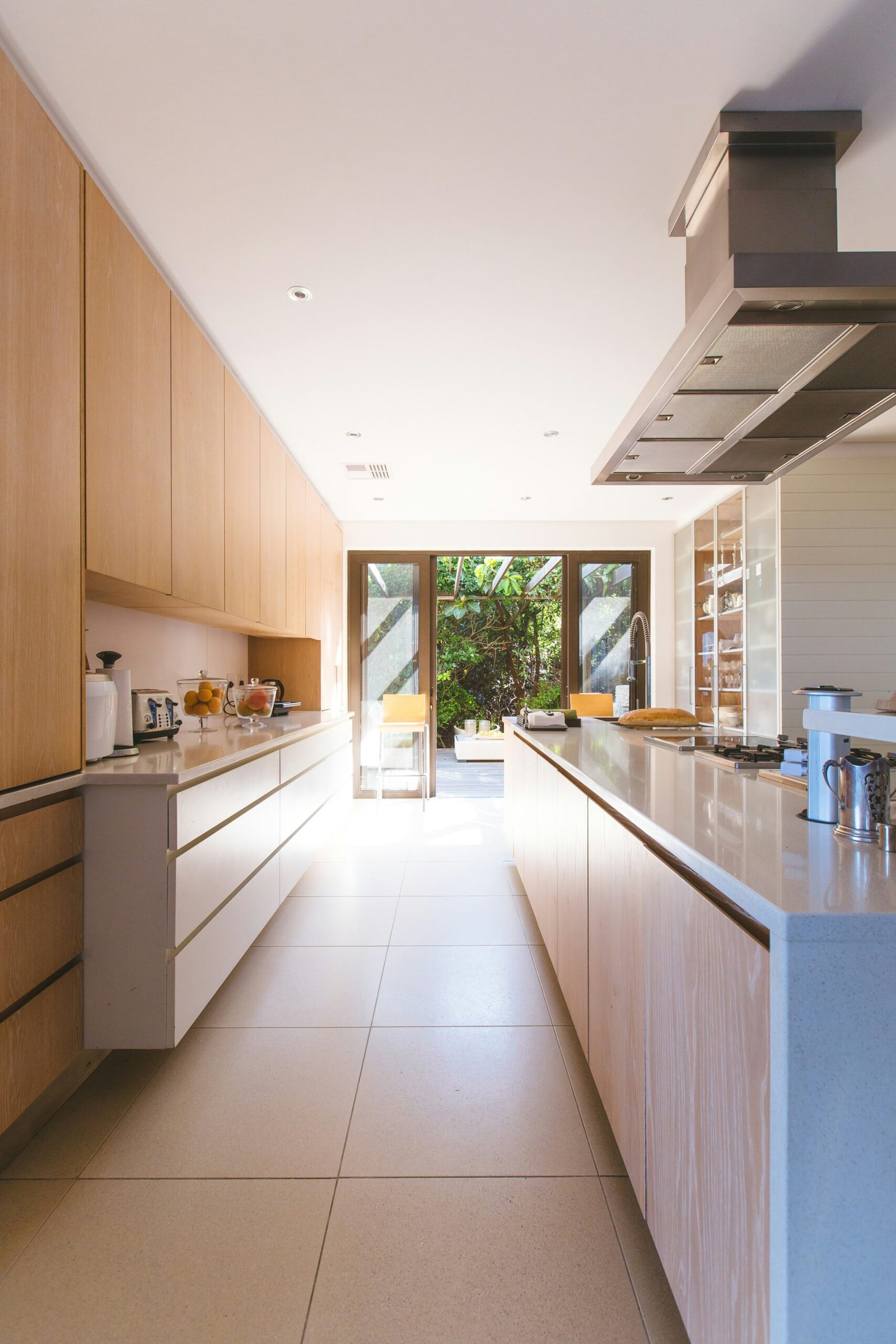
In modern kitchen design, the concept of partitions plays a pivotal role in enhancing both functionality and aesthetics. Kitchen partitions serve as physical dividers, which can effectively separate different areas within a kitchen, accommodating various activities while improving the overall organization. Their integration into kitchen layouts has become increasingly popular, particularly with the rise of open-plan living spaces that emphasize a seamless flow between cooking, dining, and living areas.
The primary purpose of kitchen partitions is to create distinct zones for different activities, offering both privacy and delineation. For instance, when meal preparation is underway, a partition can help shield the cook from distractions in adjoining spaces, enabling them to focus on their culinary tasks. Moreover, these dividers are instrumental in delineating dining areas or breakfast bars from the cooking zone, facilitating a more structured environment that is conducive to multitasking.
Beyond functional benefits, kitchen partitions also contribute significantly to the aesthetic appeal of a home. By introducing unique design elements, such as visually arresting materials or engaging artistic motifs, partitions can become a statement piece that enhances the kitchen’s overall decor. This is particularly relevant in open-plan kitchens, where partitions can be utilized to define spaces without impeding the flow of natural light or the visual connection between areas.
As trends evolve, the integration of kitchen partitions has gained traction, addressing the need for both open spaces and defined areas within the home. With various styles and materials available, including glass, wood, and metal, homeowners can choose partitions that harmonize with their personal preferences and architectural style. Thus, kitchen partitions emerge as an innovative solution for enhancing kitchen design, offering a perfect balance between functionality and aesthetic charm.
Types of Kitchen Partitions
When considering the layout and design of a kitchen, partitions play a crucial role in defining space and enhancing functionality. Several types of kitchen partitions can be employed, each offering unique advantages and aesthetic qualities suitable for different kitchen styles and sizes.
Permanent walls are a traditional option for creating distinct cooking and dining areas. They provide substantial separation and can enhance privacy and noise reduction, making them a practical choice for larger kitchens. The layout can be customized with windows or openings to maintain an airy feel and promote natural light within the space. However, it’s essential to consider the overall kitchen flow and accessibility when opting for permanent walls, as they may restrict movement.
Half walls, or knee walls, are another popular partition type that combines the benefits of privacy and openness. Serving as a barrier without fully enclosing the space, half walls can be adorned with decorative elements or shelves to enhance their visual appeal. They create a cozy environment while still maintaining an interconnected feel between the kitchen and the adjoining areas.
Sliding doors offer an innovative solution for homeowners seeking flexibility in their kitchen design. These doors can be opened to connect spaces or closed to provide privacy when needed. Available in various materials, including glass and wood, sliding doors can contribute a modern touch to the kitchen while maximizing available space. Their ability to slide away eliminates the need for clearance space required by swinging doors, making them a practical choice.
Movable screens are an increasingly popular trend, especially in smaller kitchens where space optimization is essential. They can be repositioned or removed depending on the occasion, making them adaptable for entertaining or mundane cooking tasks. Moreover, movable screens come in diverse styles, from minimalist designs to elaborate patterns, allowing homeowners to express their personal taste while partitioning their kitchen effectively.
Choosing the Right Material for Partitions
When it comes to partitioning a kitchen, the choice of material is crucial in determining both functionality and aesthetic appeal. Different materials offer unique characteristics that can enhance the overall design of the kitchen. Common options for kitchen partitions include wood, glass, metal, and hybrid solutions that combine elements of these materials.
Wooden partitions are a popular choice due to their warmth and versatility. They can be crafted into various styles, from rustic to contemporary, making them suitable for diverse kitchen themes. However, wood requires regular maintenance to prevent warping or damage from moisture, which is a consideration in a kitchen environment. On the other hand, wooden partitions provide excellent sound absorption and a homely atmosphere.
Glass partitions offer a sleek and modern aesthetic. They create an illusion of space and allow natural light to flow throughout the kitchen, making it feel larger and more open. Glass can be frosted for added privacy while still maintaining light intensity. Yet, glass requires careful cleaning and is more vulnerable to breaks and scratches, making it essential to consider the potential impacts in a bustling kitchen.
Metal partitions, such as stainless steel or aluminum, are known for their durability and ease of maintenance. They can impart a contemporary industrial look and are often chosen for their robustness in high-traffic areas. However, metal can feel cold and uninviting unless paired thoughtfully with warmer materials or colors. Additionally, the reflective surface can create unique lighting effects, contributing to the kitchen design’s overall visual impact.
Ultimately, the decision regarding kitchen partition materials should take into account durability, maintenance needs, and how they interact with lighting elements. Combining multiple materials can often yield the best results, balancing aesthetic appeal and practical functionality. Thoughtful selection of partition materials can significantly influence the overall design theme, enhancing both practicality and style in the kitchen.
Functional Benefits of Kitchen Partitions
Integrating partitions into kitchen design presents a multitude of functional benefits that significantly enhance the space’s usability. Firstly, one of the primary advantages is space optimization. In many homes, the kitchen serves as a central hub for various activities, including cooking, dining, and socializing. By strategically placing partitions, homeowners can create distinct areas within the kitchen, thereby maximizing the functionality of each zone. For instance, a partition can effectively separate the cooking area from the dining space, allowing multiple activities to occur simultaneously without disruption.
Improved organization is another crucial benefit provided by kitchen partitions. These structures can facilitate better storage solutions through the delineation of space. For example, one side of a partition could be designed with shelving or cabinetry, which can house cooking utensils, ingredients, and appliances. This arrangement not only declutters the kitchen but also enhances accessibility, ensuring that necessary items are within reach when needed. Such organization leads to a more enjoyable cooking experience, as it minimizes the time spent searching for ingredients or tools.
Furthermore, kitchen partitions contribute to enhanced workflow. By creating well-defined zones, family members or guests can freely navigate the kitchen without causing interference with one another. This is particularly beneficial during gatherings, where the cooking area may become busy. The separation allows for an uninterrupted passage between areas, such as from the stove to the dining table. As a result, the overall efficiency of kitchen operations is improved, encouraging a smoother cooking and dining experience.
Ultimately, the implementation of partitions in kitchen design not only adds to the aesthetic appeal but also significantly improves functionality and efficiency. Each of these benefits contributes to the idea of creating a space that is not merely a cooking area but a cohesive environment for social interactions and family gatherings.
Aesthetic Advantages of Kitchen Partitions
Kitchen partitions play a pivotal role in enhancing the visual appeal of any culinary space. These elements not only delineate areas within the kitchen but also contribute significantly to its overall aesthetic. When thoughtfully designed, kitchen partitions can serve as striking focal points, drawing the eye and adding depth to the room. They can be constructed from a variety of materials, including wood, glass, or metal, each offering distinct textures and styles that complement the existing décor.
Color is a critical aspect of kitchen partition design. By selecting hues that either contrast or harmonize with the rest of the kitchen, partitions can create a dynamic visual experience. For instance, a bold, brightly colored partition can act as a statement piece, while softer shades can contribute to a more cohesive and serene environment. It is essential to consider the palette used for kitchen cabinets, walls, and countertops to ensure that the partition integrates seamlessly into the overall design scheme.
Texture is another vital element that can elevate the aesthetic appeal of kitchen partitions. By incorporating materials with varying textures, such as a rough wooden barrier alongside a sleek glass divider, homeowners can introduce layers of interest. Additionally, partitions can also be utilized to incorporate decorative features, such as built-in shelving for displaying plants or collectibles, which not only adds functionality but also enhances the visual narrative of the kitchen.
Artwork integrated into or displayed on kitchen partitions can provide personalized touches that reflect the homeowner’s style. Whether through functional art pieces or decorative murals, these design elements can transform partitions into significant contributors to the kitchen’s aesthetic appeal. Overall, the strategic use of partitions in kitchen design can significantly elevate the ambiance, making the space not just functional, but also visually inviting.
Partition Ideas for Small Kitchens
Small kitchens present unique design challenges, particularly in achieving an effective partition that offers separation without sacrificing space or airiness. One of the most innovative solutions for small kitchens is the incorporation of open shelving. This idea not only provides a visual break within the space but also adds the advantage of easy access to kitchen essentials. Open shelves can be utilized to store frequently used items, while decorative elements can enhance the overall aesthetic, creating a blend of functionality and style.
Another creative option is the use of retractable partitions. These flexible structures can be adjusted to accommodate changes in space requirements throughout the day. For example, a folding screen can be expanded when cooking or entertaining and collapsed to create an open feel during quieter times. This dual functionality allows for fluidity in design, catering to both practical and social needs typical in compact kitchen settings.
Furthermore, multi-functional furniture offers exceptional versatility in small kitchens. Consider furniture pieces that serve multiple purposes, such as a kitchen island that includes storage below and doubles as a dining area above. Another avenue is the use of bar stools that can be tucked away when not in use, or drop-leaf tables that can be extended for gatherings or compacted when needed. These thoughtful arrangements not only optimize space but also contribute to a stylish kitchen environment, demonstrating that partition solutions can be both functional and visually appealing.
Incorporating these partition ideas effectively helps maximize space in small kitchens, delivering a sense of separation while maintaining an expansive and inviting atmosphere. By carefully selecting elements such as open shelving, retractable partitions, and multi-functional furniture, one can design a small kitchen that is both practical and aesthetically cohesive.
Innovative Storage Solutions with Partitions
In contemporary kitchen design, effective use of space is essential, especially in urban environments where square footage can be limited. One innovative approach to maximizing kitchen efficiency is the incorporation of partitions that serve dual purposes, particularly as storage solutions. By integrating built-in shelves, cabinetry, and creative storage units within partitions, homeowners can enhance both functionality and aesthetics in their kitchens.
For instance, consider an open-concept kitchen where a partition wall separates it from the living area. This wall can be designed with built-in shelves to house cookbooks, decorative items, or everyday kitchen essentials, adding both visual interest and practicality. Utilizing materials like reclaimed wood or sleek metal can contribute to a stylish look while providing necessary storage. Additionally, the inclusion of cabinetry in these partitions can create hidden storage areas for items that may clutter countertops, such as small appliances, pots, and pans.
Another effective example includes moving away from traditional cabinetry by utilizing a sliding door partition. This type of partition can conceal a cluttered pantry or small appliance zone when not in use, maintaining a clean and organized kitchen space. Furthermore, the sliding door can feature shelves on its interior side, effectively providing storage while also allowing quick access to necessities.
Case studies illustrate how innovative designs optimize kitchen layouts. One notable example features a kitchen with a freestanding partition, which employs open shelves on one side and closed cabinets on the other. This design not only separates cooking and dining areas but also allows for easy access to utensils and dishes. Such creative partition implementations ensure that even the simplest kitchen spaces can be transformed into organized, stylish cook-oriented environments.
Color and Lighting Strategies for Partitions
The strategic use of color and lighting in kitchen partitions can significantly impact the perception of space, creating a harmonious and inviting atmosphere. When selecting color palettes for partitions, it is essential to consider the overall kitchen design and style. For modern kitchens, using a monochromatic color scheme can create a sleek and spacious appearance. Shades of white, gray, or soft pastels can enhance natural light, allowing the area to feel larger and more open. On the other hand, for a rustic or traditional kitchen, earthy tones such as browns, greens, and cream can create warmth and a sense of coziness.
Another effective approach in choosing colors is the implementation of contrast. Darker partition colors against lighter kitchen elements can create dramatic focal points while exploring different textures through paint or finishes can add visual interest. For instance, a chalkboard paint finish can encourage creativity and establish an interactive atmosphere in family kitchens, especially when used in a space divided by a partition.
Lighting plays a crucial role in accentuating those partitions. Pendant lights can highlight specific sections of the kitchen, such as a dining area separated by a partition, while recessed lighting provides a more subtle and even illumination across the entire space. Adjustable fixtures can also offer flexibility, allowing homeowners to direct light to different areas depending on the need. Implementing dimmers or layered lighting techniques not only enhances functionality but also helps set various moods, thereby elevating the overall kitchen experience.
In conclusion, carefully selecting the right colors and lighting strategies can transform kitchen partitions into stunning design elements. The combination of thoughtful color choices and strategic lighting techniques fosters a balanced environment that complements the kitchen’s aesthetics while optimizing space utilization.
Conclusion: Making the Right Choice
When it comes to designing an aesthetically pleasing and functional kitchen, the choice of partitions plays a significant role. Throughout this blog post, we have explored various creative partition ideas that not only serve to delineate spaces but also enhance the overall kitchen ambiance. It is essential to remember that each kitchen is unique, reflecting the personal tastes and lifestyle of its inhabitants. Therefore, the optimal partition solution must align with individual needs and design preferences.
In selecting the right partition, consider the various materials available, such as wood, glass, or metal. Each material provides distinct benefits and drawbacks, influencing both the look and functionality of the kitchen space. For instance, glass partitions can create an illusion of space, allowing light to penetrate while providing a modern aesthetic. Conversely, wooden partitions offer warmth and a traditional allure, making them appropriate for a cozy kitchen environment. The decision should ultimately hinge on the desired atmosphere you wish to cultivate in your kitchen.
Beyond aesthetics, functionality should also be at the forefront of your considerations. Think critically about how you utilize your kitchen space and how a partition can facilitate seamless interaction among family members or guests. Open-plan designs may require different solutions compared to more compartmentalized layouts. Additionally, assess how the partition can provide privacy during meal prep while still employed as a visual feature.
In conclusion, choosing the right kitchen partition involves a careful assessment of your lifestyle, preferences, and the specific characteristics of your space. We encourage you to share your kitchen design experiences or seek professional consultation to help guide you in making informed decisions that will lead to a stunning and functional kitchen design.