Top 15 Reasons to Hire an Interior Designer for Your Home
Hiring an interior designer is about much more than choosing attractive colours or furniture. A professional can help connect space planning, storage, lighting, materials, furniture, budget and execution into one coordinated design.
For a new apartment, villa, builder floor or renovation, professional planning can help reduce avoidable design mistakes and create a home that is both visually refined and practical for everyday life.

What does an interior designer actually bring to a project?
An interior designer helps translate the requirements of a property and its occupants into a practical design. Depending on the agreed scope, this can include space planning, furniture layouts, storage, kitchens, wardrobes, lighting, materials, finishes, design visualisation and execution coordination.
Interior A to Z describes its own service approach around customised concepts, space planning, 2D and 3D planning, kitchens and wardrobes, lighting, materials and turnkey execution. :contentReference[oaicite:0]{index=0}
6 areas where professional interior design can add practical value
The value of a designer is often most visible in the decisions that are difficult to coordinate on your own: proportions, circulation, storage, technical requirements, material combinations and execution details.
Better Space Planning
Furniture, storage and circulation can be arranged around the actual dimensions of the property instead of relying on generic layouts.
More Useful Storage
Wardrobes, kitchens, TV units, shoe cabinets and built-in storage can be planned around what the household actually needs to store.
Better Coordination
Furniture, ceilings, lighting, electrical points, cabinetry and finishes can be developed as connected parts of the same design.
Material Guidance
A designer can help compare materials, finishes, hardware and surfaces according to appearance, use, maintenance and project requirements.
Fewer Design Conflicts
Early planning can identify problems with furniture sizes, electrical points, lighting positions, storage access and circulation before execution.
Coordinated Execution
Where turnkey or execution services are included, design decisions can be connected with fabrication, installation and site implementation.
Why hire an interior designer for your home?
Not every project needs the same level of professional involvement. These are the areas where a designer can be particularly useful, depending on the property’s complexity and your requirements.
Start with a complete plan
A designer can establish the overall direction before individual purchases and construction decisions start competing with one another.
- Room-by-room requirements
- Furniture planning
- Storage strategy
Make better use of every square foot
Professional space planning can reveal opportunities for better circulation, storage, multifunctional areas and appropriately scaled furniture.
- Better furniture proportions
- Clearer circulation
- Efficient room zoning
Create storage around your lifestyle
Instead of adding cabinets wherever there is an empty wall, storage can be planned around clothing, appliances, books, shoes, documents and everyday items.
- Wardrobes
- Kitchen storage
- Integrated cabinetry
Improve kitchen workflow
Kitchen design involves much more than cabinet colour. Appliance placement, work zones, storage, lighting and circulation all affect everyday use.
- Efficient work zones
- Appliance coordination
- Practical storage
Plan lighting before the ceiling is finished
Lighting works best when ambient, task and accent sources are considered alongside furniture and room functions.
- Layered lighting
- Task lighting
- Decorative accents
Choose materials more confidently
There are many options for laminates, veneers, stones, fabrics, hardware and surfaces. A designer can help narrow the choices according to the project.
- Appearance
- Durability
- Maintenance
Prioritise the budget
Professional planning can help separate essential requirements from optional upgrades and identify where the available budget should be concentrated.
- Define project scope
- Compare specifications
- Prioritise major investments
Understand the design before execution
Layouts and 2D/3D visualisation can make it easier to review furniture, materials, proportions and design direction before implementation.
- Furniture layouts
- Material direction
- 3D design planning
Design around your lifestyle
A family home, a work-from-home apartment and a frequent-entertainer’s residence may need completely different layouts even when the properties are similar in size.
- Daily routines
- Family requirements
- Personal style
Connect all the details
A coordinated design reduces the risk of choosing a kitchen, wardrobes, lighting and furniture that look disconnected once installed together.
- Consistent finishes
- Connected colour palette
- Coordinated detailing
Resolve awkward spaces
Columns, niches, unusual walls, narrow passages and difficult corners can often become useful parts of the design with careful planning.
- Custom furniture
- Built-in storage
- Better space utilisation
Balance beauty with everyday use
A professional interior should look good in photographs but also work when the family is cooking, relaxing, working, cleaning and entertaining.
- Comfort
- Circulation
- Maintenance
Reduce repeated decision-making
A structured process can reduce the number of disconnected decisions a homeowner has to make across furniture, materials, lighting and execution.
- Defined design direction
- Organised specifications
- Coordinated project decisions
Connect design with implementation
When execution is included in the scope, the design can be developed with fabrication, installation and practical site requirements in mind.
- Fabrication coordination
- Installation planning
- Site implementation
Create one cohesive interior
Planning the complete home together makes it easier to maintain a consistent relationship between the living room, kitchen, bedrooms, wardrobes, lighting and finishes.
- One design language
- Connected materials
- Room-to-room consistency
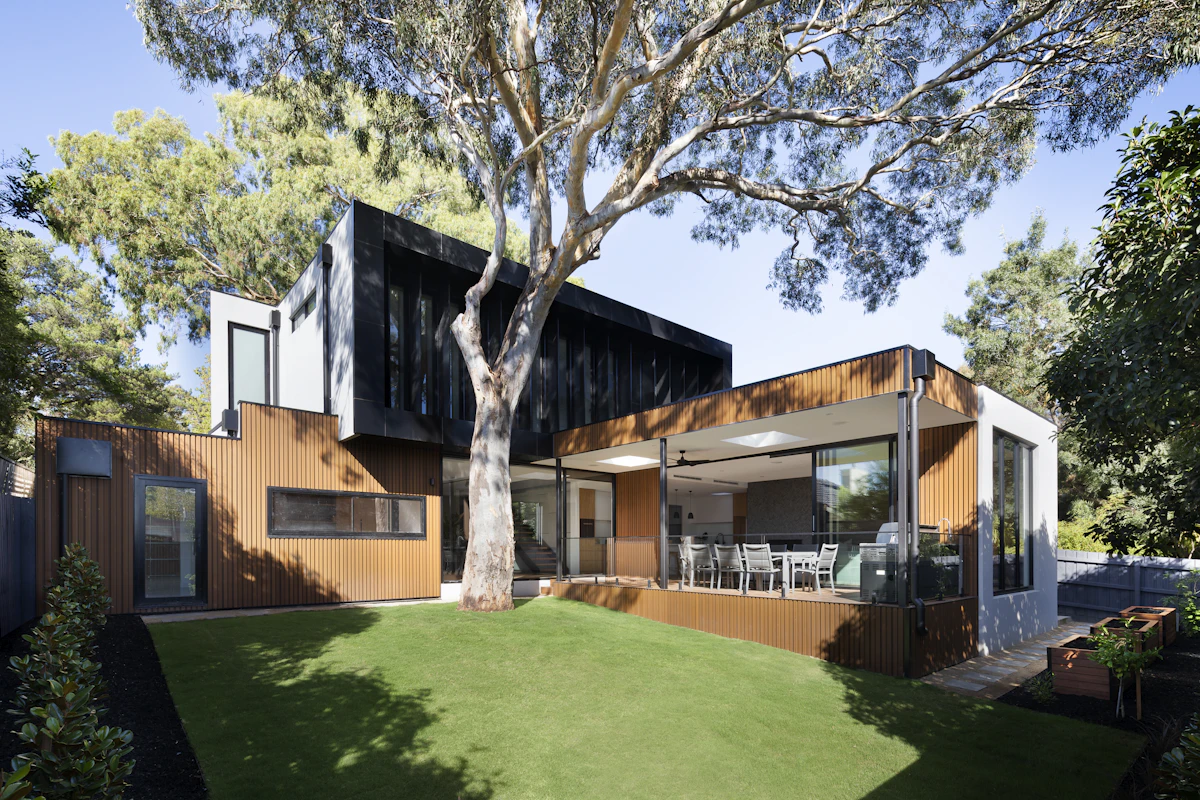
An interior designer should solve problems before adding decoration.
The strongest reason to hire a professional is often not the decorative finish. It is the planning that happens underneath it: dimensions, movement, storage, electrical points, lighting, furniture scale, material coordination and execution details.
- Accurate space planning
- Furniture and storage coordination
- Electrical and lighting planning
- Material and finish selection
- 2D and 3D design development
- Execution coordination where included
When hiring a designer can be especially useful
Hiring a designer is not automatically necessary for every decorating project. It becomes more useful as the number of rooms, technical decisions and execution requirements increases.
You may benefit from professional design when…
- You are designing an entire apartment or house.
- The property has limited or awkward space.
- You need significant custom storage.
- The kitchen and wardrobes are part of the project.
- Lighting and electrical changes are required.
- You want a coordinated material palette.
- You need help managing multiple execution activities.
- You have limited time to coordinate the project yourself.
You may need less professional involvement when…
- You are only replacing a few decorative items.
- The existing layout already works well.
- No major storage or construction work is required.
- You are comfortable selecting and coordinating materials.
- You can manage vendors and installation yourself.
- The project has very limited scope.
- You already have a clear and detailed design plan.
Choose the designer around the project—not just the portfolio.
A beautiful portfolio is useful, but the working relationship, scope and process are equally important. Before appointing an interior designer, clarify what is actually included.
Relevant Experience
Look for experience with property types and project scopes similar to yours.
Scope of Work
Clarify whether the service covers design only, procurement, fabrication, installation or turnkey execution.
Materials
Understand the proposed materials, finishes, hardware and specifications before approving the project.
Communication
Establish how design revisions, approvals, site decisions and project updates will be handled.
Hiring an interior designer in Delhi, Gurgaon or Noida
The right planning approach can vary by property type. Apartments, builder floors, villas and independent houses can each have different structural constraints, storage requirements and execution considerations.
Delhi
Interior planning for apartments, builder floors, independent houses and residential properties across Delhi and South Delhi.
Explore Delhi NCR Home Interiors →Gurgaon
Residential and premium interiors for Gurgaon apartments, builder floors, villas and homes, with space planning and coordinated execution.
Interior Design Firm in Gurgaon →Noida
Practical interiors for Noida and Greater Noida homes, including apartments, modular kitchens, storage and complete interior projects.
Interior Designers in Noida →What the interior design process can look like
Interior A to Z currently describes a process connecting consultation, site assessment, design planning, materials, execution and handover. The exact stages and scope should be confirmed for each project. :contentReference[oaicite:1]{index=1}
Consultation
Discuss your property, lifestyle, preferred design direction, requirements and approximate budget.
Site Assessment
Review dimensions, existing conditions, architectural constraints and functional requirements.
Design Planning
Develop layouts, furniture, storage, lighting and the overall visual direction.
Materials
Coordinate cabinetry, finishes, hardware, lighting and other agreed specifications.
Execution
Where included, coordinate fabrication, installation and site implementation according to the agreed scope.
Helpful interior design resources
Explore home interiors, modular kitchens, bedrooms, offices, commercial interiors and turnkey solutions.
Planning Space PlanningLearn how furniture, storage, circulation and room zoning can make a home more functional.
Budget Interior Design Cost GuideUnderstand the factors that influence an interior project’s budget and scope.
Kitchen Modular Kitchen DesignExplore practical kitchen layouts, storage, cabinetry, finishes and workflow.
Portfolio Interior Design ProjectsExplore residential and commercial projects by Interior A to Z.
Start Contact Interior A to ZDiscuss your property, requirements and preferred interior design approach.
Reasons to hire an interior designer — FAQs
Why should I hire an interior designer?
An interior designer can help coordinate space planning, furniture, storage, lighting, materials, finishes and execution so the different parts of a project work together.
Is hiring an interior designer worth it for a small apartment?
It can be particularly useful when space is limited because careful planning can improve circulation, storage, furniture scale, lighting and multifunctional use of the available area.
Can an interior designer help with the budget?
A designer can help define project scope, compare materials and finishes, identify priorities and coordinate design decisions with the available budget. The final cost depends on the property, specifications and execution scope.
Does an interior designer only choose colours and furniture?
No. Depending on the agreed scope, interior design can include space planning, furniture layouts, storage, kitchens, lighting, ceilings, materials, finishes, documentation, coordination and execution.
Can an interior designer manage the complete project?
Some interior designers and firms provide turnkey services that combine design planning, material selection, fabrication, installation and execution coordination. The exact scope should be agreed before the project begins.
When should I hire an interior designer for a new home?
Ideally, involve the designer before major interior decisions such as electrical points, kitchen layouts, wardrobes, ceilings, lighting and built-in furniture are finalised.
How do I choose an interior designer?
Review relevant project experience, design approach, scope of services, materials, process, communication, quotation details, execution responsibilities and examples of completed work before making a decision.
Your home deserves a plan before it gets a makeover.
Share your property type, location, approximate size, requirements and preferred style. Interior A to Z can help you understand the appropriate design and execution scope for your project.