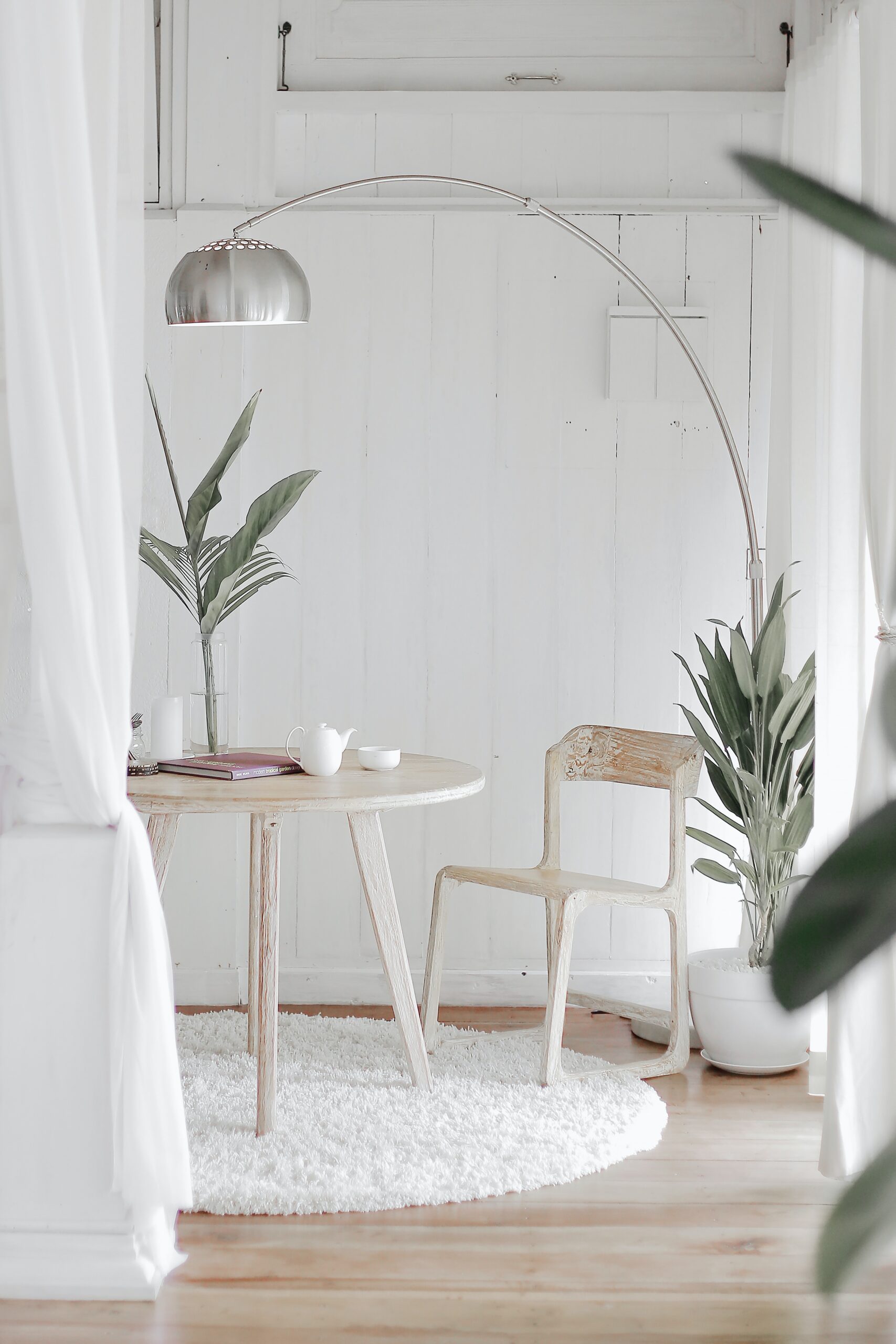
Interior design

Customized Luxury Interiors

Introduction

When it comes to designing the interiors of our homes, we all have different preferences and tastes. Some people prefer a minimalistic and modern look, while others lean towards a more traditional and opulent style. No matter what your personal style may be, one thing is for certain – customized luxury interiors can elevate your living space to a whole new level of elegance and comfort.

What are Customized Luxury Interiors?

Customized luxury interiors refer to the process of creating unique and personalized living spaces that are tailored to the individual’s preferences and requirements. It involves careful attention to detail, high-quality materials, and exquisite craftsmanship to create a space that is not only visually stunning but also functional and comfortable.

The Benefits of Customized Luxury Interiors

1. Personalization: One of the biggest advantages of customized luxury interiors is that they allow you to express your personal style and create a space that truly reflects your taste and personality. From the color palette to the furniture and accessories, every element can be customized to your liking.

2. Quality and Craftsmanship: When it comes to luxury interiors, the quality of materials and craftsmanship is of utmost importance. Customized luxury interiors ensure that only the finest materials are used, and every detail is meticulously crafted to create a space that is not only visually stunning but also built to last.

3. Functionality: Customized luxury interiors take into consideration your lifestyle and specific needs. Whether you require ample storage space, a home office, or a dedicated entertainment area, these interiors can be designed to maximize functionality and make your daily life more convenient.

4. Exclusivity: Customized luxury interiors offer a sense of exclusivity and uniqueness. With a customized design, you can be sure that your living space is one-of-a-kind and tailored specifically to your tastes. This exclusivity adds value to your home and sets it apart from others.

Elements of Customized Luxury Interiors

1. Furniture: In customized luxury interiors, furniture plays a significant role in setting the tone and style of the space. From bespoke sofas and chairs to handcrafted tables and cabinets, every piece is carefully selected or custom-made to complement the overall design.

2. Lighting: Lighting is a crucial element in luxury interiors, as it can enhance the ambiance and create a warm and inviting atmosphere. Customized lighting fixtures, such as chandeliers, sconces, and pendant lights, can add a touch of elegance and drama to the space.

3. Materials: The choice of materials in luxury interiors is essential in creating a luxurious and sophisticated look. From marble and granite to high-quality woods and metals, each material is selected for its durability, beauty, and ability to elevate the overall design.

4. Accessories: Customized luxury interiors pay attention to even the smallest details. Accessories such as artwork, rugs, curtains, and decorative objects are carefully chosen to complement the overall design and add a touch of personality to the space.

Conclusion

Customized luxury interiors offer a unique and personalized approach to home design. They allow you to create a space that reflects your personal style while incorporating high-quality materials and exquisite craftsmanship. From furniture to lighting and accessories, every element is carefully selected or custom-made to create a living space that is not only visually stunning but also functional and comfortable. So, if you’re looking to elevate your home to a whole new level of elegance and luxury, customized interiors are the way to go.

Customized Luxury Interiors Read More Β»

Sophisticated Decor: Elevating Your Home’s Style

When it comes to creating a sophisticated and elegant atmosphere in your home, the right decor can make all the difference. Whether you’re looking to update your living room, bedroom, or any other space, there are a few key elements to consider that can help you achieve a refined and polished look.

1. Choose a Neutral Color Palette

Start by selecting a neutral color palette for your walls and larger furniture pieces. Shades of white, cream, beige, or gray can create a timeless backdrop that allows other design elements to shine. Add pops of color through accessories like pillows, curtains, or artwork.

2. Opt for Quality Materials

Invest in high-quality materials for your furniture, flooring, and textiles. Materials like leather, velvet, silk, or natural fibers such as linen or wool can instantly add a touch of luxury to your space. Look for pieces that are well-crafted and built to last.

3. Incorporate Elegant Lighting

Lighting plays a crucial role in creating a sophisticated ambiance. Opt for statement chandeliers, sconces, or table lamps that feature sleek lines and elegant designs. Consider adding dimmers to create different moods and enhance the overall atmosphere.

4. Display Art and Decor Thoughtfully

Curate a collection of art and decor items that reflect your personal style, but be mindful of how you display them. Group similar items together or create a gallery wall for a curated look. Balance larger statement pieces with smaller accents to create visual interest.

5. Embrace Minimalism and Declutter

Avoid clutter and embrace a minimalist approach to keep your space looking sophisticated. Keep surfaces clean and organized, and opt for furniture with clean lines and minimal ornamentation. Focus on quality over quantity when selecting decorative items.

By following these tips, you can create a sophisticated decor scheme that brings elegance and refinement to your home. Remember, it’s all about selecting high-quality materials, incorporating thoughtful lighting, and curating your space with intention. With a little bit of planning and attention to detail, you can transform any room into a sophisticated haven.

Sophisticated Decor: Elevating Your Home’s Style Read More Β»

Bespoke Luxury Design: Creating Exquisite and Unique Spaces

The Essence of Bespoke Luxury Design

When it comes to creating a truly remarkable space, one size does not fit all. That’s where bespoke luxury design comes into play. It is the epitome of exclusivity, craftsmanship, and attention to detail. In this article, we will explore the essence of bespoke luxury design and how it can transform any space into a haven of elegance and sophistication.

What is Bespoke Luxury Design?

Bespoke luxury design is a tailor-made approach to interior design that focuses on creating unique and personalized spaces. It goes beyond mere aesthetics and delves into the realm of creating an experience that reflects the client’s individuality and lifestyle. Every element, from furniture to finishes, is meticulously curated to ensure a harmonious and luxurious outcome.

The Benefits of Bespoke Luxury Design

One of the key advantages of bespoke luxury design is its ability to create a space that is truly one-of-a-kind. It allows clients to express their personality and taste in every aspect of the design. By collaborating closely with skilled designers and artisans, clients can bring their vision to life and create a space that is a true reflection of their unique style.

Another benefit of bespoke luxury design is the level of craftsmanship and attention to detail. Every piece of furniture, every finish, and every accessory is carefully selected and crafted to perfection. This ensures that the final result is not only visually stunning but also of the highest quality.

The Process of Bespoke Luxury Design

The process of bespoke luxury design begins with a thorough understanding of the client’s needs, preferences, and lifestyle. Designers work closely with clients to gather inspiration, discuss ideas, and establish a clear vision for the project. From there, a team of skilled professionals brings the design to life, paying meticulous attention to every detail along the way.

One of the hallmarks of bespoke luxury design is the use of high-quality materials and finishes. From luxurious fabrics to rare and exotic woods, every element is carefully chosen to elevate the space and create a sense of opulence. The result is a space that not only looks beautiful but also feels luxurious to the touch.

Examples of Bespoke Luxury Design

Bespoke luxury design can be seen in a variety of spaces, from elegant residences to luxurious hotels and resorts. In a residential setting, it may involve custom-made furniture, handcrafted cabinetry, and unique architectural features. In the hospitality industry, bespoke luxury design can be seen in the opulent interiors of high-end hotels, where every detail is designed to create a memorable guest experience.

Conclusion

Bespoke luxury design is the epitome of exclusivity and craftsmanship. It offers clients the opportunity to create a space that is truly their own, reflecting their personality, lifestyle, and taste. From the initial concept to the final execution, every step of the process is infused with meticulous attention to detail and a commitment to creating a truly extraordinary space. Whether it’s a residential project or a commercial endeavor, bespoke luxury design has the power to transform any space into a haven of elegance and sophistication.

Bespoke Luxury Design: Creating Exquisite and Unique Spaces Read More Β»

Exclusive Interior Solutions

Introduction

When it comes to designing and decorating your home or office, it is important to create a space that reflects your personal style and meets your specific needs. Exclusive interior solutions offer a unique approach to interior design, bringing together creativity, functionality, and luxury to create spaces that are truly one-of-a-kind.

The Art of Interior Design

Interior design is more than just arranging furniture and choosing paint colors. It is an art form that requires a deep understanding of space, aesthetics, and the psychology of design. Exclusive interior solutions take this art to the next level, combining expert knowledge and a keen eye for detail to create spaces that are not only visually stunning but also functional and comfortable.

Unparalleled Creativity

Exclusive interior solutions are known for their unparalleled creativity. The designers behind these solutions are not afraid to think outside the box and push the boundaries of traditional design. They are skilled in creating unique and innovative spaces that reflect the personality and lifestyle of their clients.

From custom-made furniture to bespoke lighting fixtures, every element of an exclusive interior solution is carefully curated to create a cohesive and harmonious design. The designers work closely with their clients to understand their vision and bring it to life in a way that exceeds their expectations.

Functionality and Comfort

While aesthetics are important, exclusive interior solutions also prioritize functionality and comfort. The designers understand that a beautiful space is not enough if it does not meet the needs of its occupants. They carefully consider how each space will be used and design it accordingly, ensuring that it is not only visually pleasing but also practical and efficient.

Whether it is a residential or commercial project, exclusive interior solutions take into account factors such as traffic flow, storage needs, and accessibility to create spaces that are both beautiful and functional. The designers pay attention to every detail, from the placement of furniture to the selection of materials, to ensure that the space is not only visually appealing but also comfortable and easy to use.

Luxury and Elegance

Exclusive interior solutions are synonymous with luxury and elegance. The designers have access to a wide range of high-end materials, finishes, and furnishings, allowing them to create spaces that exude sophistication and opulence. From luxurious fabrics to exquisite finishes, every element is carefully selected to create a sense of luxury and refinement.

Exclusive interior solutions are not limited to a specific design style. Whether you prefer a modern and minimalist aesthetic or a classic and traditional look, the designers can tailor the solution to suit your personal taste and preferences. They have the expertise to seamlessly blend different styles and create a cohesive design that is both timeless and unique.

Conclusion

Exclusive interior solutions offer a truly exceptional approach to interior design. With their unparalleled creativity, focus on functionality and comfort, and commitment to luxury and elegance, these solutions can transform any space into a work of art. Whether you are looking to redesign your home or create a stunning office space, exclusive interior solutions can help you create a space that is truly one-of-a-kind.

Exclusive Interior Solutions Read More Β»

Luxury Home Decor: Elevate Your Living Space with Elegance and Style

Introduction

Your home is a reflection of your personal style and taste. It is a place where you can relax, unwind, and create lasting memories. If you desire to transform your living space into a luxurious haven, then luxury home decor is the perfect choice for you.

The Essence of Luxury Home Decor

Luxury home decor is all about creating an environment that exudes opulence, sophistication, and comfort. It goes beyond simply decorating a space; it is about curating a lifestyle that showcases the finest materials, craftsmanship, and attention to detail.

When it comes to luxury home decor, every element matters – from the furniture and accessories to the lighting and color palette. The goal is to create a cohesive and harmonious space that is both visually stunning and functional.

Choosing the Right Furniture

Furniture plays a pivotal role in luxury home decor. It should be selected with careful consideration of both style and comfort. Opt for high-quality pieces crafted from premium materials such as leather, velvet, or silk. Look for intricate detailing, elegant shapes, and timeless designs.

Investing in statement furniture pieces, such as a plush sofa or a grand dining table, can instantly elevate the overall aesthetic of your home. Don’t be afraid to mix and match different styles to create a unique and eclectic look.

Accessorizing with Elegance

Accessories are the finishing touch that can take your luxury home decor to the next level. Choose decorative items that exude luxury and refinement, such as crystal vases, gilded mirrors, or sculptural art pieces. These accessories not only add visual interest but also showcase your discerning taste.

When it comes to selecting accessories, less is often more. Opt for a few carefully chosen pieces rather than cluttering your space with too many items. This will allow each accessory to shine and create a sense of balance and harmony.

The Importance of Lighting

Lighting is an essential aspect of luxury home decor. It sets the mood, enhances the ambiance, and highlights the beauty of your space. Incorporate a combination of natural and artificial lighting to create a warm and inviting atmosphere.

Consider installing chandeliers, sconces, or pendant lights as statement pieces that not only provide illumination but also serve as works of art. Additionally, incorporate dimmer switches to control the intensity of the lighting and create different moods for different occasions.

Color Palette and Fabrics

Choosing the right color palette is crucial in luxury home decor. Opt for rich, deep hues like emerald green, royal blue, or burgundy to create a sense of opulence. These colors can be used on walls, upholstery, or accent pieces.

Incorporating luxurious fabrics such as silk, velvet, or cashmere adds another layer of elegance to your home decor. Use these fabrics for curtains, throw pillows, or upholstered furniture to create a sumptuous and inviting atmosphere.

Conclusion

Luxury home decor is all about creating a space that is a true reflection of your style and taste. It is about surrounding yourself with beauty, comfort, and sophistication. By carefully selecting furniture, accessories, lighting, and colors, you can transform your living space into a luxurious haven that you will never want to leave.

Remember, luxury home decor is not just about the price tag; it is about the attention to detail, quality craftsmanship, and the overall feeling of indulgence it brings. So go ahead, embrace luxury, and create a home that is truly extraordinary.

Luxury Home Decor: Elevate Your Living Space with Elegance and Style Read More Β»

Design on a Dime

Introduction

Designing your space doesn’t have to break the bank. With a little creativity and resourcefulness, you can transform your home into a stylish and inviting space without spending a fortune. This blog post will provide you with some tips and tricks to achieve a beautiful design on a dime.

1. Start with a Plan

Before diving into any design project, it’s important to have a plan. Consider the overall look and feel you want to achieve in your space. Think about the colors, patterns, and styles that resonate with you. Having a clear vision will help you make informed decisions and avoid costly mistakes.

2. Shop Secondhand

One of the best ways to save money on home decor is by shopping secondhand. Thrift stores, flea markets, and online marketplaces are treasure troves for finding unique and affordable pieces. Look for items that can be easily refurbished or repurposed to fit your design aesthetic.

3. DIY Projects

Get your creative juices flowing by taking on some do-it-yourself (DIY) projects. From painting furniture to making your own artwork, there are countless ways to add a personal touch to your space. Not only will DIY projects save you money, but they will also give your home a one-of-a-kind look.

4. Rearrange and Repurpose

Don’t be afraid to rearrange your furniture and experiment with different layouts. Sometimes all it takes is a fresh perspective to breathe new life into a room. Additionally, repurposing items you already own can give them a new purpose and save you from buying new pieces.

5. Paint is Your Best Friend

One of the most cost-effective ways to transform a space is through paint. A fresh coat of paint can instantly update the look of a room and create a cohesive design. Consider painting an accent wall, updating outdated cabinets, or giving old furniture a new lease on life with a coat of paint.

6. Embrace Natural Light

Maximizing natural light in your home not only saves on energy costs but also enhances the overall design. Remove heavy curtains or blinds and opt for sheer or light-colored window treatments that allow light to filter through. Mirrors can also be strategically placed to reflect natural light and make a space appear larger and brighter.

7. Accessorize Strategically

Accessories can make or break a design, so choose them wisely. Look for affordable options such as throw pillows, rugs, and decorative accents that complement your overall design scheme. Mixing textures and patterns can add depth and visual interest to your space without breaking the bank.

8. Declutter and Organize

A cluttered space can make even the most well-designed room feel chaotic. Take the time to declutter and organize your belongings. Invest in storage solutions that are both functional and aesthetically pleasing. By creating a clean and organized environment, you’ll allow your design choices to shine.

9. Greenery and Natural Elements

Bringing nature indoors can instantly add life and freshness to your space. Incorporate plants and flowers into your design to create a calming and inviting atmosphere. Not only are plants affordable, but they also have numerous health benefits, such as improving air quality.

10. Think Long-Term

When designing on a dime, it’s important to think long-term. Invest in quality pieces that will stand the test of time rather than opting for cheap, disposable items. By choosing timeless designs and durable materials, you’ll save money in the long run and create a space that will continue to bring you joy for years to come.

Conclusion

Designing on a dime is all about being resourceful and creative. By following these tips, you can create a beautiful and inviting space without breaking the bank. Remember, design is about expressing your personal style, so don’t be afraid to think outside the box and make your space truly unique.

Design on a Dime Read More Β»

Value-for-Money Interiors

Introduction

When it comes to interior design, many people assume that creating a beautiful and stylish space requires a hefty budget. However, this is not always the case. With a little creativity, resourcefulness, and smart decision-making, it is possible to achieve value-for-money interiors that are both aesthetically pleasing and budget-friendly. In this blog post, we will explore some tips and ideas to help you create stunning interiors without breaking the bank.

1. Plan and Prioritize

Before diving into the world of interior design, it is crucial to have a well-thought-out plan. Start by identifying your needs and preferences. Determine which areas of your home require immediate attention and prioritize accordingly. This will help you allocate your budget effectively and avoid overspending on unnecessary items.

2. Research and Compare

Research is key when it comes to finding value-for-money interior solutions. Take the time to explore different options, compare prices, and read reviews. Look for sales, discounts, and promotions that can help you save money without compromising on quality. Remember, a little extra effort in researching can go a long way in finding the best deals.

3. Repurpose and Upcycle

One of the most cost-effective ways to create value-for-money interiors is to repurpose and upcycle existing items. Instead of buying new furniture or decor, consider revamping what you already have. A fresh coat of paint, new upholstery, or a simple rearrangement of furniture can breathe new life into your space without breaking the bank.

4. DIY Projects

Embrace your creative side and embark on some do-it-yourself (DIY) projects. From painting walls to creating your own artwork, there are countless DIY ideas that can add a personal touch to your interiors. Not only will this save you money, but it will also give you a sense of accomplishment and uniqueness in your space.

5. Opt for Timeless Design

When choosing furniture and decor, opt for timeless designs that will stand the test of time. Investing in classic pieces that are versatile and durable will save you money in the long run. Avoid trendy items that may quickly go out of style, as this can lead to unnecessary expenses when you feel the need to update your interiors frequently.

6. Maximize Natural Light

Natural light can transform any space, making it feel brighter and more inviting. Maximize the use of natural light by keeping windows unobstructed and using light-colored curtains or blinds. This not only reduces the need for artificial lighting but also creates an illusion of a larger and more open space.

7. Declutter and Organize

Clutter can make even the most well-designed space feel chaotic and unappealing. Take the time to declutter and organize your belongings. Donate or sell items that you no longer need or use. By keeping your space clean and organized, you can create a sense of calm and order, making your interiors more enjoyable to be in.

Conclusion

Creating value-for-money interiors is all about making smart choices, being resourceful, and thinking outside the box. With a little planning, research, and creativity, you can transform your space into a stylish and inviting haven without breaking the bank. Remember, it’s not about how much money you spend, but rather how you utilize your resources to achieve a beautiful and functional home.

Value-for-Money Interiors Read More Β»

Money-Saving Interior Design

Introduction

When it comes to interior design, many people assume that it requires a hefty budget. However, with a little creativity and resourcefulness, you can transform your living space without breaking the bank. In this blog post, we will explore some money-saving tips and tricks for interior design that will help you create a stylish and inviting home without spending a fortune.

1. Start with a Plan

Before diving into any design project, it’s essential to have a plan. Take the time to assess your space and identify your needs and preferences. This will help you make informed decisions and avoid costly mistakes down the line. Consider creating a mood board or a digital collage to visualize your ideas and ensure cohesion in your design.

2. Repurpose and Upcycle

One of the most budget-friendly ways to decorate your home is by repurposing and upcycling items you already have. Get creative and think outside the box! That old wooden ladder could become a unique bookshelf, or those vintage suitcases could be stacked to create a stylish side table. Look for inspiration online and explore different DIY projects that can breathe new life into your existing furniture and decor.

3. Thrift Stores and Flea Markets

Thrifting is a fantastic way to find unique and affordable pieces for your home. Explore local thrift stores, flea markets, and yard sales to discover hidden gems. You never know what you might find – from vintage furniture to quirky accessories. Keep an open mind and be prepared to give items a fresh coat of paint or reupholster them to suit your style.

4. Paint and Wallpaper

A fresh coat of paint or some well-chosen wallpaper can completely transform a room. Painting walls, furniture, or even just the trim can give your space an instant facelift. Choose light and neutral colors to create a sense of openness and brightness. If you’re feeling adventurous, consider adding an accent wall with a bold wallpaper pattern to add visual interest without spending a fortune.

5. DIY Artwork and Wall Decor

Artwork and wall decor can be expensive, but you don’t have to empty your wallet to create a stylish display. Get creative and make your own artwork using inexpensive materials such as canvas, paint, or even recycled materials. You can also frame personal photographs or create a gallery wall with thrifted frames. Don’t be afraid to mix and match different styles and sizes to create a unique and personalized look.

6. Lighting Matters

Lighting can make a significant difference in the overall ambiance of a room. Instead of splurging on expensive light fixtures, consider using affordable alternatives such as string lights, floor lamps, or even repurposed items like mason jars. Experiment with different lighting arrangements to create a warm and inviting atmosphere that suits your style.

7. Rearrange and Declutter

Sometimes, all it takes to refresh a space is a little rearranging and decluttering. Experiment with different furniture layouts to maximize your space and create a better flow. Clear out unnecessary items and embrace minimalism to create a clean and organized environment. Not only will this make your home look more aesthetically pleasing, but it will also give you a sense of calm and serenity.

8. Plants and Greenery

Bringing the outdoors inside is an excellent way to add life and freshness to your home. Plants and greenery can be affordable and low-maintenance decor options. Look for easy-to-care-for plants such as succulents or spider plants. You can also propagate plants from cuttings or grow herbs in your kitchen. Not only will this add a natural touch to your space, but it will also improve air quality and create a soothing environment.

Conclusion

Creating a stylish and inviting home doesn’t have to be expensive. By following these money-saving interior design tips, you can transform your living space on a budget. Remember to plan, repurpose, and explore affordable options such as thrift stores and flea markets. Get creative with paint, artwork, and lighting to add personality and ambiance to your home. And don’t forget the power of rearranging, decluttering, and incorporating plants and greenery. With a little creativity and resourcefulness, you can create a beautiful and budget-friendly home that reflects your unique style.

Money-Saving Interior Design Read More Β»

Cost-Effective Interiors

Introduction

When it comes to designing or renovating your home or office space, cost is often a significant factor to consider. However, having a limited budget doesn’t mean you have to compromise on style or quality. With some smart planning and creative thinking, you can create cost-effective interiors that are both aesthetically pleasing and functional. In this blog post, we will explore some tips and ideas to help you achieve cost-effective interiors without breaking the bank.

1. Set a Realistic Budget

The first step in creating cost-effective interiors is to set a realistic budget. Determine how much you are willing to spend on each aspect of the project, such as furniture, decor, and renovations. Having a clear budget in mind will help you make informed decisions and prioritize your expenses.

2. Plan Ahead

Before you start any design or renovation work, it’s essential to have a well-thought-out plan. Consider the functionality of the space and how you want it to look and feel. This will help you avoid costly mistakes and unnecessary expenses down the line.

3. Repurpose and Upcycle

One of the most cost-effective ways to decorate your space is to repurpose and upcycle existing items. Look around your home or visit thrift stores and flea markets to find hidden gems that can be transformed with a little creativity. For example, an old ladder can be repurposed as a bookshelf, or vintage suitcases can be stacked to create a unique side table.

4. DIY Projects

Get your creative juices flowing and take on some do-it-yourself (DIY) projects. From painting furniture to creating artwork, there are numerous ways to add a personal touch to your interiors without spending a fortune. Not only will you save money, but you’ll also have a sense of accomplishment and pride in your unique creations.

5. Opt for Affordable Materials

When selecting materials for your interiors, consider cost-effective options that still offer quality and durability. For example, instead of hardwood flooring, you could choose laminate or vinyl flooring that mimics the look of wood. Similarly, opt for affordable yet stylish fabrics and finishes that fit within your budget.

6. Focus on Key Pieces

Invest in a few key pieces that will make a significant impact on your interiors. For example, a statement piece of furniture or a striking light fixture can become the focal point of a room and elevate its overall aesthetic. By focusing on a few standout items, you can create a visually appealing space without spending on unnecessary accessories.

7. Embrace Minimalism

A minimalist approach to design can be both cost-effective and visually appealing. By decluttering and simplifying your space, you can create a clean and organized look that is timeless and easy to maintain. Emphasize quality over quantity and choose functional pieces that serve multiple purposes.

8. Seek Professional Advice

If you’re unsure about where to start or need guidance on cost-effective design options, consider seeking professional advice. Interior designers can provide valuable insights and help you make informed decisions that align with your budget and style preferences.

Conclusion

Creating cost-effective interiors is all about being resourceful, planning ahead, and making informed choices. By setting a realistic budget, repurposing existing items, embracing DIY projects, and focusing on key pieces, you can achieve stylish and functional spaces without overspending. Remember, cost-effective design doesn’t mean compromising on quality or style; it’s about finding creative solutions that work within your budget.

Cost-Effective Interiors Read More Β»

Economical Interior Solutions

Introduction

When it comes to interior design, many people assume that it requires a hefty budget to achieve a beautiful and stylish space. However, that is not always the case. With some creativity and smart choices, you can transform your home into a stunning oasis without breaking the bank. In this blog post, we will explore some economical interior solutions that will help you create a space you love without draining your wallet.

1. Paint and Wallpaper

A fresh coat of paint can do wonders for a room. It is an affordable way to instantly change the look and feel of a space. Choose light and neutral colors to make a room appear larger and brighter. If you want to add some personality, consider using wallpaper as an accent wall. There are many budget-friendly options available that can add texture and interest to your space.

2. Thrift Stores and Flea Markets

One person’s trash is another person’s treasure. Thrift stores and flea markets are great places to find unique and affordable pieces for your home. Look for furniture, artwork, and accessories that can be repurposed or refurbished. With a little bit of creativity and some DIY skills, you can transform these second-hand items into one-of-a-kind pieces that will make your space stand out.

3. DIY Projects

Speaking of DIY, taking on some projects yourself can save you a significant amount of money. From building your own furniture to creating artwork, there are endless possibilities for DIY projects. Not only will you save money, but you will also have the satisfaction of knowing that you put your own personal touch on your space.

4. Rearrange and Declutter

Before you start spending money on new items, take a look at what you already have. Sometimes, simply rearranging furniture and decluttering can give a room a whole new look. Experiment with different layouts and consider getting rid of items that no longer serve a purpose or bring you joy. You’ll be surprised at how much of a difference this can make.

5. Lighting

Lighting can make or break a space. Instead of investing in expensive light fixtures, consider using affordable alternatives such as floor lamps, table lamps, or string lights. These can create a cozy and inviting atmosphere without breaking the bank. Additionally, maximizing natural light by using sheer curtains or removing heavy window treatments can make a room feel brighter and more spacious.

6. Repurpose and Upcycle

Get creative with items you already have. Repurpose old furniture by giving it a fresh coat of paint or changing the hardware. Use mason jars as storage containers or vases. Turn wine bottles into candle holders. The possibilities are endless. Not only will this save you money, but it will also add a unique and personal touch to your space.

7. Plants and Greenery

Adding plants and greenery to your space can instantly breathe life into it. They not only add a pop of color but also improve air quality. Look for low-maintenance plants such as succulents or snake plants that require minimal care. You can also propagate plants from cuttings or trade with friends to grow your collection without spending a dime.

Conclusion

Creating a beautiful and stylish space doesn’t have to cost a fortune. By implementing these economical interior solutions, you can transform your home into a place you love without breaking the bank. Remember, it’s all about being creative, resourceful, and putting your own personal touch on your space.

Economical Interior Solutions Read More Β»

Affordable Interior Design: Transforming Spaces on a Budget

Affordable Interior Design: Transforming Spaces on a Budget

Affordable Interior Design: Transforming Spaces on a Budget

When it comes to interior design, many people assume that it requires a hefty budget to achieve a beautiful and stylish space. However, with a little creativity and smart planning, it is possible to create a stunning interior without breaking the bank. In this article, we will explore some affordable interior design tips and tricks that can help you transform your space on a budget.

1. Plan and Set a Budget

The first step in any interior design project is to plan and set a budget. Determine how much you are willing to spend on each aspect of the design, including furniture, decor, and any necessary renovations. By having a clear budget in mind, you can make informed decisions and prioritise your spending.

2. Repurpose and Upcycle

One of the most cost-effective ways to decorate your space is to repurpose and upcycle items you already own. Instead of buying new furniture, consider giving your existing pieces a fresh coat of paint or reupholstering them. You can also repurpose items from other parts of your home or even find unique pieces at thrift stores or flea markets.

3. Focus on Key Pieces

When working with a limited budget, it’s important to prioritise your spending on key pieces that will make the most impact. Invest in high-quality, timeless furniture items that will stand the test of time. These pieces can anchor your space and be complemented by more affordable accessories and decor.

4. DIY Projects

Get creative and try your hand at some do-it-yourself (DIY) projects. From painting an accent wall to creating your own artwork or even building simple furniture pieces, there are countless DIY ideas that can add a personal touch to your space without breaking the bank.

5. Opt for Affordable Alternatives

When shopping for furniture and decor, explore affordable alternatives to high-end brands. Look for budget-friendly stores or online marketplaces that offer stylish and affordable options. You can also consider renting furniture or borrowing items from friends and family for special occasions or temporary needs.

6. Use Paint and Lighting

One of the most effective and affordable ways to transform a space is through paint and lighting. A fresh coat of paint can completely change the look and feel of a room, while strategic lighting can create a warm and inviting atmosphere. Experiment with different paint colours and lighting fixtures to achieve the desired ambiance.

7. Declutter and Organise

Before diving into any interior design project, take the time to declutter and organise your space. Removing unnecessary items and creating a sense of order can instantly make a room feel more spacious and inviting. Consider investing in storage solutions that can help you maximise your space and keep things organised.

8. Embrace Minimalism

Minimalism is not only a design trend but also a practical approach for those on a budget. By embracing minimalism, you can focus on quality over quantity and create a clean and clutter-free space. Choose a few statement pieces, and keep the overall design simple and streamlined.

Conclusion

Transforming your space on a budget is not only possible but also a rewarding experience. By following these affordable interior design tips and tricks, you can create a stylish and inviting space without breaking the bank. Remember to plan and set a budget, repurpose and upcycle, focus on key pieces, explore DIY projects, opt for affordable alternatives, use paint and lighting strategically, declutter and organise, and embrace minimalism. With a little creativity and smart planning, you can achieve a beautiful interior that reflects your personal style.

Affordable Interior Design: Transforming Spaces on a Budget ||

Affordable Interior Design: Transforming Spaces on a Budget Read More Β»

Art and Wall Hangings

The Importance of Art and Wall Hangings in Interior Design

When it comes to interior design, art and wall hangings play a crucial role in enhancing the overall aesthetic appeal of a space. Whether you are decorating a home, office, or any other type of space, incorporating art and wall hangings can transform the atmosphere and create a visually pleasing environment.

Creating a Focal Point

One of the main reasons why art and wall hangings are essential in interior design is their ability to create a focal point in a room. A well-placed painting, photograph, or sculpture can instantly draw the eye and become the centrepiece of a space. This focal point not only adds visual interest but also sets the tone for the entire room.

When choosing art for a focal point, consider the size, style, and colour scheme of the room. A large, bold piece of artwork can make a statement in a minimalist space, while a smaller, more intricate piece can add detail to a room with a lot of visual elements.

Adding Personality and Expression

Art and wall hangings are an excellent way to showcase your personality and express your individual style. Whether you prefer abstract paintings, vintage posters, or family photographs, the art you choose reflects your taste and interests. It adds a personal touch to your space and makes it feel uniquely yours.

When selecting art for your walls, consider the emotions and feelings you want to evoke. Do you want a calming and serene atmosphere? Choose landscape paintings or nature-inspired prints. Are you looking for a vibrant and energetic space? Opt for bold and colourful abstract art. The possibilities are endless, and the art you choose can greatly influence the mood of the room.

Enhancing Ambiance

Art and wall hangings have the power to enhance the ambiance of a room. They can create a sense of warmth, tranquilly, or even excitement. By carefully selecting the right pieces, you can set the desired mood for your space.

Consider the style and theme of your room when choosing art and wall hangings. For a modern and contemporary space, sleek and minimalist art can complement the clean lines and simplicity of the design. On the other hand, traditional or vintage-inspired art can add a touch of elegance and nostalgia to a classic interior.

Creating Visual Interest

Art and wall hangings are not just about aesthetics; they also add depth and dimension to a room. By strategically placing art on the walls, you can create visual interest and make a space more visually appealing.

Experiment with different arrangements and groupings of art to create a gallery wall or a curated collection. Mix and match different sizes, shapes, and styles to create a visually dynamic display. This not only adds visual interest but also creates a conversation starter and makes your space more inviting.

Art and wall hangings are vital elements in interior design. They create focal points, add personality, enhance ambiance, and create visual interest in a space. The art you choose should reflect your style and taste while complementing the overall design of the room. So, whether you are a fan of abstract art, photography, or vintage posters, don’t underestimate the power of art to transform your space into something truly remarkable.

Certainly! Here’s a Frequently Asked Questions (FAQ) section on art and wall hangings:

Q1: Why is art important in interior design?

Art plays a crucial role in interior design by adding aesthetic value, expressing individuality, and creating a focal point in a space. It contributes to the overall ambiance, evokes emotions, and enhances the personality of a room.

Q2: How do I choose the right art for my space?

Consider the following when choosing art:

  • Personal Taste: Select pieces that resonate with your personal style and preferences.
  • Room Style: Ensure the art complements the overall style and colour scheme of the room.
  • Size and Scale: Choose art that fits the scale of the wall and furniture.

Q3: Can I mix different types of art on one wall?

Yes, mixing different types of art on one wall, known as a gallery wall, can create visual interest. Ensure a cohesive look by considering a common theme, colour palette, or frame style.

Q4: How do I determine the right placement for art on a wall?

Consider these placement tips:

  • Eye Level: Hang art at eye level for optimal viewing.
  • Furniture Alignment: Align the centre of the artwork with the furniture below.
  • Balance: Maintain balance by spacing art evenly and considering the overall wall layout.

Q5: What are alternative ways to hang art besides traditional frames?

Explore alternative ways to hang art, such as:

  • Floating Shelves: Display art on floating shelves for a contemporary look.
  • Clipboards or Wire Grids: Attach art with clipboards or wire grids for a flexible and dynamic display.
  • Washi Tape: Use washi tape to create a temporary and artistic display.

Q6: How can I incorporate sculptures or 3D art into my decor?

To incorporate sculptures or 3D art:

  • Placement: Consider placing sculptures on side tables, shelves, or as standalone pieces.
  • Lighting: Use focused lighting to highlight the textures and details of sculptures.
  • Grouping: Group smaller sculptures together for a curated display.

Q7: Can I use personal photographs as art in my home?

Absolutely! Personal photographs can be a meaningful and personalised form of art. Consider creating a gallery wall with a mix of personal photos, artwork, and other decorative elements.

Q8: How can I create a cohesive look with mismatched art pieces?

To create a cohesive look with mismatched art:

  • Common Colour Palette: Use a common colour palette to tie diverse pieces together.
  • Frame Consistency: Opt for similar frames or unify frames with a coat of paint.
  • Theme or Style: Introduce a unifying theme or style across the artwork.

Q9: What are some creative ways to display children’s art?

Displaying children’s art creatively includes:

  • Art Gallery Wall: Create a dedicated gallery wall for rotating displays.
  • Clipboards or String Art: Use clipboards or string art to showcase changing pieces.
  • Framed Masterpieces: Frame selected pieces for a more polished look.

Q10: Can wall art enhance the acoustics of a room?

Yes, certain types of wall art, such as tapestries or acoustic panels, can contribute to sound absorption and improve the acoustics of a room. This is particularly beneficial in large or echo-prone spaces.

Q11: How can I highlight a large piece of art in a room?

To highlight a large piece of art:

  • Placement: Choose a focal wall or a prominent location with good lighting.
  • Minimalist Surroundings: Keep the surrounding decor simple to let the art stand out.
  • Accent Lighting: Use focused lighting to illuminate the artwork.

Q12: Can I change the art and wall decor seasonally?

Yes, changing art and wall decor seasonally is a great way to keep your space fresh and reflect the evolving seasons. Consider rotating artwork, adding seasonal elements, or changing the colour scheme to match the time of year.

Art and wall hangings are versatile elements that allow you to express your personality and enhance the visual appeal of your home. Whether it’s paintings, sculptures, or personal photographs, thoughtful placement and curation can transform your walls into a dynamic and engaging canvas.

Art and wall hangings serve as the soulful accents that breathe life into the canvas of our living spaces, transforming mere walls into expressive and personalised galleries. Beyond mere decoration, art holds the power to evoke emotions, tell stories, and reflect the unique personality and taste of those who curate their living spaces.

The diverse world of art and wall hangings encompasses a myriad of styles, mediums, and interpretations. Whether it’s paintings, prints, sculptures, or textiles, these pieces contribute to the visual tapestry of a room, adding layers of texture, colour, and meaning. They serve as focal points, drawing the eye and inviting contemplation.

Art and wall hangings allow for a dynamic interplay between creativity and functionality. They can be statements of personal identity, cultural appreciation, or even reflections of societal themes. The careful selection and arrangement of these pieces contribute to the overall ambiance of a space, fostering a mood that ranges from serene and contemplative to vibrant and energetic.

The arrangement of art is a form of storytelling on the walls, guiding the viewer through a visual narrative. Gallery walls, curated collections, or even a single, impactful piece can transform a room into a reflection of the inhabitant’s passions, experiences, and aspirations.

Moreover, the beauty of art lies in its subjectivity and interpretative nature. What one person sees as a masterpiece, another may see as a conversation starter. This subjective quality invites dialogue and connection, making art and wall hangings more than mere decorations but conduits for shared experiences and discussions.

In conclusion, art and wall hangings transcend the role of mere embellishments; they are the essence of personal expression and cultural appreciation within our living spaces. Assembled thoughtfully, they not only beautify our walls but also contribute to a rich, dynamic, and meaningful environment, making every room a canvas for individuality and creativity.

Art and Wall Hangings Read More Β»

The Pros and Cons of Open-Concept Living

Introduction

Open-concept living has become increasingly popular in recent years, with many homeowners opting for a more spacious and connected layout in their homes. This design style removes walls and barriers, creating a seamless flow between different areas of the house. While open-concept living offers numerous benefits, it also comes with a few drawbacks. In this article, we will explore the pros and cons of open-concept living, helping you decide if it’s the right choice for your home.

The Pros of Open-Concept Living

1. Enhanced social interaction: One of the biggest advantages of open-concept living is that it encourages social interaction. With fewer walls, people can easily communicate and connect with each other, whether they are in the kitchen, living room, or dining area. This layout is ideal for families who want to spend more quality time together and for those who love to entertain guests.

2. Increased natural light: Open-concept living allows natural light to flow freely throughout the space, making it feel brighter and more inviting. Large windows and unobstructed sightlines create a sense of openness and can even make a smaller space appear larger.

3. Better sightlines: Without walls blocking the view, open-concept living provides better sightlines, allowing you to keep an eye on children or pets while you’re in another area of the house. This can be particularly beneficial for families with young children.

4. Flexibility in design: With an open floor plan, you have more flexibility in designing and arranging your furniture. You can create different zones within the space, such as a cosy reading nook or a home office area, without the constraints of walls.

The Cons of Open-Concept Living

1. Lack of privacy: One of the main drawbacks of open-concept living is the lack of privacy. Without walls to separate different areas, it can be challenging to find a quiet space for work or relaxation. Noise from the kitchen or living room can easily travel to other parts of the house, which may not be ideal for those who value privacy.

2. Difficulty in maintaining cleanliness: Open-concept living means that cooking smells and messes are not confined to the kitchen. The lack of walls can make it harder to contain odours and keep the rest of the space clean. Additionally, open shelving and storage can be more challenging to keep organised and clutter-free.

3. Less defined spaces: While the absence of walls can create a sense of openness, it can also result in less defined spaces. Without distinct rooms, it can be difficult to create a cosy and intimate atmosphere in certain areas of the house.

4. Limitations in temperature control: Open-concept living can make it harder to control the temperature in different areas of the house. Heating or cooling the entire space evenly can be a challenge, especially if there are variations in insulation or exposure to sunlight.

Open-concept living offers a range of benefits, including enhanced social interaction, increased natural light, and flexibility in design. However, it also comes with drawbacks such as a lack of privacy, difficulty in maintaining cleanliness, and limitations in temperature control. Before deciding on an open-concept layout, it’s important to consider your lifestyle, preferences, and the specific needs of your household. Ultimately, the choice between open-concept living and traditional room divisions should be based on what works best for you and your family.

Certainly! Here’s a Frequently Asked Questions (FAQ) section on open-concept living:

Q1: What is open-concept living?

Open-concept living refers to a design style that eliminates traditional barriers like walls and doors between key functional areas of a home, such as the kitchen, dining, and living areas. This design fosters a sense of spaciousness, connectivity, and a seamless flow between different living spaces.

Q2: What are the benefits of open-concept living?

  1. Enhanced Social Interaction: Open spaces facilitate easy communication and interaction among family members and guests.
  2. Increased Natural Light: Without interior walls, natural light can flow freely throughout the entire space.
  3. Versatile Use of Space: The absence of walls allows for flexible furniture arrangements and versatile use of space.

Q3: How can I define different areas in an open-concept space?

  • Area Rugs: Use rugs to define specific zones within the open space.
  • Furniture Placement: Arrange furniture to create natural divisions between areas.
  • Lighting: Use pendant lights or chandeliers to distinguish different functional zones.

Q4: Can open-concept living work for small spaces?

Yes, open-concept living can be especially beneficial for small spaces. It creates the illusion of a larger area, maximises natural light, and allows for efficient use of limited square footage.

Q5: What are the challenges of open-concept living?

  1. Limited Privacy: The lack of walls can result in reduced privacy, especially in bedrooms or workspaces.
  2. Noise: Open spaces may amplify noise, impacting quieter areas of the home.
  3. Clutter Visibility: Since the entire space is visible, maintaining organisation is crucial to avoid visual clutter.

Q6: How can I maintain a sense of cosiness in an open-concept home?

  • Warm Colourr Palette: Use warm and inviting colourss to create a cosy atmosphere.
  • Textiles and Fabrics: Incorporate soft textures with cushions, throws, and area rugs.
  • Defined Seating Areas: Arrange furniture to create distinct and intimate seating areas.

Q7: Can I have a defined kitchen space in an open-concept layout?

Yes, you can define the kitchen area by:

  • Kitchen Island: Use an island to create a boundary between the kitchen and the rest of the space.
  • Different Flooring: Consider using a different flooring material for the kitchen area.

Q8: What type of lighting works well in open-concept spaces?

  • Pendant Lights: Hang pendant lights over specific zones, like dining or kitchen islands.
  • Recessed Lighting: Install recessed lights for overall ambient lighting.
  • Floor and Table Lamps: Use floor and table lamps to create cosy corners.

Q9: How can I make the transition between different areas seamless?

  • Consistent Flooring: Use the same flooring throughout to create visual continuity.
  • Unified Colour Palette: Maintain a consistent colour scheme for a cohesive look.
  • Open Sight Lines: Keep furniture and decor elements low to maintain open sight lines.

Q10: Can I incorporate different design styles in an open-concept space?

Yes, you can blend different design styles in an open-concept space. Ensure there’s a cohesive element, such as a colour palette or theme, to create a harmonious look despite the diversity in styles.

Q11: Is open-concept living suitable for all types of homes?

While open-concept living is popular, it may not be suitable for every home. Consider factors like the architectural structure, the needs of the occupants, and the overall design preferences when deciding whether open-concept living is a good fit for a particular home.

Open-concept living has become a hallmark of modern design, revolutionising the way we perceive and utilise our living spaces. Characterized by the removal of walls and barriers between traditionally distinct rooms, open-concept living fosters a sense of connectivity, fluidity, and a more inclusive way of living.

At its core, open-concept living prioritises a seamless flow between different areas, usually encompassing the kitchen, dining, and living spaces. This design choice promotes a sense of togetherness, allowing individuals to interact and engage in various activities without the confinement of separate rooms.

The removal of physical barriers not only enhances the visual spaciousness of a home but also allows for an abundance of natural light to permeate throughout, creating a bright and airy atmosphere. This design approach aligns with contemporary lifestyles, encouraging a more casual and flexible use of space that adapts to the diverse needs of modern households.

Open-concept living also encourages a more inclusive and communal atmosphere, making it ideal for entertaining guests or fostering family interactions. The lack of walls encourages a shared experience, whether it’s cooking, dining, or relaxing, creating a social hub within the home.

However, successful open-concept design requires thoughtful consideration of layout, furniture placement, and the use of multifunctional elements to define different zones within the open space. While it offers numerous benefits, open-concept living may not suit everyone’s preferences, as it requires a certain level of organisation and mindful design to maintain functionality and visual appeal.

In conclusion, open-concept living represents a contemporary and inclusive approach to designing living spaces. It promotes a sense of unity, flexibility, and communal living, catering to the dynamic needs of modern lifestyles. While it may not be a one-size-fits-all solution, when executed thoughtfully, open-concept living can transform a home into a versatile, inviting, and interconnected space.

The Pros and Cons of Open-Concept Living Read More Β»

Embracing Eclectic Decor: A Fusion of Styles and Personal Expression

When it comes to home decor, many people find themselves drawn to a particular style or theme. However, for those who prefer a more unique and personalized approach, eclectic decor offers a perfect solution. Embracing an eclectic style allows you to mix and match different elements, creating a space that is truly one-of-a-kind.

What is Eclectic Decor?

Eclectic decor is a style that combines various design influences, eras, and aesthetics into a cohesive and harmonious whole. It is characterized by its ability to seamlessly blend different colors, patterns, textures, and materials, resulting in a visually interesting and dynamic space.

One of the key principles of eclectic decor is the freedom to mix and match. This means that you can incorporate pieces from different time periods, cultures, and styles. Whether it’s a vintage chair paired with a modern coffee table or a traditional rug in a contemporary setting, the possibilities are endless.

The Benefits of Eclectic Decor

There are several benefits to embracing eclectic decor in your home:

  1. Express Your Personality: Eclectic decor allows you to showcase your individuality and personal style. By combining different elements that resonate with you, you can create a space that reflects your unique taste and interests.
  2. Endless Creativity: With eclectic decor, there are no strict rules to follow. You have the freedom to experiment and be creative, resulting in a space that is truly your own. It’s an opportunity to think outside the box and create unexpected combinations that work harmoniously together.
  3. Budget-Friendly: Eclectic decor allows you to repurpose and incorporate existing pieces you already own. By mixing old and new, high-end and budget-friendly items, you can create a stylish and eclectic space without breaking the bank.
  4. Timeless Appeal: Unlike some design styles that may go out of fashion, eclectic decor has a timeless quality. By blending different styles and eras, you create a space that feels unique and stands the test of time.

Tips for Creating an Eclectic Space

If you’re ready to embrace eclectic decor in your home, here are some tips to help you get started:

  1. Start with a Neutral Base: To create a cohesive look, begin with a neutral color palette for your walls and larger furniture pieces. This provides a blank canvas for the eclectic elements to shine.
  2. Layer Textures and Patterns: Mix and match different textures and patterns to add depth and visual interest to your space. Combine smooth fabrics with rough textures, and incorporate patterns of varying scales.
  3. Balance is Key: While eclectic decor encourages mixing and matching, it’s important to maintain a sense of balance. Aim for a cohesive overall look by incorporating a common element or color throughout the space.
  4. Showcase Statement Pieces: Highlight unique and eye-catching pieces as focal points in your space. Whether it’s a vibrant piece of artwork, an antique furniture item, or a bold rug, let these statement pieces shine.
  5. Don’t Be Afraid to Edit: With eclectic decor, it’s easy to get carried away. To avoid a cluttered look, regularly edit and curate your space. Keep only the items that truly speak to you and contribute to the overall aesthetic.

Embracing eclectic decor allows you to create a space that is a true reflection of your personality and style. By mixing and matching different elements, you can design a home that is visually captivating, unique, and timeless. So, let your creativity soar and create an eclectic space that truly speaks to you.

Certainly! Here’s a Frequently Asked Questions (FAQ) section on eclectic decor:

Q1: What is eclectic decor?

Eclectic decor is a style that embraces a mix of different design elements, furniture, patterns, and textures. It is characterized by its unique combination of diverse styles, creating a personalized and curated look in a space.

Q2: How is eclectic decor different from other design styles?

Unlike more uniform design styles, eclectic decor intentionally combines various elements from different styles, eras, and cultures. It celebrates individuality, allowing for a diverse and personalized aesthetic that reflects the homeowner’s tastes and preferences.

Q3: Can eclectic decor include vintage and modern elements together?

Absolutely. Eclectic decor often incorporates a mix of vintage and modern pieces, blending the charm of the past with the sleekness of contemporary design. This juxtaposition creates visual interest and adds character to the space.

Q4: How do I create a cohesive look with eclectic decor?

To create a cohesive eclectic look:

  • Color Harmony: Use a consistent color palette to tie diverse elements together.
  • Repeating Patterns: Repeat patterns or textures to establish visual continuity.
  • Anchor Pieces: Include anchor pieces that provide a focal point and tie the room together.

Q5: Can I mix patterns in eclectic decor?

Yes, mixing patterns is a hallmark of eclectic decor. However, it’s essential to maintain balance. Choose patterns that share a common color scheme or vary in scale to prevent visual overwhelm.

Q6: Is there a limit to the number of styles I can mix in eclectic decor?

There’s no strict limit to the number of styles you can mix in eclectic decor. However, it’s advisable to have a unifying element or theme to maintain a sense of cohesion. Too many conflicting styles can create a chaotic look.

Q7: How can I incorporate cultural elements in eclectic decor respectfully?

Incorporate cultural elements thoughtfully by:

  • Understanding Meanings: Research and understand the cultural significance of items.
  • Mixing Moderation: Use cultural elements sparingly to avoid appropriation.
  • Supporting Artisans: Consider purchasing authentic pieces from local artisans.

Q8: Can I have a minimalist and eclectic decor?

Yes, minimalist and eclectic styles can be combined. Keep the space uncluttered, focus on a simple color palette, and select eclectic pieces with clean lines. This combination creates a unique and visually interesting minimalist-eclectic fusion.

Q9: How can I avoid making my eclectic decor look cluttered?

To avoid a cluttered look:

  • Edit Regularly: Regularly assess and edit your decor items.
  • Use Negative Space: Allow for open spaces to prevent visual overcrowding.
  • Choose a Dominant Style: Have a dominant style or theme to provide structure.

Q10: Can I mix different time periods in eclectic decor?

Yes, mixing different time periods is a common feature of eclectic decor. Combine antique pieces with contemporary furniture, creating a dynamic and visually engaging interior that tells a story across time.

Q11: How can I bring cohesion to an eclectic gallery wall?

To create a cohesive gallery wall:

  • Consistent Frames: Use frames of similar styles or colors.
  • Common Theme: Choose a common theme, like a color scheme or subject matter.
  • Varied Sizes: Mix larger and smaller pieces for visual interest.

Q12: Can I change my eclectic decor over time?

Yes, one of the advantages of eclectic decor is its adaptability. You can easily change and update elements over time, adding new pieces or reconfiguring the existing ones to reflect evolving tastes and preferences.

Eclectic decor is a celebration of individuality, creativity, and the art of mixing various styles, periods, and cultural influences within a single space. Rooted in the principle that beauty can be found in diverse elements, eclectic decor fosters an environment where uniqueness and personal expression take center stage.

Characterized by a harmonious blend of colors, patterns, and textures, eclectic interiors break free from the constraints of a singular design theme. Instead, they embrace diversity, allowing for the incorporation of pieces from different eras, regions, and design philosophies. This dynamic fusion creates a visually engaging and truly one-of-a-kind aesthetic.

The beauty of eclectic decor lies in its ability to tell a story about the inhabitant’s experiences, travels, and tastes. Each carefully chosen item contributes to the narrative, resulting in a space that feels lived-in, layered, and rich with character. It encourages a departure from uniformity, inviting a mix of old and new, high and low, and global and local elements.

While eclectic decor may seem spontaneous, achieving a successful eclectic look often involves a thoughtful curation of items. The key is finding a balance amid the diversity, creating cohesion through color schemes, repeated motifs, or a unifying design element. This careful balancing act ensures that the eclectic space feels intentional rather than chaotic.

In conclusion, eclectic decor is a vibrant and inclusive design style that celebrates diversity and self-expression. It transforms spaces into eclectic galleries, showcasing the unique personality and experiences of those who inhabit them. Embracing the beauty of eclecticism invites a sense of freedom and creativity, making every room a canvas for personal storytelling and individuality.

Embracing Eclectic Decor: A Fusion of Styles and Personal Expression Read More Β»

Exploring the Timeless Appeal of Contemporary Style

The Essence of Contemporary Style

Contemporary style is a design aesthetic that has stood the test of time, captivating homeowners and interior designers alike with its clean lines, sleek finishes, and minimalist approach. This modern and versatile style is characterised by its emphasis on simplicity, functionality, and the use of neutral colours. In this blog post, we will delve into the essence of contemporary style and explore its enduring appeal.

Key Elements of Contemporary Style

Contemporary style embraces simplicity and eschews excessive ornamentation. It focuses on creating a sense of open space, light, and airiness. Here are some key elements that define contemporary style:

  1. Clean Lines: Contemporary design is characterised by straight lines and smooth surfaces. Furniture and architectural elements feature clean, crisp edges, creating a sense of order and simplicity.
  2. Neutral Colour Palette: Contemporary interiors often utilise a neutral colour scheme, including shades of white, beige, grey, and black. These colours create a calm and serene atmosphere, allowing other design elements to take centre stage.
  3. Minimalism: Less is more in contemporary style. Clutter is avoided, and only essential furniture and accessories are incorporated. The focus is on functionality and creating a sense of spaciousness.
  4. Materials: Contemporary design incorporates a variety of materials, such as glass, metal, and natural woods. These materials add texture and visual interest to the space.
  5. Open Floor Plans: Contemporary style often embraces open floor plans, blurring the boundaries between different living spaces. This creates a seamless flow and enhances the sense of spaciousness.

The Timeless Appeal of Contemporary Style

Contemporary style has a timeless appeal that transcends trends and fads. Here are some reasons why it continues to be a popular choice for homeowners:

1. Versatility:

Contemporary style is incredibly versatile, making it suitable for a wide range of spaces. Whether you have a small apartment or a spacious home, contemporary design can be adapted to suit your needs. Its clean lines and neutral colour palette provide a blank canvas that can be personalised with pops of colour or unique accessories.

2. Timelessness:

Unlike some design styles that may feel dated after a few years, contemporary style has a timeless quality. Its emphasis on simplicity and functionality ensures that it remains relevant and fresh, even as design trends come and go. This makes it a wise, long-term investment for homeowners who want a look that will stand the test of time.

3. Serenity and Simplicity:

In a fast-paced world, contemporary style offers a much-needed sense of calm and tranquilly. The clean lines, open spaces, and neutral colour palette create a serene environment that promotes relaxation and mindfulness. This aesthetic is particularly appealing for those seeking a sanctuary from the chaos of everyday life.

4. Easy Maintenance:

Contemporary style often prioritises functionality and practicality. The minimalist approach means that there are fewer items to clean and maintain, making it easier to keep your space looking tidy and organised. This is especially advantageous for busy individuals or those who prefer a low-maintenance lifestyle.

Bringing Contemporary Style into Your Home

If you’re inspired by the timeless appeal of contemporary style, here are some tips for incorporating it into your own home:

  • Start with a neutral colour palette as a base, and add pops of colour through accessories or artwork.
  • Select furniture with clean lines and minimal ornamentation.
  • Use materials such as glass, metal, and wood to add texture and visual interest.
  • Declutter and keep only essential items on display to maintain a sense of spaciousness.
  • Consider an open floor plan or create the illusion of open space by using light colours and strategic placement of furniture.

By incorporating these elements, you can create a contemporary space that is both stylish and timeless.

Contemporary style continues to be a popular choice for homeowners due to its timeless appeal, versatility, and emphasis on simplicity. By embracing clean lines, neutral colours, and minimalism, you can create a space that exudes a sense of calm and tranquilly. Whether you’re starting from scratch or looking to refresh your current space, contemporary style offers a modern and enduring aesthetic that will stand the test of time.

Certainly! Here’s a Frequently Asked Questions (FAQ) section on contemporary style:

Q1: What is contemporary style in interior design?

Contemporary style in interior design refers to the current design trends and styles of the present day. It often features clean lines, open spaces, a neutral colour palette, and a focus on simplicity and functionality.

Q2: How does contemporary style differ from modern style?

While “modern” refers to a specific design period (usually from the early to mid-20th century), “contemporary” is ever-evolving and reflects current design trends. Contemporary design may incorporate elements of modern design but also embrace newer styles and innovations.

Q3: What are the key characteristics of contemporary style?

  1. Clean Lines: Straight and smooth lines contribute to a streamlined appearance.
  2. Neutral Colour Palette: Whites, greys, and beige are commonly used with occasional pops of bold colours.
  3. Open Spaces: Contemporary design often emphasises open floor plans and uncluttered spaces.
  4. Simple and Functional Furniture: Furniture features clean lines and a focus on practicality and comfort.

Q4: Can contemporary style include traditional elements?

Yes, contemporary style can incorporate traditional elements selectively. For example, a contemporary space might feature modern furniture alongside a few carefully chosen traditional pieces to add contrast and character.

Q5: How does lighting play a role in contemporary design?

Lighting in contemporary design is often a focal point. It includes sleek and geometric light fixtures, recessed lighting, and an emphasis on natural light. Statement pendant lights and track lighting are common choices.

Q6: Can contemporary design be warm and inviting?

Absolutely. While contemporary design is known for its clean and minimalist look, warmth can be introduced through the use of textures, textiles, and strategically placed accent pieces. Cosy furnishings and a carefully curated colour palette contribute to an inviting atmosphere.

Q7: What materials are commonly used in contemporary design?

Common materials used in contemporary design include:

  • Metal: stainless steel, chrome, and nickel for a sleek and modern look.
  • Glass: Transparent or frosted glass adds to the open and airy feel.
  • Concrete: used for flooring or countertops, contributing to an industrial aesthetic.

Q8: Can I mix different colours in a contemporary design?

Yes, contemporary design often allows for colour mixing. While a neutral base is common, bold accent colours can be introduced through furnishings, artwork, or accessories to create visual interest and personality.

Q9: How does contemporary design handle artwork and decor?

Artwork in contemporary design is often bold, abstract, or minimalist. Large, statement pieces are favoured. Decor items are kept to a minimum, and when present, they are carefully chosen to complement the overall aesthetic without creating visual clutter.

Q10: Can contemporary style be applied to different rooms in a home?

Yes, contemporary style is versatile and can be applied to various rooms. From kitchens with sleek appliances to living rooms with minimalist furniture, and even bedrooms with clean lines and a focus on functionality, contemporary design can adapt to different spaces while maintaining a cohesive look.

Q11: Is sustainable or eco-friendly design compatible with contemporary style?

Yes, contemporary design can incorporate sustainable and eco-friendly elements. Many contemporary designers prioritise environmentally conscious materials, energy-efficient lighting, and sustainable practises to align with the growing emphasis on green living. This integration creates a harmonious blend of modern aesthetics and responsible design choices.

Contemporary style in design encapsulates the spirit of the present moment, embodying the trends and influences of the current time. Rooted in the here and now, contemporary design is dynamic, ever-evolving, and reflects the cutting edge of modern aesthetics.

Characterized by clean lines, a neutral color palette, and a focus on open spaces, contemporary style often emphasizes simplicity and functionality. It borrows elements from various design movements, creating a fluid and eclectic aesthetic that captures the spirit of the present while incorporating innovative materials and technologies.

Contemporary interiors often feature a mix of materials, such as metal, glass, and concrete, contributing to a sleek and sophisticated look. Furniture designs are often simple yet bold, showcasing a balance between form and function. The emphasis on natural light and the creation of open, uncluttered spaces enhance the overall sense of airiness and modernity.

Unlike some design styles that draw inspiration from specific historical periods, contemporary design is in a constant state of evolution. It embraces the latest trends in architecture, furniture design, and technology, reflecting the ever-changing tastes and preferences of the current generation.

In conclusion, contemporary style is a reflection of the present moment, capturing the essence of modern living. Its adaptability, fusion of diverse influences, and commitment to functionality make it a popular choice for those who appreciate a design that is both current and forward-thinking. The dynamic nature of contemporary design ensures its continued relevance and influence in the ever-evolving world of interior aesthetics.

Exploring the Timeless Appeal of Contemporary Style Read More Β»

Accent Pieces: Transforming Your Space with Style and Personality

Introduction

In the world of interior design, accent pieces play a crucial role in transforming a space from ordinary to extraordinary. These small but impactful elements add style, personality, and a touch of uniqueness to any room. Whether you are looking to refresh your living room, bedroom, or even your office, incorporating accent pieces can make a significant difference in the overall ambiance and aesthetics. In this blog post, we will explore the power of accent pieces and how they can elevate your space.

What are accent pieces?

Accent pieces are decorative items that are strategically placed to draw attention and create visual interest in a room. They can range from small objects like vases, candles, and picture frames to larger items such as mirrors, sculptures, and accent chairs. These pieces are carefully chosen to complement the existing decor and add a personal touch to the space. They serve as focal points, conversation starters, and can reflect your individual style and taste.

The Power of Accent Pieces

Accent pieces have the ability to transform the atmosphere of a room. They can inject colour, texture, and pattern into an otherwise neutral space, making it more vibrant and visually appealing. By strategically placing accent pieces, you can create balance and harmony in your interior design. For example, a bold, colourful vase can add a pop of colour to a monochromatic room, while a decorative mirror can make a small space appear larger and more spacious.

Choosing the Right Accent Pieces

When selecting accent pieces, it is essential to consider the overall style and theme of your space. Opt for pieces that complement the existing colour palette, furniture, and decor. If you have a minimalist aesthetic, choose accent pieces with clean lines and simple designs. For a more eclectic style, mix and match different textures, patterns, and materials. Don’t be afraid to experiment and let your personality shine through your choices.

Placement and Arrangement

The placement and arrangement of accent pieces are just as important as the pieces themselves. Consider the scale and proportion of the items in relation to the room. Avoid overcrowding by selecting a few key pieces that will make a statement. Place them strategically in areas that will draw attention, such as mantels, side tables, or shelves. Experiment with different heights, angles, and groupings to create visual interest and balance.

Seasonal Accent Pieces

Accent pieces can also be used to reflect the changing seasons and add a seasonal touch to your space. Swap out decorative pillows, throws, and artwork to create a cosy atmosphere in the winter or a fresh and breezy feel in the summer. Incorporate seasonal flowers, wreaths, or garlands for a festive touch during the holidays. This allows you to keep your space updated and adaptable throughout the year.

Accent pieces are a powerful tool in interior design that can transform your space into a reflection of your personality and style. By carefully selecting and arranging these decorative items, you can create a visually appealing and inviting environment. Whether you prefer a minimalist, eclectic, or traditional style, accent pieces can add that extra touch of charm and personality. So, go ahead and explore the world of accent pieces, and let your creativity shine!

Certainly! Here’s a Frequently Asked Questions (FAQ) section on accent pieces in interior design:

Q1: What are accent pieces in interior design?

Accent pieces are decorative items or elements strategically placed in a room to enhance its aesthetic appeal, add personality, and create visual interest. These pieces serve as focal points, drawing attention to specific areas or features.

Q2: What types of items can be considered accent pieces?

  1. Throw Pillows: decorative pillows for sofas, chairs, or beds.
  2. Candles and candle holders add ambiance and style.
  3. Vases: Display flowers or stand-alone decorative pieces.
  4. Artwork: paintings, prints, or sculptures that stand out.
  5. Mirrors reflect light and add depth to a space.

Q3: How do I choose the right accent pieces for a room?

Consider the following factors:

  • Colour Palette: Choose accent pieces that complement or contrast with the room’s colour scheme.
  • Style: Ensure the pieces align with the overall design style of the room.
  • Scale: Select items proportionate to the size of the furniture and the room.

Q4: Can accent pieces be used to change the mood of a room?

Yes, carefully chosen accent pieces can significantly impact the mood of a room. For example, vibrant colours, bold patterns, or unique textures can add energy and warmth, while subdued tones and minimalist accents contribute to a calm and serene atmosphere.

Q5: How can I use accent pieces to update a room without a major overhaul?

  • Change Textiles: Swap out throw pillows, rugs, or curtains for a quick refresh.
  • Reposition Artwork: Move artwork to different walls or rooms.
  • Add greenery: Incorporate plants or flowers for a lively touch.

Q6: Can accent pieces be functional as well as decorative?

Absolutely! Many accent pieces serve a dual purpose. For instance:

  • Decorative Trays: Both functional for organisation and decorative.
  • Stylish Storage: Baskets or boxes that serve as decorative storage solutions
  • Unique Furniture: functional furniture pieces that also act as decorative accents.

Q7: How do I prevent accent pieces from overwhelming a room?

  • Edit and Rotate: Avoid overcrowding by periodically editing and rotating your accent pieces.
  • Maintain Consistency: Stick to a cohesive colour palette or theme.
  • Balance: Distribute accent pieces evenly around the room for visual balance.

Q8: Can accent pieces be seasonal?

Yes, incorporating seasonal accent pieces is a great way to keep your space fresh. For example:

  • Cushions and Throws: Switch out lighter fabrics for warmer textures in winter.
  • Floral Arrangements: Use seasonal flowers or foliage for a touch of nature.

Q9: How can I use accent pieces to highlight architectural features?

  • Focus Lighting: Use accent lighting like spotlights or picture lights.
  • Strategic Placement: Place accent pieces near the architectural feature to draw attention.
  • Complementary Colours: Choose accent pieces that complement the colours of the feature.

Q10: Can I mix different styles of accent pieces in one room?

Yes, mixing different styles of accent pieces can add character and eclectic charm to a room. Just ensure there’s a unifying element, such as a common colour or theme, to maintain a cohesive look.

Accent pieces are the design elements that add personality, flair, and individuality to a space. Whether it’s a carefully chosen throw pillow, a unique piece of artwork, or a distinctive vase, these items play a crucial role in elevating the overall aesthetic and creating a sense of character within a room.

The strategic placement of accent pieces can transform a space, drawing attention to specific areas and contributing to a cohesive design theme. These pieces serve as the finishing touches, bringing depth and visual interest to the overall composition.

One of the key strengths of accent pieces is their ability to reflect the personal style and taste of the inhabitants. They provide an opportunity to showcase individuality and create a space that feels curated and unique. Whether through bold colours, interesting textures, or eclectic patterns, accent pieces allow for self-expression and creativity in design.

Moreover, accent pieces can be versatile tools for refreshing or updating a room without a major overhaul. Swapping out a few key items, such as cushions or artwork, can breathe new life into a space and keep the design dynamic.

While accent pieces are often smaller in scale compared to larger furniture items, their impact on the overall design should not be underestimated. They contribute to the visual balance, rhythm, and focal points within a room, enhancing the overall aesthetic appeal.

In conclusion, accent pieces are the design details that add the finishing touches to a space, elevating it from functional to fabulous. Their ability to showcase personal style, create visual interest, and offer flexibility in design makes them an essential component in the art of interior decoration. Thoughtfully chosen accent pieces contribute to a well-rounded and aesthetically pleasing environment, reflecting the unique personality of the space and its inhabitants.

Accent Pieces: Transforming Your Space with Style and Personality Read More Β»

Room Layout: A Guide to Creating a Functional and Stylish Space

Introduction

When it comes to designing a room, the layout is a crucial aspect that can greatly impact its functionality and aesthetics. A well-planned room layout can enhance the flow of movement, maximise space utilisation, and create a visually appealing environment. Whether you are decorating a living room, bedroom, kitchen, or any other space, understanding the fundamentals of room layout can help you create a harmonious and inviting atmosphere. In this article, we will explore some key principles and tips to consider when planning the layout of a room.

1. Assess the Space

Before diving into the design process, it is essential to assess the dimensions and characteristics of the room. Take accurate measurements of the space, including walls, windows, doors, and any architectural features. This will help you determine the scale and proportion of furniture and other elements. Additionally, consider the natural lighting, ventilation, and any potential obstacles like electrical outlets or radiators that may impact the placement of furniture.

2. Determine the Function

Identifying the primary function of the room is crucial in determining the layout. Consider how you intend to use the spaceβ€”is it a formal entertaining area, a cosy reading nook, or a multi-functional room? This will guide your decisions on furniture arrangement, storage solutions, and the overall ambiance of the room. Understanding the purpose of the room will help you prioritise the key elements and create a layout that supports your lifestyle and needs.

3. Establish Focal Points

Every room should have a focal point that draws attention and anchors the design. It could be a fireplace, a stunning piece of artwork, a statement furniture item, or even a beautiful view from a window. Once you have identified the focal point, arrange the furniture and other elements around it to create a cohesive and visually pleasing layout. This will help create a sense of balance and harmony in the room.

4. Consider Traffic Flow

One of the most important aspects of room layout is ensuring smooth traffic flow. Analyse how people will move through the space and avoid placing furniture or other objects that obstruct the natural flow. Allow enough space for comfortable movement between furniture pieces, and ensure that doors and windows can be easily accessed. This will contribute to a functional and user-friendly layout.

5. Balance and Proportion

Creating a balanced and proportionate room layout is essential for visual harmony. Consider the size and scale of the furniture in relation to the room’s dimensions. Avoid overcrowding or leaving too much empty space. Play with different furniture arrangements and experiment with various layouts until you find the right balance. Additionally, consider the height of ceilings and walls when placing decorative elements or artwork to create a sense of proportion.

6. Utilise Zones

Dividing the room into functional zones can help optimise space utilisation and create a well-organized layout. For example, in a living room, you can create separate areas for seating, entertainment, and storage. Use furniture, rugs, or room dividers to delineate these zones while maintaining a cohesive design. This approach can also be applied to other rooms, like kitchens or home offices, where distinct areas for cooking, dining, and working can be established.

7. Experiment and Adapt

Designing a room layout is a creative process that requires experimentation and adaptation. Don’t be afraid to try different furniture arrangements or make changes as you go. It may take some trial and error to find the perfect layout that suits your preferences and needs. Be open to adjusting the placement of furniture, accessories, and decorative elements until you achieve the desired result.

Creating a well-planned room layout is essential for both functionality and aesthetics. By assessing the space, determining the function, establishing focal points, considering traffic flow, balancing proportions, utilising zones, and being open to experimentation, you can design a room that is not only visually pleasing but also meets your practical needs. Remember, a thoughtfully designed room layout can transform any space into a functional and stylish haven.

Certainly! Here’s a Frequently Asked Questions (FAQ) section on room layout:

Q1: Why is room layout important in interior design?

Room layout is crucial as it determines the flow, functionality, and overall visual appeal of a space. A well-thought-out layout enhances comfort, usability, and the aesthetic harmony of a room.

Q2: What are the key factors to consider when planning a room layout?

  1. Functionality: Consider the primary purpose of the room and arrange furniture accordingly.
  2. Traffic Flow: Plan for clear pathways and avoid obstructing natural movement within the space.
  3. Focal Points: Identify and highlight key focal points, such as a fireplace or a picturesque view.
  4. Balance: Distribute furniture and elements to achieve visual balance in the room.

Q3: How do I determine the focal point in a room?

The focal point is often a prominent feature like a fireplace, a large window, or a distinctive piece of furniture. Choose the most eye-catching element and arrange furniture around it to draw attention.

Q4: What is an open floor plan, and how do I layout such a space?

An open floor plan involves combining two or more traditionally separate spaces into one large, open area. When laying out an open floor plan:

  • Define Zones: Use furniture, rugs, or changes in flooring to create distinct functional zones.
  • Traffic Patterns: Plan for clear pathways between different zones.

Q5: How do I layout furniture in a small room to maximise space?

To maximise space in a small room:

  • Multi-functional Furniture: Choose furniture that serves multiple purposes.
  • Vertical Storage: Use vertical space with tall bookshelves or cabinets.
  • Light Colours:: Opt for light-colored furniture and walls to create an open feel.

Q6: What is the importance of negative space in room layout?

Negative space, or empty space, is essential for visual balance. It prevents a room from feeling cluttered and allows the eye to rest. Incorporate negative space by avoiding overcrowding and leaving areas without furniture or decor.

Q7: Can I mix different styles in one room layout?

Yes, mixing different styles can add visual interest and personality to a room. Ensure there’s a cohesive element, such as a consistent colourr palette or theme, to tie together diverse styles.

Q8: How do I arrange furniture around a fireplace or TV?

For a fireplace:

  • Central Focus: Arrange seating around the fireplace to make it the central focus.
  • Conversation Area: Create a cosy conversation area facing the fireplace.

For a TV:

  • Optimal Viewing: Position seating to provide optimal viewing angles.
  • Balance: Avoid placing furniture too close or too far from the TV for a balanced look.

Q9: What are the principles forr arranging furniture in a dining room?

  1. Table Placement: Centre the dining table in the room.
  2. Clear Pathways: Ensure clear pathways around the table for easy movement.
  3. Lighting: Install a central lighting fixture above the dining table.

Q10: How often should I change the layout of a room?

The frequency of changing a room layout depends on personal preference. Some people enjoy rearranging furniture seasonally, while others prefer a more stable arrangement. Consider changes when you want to refresh the space or accommodate new needs.

Room layout is a pivotal aspect of interior design, shaping the functionality, flow, and visual appeal of a space. The arrangement of furniture, the strategic use of available square footage, and the consideration of focal points all contribute to creating a cohesive and well-balanced room.

A well-thought-out room layout takes into account the intended purpose of the space. Whether it’s a living room designed for socialising or a bedroom focused on rest and relaxation, the arrangement of furniture should align with the activities that will take place in the room.

The flow of the room is crucial for creating a sense of openness and coherence. The thoughtful placement of furniture allows for natural pathways and ensures that the room is easy to navigate. Consideration of traffic patterns and clear sightlines contributes to a more comfortable and functional environment.

Focal points, such as fireplaces, large windows, or architectural features, guide the eye and give the room a sense of purpose. The strategic placement of furniture around these focal points enhances the overall design and draws attention to the unique features of the space.

Flexibility is also key in room layout. The ability to adapt the arrangement for different activities or to accommodate changes in the household ensures that the space remains versatile and meets the evolving needs of its occupants.

In conclusion, a well-executed room layout is more than just arranging furniture; it is a dynamic and intentional process that considers the purpose of the space, the flow of movement, and the visual hierarchy. The successful arrangement of elements within a room contributes to a harmonious and functional design, creating a space that is both aesthetically pleasing and conducive to the activities it is meant to host.

Room Layout: A Guide to Creating a Functional and Stylish Space Read More Β»

Enhancing Your Space with Beautiful Wall Decor

When it comes to interior design, one often overlooked aspect is wall decor. Walls are like blank canvases waiting to be adorned with beautiful and meaningful pieces that can transform any space. Whether you are looking to add personality to your home or create a more inviting atmosphere in your office, the right wall decor can make all the difference.

Choosing the Right Wall Decor

Before diving into the world of wall decor, it’s important to consider your personal style and the overall theme of the space. Are you going for a modern, minimalist look, or do you prefer a more eclectic and bohemian vibe? Understanding your aesthetic preferences will help guide your choices.

One popular option for wall decor is artwork. Whether it’s a painting, a photograph, or a print, artwork can add a touch of sophistication and elegance to any room. Look for pieces that resonate with you and reflect your personality. Consider the colours, subject matter, and style of the artwork to ensure it complements the space.

If you’re looking for a more unique and personalised touch, consider creating a gallery wall. This involves arranging a collection of different artworks, photographs, and even wall hangings in a visually appealing way. Experiment with different sizes, shapes, and frames to create a dynamic and eye-catching display.

Wall Decor Beyond Artwork

While artwork is a popular choice, there are many other options for wall decor that can add interest and character to your space. Here are a few ideas to consider:

  1. Wall Shelves: Not only do wall shelves provide functional storage, but they can also be used to display decorative items such as plants, books, and trinkets. Choose shelves that match the style of the room, and arrange the items in an aesthetically pleasing way.
  2. Mirrors: Mirrors are not only practical but also have the ability to make a space appear larger and brighter. Consider placing a statement mirror on a focal wall or creating a collage of smaller mirrors for a unique look.
  3. Wall Decals: If you’re looking for a temporary and affordable way to add visual interest to your walls, wall decals are a great option. They come in a variety of designs and can easily be removed or replaced when you want to change up your decor.
  4. Tapestries and Textiles: Add texture and warmth to your walls with tapestries or textiles. These can range from woven wall hangings to fabric panels that can be hung like curtains. Choose patterns and colours that complement the overall aesthetic of the space.
  5. Wall Clocks: Not only are wall clocks functional, but they can also serve as decorative pieces. Choose a clock that matches the style of the room, and consider opting for a statement piece that becomes a focal point.

Arranging and Hanging Wall Decor

Once you have chosen your wall decor pieces, it’s important to consider the arrangement and placement. Here are a few tips to keep in mind:

  • Balance: Create a balanced composition by arranging the pieces in a way that is visually pleasing. Consider the size, shape, and colour of each piece to achieve a harmonious look.
  • Height: When hanging artwork, aim for eye-level placement. However, don’t be afraid to experiment with different heights for a more dynamic arrangement.
  • Spacing: Allow for enough space between each piece to prevent overcrowding. This will ensure that each piece has its own visual impact and doesn’t get lost in the arrangement.
  • Tools: Invest in quality hanging tools such as hooks, nails, and picture hangers to ensure that your wall decor is securely and safely hung.

Wall decor is an essential element in interior design that can elevate any space. From artwork to wall shelves, there are countless options to choose from. By selecting pieces that align with your personal style and arranging them thoughtfully, you can create a visually stunning and inviting environment. So, don’t underestimate the power of wall decorβ€”it’s time to transform those blank walls into captivating works of art!

Certainly! Here’s a Frequently Asked Questions (FAQ) section on wall decor:

Q1: Why is wall decor important in interior design?

Wall decor is essential in interior design as it adds personality, visual interest, and a finishing touch to a space. It helps tie together the overall design concept and contributes to the ambiance of a room.

Q2: What are some popular types of wall decor?

  1. Artwork: Paintings, prints, and sculptures can be impactful additions.
  2. Mirrors: They add light, depth, and a sense of space to a room.
  3. Photographs: Personal or artistic photographs can make a space more inviting.
  4. Textiles: Wall hangings, tapestries, or fabric panels add texture and warmth.

Q3: How do I choose the right wall decor for a room?

Consider these factors:

  • Theme: Match the decor to the overall theme or style of the room.
  • Scale: Ensure the size of the wall decor is proportionate to the wall and other elements in the room.
  • Colourr Palette: Harmonise the colourss of the decor with the room’s colourr scheme.

Q4: What are some creative ideas for wall decor?

  1. Gallery Wall: Arrange a collection of artwork or photographs in a visually interesting layout.
  2. Floating Shelves: Display a mix of decor items and books on floating shelves.
  3. Wall Decals: Temporary decals or stickers can add a playful or artistic touch.
  4. Plants: Install wall-mounted planters for a touch of nature.

Q5: How can I use wall decor to make a small room look larger?

  • Mirrors: Use mirrors to reflect light and create a sense of spaciousness.
  • Vertical Art: Choose vertically oriented wall decor to draw the eyes upward.
  • Light Colours: Opt for light-colored decor to enhance brightness.

Q6: What are the considerations for hanging artwork at the right height?

Hang artwork at eye level for most people, which is typically around 57 to 60 inches from the floor. However, in spaces with higher ceilings, you may need to adjust this height for optimal viewing.

Q7: Can I mix different types of wall decor in one room?

Yes, mixing different types of wall decor can create a visually dynamic and eclectic look. Ensure there’s a cohesive element, such as a consistent colour palette or theme, to tie everything together.

Q8: How do I create a focal point with wall decor?

Choose a prominent wall, and:

  • Large Artwork: Use a large, striking piece as the focal point.
  • Accent Wall: Paint or decorate one wall differently to draw attention.
  • Gallery Arrangement: Arrange a collection of artwork in a way that creates a focal point.

Q9: What role does lighting play in showcasing wall decor?

Proper lighting enhances the visibility and impact of wall decor. Consider using spotlights or picture lights to highlight specific pieces.

Q10: Can I change wall decor frequently?

Yes, changing wall decor is an excellent way to refresh a space. Consider seasonal updates or rotatingng artwork to keep the design dynamic and interesting. Use removable options like wall decals for easy changes.

Wall decor serves as a fundamental component of interior design, contributing significantly to the overall aesthetics, atmosphere, and personalisation of a space. Whether through artwork, mirrors, textiles, or other creative elements, thoughtful wall decor has the power to transform a room and reflect the inhabitants’ personalities and styles.

Art, in its various forms, adds a layer of visual interest and can serve as a focal point, tying together the colour scheme and theme of a room. The placement and arrangement of artwork contribute to the overall balance and flow of the space.

Mirrors are versatile wall decor elements that not only add a decorative touch but also create the illusion of space and reflect light, enhancing brightness and openness. Their strategic placement can amplify natural light and contribute to a more expansive and inviting atmosphere.

Textiles, such as tapestries or wall hangings, introduce texture and warmth to a room, softening the overall look and adding a layer of coziness. Wallpaper, another form of wall decor, provides an opportunity to introduce patterns, textures, and colours that can significantly impact the mood and style of a space.

Personalisation is a key aspect of wall decor, allowing individuals to showcase their interests, memories, and unique tastes. Whether through a gallery wall of family photos or a collection of cherished items, the walls become a canvas for self-expression.

In conclusion, wall decor is an integral part of interior design that goes beyond mere ornamentation. It has the potential to define the character of a space, evoke emotions, and create a personalized environment that resonates with those who inhabit it. Thoughtful and intentional wall decor enhances the visual appeal of a room while providing a canvas for individual expression and creativity.

Enhancing Your Space with Beautiful Wall Decor Read More Β»

Tips for Effective Furniture Arrangement in Your Home

Furniture arrangement plays a crucial role in creating a comfortable and functional living space. Whether you are moving into a new home or looking to refresh the layout of your current space, proper furniture arrangement can make a significant difference in the overall aesthetics and functionality of your rooms. In this blog post, we will provide you with some useful tips to help you achieve an effective furniture arrangement in your home.

1. Take Measurements

Before you start arranging your furniture, it is essential to measure your space. Measure the dimensions of your room, including the length, width, and height. This will help you determine the size and scale of the furniture pieces that will fit comfortably in the space without overcrowding or making it feel too empty.

2. Consider the Functionality

Think about how you will be using each room and the specific furniture pieces within it. Consider the flow of traffic, the activities that will take place in the room, and the purpose of each piece of furniture. For example, in a living room, the seating arrangement should facilitate conversation and provide a comfortable space for relaxation.

3. Create a Focal Point

Every room should have a focal point that draws attention and anchors the space. It can be a fireplace, a large window with a beautiful view, or a statement piece of furniture. Arrange your furniture around the focal point to create a visually appealing and cohesive look.

4. Consider Traffic Flow

Ensure that there is enough space for easy movement within the room. Avoid blocking doorways or creating obstacles that hinder the flow of traffic. Arrange your furniture in a way that allows people to move freely without bumping into objects or feeling cramped.

5. Balance and Symmetry

Creating a sense of balance and symmetry in your furniture arrangement can contribute to a harmonious and visually pleasing space. Place larger furniture pieces, such as sofas or beds, against the walls to create a solid foundation. Then, add smaller pieces and accessories to balance the overall composition.

6. Consider Proportions

When arranging furniture, consider the proportions of each piece in relation to the size of the room. Avoid overcrowding by selecting furniture that fits the scale of the space. If you have a small room, opt for smaller furniture pieces that won’t overwhelm the area.

7. Experiment with Different Layouts

Don’t be afraid to experiment with different furniture layouts until you find the one that works best for your space. Move furniture around and try out various arrangements to see what feels most comfortable and functional. You may discover new possibilities and find a layout that maximises the potential of your room.

8. Consider the Lighting

Lighting is an essential aspect of furniture arrangement. Take into account the natural light sources in the room and arrange your furniture to make the most of them. Additionally, consider adding artificial lighting, such as lamps or overhead lights, to create a well-lit and inviting atmosphere.

9. Don’t Forget About Storage

When arranging your furniture, consider incorporating storage solutions to keep your space organized and clutter-free. Utilize bookshelves, cabinets, or ottomans with hidden storage compartments to maximize the functionality of your furniture while maintaining a clean and tidy appearance.

10. Personalize Your Space

Finally, don’t forget to add your personal touch to the furniture arrangement. Decorate with items that reflect your style and personality, such as artwork, photographs, or decorative accessories. Make your space feel like home by adding elements that bring you joy and make you feel comfortable.

By following these tips, you can achieve effective furniture arrangement in your home, creating a space that is not only aesthetically pleasing but also functional and comfortable. Remember to consider the size and scale of your furniture, the flow of traffic, and the functionality of each room. Experiment with different layouts and personalise your space to make it truly your own. Happy arranging!

Certainly! Here’s a Frequently Asked Questions (FAQ) section on furniture arrangement:

Q1: Why is furniture arrangement important?

Furniture arrangement is crucial for creating functional, comfortable, and aesthetically pleasing spaces. Proper arrangement enhances traffic flow, maximises space usage, and contributes to the overall design and ambiance of a room.

Q2: What are some basic principles for furniture arrangement?

  1. Functionality: Arrange furniture to serve its intended purpose while maintaining a sense of balance and flow in the room.
  2. Traffic Flow: Ensure there are clear pathways for movement, and arrange furniture to facilitate easy navigation within the space.
  3. Focal Point: Identify and highlight a focal point in the room, such as a fireplace or a prominent piece of furniture.
  4. Balance: Distribute furniture evenly to create a harmonious visual balance.

Q3: How do I arrange furniture in a small space?

In small spaces:

  • Multi-functional Furniture: Use furniture that serves multiple purposes.
  • Vertical Space: Utilise vertical space with wall-mounted shelves and storage.
  • Light Colours: Choose light-colored furniture to create a more open feel.
  • Minimalism: Keep the furniture to a minimum to avoid overcrowding.

Q4: What is the best furniture arrangement for a living room?

For a living room:

  • Conversation Areas: Create conversation areas by arranging seating around a focal point.
  • Traffic Flow: Allow for easy movement between seating and entry points.
  • Balance: Distribute furniture to achieve a balanced and inviting atmosphere.

Q5: How do I arrange furniture in an open-concept space?

In an open-concept space:

  • Define Zones: Use furniture to define different zones for living, dining, and kitchen areas.
  • Rugs: Area rugs can help delineate specific areas within the open space.
  • Consistent Style: Maintain a consistent design style throughout to create visual cohesion.

Q6: What are some common mistakes to avoid in furniture arrangement?

Common mistakes include:

  • Ignoring Scale: Ensure furniture is proportionate to the size of the room.
  • Blocking Traffic Flow: Avoid placing furniture in a way that obstructs natural pathways.
  • Overcrowding: Resist the temptation to overcrowd a room with too much furniture.

Q7: How do I arrange furniture in a bedroom?

In a bedroom:

  • Bed Placement: Position the bed as the focal point and arrange other furniture around it.
  • Nightstands: Place nightstands on either side of the bed for balance and functionality.
  • Dresser Placement: Consider the placement of dressers and wardrobes for easy access.

Q8: What tools or resources can help with furniture arrangement?

Online tools like room planners and virtual design software can assist in visualising different furniture arrangements. Additionally, design magazines and websites often provide inspiration and tips for effective furniture arrangement.

Q9: How often should I change my furniture arrangement?

The frequency of changing furniture arrangements depends on personal preference and lifestyle. Some may enjoy rearranging seasonally, while others may prefer a more stable setup. Consider making changes when you feel the need for a fresh look or improved functionality.

Q10: Can I mix different furniture styles in one room?

Yes, mixing furniture styles can add visual interest and personality to a room. However, it’s important to maintain a sense of cohesion through colourr coordination or common design elements to avoid a chaotic look.

Furniture arrangement is a key element in interior design, significantly influencing the functionality, aesthetics, and overall atmosphere of a space. The way furniture is placed can enhance the flow of a room, optimise functionality, and contribute to a harmonious visual appeal.

Consideration of the room’s purpose and the occupants’ needs is paramount when arranging furniture. For example, in a living room, creating a conversational seating arrangement fosters social interaction, while in a bedroom, optimising the placement of the bed can enhance relaxation and restfulness.

Proper scale and proportion are critical aspects of furniture arrangement. Ensuring that pieces are appropriately sized for the room and each other helps maintain a balanced and visually pleasing composition. Additionally, leaving enough space for easy movement and avoiding overcrowding is essential for both aesthetics and practicality.

The arrangement should also take into account focal points, such as fireplaces, large windows, or architectural features, to draw attention to key elements in the space.

Flexibility is key, as furniture arrangements may need to adapt to different activities or accommodate changes in the household. Thoughtful and versatile arrangements allow for easy reconfiguration without sacrificing the overall design integrity.

In conclusion, furniture arrangement is a dynamic and multifaceted aspect of interior design. A well-thought-out arrangement not only enhances the functionality of a space but also contributes significantly to its visual appeal and the overall comfort of its inhabitants.

Tips for Effective Furniture Arrangement in Your Home Read More Β»

Creative Storage Solutions for Interior Design

Creative Storage Solutions for Interior Design

[vc_row][vc_column][vc_column_text]Creative Storage Solutions for Interior Design ||[/vc_column_text][vc_empty_space][vc_gallery type=”image_grid” images=”30683,30635,30611″][vc_empty_space][vc_column_text]

Introduction

When it comes to interior design, finding the right storage solutions can make a world of difference. Not only do creative storage solutions help to keep your space organized and clutter-free, but they can also enhance the overall aesthetic and functionality of your home. In this blog post, we will explore some innovative storage ideas that can transform your living space.

1. Utilize Vertical Space

One of the best ways to maximize storage in any room is to utilize vertical space. Consider installing floor-to-ceiling shelves or bookcases to make use of the often-overlooked wall space. This can provide ample storage for books, decorative items, and even clothing.

2. Multi-functional Furniture

Investing in multi-functional furniture is a smart way to optimise storage in smaller spaces. Look for pieces that offer hidden compartments or built-in storage. For example, a coffee table with drawers or an ottoman with a lift-up top can provide extra storage for blankets, magazines, and other items.

3. Creative Shelving

Shelving doesn’t have to be boring or traditional. Get creative and think outside the box when it comes to shelving options. Consider using floating shelves, ladder shelves, or even repurposing old crates or pallets as unique storage solutions. These unconventional shelving ideas can add a touch of personality to your space while providing functional storage.

4. Understair Storage

If you have stairs in your home, you may be missing out on valuable storage space. Consider utilising the area underneath the stairs by installing built-in cabinets or drawers. This can be a great spot to store shoes, coats, or even create a small home office.

5. Wall-Mounted Storage

Wall-mounted storage is an excellent option for small spaces or rooms with limited floor space. Install hooks, pegboards, or wall-mounted baskets to keep items organised and off the floor. This can be particularly useful in entryways, kitchens, or even bathrooms.

Conclusion

When it comes to interior design, storage solutions are key to creating a functional and organised space. By utilising vertical space, investing in multi-functional furniture, getting creative with shelving options, utilising under-stair storage, and incorporating wall-mounted storage, you can transform your living space into a clutter-free haven. Remember, the key is to find storage solutions that not only serve a purpose but also enhance the overall aesthetic of your home.

FAQ on Creative Storage Solutions in Interior Design

Q1: Why is creative storage important in interior design?

A1: Creative storage solutions optimise space, reduce clutter, and enhance the functionality of a room. They contribute to a well-organized and aesthetically pleasing environment while maximising the use of available space.

Q2: What are some creative storage solutions for small spaces?

A2: Consider space-saving furniture like ottomans with hidden storage, wall-mounted shelves, under-bed storage bins, and multifunctional furniture pieces. Custom-built storage that maximises vertical space is also effective in small areas.

Q3: How can I make use of vertical space for storage?

A3: Install tall bookshelves, vertical cabinets, or floating shelves to make the most of vertical space. Utilise wall-mounted hooks, pegs, or racks for items like bags, hats, and accessories. Vertical storage helps free up floor space for a more open feel.

Q4: Are there creative storage solutions for open-floor plans?

A4: Yes, consider using furniture that doubles as storage, such as coffee tables with hidden compartments or open shelving dividers, to define spaces while providing storage. Use decorative baskets or bins to keep items organised yet easily accessible.

Q5: How can I incorporate storage into furniture pieces?

A5: Look for furniture with built-in storage, such as beds with drawers underneath, ottomans with hidden compartments, or benches with lift-up seats. These pieces serve a dual purpose, providing functionality while maintaining a streamlined look.

Q6: What are some creative storage solutions for kitchens?

A6: Maximise kitchen storage with pull-out pantry shelves, magnetic strips for knife storage, hanging pot racks, and stackable containers. Utilise the backsplash area for vertical storage or install shelves above countertops for additional space.

Q7: How can I create storage solutions that enhance the aesthetics of a room?

A7: Use decorative baskets, stylish bins, or custom-designed shelving to blend functionality with aesthetics. Choose storage solutions that complement the overall design theme of the room, turning practical elements into visually appealing features.

Q8: Can I repurpose existing furniture for storage purposes?

A8: Absolutely. Repurpose items like old chests, trunks, or crates into stylish storage pieces. Consider transforming an unused bookshelf into a storage unit by adding baskets or bins. Get creative with DIY projects to repurpose furniture for storage.

Q9: Are there storage solutions that can be easily changed or adapted as needs evolve?

A9: Modular and customizable storage solutions, such as cube organisers or wall-mounted systems, can be easily rearranged or expanded as your needs change. They provide flexibility to adapt to evolving storage requirements.

Q10: How do I decide on the right storage solutions for my space?

A10: Consider your specific storage needs, available space, and design preferences. Take inventory of items to be stored and identify whether you need concealed or open storage. Evaluate the aesthetics and functionality of potential storage solutions to find the best fit for your space.

In conclusion, opting for creative storage solutions in interior design is a game-changer for both functionality and aesthetics. It allows individuals to maximize space efficiently while adding a touch of innovation to their living environments. Creative storage is not merely about keeping belongings organized; it’s a means of elevating the overall design, transforming utilitarian spaces into visually appealing and harmonious settings.

From hidden compartments and multi-functional furniture to vertical storage and repurposed items, the world of creative storage solutions is vast and diverse. These approaches not only enhance the practicality of a space but also contribute to a more organised and clutter-free living experience.

Creative storage solutions are particularly beneficial in smaller living spaces, where every inch counts. They enable individuals to maintain a sense of openness and airiness while still catering to their storage needs. Additionally, these solutions often blend seamlessly with the overall design, serving as both practical elements and decorative features.

The trend towards creative storage aligns with a modern lifestyle that values versatility and efficiency. From open shelving displaying curated collections to modular storage units that adapt to changing needs, these solutions cater to the dynamic nature of contemporary living.

In essence, embracing creative storage solutions is a design choice that transcends the conventional. It is an acknowledgment that a well-designed space is one that not only looks good but also functions seamlessly, enhancing the quality of daily life by making the most of available space in an imaginative and stylish manner.[/vc_column_text][vc_column_text]

Creative Storage Solutions for Interior Design ||

[/vc_column_text][/vc_column][/vc_row]

Creative Storage Solutions for Interior Design Read More Β»

How to Incorporate Secondhand Furniture into Your Interior Design

How to Incorporate Secondhand Furniture into Your Interior Design

[vc_row][vc_column][vc_column_text]How to Incorporate Secondhand Furniture into Your Interior Design[/vc_column_text][vc_empty_space][vc_gallery type=”image_grid” images=”30623,30630,30635″][vc_empty_space][vc_column_text]When it comes to interior design, many people assume that everything needs to be brand new and expensive. However, incorporating secondhand furniture into your design can not only save you money but also add character and uniqueness to your space. In this blog post, we will explore some tips and ideas on how to effectively incorporate secondhand furniture into your interior design.

1. Start with a Plan

Before diving into the world of secondhand furniture, it is important to have a clear plan in mind. Consider the overall style and theme of your space and how the secondhand pieces will fit into it. Create a mood board or gather inspiration from magazines and online platforms to help you visualise the final look.

2. Mix and Match

Don’t be afraid to mix and match different styles and eras. Combining vintage pieces with modern furniture can create a unique and eclectic look. For example, you can pair a mid-century modern coffee table with a contemporary sofa or mix antique dining chairs with a sleek, minimalist table.

3. Refurbish and Repurpose

If you come across a secondhand piece that has great potential but needs some love, consider refurbishing or repurposing it. A fresh coat of paint or new upholstery can completely transform a piece of furniture. Get creative and think outside the box; an old ladder can become a stylish bookshelf, and an antique door can be turned into a unique headboard.

4. Shop at Thrift Stores and Online Marketplaces

Thrift stores, consignment shops, and online marketplaces like Craigslist and Facebook Marketplace are treasure troves for finding secondhand furniture. Take your time to browse through different options and be patient; you never know when you might stumble upon a hidden gem at an affordable price.

5. Consider Quality and Durability

When purchasing secondhand furniture, it is important to consider the quality and durability of the piece. Inspect the item carefully for any damages or signs of wear and tear. Look for solid wood furniture with sturdy construction, as these pieces are more likely to stand the test of time.

6. Don’t Forget About Accessories

Secondhand furniture is not limited to just larger pieces like sofas and tables. Don’t forget about the power of accessories to transformspace. Look for vintage lamps, artwork, mirrors, and decorative items that can add personality and charm to your interior design.

By incorporating secondhand furniture into your interior design, you can create a space that is not only stylish but also sustainable. Give new life to pre-loved pieces and make your home truly one-of-a-kind.

FAQ on Secondhand Furniture in Interior Design

Q1: Why should I consider using secondhand furniture in my interior design?

A1: Secondhand furniture offers unique pieces with character, often at a fraction of the cost of new items. It’s an eco-friendly option, promoting the reuse of resources and reducing the environmental impact of furniture production.

Q2: Where can I find quality secondhand furniture for interior design?

A2: You can find secondhand furniture at thrift stores, consignment shops, online marketplaces (such as Craigslist or Facebook Marketplace), antique stores, and garage sales. Keep an eye out for local auctions and estate sales as well.

Q3: Is secondhand furniture of lesser quality than new furniture?

A3: Not necessarily. Secondhand furniture can vary in quality, just like new furniture. Look for well-made pieces from reputable brands, and carefully inspect items for signs of wear and tear. Vintage or antique furniture, in particular, can be sturdy and well-crafted.

Q4: How can I incorporate secondhand furniture into a cohesive interior design theme?

A4: Start by defining your design style and colourr scheme. Look for second-handd pieces that complement these elements. Mix and match different styles strategically to create a curated, eclectic look. Consider refinishing or repainting items to unify them visually.

Q5: What are some common considerations when buying secondhand furniture?

A5: Check for structural integrity, examine the condition of upholstery or finishes, and be mindful of odours.. Ask about the history of the piece and if it has been in a smoke-free or pet-free environment. Ensure that any necessary repairs are manageable and within your skill level.

Q6: Can I save money by using secondhand furniture in my interior design?

A6: Yes, using secondhand furniture is often more budget-friendly than purchasing new items. You can find high-quality, stylish pieces at a lower cost, allowing you to allocate your budget to other aspects of your interior design.

Q7: How can I refurbish or update secondhand furniture to fit my style?

A7: Consider refinishing wood surfaces, reupholstering cushions, or replacing hardware. A fresh coat of paint can transform the look of a piece. DIY projects are an excellent way to personalise secondhand furniture and make it uniquely yours.

Q8: Are there specific styles or eras of secondhand furniture that are popular in interior design?

A8: Yes, mid-century modern, vintage, and retro styles are often popular choices in interior design. However, the best style is the one that resonates with your preferences and complements the overall design of your space.

Q9: Can secondhand furniture be a sustainable choice for interior design?

A9: Absolutely. Choosing secondhand furniture reduces the demand for new production and minimises the environmental impact associated with manufacturing and transportation. It’s a sustainable option that promotes the circular economy.

Q10: How can I ensure the longevity of secondhand furniture in my interior design?

A10: Regular maintenance, proper cleaning, and addressing any minor repairs promptly can help prolong the life of secondhand furniture. Treat it with care, and it can continue to add character and charm to your space for years to come.

In conclusion, incorporating secondhand furniture into interior design is a sustainable, cost-effective, and aesthetically enriching choice. Embracing pre-owned pieces not only contributes to a more eco-friendly lifestyle by extending the lifespan of furniture but also allows for the creation of unique and characterful living spaces.

Secondhand furniture carries a history and charm that new items may lack, adding a layer of authenticity to your home. Whether it’s a vintage find, an antique treasure, or a well-loved piece with a story, these items can infuse a sense of character and individuality into your living space.

Moreover, opting for secondhand furniture aligns with the principles of the circular economy, reducing the demand for new production and minimizing environmental impact. It’s a conscious choice that goes beyond personal style, resonating with a global movement towards more sustainable and responsible consumer practices.

The availability of secondhand furniture has increased with the rise of online marketplaces, thrift stores, and community exchanges, making it easier than ever to discover hidden gems at affordable prices. The process of curating a collection of secondhand pieces allows for a creative and eclectic mix, showcasing a keen eye for design and a commitment to a more thoughtful way of living.

In essence, integrating secondhand furniture into interior design not only embraces the beauty of imperfections but also contributes to a more mindful and sustainable approach to creating a home that is as environmentally conscious as it is aesthetically pleasing.[/vc_column_text][vc_column_text]

How to Incorporate Secondhand Furniture into Your Interior Design ||

[/vc_column_text][/vc_column][/vc_row]

How to Incorporate Secondhand Furniture into Your Interior Design Read More Β»

Scroll to Top